Composite decking has rapidly grown in popularity across the UK in recent years, offering homeowners a low-maintenance, durable, and aesthetically pleasing alternative to traditional timber decking. With the rising demand for outdoor living spaces, understanding the cost implications of installing composite decking is crucial for both budgeting and decision-making. This article will provide a detailed guide on composite decking UK cost, including material prices, installation costs, factors affecting pricing, and tips for maximizing value.
Table of Contents
What Is Composite Decking?
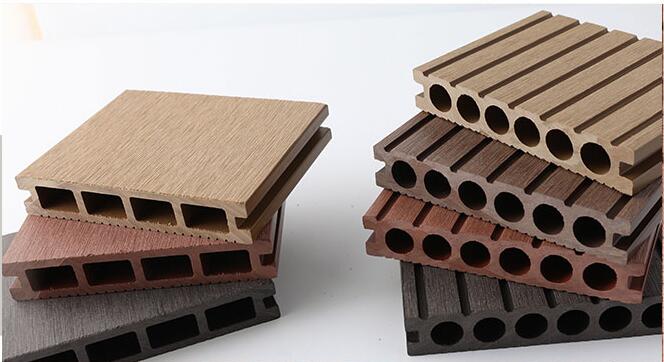
Composite decking is made from a combination of wood fibers and recycled plastics, designed to mimic the appearance of natural timber while offering enhanced durability. Unlike traditional wood decking, composite boards are resistant to rot, warping, and insect damage. The blend of materials also reduces maintenance requirements, eliminating the need for regular staining or sealing.
There are two main types of composite decking available in the UK:
Wood-Plastic Composite (WPC): This is the most common type, consisting of wood fibers and recycled plastic. It provides a natural wood look and is usually more affordable than capped composites.
Capped Composite Decking: This type features a protective layer over the core material, offering superior resistance to stains, scratches, and UV damage. Capped composite decking often comes at a premium price but has an extended lifespan.
Understanding these differences is essential for homeowners, as they directly affect both the composite decking cost per m² UK and long-term maintenance expenses.

Composite Decking Cost per m² UK
The cost of composite decking per square meter in the UK varies significantly depending on the brand, quality, board profile, and installation complexity. On average:
Entry-level composite boards: £40–£60 per m²
Mid-range boards: £60–£90 per m²
Premium boards (capped composites): £90–£150 per m²
These prices typically cover the decking boards only and exclude accessories such as joists, fascia boards, clips, and screws. Some brands offer complete kits, which may slightly reduce the overall cost but limit customization options.
Several factors influence the price per square meter:
Material Composition: Higher wood fiber content often increases the cost. Premium capped boards with a protective coating are more expensive.
Length and Width of Boards: Longer or wider boards may reduce the number of joints and create a sleeker appearance but can be more costly.
Colour and Finish: Special finishes, anti-slip textures, or unique colours may add to the price.
Brand Reputation: Well-known brands with warranties typically charge higher prices but provide better reliability and longevity.
Example Costs for Common Composite Decking Brands
Trex Transcend: £120–£140 per m²
Fiberon Symmetry: £90–£110 per m²
Ecodek Classic: £70–£85 per m²
Kebony Outdoor Decking: £95–£130 per m²
These estimates help homeowners understand the expected range when budgeting for a deck project.
Additional Costs Beyond Decking Boards
When calculating the total composite decking UK cost, it’s important to consider all related expenses beyond just the boards:
1. Joists and Substructure
Composite decking boards are usually fixed onto a supporting substructure made of either timber or composite joists. The choice of joist material affects durability and overall cost:
Pressure-treated timber joists: £10–£20 per m²
Composite joists: £25–£40 per m² (more expensive but rot-resistant)
2. Decking Accessories
Accessories such as clips, screws, fascia boards, and railing systems are essential for installation and aesthetics. Typical accessory costs include:
Hidden deck clips: £3–£5 per m²
Stainless steel screws: £5–£10 per m²
Composite fascia boards: £15–£25 per m²
Railing systems: £60–£120 per linear meter, depending on design
3. Labour and Installation
Installation costs are a significant portion of the total investment. Professional installation ensures a level, safe, and long-lasting deck but comes at a price. In the UK, labour costs typically range from £35 to £60 per m², depending on the complexity of the project and location.
Factors influencing installation cost include:
Deck shape and size
Ground preparation (leveling, drainage, or concrete bases)
Access and site conditions
Number of steps, railings, or raised areas
DIY installation is possible for experienced homeowners and can save £20–£40 per m², but errors may reduce the deck’s lifespan.
Total Cost Estimation
To estimate the total composite decking cost UK, let’s consider a medium-sized deck of 30 m²:
| Item | Cost per m² | Total Cost |
|---|---|---|
| Composite boards (mid-range) | £75 | £2,250 |
| Timber joists | £15 | £450 |
| Accessories | £20 | £600 |
| Labour | £50 | £1,500 |
| Total | — | £4,800 |
For premium boards and composite joists, the same 30 m² deck could cost £6,500–£7,500.
Factors Affecting Composite Decking UK Cost
Several key factors determine the final cost:
1. Deck Size and Shape
Larger decks naturally cost more due to higher material and labour requirements. Irregular shapes, multiple levels, or curved edges also increase labour complexity.
2. Material Quality
Investing in higher-quality boards with UV protection and capped surfaces reduces long-term maintenance and prolongs the deck’s lifespan, justifying the initial higher cost.
3. Ground Preparation
If your garden area requires excavation, leveling, or drainage adjustments, these preparatory works add to the total cost.
4. Additional Features
Adding built-in benches, integrated lighting, or pergolas increases both material and labour expenses.
Cost Comparison: Composite vs Timber Decking
Traditional timber decking is often less expensive upfront but requires ongoing maintenance:
| Feature | Timber Decking | Composite Decking |
|---|---|---|
| Initial Cost per m² | £30–£70 | £40–£150 |
| Lifespan | 10–15 years | 25+ years |
| Maintenance Requirements | Annual staining & sealing | Minimal cleaning |
| Resistance to Rot/Insects | Low | High |
| Environmental Impact | Depends on sourcing | Uses recycled materials |
While composite decking has a higher initial investment, the long-term savings on maintenance make it a cost-effective option over the lifespan of the deck.
Tips to Reduce Composite Decking Costs
Homeowners looking to manage composite decking UK cost can consider the following strategies:
Buy in Bulk: Larger orders often attract discounts from suppliers.
Consider Mid-range Boards: Quality boards do not always need to be premium. Mid-range capped composites balance cost and longevity.
DIY Installation: Experienced DIYers can reduce labour costs but must ensure correct installation.
Plan Efficiently: Simple rectangular decks are cheaper than complex, multi-level designs.
Compare Suppliers: Check multiple suppliers for board and accessory prices, warranties, and delivery fees.
Maintenance Costs and Longevity
Composite decking is often made from recycled wood and plastics, making it a more environmentally friendly choice than traditional timber, which may contribute to deforestation. Many UK suppliers now offer fully recyclable boards and sustainable options, which may slightly affect the price but provide a greener alternative for eco-conscious homeowners.
Choosing the Right Supplier in the UK
When it comes to purchasing composite decking, selecting the right supplier, such as Hosung WPC is essential for both achieving cost-effectiveness and ensuring the quality of the product. A reputable supplier will not only provide high-quality materials but also offer support throughout the purchasing and installation process. Here are several key factors to consider when choosing a composite decking supplier:
1. Warranty: Protection for Your Investment
A good warranty is an essential factor when purchasing composite decking. Since decking is an outdoor investment exposed to the elements, it’s important to choose a supplier that provides a solid warranty, usually lasting between 10 and 25 years. The warranty will cover potential defects in the material, ensuring you aren’t left with expensive repairs or replacements if the decking fails prematurely. Suppliers with long-term warranties typically demonstrate confidence in the durability and performance of their products.
Additionally, pay attention to what the warranty covers. Some suppliers offer comprehensive protection that covers fading, staining, scratching, and structural failure, while others may only cover manufacturing defects. Understanding these details can prevent any unpleasant surprises later on.
2. Customer Reviews: Insights from Previous Clients
Customer reviews can offer valuable insights into a supplier’s reliability and the quality of their products. Reading through reviews on the supplier’s website, independent review platforms, or social media can help you gauge customer satisfaction and highlight any potential issues. Look for consistent positive feedback regarding product quality, customer service, and delivery times.
On the other hand, a pattern of negative reviews might indicate problems with the supplier’s quality control, poor customer service, or unreliable delivery practices. Keep in mind that every company might have a few negative reviews, but pay attention to how they respond to customer complaints and resolve issues.
3. Delivery Options: Reducing Extra Costs
Shipping and delivery costs can add up quickly, particularly if you are ordering large quantities of composite decking or need a more complex installation setup. A reliable supplier will offer transparent delivery options, including competitive shipping rates and clear delivery times. It’s essential to check if the supplier charges for delivery or if it’s included in the cost of the decking.
Also, consider whether the supplier offers flexible delivery schedules. Some suppliers may offer fast-tracked deliveries or the option to schedule a convenient time for delivery, which can help minimize delays in your project. Efficient delivery services can help you stay on track and reduce the time spent waiting for materials.
In addition, ask about delivery to your specific location. Some suppliers charge more for deliveries to remote or hard-to-access areas, so understanding this upfront can help you avoid unexpected shipping fees.
4. Technical Support: Expert Guidance for Installation and Maintenance
Decking installation can be a challenging task, especially if you’re tackling a DIY project. A supplier who offers comprehensive technical support can be invaluable. Look for a supplier who provides detailed installation guides, video tutorials, and expert advice to ensure you can complete your decking project with confidence.
Additionally, check if the supplier offers customer support for any installation-related queries. Having access to technical assistance can prevent mistakes that may affect the structural integrity of your deck or lead to costly repairs. Some suppliers even offer professional installation services or referrals to certified contractors who are experienced in composite decking installation.
Long-term maintenance is another crucial area where technical support comes in handy. Suppliers should be able to advise you on how to care for your composite decking, provide cleaning tips, and recommend appropriate cleaning products that won’t damage the material. This can help you maintain the deck’s appearance and functionality for years to come.
5. Product Samples and Customization
Another aspect to consider when choosing a supplier is whether they provide product samples. This allows you to test the quality of the materials before committing to a large order. You can evaluate factors like the texture, finish, and colour of the boards, ensuring they match your vision for your outdoor space. Many suppliers offer free or low-cost samples, which can give you peace of mind before placing a full order.
Additionally, some suppliers offer customization options such as different board profiles, colours, and finishes. If you have a specific design in mind or want to match the decking to your home’s aesthetic, choosing a supplier that offers tailored options can help you achieve the perfect result.
6. Sustainability Practices
In today’s environmentally conscious market, many homeowners prioritize sustainability when choosing building materials. Suppliers that use recycled materials in their composite decking boards or those who adhere to sustainable manufacturing practices can be a better fit for eco-conscious consumers. Be sure to ask about the supplier’s environmental policies, such as whether their products are made with recycled plastics and wood fibers, and if they follow green manufacturing processes.
Some suppliers also offer recyclable decking products, which is an essential feature for customers interested in reducing their carbon footprint. In addition, look for companies that are transparent about their sourcing of raw materials, ensuring they are ethically and sustainably harvested.
7. Pricing Transparency
Pricing transparency is essential for any decking purchase. The best suppliers will provide clear and detailed pricing, without hidden fees. This includes not just the cost of the decking itself but also the additional charges for accessories, delivery, and installation (if applicable). Some suppliers might offer discounts or bulk pricing, so it’s always worth asking about promotions or deals, especially if you plan to purchase a large quantity of decking.
It’s also helpful to request a detailed quote with a breakdown of costs so you can compare offers from different suppliers. A trustworthy supplier will provide an itemized quote that makes it easy to understand where your money is going.
Summary
Understanding composite decking UK cost requires careful consideration of both material and installation expenses. While prices range from £40 to £150 per m² for boards alone, additional costs for joists, accessories, and labour can significantly impact the final budget. Choosing the right combination of board type, installation method, and design complexity is essential to optimize cost without compromising on durability and aesthetics.
In conclusion, composite decking offers a long-term, low-maintenance solution for UK homeowners seeking an attractive and functional outdoor space. By carefully evaluating costs, comparing suppliers, and considering DIY options, it is possible to enjoy a high-quality deck that adds value and beauty to your property.