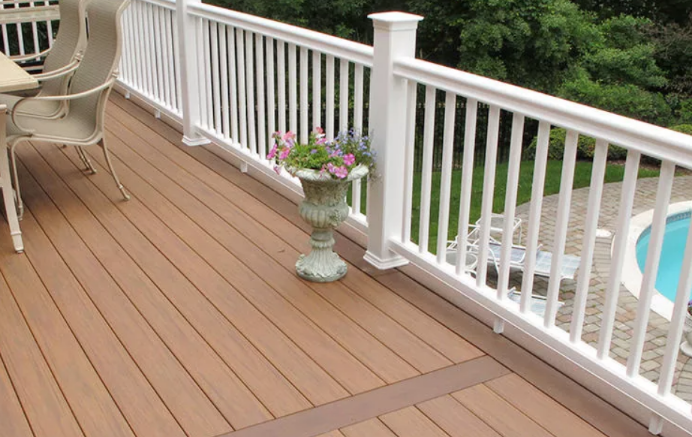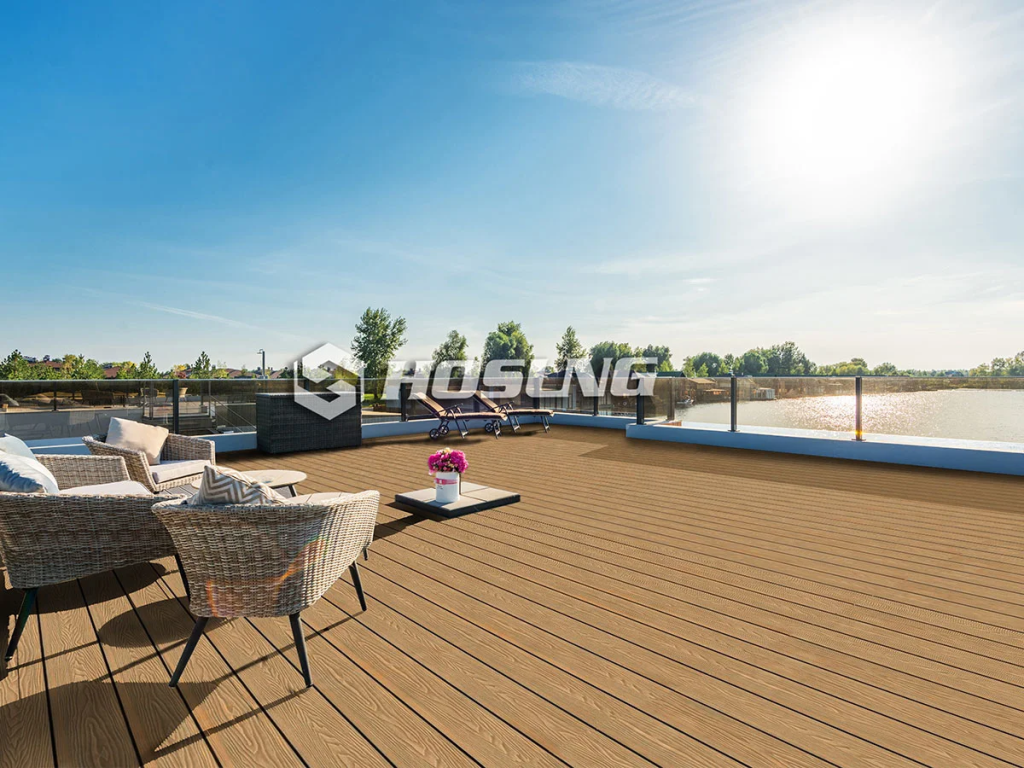
Choosing the best composite decking material in Canada can be overwhelming with the wide range of options available. From durability to aesthetics, maintenance requirements, environmental impact, and cost, several factors influence the right choice for your home or commercial property. This guide will provide a detailed overview to help homeowners, builders, and landscapers make informed decisions about composite decking materials in Canada.
Table of Contents
What is Composite Decking?
Composite decking is a type of decking material made from a combination of wood fibers and recycled plastics. Unlike traditional wood decking, which can warp, crack, or splinter over time, composite decking is engineered to be highly durable, resistant to rot, and low maintenance.
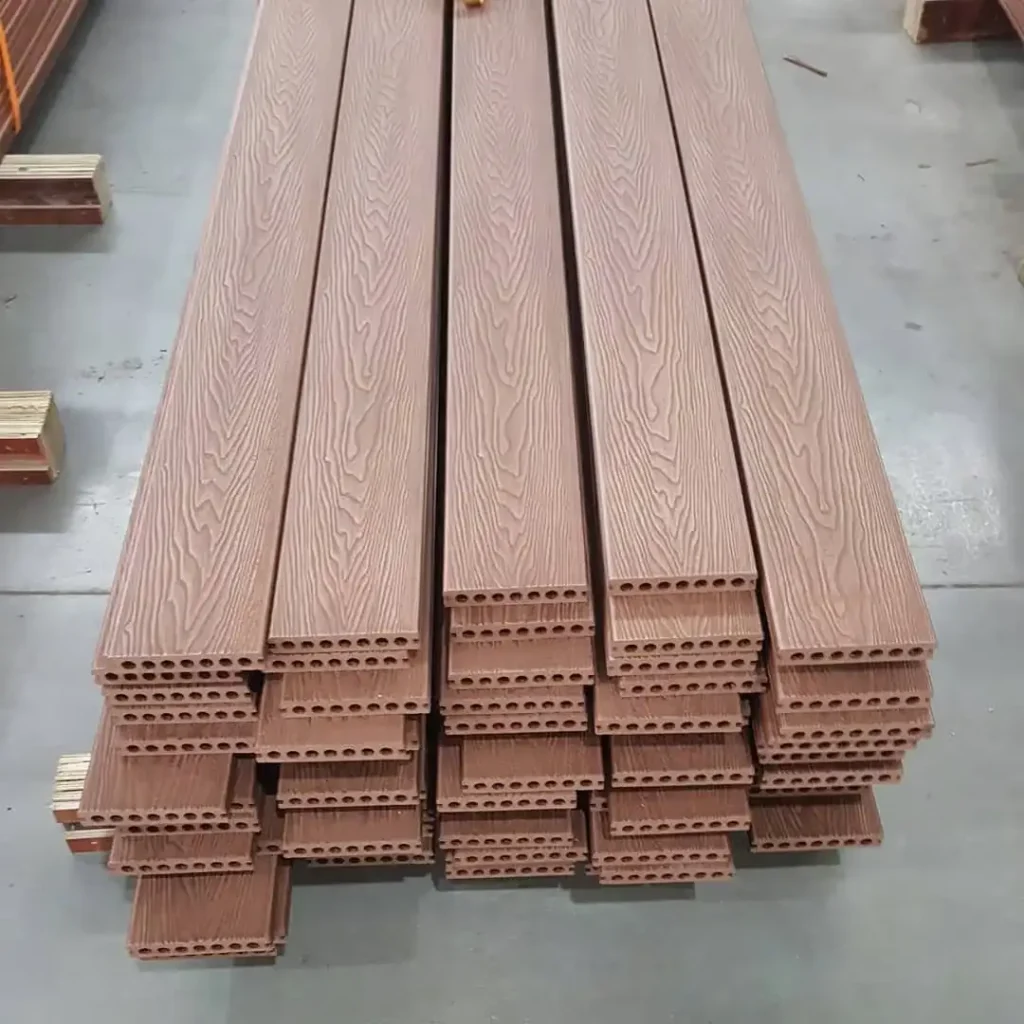
The wood fibers in composite decking give it a natural wood appearance, while the plastic components enhance its strength and weather resistance. Many composite boards also feature protective coatings to resist fading, staining, and mold growth.
Why Choose Composite Decking in Canada?
Canada’s climate is challenging for outdoor wood structures. From harsh winters with heavy snow and freezing temperatures to hot, humid summers, traditional wood decks can suffer significant damage over time. Here’s why composite decking is often the best option:
- Durability in Extreme Weather: Composite boards resist warping, splitting, and rotting even in wet or snowy conditions.
- Low Maintenance: Unlike wood, which requires sanding, sealing, and staining annually, composite decking typically only needs occasional cleaning.
- Eco-Friendly: Many composite boards are made from recycled materials, including plastic bags and reclaimed wood fibers, reducing environmental impact.
- Aesthetic Variety: Available in multiple colors, textures, and finishes, composite decking allows for design flexibility without compromising on durability.
- Long Lifespan: With proper installation and care, composite decks can last 25–30 years or more, outlasting most traditional wood decks.
Key Factors When Selecting the Best Composite Decking Material in Canada
Finding the best composite decking material in Canada requires evaluating several critical factors:
1. Climate Resistance
Canadian weather varies widely from province to province. Decks in British Columbia may face high rainfall and humidity, whereas decks in Alberta may endure freezing temperatures and snow. Choosing decking material designed for local conditions ensures longevity. Look for boards rated for:
- Freeze-Thaw Cycles: Prevents cracking or warping in winter.
- UV Resistance: Maintains color integrity during hot summer months.
- Moisture Resistance: Reduces mold, mildew, and rot, especially in coastal or rainy regions.
2. Material Composition
Composite decking materials vary in their ratios of wood fiber to plastic. There are three primary types:
- Wood-Plastic Composite (WPC): A mix of wood fibers and plastic, offering a natural look with moderate durability.
- Capped Composite: Features a protective polymer shell over the board to prevent fading, staining, and scratching.
- PVC Decking: Made entirely from plastic, offering high durability and low maintenance but often at a higher cost.
3. Durability and Strength
The durability of a composite deck depends on its composition and manufacturing quality. Consider:
- Wear Resistance: Look for high-density boards that resist scratching and denting.
- Weight-Bearing Capacity: Ensure the decking material can handle furniture, grills, and foot traffic.
- Impact Resistance: Important in areas with hail or falling debris.
4. Maintenance Requirements
One of the main reasons homeowners choose composite decking is reduced maintenance. When evaluating options, consider:
- Cleaning: Most composite boards can be cleaned with soap and water, though some may require specialized cleaners.
- Mold and Mildew Resistance: Boards with sealed surfaces or protective caps minimize growth.
- Repair Options: Some composite boards can be sanded or replaced easily if damaged.
5. Appearance and Design
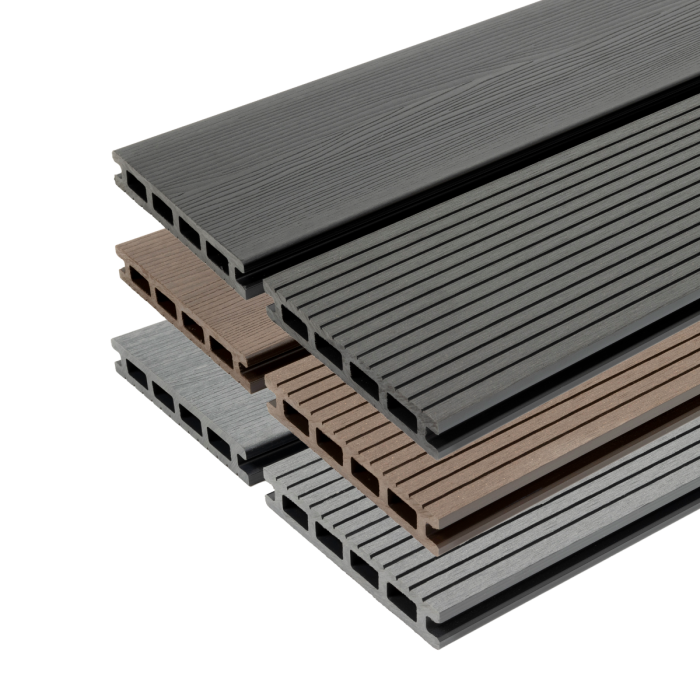
Composite decking comes in a variety of colors, grains, and textures to mimic natural wood or offer modern aesthetics. Key considerations include:
- Color Options: Choose from earth tones, grays, or bold colors to complement your home exterior.
- Texture: Wood-grain finishes or smooth surfaces can impact slip resistance and feel underfoot.
- Edge Design: Square or beveled edges affect the deck’s visual appeal.
6. Sustainability and Eco-Friendliness
Many Canadian homeowners prioritize environmentally friendly materials. Composite decking made from recycled wood fibers and plastics reduces landfill waste. Look for products certified by organizations such as:
- Forest Stewardship Council (FSC): Ensures responsible wood sourcing.
- SCS Global Services: Certifies recycled content in products.
7. Cost and Warranty
Composite decking is generally more expensive upfront than traditional wood but offers long-term savings due to low maintenance. Consider:
- Initial Investment: Price per square foot varies by brand, material type, and board size.
- Warranty: Leading brands offer 20–30 years coverage against fading, staining, or structural failure.
- Life-Cycle Cost: Factor in long-term maintenance savings when comparing with pressure-treated wood.
Popular Composite Decking Brands in Canada
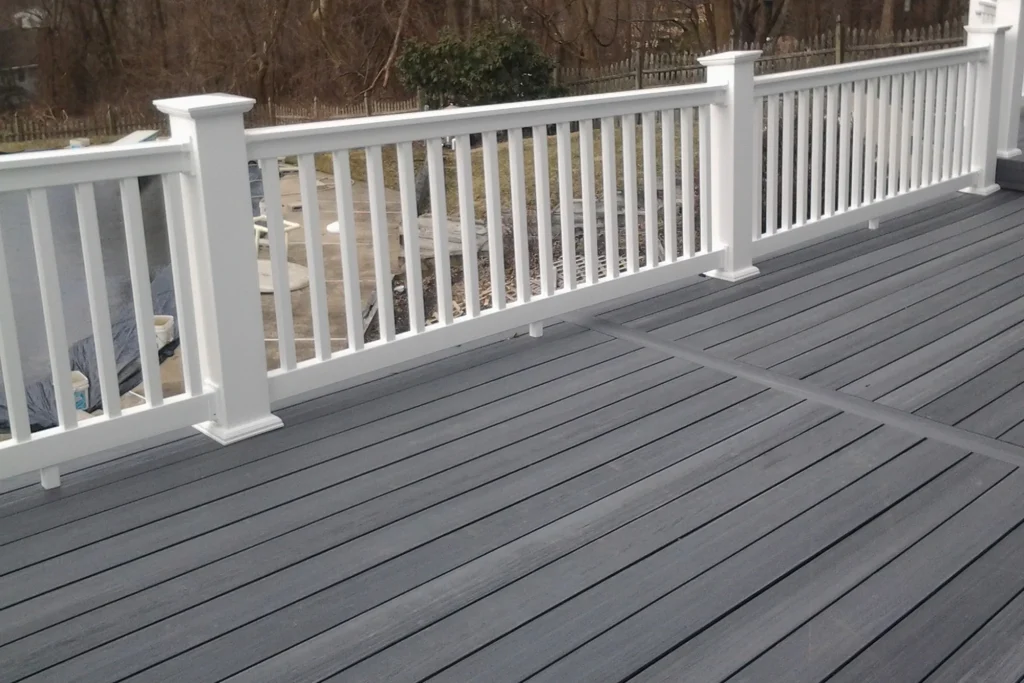
Several brands dominate the Canadian composite decking market, offering a balance between quality, durability, and aesthetics.
1. Trex
Trex is widely regarded as a top brand in composite decking. It uses 95% recycled materials and features a protective shell that resists fading and staining. Popular in Canada for its ability to withstand snow and ice.
Pros: Low maintenance, fade-resistant, long lifespan
Cons: Higher upfront cost
2. TimberTech
TimberTech offers a range of composite decking boards, including capped and PVC options. Known for its realistic wood appearance and durable finishes.
Pros: Wide color selection, robust warranty, slip-resistant options
Cons: Slightly higher cost than standard WPC
3. Fibrex
Fibrex, a material unique to certain brands like Trex Select, blends wood fibers and thermoplastic polymers for enhanced durability and minimal maintenance.
Pros: Lightweight, eco-friendly, easy to install
Cons: Limited color options compared to other premium brands
4. Deckorators
Deckorators offers capped composite boards with rich colors and textures. Their products are designed to resist Canadian weather conditions, including UV rays and moisture.
Pros: High-end aesthetics, strong warranty, low maintenance
Cons: Premium pricing
5. MoistureShield
MoistureShield boards are made for wet climates, perfect for areas with heavy rainfall or lakeside properties. They feature high moisture resistance and low maintenance requirements.
Pros: Ideal for coastal and high-moisture regions, long-lasting
Cons: Limited distribution in some Canadian provinces
How to Install Composite Decking in Canada
Proper installation is crucial to maximize the lifespan of composite decks. While DIY installation is possible, professional installation ensures safety and durability.
Steps for Installation:
- Measure and Plan: Calculate the deck’s square footage and select the appropriate board size.
- Prepare the Foundation: Ensure a level substructure using pressure-treated lumber or steel joists.
- Spacing: Allow 6–8 mm gaps between boards for expansion in varying temperatures.
- Fasteners: Use manufacturer-recommended hidden fasteners or screws to prevent splitting.
- Edge Trimming: Trim edges neatly, and consider fascia boards for a polished look.
- Cleaning After Installation: Remove dust and debris to prevent staining.
Maintenance Tips for Long-Lasting Decks
Even low-maintenance composite decks benefit from periodic care. Here are essential tips:
- Regular Cleaning: Sweep debris and wash with soap and water. Avoid abrasive cleaners.
- Prevent Stains: Remove food spills, leaves, or oil promptly.
- Inspect for Damage: Check for scratches, dents, or loose fasteners annually.
- Mold and Mildew Control: In shaded or damp areas, use a mild solution of water and vinegar or manufacturer-approved cleaners.
- Avoid Heat Damage: Use furniture pads and avoid placing hot grills directly on the surface.
Comparing Composite Decking to Traditional Wood
To understand why composite decking is often the best option in Canada, consider this comparison:
| Feature | Composite Decking | Pressure-Treated Wood | Cedar/Redwood |
|---|---|---|---|
| Durability | High, 25–30 years | Moderate, 10–15 years | Moderate, 15–20 years |
| Maintenance | Low | High, needs sealing & staining | Medium, periodic oiling |
| Moisture Resistance | Excellent | Moderate | Moderate |
| Color Retention | Excellent | Poor | Moderate |
| Cost | Higher upfront | Lower upfront | Moderate |
| Eco-Friendliness | High (recycled content) | Medium | Low–Medium |
This comparison clearly shows why composite decking is ideal for the Canadian climate, offering long-term savings and superior performance.
Cost Considerations in Canada
Prices vary widely based on brand, material type, and board dimensions. A general breakdown for Canadian composite decking:
- Standard WPC Boards: CAD 4–8 per sq. ft.
- Capped Composite Boards: CAD 6–12 per sq. ft.
- PVC Boards: CAD 8–15 per sq. ft.
Installation Costs: Professional installation ranges from CAD 10–20 per sq. ft., depending on complexity and location.
Tip: Factor in long-term maintenance savings when comparing with traditional wood. Composite decks rarely require sealing, staining, or replacement, offering cost efficiency over decades.
Trends in Canadian Composite Decking
Recent trends in Canada show increasing interest in:
- Eco-Friendly Boards: Higher recycled content and certifications like FSC.
- Textured Finishes: Enhanced slip resistance and natural wood appearance.
- Hidden Fastening Systems: For a cleaner, modern deck look.
- Extended Warranties: Homeowners prefer brands offering 25–30 year coverage.
- Color Variety: Beyond browns and grays, muted blues and greens are gaining popularity.
Frequently Asked Questions (FAQ)
Q1: Can composite decking handle Canadian winters?
Yes. High-quality composite boards are engineered to withstand freeze-thaw cycles, heavy snow, and ice.
Q2: Is composite decking eco-friendly?
Most brands in Canada use recycled plastics and wood fibers, making them environmentally responsible.
Q3: How long does composite decking last?
With proper installation and maintenance, composite decks can last 25–30 years or more.
Q4: Can I install composite decking myself?
Yes, but professional installation is recommended to ensure proper spacing, fastening, and foundation support.
Q5: Does composite decking get slippery when wet?
Some boards have textured surfaces to improve slip resistance. It’s important to choose boards designed for your local climate.
Q6: Can composite boards be painted or stained?
Most boards are designed to maintain color without painting. Staining is generally not recommended as it can void warranties.
Q7: What is the typical warranty for Canadian composite decking?
Most leading brands offer 20–30 years against fading, staining, or structural defects.
Conclusion
Choosing the best composite decking material in Canada requires careful consideration of climate, durability, maintenance, aesthetics, cost, and eco-friendliness. Brands like Trex, TimberTech, Deckorators, and MoistureShield offer high-quality boards engineered for Canadian conditions, combining longevity with low maintenance and design flexibility.
While upfront costs may be higher than traditional wood, composite decking provides long-term savings, increased safety, and superior performance in extreme weather. Whether you are building a small backyard deck or a large commercial outdoor space, composite decking is a practical and aesthetically pleasing choice for Canadian homeowners.
Invest in quality materials from Hosung, consider professional installation, and follow proper maintenance guidelines to enjoy a beautiful, long-lasting deck for decades.