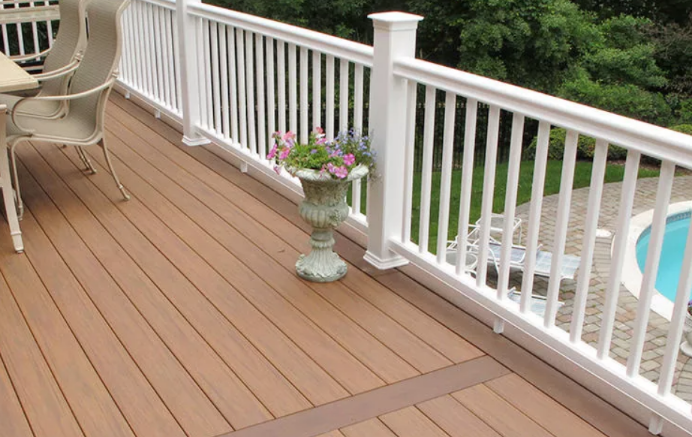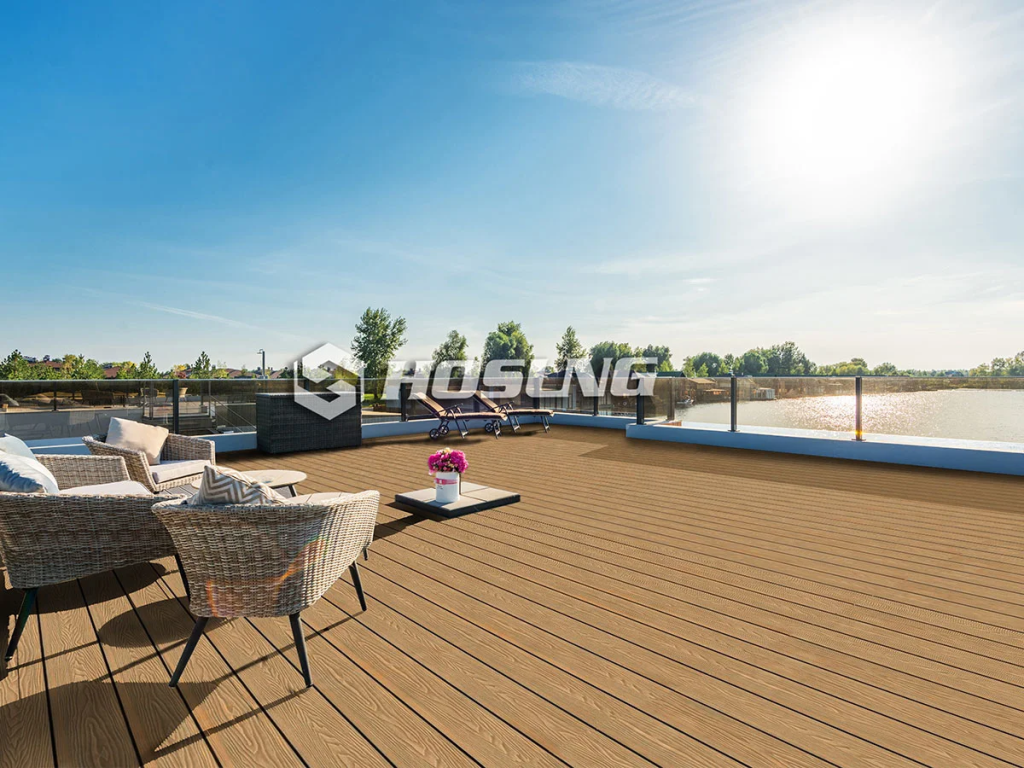
Adding a new deck is one of the most popular home improvement projects in Canada. Whether you want a small backyard platform for summer BBQs or a luxury multi-level outdoor living space, understanding deck construction costs is essential before starting your project. The question many homeowners ask is: how much does a new deck cost Canada? The answer depends on several factors, including deck size, materials, labor, design complexity, location, permits, and additional features. In this detailed guide, we will break down everything you need to know about deck pricing in Canada, including average costs, material comparisons, labor rates, and money-saving tips.
Table of Contents
Why More Canadians Are Building Outdoor Decks
Outdoor living spaces have become increasingly important across Canada. Homeowners want functional areas for:
- Family gatherings
- Outdoor dining
- Entertaining guests
- Relaxation
- Increasing property value
A professionally built deck can significantly improve both the appearance and usability of a home. In many regions of Canada, especially during spring and summer, decks become an extension of indoor living space.
Because of this growing demand, deck construction prices have also increased in recent years due to:
- Higher lumber costs
- Increased labor rates
- Material shortages
- Inflation in construction industries
Understanding current deck costs helps homeowners budget more accurately.
Average New Deck Cost in Canada
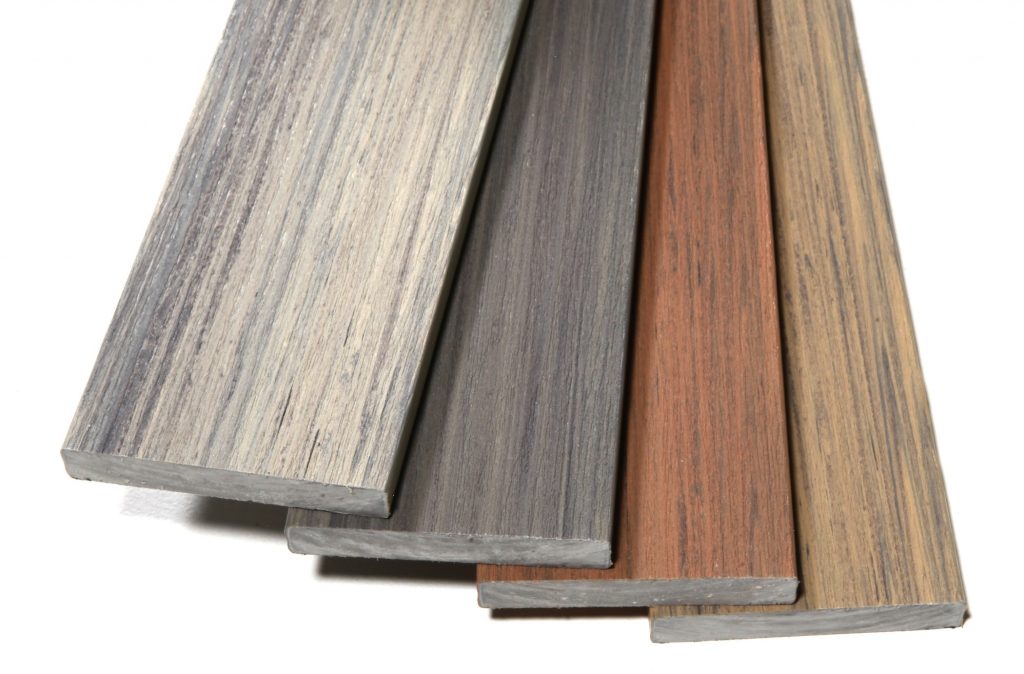
The average deck cost in Canada typically ranges between:
| Deck Type | Average Cost Range |
|---|---|
| Small Basic Deck | CAD $4,000 – $8,000 |
| Medium-Sized Deck | CAD $8,000 – $18,000 |
| Large Premium Deck | CAD $18,000 – $40,000+ |
Most Canadian homeowners spend around:
- CAD $35 to $95 per square foot
- Premium custom decks can exceed CAD $120 per square foot
The total price depends heavily on material selection and project complexity.
Cost Per Square Foot for Deck Construction in Canada
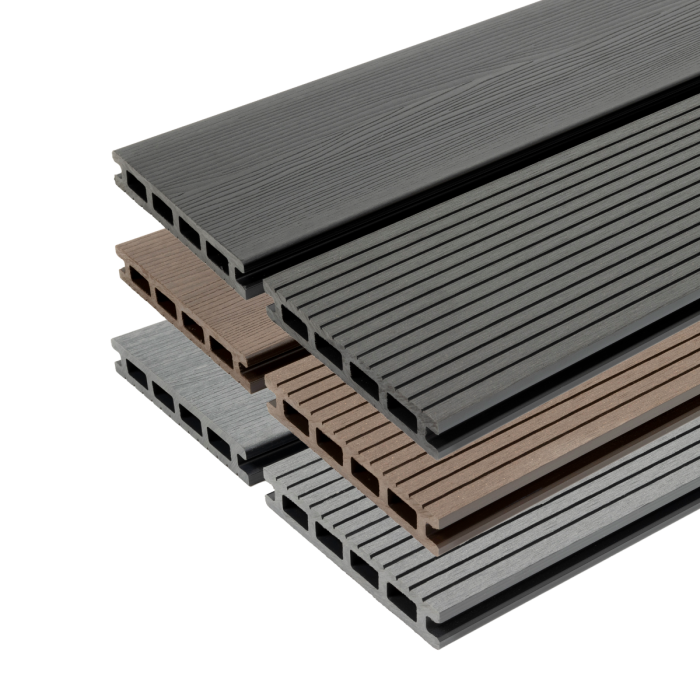
One of the easiest ways to estimate pricing is by square footage.
Pressure-Treated Wood Deck
| Size | Estimated Cost |
|---|---|
| 100 sq ft | CAD $3,500 – $6,000 |
| 200 sq ft | CAD $6,000 – $10,000 |
| 300 sq ft | CAD $9,000 – $15,000 |
Pressure-treated lumber is usually the most affordable option.
Cedar Deck
| Size | Estimated Cost |
|---|---|
| 100 sq ft | CAD $5,000 – $8,000 |
| 200 sq ft | CAD $9,000 – $14,000 |
| 300 sq ft | CAD $14,000 – $22,000 |
Cedar offers better appearance and natural resistance to insects and moisture.
Composite Deck
| Size | Estimated Cost |
|---|---|
| 100 sq ft | CAD $7,000 – $12,000 |
| 200 sq ft | CAD $12,000 – $20,000 |
| 300 sq ft | CAD $18,000 – $32,000 |
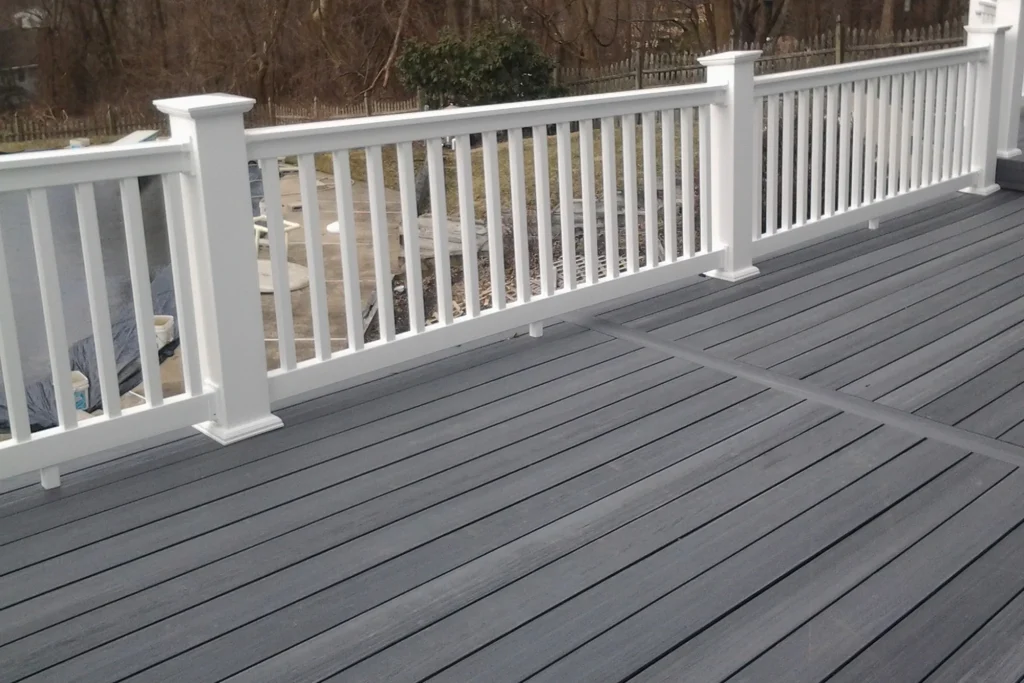
Composite decking has become extremely popular because of its low maintenance requirements.
PVC Deck
| Size | Estimated Cost |
|---|---|
| 100 sq ft | CAD $8,000 – $14,000 |
| 200 sq ft | CAD $15,000 – $25,000 |
| 300 sq ft | CAD $22,000 – $38,000 |
PVC decking is highly resistant to moisture and weather damage.
Factors That Affect New Deck Cost in Canada
Several important factors influence total deck pricing.
1. Deck Size
Larger decks require:
- More materials
- More labor
- Additional structural support
A small platform deck costs far less than a large wraparound deck.
In Canada, deck size is usually measured in square feet, and contractors often calculate labor and material costs based on total deck area. For example, a simple 10×10 foot deck may cost only a fraction of a custom multi-level deck designed for entertaining or outdoor kitchens. Homeowners should also remember that larger decks often require more footings, railings, stairs, and framing reinforcement, which can quickly increase the final budget.
Multi-level decks are becoming increasingly popular in modern Canadian homes, especially for sloped backyards. However, these designs involve more engineering, additional support beams, and more complex labor, all of which contribute to higher installation costs.
2. Material Type
Material selection is one of the biggest pricing factors.
Pressure-Treated Lumber
Advantages:
- Lowest initial cost
- Widely available
- Durable when maintained properly
Disadvantages:
- Requires staining and sealing
- Can warp or crack over time
Pressure-treated wood remains one of the most common deck materials across Canada because it offers an affordable entry point for homeowners. It performs reasonably well in most climates and can last many years with proper maintenance. However, due to Canada’s harsh winters and seasonal moisture changes, pressure-treated wood may require regular upkeep to prevent splitting, fading, and mold growth.
Cedar
Advantages:
- Attractive natural appearance
- Better insect resistance
- More stable than treated lumber
Disadvantages:
- Higher cost
- Requires maintenance
Cedar decking is highly valued for its rich color and premium appearance. Many Canadian homeowners choose cedar because it blends naturally with outdoor landscapes and offers better resistance to decay compared to standard treated wood. Cedar also tends to stay cooler under sunlight, making it comfortable during summer months.
However, cedar still requires regular staining and sealing to maintain its appearance and durability, especially in regions with heavy snow or frequent rainfall.
Composite Decking
Advantages:
- Low maintenance
- Long lifespan
- Resistant to rot and insects
Disadvantages:
- Higher upfront investment
- Can become hot under direct sunlight
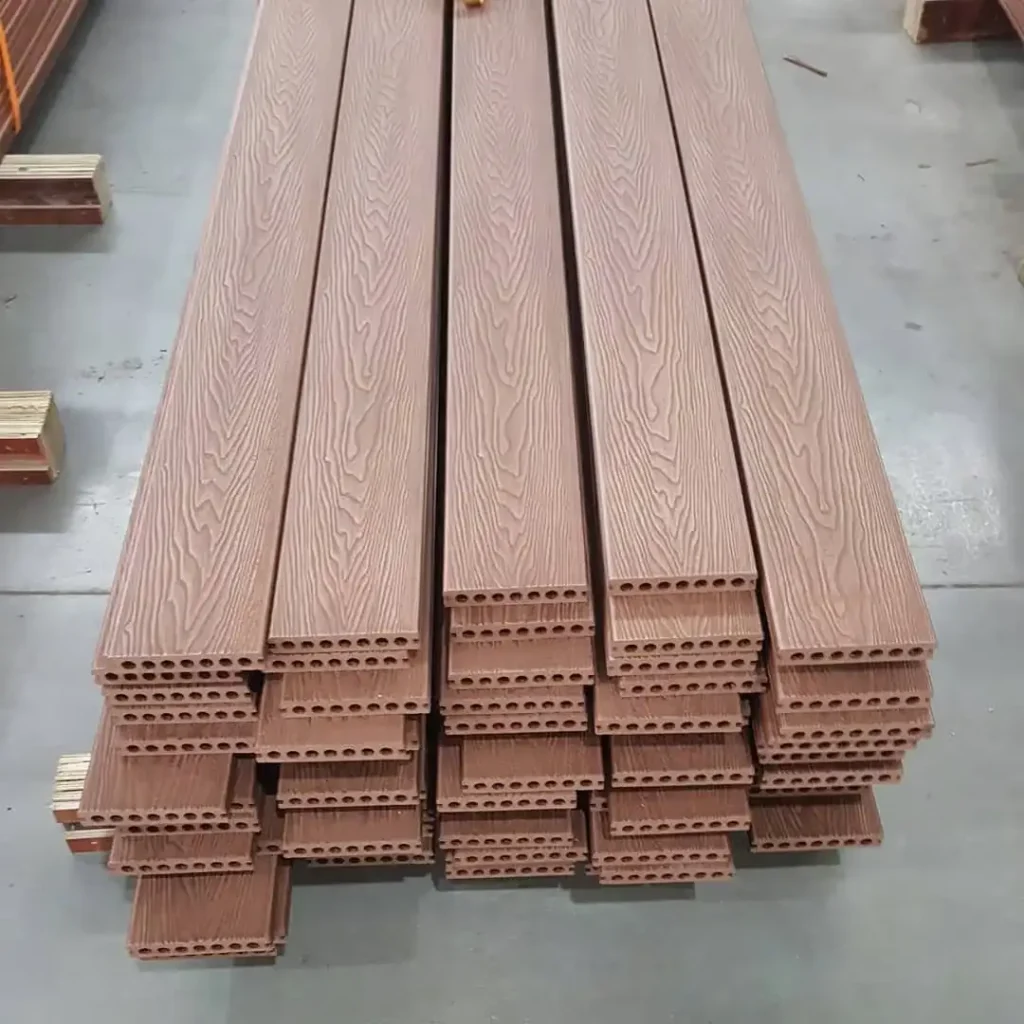
Composite decking has become one of the fastest-growing choices in Canada. It combines recycled wood fibers and plastic materials to create a durable, low-maintenance surface. Unlike natural wood, composite boards do not require annual staining or sealing, which helps reduce long-term maintenance costs.
Many homeowners view composite decking as a long-term investment because it offers excellent resistance to moisture, snow, UV exposure, and insect damage. Premium composite products may also include fade-resistant coatings and hidden fastening systems for a cleaner appearance.
PVC Decking
Advantages:
- Waterproof
- Extremely low maintenance
- Excellent durability
Disadvantages:
- Most expensive option
- Some homeowners prefer natural wood appearance
PVC decking is considered a premium decking solution in Canada, especially for areas exposed to high moisture or extreme weather conditions. Since PVC contains no wood fibers, it is highly resistant to mold, mildew, and water damage. This makes it especially suitable for lakefront homes, rooftop decks, and regions with heavy snowfall.
Although PVC decking has the highest upfront cost, many homeowners appreciate its long lifespan and minimal maintenance requirements. Modern PVC decking products are also available in a wide range of colors and textures that imitate real wood grain, helping improve the overall appearance of outdoor living spaces.
Beyond the decking boards themselves, material choices for railings, stairs, skirting, lighting, and fasteners can also significantly affect the final project cost. Aluminum railings, glass panels, built-in lighting systems, and waterproof underdeck drainage systems are popular upgrades that can increase both functionality and overall property value.
Labor Costs for Deck Construction in Canada
Labor typically accounts for:
- 40% to 60% of total deck costs
Average labor rates in Canada range from:
- CAD $25 to $70 per hour
Rates depend on:
- Province
- Contractor experience
- Project complexity
- Urban vs rural location
Labor Costs by Region
| Province | Average Labor Cost |
|---|---|
| Ontario | Higher |
| British Columbia | Higher |
| Alberta | Moderate to High |
| Quebec | Moderate |
| Atlantic Canada | Lower |
Cities like Toronto and Vancouver generally have higher deck construction costs due to labor demand and higher living expenses.
Cost of Deck Foundations and Footings
Canadian climates require strong frost-resistant foundations.
Common Foundation Types
Concrete Footings
Most common option.
Average cost:
- CAD $50–$150 per footing
Helical Piles
Increasingly popular in colder regions.
Average cost:
- CAD $250–$450 per pile
Floating Deck Foundations
Lower-cost option for small decks.
Average cost:
- CAD $1,000–$3,000 total
Foundation costs can increase substantially if:
- Soil conditions are poor
- Excavation is difficult
- Frost depth requirements are deeper
Permit Costs for Deck Construction in Canada
Many Canadian municipalities require permits for deck projects.
Permit costs usually range from:
- CAD $150 to $800
Permit requirements often depend on:
- Deck height
- Deck size
- Proximity to property lines
- Structural attachments to the house
Failure to obtain proper permits may result in:
- Fines
- Insurance issues
- Problems during future home sales
Additional Features That Increase Deck Costs
Many homeowners add custom features that significantly affect pricing.
Railings
Average costs:
- Wood railings: CAD $50–$120 per linear foot
- Aluminum railings: CAD $120–$250 per linear foot
- Glass railings: CAD $200–$400 per linear foot
Glass systems are especially expensive but highly popular for scenic properties.
Stairs
Deck stairs usually cost:
- CAD $800–$5,000+
Pricing depends on:
- Height
- Width
- Material
- Number of landings
Pergolas and Shade Structures
Pergolas add style and sun protection.
Average costs:
- CAD $3,000–$15,000+
Custom cedar pergolas cost more than aluminum kits.
Lighting Systems
Deck lighting enhances safety and aesthetics.
Average costs:
- CAD $1,000–$5,000
Common options include:
- Stair lights
- Post cap lights
- LED strip lighting
- Solar lighting
Outdoor Kitchens
Luxury outdoor kitchens can dramatically increase costs.
Average costs:
- CAD $5,000–$50,000+
Features may include:
- Built-in grills
- Refrigerators
- Sinks
- Pizza ovens
- Stone countertops
How Canadian Climate Affects Deck Cost Canada
Canada’s harsh climate plays a major role in deck construction decisions.
Snow and Freeze-Thaw Cycles
Heavy snow loads require:
- Stronger framing
- Proper spacing
- Durable fasteners
Frost heaving can damage improperly installed foundations.
Moisture Exposure
Regions with high rainfall or humidity require:
- Better drainage
- Rot-resistant materials
- Mold-resistant decking
Composite and PVC decking are often preferred in wet climates.
UV Exposure
Decks exposed to strong sunlight may experience:
- Fading
- Warping
- Surface heating
Premium decking products often include UV protection technologies.
Best Time to Build a Deck in Canada
The ideal construction season depends on location.
Spring
Advantages:
- Ready for summer use
- Mild weather
Disadvantages:
- Higher contractor demand
- Longer wait times
Summer
Advantages:
- Optimal working conditions
Disadvantages:
- Peak pricing
- Scheduling delays
Fall
Advantages:
- Potential discounts
- Faster scheduling
Many contractors offer better pricing after summer demand declines.
Final Thoughts
So, how much does a new deck cost Canada? The answer depends on many variables, including size, materials, labor, climate considerations, and custom features. In general, Canadian homeowners can expect to spend anywhere from a few thousand dollars for a simple pressure-treated deck to tens of thousands for a luxury composite outdoor living space.
While pressure-treated wood offers the lowest upfront investment, composite and PVC decking provide long-term durability and lower maintenance costs. Proper planning, material selection, and professional installation are essential for maximizing both performance and property value.
As outdoor living continues to grow in popularity across Canada, investing in a high-quality deck can provide years of enjoyment while enhancing the functionality and appeal of your home.