The global demand for sustainable building materials has increased rapidly in recent years, especially in outdoor construction and landscaping applications. One of the most widely adopted materials in this category is Wood Plastic Composite (WPC), known for its durability, weather resistance, and eco-friendly properties. China has become one of the most important production hubs for this material, supplying a large share of global demand. When buyers search for a reliable wpc manufacturer in china, they are usually looking for consistent quality, competitive pricing, and scalable production capacity. This article provides a detailed overview of WPC manufacturing in China, covering production processes, product types, quality standards, applications, sourcing strategies, and market trends. It is designed to help importers, distributors, contractors, and project developers make informed decisions.
Table of Contents
WPC and Why It Is Widely Used
Wood Plastic Composite (WPC) is a hybrid material made by combining wood fibers or wood flour with thermoplastics such as polyethylene, polypropylene, or PVC. Additives are often included to improve UV resistance, color stability, and structural strength.
Key characteristics of WPC:
- Moisture resistance
- Termite and insect resistance
- Low maintenance requirements
- High durability in outdoor environments
- Eco-friendly use of recycled materials
- Aesthetic similarity to natural wood
Because of these advantages, WPC has replaced traditional wood in many applications, especially in decking, fencing, wall cladding, and landscaping structures.
Why China Leads Global WPC Production
China has developed a strong industrial ecosystem for composite materials over the past two decades. When buyers search for a wpc manufacturer in china, they are often drawn by several structural advantages.
1. Large-scale manufacturing capacity
Chinese factories are capable of producing high volumes of WPC profiles using advanced extrusion lines, enabling fast delivery for global orders.
2. Cost efficiency
Lower raw material sourcing costs and efficient production systems allow competitive pricing without sacrificing quality.
3. Mature supply chain
China has a well-established supply chain for polymers, wood powder, pigments, and additives, ensuring stable production inputs.
4. Export experience
Many manufacturers have extensive experience in international trade, offering customized packaging, certification support, and logistics coordination.
Manufacturing Process of WPC Products
Understanding the production process helps buyers evaluate product quality and factory capability.
1. Raw material preparation
Wood fibers are dried and sieved to ensure uniform particle size. Thermoplastics are selected based on product requirements.
2. Mixing and compounding
Materials are blended with additives such as:
- UV stabilizers
- Coupling agents
- Color pigments
- Lubricants
This stage determines the performance and appearance of the final product.
3. Extrusion molding
The mixture is fed into an extruder where high temperature and pressure form the desired profile shape.
Common profiles include:
- Decking boards
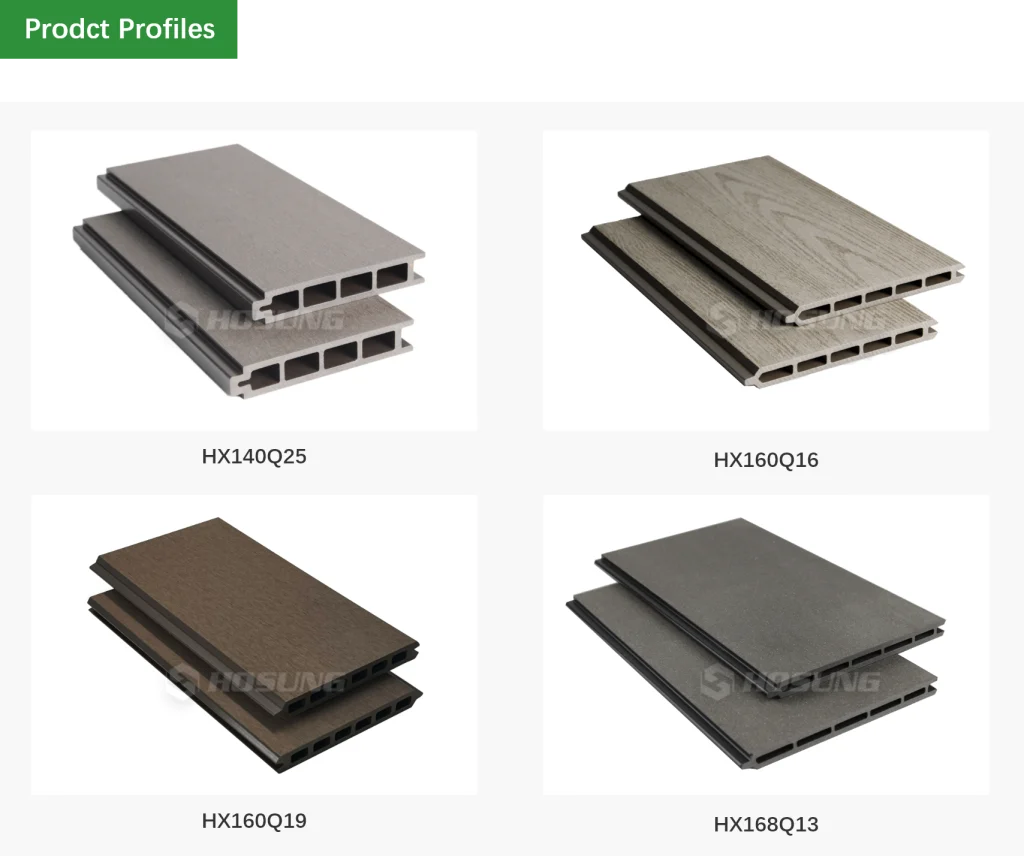
- Wall panels
- Fencing boards
- Structural beams
4. Cooling and calibration
The extruded material is cooled and shaped to ensure dimensional stability.
5. Surface treatment
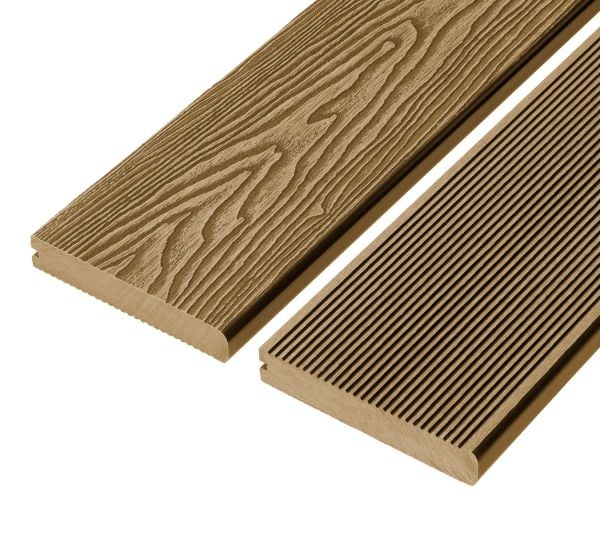
Surface finishing may include sanding, embossing, or brushing to create wood-like textures.
6. Cutting and packaging
Products are cut into standard lengths and packaged for export.
Main Types of WPC Products
A professional wpc manufacturer in china usually offers a wide range of product categories for different applications.
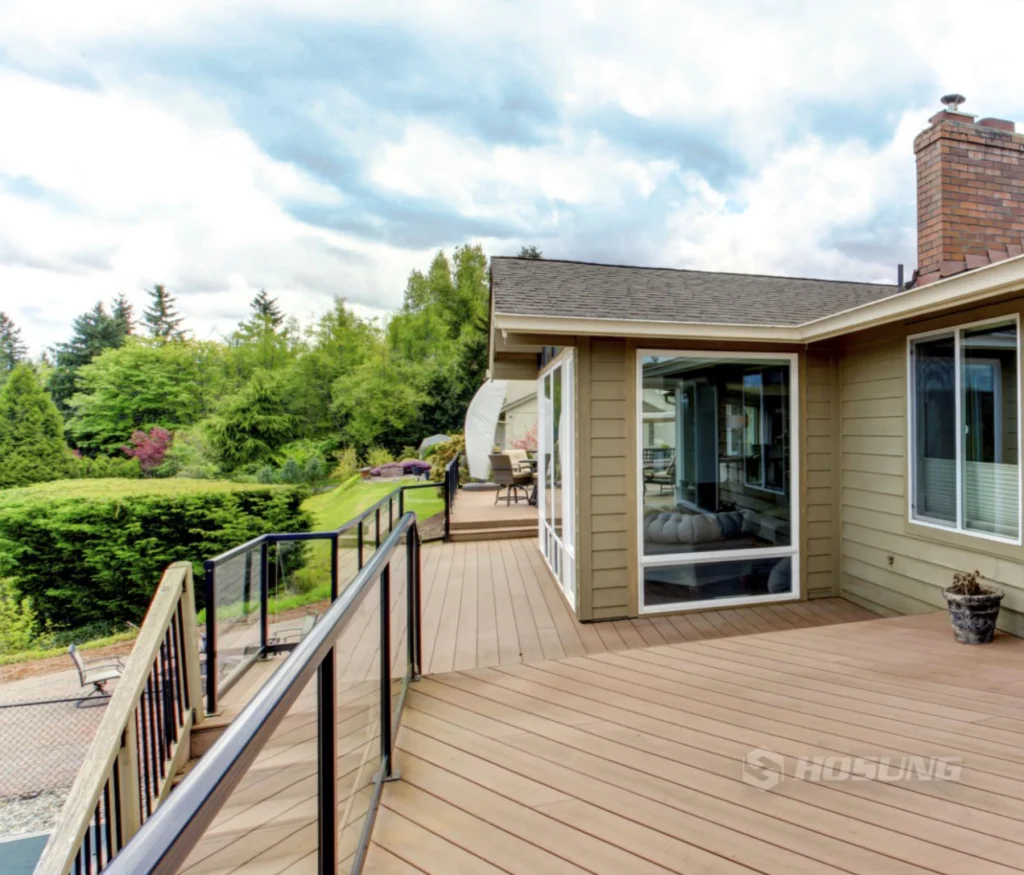
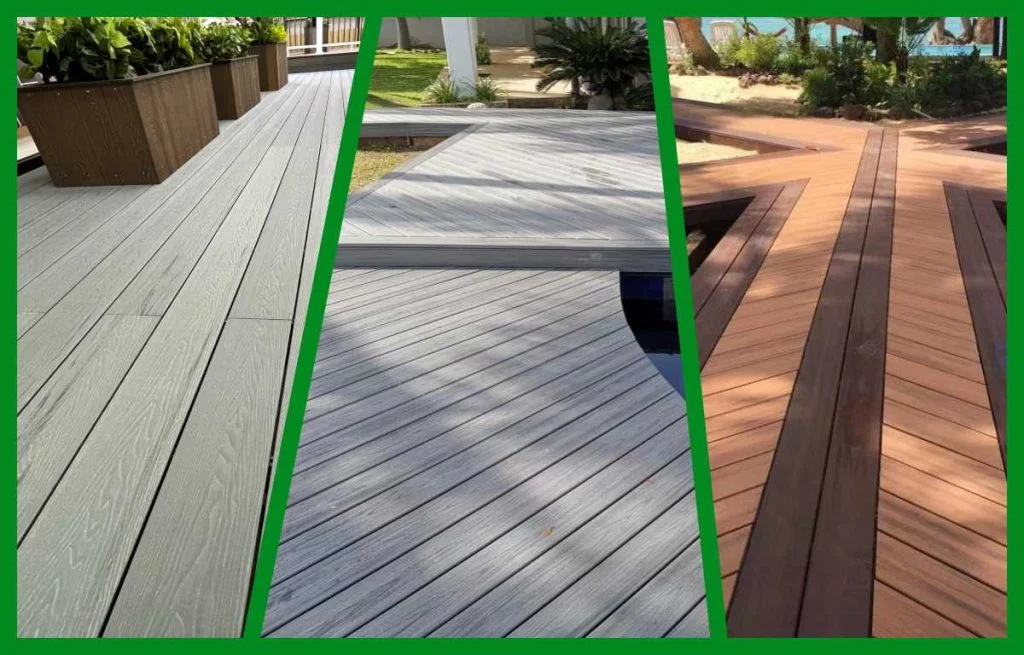
1. WPC decking boards
Used in gardens, terraces, balconies, and outdoor platforms. They are the most popular WPC product globally.
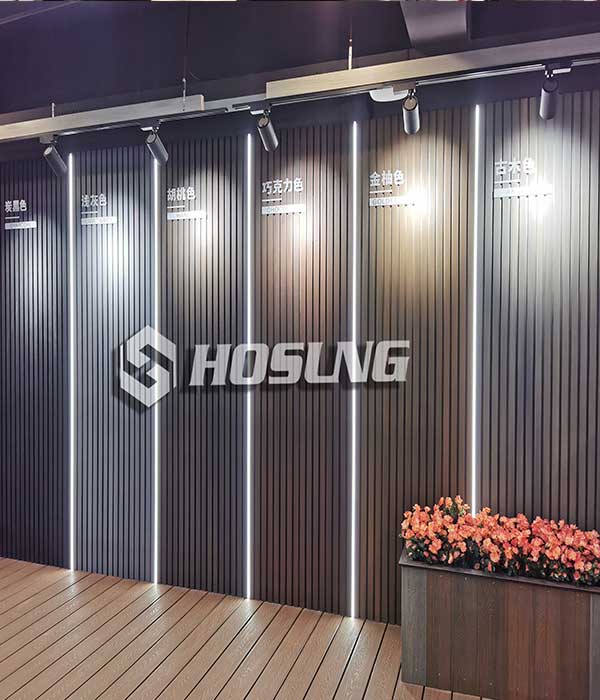
2. WPC wall cladding
Used for exterior building decoration, providing insulation and aesthetic improvement.
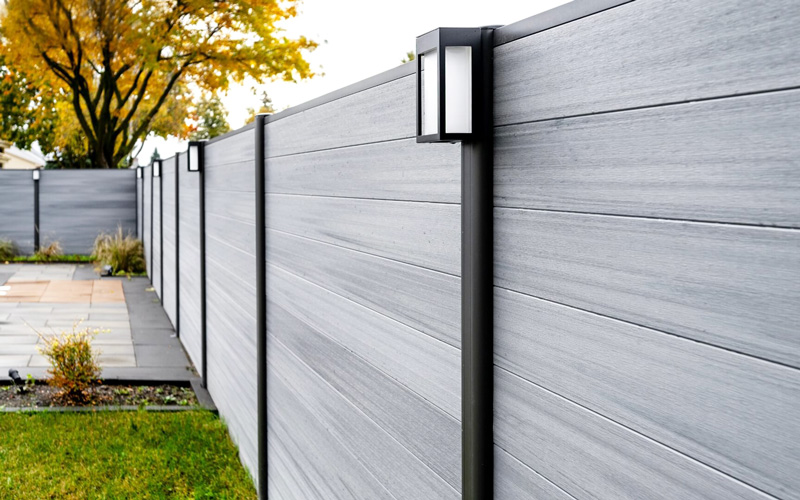
3. WPC fencing systems
Ideal for residential and commercial boundary applications.
4. WPC railing systems
Used in staircases, balconies, and public walkways.
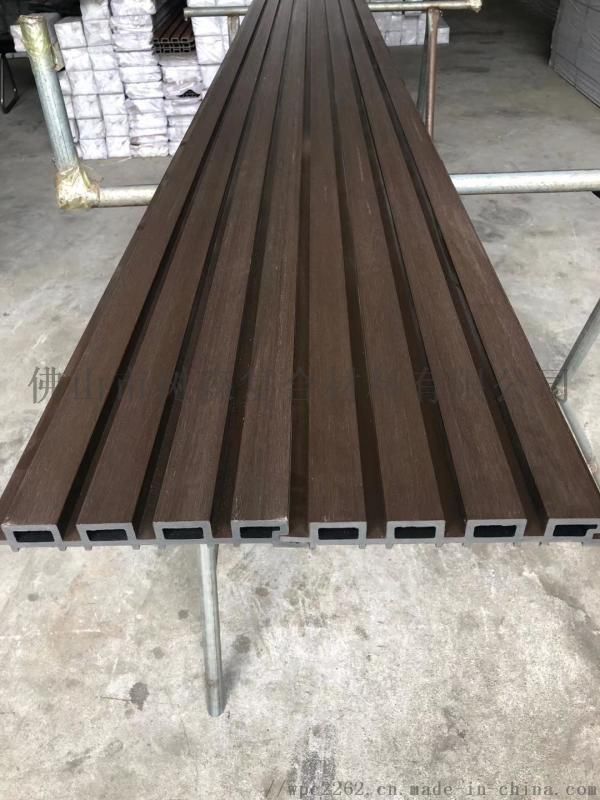
5. WPC structural profiles
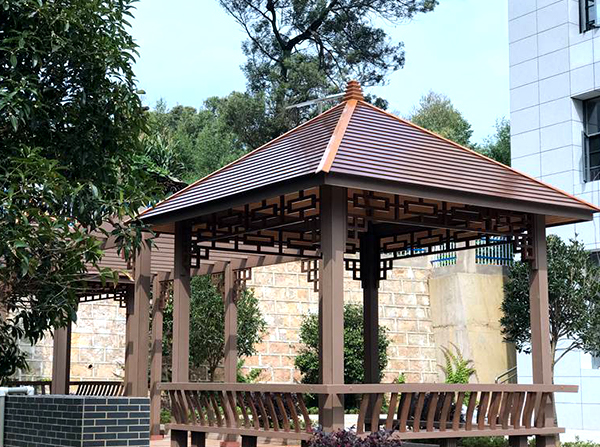
Used in landscaping projects and modular outdoor structures.
6. DIY composite tiles
Designed for easy installation without professional tools.
Advantages of Choosing WPC Over Traditional Wood
WPC materials have become a preferred alternative to natural wood for several reasons.
Durability
WPC is resistant to cracking, warping, and rotting, especially in humid or rainy environments.
Low maintenance
Unlike wood, WPC does not require painting, staining, or sealing.
Environmental sustainability
It often uses recycled plastics and wood waste, reducing environmental impact.
Cost efficiency over time
Although initial cost may be slightly higher than wood, long-term maintenance costs are significantly lower.
Applications Across Industries
WPC is used in a wide variety of industries and construction scenarios.
Residential construction
- Garden decking
- Balcony flooring
- Fence systems
Commercial projects
- Hotel outdoor areas
- Shopping mall landscaping
- Resort boardwalks
Public infrastructure
- Parks and recreation areas
- Waterfront walkways
- Urban renewal projects
Industrial applications
- Temporary platforms
- Utility walkways
- Modular outdoor systems
Quality Standards and Testing
A reliable wpc manufacturer in china must follow strict quality control procedures.
Common testing standards include:
- Water absorption rate testing
- UV aging resistance testing
- Load-bearing strength testing
- Thermal expansion testing
- Slip resistance testing
Key quality indicators:
- Density consistency
- Color uniformity
- Surface texture stability
- Mechanical strength
Buyers should always request test reports and certifications before placing large orders.
How to Choose a Reliable Supplier
Selecting the right supplier is critical for project success.
1. Check production capability
Ensure the factory has modern extrusion lines and stable output capacity. It is also important to verify whether the production equipment is well-maintained and updated regularly, as outdated machinery can lead to inconsistent product quality or slower delivery times. Observing the factory’s workflow and output schedule can give insight into their efficiency and ability to handle large orders without compromising quality.
2. Evaluate material composition
Ask for detailed formulas and raw material ratios. Understanding the exact type of plastics, wood fibers, and additives used allows you to predict the performance, durability, and weather resistance of the final product. Reputable suppliers should be transparent about their material sourcing and provide documentation or test reports confirming consistency in raw materials. This ensures that every batch meets your specific project requirements.
3. Review export experience
Suppliers with global clients are more reliable in handling documentation and logistics. Experienced exporters are familiar with international regulations, shipping procedures, and customs requirements, which helps prevent delays or compliance issues. They are also more likely to offer additional services, such as coordinated logistics, proper packaging for long-distance shipping, and assistance with certificates of origin or material safety data sheets.
4. Inspect samples
Physical samples help verify color, texture, and strength. Requesting multiple samples from different production batches is advisable to check for consistency. Examining the samples under natural light and testing them for mechanical properties, water absorption, or UV resistance can help ensure that the supplier can meet both aesthetic and functional expectations. A reliable manufacturer will welcome such inspections as part of their quality assurance process.
5. Confirm customization options
Good manufacturers offer customization in:
- Color
- Size
- Surface texture
- Packaging
In addition, they may provide special solutions such as anti-slip surfaces, embossed wood patterns, or UV-resistant coatings. Discussing packaging options is also crucial, especially for export shipments, since proper protection reduces damage during transport. A supplier that offers flexible customization demonstrates a higher level of professionalism and willingness to meet diverse project requirements.
Market Trends in WPC Industry
The global WPC market is expanding steadily due to sustainability policies and construction innovation.
Key trends include:
- Increasing demand in Europe and North America
- Growth of DIY decking systems
- Expansion of urban landscaping projects
- Rising use in modular construction
- Shift toward recyclable materials
As demand increases, the role of a wpc manufacturer in china becomes even more important in global supply chains.
Logistics and Export Considerations
When importing WPC products, logistics plays a crucial role.
Packaging methods:
- Pallet packaging
- Protective film wrapping
- Reinforced export cartons
Shipping options:
- Sea freight (most common)
- Rail freight (for Europe-bound shipments)
- Air freight (urgent orders only)
Documentation required:
- Commercial invoice
- Packing list
- Bill of lading
- Certificate of origin
Proper logistics management ensures safe delivery and reduces damage risks.
Cost Factors in WPC Production
Pricing depends on several factors:
- Raw material quality
- Product density
- Surface treatment type
- Order volume
- Customization requirements
Higher density boards typically cost more but offer better durability and load capacity.
Environmental Impact of WPC
WPC is widely recognized as an environmentally friendly material.
Benefits include:
- Reduced deforestation
- Use of recycled plastics
- Lower carbon footprint compared to traditional wood processing
- Long lifecycle reduces waste generation
These factors make WPC an important material in green building initiatives worldwide.

Summary
WPC materials have transformed modern outdoor construction by offering a durable, sustainable, and low-maintenance alternative to natural wood. China, as a global production hub, provides strong advantages in manufacturing capacity, cost efficiency, and export experience.
For international buyers, understanding production processes, quality standards, and supplier selection strategies is essential for successful sourcing. Working with a professional manufacturer ensures consistent product performance and long-term value.
A dependable wpc manufacturer in china can provide tailored solutions for decking, fencing, cladding, and more, supporting projects of all sizes across global markets.
Among many industry participants, Hosung WPC is one example of a supplier operating in this competitive landscape.