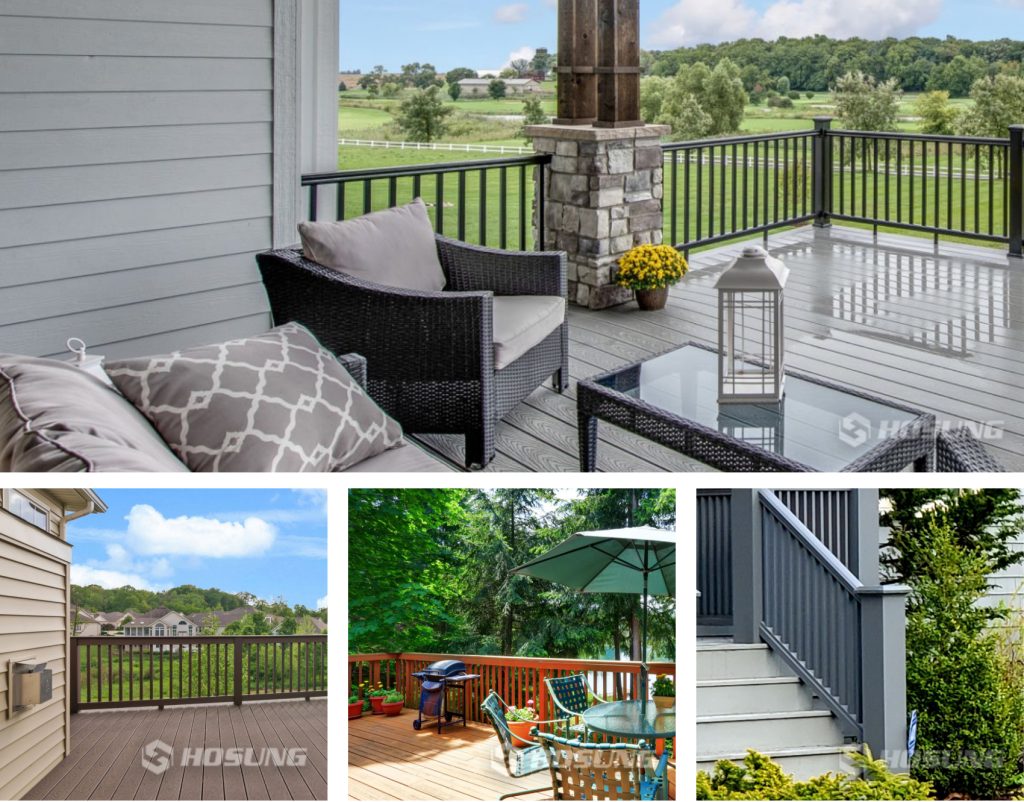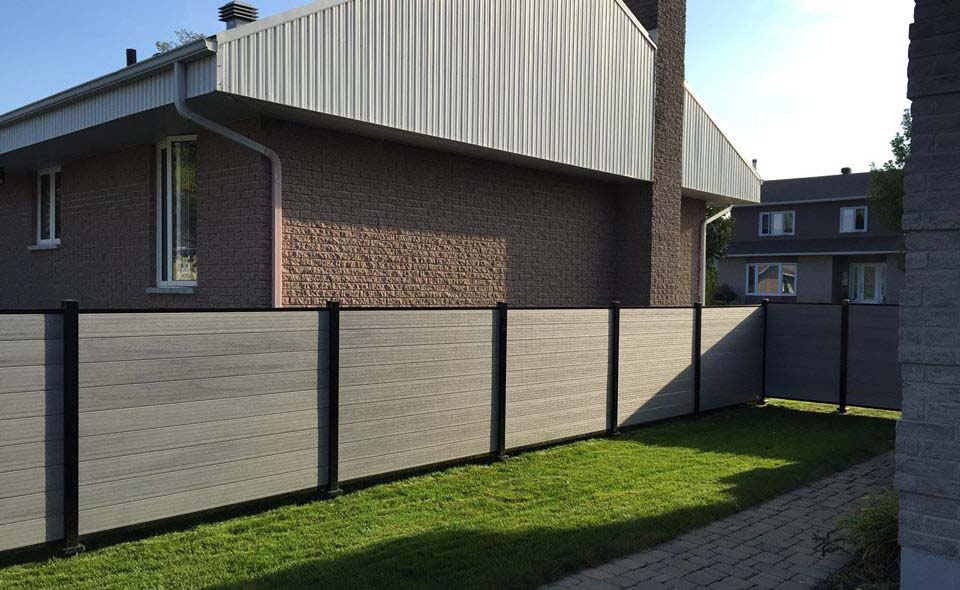
When choosing an outdoor fence, Australian homeowners, builders, landscapers, and property developers need to consider more than appearance. Strong sunlight, changing temperatures, humidity, rain, coastal conditions, insects, and regular outdoor exposure can all affect the service life of a fencing system. This is why WPC fencing Australia has become an increasingly attractive option for modern residential and commercial projects. Whether the project involves a backyard boundary, garden divider, privacy screen, balcony area, pool surroundings, or commercial property, understanding the characteristics of WPC fencing can help buyers select a suitable system.
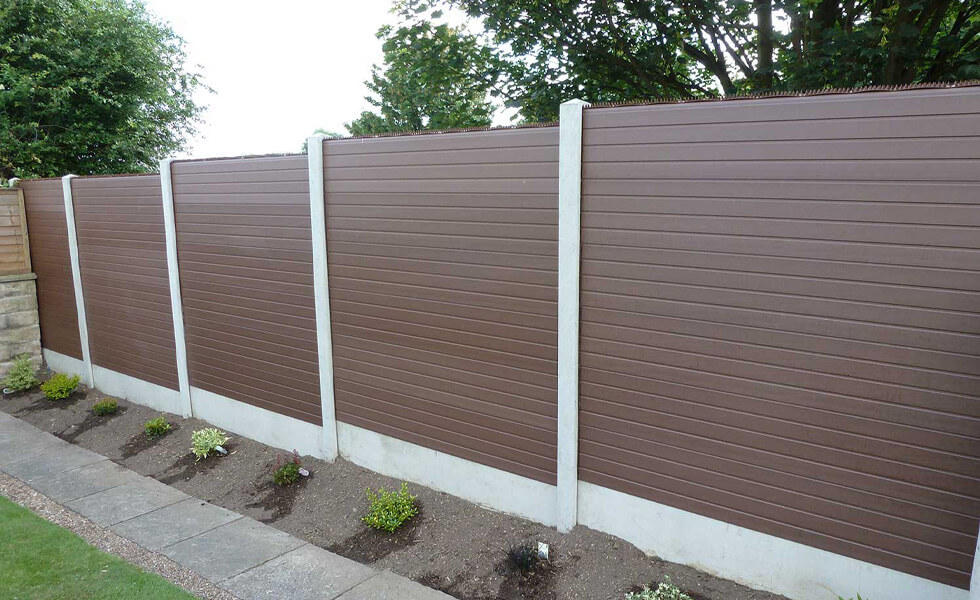
Table of Contents
Why Choose WPC Fencing in Australia?
Australia has diverse climates, from hot and dry inland areas to humid tropical regions and coastal environments with significant salt exposure. A fencing material therefore needs to be selected according to the conditions in which it will be installed.
One major advantage of WPC is its resistance to moisture-related problems. Unlike untreated timber, a properly manufactured composite fence is not dependent on the same level of moisture protection to prevent ordinary rot and decay.
WPC fencing can also provide good resistance to everyday outdoor wear. Its composite structure makes it suitable for applications where homeowners want a durable-looking fence without the maintenance requirements traditionally associated with timber.
Another benefit is design flexibility. WPC fence panels can be produced in different profiles, dimensions, colours, textures, and surface finishes. This allows the fence to complement modern houses, traditional properties, gardens, patios, and commercial developments.
WPC Fencing vs. Traditional Timber Fencing
Timber remains a popular fencing material in Australia because of its natural appearance and availability. However, natural wood can require ongoing maintenance, particularly when exposed to direct sunlight, rain, humidity, and temperature fluctuations.
Timber may need periodic painting, staining, sealing, or replacement of damaged sections. Moisture can also contribute to swelling, cracking, decay, or other forms of deterioration depending on the timber species and treatment.
WPC fencing offers an alternative for buyers who want a wood-inspired appearance while reducing routine maintenance.
This does not mean WPC is completely maintenance-free. Dust, leaves, mud, algae, and other outdoor contaminants can accumulate on the surface. Regular cleaning is still recommended to maintain appearance and help identify potential installation or drainage issues early.
The best choice ultimately depends on project requirements, budget, expected service conditions, appearance preferences, and installation requirements.
Key Features to Look for in WPC Fencing Australia
When evaluating WPC fencing for an Australian project, several technical characteristics deserve attention.
1. UV Resistance
Strong sunlight is an important consideration in Australia. Continuous ultraviolet exposure can affect the colour and surface appearance of outdoor materials.
A quality WPC fencing system should therefore be designed with suitable UV stabilisation and outdoor weather resistance. Buyers should ask manufacturers for information about UV performance, colour stability, and recommended applications.
2. Moisture Resistance
Fencing is regularly exposed to rain, irrigation water, humidity, and ground moisture. A suitable WPC product should have a formulation and structure designed for outdoor conditions.
Installation is equally important. Proper drainage and adequate clearance from standing water can help extend the useful life of the fencing system.
3. Structural Strength
A fence must withstand wind, accidental impacts, and normal outdoor use. The strength of the complete system depends not only on the WPC boards but also on posts, rails, connectors, fasteners, foundations, and installation spacing.
For exposed locations, buyers should pay particular attention to wind loading and the structural design of the supporting system.
4. Colour and Surface Finish
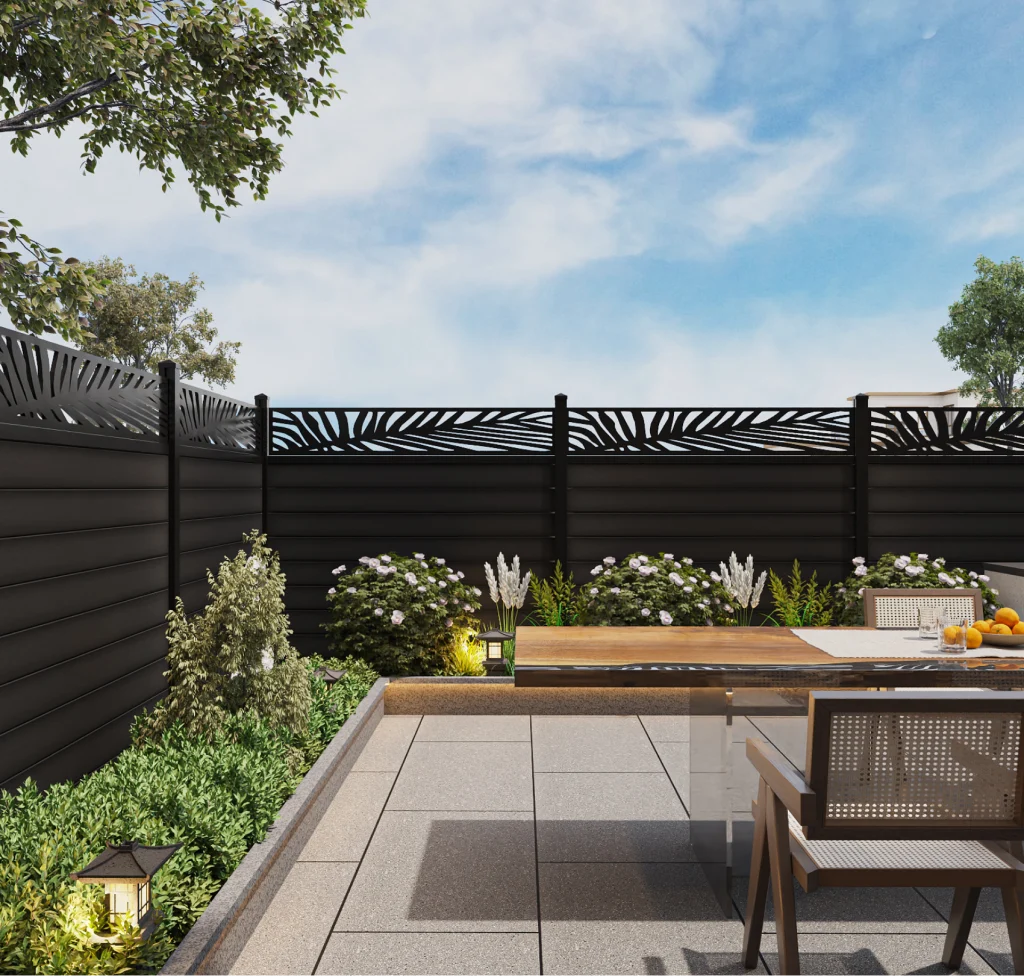
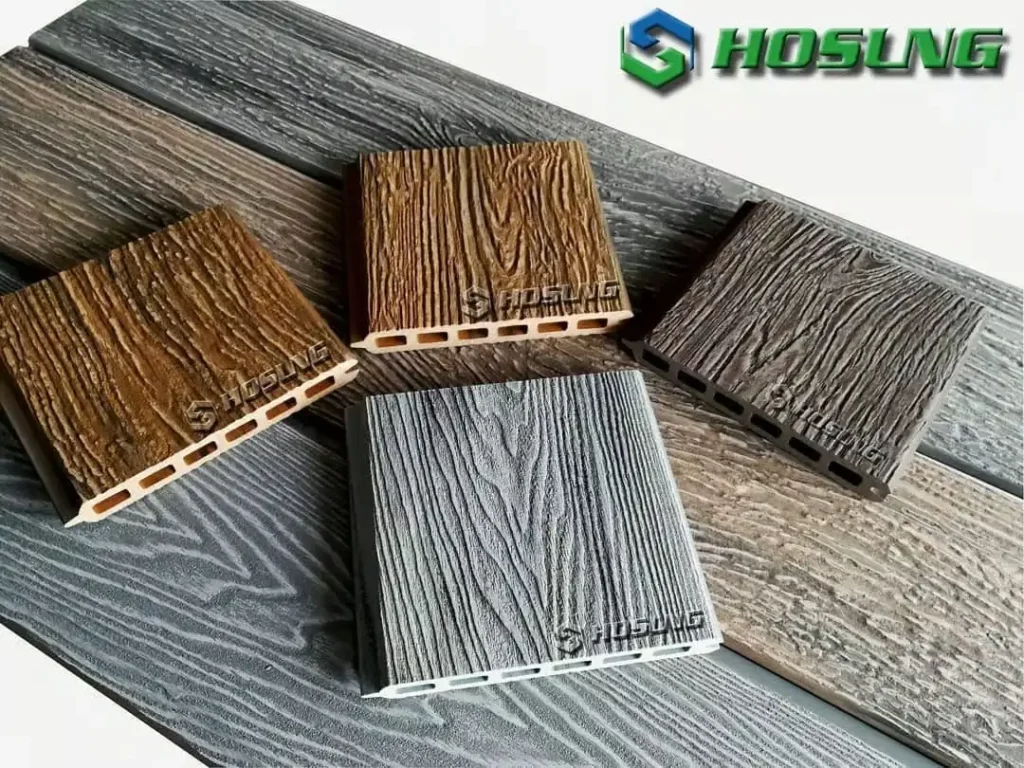
WPC fencing is available in a wide range of finishes. Popular choices often include timber-inspired colours, darker contemporary tones, and neutral shades.
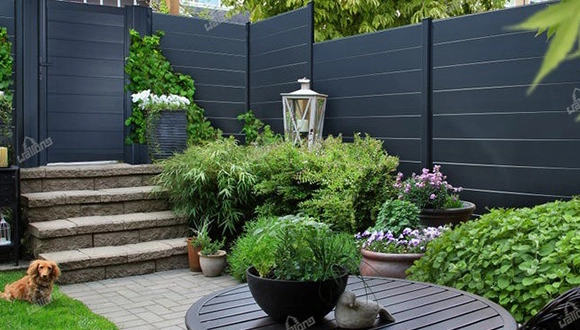
The right colour can influence the overall appearance of a property. Dark colours can create a modern architectural look, while wood-effect finishes may provide a warmer garden aesthetic.
5. Installation System
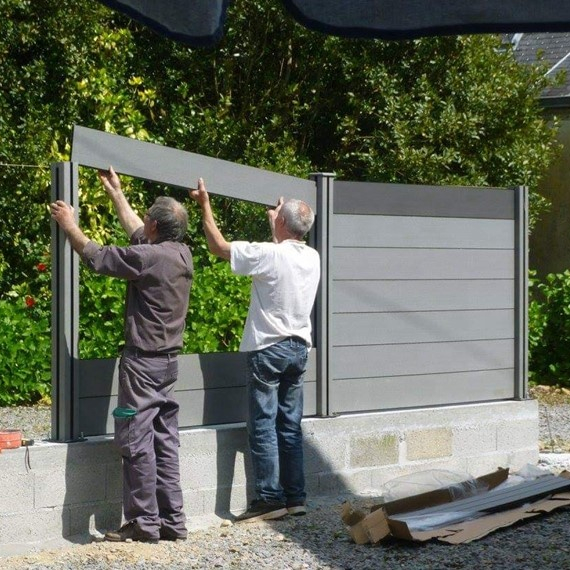
A well-designed installation system can significantly affect the final performance of the fence. Modular panels, posts, clips, rails, and other components should be compatible with one another.
Before purchasing, confirm panel dimensions, post spacing, fixing requirements, expansion allowances, and foundation specifications.
Where Can WPC Fencing Be Used?
One of the advantages of WPC fencing is its versatility.
Residential boundaries are one of the most common applications. WPC panels can create a defined boundary around gardens, front yards, backyards, and residential developments.
Privacy fencing is another important application. Solid or semi-solid WPC panels can reduce visibility between neighbouring properties and create a more private outdoor environment.
Garden fencing can be used to separate lawns, planting areas, pathways, and outdoor living spaces. The wood-inspired appearance can integrate naturally with landscaping.
Commercial properties may also use WPC fencing around offices, hospitality facilities, apartment developments, recreational areas, and other properties where appearance and durability are important.
Balcony and terrace screening can provide visual separation while contributing to the overall architectural design.
WPC fencing can also be considered around pool areas, but pool applications require special attention to Australian safety requirements.
WPC Fencing and Pool Safety Requirements
If WPC fencing is intended to form part of a swimming pool barrier, appearance and material durability are not enough. The fence must satisfy the applicable pool safety requirements in the relevant Australian state or territory.
The National Construction Code includes requirements concerning swimming pool barriers, including the need for barriers to restrict young children’s access and requirements concerning strength, openings, climbability, and gates.
For example, NSW guidance states that a pool fence generally needs to be at least 1.2 metres high, while a boundary fence used as part of the pool barrier may need to be 1.8 metres high. Maximum gap dimensions and non-climbable-zone requirements also apply.
Requirements can vary according to location, pool type, property configuration, and applicable state or local regulations. Therefore, a WPC fence should not automatically be considered pool compliant simply because it is marketed as outdoor fencing.
Before installation, confirm the applicable requirements with the relevant local authority or qualified building professional.
How to Maintain WPC Fencing
Although WPC fencing generally requires less maintenance than traditional timber, simple cleaning can help preserve its appearance.
For normal dirt and dust, water and a soft brush or cloth are often sufficient. Mild cleaning solutions may be used when appropriate, but harsh chemicals should be avoided unless the manufacturer confirms compatibility.
Leaves and organic debris should not be allowed to accumulate around the bottom of the fence for long periods. In areas with high humidity, regular inspection can also help identify unwanted biological growth.
It is also important to inspect posts, connections, fasteners, and foundations periodically. A fence can experience movement caused by wind, ground settlement, impacts, or changes in surrounding landscaping.
Early maintenance is usually easier than repairing a larger structural problem later.
How Much Does WPC Fencing Cost in Australia?
The cost of WPC fencing Australia projects can vary considerably. Material thickness, panel design, colour, dimensions, post structure, accessories, quantity, transportation, and installation all influence the final project cost.
A simple comparison based only on the price per panel may therefore be misleading. Buyers should consider the complete installed system, including posts, fixings, foundations, labour, transportation, and potential maintenance.
For larger projects, purchasing directly from a manufacturer may also provide more opportunities for customised dimensions, colours, profiles, packaging, and technical specifications.
It is advisable to request a complete quotation based on the project area and installation requirements rather than comparing individual boards alone.
How to Choose a WPC Fencing Manufacturer
When sourcing WPC fencing for Australia, buyers should evaluate the manufacturer’s production capability, material formulation, quality control, product consistency, customization options, and export experience.
Ask for technical information covering dimensions, density, mechanical properties, weather resistance, colour options, installation recommendations, and packaging.
For large commercial or wholesale projects, it is also useful to discuss minimum order quantities, lead times, container loading, replacement parts, samples, and customised product development before placing an order.
A reliable supplier should be able to explain how its WPC fencing is designed for outdoor environments and provide practical installation guidance.
Final Thoughts
WPC fencing Australia is an increasingly practical solution for property owners and construction professionals seeking a combination of attractive appearance, outdoor durability, lower maintenance requirements, and design flexibility. Its applications range from residential boundaries and privacy screens to gardens, commercial properties, terraces, and other outdoor spaces.
However, the quality of the finished fence depends on more than the WPC material itself. UV resistance, moisture performance, structural strength, installation design, drainage, supporting components, and local regulations should all be evaluated before purchase.
For buyers looking for a dependable WPC fencing supplier, Hosung WPC can provide WPC fencing solutions for different project requirements, including customised options for overseas markets.