The demand for premium WPC products in international construction markets is becoming increasingly specific. Buyers are no longer looking only for basic wood plastic composite materials at competitive prices. For architectural projects, they are paying more attention to appearance, durability, installation performance, product consistency, and the ability to reproduce the natural look of real wood.
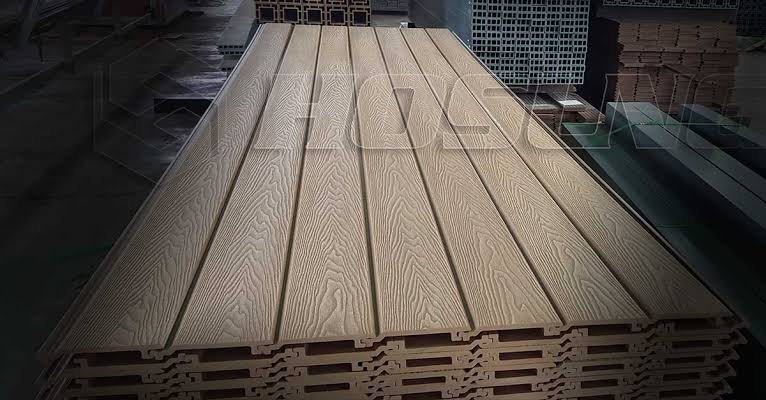
Table of Contents
A recent purchasing inquiry from the Brazilian market reflects this changing demand. The buyer was looking for premium architectural WPC products for applications including exterior wall cladding, louvers, pergolas, and decking. One of the most important requirements was a realistic wood-look appearance, showing that visual performance has become an important purchasing factor alongside technical specifications.
For WPC manufacturers and exporters, this type of inquiry provides valuable insight into the opportunities emerging in Brazil and other international markets.
Growing Interest in Premium WPC for Architecture
WPC has traditionally been associated with outdoor decking and basic construction applications. However, the product category has developed significantly. Modern WPC systems can now be used in a much wider range of architectural applications, including façades, exterior wall panels, decorative screens, louvers, pergolas, balconies, terraces, gardens, and commercial buildings.
For buyers in Brazil, premium WPC can offer an alternative to natural wood and other exterior decorative materials. The combination of wood-like appearance and composite material performance makes WPC particularly attractive for projects where designers want a warm, natural appearance without relying entirely on traditional timber.
This creates opportunities for manufacturers that can provide products with both strong technical performance and convincing visual effects.
The Brazilian market is also diverse. Residential developments, hotels, restaurants, commercial buildings, resorts, and outdoor leisure spaces can all create demand for architectural WPC. As project requirements become more sophisticated, buyers may look for complete product ranges rather than a single decking profile.
Realistic Wood Grain Is a Key Purchasing Requirement
One of the clearest requirements in this type of inquiry is a realistic wood-look finish.
For premium architectural WPC, appearance can directly influence purchasing decisions. A product may have good mechanical properties, but if the surface looks artificial or has an inconsistent texture, it may not meet the expectations of architects, designers, contractors, or property developers.
Natural wood has variations in grain, color, texture, and surface depth. Therefore, premium WPC manufacturers need to pay attention to how these characteristics are reproduced.
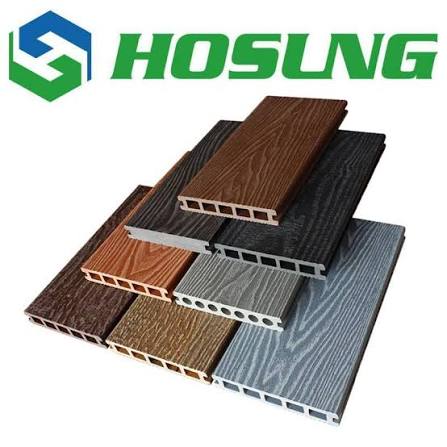
A convincing wood-look WPC product may include:
- Realistic wood grain patterns
- Natural-looking color variations
- Embossed or textured surfaces
- Consistent surface quality
- Multiple wood-inspired color options
- Stable appearance between production batches
- Profiles suitable for modern architectural design
For buyers, samples are particularly important. Product images can show the general appearance, but physical samples allow buyers to evaluate the texture, color, surface finish, and overall visual quality directly.
For export-oriented manufacturers, providing samples before large orders can therefore be an important part of the B2B purchasing process.
WPC for Exterior Wall Cladding and Façades
Exterior wall cladding is one of the most interesting applications for premium architectural WPC.
Architects increasingly use wood-look exterior materials to create natural and contemporary building façades. WPC can be used to introduce warm wood-inspired elements into modern buildings without requiring the entire façade to be constructed from natural timber.
Depending on the project design, WPC façade systems can be installed vertically, horizontally, or in decorative arrangements. Different colors and profiles can also be combined to create visual contrast.
For Brazilian buyers, manufacturers should pay attention to factors such as:
- Outdoor weather resistance
- Dimensional stability
- Surface durability
- Color stability
- Installation methods
- Profile dimensions
- Matching accessories
- Long-term maintenance requirements
The complete system is often as important as the WPC profile itself. Buyers may therefore expect manufacturers to provide clips, fasteners, corner solutions, installation guidance, and other compatible components.
WPC Louvers for Modern Buildings
Louvers are another architectural application where the appearance of WPC can be particularly valuable.
WPC louvers can be used as decorative façade elements, privacy screens, sun-shading structures, balcony features, and exterior partitions. Their linear profile creates a clean architectural appearance, while a wood-look finish adds warmth to otherwise modern building designs.
For high-end projects, buyers may want the louver system to look like natural timber while maintaining the dimensional consistency expected from a manufactured composite product.
This makes surface design an important part of product development. Grain direction, embossing depth, color matching, profile geometry, and installation spacing can all affect the final appearance of a building.
Manufacturers targeting the Brazilian market should therefore consider offering several louver profiles and finish options instead of relying on a single standard design.
Pergolas and Outdoor Architectural Structures
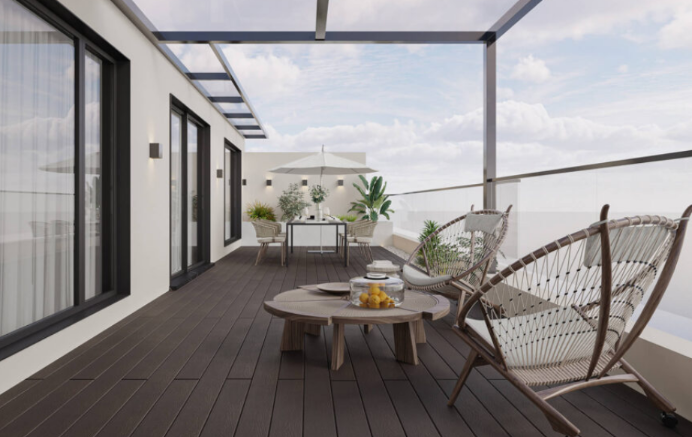
Pergolas are another potential application for premium WPC products.
Outdoor structures need to combine visual appeal with practical performance. Pergolas are frequently used in residential gardens, hotels, restaurants, resorts, commercial spaces, and outdoor entertainment areas.
A wood-look composite material can provide the visual character of timber while offering a manufactured solution for outdoor architectural applications.
For this type of product, buyers may evaluate:
- Profile strength
- Surface finish
- Weather resistance
- Color options
- Profile dimensions
- Connection methods
- Structural compatibility
- Installation efficiency
The design requirements for pergolas can differ considerably from those for decking. Therefore, manufacturers should clearly distinguish decorative profiles from profiles designed for structural or semi-structural applications.
Clear technical documentation can help international buyers determine which products are appropriate for their projects.
Premium WPC Decking Remains an Important Category
Although architectural applications are expanding, decking remains one of the most established uses of WPC.
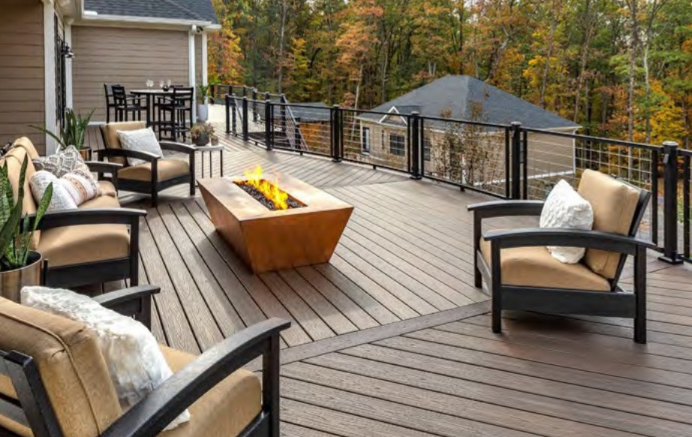
Premium WPC decking is increasingly positioned as an architectural surface rather than simply an outdoor flooring material. Designers may use decking around swimming pools, terraces, balconies, gardens, restaurants, resorts, and other outdoor spaces.
For buyers seeking high-end products, several factors can influence the purchasing decision.
The first is appearance. The surface should provide a convincing wood effect rather than looking excessively plastic.
The second is dimensional consistency. Profiles need to maintain stable dimensions during production and installation.
The third is surface performance. Outdoor flooring needs to withstand regular use and exposure to changing environmental conditions.
The fourth is installation. A well-designed decking system should support efficient installation using compatible clips, fasteners, joists, and accessories.
For international buyers, packaging and container loading efficiency may also become important because WPC profiles are relatively long products. Manufacturers that can optimize packaging and loading methods can provide additional value to importers.
What Brazilian Buyers May Expect from a WPC Manufacturer
A premium WPC purchasing inquiry is usually about more than product price.
When an importer is evaluating a Chinese WPC manufacturer, several aspects may be considered at the same time.
Product Range
A manufacturer with a broader architectural product range can potentially support more project requirements. Instead of supplying only decking, the supplier may provide cladding, louvers, pergolas, fencing, and related accessories.
Product Customization
Color, surface texture, profile dimensions, and packaging may need to be customized according to market requirements. The ability to develop customized products can be particularly valuable for distributors building their own product portfolios.
Sample Availability
Samples allow buyers to evaluate the actual product before committing to a larger order. For premium WPC, this is especially important because surface appearance is difficult to evaluate from technical data alone.
Quality Consistency
For importers, consistency between batches is critical. If the color or surface texture changes significantly from one shipment to another, it can create problems for distributors and construction projects.
Export Experience
International buyers may also consider production capacity, packaging, loading methods, documentation, lead times, and communication efficiency.
A manufacturer that understands these requirements can make the sourcing process easier for overseas customers.
Factory Visits Can Strengthen International Cooperation
For a serious B2B buyer, visiting a factory can provide information that cannot be obtained from a catalogue.
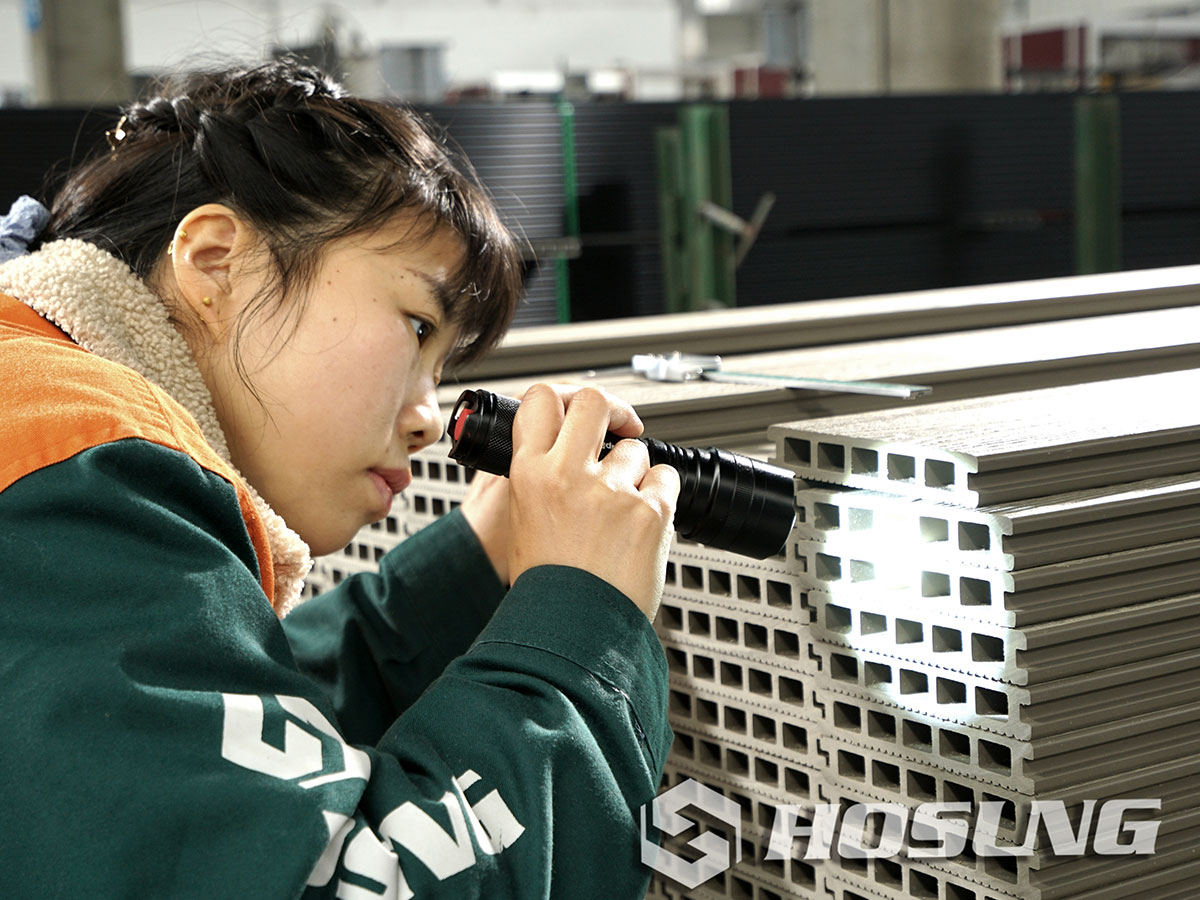
A factory visit allows buyers to see production equipment, raw material handling, extrusion processes, surface treatment, quality inspection, packaging, warehouse operations, and production capacity.
For WPC products, seeing the production process can also help buyers better understand how surface texture, color, profile dimensions, and product consistency are controlled.
A factory visit can therefore be an important step before establishing a long-term partnership.
International buyers visiting China during major trade exhibitions may combine exhibition attendance with factory visits. This creates an efficient opportunity to compare suppliers, inspect samples, discuss product requirements, and evaluate manufacturing capabilities within the same business trip.
Preparing for the Brazilian Market
For manufacturers interested in developing the Brazilian market, product preparation should go beyond translating a catalogue into Portuguese.
The supplier should understand what types of architectural WPC are most relevant to local distributors, contractors, architects, and project developers.
A useful export product portfolio could include:
- Premium WPC decking
- Exterior WPC wall cladding
- Architectural WPC louvers
- WPC pergola profiles
- Decorative outdoor profiles
- Matching accessories
- Different wood-look colors and textures
Technical documents should clearly explain product dimensions, installation methods, application scenarios, maintenance recommendations, packaging information, and available customization options.
High-quality product photography is also important. Since realistic wood appearance is a major selling point, manufacturers should provide detailed images showing the surface texture, grain pattern, profile structure, and completed installation effect.
A Market Opportunity for Chinese WPC Manufacturers
The Brazilian inquiry demonstrates an important change in international WPC sourcing. Buyers are increasingly looking for complete architectural solutions rather than simple commodity products.
They want products that can combine natural visual effects, reliable performance, architectural versatility, and stable manufacturing quality.
For Chinese manufacturers, this creates an opportunity to move from competing primarily on price toward competing through product design, surface technology, customization, quality management, and export service.
The demand for realistic wood-look WPC is particularly significant because appearance can determine whether a product is suitable for premium architectural projects.
Manufacturers that can successfully combine convincing wood textures with suitable outdoor performance may have stronger opportunities among distributors and project-oriented buyers.
Conclusion
Demand from the Brazilian market highlights the growing potential for premium architectural WPC products in international construction and outdoor design.
The key applications include exterior wall cladding, façades, louvers, pergolas, and decking, with realistic wood-look appearance emerging as one of the most important purchasing considerations.
For manufacturers, success in this market requires more than competitive pricing. Product quality, realistic surface design, profile variety, customization capabilities, technical support, samples, packaging, and factory transparency can all influence the final purchasing decision.
As international buyers become more selective, WPC manufacturers that invest in premium finishes and complete architectural solutions may be better positioned to develop long-term partnerships in Brazil and other overseas markets.
For companies preparing to enter the Brazilian market, understanding this type of purchasing demand can be a useful starting point for developing the right products, catalogues, samples, and export strategy.