A recent sourcing requirement from Hong Kong highlights a growing demand for composite wood top rail products designed for installation on metal balustrades. The project requires approximately 3,000 linear meters of composite wood top rail, with the buyer looking for a suitable product, competitive pricing, and delivery to Hong Kong. This type of project is different from a small residential purchase. When the required quantity reaches several thousand meters, buyers need to consider not only the appearance of the railing but also profile dimensions, compatibility with the metal structure, installation method, durability, production capacity, packaging, shipping costs, and overall project supply reliability For architects, contractors, railing manufacturers, property developers, and building material distributors, understanding these factors can make the sourcing process more efficient and help avoid problems during installation.
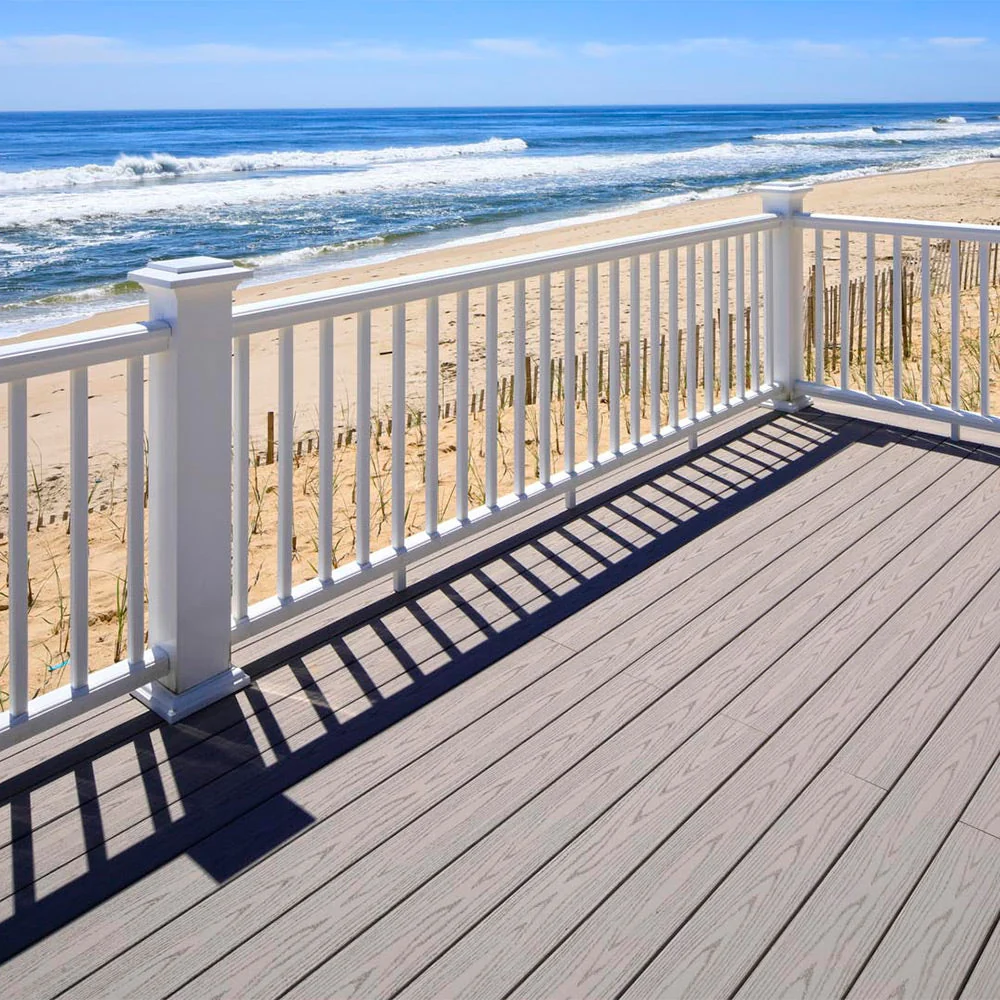
Table of Contents
What Is a Composite Wood Top Rail?
A composite wood top rail is a railing component made from wood-plastic composite materials and designed to function as the upper horizontal section of a balustrade or railing system. It combines the visual characteristics of wood with the practical properties of polymer-based composite materials.
Unlike a conventional timber handrail or top rail, composite materials are designed to provide better resistance to moisture and environmental exposure while requiring less routine maintenance. Depending on the product structure and formulation, composite wood top rails can be used for balconies, terraces, walkways, stairs, decks, commercial buildings, residential developments, and other outdoor architectural applications.
When the top rail is installed onto a metal balustrade, the composite profile becomes the visible finishing component while the metal structure provides the primary supporting framework. This combination can create a modern appearance while allowing designers and contractors to use the strength of a metal railing structure together with the warmer appearance of a wood-style surface.
Why Install a Composite Wood Top Rail on a Metal Balustrade?
Metal balustrades are widely used because of their structural strength and flexibility. However, exposed metal can sometimes create a relatively industrial appearance. Adding a composite wood top rail can provide a contrasting visual element and create a more comfortable architectural finish.
A composite top rail can also help create a consistent appearance across long railing sections. For commercial and residential projects, the top rail is highly visible and therefore has an important influence on the overall appearance of the completed installation.
For outdoor projects, material selection is particularly important. Traditional wood may require regular painting, staining, sealing, or other maintenance depending on the species and environmental conditions. Composite materials are often selected when buyers want a wood-inspired appearance with easier routine maintenance.
However, the exact performance of any composite wood top rail depends on its material formulation, profile structure, surface treatment, installation method, and environmental conditions.
Key Specifications to Confirm Before Ordering
For a large project, buyers should not select a composite wood top rail based only on photographs. The technical specifications need to match the existing metal balustrade.
Profile Dimensions
The first consideration is the profile size. Width, height, wall thickness, and cross-sectional design affect both appearance and installation compatibility.
The required dimensions should be checked against the metal balustrade before production begins. If the top rail needs to cover a particular metal profile or mounting bracket, even small dimensional differences can affect installation.
Cross-Section Design
The cross-section determines how the top rail sits on the metal structure. Depending on the project, the profile may need to accommodate brackets, screws, clips, channels, or other fixing components.
A technical drawing or physical sample is particularly useful when the product is being developed for a specific metal railing system.
Length
Length is another important factor for a project requiring approximately 3,000 meters. Standard production lengths may be suitable for some applications, while other projects may require specific lengths to reduce cutting and installation waste.
The buyer and supplier should confirm the standard length, allowable tolerance, cutting requirements, and loading method before finalizing the order.
Surface Finish
The visible surface of a composite wood top rail can significantly influence the final appearance. Common finishes include wood-grain textures, brushed surfaces, embossed patterns, and smooth finishes.
The buyer should also confirm the available colors. Brown, grey, wood tones, and other architectural colors may be suitable for different façade and landscape designs.
Quantity Planning for a 3,000-Meter Project
A requirement of approximately 3,000 linear meters represents a significant B2B order. At this volume, accurate quantity planning becomes important for both cost control and installation efficiency.
The buyer should calculate the total required railing length based on the actual project drawings and then consider additional material for cutting, corners, damaged pieces, installation adjustments, and future maintenance.
For example, if the project requires several different railing sections, each section should be measured separately rather than simply dividing the total project length by a standard profile length.
The supplier should also confirm whether the quoted quantity refers to net usable length or total supplied length. This distinction can become important when calculating the actual material cost.
For large orders, buyers may also want to confirm whether all profiles can be produced in the same batch or under consistent production conditions. This can help maintain color and surface consistency throughout the project.
What Should Be Included in a Composite Wood Top Rail Quotation?
When sourcing a large quantity, the best quotation should contain more than a simple price per meter.
A professional B2B quotation should ideally include the following information:
- Product name and model
- Profile dimensions
- Material composition
- Surface finish
- Available colors
- Standard length
- Unit price
- Minimum order quantity
- Production lead time
- Packaging method
- Total quantity
- Total product value
- Shipping cost
- Delivery terms
- Estimated delivery time
For an international buyer, the delivery destination should be included from the beginning. A quotation based only on the factory price does not provide a complete picture of the purchasing cost.
If delivery is required to Hong Kong, the supplier should calculate the transportation cost according to the actual volume, weight, packaging dimensions, and shipping method.
Why Delivered Pricing Matters
For a project of approximately 3,000 meters, transportation can represent a meaningful part of the total purchasing cost.
A supplier may offer an attractive factory price, but if packaging is inefficient or freight costs are high, the final landed cost may not be competitive.
This is why buyers should compare the total delivered cost rather than looking only at the unit price of the profile.
The final cost may include the product, packaging, inland transportation, export handling, freight, insurance where applicable, and destination-related charges depending on the agreed trade terms.
For buyers in Hong Kong, requesting a quotation that includes delivery can make supplier comparisons much easier.
Packaging and Transportation Considerations
Composite profiles are relatively long products, so packaging needs to be planned carefully.
During transportation, the profiles should be protected from impact, scratching, deformation, and excessive movement. Suitable bundles and protective materials can help reduce the possibility of damage during loading and unloading.
For a 3,000-meter order, packaging efficiency is especially important because the total shipment volume can become substantial.
The supplier should calculate how many pieces can be loaded per bundle and how many bundles can be loaded efficiently for transportation. This information can also help buyers estimate the total shipment volume before placing an order.
Compatibility With Metal Balustrades
One of the most important considerations in this type of application is compatibility between the composite top rail and the existing metal balustrade.
The fixing method should be determined before production. Depending on the design, installation may involve mechanical fasteners, brackets, clips, channels, or customized fixing solutions.
The supplier should receive accurate drawings or measurements of the metal structure whenever possible. If the buyer has an existing railing sample, providing dimensions and photographs can also help confirm compatibility.
Expansion and contraction should also be considered because composite materials can respond to temperature changes. Appropriate installation gaps and fixing methods should follow the supplier’s technical recommendations.
Applications of Composite Wood Top Rail
A composite wood top rail can be considered for a wide range of architectural and outdoor applications.
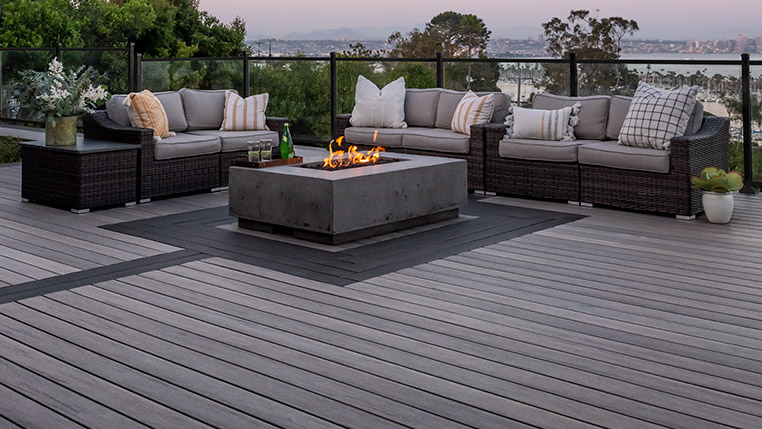
Residential developments may use composite top rails for balconies, terraces, stairs, rooftop areas, and garden structures. Commercial projects can use them on hotel balconies, office buildings, shopping areas, public walkways, and recreational facilities.
The combination of metal balustrades and wood-look composite top rails can be particularly suitable when the project requires a balance between structural strength and a warmer visual appearance.
For renovation projects, this solution may also provide an option for upgrading the visible appearance of an existing metal railing without replacing the entire supporting structure.
How to Source Composite Wood Top Rail Efficiently
For buyers preparing a large-volume inquiry, providing complete information at the beginning can significantly improve the quotation process.
The inquiry should ideally include the required quantity, profile drawing, dimensions, color preference, application environment, installation method, delivery destination, and expected project schedule.
If the exact profile has not yet been finalized, the buyer can request samples or technical drawings from several suppliers and compare their dimensions, surface finish, material quality, installation compatibility, and pricing.
For a project requiring approximately 3,000 meters, sample approval should preferably take place before mass production. This allows the buyer to verify the actual appearance and compatibility with the metal balustrade before committing to the complete order.
Conclusion
The Hong Kong sourcing demand for approximately 3,000 meters of composite wood top rail demonstrates the purchasing requirements associated with large-scale railing projects. Buyers are not simply looking for a wood-look profile; they need a complete solution that matches the metal balustrade, meets project specifications, can be produced consistently, and can be delivered efficiently.
Before placing an order, buyers should confirm profile dimensions, cross-section design, surface finish, color, length, fixing method, packaging, production lead time, and total delivered cost. For international projects, requesting a quotation that includes delivery can also provide a clearer understanding of the final purchasing budget.
With accurate project information and clear technical communication between the buyer and supplier, composite wood top rail from Hosung WPC, can provide a practical and visually appealing finishing solution for metal balustrades in residential, commercial, and architectural projects.