The Brazilian market continues to create demand for durable, practical, and visually appealing materials for outdoor construction, landscaping, architectural decoration, and residential and commercial projects. Among the available material solutions, Wood Plastic Composite has attracted attention because it combines the appearance of wood with the durability and relatively low-maintenance characteristics expected from modern composite materials.
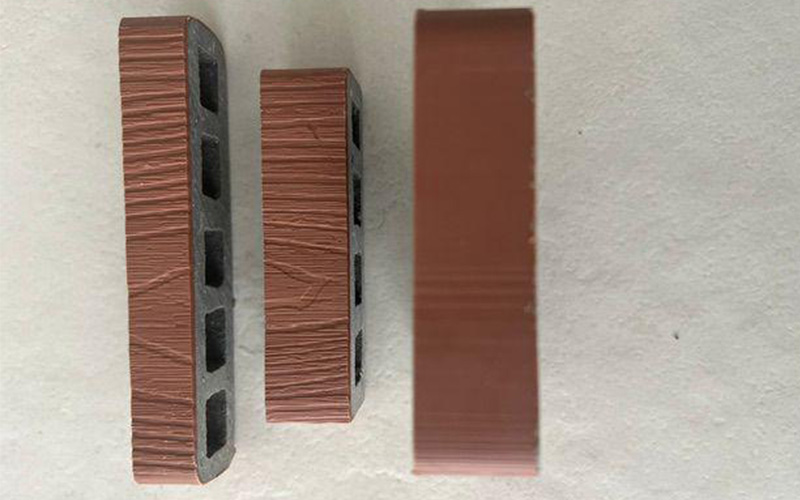
Table of Contents
For Brazilian buyers, however, choosing a suitable Wood Plastic Composite product is not always simply a matter of selecting a standard profile from a catalog. Different architectural structures and installation requirements can call for specific widths, thicknesses, lengths, and cross-sectional shapes. As a result, Wood Plastic Composite size customization is becoming an important consideration for importers, distributors, contractors, architects, and project-based buyers.
A recent market inquiry illustrates this requirement clearly. The requested profiles included three different dimensions: 100 × 32 × 3000 mm, 136 × 32 × 3000 mm, and 90 × 90 × 3000 mm. These dimensions represent different functional possibilities, from relatively wide rectangular profiles to larger square-section components. Such requirements highlight why manufacturers serving Brazil need to provide flexible profile development and production capabilities.
Why Size Customization Matters for Wood Plastic Composite
Standard Wood Plastic Composite profiles are useful for many common applications, but they cannot necessarily satisfy every project. A specific architectural design may require a profile that fits an existing frame, matches a particular visual proportion, or provides sufficient structural volume for installation.
For example, a profile measuring 100 × 32 mm may be considered for applications where a moderately wide and relatively thick board is required. A 136 × 32 mm profile provides greater visible width while maintaining the same nominal thickness. In contrast, a 90 × 90 mm square profile has a substantially different cross-sectional geometry and may be considered for posts, columns, decorative supports, framing elements, or other applications where a larger section is required.
These differences demonstrate that dimensions are not merely numbers on a technical sheet. They influence installation, appearance, material consumption, weight, connection methods, and the overall design of the finished structure.
For B2B buyers in Brazil, the ability to request specific dimensions can therefore simplify procurement and reduce the need to adapt a project around unsuitable standard products.
Common Wood Plastic Composite Size Requirements in Brazil
Brazil has a diverse construction environment, with demand coming from residential developments, hospitality projects, commercial properties, landscaping, balconies, terraces, façades, fencing, and outdoor recreational areas. Each application can generate different profile requirements.
For decking applications, buyers may focus on board width, thickness, surface texture, and length. Wider profiles can create a different visual effect and may reduce the number of individual boards required during installation.
For fencing and privacy screens, profile dimensions can affect both appearance and spacing. A relatively wide board may create a more solid visual barrier, while narrower components can provide a different architectural style.
For pergolas, decorative structures, and architectural features, customized profiles may be required to fit a particular design. In these cases, dimensions such as 100 × 32 mm or 136 × 32 mm may be considered depending on the intended construction.
Larger square profiles, such as 90 × 90 mm, can serve a different purpose. They may be evaluated for posts, structural-looking decorative elements, columns, or framing systems. Whether a particular profile is suitable for a load-bearing application depends on the product formulation, internal structure, reinforcement, installation method, and engineering requirements, so manufacturers should confirm the intended use before production.
3000 mm Length and Project-Based Procurement
Another important element of the Brazilian size customization requirement is the requested 3000 mm length.
A three-meter Wood Plastic Composite profile can be practical for many architectural and outdoor applications. The appropriate length depends on transportation conditions, installation requirements, project dimensions, and the manufacturer’s extrusion capabilities.
For importers and distributors, consistent 3000 mm lengths can also simplify product specifications and inventory planning. If a manufacturer can produce multiple cross-sectional profiles at the same standard length, buyers may be able to source different components within one product program.
However, customized length should always be evaluated together with packaging and transportation requirements. Long WPC profiles need suitable protection during loading, shipping, unloading, and storage to reduce the possibility of bending, surface damage, or deformation.
Manufacturers should therefore discuss the complete supply specification rather than confirming dimensions alone.
Key Factors When Customizing Wood Plastic Composite Profiles
When a Brazilian buyer requests a customized Wood Plastic Composite profile, several technical factors should be confirmed before mass production.
1. Cross-Sectional Dimensions
The first consideration is the exact width and thickness. Measurements should be confirmed in millimeters, together with allowable production tolerances.
For example, 100 × 32 mm and 136 × 32 mm may look similar in a basic specification, but the additional width can significantly affect appearance, weight, material consumption, and installation.
2. Profile Shape
Not every customized product needs to be a simple rectangular or square profile. Depending on the application, manufacturers may develop hollow, solid, grooved, tongue-and-groove, round, or other specially shaped profiles.
The cross-sectional drawing is particularly important for customized extrusion. A technical drawing can help the manufacturer understand wall thickness, internal cavities, grooves, corners, and connection structures.
3. Surface Appearance
Brazilian architectural projects may require Wood Plastic Composite products that resemble natural timber. Surface embossing, grain patterns, brushed textures, and color options can influence the final appearance.
The selected surface treatment should be considered alongside the profile dimensions because a customized extrusion profile may require corresponding adjustments to tooling and finishing processes.
4. Color
Color is another important specification for project orders. Depending on the product range, buyers may request wood-inspired shades such as brown, teak, grey, or other architectural colors.
For large-volume orders, manufacturers may also discuss whether a customized color is technically and commercially feasible.
5. Internal Structure
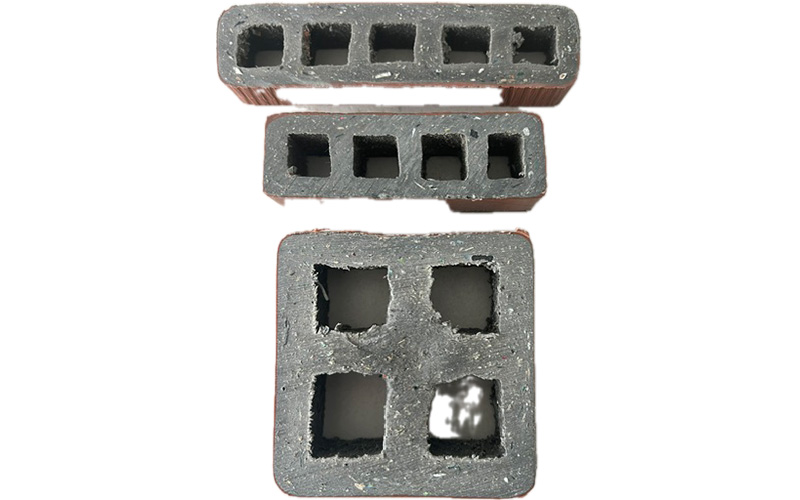
The internal structure can affect product weight, rigidity, material usage, and installation characteristics. Hollow profiles may provide a different weight and material consumption compared with solid profiles.
For a 90 × 90 mm profile, for example, it is particularly important to clarify whether the buyer requires a solid section or a hollow structure.
6. Application
Manufacturers should ask how the profile will be used. A product intended for decorative cladding may have different requirements from a profile intended for fencing, decking, pergolas, or posts.
Understanding the application helps manufacturers evaluate whether the requested dimensions, composition, internal structure, and mechanical properties are appropriate.
How Manufacturers Can Handle Customized Brazilian Orders
For a manufacturer supplying the Brazilian market, a structured customization process can make communication much more efficient.
The buyer can first provide the required dimensions, preferred length, quantity, application, color, surface design, and installation method. If available, a physical sample, photograph, CAD drawing, or cross-sectional sketch can further clarify the requirements.
The manufacturer can then evaluate whether an existing extrusion die can produce the requested profile. If not, a new mold or tooling solution may be necessary.
Tooling requirements should be discussed before confirming the final quotation because customized extrusion profiles can involve additional development costs and production preparation.
For B2B orders, manufacturers should also clarify minimum order quantity, packaging, lead time, loading method, and shipping requirements. These factors are particularly relevant when customized profiles are produced specifically for an overseas project.
Benefits of Working With a Source Manufacturer
For Brazilian importers and project buyers, purchasing directly from a Wood Plastic Composite manufacturer can provide greater flexibility during product development.
A source manufacturer may be able to coordinate profile dimensions, colors, surface finishes, lengths, packaging, and production quantities within the same supply chain. This can be useful when the buyer needs multiple customized profiles for one project.
Direct communication with the production team can also reduce misunderstandings. Instead of relying only on a standard catalog, buyers can submit technical requirements and discuss whether the requested profile can be produced using existing tooling or requires customized tooling.
For projects requiring profiles such as 100 × 32 × 3000 mm, 136 × 32 × 3000 mm, and 90 × 90 × 3000 mm, this type of communication is especially important because the three specifications have different cross-sectional characteristics and potentially different applications.
What Brazilian Buyers Should Provide for a Quotation
To receive an accurate quotation for customized Wood Plastic Composite, buyers should ideally provide:
- Required profile dimensions
- Required length
- Estimated order quantity
- Application or project type
- Preferred color
- Surface texture or wood-grain requirement
- Solid or hollow construction
- Technical drawing or sample, if available
- Packaging requirements
- Destination port or delivery location
Even when the exact quantity is not yet available, providing the dimensional requirements allows a manufacturer to conduct an initial feasibility assessment.
The final quotation can then be adjusted after the quantity, tooling requirements, packaging, and shipping conditions are confirmed.
Conclusion
The growing demand for customized Wood Plastic Composite profiles in Brazil reflects the increasingly specific requirements of modern construction and architectural projects. Instead of relying exclusively on standard catalog dimensions, B2B buyers may need profiles developed around their own designs, installation systems, and project specifications.
Requirements such as 100 × 32 × 3000 mm, 136 × 32 × 3000 mm, and 90 × 90 × 3000 mm demonstrate the range of dimensions that may need to be evaluated during product sourcing. Each profile should be assessed according to its intended application, internal structure, surface finish, color, tooling requirements, and production feasibility.
For Brazilian importers, distributors, contractors, and project buyers, providing accurate technical information at the beginning of the sourcing process can help manufacturers evaluate customization possibilities more efficiently. With clear specifications and direct communication, customized Wood Plastic Composite profiles can be developed to better match the dimensional and aesthetic requirements of specific projects.