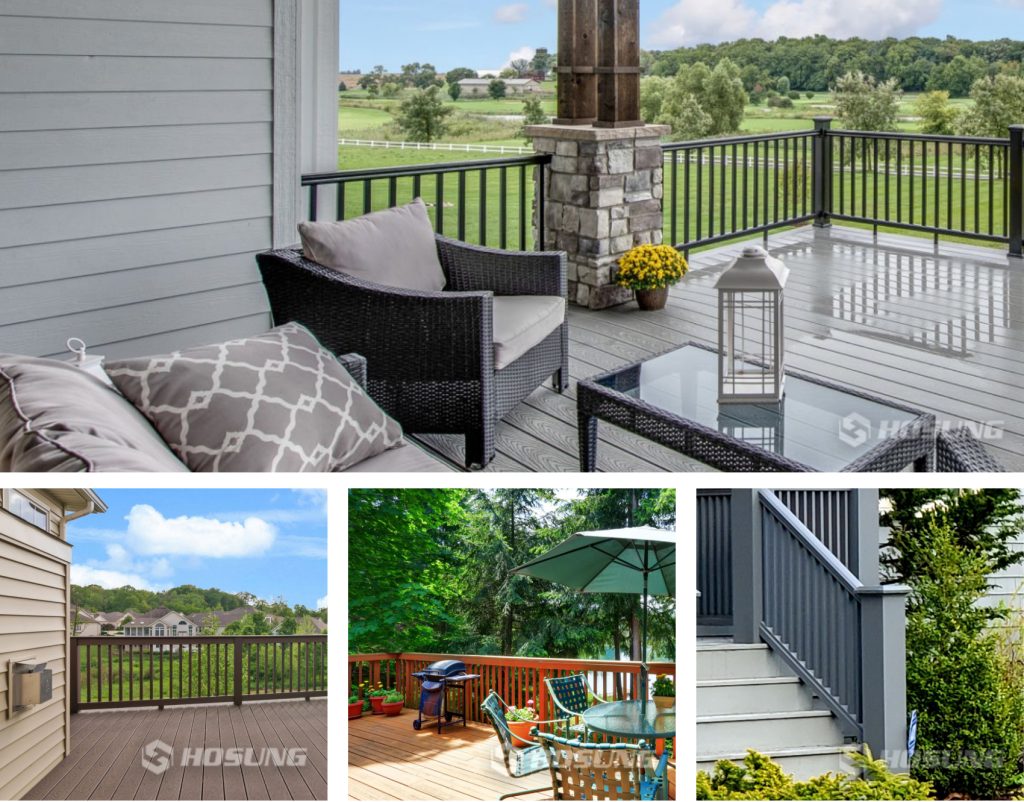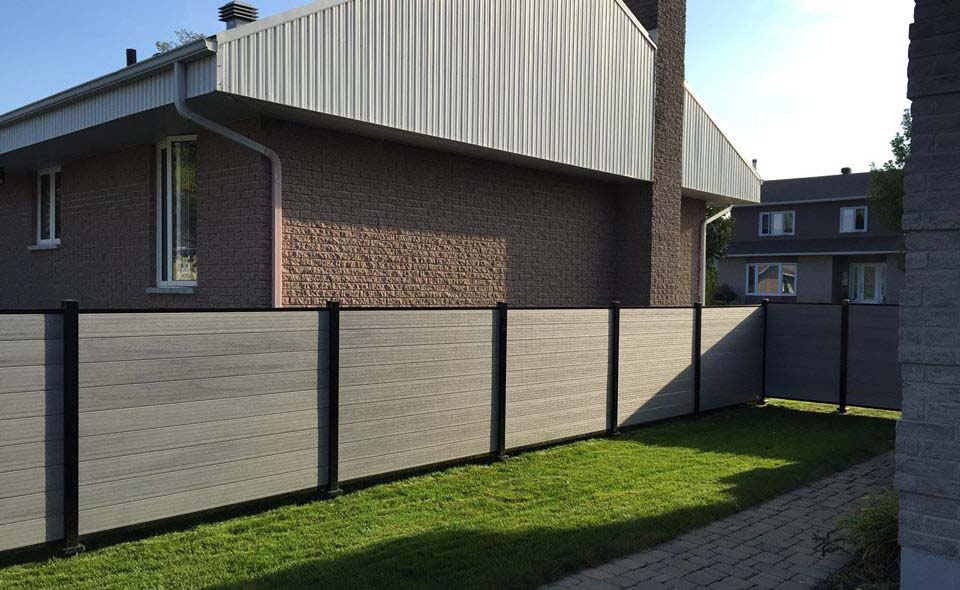
If you want to enhance the outdoor living space of your home, decking is a crucial element. Not only does it improve aesthetics, but it also increases functionality, offering a durable and comfortable space for relaxation, entertainment, and family gatherings. In recent years, composite decking has emerged as a preferred choice among homeowners and builders in Australia due to its durability, low maintenance, and eco-friendly qualities. This guide explores everything you need to know about selecting the best composite decking in Australia, comparing materials, features, and leading brands to help you make an informed decision.
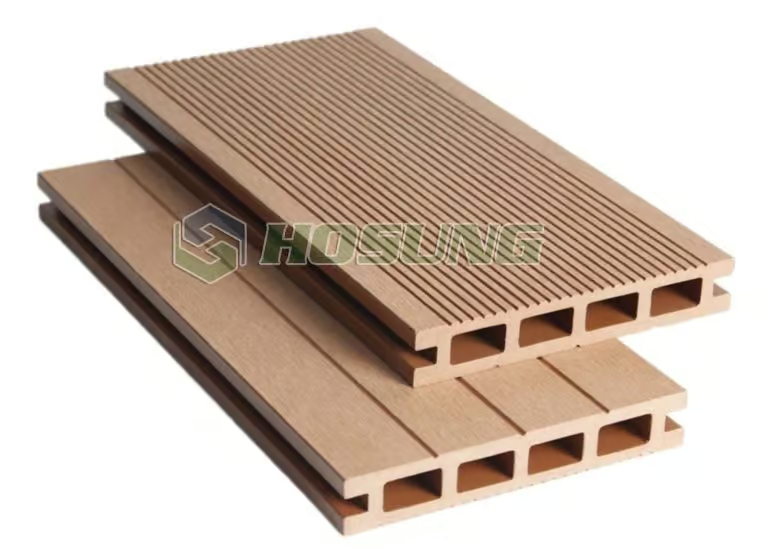
Table of Contents
Why Choose Composite Decking Over Timber?
Selecting the best composite decking in Australia requires understanding why it is a superior alternative to traditional timber. Here are several advantages of composite decking:
1. Low Maintenance
One of the main reasons homeowners prefer composite decking is its minimal maintenance. Unlike timber decks that require annual staining, sealing, or painting, composite decks need only occasional cleaning with soap and water. This saves homeowners time, money, and effort over the deck’s lifespan.
2. Durability
Composite decking is highly resistant to wear and tear. The blend of wood fibers and plastic prevents common timber problems such as splintering, cracking, and warping. Additionally, composite decks withstand heavy foot traffic and harsh weather conditions, making them ideal for Australia’s diverse climate.
3. Eco-Friendly
Many composite decking products are made from recycled wood and plastic materials, helping reduce landfill waste. Choosing eco-friendly decking aligns with sustainable living practices and lowers your environmental footprint.
4. Variety of Designs and Colors
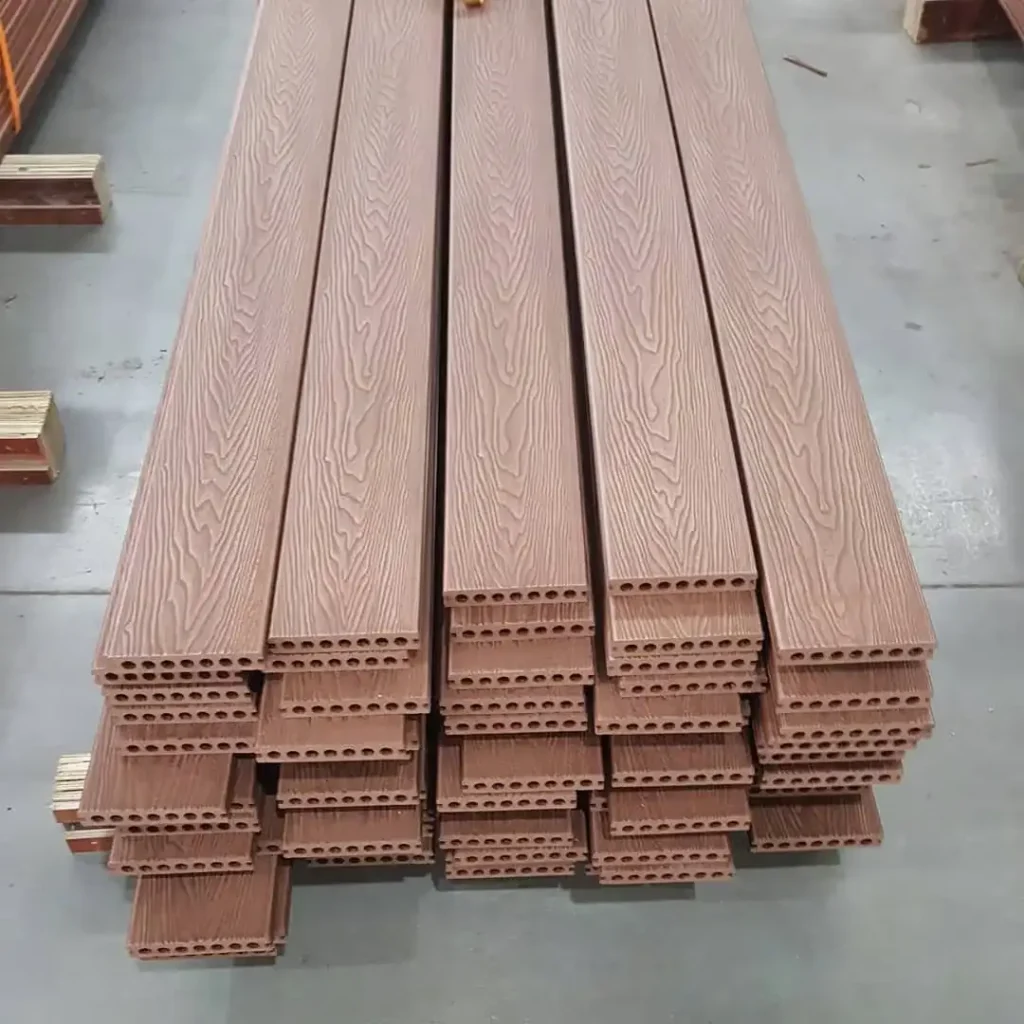
Composite decking offers a wide range of colors, textures, and finishes. Some brands feature embossed wood grain designs that replicate natural timber, while others provide a sleek, modern finish for contemporary homes. This versatility ensures you can find decking that complements your home’s style and landscaping.
5. Safety
Composite decking is generally slip-resistant and splinter-free, making it safer for children and pets. Its consistent surface reduces the risk of accidents, which is particularly important in wet or coastal areas where timber decks may become slippery.
Factors to Consider When Choosing the Best Composite Decking in Australia
Finding the best composite decking in Australia involves evaluating multiple factors, from material composition to warranty coverage. Here’s a comprehensive guide to help you make the right choice:
1. Material Composition
Composite decking boards can be classified into three main types:
- Wood-Plastic Composite (WPC): A balanced mix of wood fibers and plastic. Offers a natural wood look and is durable but may require more maintenance than capped composites.
- Capped Composite Decking: Features a protective polymer coating that enhances color retention, scratch resistance, and durability. Often considered the premium option.
- PVC Decking: Made entirely of plastic, it’s highly resistant to moisture, insects, and rot. While it lacks the natural wood texture, it is extremely low-maintenance and durable.
Choosing the right type depends on your aesthetic preferences, budget, and exposure to outdoor elements.
2. Board Profile and Size
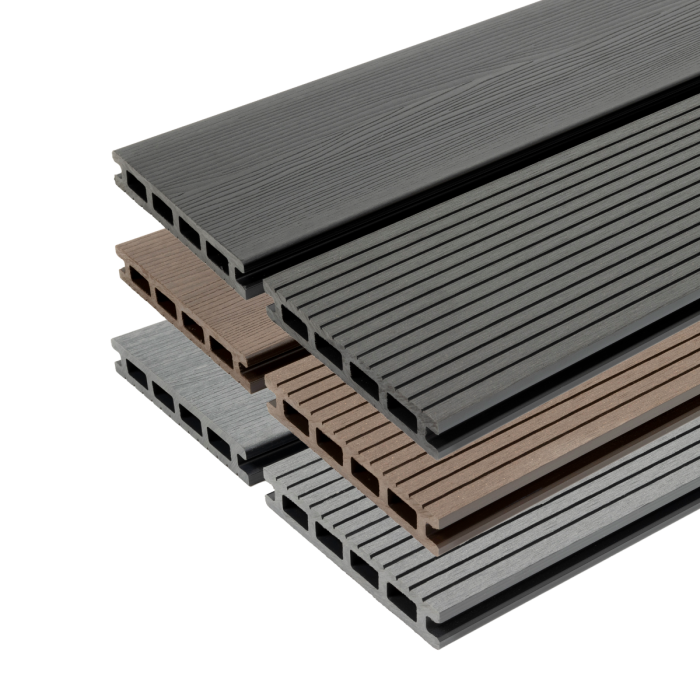
Decking boards come in various widths, lengths, and thicknesses. Wider boards offer a more contemporary appearance, while thinner boards may suit traditional designs. Longer boards reduce the number of joints, creating a seamless look. Some composite decking also features grooved profiles for hidden fasteners, providing a clean, professional finish.
3. Color and Finish
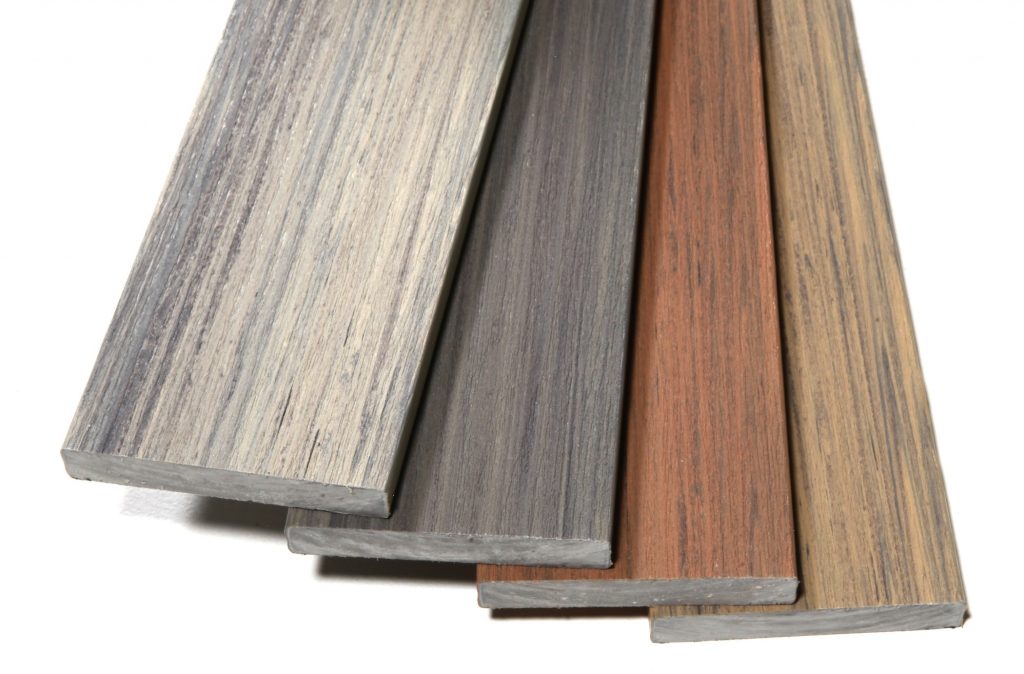
Composite decking is available in a wide range of colors, from natural timber shades to modern greys and blacks. Some products feature dual-tone finishes, allowing a more natural wood look with reduced fading over time. Consider choosing a color that complements your home exterior, landscaping, and surrounding environment.
4. Slip Resistance
Safety is an important consideration, especially in areas exposed to rain or near pools. Look for decking products with textured surfaces or anti-slip coatings to reduce the risk of slips and falls.
5. UV Resistance
Australia’s harsh sun can cause fading and discoloration in outdoor materials. High-quality composite decking often includes UV stabilizers that maintain color and structural integrity over time. Investing in UV-resistant boards ensures your deck remains visually appealing for years.
6. Warranty and Lifespan
The best composite decking in Australia should come with a solid warranty, typically ranging from 10 to 25 years. A longer warranty reflects the manufacturer’s confidence in the product’s durability and longevity.
7. Installation Ease
Composite decking boards are designed for easy installation. Some boards feature hidden fasteners, interlocking designs, or pre-drilled holes. Choosing a product that simplifies installation can reduce labor costs and ensure a professional-looking finish.
Leading Brands of Composite Decking in Australia
Several brands have established themselves as leaders in the Australian composite decking market. Each offers unique features, warranties, and aesthetics, allowing homeowners to select the best option for their needs.
Hosung is an international composite decking brand that has gained recognition in the Australian market for its high-quality materials and innovative designs. Known for its durability and eco-friendly approach, Hosung decking combines wood fibers and recycled plastics to deliver a long-lasting and low-maintenance solution. Features include:
- Wide range of colors and textures to suit modern and traditional homes
- High resistance to fading, scratching, and staining
- Slip-resistant surface suitable for wet areas
- Environmentally sustainable manufacturing practices
- Long-term warranty for residential and commercial applications
Hosung is ideal for homeowners seeking a premium, sustainable decking solution with excellent performance in Australian weather conditions.
- Trex
Trex is a globally recognized brand known for its high-performance capped composite decking. Trex boards are made from 95% recycled materials, combining wood fibers and plastic to produce a durable and eco-friendly product. Features include:
- Wide range of colors and finishes
- High resistance to fading, staining, and scratching
- Low maintenance requirements
- Slip-resistant textured surface
- 25-year limited residential warranty
Trex is ideal for homeowners seeking a long-lasting, premium decking solution with minimal upkeep.
- TimberTech
TimberTech offers capped composite and PVC decking options with a focus on durability and aesthetics. The brand emphasizes eco-conscious production, using recycled materials where possible. Notable features include:
- Advanced cap technology for color retention and stain resistance
- Multiple grain and color options to mimic natural timber
- UV and weather-resistant boards suitable for harsh Australian conditions
- Warranty coverage of up to 25 years
TimberTech is favored for both residential and commercial projects due to its consistent quality and design flexibility.
- DeckWise
DeckWise provides a range of composite decking products that combine wood and plastic for durability and performance. Key benefits include:
- Natural wood-like texture
- Moisture, insect, and rot resistance
- Slip-resistant surfaces
- Affordable pricing compared to premium brands
- Long-lasting finish with minimal maintenance
DeckWise is an excellent choice for homeowners looking for value without compromising on quality.
- ModWood
ModWood is an Australian-made composite decking brand, designed to withstand local climate conditions. Features include:
- Resistant to termites, rot, and moisture
- Wide selection of colors and finishes
- UV-resistant coatings to prevent fading
- Environmentally sustainable materials
- 25-year warranty for residential applications
ModWood is particularly popular in coastal areas due to its resistance to moisture and salt exposure.
- Ziroc
Ziroc specializes in capped composite decking with a modern aesthetic. Its boards are engineered for high durability and low maintenance. Features include:
- Multi-tonal color options for a natural look
- Scratch and stain-resistant surfaces
- Weather and UV-resistant construction
- Easy-to-install hidden fastening systems
Ziroc appeals to homeowners seeking a contemporary finish without sacrificing longevity.
Comparing Timber vs Composite Decking in Australia
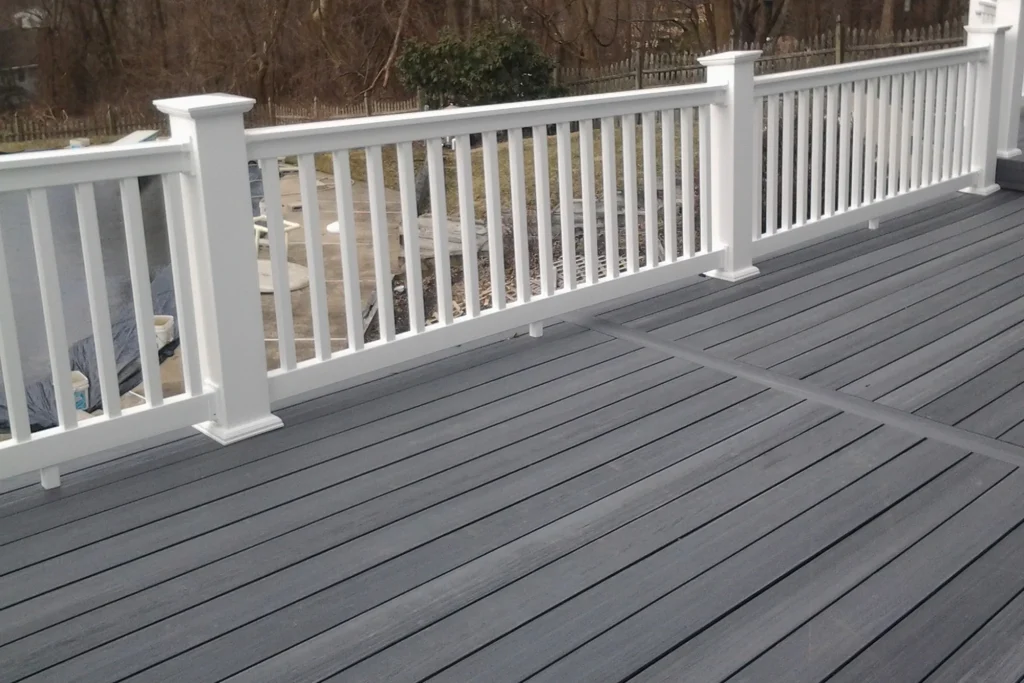
While traditional timber decking remains popular for its natural beauty, composite decking offers numerous advantages for Australian homeowners. Here’s a side-by-side comparison:
| Feature | Timber Decking | Composite Decking |
|---|---|---|
| Maintenance | High; requires regular staining and sealing | Low; occasional cleaning with soap and water |
| Lifespan | 10–15 years (varies by species and climate) | 25+ years with proper care |
| Durability | Susceptible to warping, splintering, and rot | Resistant to moisture, rot, and insects |
| Color Options | Limited to natural wood shades | Wide variety of colors and finishes |
| Environmental Impact | Harvesting may contribute to deforestation | Often made from recycled wood and plastic |
| Cost | Initial cost lower, higher long-term maintenance | Higher initial cost, lower maintenance cost |
Based on this comparison, composite decking provides better long-term value, particularly for busy homeowners or those living in coastal or humid regions.
Installation Tips for Composite Decking
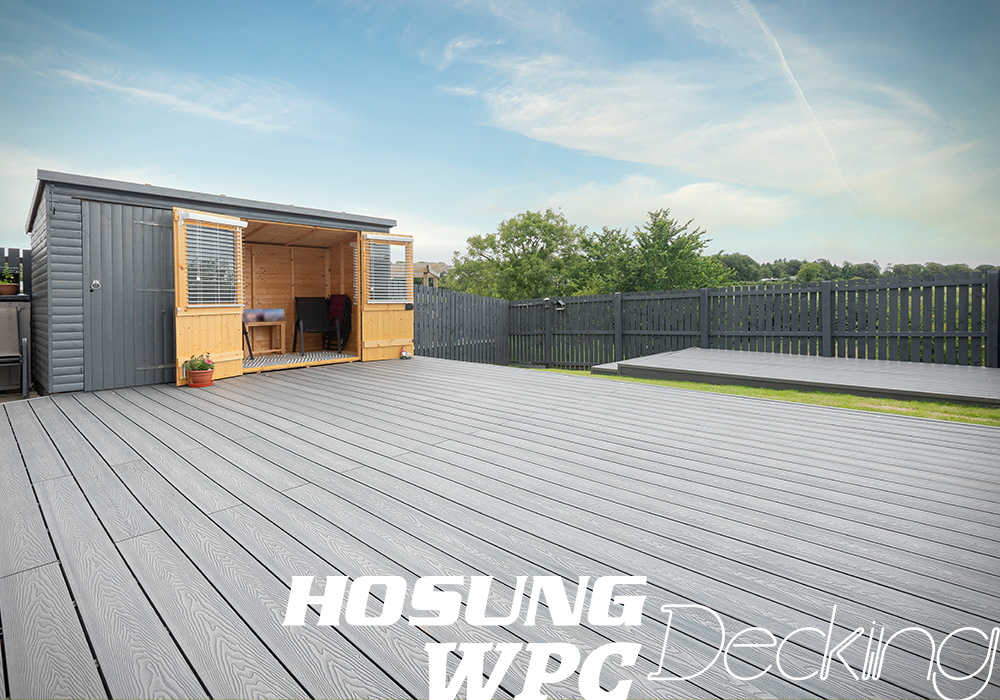
Installing composite decking is straightforward, but following best practices ensures durability and aesthetics:
- Prepare the Foundation: Ensure the substructure is level, sturdy, and adequately ventilated to prevent moisture buildup.
- Use Proper Fasteners: Hidden fasteners are recommended for a clean look, while screws and clips should be corrosion-resistant.
- Allow Expansion: Composite boards expand and contract with temperature changes, so leave a small gap between boards for movement.
- Spacing: Maintain adequate spacing between boards to allow drainage and prevent water pooling.
- Regular Cleaning: Even low-maintenance decking benefits from occasional cleaning with soap and water, especially in coastal or high-humidity areas where salt, pollen, or dirt can accumulate. Use a soft broom or mop to remove debris and rinse with water. For stubborn stains, manufacturers often recommend mild detergents or deck-specific cleaners—avoid harsh chemicals that can damage the board surface.
Common Mistakes to Avoid When Installing Composite Decking
- Incorrect Substructure
Using a weak or improperly spaced substructure can compromise the deck’s stability. Ensure joists are spaced according to manufacturer specifications, typically 300–450mm apart, depending on board type. - Ignoring Expansion Gaps
Failing to leave expansion gaps can cause boards to warp or buckle as they expand in heat. Always follow spacing guidelines for both board ends and between boards. - Using Incompatible Fasteners
Not all fasteners are suitable for composite boards. Use corrosion-resistant screws or hidden fasteners recommended by the manufacturer to prevent staining or structural issues. - Overlooking Deck Slope
Proper drainage is crucial. A slight slope away from the house ensures rainwater doesn’t pool, reducing mold, algae, and slipping hazards. - Neglecting Sun and Shade Effects
While UV-resistant composites resist fading, darker boards can become hotter under direct sunlight. Consider board color and placement when designing your deck to ensure comfort.
Cost Considerations for Composite Decking in Australia
The initial cost of composite decking is typically higher than traditional timber. Prices range depending on the brand, board type, and finish, averaging between AUD $80–$150 per square meter, including installation. However, when factoring in long-term savings on maintenance, repair, and replacement, composite decking often provides superior value.
- Material Costs: Capped composite boards are more expensive but offer better durability and aesthetics.
- Labor Costs: Composite boards are easier to install than some hardwoods, potentially reducing labor costs.
- Maintenance Savings: Unlike timber, composite decking doesn’t require annual sealing, staining, or painting.
Considering these factors, homeowners often find the higher upfront cost justified by the lower lifetime expenditure and increased durability.
Conclusion
For Australian homeowners seeking a blend of beauty, durability, and low maintenance, composite decking is the clear choice. With a wide range of brands and materials available, selecting the best composite decking in Australia depends on understanding your site conditions, style preferences, and long-term investment goals.
Brands like Hosung, Trex, TimberTech, DeckWise, ModWood, and Ziroc have proven track records, providing durable, eco-friendly, and visually appealing decking solutions. By considering material composition, board size, finish, and installation practices, you can create an outdoor space that remains beautiful and functional for decades.
Whether you’re building a new deck or renovating an old one, composite decking offers the perfect combination of performance, aesthetics, and sustainability for Australian homes. Invest wisely, follow proper installation and maintenance practices, and your deck will serve as a lasting centerpiece for outdoor living.