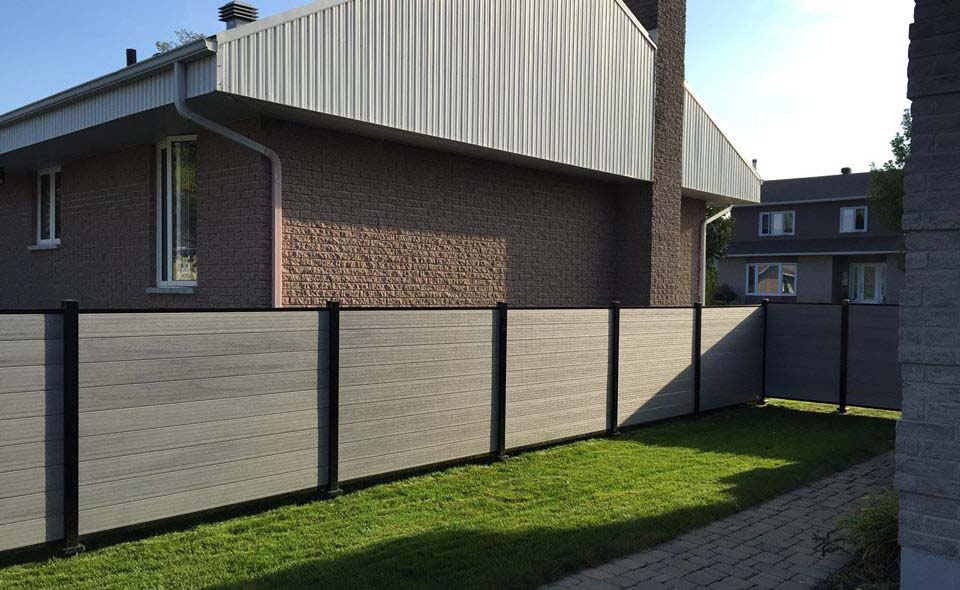
When choosing the best composite fence panels in australia for your property, you want something that’s not only durable and aesthetically pleasing but also easy to maintain. In Australia, where weather conditions can vary drastically from scorching sun to heavy rainfall, it’s crucial to select a fence that can stand the test of time. Composite fence panels Australia have emerged as one of the most popular options, offering a balance of performance, style, and low maintenance. This comprehensive guide will explain why composite fence panels are the ideal solution for Australian homeowners, and how you can select the best ones for your needs. From their benefits to how they compare to traditional materials, we will cover everything you need to know about composite fencing.
Table of Contents
What Are Composite Fence Panels?
Composite fence panels are made from a blend of wood fibers and plastic, offering the best of both worlds. The combination of natural wood and synthetic materials creates a highly durable product that resists the wear and tear that comes with traditional timber fencing. This advanced material provides all the aesthetic beauty of wood but with enhanced strength, weather resistance, and longevity.
Unlike traditional wood fences, which are prone to rotting, warping, or fading over time, composite panels are engineered to withstand the elements and maintain their aesthetic appeal for years.
Why Choose Composite Fence Panels in Australia?
Choosing the right fence material is essential to ensure the safety, privacy, and aesthetic value of your property. In Australia, composite fence panels offer numerous advantages that make them the best choice for many homeowners. Here’s why:
1. Durability and Long-Lasting Performance
The primary reason why composite fence panels are so highly regarded in Australia is their durability. Unlike traditional wooden fences, which can degrade due to moisture, termites, or extreme weather conditions, composite fences are engineered to endure these challenges.
Composite fence panels are designed to resist rotting, splitting, and warping, ensuring that your fence remains intact and functional for many years. Whether you live in the dry heat of the outback or the coastal regions with high humidity, composite fencing will perform reliably in all Australian climates.
On average, composite fence panels can last between 25 to 30 years, making them a great long-term investment. Their ability to withstand wear and tear significantly reduces the need for frequent replacements or repairs, saving you both time and money.
2. Low Maintenance Requirements
One of the most attractive features of composite fence panels is the minimal maintenance required to keep them in top condition. Traditional timber fences often require regular sealing, painting, or staining to maintain their appearance and prevent damage. However, composite fences are resistant to the elements and don’t require any of these maintenance efforts.
In Australia, where heat and humidity can cause wooden fences to warp or degrade, composite fences stand out because they don’t require any treatments like sealing or painting. All you need to do is rinse the panels with water and mild soap to remove dirt and debris, keeping your fence looking fresh without the hassle of regular upkeep.
3. Eco-Friendly and Sustainable Choice
Australia is increasingly focused on sustainability, and composite fence panels are an eco-friendly alternative to traditional wood. Many composite panels are made from recycled materials, including wood fibers and plastics that would otherwise end up in landfills. By choosing composite fencing, you contribute to reducing waste and promoting a greener environment.
Additionally, the production of composite materials requires fewer natural resources than cutting down trees for timber, making it a more environmentally responsible option. Choosing composite fence panels helps you make a positive impact on the planet while benefiting from a long-lasting and low-maintenance fence.
4. Aesthetic Appeal and Versatility
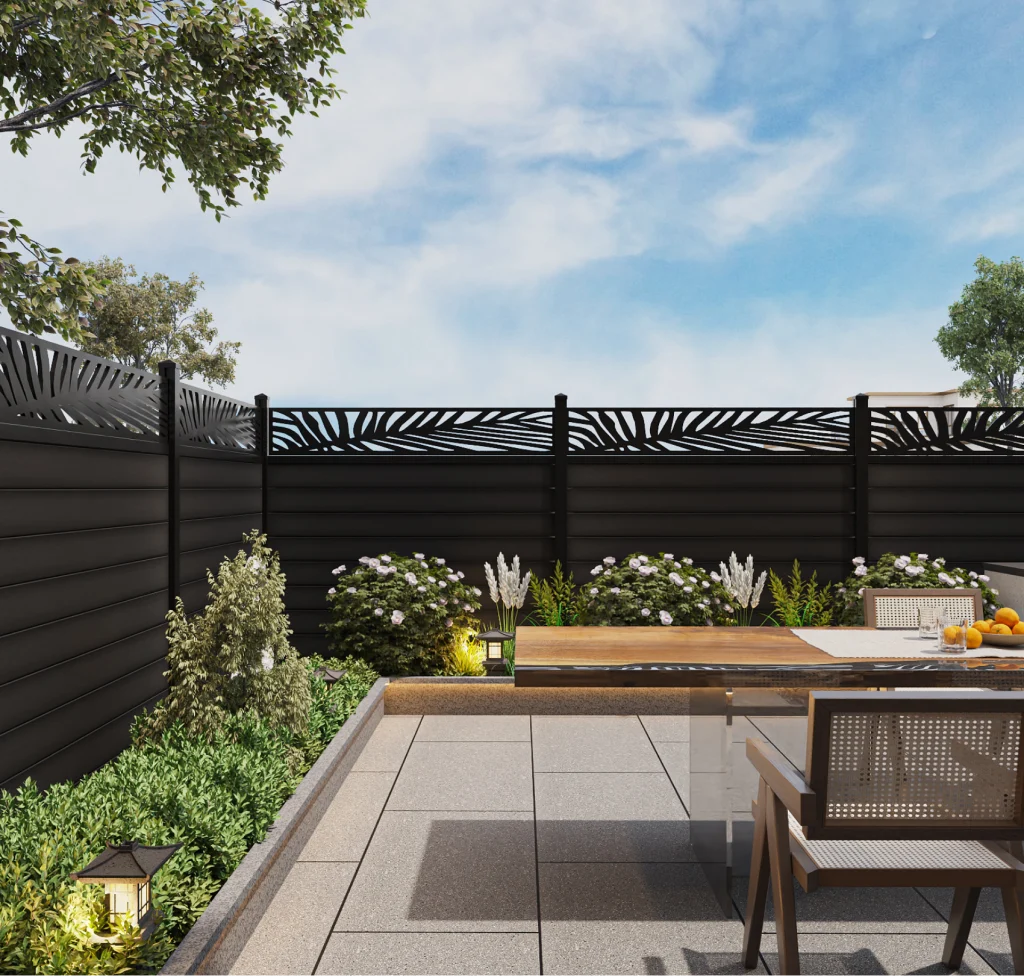
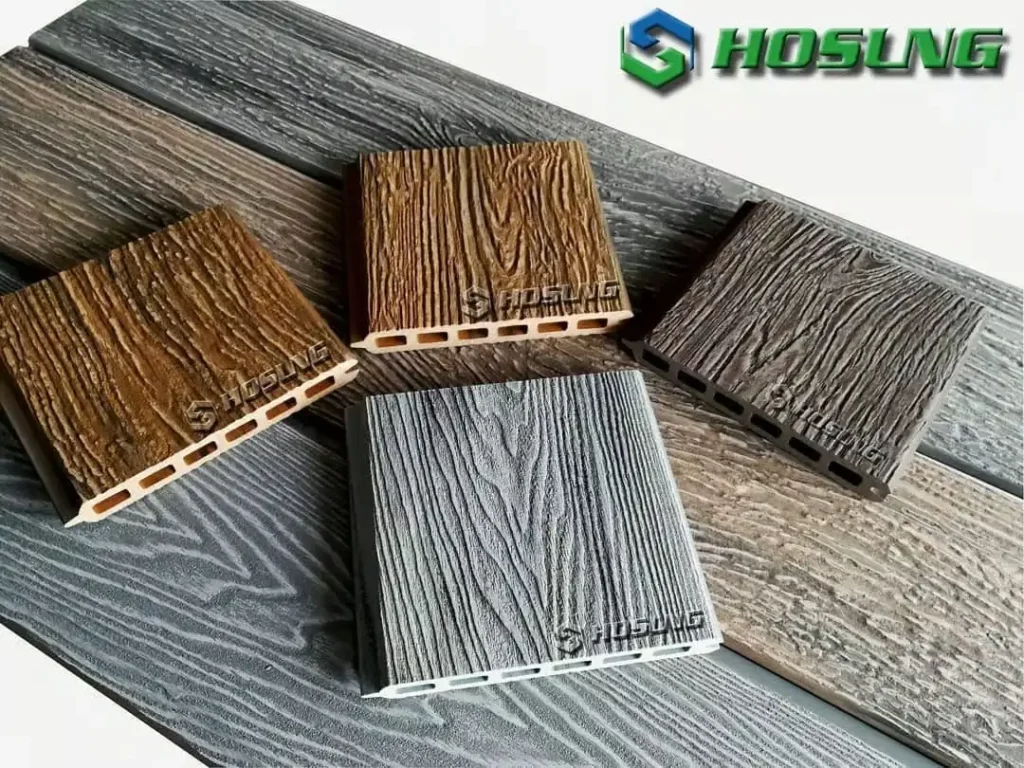
When it comes to the visual appeal of your fence, composite panels offer a high degree of versatility. Available in a variety of styles, colors, and finishes, these panels can mimic the look of traditional timber while providing a more modern, sleek aesthetic. Whether you’re aiming for a contemporary design or a rustic, natural look, composite fence panels can be customized to fit your unique style.
Additionally, composite panels are resistant to fading from UV rays, unlike traditional wood that can lose its color over time. This means that your fence will retain its aesthetic appeal, no matter how much sun exposure it gets.
5. Resistance to Pests and Insects
Pests like termites, ants, and other wood-boring insects are a common problem for homeowners with traditional wooden fences. These pests can damage your fence, leading to costly repairs and replacements. However, composite fence panels are resistant to these pests because they do not provide a food source for insects.
In Australia, where termite infestations can be a significant issue, composite fencing offers peace of mind by eliminating the risk of pest damage. You won’t need to worry about termites or other insects damaging your fence, which is another reason why composite fence panels are so popular among Australian homeowners.
How Composite Fence Panels Compare to Traditional Fencing Materials
When selecting a fence for your property, it’s important to compare different materials to determine which one offers the best value for your needs. Here’s a comparison between composite fence panels and traditional wood, metal, and vinyl fences.
Composite Fence Panels vs. Wood Fencing
Wood has been the traditional choice for fencing for many years. While wood fences can offer a natural look and charm, they require considerable maintenance to keep them in good shape. Regular staining, sealing, and painting are necessary to prevent damage from moisture, UV rays, and pests.
On the other hand, composite fence panels are much more durable and require far less maintenance. They are resistant to rot, warping, and insect damage, making them a superior choice for homeowners looking for a long-lasting and low-maintenance option.
While composite fences may have a higher initial cost than wood, their durability and minimal upkeep make them a better long-term investment.
Composite Fence Panels vs. Vinyl Fencing
Vinyl fences are another popular alternative to wood, offering a durable and low-maintenance solution. While vinyl fences are resistant to the elements and pests, they are not as eco-friendly as composite fence panels. Vinyl is made from synthetic materials and is not biodegradable, which can be a concern for environmentally conscious homeowners.
In contrast, composite fence panels are made from a mix of wood fibers and plastics, many of which are recycled, making them a more sustainable option. Additionally, composite panels offer more natural aesthetics than vinyl, which often has a uniform, artificial appearance.
Composite Fence Panels vs. Metal Fencing
Metal fences, such as aluminum or steel, are known for their strength and durability. However, metal fences can be prone to rust and corrosion, especially in humid or coastal areas like Australia. While composite fence panels are also strong and durable, they are not susceptible to rust, making them a better option for homeowners near coastal regions.
Composite fence panels are also more aesthetically flexible than metal fences, which can often look harsh and industrial. Composite fences can be customized to mimic the appearance of wood or other materials, offering a more attractive option for residential properties.
How to Install Composite Fence Panels in Australia
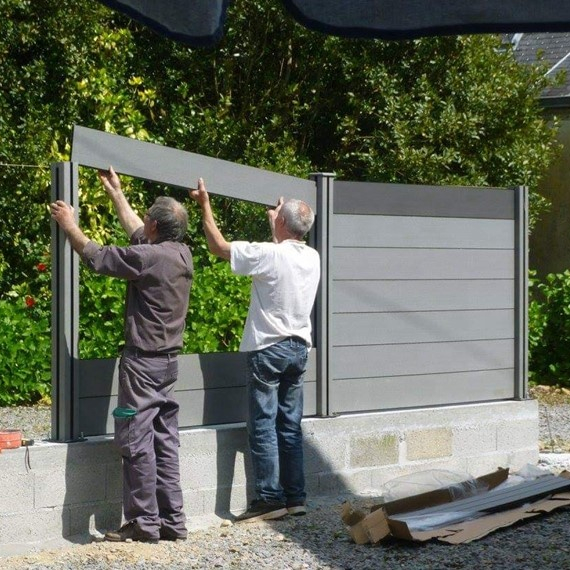
Installing composite fence panels is a relatively simple process that can be done by DIY enthusiasts or professional contractors. Here’s a general guide to installing composite fence panels in Australia:
Step 1: Plan Your Fence
Start by planning the layout and design of your fence. Measure the area where the fence will be installed and determine the height and length of the fence panels. Make sure to check local council regulations for any restrictions on fence height or style.
Step 2: Install Fence Posts
Install the fence posts into the ground, making sure they are spaced evenly according to the length of your panels. You may need to dig post holes and set the posts in concrete for added stability.
Step 3: Attach the Composite Panels
Once the posts are securely in place, attach the composite panels to the posts using screws or clips. Make sure the panels are level and aligned properly. You may need to trim the panels to fit the specific dimensions of your fence.
Step 4: Finishing Touches
After all the panels are installed, add any finishing touches such as post caps, decorative accents, or gates. Your composite fence should be ready to provide privacy, security, and style to your property.
Why Composite Fencing Adds Value to Your Home
In addition to its functional and aesthetic advantages, installing composite fence panels can increase the value of your property. Potential homebuyers are always looking for low-maintenance and durable features, and a composite fence can stand out as a long-lasting solution. It also offers privacy and security, two essential factors for prospective buyers.
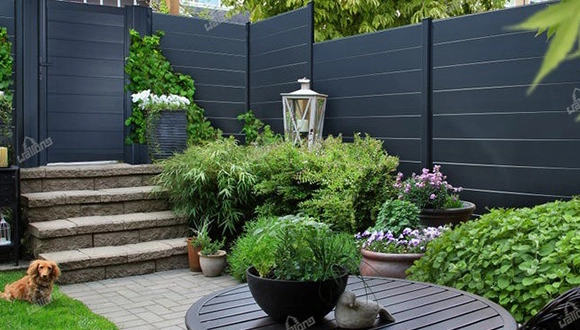
The sleek, modern look of composite fences can enhance curb appeal, which is important when selling your home. As buyers often look for features that will save them time and money in the long run, a composite fence is an attractive selling point.
Conclusion
Composite fence panels are quickly becoming the go-to solution for homeowners in Australia due to their durability, aesthetic appeal, low maintenance, and sustainability. Whether you live in a hot, dry area or a coastal region, composite fencing provides a reliable and long-lasting solution for all Australian climates.
If you are looking for high-quality composite fence panels, consider exploring options from reputable manufacturers such as Hosung WPC, a leading Chinese manufacturer of WPC products. Hosung WPC offers a wide range of durable and eco-friendly composite materials that are ideal for Australian homes, helping you enhance the value and appearance of your property.