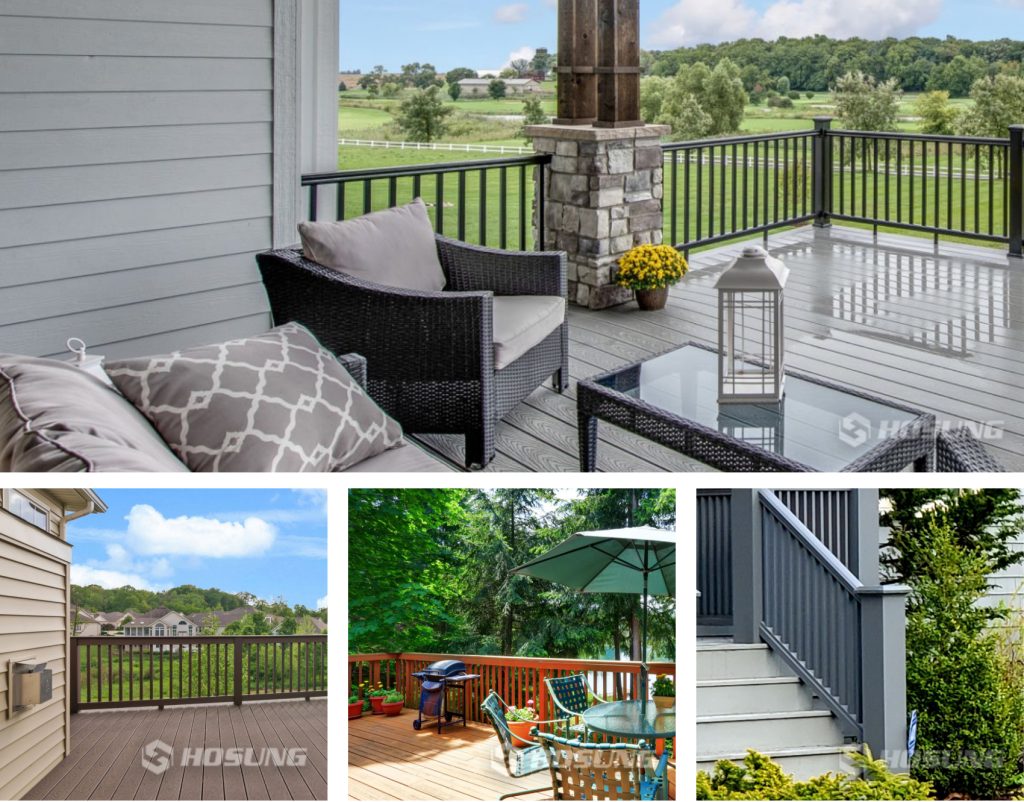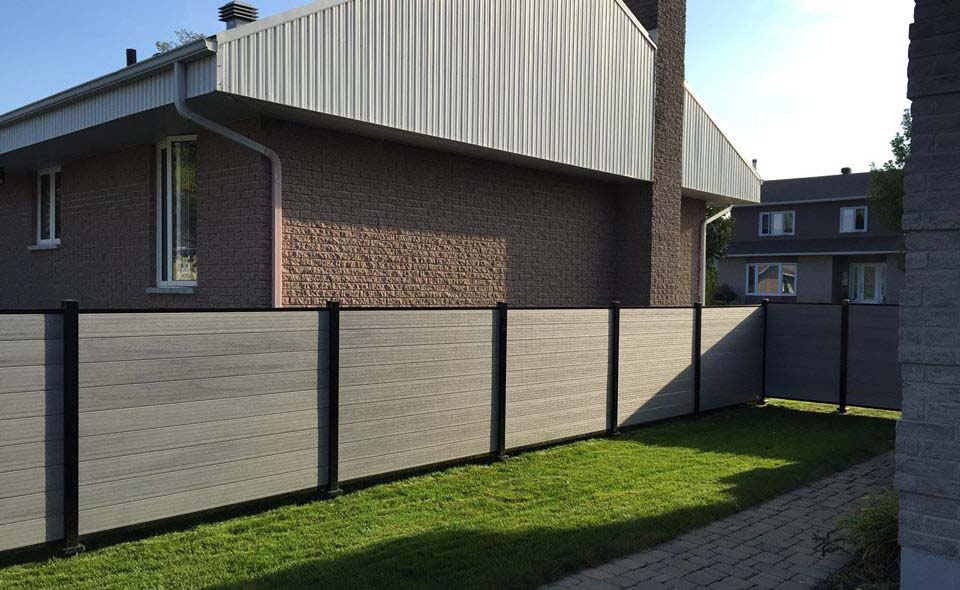
When it comes to enhancing outdoor spaces in Australia, choosing the best decking material Australia is crucial. Decks are more than just a functional addition to your backyard or patio—they are an investment that can dramatically improve the aesthetic appeal, functionality, and value of your property. From entertaining guests to creating a relaxing outdoor retreat, the material you choose for your decking will affect durability, maintenance requirements, and the overall lifespan of the deck. In this comprehensive guide, we will explore the top decking materials in Australia, their benefits and drawbacks, and tips for making the right choice for your home or commercial project.

Table of Contents
Why Choosing the Right Decking Material Matters
Australia’s climate varies significantly from tropical regions in the north to temperate zones in the south. This means decking materials are exposed to a variety of environmental conditions such as UV radiation, heavy rainfall, and extreme temperatures. Selecting the best decking material Australia requires consideration of these factors, as well as aesthetics, maintenance, cost, and environmental impact.
A deck is a long-term investment. The wrong material could lead to faster deterioration, frequent maintenance, and ultimately, higher costs. Conversely, the right material can ensure a safe, stylish, and low-maintenance outdoor area that lasts for decades. With so many options available, it is important to understand the pros and cons of each material.
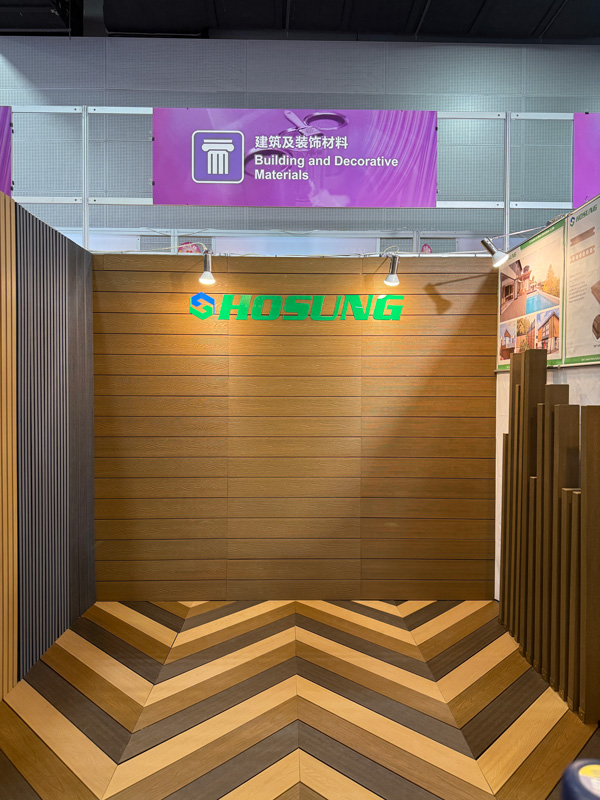
Timber Decking
Timber decking is a classic choice for Australian homes and has been used for centuries. It offers natural beauty and warmth that is hard to replicate with synthetic materials. Some of the most popular timber options in Australia include:
a) Hardwood Decking
Hardwoods such as Merbau, Spotted Gum, Blackbutt, and Jarrah are popular due to their density, durability, and natural resistance to pests and decay. They provide a rich, warm color and develop a beautiful patina over time.
Pros:
Natural aesthetic appeal
High durability when properly maintained
Can be sanded and refinished multiple times
Cons:
Expensive compared to some other materials
Requires regular maintenance, including sealing or staining
Can be slippery when wet if not treated
b) Softwood Decking
Softwoods like Pine and Radiata Pine are more affordable and widely available in Australia. They are typically pressure-treated to resist rot and insect damage.
Pros:
Lower cost than hardwood
Easy to install and work with
Can be stained or painted to achieve different looks
Cons:
Less durable than hardwood
Requires regular maintenance to prevent decay
More susceptible to scratches and dents
Timber decking remains a favorite choice for homeowners seeking a natural look and traditional outdoor feel. However, careful maintenance is essential to maximize its lifespan.
Composite Decking
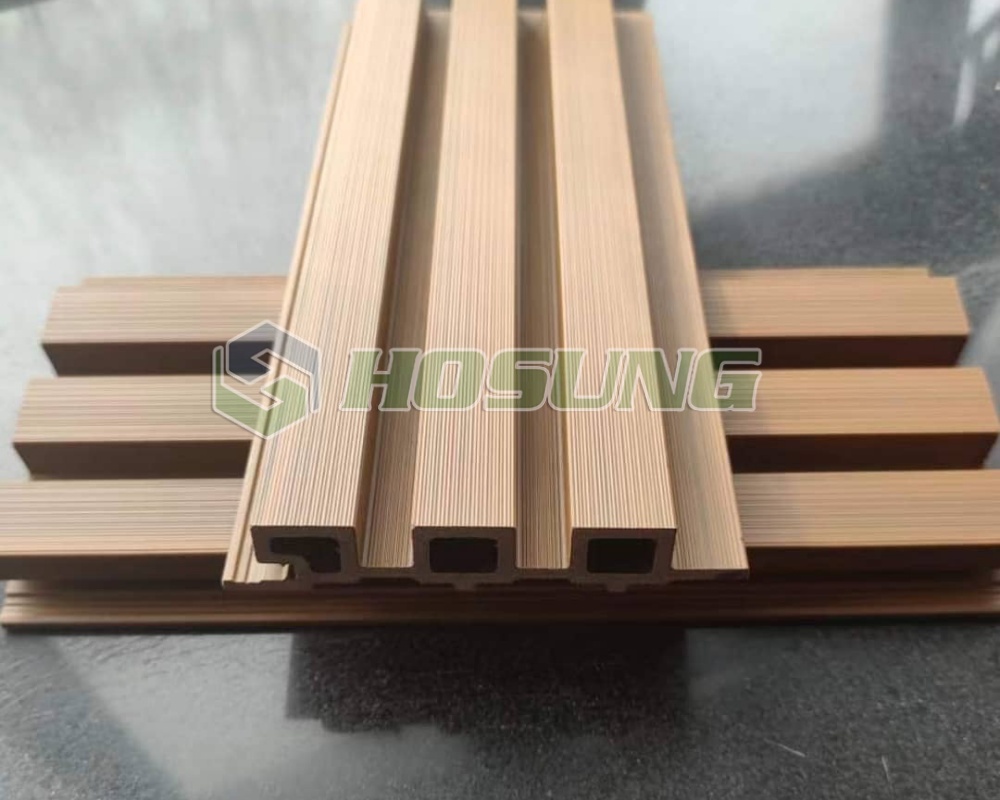
Composite decking has emerged as one of the most popular choices for outdoor spaces in Australia over the past decade. It is made from a carefully engineered blend of wood fibers and recycled plastics, combining the natural appearance of timber with enhanced durability and low maintenance. This combination makes composite decking a leading option for homeowners seeking a long-lasting, visually appealing deck.
2.1 Benefits of Composite Decking
1. Low Maintenance:
Unlike traditional timber decks, composite decking does not require regular sanding, staining, or sealing. Homeowners only need to clean it occasionally with water and mild detergent to maintain its appearance. This low-maintenance feature makes it ideal for busy households or commercial areas where regular upkeep is impractical.
2. Durability and Resistance:
Composite boards are highly resistant to common issues that affect timber, including rot, warping, and insect damage. They are also less prone to splintering, which enhances safety for children and pets. This durability ensures that a composite deck maintains its structural integrity and appearance over many years, even in harsh Australian climates, from coastal regions to tropical zones.
3. Aesthetic Versatility:
Composite decking is available in a wide range of colors, textures, and finishes. Homeowners can choose natural wood grain finishes that mimic traditional timber or contemporary smooth surfaces for a modern look. The variety of color options, from deep browns and reds to soft greys, allows the deck to complement the home’s architecture and surrounding landscape seamlessly.
4. Environmentally Friendly:
Most composite decking is made from recycled wood fibers and plastics, reducing the demand for virgin timber and helping to minimize environmental impact. For environmentally conscious homeowners, this makes composite decking a sustainable option without compromising on performance or aesthetics.
2.2 Considerations for Composite Decking
1. Higher Initial Cost:
Composite decking typically costs more upfront than traditional timber. However, the reduced maintenance requirements and long lifespan often make it more cost-effective over time.
2. Heat Retention:
Composite materials can absorb and retain heat under direct sunlight, which may make walking barefoot uncomfortable. Planning for shaded areas or selecting lighter-colored boards can mitigate this issue.
3. Installation Requirements:
Composite boards are heavier and harder to cut than timber, which can make DIY installation more challenging. Professional installation is often recommended to ensure a precise fit and optimal performance.
2.3 Ideal Use Cases
Composite decking is particularly suitable for areas with heavy foot traffic, harsh weather conditions, or high humidity. It is also ideal for homeowners who desire a timber-like look but prefer a low-maintenance solution that will retain its beauty for decades. Its combination of durability, visual appeal, and environmental benefits makes it one of the top choices for anyone looking for the best decking material Australia.
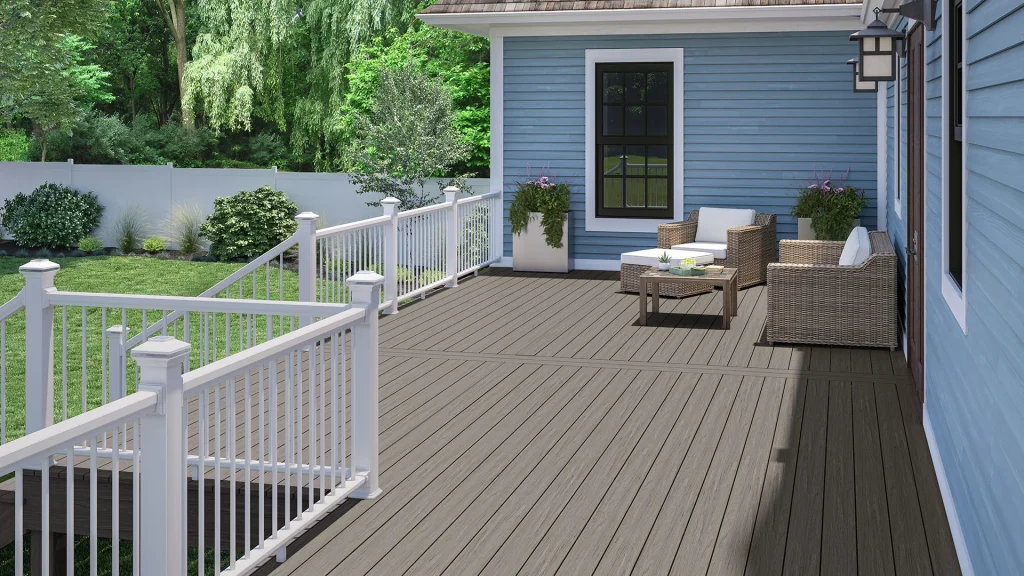
PVC Decking
PVC (polyvinyl chloride) decking is a fully synthetic option that provides durability and requires almost no maintenance. Unlike composite decking, it does not contain wood fibers, making it more resistant to moisture, staining, and pests.
Pros:
Extremely low maintenance
Resistant to mold, mildew, and fading
Lightweight and easy to install
Highly durable in wet or coastal environments
Cons:
Limited texture compared to natural wood
Can appear artificial if not selected carefully
Higher cost per square meter
PVC decking is a great option for coastal areas in Australia where salt and humidity can damage natural timber. It also works well for commercial applications requiring long-lasting, low-maintenance solutions.
Bamboo Decking
Bamboo is an eco-friendly decking material that has recently gained traction in Australia. Technically a grass, bamboo is processed into durable, dense planks that can rival hardwoods in strength.
Pros:
Sustainable and renewable
High strength-to-weight ratio
Attractive, modern appearance
Naturally resistant to insects
Cons:
Prone to color fading over time
Requires proper sealing to prevent moisture damage
Less readily available than timber or composite options
Bamboo decking is ideal for environmentally conscious homeowners who desire a contemporary and unique look for their outdoor spaces.
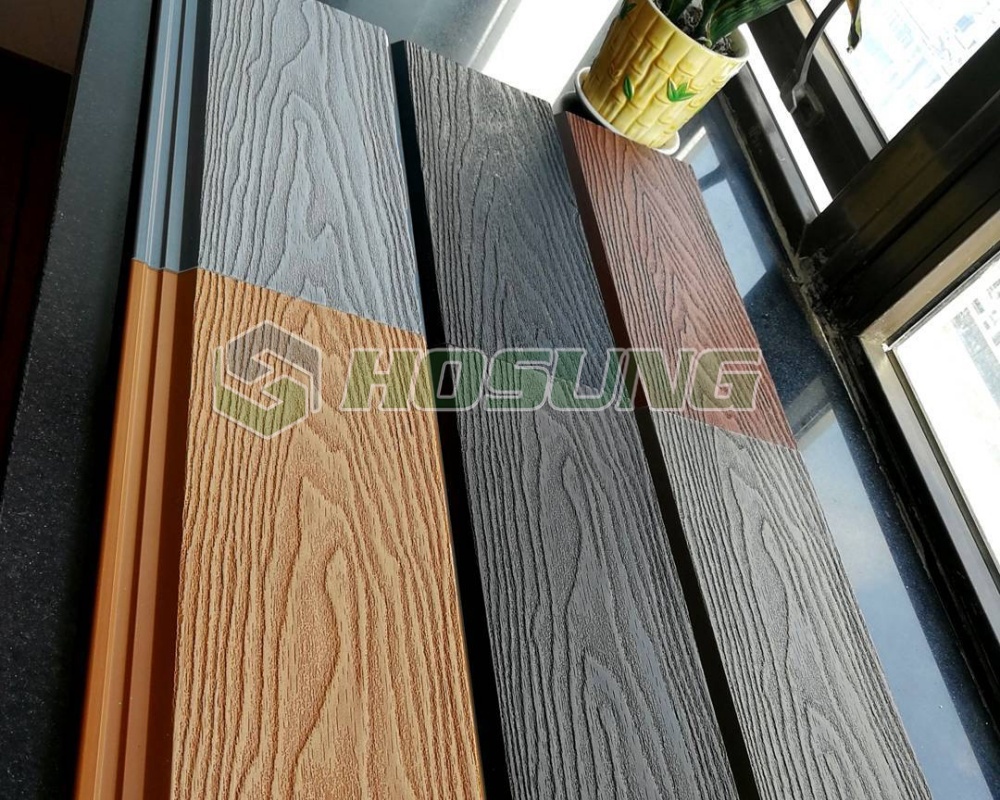
Aluminium Decking
Aluminium decking offers a modern alternative to traditional timber or composite decks. Made from high-quality alloy, it is corrosion-resistant and incredibly durable.
Pros:
Lightweight and strong
Extremely low maintenance
Resistant to termites, rot, and fire
Long lifespan (up to 50 years)
Cons:
Can be more expensive than other materials
May feel hot under direct sunlight
Limited design options compared to timber
Aluminium decking is commonly used in commercial and high-end residential projects, especially in areas prone to termite activity or extreme weather.
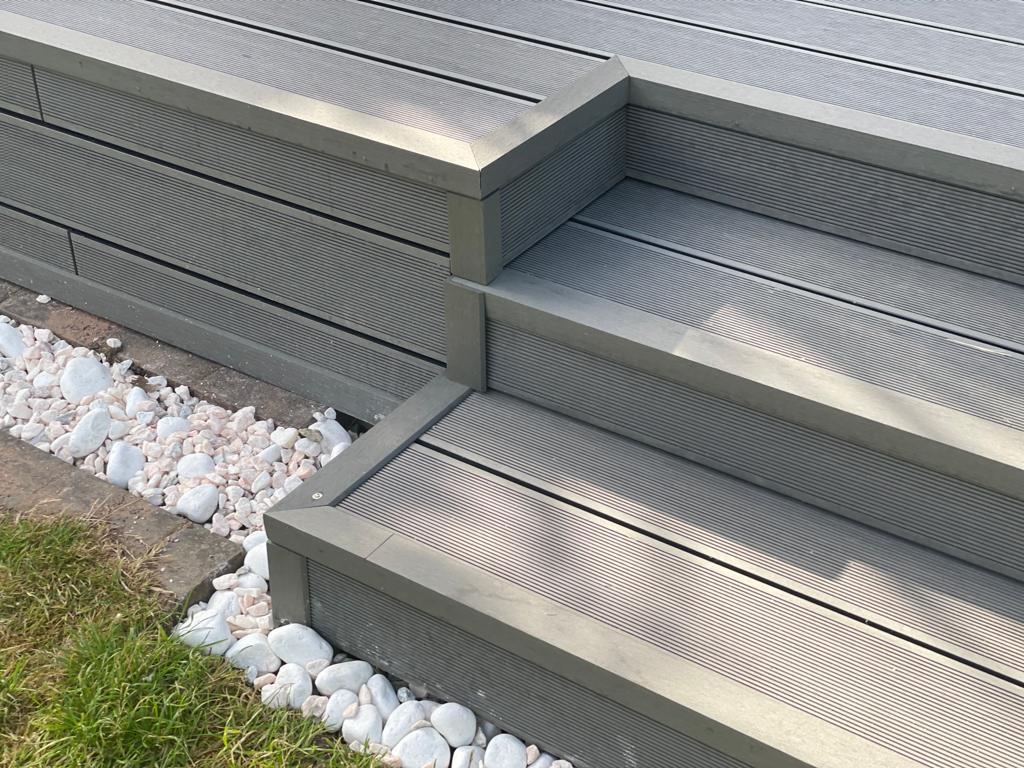
Concrete and Stone Decking
Concrete and natural stone are less common but highly durable options for decking in Australia. They provide a solid, low-maintenance surface ideal for high-traffic areas.
Pros:
Extremely durable and long-lasting
Low maintenance and easy to clean
Available in a variety of finishes and colors
Resistant to rot, pests, and fire
Cons:
Can be expensive to install
Hard surface may be uncomfortable for walking barefoot
Limited design flexibility compared to timber or composite
Concrete and stone are ideal for modern landscapes and outdoor entertainment areas where durability is a priority.
Factors to Consider When Choosing Decking Material in Australia
Choosing the best decking material Australia is not just about aesthetics. There are several practical considerations to take into account:
1. Climate and Environment
Coastal areas require materials resistant to salt, moisture, and UV exposure.
Tropical regions need materials that can withstand humidity and heavy rainfall.
Temperate zones offer more flexibility in material choice.
2. Maintenance Requirements
Timber decking requires regular sealing, staining, or painting.
Composite and PVC options require minimal maintenance but may have higher initial costs.
3. Budget
Timber decking can be expensive upfront but may be cheaper in the long term if properly maintained.
Composite, PVC, and aluminium decking have higher initial costs but lower maintenance expenses.
4. Aesthetics
Consider the look and feel you want: natural timber warmth or modern synthetic finishes.
Some materials allow for customization with colors, textures, and finishes.
5. Longevity and Durability
Timber, if maintained well, can last decades.
Composite and PVC decking are highly durable and resistant to pests and rot.
Aluminium and stone decks offer exceptional longevity but may be costlier.
Decking Trends in Australia
Modern Australian decking trends emphasize sustainability, low maintenance, and versatility. Homeowners increasingly prefer composite and PVC decking for these reasons. Additionally, multi-level decks, integrated lighting, and combination materials (e.g., timber and composite blends) are becoming popular for stylish and functional outdoor living spaces.
Eco-friendly options such as bamboo and recycled composites are also gaining attention, as Australian homeowners are more conscious of environmental impact. Colour trends include natural wood tones, greys, and subtle earthy shades that blend seamlessly with outdoor landscaping.
Installing Your Deck: DIY vs. Professional
When choosing the best decking material Australia, it is essential to consider installation. While timber decking can be installed by experienced DIYers, composite, PVC, and aluminium decking often require professional installation due to specific fastening systems and handling requirements.
Professional installation ensures:
Correct spacing for expansion and contraction
Proper sealing and weatherproofing
Compliance with Australian building codes
A well-installed deck not only looks better but also lasts longer, reducing long-term maintenance and replacement costs.
Maintenance Tips for Long-Lasting Decks
Regardless of the material, proper care can significantly extend the life of your deck. Here are some tips:
Regular Cleaning: Sweep debris, leaves, and dirt regularly to prevent staining and mold growth.
Power Washing: For timber and composite decks, gentle power washing can remove deep-seated dirt and grime.
Sealing and Staining: Timber decks benefit from annual or biennial sealing or staining.
Inspect for Damage: Regularly check for loose boards, rusted screws, or cracked panels and repair promptly.
Avoid Standing Water: Ensure proper drainage to prevent water damage and warping.
Following these simple steps helps maintain your deck’s beauty and structural integrity for years.
Cost Comparison of Decking Materials in Australia
Here’s a general cost overview per square meter for various decking materials in Australia:
| Material | Cost per m² (AUD) | Maintenance | Lifespan |
|---|---|---|---|
| Hardwood Timber | $150 – $300 | High | 20-30 years |
| Softwood Timber | $80 – $150 | Medium | 10-20 years |
| Composite | $120 – $250 | Low | 25-30 years |
| PVC | $200 – $300 | Very Low | 30+ years |
| Bamboo | $150 – $220 | Medium | 15-25 years |
| Aluminium | $250 – $400 | Very Low | 50 years |
| Concrete/Stone | $200 – $400 | Low | 50+ years |
The best decking material Australia for you will depend on balancing these costs with aesthetics, durability, and maintenance preferences.
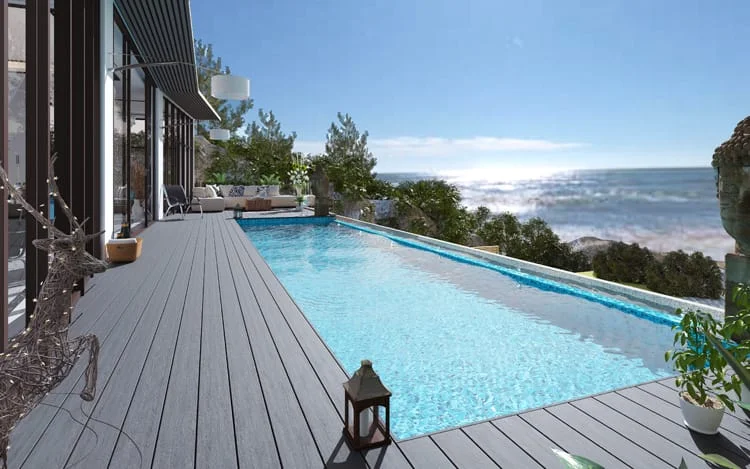
Conclusion: Choosing the Best Decking Material Australia
Selecting the best decking material Australia requires careful consideration of multiple factors including climate, maintenance, budget, aesthetics, and durability. Timber decking offers natural beauty but demands regular upkeep. Composite and PVC materials provide low-maintenance solutions ideal for harsh climates. Aluminium and stone decks deliver exceptional durability and longevity, suitable for high-traffic areas and commercial projects.
Ultimately, the right choice will depend on your specific needs, personal preferences, and lifestyle. By understanding the advantages and limitations of each material, you can create an outdoor space that is not only beautiful and functional but also a long-term investment in your property.
A well-chosen deck enhances the value, comfort, and appeal of any Australian home. Whether you prefer the warmth of timber, the low-maintenance ease of composite, or the longevity of aluminium, there is a decking solution that will perfectly suit your outdoor living space.
Invest wisely, plan carefully, and enjoy the countless hours of relaxation, entertainment, and enjoyment that a quality deck can bring to your home.