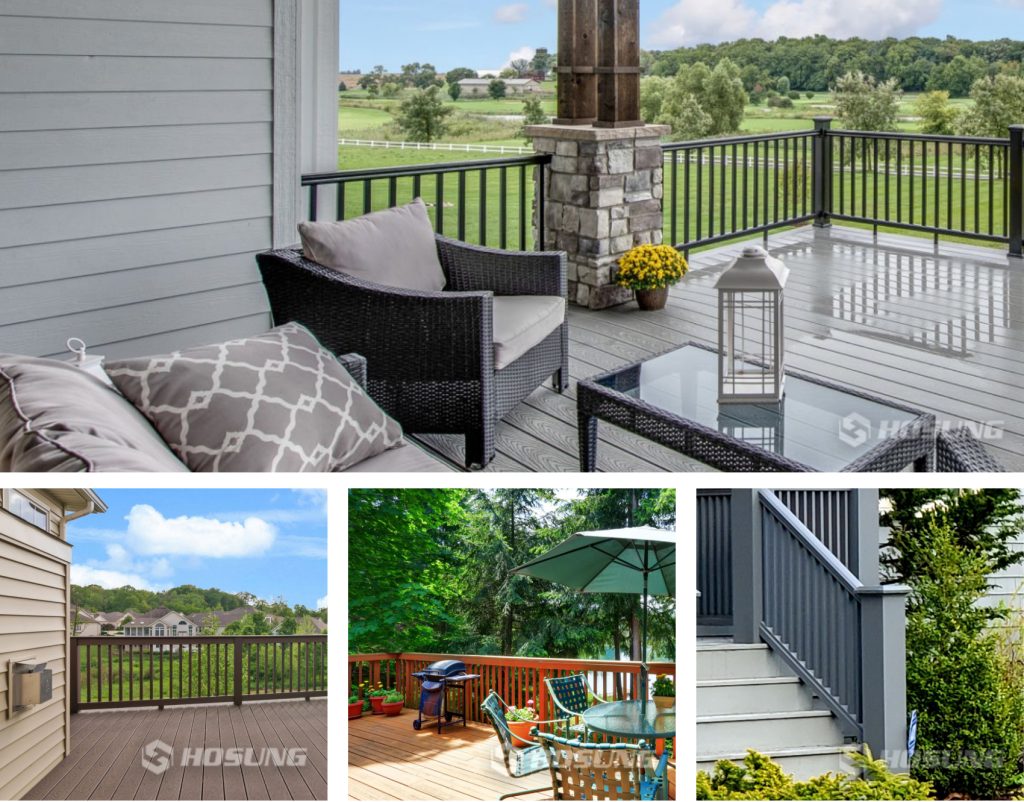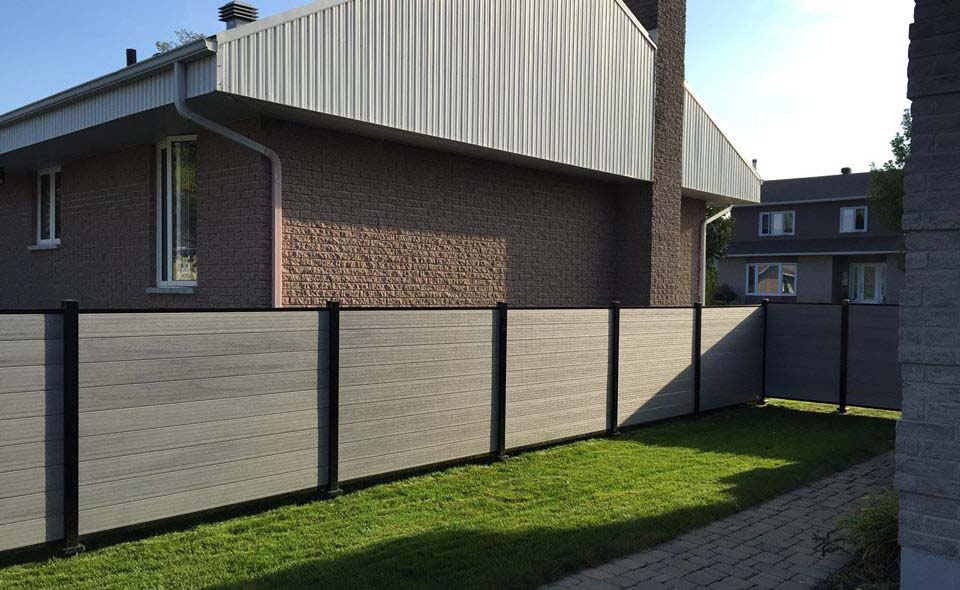
Composite decking has become increasingly popular in Australia over the past decade, and it is easy to see why. Combining the aesthetic appeal of timber with the durability of synthetic materials, composite decking offers homeowners a low-maintenance, long-lasting alternative to traditional wood decking. However, one of the most important considerations for any decking project is cost. This article provides a detailed look at composite decking prices in Australia, covering factors that influence cost, types of composite materials, installation and maintenance expenses, and tips for making the most cost-effective choice.
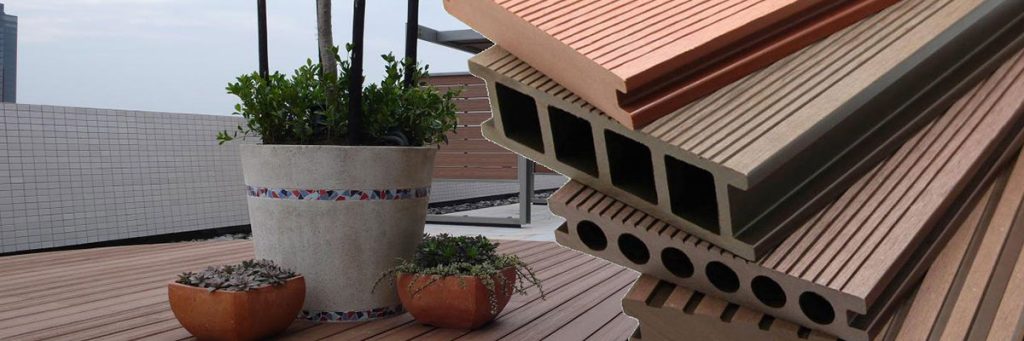
Table of Contents
Introduction to Composite Decking
Composite decking is a manufactured product made from a combination of wood fibers and plastic materials. The mixture is typically pressed into planks that mimic the look of natural timber but require significantly less maintenance. Unlike traditional timber decking, composite materials do not warp, splinter, or rot over time, making them a popular choice for both residential and commercial applications.
The composition of the decking often affects its durability, color retention, and price. High-quality composite decking tends to have a higher percentage of wood fibers or advanced polymer blends, offering better resistance to environmental wear and tear.
Factors Influencing Composite Decking Prices in Australia
Understanding the price of composite decking requires consideration of several key factors. Prices can vary widely depending on the brand, material composition, plank size, and finish. Below are the main factors that influence the cost:
1. Material Quality
Not all composite decking is created equal. Premium products typically include more durable polymers, UV stabilizers, and superior wood fiber content. These enhancements prevent fading, staining, and mold growth, which can significantly extend the lifespan of your decking. Higher-quality materials naturally come with a higher price tag but can save money in the long term by reducing maintenance and replacement costs.
2. Brand and Manufacturer
Australia has access to both local and imported composite decking brands. Well-known international brands often charge more due to their established reputation, proprietary technologies, and warranties. Local Australian manufacturers may offer more competitive pricing while providing products suited to the local climate, which is an important consideration given Australia’s diverse weather conditions.
3. Board Dimensions
The size of each decking board impacts the overall price. Wider or thicker boards usually cost more but can reduce the number of boards required to cover a given area, potentially saving on labor and installation costs. Standard sizes range from 140mm to 180mm in width and 25mm to 35mm in thickness.
4. Surface Finish
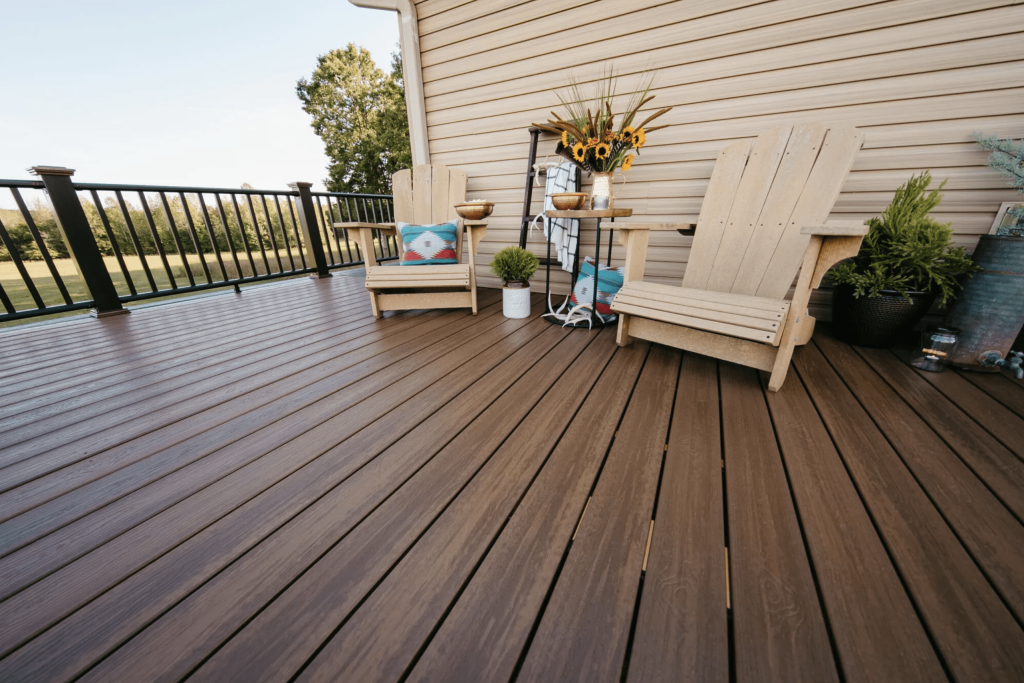
Composite decking is available in a variety of finishes, including smooth, woodgrain, and grooved surfaces. Textured finishes often mimic the look of natural timber and can enhance the aesthetic appeal of your deck. These finishes typically increase the cost slightly due to the additional manufacturing processes required.
5. Color and Coating
The color of your composite decking can influence its price. Popular colors like natural wood tones may have higher demand, while specialty shades or custom colors may come at a premium. Additionally, some composite boards feature coatings that improve UV resistance, slip resistance, or stain resistance, which can also increase the overall price.
Average Composite Decking Prices in Australia
Pricing for composite decking in Australia can vary based on the factors mentioned above, but here are some general ranges for budgeting purposes:
Low-end composite decking: AUD 50–70 per linear meter
Mid-range composite decking: AUD 70–120 per linear meter
High-end composite decking: AUD 120–180 per linear meter
It’s important to note that these prices generally cover the decking boards only and do not include installation, joists, fasteners, or other accessories. The final cost of your decking project will depend on the size of the area to be covered, the complexity of the design, and the choice of supporting materials.
Additionally, regional differences can affect prices. For example, decking materials in major cities like Sydney or Melbourne may cost slightly more due to higher demand and transportation fees, while suppliers in regional areas might offer competitive rates. When planning your budget, it’s wise to obtain multiple quotes, consider bulk purchasing options, and include a contingency allowance for additional accessories or unforeseen expenses.
By carefully factoring in all components of the project, homeowners can develop a realistic budget and make informed decisions when selecting the most suitable composite decking for their outdoor space.
Installation Costs
The cost of installation is another crucial component of composite decking prices in Australia. While DIY installation is possible for small decks, most homeowners choose professional installation to ensure the deck is structurally sound and meets building regulations.
Professional installation costs vary depending on the complexity of the deck design, the deck height, and the type of joist system used. On average, installation can cost anywhere from AUD 40 to 80 per square meter. This means that for a typical 20-square-meter deck, labor costs could range from AUD 800 to 1,600.
Joist Systems
Composite decking requires a supporting framework or joist system, typically made from either timber or metal. The choice of joist material affects both the overall cost and the longevity of your deck:
Timber joists are generally less expensive but may be susceptible to rot and insect damage over time.
Aluminum or composite joists are more durable and resistant to environmental damage, but they increase the initial investment.
Fasteners and Accessories
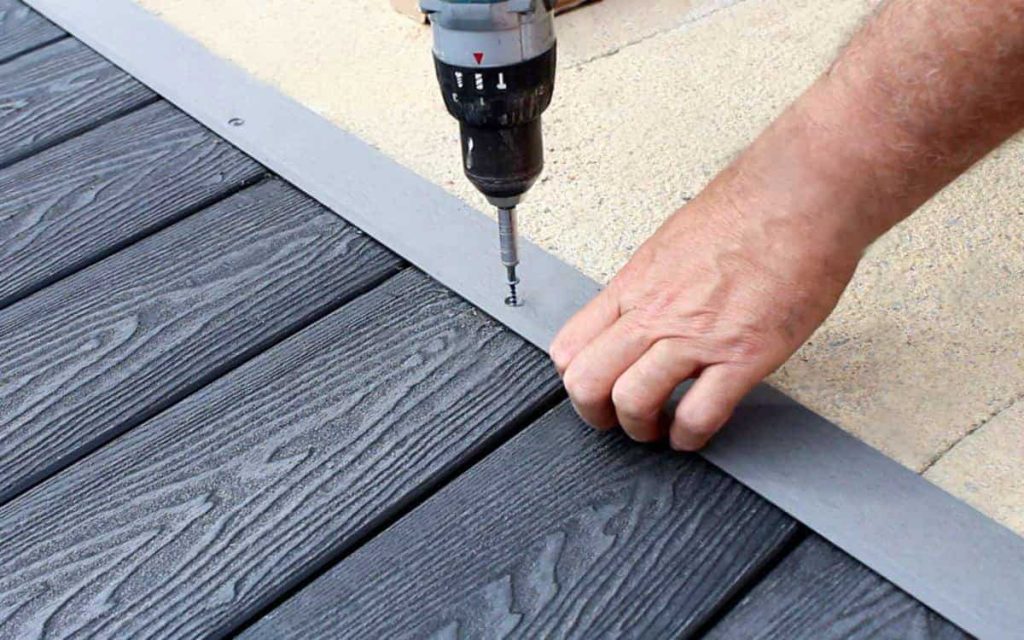
Specialized fasteners, clips, and edge trims are usually required for composite decking. Hidden fastening systems provide a clean finish without visible screws, enhancing the overall look of the deck. The cost of these accessories can range from AUD 5 to 15 per linear meter, depending on the system used.
Maintenance Costs
One of the key advantages of composite decking is its low maintenance requirements. Unlike timber decks, composite boards do not need annual sanding, staining, or sealing. A simple routine of cleaning with soap and water is typically sufficient to keep the deck looking its best.
However, it’s still important to consider minor maintenance costs, such as:
Cleaning solutions: Specialized composite deck cleaners can cost AUD 20–50 per bottle.
Repairs: While composite decking is durable, accidental damage or heavy impact may require individual boards to be replaced, which can cost AUD 50–150 per board.
Overall, the lower maintenance requirements make composite decking a cost-effective option over time, especially when compared to traditional timber, which may require ongoing treatment and refinishing.
Lifespan and Long-Term Investment
When evaluating composite decking prices in Australia, it’s essential to consider the long-term investment. High-quality composite decks can last 25–30 years or more with minimal maintenance, whereas traditional timber decks may require significant upkeep or replacement every 10–15 years.
The long lifespan, combined with resistance to rot, insects, and fading, means that the initial higher cost of composite decking can be offset by reduced maintenance and replacement expenses over the life of the deck.
Warranty Considerations
Most reputable composite decking brands offer warranties ranging from 10 to 25 years, covering issues such as structural integrity, fading, and staining. Choosing a product with a comprehensive warranty provides peace of mind and protects your investment.

Environmental Impact
Composite decking is often marketed as an environmentally friendly alternative to timber because many manufacturers use recycled plastics and reclaimed wood fibers. While environmentally conscious homeowners may be willing to pay a premium for sustainable products, it is worth noting that eco-friendly boards can be slightly more expensive than standard composite boards.
Recycled composite boards offer the same durability and low maintenance as conventional boards but reduce the demand for virgin timber and plastic.
Comparing Composite Decking to Timber
It’s helpful to compare composite decking prices in Australia to traditional timber to understand the overall value. While timber decking may have a lower upfront cost (AUD 40–100 per linear meter depending on the species), ongoing maintenance costs can add up. Timber decks require:
Annual sealing and staining
Regular inspections for rot, splintering, and insect damage
Periodic sanding and refinishing
Over a 20–30-year period, timber decks may cost as much as, or even more than, composite decks when factoring in both material and maintenance expenses.
Tips for Reducing Composite Decking Costs
Even though composite decking is generally more expensive upfront, there are several strategies homeowners can use to manage costs effectively and get the best value for their investment:
Choose mid-range boards: Mid-range composite decking often provides a balance between durability, appearance, and price. These boards usually incorporate quality materials without the premium cost of top-tier brands, making them ideal for homeowners seeking long-lasting results on a moderate budget.
Simplify deck design: Avoid complex layouts, intricate patterns, or multiple levels, as these features increase installation time and labor costs. A straightforward rectangular or square deck can still look elegant while significantly reducing expenses.
DIY installation: If you have carpentry skills or are willing to learn, installing the deck yourself can save a significant portion of labor costs. Make sure to follow manufacturer guidelines to ensure safety and durability.
Compare suppliers: Obtain quotes from multiple suppliers and installers to ensure competitive pricing. Don’t forget to factor in delivery charges, warranties, and customer reviews when making your decision.
Buy in bulk: Purchasing larger quantities at once may qualify you for discounts or free delivery. Additionally, buying all necessary materials at the same time helps avoid price fluctuations and ensures consistent color and texture across your deck.
Plan ahead: Ordering materials well in advance and scheduling installation during off-peak seasons can also reduce costs. Many suppliers offer seasonal promotions or discounted rates for early bookings, helping homeowners save money without compromising quality.
Conclusion
Understanding composite decking prices in Australia involves more than just looking at the cost per linear meter. Factors such as material quality, brand reputation, board dimensions, finishes, installation, and long-term maintenance all play a significant role in determining the total investment.
While composite decking may have a higher upfront cost compared to traditional timber, the durability, low maintenance, and long lifespan make it a cost-effective solution over time. By carefully considering your options and planning your project efficiently, you can enjoy a beautiful, durable, and sustainable deck that enhances your outdoor living space for decades to come.
Looking for professional composite decking manufacturer, welcome to get know more about Hosung WPC!