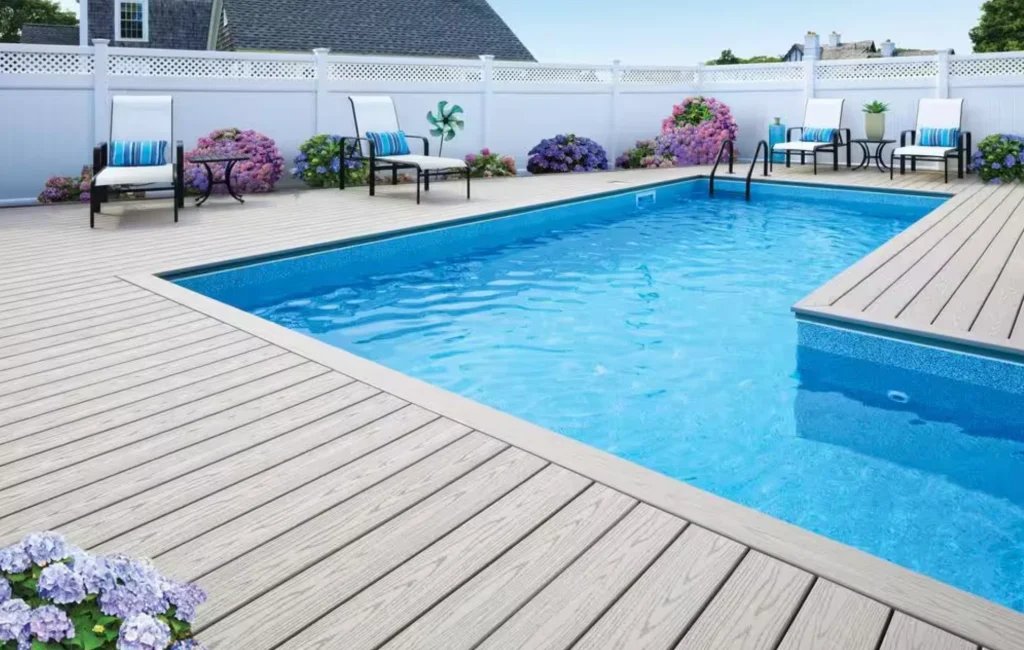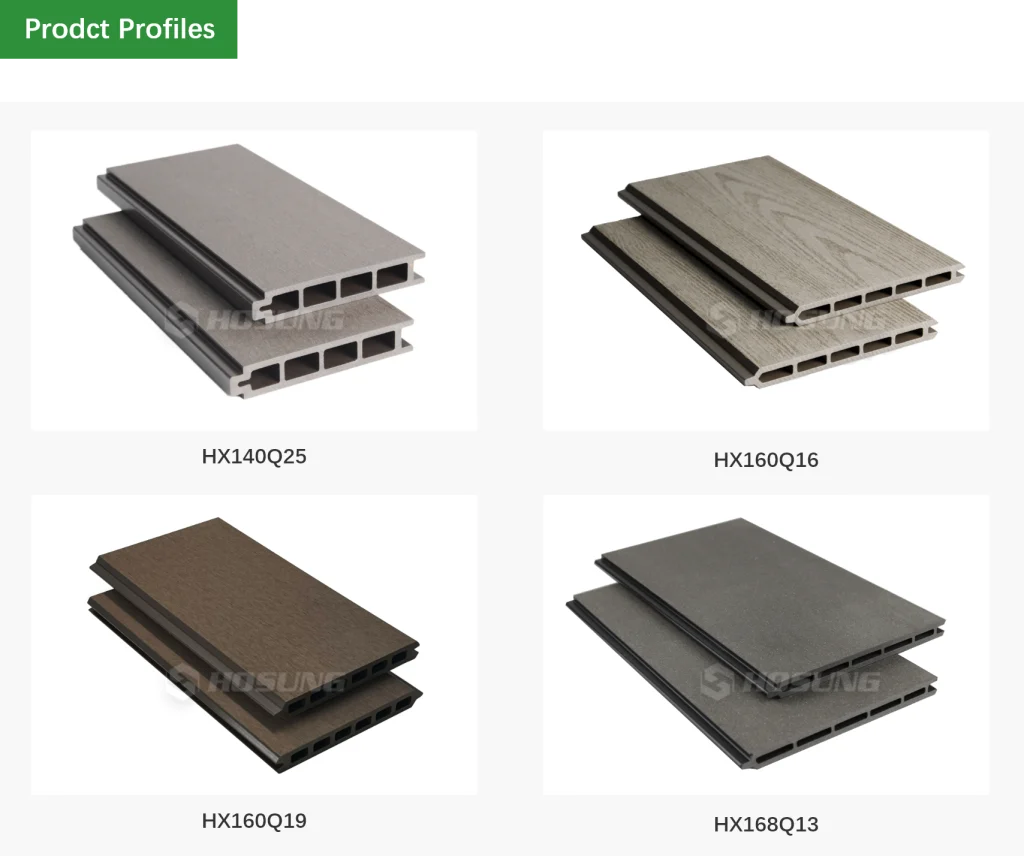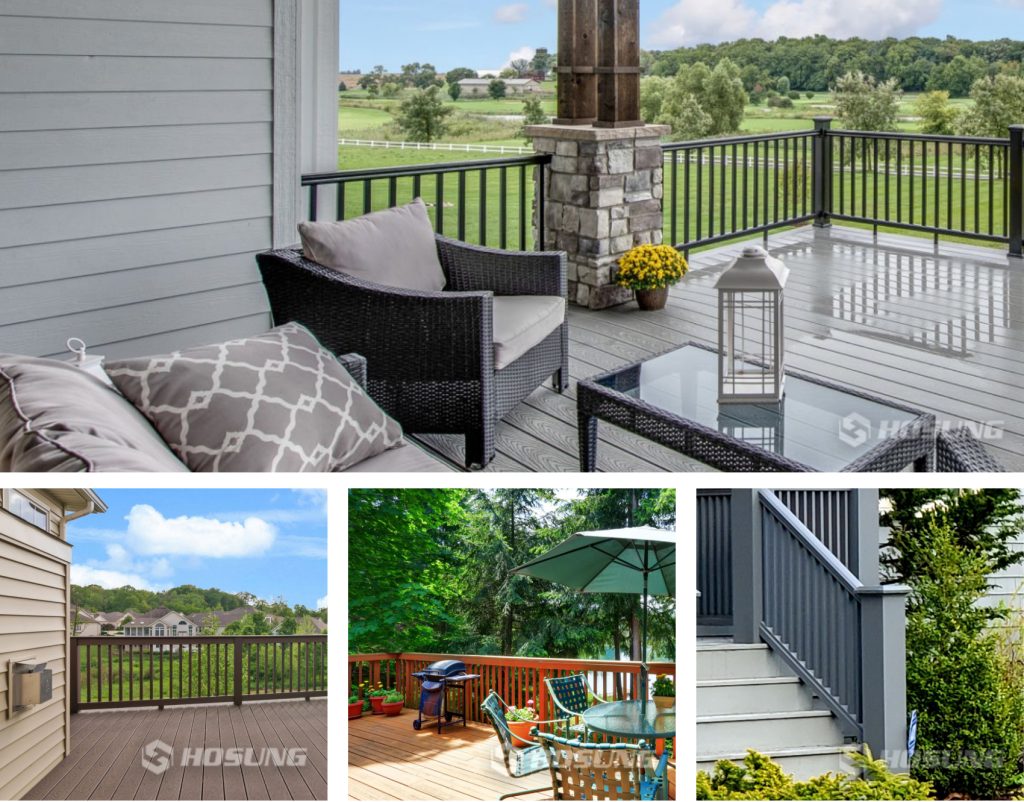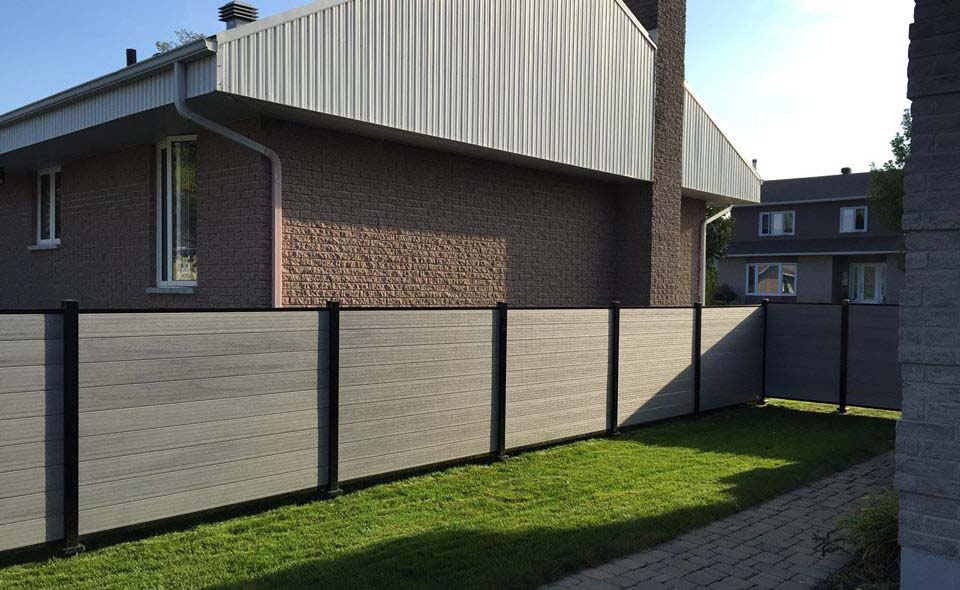
In recent years, composite decking has become a top choice for homeowners and builders across Australia. Its durability, low maintenance requirements, and aesthetic appeal make it a fantastic alternative to traditional timber decking. However, one of the most critical aspects to consider when selecting composite decking is the size of the decking boards. Choosing the right size not only affects the look and functionality of your deck but also influences its longevity and the ease of installation. In this article, Hosung will explore everything you need to know about composite decking sizes in Australia, including standard dimensions, how to choose the right size for your deck, and the benefits of various sizes available on the market. Whether you’re designing a new deck or upgrading an old one, understanding composite decking sizes is essential for making an informed decision.
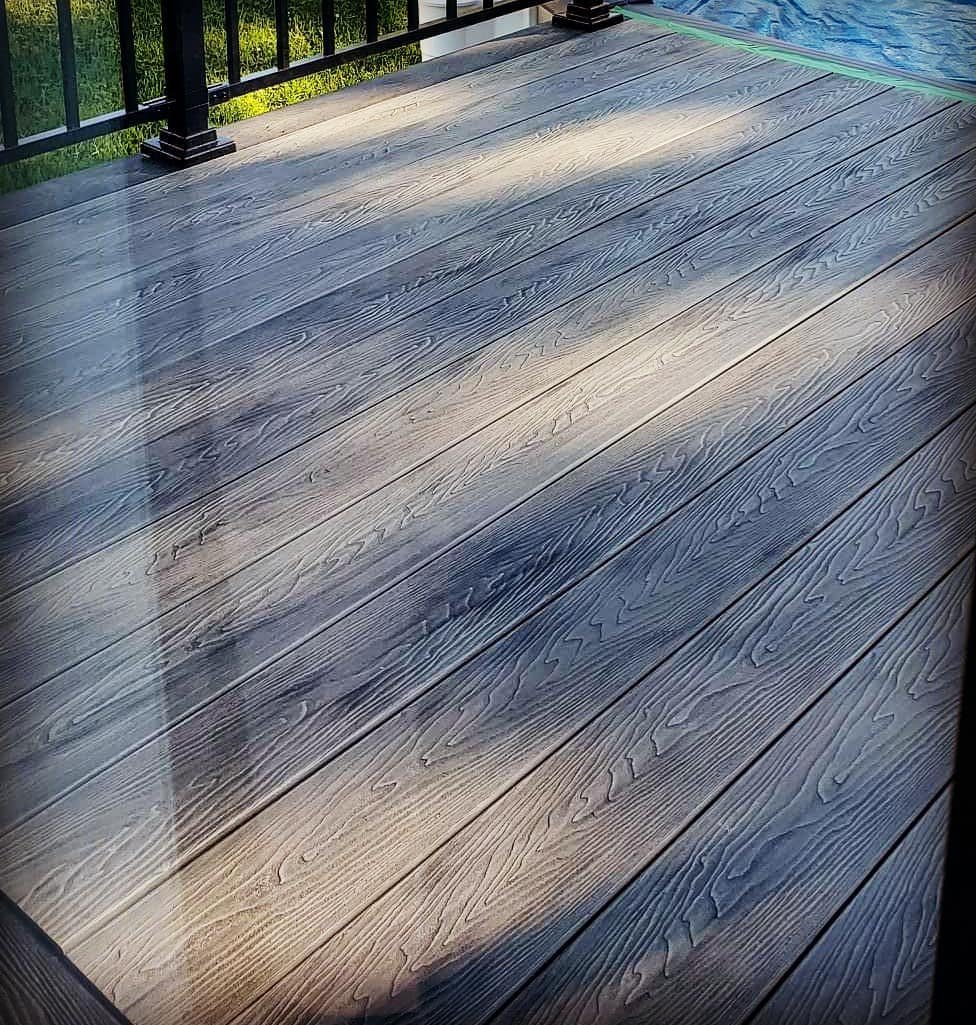
Table of Contents
Understanding Composite Decking
Before diving into sizes, it’s essential to have a basic understanding of what composite decking is and why it’s become so popular in Australia. Composite decking is made from a blend of wood fibers and plastic materials (often polyethylene or PVC). This combination gives composite decking the appearance of natural wood while offering increased durability, resistance to weathering, and reduced maintenance requirements compared to traditional timber decks.
Unlike timber, composite decking does not warp, splinter, or fade easily. It’s resistant to rot, insects, and weather conditions, making it ideal for Australian climates. Composite decking also comes in various profiles and finishes, offering plenty of design options for different preferences.
Standard Composite Decking Sizes Available in Australia
When selecting composite decking for your project, the size of the boards is a crucial factor. The most common composite decking sizes available in Australia typically come in specific widths and lengths. The thickness of the boards is also an important consideration, as it impacts both the look and strength of the deck.
Widths of Composite Decking Boards
In Australia, the most common widths for composite decking boards are:
140mm: This is the most widely used width, offering a balanced appearance that works well for most deck sizes. It provides a traditional deck look while maintaining a cost-effective solution.
150mm: Slightly wider than the 140mm boards, these provide a more contemporary, upscale look. The additional width allows for fewer gaps between the boards, creating a more solid, uniform appearance.
200mm: For a more modern, bold look, 200mm wide boards are a popular choice. These boards require fewer fasteners, which can reduce the installation time. They also allow for quicker coverage of larger deck areas.
Lengths of Composite Decking Boards
Composite decking lengths in Australia generally range from 3 meters to 6 meters. The exact length depends on the brand and supplier you choose, with most manufacturers offering both pre-cut and customizable lengths. Longer boards can reduce the need for joins and seams, giving your deck a smoother appearance.
3m: These shorter boards are ideal for smaller decks or areas where you may need more flexibility with cutting.
4.5m & 5.4m: These mid-length boards are suitable for most residential projects, balancing ease of transport and coverage.
6m: For larger decks or open areas, 6-meter boards provide fewer seams and allow for quicker installation.
Custom Sizes
Many decking suppliers in Australia also offer custom sizes for projects with specific design needs. Custom sizes can be especially useful for clients requiring unique dimensions for a bespoke deck design. Keep in mind that custom sizes often come at a premium price, and availability might vary depending on the supplier.
Choosing the Right Size for Your Deck
When selecting composite decking sizes for your project, it’s essential to consider several factors, including the size of the deck area, the aesthetic preferences, and the structural needs of the deck. Here’s a breakdown of how to choose the right size:
Deck Area
For large decks, wider boards (150mm–200mm) can be an excellent choice, as they reduce the number of boards required, creating a more open and uniform surface. On the other hand, for smaller decks or patios, narrower boards (140mm) might be a better fit, as they are more affordable and can create a charming, more intricate design.
Aesthetic Preferences
The width of your decking boards can significantly affect the look and feel of your outdoor space. Wider boards often create a cleaner, more contemporary look, while narrower boards give a traditional, classic appeal. Consider the overall design of your home and garden when deciding on the size.
Structural Considerations
The spacing of joists beneath the deck is also a critical consideration when choosing decking sizes. Larger boards, like the 200mm width, require fewer fasteners and can be supported with fewer joists. This can be especially helpful for large decks that require additional stability.
For projects requiring maximum stability, composite decking with a thicker profile might be necessary to ensure it can handle the weight and foot traffic, especially in high-traffic areas or commercial applications.
Composite Decking Board Thickness and Profiles
In addition to width and length, the thickness of composite decking boards is another important consideration. The thickness of composite decking boards in Australia typically ranges from 20mm to 30mm. Thicker boards tend to be more durable, offering better resistance to bending and warping over time.
Grooved vs. Non-Grooved Boards
Most composite decking comes in either grooved or non-grooved profiles:
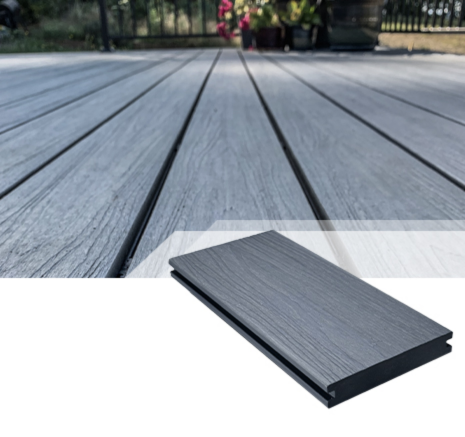
Grooved boards: These boards feature grooves along the edges, designed to be installed with hidden fasteners. This results in a cleaner, more seamless look with no visible screws.
Non-grooved boards: These boards have smooth edges and are installed using traditional screws. They offer a more classic look but may require more visible fasteners.
Hollow vs. Solid Boards
Composite decking boards also come in either hollow or solid profiles:
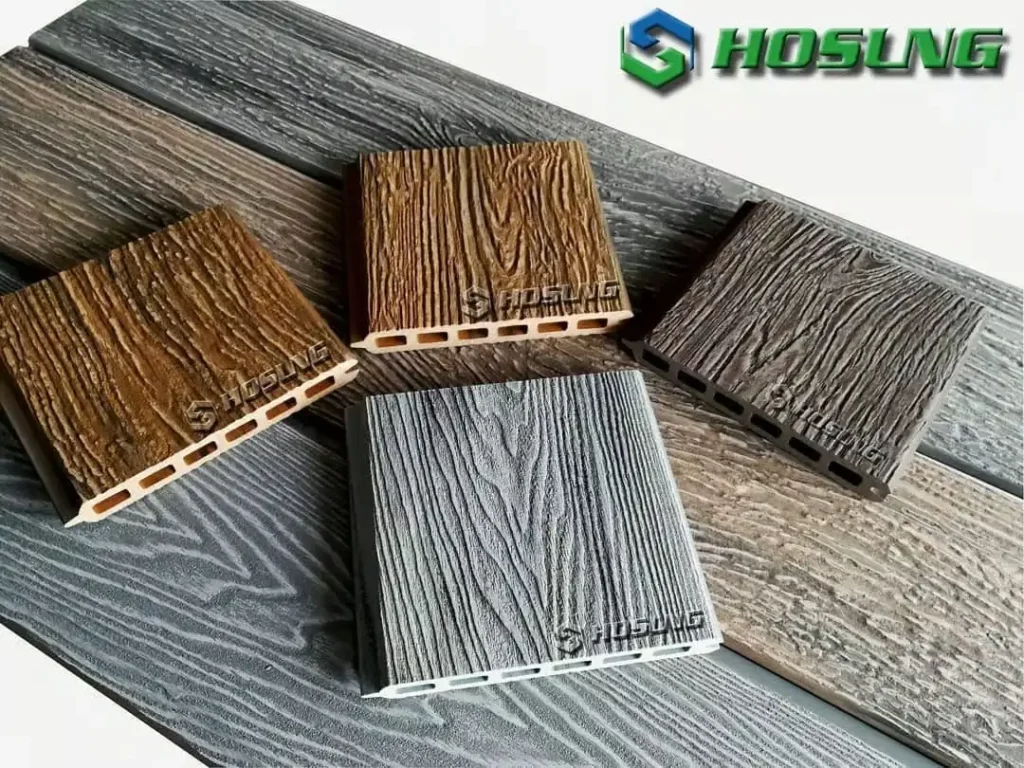
Hollow boards: These boards have a hollow core and are generally lighter and more affordable. While they are less durable than solid boards, they still offer great performance for most residential applications.
Solid boards: These boards are heavier and more durable, making them suitable for high-traffic areas. They are also more resistant to bending and flexing over time.
Why Size Matters in Composite Decking
Choosing the right composite decking size is not just about aesthetics—size affects the performance, maintenance, and cost of your deck. Here’s why the size of your boards matters:
Expansion and Contraction
Composite decking is designed to expand and contract slightly with changes in temperature. Wider boards are more likely to show these effects, so it’s essential to leave adequate spacing between boards to allow for expansion. The length of the boards also plays a role here—longer boards can minimize the number of seams, reducing the visual impact of expansion and contraction.
Weight Distribution and Durability
Larger boards, particularly solid ones, can distribute weight more effectively, leading to better durability over time. This is especially important in high-traffic areas where the decking will be exposed to heavy loads. Larger boards may also require fewer fasteners, reducing the risk of loose boards and improving the longevity of the deck.
Cost Efficiency
Larger boards generally come at a higher initial cost, but they can save you money in the long run due to reduced installation time and fewer fasteners required. If you’re building a large deck, the long-term cost savings of using wider and longer boards might outweigh the initial investment.
Where to Buy Composite Decking in Australia
Several reputable suppliers and manufacturers offer composite decking in Australia. Popular brands such as Trex, ModWood, and Bunnings provide various sizes and profiles, making it easy to find the perfect boards for your project.
When purchasing composite decking, ensure that the supplier offers competitive pricing, high-quality materials, and reliable delivery times. Many local hardware stores and online retailers also stock composite decking, giving you the option to choose based on convenience and pricing.
Conclusion
Selecting the right composite decking size is a crucial step in ensuring the success of your deck project. By considering factors like the deck’s size, your aesthetic preferences, and structural needs, you can choose decking that fits both your design and budget. Whether you prefer wider boards for a sleek, modern look or smaller ones for a more intricate design, there’s a composite decking option for every Australian outdoor space.
Remember to account for factors like expansion, contraction, and weight distribution when choosing sizes, and always consult with your supplier for expert advice on the best decking solutions for your specific needs.
With the right choice of composite decking sizes, your deck will provide a beautiful, durable, and long-lasting outdoor space for years to come.