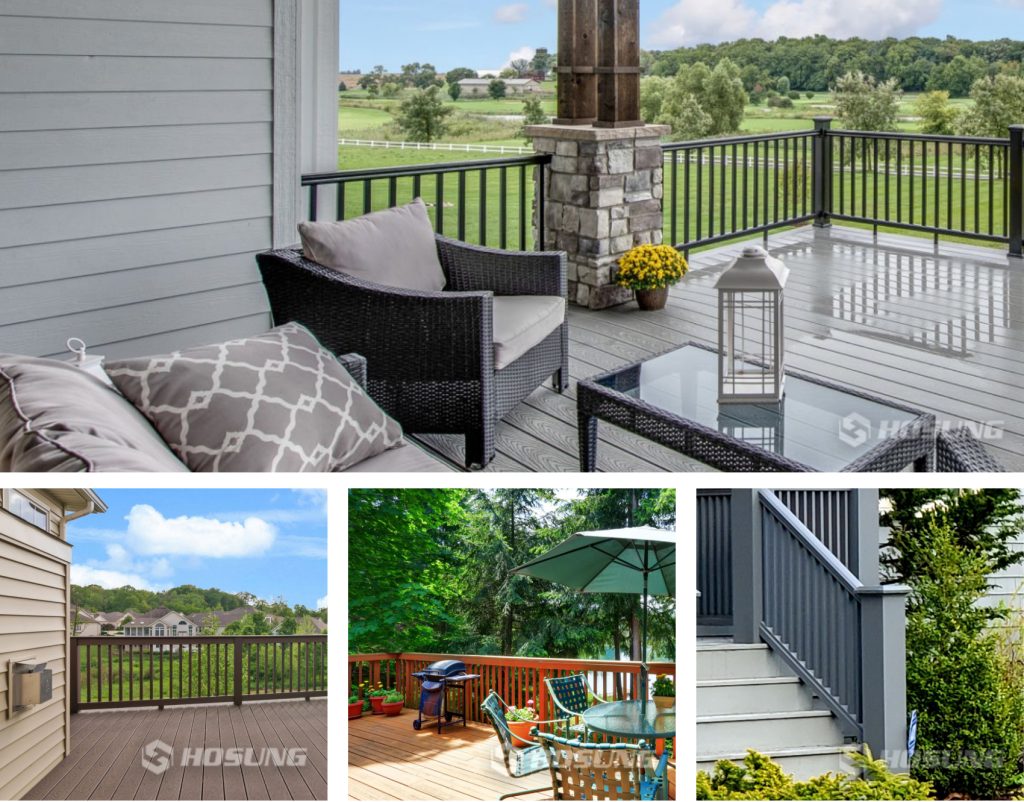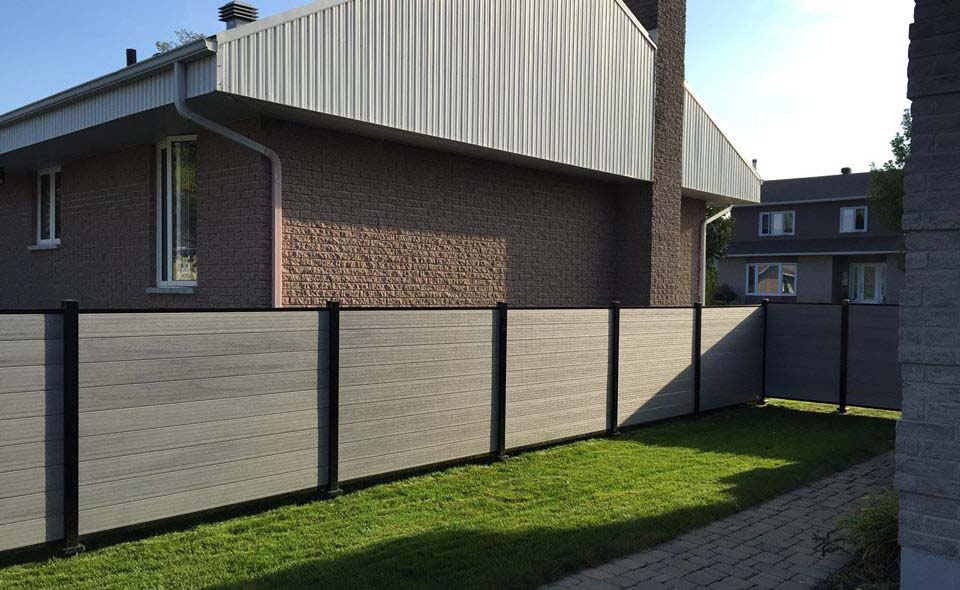
In recent years, composite fencing in Australia has grown in popularity among homeowners, landscapers, and property developers. With increasing demand for durable, low-maintenance, and environmentally friendly alternatives to traditional timber or metal fences, composite fencing presents an appealing solution. This guide will explore everything you need to know about composite fencing, from materials and benefits to installation, maintenance, costs, and environmental impact.
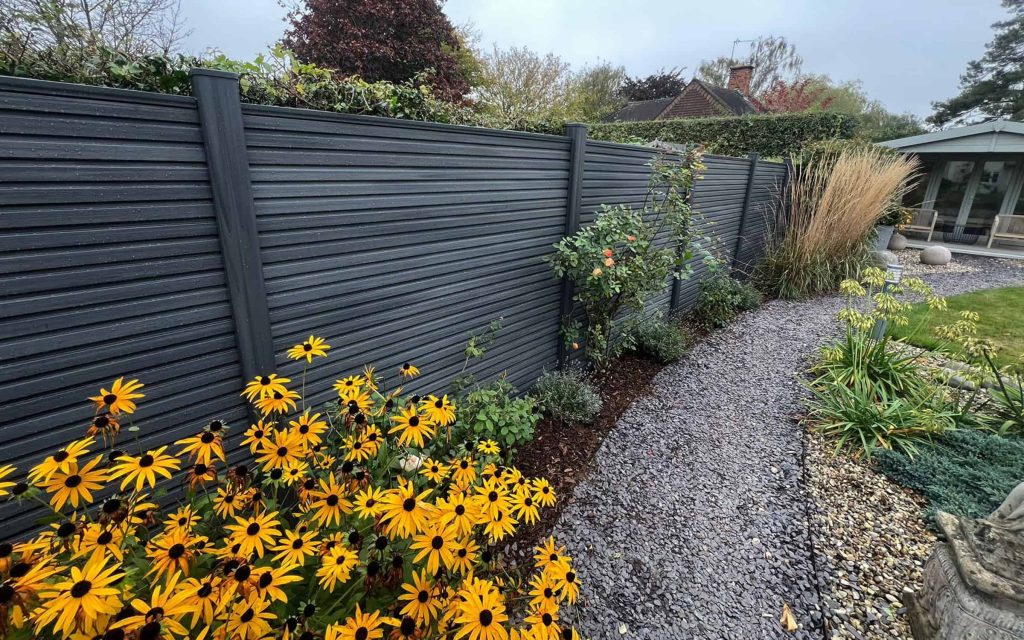
Table of Contents
What Is Composite Fencing?
Composite fencing is made from a combination of wood fibers and recycled plastics, blended to create a strong and durable fencing material. Unlike conventional timber fencing, composite fencing does not warp, crack, or rot easily, making it ideal for Australia’s diverse climate, ranging from humid coastal regions to arid inland areas.
The blend of materials typically includes:
Wood fibers or sawdust – providing natural aesthetics and texture.
Recycled plastics – offering water resistance, durability, and low maintenance.
Binders and additives – enhancing color, UV resistance, and structural strength.
The resulting product combines the appearance of real timber with the performance benefits of modern synthetic materials, making composite fencing in Australia both practical and visually appealing.
Why Homeowners Are Choosing Composite Fencing in Australia
There are several reasons why composite fencing is becoming the preferred choice in Australian homes:
1. Durability and Longevity
Traditional timber fences can degrade quickly due to exposure to harsh sun, rain, and termites. In contrast, composite fencing is resistant to:
Termite attacks
Moisture damage and rot
UV damage and fading
Warping, cracking, and splintering
A well-installed composite fence can last 20 to 30 years, far longer than untreated timber.
2. Low Maintenance Requirements
One of the most attractive aspects of composite fencing is its minimal upkeep. Unlike timber fences, which require regular painting, staining, or sealing, composite fences only need occasional cleaning with water and mild detergent. For homeowners with busy schedules, this is a major advantage.
3. Eco-Friendly and Sustainable
Environmental considerations are increasingly influencing consumer choices. Many composite fencing products are made from recycled plastics and sustainably sourced wood fibers, reducing the reliance on virgin materials. By choosing composite fencing, Australian homeowners are supporting recycling initiatives and reducing their ecological footprint.
4. Aesthetically Versatile
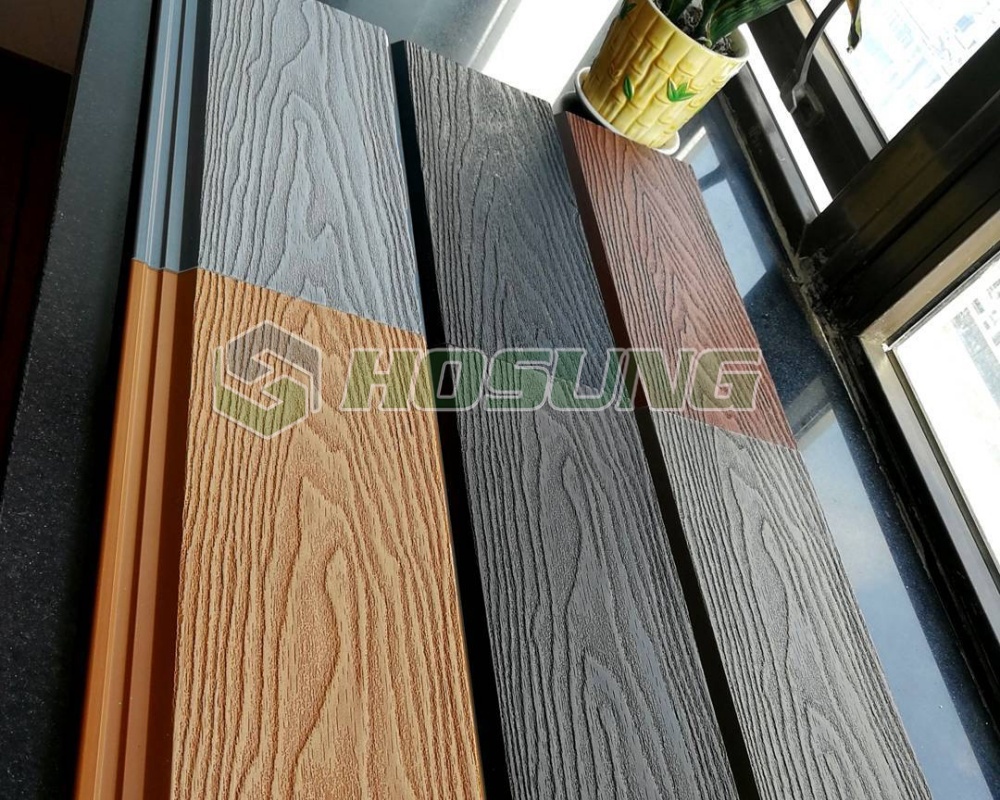
Composite fencing offers a wide range of colors, textures, and finishes, mimicking timber, stone, or even modern metallic looks. Whether your home has a traditional, rustic, or contemporary style, there’s likely a composite fencing option that complements your design.
Some options include:
Smooth or textured wood grain finishes
Grey, brown, or natural timber-like tones
Horizontal or vertical panel layouts
Modular designs for quick installation
5. Improved Property Value
Investing in quality fencing improves curb appeal and can enhance the overall value of your property. Buyers are increasingly aware of the benefits of low-maintenance, durable fences, and composite fencing in Australia is often seen as a premium upgrade over timber or chain-link alternatives.
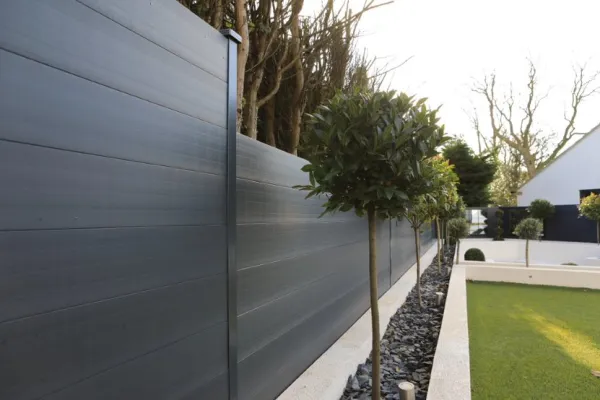
Types of Composite Fencing Available in Australia
There are several types of composite fencing options available, each suited for different purposes:
1. Privacy Fencing
Privacy fences are ideal for residential properties where homeowners want to block views from neighbours or the street. Composite fencing panels can be arranged in overlapping styles, with varied heights, to provide complete privacy without compromising aesthetics.
2. Picket Fencing
Composite picket fencing combines traditional charm with modern durability. Available in multiple colors and finishes, these fences work well for front yards, gardens, or decorative boundary fencing. Unlike timber pickets, composite pickets resist splitting and rotting over time.
3. Slat Fencing
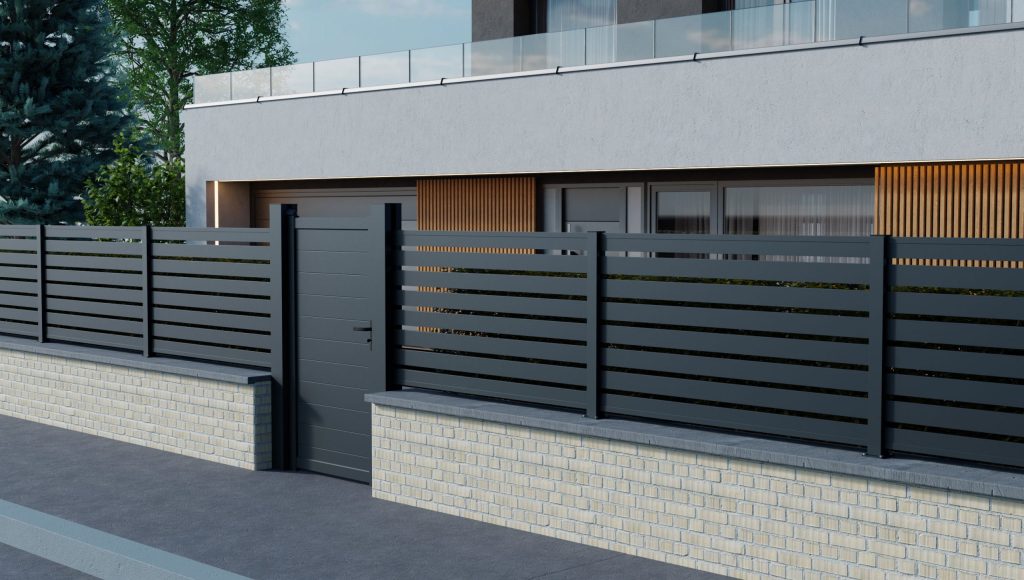
Slat-style composite fences offer a contemporary look, often used in modern homes or commercial properties. They can be arranged vertically or horizontally, providing a balance between visual appeal and partial privacy.
4. Modular Panel Fencing
Modular composite panels are pre-fabricated and designed for quick and easy installation. These panels are ideal for DIY projects, as they minimize the need for custom cutting and assembly.
5. Acoustic and Noise-Reducing Fencing
For homes near busy roads or commercial zones, composite fencing can help reduce noise pollution. Acoustic composite panels are denser and often incorporate soundproofing materials to absorb external noise, providing a quieter outdoor environment.
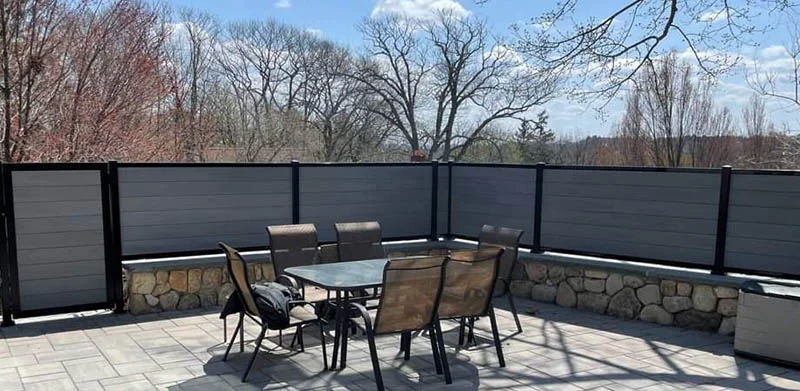
Installation Process for Composite Fencing in Australia
Installing composite fencing requires careful planning and precision. While some homeowners opt for DIY installation, professional installation is often recommended to ensure structural integrity and longevity.
Step 1: Planning and Permits
Before installing a fence, check local council regulations in Australia. Some councils may have restrictions on:
Fence height
Proximity to property boundaries
Materials used
Step 2: Measuring and Preparing the Site
Accurate measurement of your property boundaries is crucial. This includes:
Measuring total fence length
Marking post positions (usually 1.8–2.4 meters apart)
Ensuring the ground is level
Step 3: Post Installation
Composite fences require sturdy posts for support. Posts are typically made from:
Timber (treated for rot resistance)
Galvanized steel
Composite materials
Posts are set in concrete to ensure stability, especially in high-wind areas.
Step 4: Panel or Slat Attachment
Once posts are set, composite panels or individual slats are attached. Depending on the style, panels may be:
Slotted into grooves on the posts
Secured with brackets or screws
Overlapped for privacy
Step 5: Finishing Touches
After the panels are installed, finishing touches may include:
Cap rails for a polished look
Decorative trim or corner posts
Sealing or cleaning the panels
With proper installation, your composite fence can last for decades without significant repairs.
Cost of Composite Fencing in Australia
The cost of composite fencing in Australia varies based on materials, design, and installation requirements. While the initial investment is higher than timber, the long-term benefits often justify the expense.
Average Costs
Basic composite panels: AUD 120–180 per linear meter
Premium or decorative panels: AUD 200–350 per linear meter
Installation costs: AUD 80–150 per meter (depending on complexity)
Factors influencing cost include:
Fence height and length
Ground conditions (slopes or uneven terrain)
Choice of posts (timber vs. steel vs. composite)
Additional features like gates or acoustic panels
Over time, lower maintenance costs make composite fencing a cost-effective option compared to timber, which requires regular painting and repair.
Maintenance Tips for Composite Fencing
Maintaining composite fencing is relatively simple, but some care ensures it remains in top condition:
Regular Cleaning: Wash with a mild detergent and water to remove dirt, dust, and debris. A soft brush or sponge works best.
Inspect for Damage: Check for loose screws, brackets, or panels, especially after storms or high winds.
Avoid Harsh Chemicals: Do not use bleach or abrasive cleaners, as they may damage the composite surface.
Prevent Mold or Mildew: While composite fencing is resistant to moisture, shaded areas may develop mildew. Clean promptly to avoid discoloration.
Trim Vegetation: Keep plants, shrubs, and vines from growing directly on the fence to prevent staining or moisture buildup.
Following these simple steps can help your fence maintain its appearance and structural integrity for decades.
Environmental Benefits of Composite Fencing
As sustainability becomes a central concern in construction and landscaping, composite fencing in Australia offers notable environmental benefits:
Recycled Content: Many composite products use recycled plastics and wood fibers, reducing waste in landfills.
Reduced Timber Harvesting: By using recycled wood fibers, the demand for new timber decreases.
Longevity Reduces Replacement: Long-lasting fences require fewer replacements, minimizing material consumption over time.
Low Maintenance Means Fewer Chemicals: Unlike timber fences that need regular staining or painting, composite fences require fewer chemical treatments, reducing environmental impact.
These factors make composite fencing an environmentally responsible choice for eco-conscious homeowners.
Comparing Composite Fencing with Timber and Metal Fencing
Understanding the differences between composite, timber, and metal fencing helps homeowners make informed decisions.
| Feature | Composite Fencing | Timber Fencing | Metal Fencing |
|---|---|---|---|
| Lifespan | 20–30 years | 5–15 years | 15–25 years |
| Maintenance | Low | High (painting, staining) | Moderate (rust prevention) |
| Cost | Moderate–High | Low–Moderate | High |
| Termite Resistance | High | Low | High |
| Appearance | Timber-like, versatile | Natural, rustic | Modern, industrial |
| Environmental Impact | Uses recycled materials | Uses fresh timber | High energy production impact |
Overall, composite fencing offers the best balance between aesthetics, durability, and environmental responsibility, making it a popular choice across Australia.
Popular Applications of Composite Fencing in Australia
Composite fencing is versatile and can be used for various applications:
Residential Properties: Backyards, front yards, and pool enclosures.
Commercial Properties: Office boundaries, retail centers, and hotels.
Public Spaces: Parks, playgrounds, and community gardens.
Noise Barriers: Along busy roads or railways for sound reduction.
Privacy Screens: Around balconies, terraces, and outdoor entertaining areas.
Its adaptability to different designs, heights, and configurations makes composite fencing an excellent solution for multiple purposes.
Common Misconceptions About Composite Fencing
Despite its growing popularity, some homeowners are hesitant due to misconceptions:
“Composite fencing looks fake” – Modern composite panels closely mimic timber grain and texture. High-quality products are often indistinguishable from natural wood.
“It’s too expensive” – While upfront costs are higher than timber, longevity and low maintenance make it cost-effective in the long term.
“It will fade quickly” – High-quality composites contain UV stabilizers that prevent fading for years.
“Installation is complicated” – Many products are designed for easy DIY installation, and professional installers can ensure a long-lasting fence.
By understanding the facts, homeowners can make an informed choice about composite fencing.
Trends in Composite Fencing in Australia
The composite fencing market in Australia continues to evolve. Current trends include:
Eco-Friendly Innovations: Increased use of recycled and biodegradable materials.
Custom Designs: Homeowners are opting for unique patterns, textures, and colors.
Integrated Technology: Some fences now include built-in lighting or decorative panels.
Modular Panels: Pre-fabricated panels reduce installation time and cost.
These trends indicate that composite fencing in Australia is not only practical but also adaptable to modern design preferences.
How to Choose the Right Composite Fence
When selecting a composite fence, consider the following:
Budget: Determine your budget for materials and installation.
Design Style: Choose colors, textures, and panel styles that complement your home.
Purpose: Decide whether the fence is for privacy, security, aesthetics, or noise reduction.
Durability Requirements: Consider weather conditions in your area, including wind, sun, and rainfall.
Environmental Impact: Look for products with recycled content and eco-friendly certifications.
Consulting with a professional installer or supplier can help match your needs with the best product.
Final Thoughts
Composite fencing in Australia from Hosung has emerged as a superior alternative to traditional timber and metal fences. Its combination of durability, low maintenance, eco-friendliness, and aesthetic versatility makes it ideal for a wide range of residential, commercial, and public applications.
While the initial cost may be higher than conventional fencing, the long-term benefits, including longevity, reduced maintenance, and improved property value, make composite fencing a smart investment. With continued innovations in materials, design, and installation methods, composite fencing is set to remain a popular choice for Australian homeowners who value quality, sustainability, and style.
Whether you are looking to enhance your backyard privacy, create a modern architectural statement, or invest in a long-lasting fencing solution, composite fencing provides a reliable, attractive, and environmentally responsible option. For anyone considering fencing solutions in Australia, it’s clear that composite fencing is the future of residential and commercial property boundaries.