Decking is an essential part of any Canadian home, providing an outdoor space for relaxation, entertaining, and enjoying the natural beauty of the surroundings. However, choosing the best material for decks in Canada requires careful consideration due to the country’s diverse climate, from freezing winters in the north to hot summers in the south. Homeowners need decking that can withstand snow, ice, heavy rain, UV exposure, and temperature fluctuations while requiring minimal maintenance and offering long-lasting aesthetic appeal. In this comprehensive guide, we’ll explore the best decking materials available in Canada, their pros and cons, cost considerations, and tips for maintaining a beautiful and durable deck.
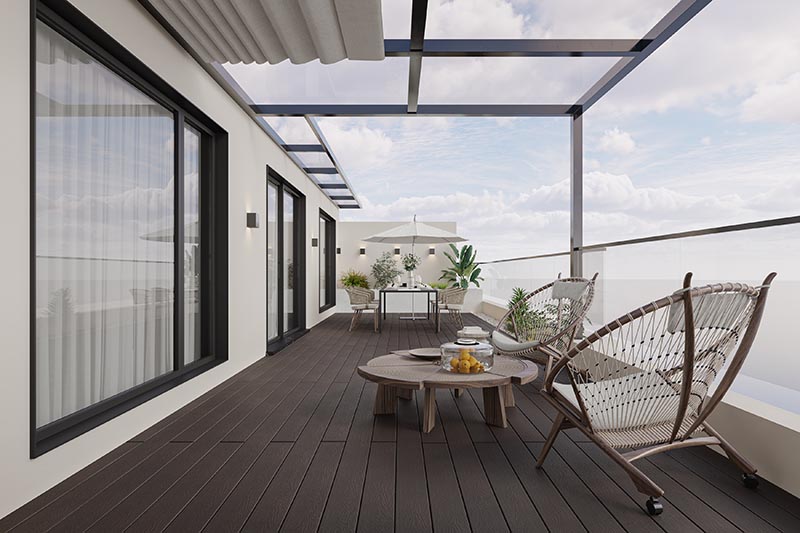
Table of Contents
Why Choosing the Right Deck Material Matters in Canada
Canada’s climate poses unique challenges for outdoor structures. Decks must endure:
Extreme cold and frost: Wood can crack, warp, or splinter during freezing temperatures.
Snow and ice accumulation: Freeze-thaw cycles can damage boards and fasteners.
UV exposure: Harsh sunlight can fade or dry out materials, making them brittle.
Moisture and humidity: Rain and melting snow can promote rot, mold, and mildew.
Choosing the best material for decks in Canada isn’t just about appearance—it’s about durability, safety, and long-term cost efficiency. The wrong choice can lead to frequent repairs, high maintenance costs, and early replacement.
Pressure-Treated Wood: Traditional and Affordable
Pressure-treated wood is a longstanding choice for Canadian decks due to its affordability and accessibility. This wood is chemically treated to resist rot, insects, and decay, making it more durable than untreated lumber.
Pros:
Cost-effective compared to other materials.
Widely available across Canada.
Can be stained or painted to complement your home’s exterior.
Cons:
Requires regular maintenance, including cleaning, sealing, and staining every 2–3 years.
Susceptible to warping, splitting, and cracking over time.
Treatment chemicals may concern some homeowners.
Best Practices: Use corrosion-resistant fasteners and seal your deck properly. A well-maintained pressure-treated wood deck can last 15–20 years.
Cedar and Redwood: Natural Beauty and Durability
Cedar and redwood are premium softwoods valued for their natural beauty and resistance to decay and insects. Many Canadian homeowners prefer cedar for its warm reddish hue and aromatic properties.
Pros:
Naturally resistant to rot, decay, and insects.
Smooth, refined appearance.
Can be left untreated to develop a silvery-gray patina over time.
Cons:
More expensive than pressure-treated wood.
Requires maintenance to preserve color and prevent splintering.
Softer than hardwoods, making it prone to dents and scratches.
Maintenance Tips: Apply a high-quality sealant or oil every 1–2 years and use gentle cleaners to remove mold and mildew after harsh winters.
Tropical Hardwood: Luxury and Longevity
Tropical hardwoods such as Ipe, Cumaru, and Mahogany are dense, durable, and ideal for decks exposed to harsh weather. Resistant to rot, decay, and insects, these woods can last decades with proper care.
Pros:
Extremely durable and long-lasting.
Resistant to insects, rot, and heavy wear.
Offers rich, exotic aesthetics that enhance property value.
Cons:
High upfront cost compared to softwoods and composites.
Dense wood makes installation labor-intensive.
Requires periodic oiling to maintain color and prevent dryness.
Note: Always source FSC-certified tropical hardwood to ensure environmental sustainability.
Composite Decking: Low Maintenance and Popular
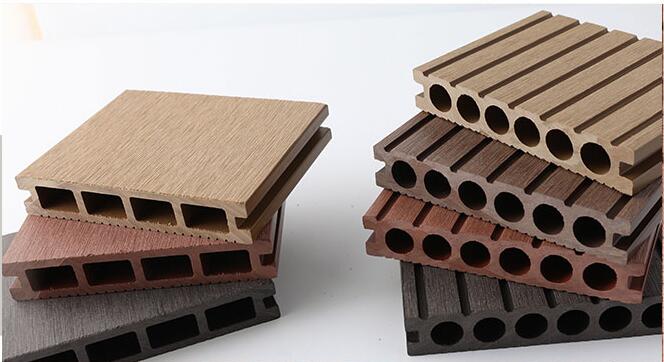
Composite decking, made from a blend of recycled wood fibers and plastic, has grown in popularity in Canada due to its durability and minimal maintenance requirements. It closely mimics the look of real wood without the associated upkeep.
Pros:
Low maintenance: No sanding, staining, or painting needed; occasional cleaning suffices.
Durable: Resistant to rot, mold, mildew, and insects.
Fade- and scratch-resistant: Many brands offer UV-protected surfaces.
Eco-friendly: Often made with recycled materials.
Cons:
Higher initial cost than wood.
Can become hot under direct summer sunlight.
Lower-quality composites may fade or warp over time.
Popular Canadian Brands: Trex, TimberTech, AZEK, and Fiberon. Trex’s enhanced cap technology improves resistance to fading, stains, and scratches, making it ideal for Canadian climates.
PVC Decking: Ultra-Durable and Waterproof
PVC decking is 100% plastic, fully waterproof, and highly durable. It’s perfect for regions with high humidity, heavy rain, or frequent snow.
Pros:
Completely resistant to moisture, mold, and mildew.
Extremely low maintenance; no sealing or staining required.
Lightweight yet durable.
Often comes with 25–30 year warranties.
Cons:
More expensive than wood and some composites.
Can be scratched or dented.
Less natural appearance compared to wood or premium composites.
Ideal for lakeside or riverside homes where water resistance is a priority.
Aluminum Decking: Strong, Lightweight, and Modern
Aluminum decking is a premium choice, offering modern aesthetics combined with exceptional durability.
Pros:
Resistant to warping, cracking, and rotting.
Fire-resistant and termite-proof.
Minimal maintenance; occasional cleaning is enough.
Lightweight yet durable.
Cons:
High cost relative to other decking materials.
Can be noisy without anti-noise fasteners.
Limited color and texture options.
Aluminum is perfect for Canadian homeowners seeking a sleek, maintenance-free deck with an industrial or modern look.
Comparing Decking Materials in Canadian Conditions
| Material | Durability | Maintenance | Cost | Appearance | Weather Resistance | Longevity |
|---|---|---|---|---|---|---|
| Pressure-Treated Wood | Medium | High | Low | Natural | Good if maintained | 15–20 years |
| Cedar / Redwood | Medium-High | Medium | Medium-High | Warm, natural tones | Good | 20–25 years |
| Tropical Hardwood | High | Medium | High | Exotic, rich | Excellent | 25–50 years |
| Composite | High | Low | Medium-High | Wood-like | Excellent | 25–30 years |
| PVC | Very High | Very Low | High | Modern, uniform | Excellent | 30+ years |
| Aluminum | Very High | Very Low | Very High | Sleek, metallic | Excellent | 30+ years |
From this comparison, composite decking provides the best balance of low maintenance, durability, and aesthetic appeal in Canadian climates.
Cost Considerations for Canadian Decks
Homeowners should consider both upfront and long-term costs when choosing the best material for decks in Canada:
Initial Cost: Pressure-treated wood is the cheapest, while tropical hardwood, PVC, and aluminum are premium options.
Maintenance Cost: Wood requires annual sealing, staining, and cleaning. Composites and PVC need minimal maintenance.
Replacement Cost: Durable materials like composites, PVC, and aluminum last decades, reducing replacement frequency.
Installation Cost: Some materials, such as tropical hardwood and aluminum, require specialized labor and tools.
Considering both upfront and lifetime costs, composite decking often provides the best long-term value despite a higher initial investment.
Tips for Maintaining Decks in Canada
Proper maintenance ensures your deck’s longevity:
Regular cleaning: Remove snow, leaves, and debris.
Inspect fasteners: Check screws, nails, and brackets for rust or loosening.
Protective coatings: Apply stain or sealant to wood; wash composites annually.
Prevent ice damage: Use plastic shovels and avoid corrosive salt.
UV protection: Consider pergolas or awnings for sun-exposed decks.
Final Thoughts: The Best Material for Decks in Canada
Selecting the best material for decks in Canada depends on budget, aesthetic preferences, and willingness to maintain the deck:
Best Overall: Composite decking – Low maintenance, durable, and weather-resistant.
Best Budget: Pressure-treated wood – Affordable but requires regular upkeep.
Best Luxury: Tropical hardwood or aluminum – Long-lasting and premium, with high upfront costs.
Best for Wet Areas: PVC decking – Waterproof, highly durable, ideal for lakefront properties.
For homeowners seeking durability, aesthetics, and minimal maintenance, investing in composite decking from Hosung WPC is often the smartest choice. With proper installation, a high-quality composite deck can last 25–30 years while maintaining its beauty and performance.
Choosing the right decking material is more than a design decision—it ensures a safe, functional, and beautiful outdoor space that withstands Canada’s harsh winters and hot summers.