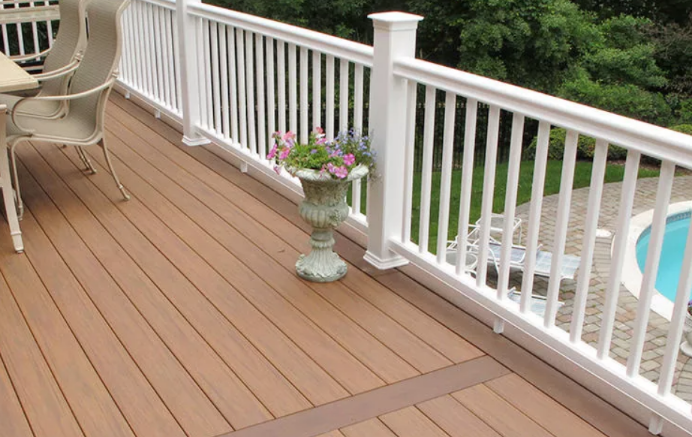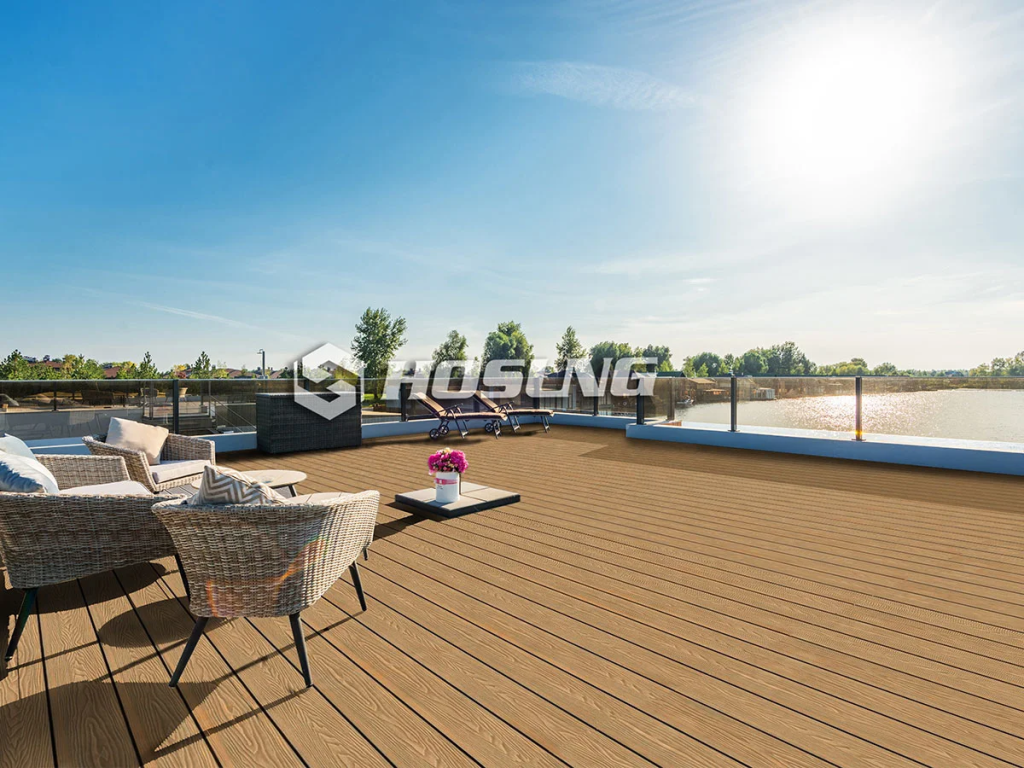
If you want to build a durable, low-maintenance, and visually appealing outdoor space, composite decking has emerged as one of the most popular choices among Canadian homeowners. However, one of the key considerations before committing to a decking project is the cost. Understanding the composite decking cost per square foot Canada is crucial for planning your budget, comparing options, and making informed decisions.
Table of Contents
In this guide, Hosung WPC will break down all the factors that influence the price of composite decking, explore the difference between various brands and styles, and provide insights into how to optimize your investment. We’ll also compare composite decking costs with traditional wood decks to give you a full picture.
What Is Composite Decking?
Composite decking is made from a combination of wood fibers and recycled plastics, offering the aesthetic appeal of wood without the high maintenance needs. Unlike traditional wood decks, composite decks resist rot, insect damage, and warping. They are also available in a wide range of colors, finishes, and textures, making them a versatile choice for Canadian homes.
Although the materials cost more upfront compared to pressure-treated lumber, the long-term savings on maintenance, repairs, and replacement make composite decking a cost-effective option in the long run.
Factors Affecting Composite Decking Cost Per Square Foot in Canada
The composite decking cost per square foot in Canada can vary widely depending on several factors. Understanding these factors will help you budget accurately and select the right decking solution for your needs.
1. Material Quality and Brand
The quality of the composite material is the primary factor influencing cost. Top-tier brands often incorporate advanced UV protection, fade-resistant colors, and enhanced durability features. Some popular brands in Canada include Trex, TimberTech, AZEK, and Fiberon.
Entry-level composites: $7–$10 CAD per square foot
Mid-range composites: $10–$15 CAD per square foot
Premium composites: $15–$25 CAD per square foot
Higher-end composites offer better warranties, longer lifespans, and superior aesthetics, which can justify the additional upfront investment.
2. Deck Design and Complexity
The complexity of your deck design directly affects the overall cost. A simple rectangular deck will cost less per square foot than a multi-level deck with built-in planters, seating, or intricate patterns.
Curved edges, stairs, and custom railings increase labor and material costs, so it’s essential to plan your deck layout carefully.
3. Size of the Deck
Typically, larger decks have a slightly lower deck price per square foot in Canada due to economies of scale. However, the total project cost will obviously increase with size.
For example:
A 200 sq. ft. deck may cost $2,000–$4,000 for mid-range composite materials.
A 500 sq. ft. deck may cost $7,500–$12,500, depending on design and material choice.
4. Installation Costs
While DIY installation is possible for smaller decks, most homeowners prefer hiring professional installers. Labor costs in Canada vary by province, complexity of the project, and the experience of the contractor.
Average installation costs range from $10 to $20 CAD per square foot, including preparation, joist installation, decking boards, and railing systems. Hiring an experienced installer ensures proper ventilation, drainage, and long-lasting performance.
5. Substructure and Foundation
The deck’s foundation and substructure play a vital role in stability and durability. Pressure-treated lumber or galvanized steel joists are commonly used under composite boards. Additional costs may arise if:
The ground requires leveling or excavation
Concrete footings are necessary
The deck is elevated or requires extra support
Foundation costs can add $3–$8 CAD per square foot to the overall budget.
6. Railing Systems and Accessories
Railing systems are both functional and aesthetic. Composite decks can use matching composite railings or a combination of materials like aluminum, glass, or stainless steel cables.
Basic composite railing: $25–$40 per linear foot
Premium aluminum or glass railing: $60–$120 per linear foot
Accessories like lighting, benches, or storage units will also impact the composite decking cost per square foot in Canada.
7. Geographic Location
Prices for materials and labor vary across Canada. For example:
Toronto and Vancouver: Higher labor costs and shipping fees, leading to increased deck prices per square foot
Rural areas: Material cost may be lower, but availability could impact pricing
Always check local suppliers and contractors for accurate estimates.
Comparing Composite Decking with Traditional Wood Decks
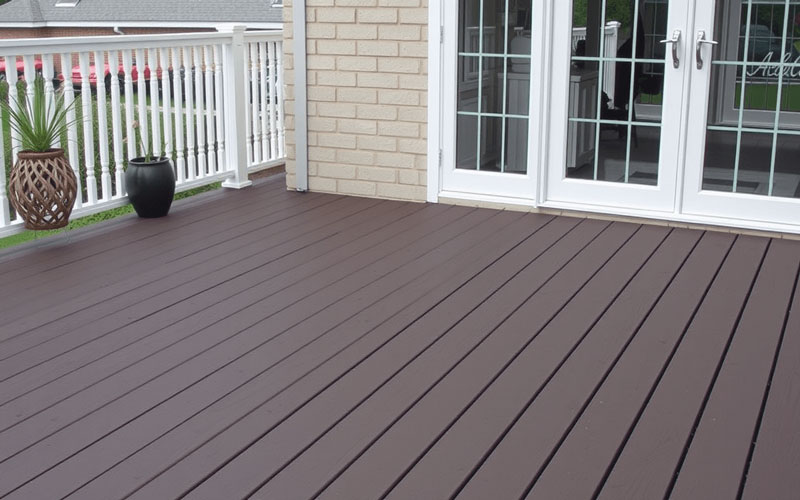
Before finalizing your budget, it’s useful to compare composite decking with traditional wood. While the upfront cost of composite decking is higher, the long-term savings and benefits often outweigh initial investments.
| Factor | Composite Decking | Pressure-Treated Wood |
|---|---|---|
| Cost per sq. ft. | $7–$25 CAD | $5–$15 CAD |
| Maintenance | Low; occasional cleaning | High; annual sealing/staining |
| Lifespan | 25–30+ years | 10–15 years |
| Resistance | Rot, insects, fading | Susceptible to decay and warping |
| Appearance | Consistent color and texture | Natural variation; may fade or crack |
Considering these factors, many homeowners prefer the predictability and durability of composite decking despite the slightly higher initial investment.
Tips for Reducing Composite Decking Costs in Canada
Even though composite decking is an investment, there are ways to optimize costs without compromising quality:
1. Buy in Bulk
Purchasing all your materials at once from a reputable supplier can often earn discounts or free shipping, which reduces overall costs.
2. Choose Mid-Range Materials
Unless you need premium aesthetics or long-term warranties, mid-range composite materials often offer the best balance between cost and durability.
3. Plan a Simple Deck Design
Minimizing curves, custom features, or multi-level layouts keeps labor costs low and reduces material waste.
4. DIY Installation for Small Decks
If you have the skills and tools, installing a small deck yourself can save significant labor costs. However, ensure you follow proper building codes and manufacturer guidelines.
5. Schedule During Off-Season
Contractors often offer lower rates in early spring or late fall, outside the peak construction season. This can reduce your deck price per square foot in Canada by a noticeable margin.
Maintenance Costs of Composite Decking
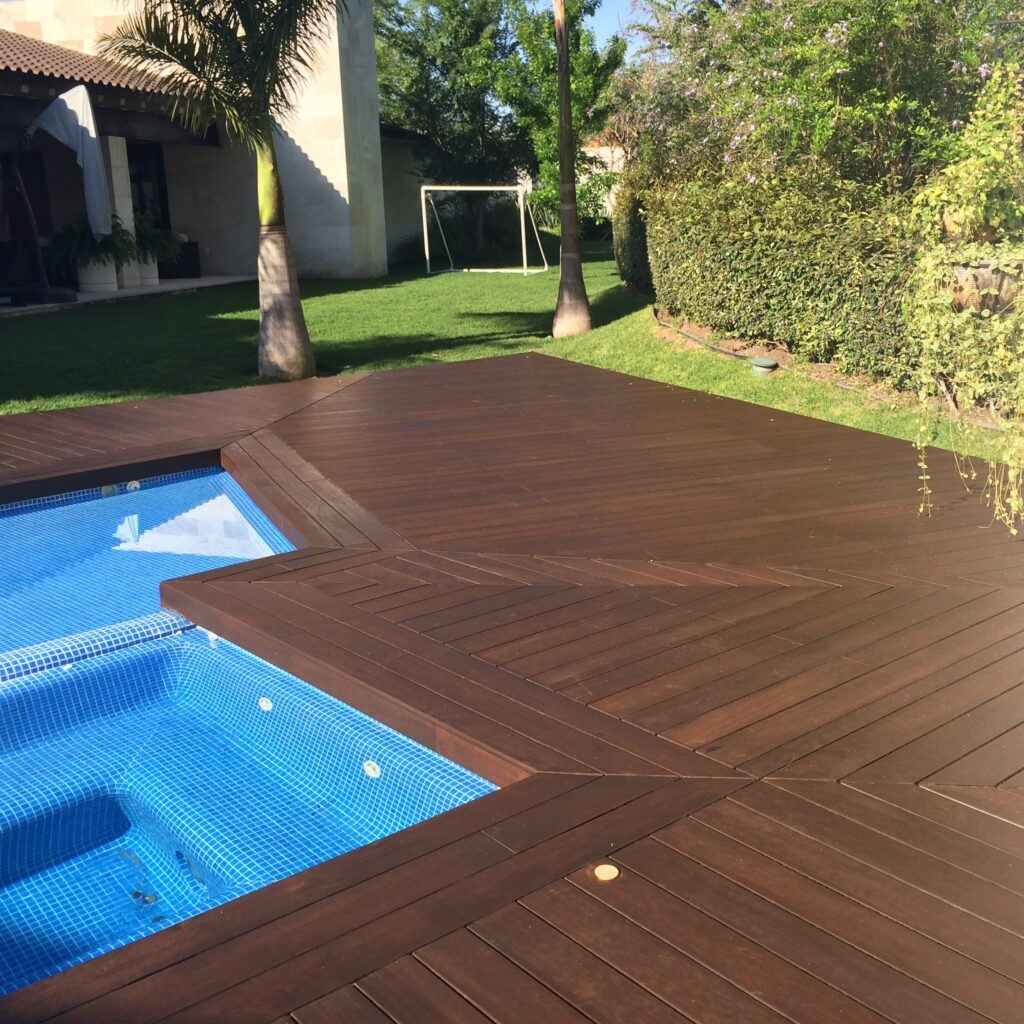
One of the most compelling advantages of composite decking is its low maintenance requirement. Traditional wood decks need regular staining, sealing, and repairs, which adds to lifetime costs. In contrast, composite decks require:
Annual cleaning with soap and water
Occasional power washing (for heavily soiled areas)
Minor repairs or board replacements if damaged
Over a 25-year lifespan, maintenance costs for composite decks are substantially lower than wood decks, making them a cost-effective long-term investment.
Factors to Consider When Choosing Composite Decking Canada
Selecting the right composite decking involves more than just price—it affects the deck’s longevity, appearance, and overall performance. Homeowners in Canada should consider several key factors when evaluating options:
Material Composition and Durability
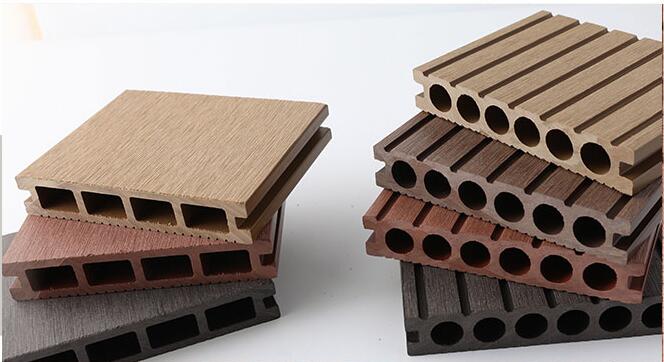
Composite decking boards are typically made from a mix of wood fibers and recycled plastics. Boards with a higher proportion of protective polymer coatings tend to resist fading, staining, and moisture damage better, which is especially important in Canada’s diverse climate.Surface Finish and Texture
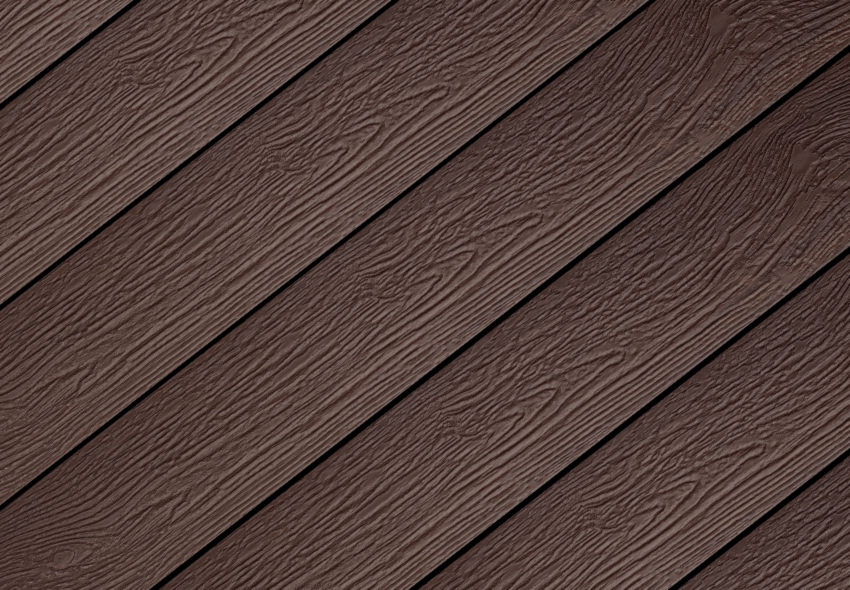
The surface finish determines both aesthetics and safety. Some composites feature a textured wood-grain look that mimics natural wood, while others have smoother finishes. Slip-resistant surfaces are recommended for areas prone to rain or snow.Color and Fade Resistance
Composite decks come in a wide variety of colors, from natural wood tones to modern grays and browns. Look for materials with fade-resistant pigments to maintain their appearance over time, particularly in sun-exposed areas.Warranty and Lifespan
Different composites offer varying warranty periods, typically ranging from 20 to 30 years. A longer warranty often indicates higher-quality materials and gives homeowners confidence in the deck’s long-term performance.Environmental Impact
Many composite decking products use recycled wood and plastic, making them an eco-friendly choice. Checking the percentage of recycled content and certifications can help you select a sustainable option.Maintenance Requirements
Even among composite decks, some products are easier to maintain than others. Boards with capped surfaces or protective coatings require less cleaning and are more resistant to mold and mildew, reducing long-term upkeep costs.
Understanding Long-Term Value
While the composite decking cost per square foot in Canada might initially seem higher than wood, the long-term value is compelling:
Durability: Lasts 2–3 times longer than traditional wood
Low maintenance: Saves time and money on cleaning, sealing, and repairs
Resale value: Homes with composite decks often have higher market appeal
Eco-friendly: Made from recycled materials, reducing environmental impact
By considering the full lifecycle costs, many homeowners find composite decking to be a wise investment.
Final Thoughts
Estimating composite decking cost per square foot in Canada involves evaluating multiple factors, including material quality, deck design, installation, and additional features. While the initial investment may be higher than traditional wood decks, the long-term benefits of durability, low maintenance, and enhanced property value make composite decking a popular and cost-effective choice for Canadian homeowners.
By carefully selecting materials, planning the layout, and understanding local costs, you can build a beautiful outdoor space that stands the test of time. Whether you are constructing a small patio deck or a large multi-level deck, composite decking offers a combination of aesthetics, performance, and peace of mind.