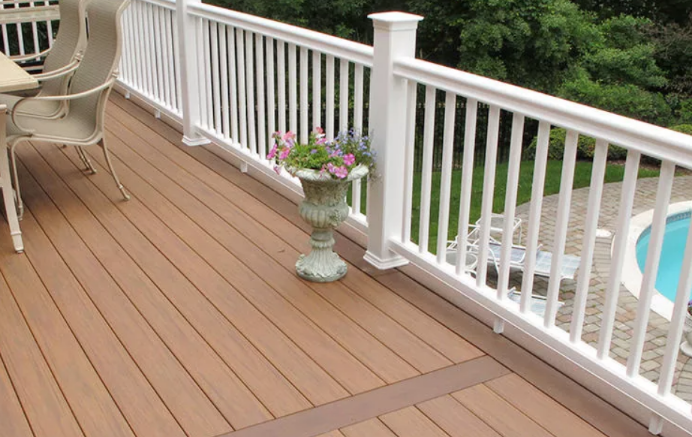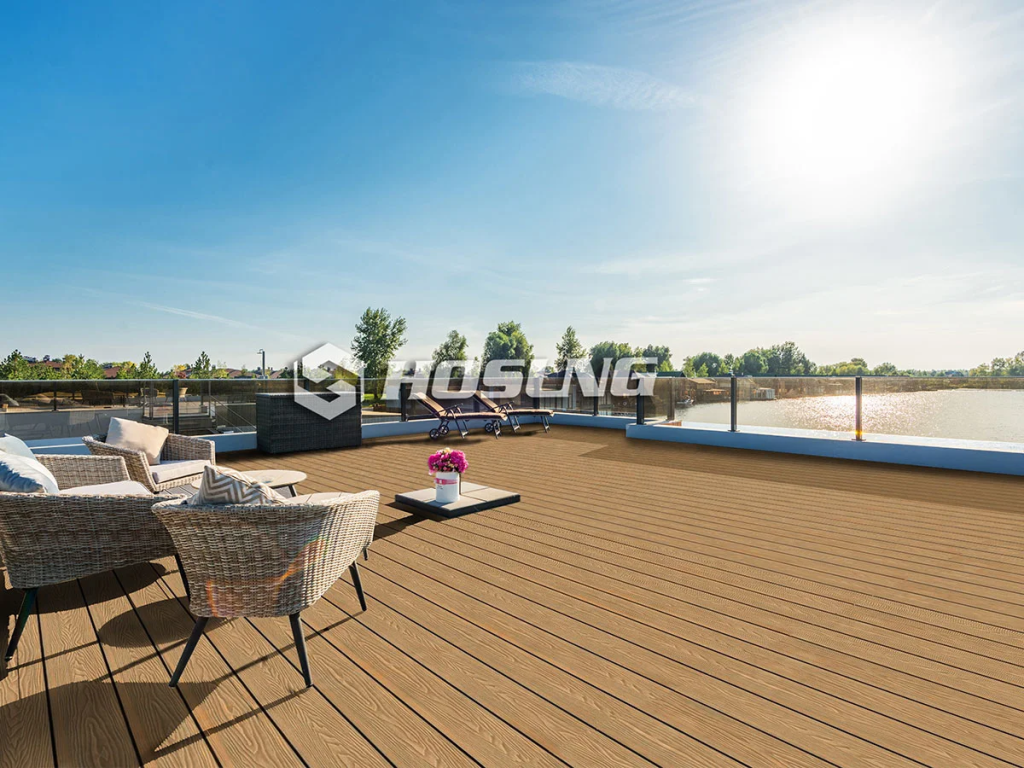
The construction and interior design industries in Canada have been evolving rapidly over the past decade, with a growing focus on modern, efficient, and sustainable materials. One product that has garnered significant attention is composite panels. From residential buildings to commercial structures, composite panels Canada are becoming a staple for architects, designers, and contractors alike. But what exactly are composite panels, why are they so popular, and how can they be used effectively in Canadian construction? This article provides a comprehensive guide to everything you need to know about composite panels in Canada.
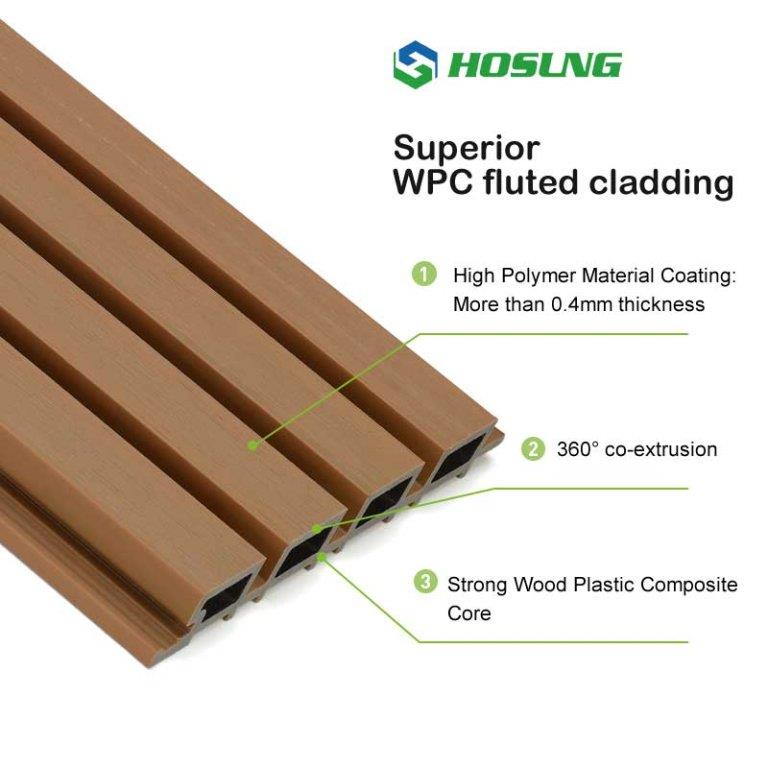
Table of Contents
What Are Composite Panels?
At its core, a composite panel is a material made from two or more constituent materials with different physical or chemical properties. When combined, these materials create a panel that is stronger, more durable, and often lighter than the individual components. The main types of composite panels include:
Aluminum Composite Panels (ACP): These panels feature a core material, usually polyethylene or fire-resistant mineral, sandwiched between two layers of aluminum sheets. ACPs are widely used in building facades and interior decoration.
Wood Plastic Composite Panels (WPC): Combining wood fibers and thermoplastic materials, WPC panels offer the aesthetic appeal of wood with the durability of plastic. They are commonly used in decking, wall panels, and furniture.
Fiber-Reinforced Panels: These use fiberglass or carbon fibers embedded in a resin matrix, providing excellent strength-to-weight ratio. These panels are frequently used in industrial applications, transportation, and high-performance construction.
Honeycomb Composite Panels: Featuring a honeycomb core structure, these panels are lightweight but extremely strong, making them suitable for aircraft, marine applications, and architectural projects.
The choice of composite panel depends on factors such as durability, cost, fire resistance, aesthetic requirements, and environmental conditions.
Why Composite Panels Are Popular in Canada
There are several reasons why composite panels Canada have become increasingly popular in construction and design projects:
Durability and Longevity
Canada’s climate varies widely, from the harsh winters in Ontario and Quebec to the mild coastal weather in British Columbia. Composite panels are designed to withstand extreme temperatures, moisture, and UV exposure, ensuring that buildings remain strong and attractive for decades.Lightweight Construction
Compared to traditional construction materials like concrete or brick, composite panels are significantly lighter. This reduces structural load and makes installation faster and more cost-effective.Design Flexibility
Composite panels are available in a variety of colors, finishes, and textures. Architects and designers can create modern facades, intricate wall patterns, and customized interior layouts with relative ease.Low Maintenance
One of the biggest advantages of composite panels is that they require minimal maintenance. Unlike wood, they do not rot, warp, or require frequent painting. Aluminum composite panels, for example, can be cleaned with mild detergents, keeping the building exterior pristine for years.Sustainability
Many composite panels are made from recycled materials and can be recycled at the end of their lifecycle. This aligns with Canada’s commitment to sustainable construction practices and green building certifications.Fire Resistance
Certain types of composite panels, especially those with mineral cores or fire-retardant additives, offer excellent fire resistance. This is crucial in meeting Canadian building codes and ensuring occupant safety.
Applications of Composite Panels in Canada
Composite panels are incredibly versatile and are used across multiple industries in Canada:
1. Commercial and Residential Building Facades
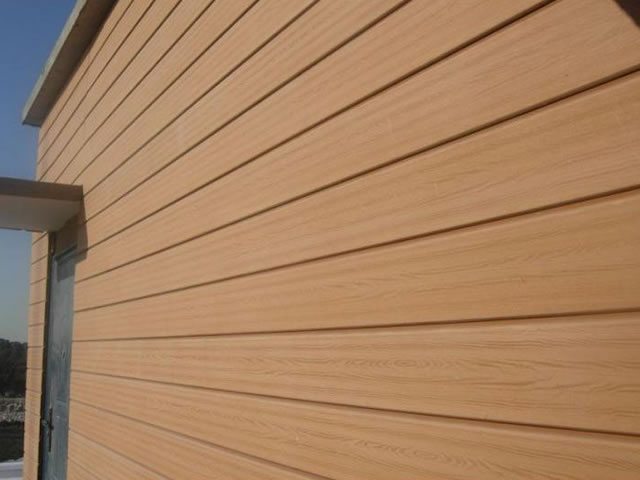
Aluminum composite panels are a favorite choice for building exteriors. They provide a modern aesthetic, can mimic natural materials like stone or wood, and are easy to install. Cities like Toronto, Vancouver, and Calgary have numerous high-rise buildings clad in ACPs, demonstrating their appeal in urban architecture.
2. Interior Wall Panels
Composite panels are widely used indoors to enhance aesthetics while providing durability. Wood plastic composite panels are especially popular for feature walls, partitions, and decorative ceilings. They help in sound insulation, thermal regulation, and moisture control.
3. Industrial Applications
In warehouses, factories, and other industrial settings, composite panels are valued for their strength-to-weight ratio and chemical resistance. Fiber-reinforced panels are often used in environments that require high durability, such as food processing plants, laboratories, and chemical storage facilities.
4. Transportation
Composite panels play a key role in transportation sectors, including rail, marine, and aviation. Honeycomb panels are used for flooring, partitions, and doors due to their lightweight and high structural strength, which improves fuel efficiency and safety.
5. Roofing and Cladding
Certain composite panels are designed for roofing solutions, offering thermal insulation, weather resistance, and energy efficiency. This makes them suitable for both residential and commercial buildings, especially in regions with heavy snowfall or rainfall.
Choosing the Right Composite Panel
Selecting the appropriate composite panel for your project in Canada requires careful consideration of multiple factors:
Material Composition
Understand the core and surface materials of the panel. Aluminum cores offer strength and flexibility, while mineral-filled cores enhance fire resistance. Wood-plastic composites provide warmth and aesthetic appeal but may have lower fire resistance.Thickness and Size
Panels come in different thicknesses and sheet sizes. Thicker panels generally provide better insulation and durability, but they may be heavier and costlier. The size of the panels also affects installation speed and overall cost.Fire Rating
Always check the fire rating, especially for commercial buildings. Canadian building codes require that exterior cladding meet specific fire safety standards. Mineral-filled aluminum composite panels typically provide higher fire resistance.Environmental Resistance
Canada experiences diverse weather conditions, from freezing winters to hot summers. Choose panels that can withstand temperature fluctuations, UV rays, moisture, and even corrosive environments in coastal areas.Aesthetic Requirements
Composite panels come in a variety of finishes including matte, gloss, metallic, and wood-like textures. Consider the visual impact on both the interior and exterior of the building.Budget Considerations
While composite panels can be more expensive upfront compared to traditional materials, they often save money in the long run due to lower maintenance costs, faster installation, and longer lifespan.
Installation of Composite Panels in Canada
The installation process of composite panels is relatively straightforward but requires attention to detail to ensure durability and performance:
Preparation
Ensure the building structure is level and suitable for panel installation. Proper preparation of surfaces and support structures is essential.Cutting and Shaping
Composite panels can be cut using CNC machines or specialized saws. Care should be taken to avoid damaging the surface coating or the core material.Fixing Methods
Panels can be installed using mechanical fasteners, adhesives, or a combination of both. For ACPs, hidden fastener systems are often preferred to maintain a sleek appearance.Sealing and Finishing
Proper sealing of joints and edges is crucial to prevent water ingress and thermal bridging. Silicone or polyurethane sealants are commonly used.Maintenance
Once installed, composite panels require minimal maintenance. Regular cleaning with mild detergents and inspection for damage ensures longevity.
Advantages of Using Composite Panels in Canada
Here’s a detailed look at why composite panels Canada are a smart investment:
Cost-Efficiency: Lightweight panels reduce structural costs and speed up installation.
Sustainability: Many panels are made from recycled materials and are fully recyclable.
Versatility: Suitable for commercial, residential, and industrial applications.
Durability: Resistant to corrosion, UV, moisture, and extreme temperatures.
Fire Safety: Fire-retardant options are available for high-risk applications.
Aesthetic Flexibility: Wide range of finishes, colors, and textures.
Common Misconceptions About Composite Panels
Despite their growing popularity, some misconceptions about composite panels still exist:
“Composite Panels Are Weak”
On the contrary, many composite panels, especially fiber-reinforced and aluminum composites, are stronger than traditional materials like wood or plaster.“They Are Not Eco-Friendly”
Modern manufacturing techniques emphasize recycling and sustainable materials. Many panels are designed with low environmental impact in mind.“Installation Is Complicated”
With the right tools and professional installers, composite panels are relatively easy to install compared to traditional cladding materials.“They Are Too Expensive”
While the upfront cost may be higher than some materials, the longevity, durability, and low maintenance requirements make them cost-effective over the building’s lifetime.
Market Trends for Composite Panels in Canada
The Canadian construction industry is increasingly adopting composite panels due to several trends:
Urbanization: Growing cities require faster, lightweight, and aesthetically versatile materials.
Sustainability Regulations: Green building codes encourage materials that are energy-efficient and recyclable.
Technological Advancements: Innovations in manufacturing allow for more durable, fire-resistant, and weatherproof panels.
Customization: Demand for personalized colors, textures, and sizes is driving the popularity of composite panels.
According to market reports, the demand for aluminum composite panels and wood plastic composites in Canada has seen steady growth in the past five years, with architects and contractors recognizing the value they add to modern construction projects.
Tips for Buying Composite Panels in Canada
When looking to purchase composite panels Canada, consider the following tips:
Check Certifications
Look for panels certified for fire safety, environmental compliance, and structural performance.Request Samples
Always request samples to evaluate color, texture, and quality before making large purchases.Compare Suppliers
Work with reputable suppliers who have experience in the Canadian market. They can provide guidance on installation and compliance with local building codes.Understand Warranties
Many high-quality panels come with warranties ranging from 10 to 20 years. Ensure you understand the terms and conditions.Consider Long-Term Costs
Factor in installation, maintenance, and energy efficiency savings when comparing costs.
Leading Types of Composite Panels in Canada
Here is an overview of some of the leading types of composite panels available in Canada:
Aluminum Composite Panels (ACP)
Aluminum Composite Panels are among the most popular choices in modern Canadian construction. They consist of a polyethylene or mineral-filled core sandwiched between two layers of aluminum sheets, offering an excellent combination of lightweight properties and structural strength. ACPs are ideal for building facades, curtain walls, and exterior cladding due to their durability and resistance to extreme weather conditions, including heavy snow, rain, and strong winds that are common in Canadian cities. In addition to their practical benefits, ACPs provide a sleek, modern aesthetic that can be customized in a wide range of colors, textures, and finishes, from metallic gloss to wood-like patterns. Many ACP products are also fire-rated, meeting stringent Canadian building codes, which makes them a safe and reliable choice for high-rise buildings and commercial complexes.
Wood Plastic Composites (WPC)
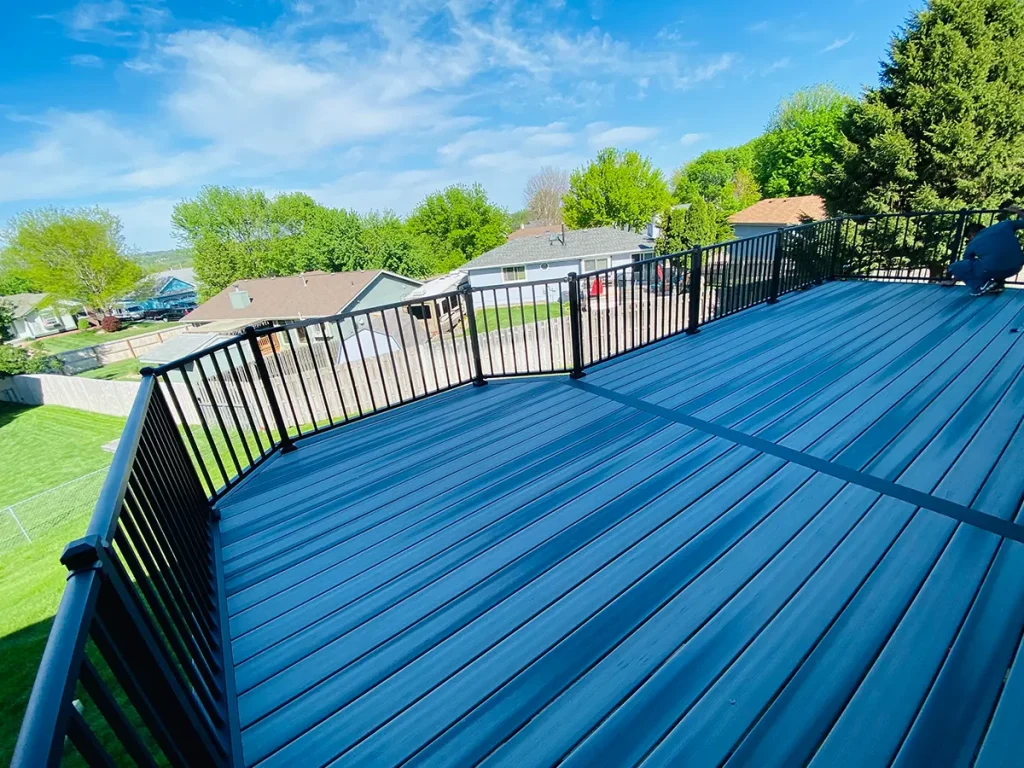
Wood Plastic Composite panels are increasingly used for indoor applications, decking, and decorative features. Made from a mixture of wood fibers and thermoplastics, WPC panels offer the natural look and feel of wood but with enhanced durability and low maintenance requirements. Unlike traditional wood, WPC does not warp, crack, or rot, even in high-humidity environments. These panels are ideal for interior wall panels, flooring, cabinetry, and outdoor decks. The material can also be molded into different shapes, providing architects and designers with flexibility to create unique textures, patterns, and colors. In Canadian homes, WPC is appreciated for its eco-friendly composition, as many products incorporate recycled plastics, aligning with sustainable building practices.
Fiberglass Reinforced Panels (FRP)
Fiberglass Reinforced Panels are known for their exceptional strength and corrosion resistance, making them perfect for industrial and commercial applications. These panels are composed of fiberglass fibers embedded in a resin matrix, resulting in a material that is both lightweight and highly durable. FRP panels are widely used in warehouses, laboratories, food processing facilities, and chemical plants because they resist moisture, chemicals, and heavy impact. In addition to their functional advantages, FRP panels can also be fabricated in various colors and textures to match specific design requirements. Their ease of cleaning and maintenance makes them an ideal choice for hygienic or high-traffic environments in Canadian cities.
Honeycomb Panels
Honeycomb composite panels are designed with a unique core structure that resembles a honeycomb, providing an excellent strength-to-weight ratio. These panels are extremely lightweight yet incredibly strong, making them suitable for high-tech applications such as aerospace, marine, and transportation industries. Honeycomb panels can also be used in architectural design for large-scale walls, ceilings, and partitions where minimal structural weight is crucial. In addition, their insulating properties make them suitable for energy-efficient buildings, helping to regulate interior temperatures and reduce energy consumption. The combination of lightness, strength, and versatility makes honeycomb panels an innovative solution for both functional and aesthetic applications in Canada.
Final Thoughts
Composite panels Canada from Hosung are more than just a trend—they represent the future of modern, efficient, and sustainable construction. From commercial skyscrapers to residential homes, interior features to industrial applications, composite panels offer durability, versatility, and aesthetic appeal. By understanding the types of panels, installation methods, applications, and market trends, Canadian builders and designers can make informed decisions that optimize performance, safety, and cost-effectiveness.
Whether you are an architect, contractor, or property owner, embracing composite panels in your projects ensures that your buildings are future-ready, environmentally responsible, and visually stunning. With careful planning, professional installation, and proper maintenance, composite panels will continue to play a pivotal role in Canada’s construction landscape for years to come.