When it comes to composite siding options in Canada, composite materials have become a popular choice among homeowners and builders alike. Due to the country’s diverse weather conditions, which range from harsh winters to hot summers, choosing the right material for your exterior is crucial for durability, insulation, and aesthetic appeal. In this comprehensive guide, we will explore the various composite siding options available in Canada, highlighting their benefits, drawbacks, and unique features to help you make an informed decision.
Table of Contents
Why Choose Composite Siding?
Choosing the right siding material is crucial, as it plays an essential role in protecting the structure of your home from the elements. Composite siding, which combines wood, synthetic, and other materials to create durable panels, offers a range of benefits that make it ideal for Canadian homes.
1. Durability for Harsh Climates
Canada is known for its extreme weather, with long, cold winters and hot, humid summers. Composite siding is designed to withstand these fluctuations in temperature. It resists cracking, warping, and swelling, ensuring your home’s exterior remains intact and attractive for years, regardless of the weather.
2. Low Maintenance
One of the key advantages of composite siding is its low-maintenance nature. Unlike traditional wood siding, which needs regular painting, sealing, and maintenance to prevent rot, composite siding is designed to require minimal upkeep. It doesn’t need to be sanded, stained, or repainted frequently, which makes it a time-saving and cost-effective option in the long run.
3. Enhanced Energy Efficiency
Many composite siding materials come with insulation properties that can improve your home’s energy efficiency. With the fluctuating temperatures across Canada, keeping your home well-insulated is essential to maintaining comfort and reducing energy bills. Some composite options include built-in insulation that helps keep your home cooler in the summer and warmer in the winter.
4. Environmental Considerations
Sustainability is another driving factor for choosing composite siding. Many composite materials are made from recycled products, making them a more eco-friendly choice than traditional materials like wood or vinyl. If you are environmentally conscious, choosing composite siding is a way to reduce your carbon footprint while still achieving a high-quality finish for your home.
Different Composite Siding Materials Available in Canada
The Canadian market offers a variety of composite siding options, each with its unique properties and advantages. Below are some of the most common types of composite siding materials that are available in Canada.
1. Fiber Cement Siding
Fiber cement siding is one of the most popular choices for Canadian homes. Composed of cement, sand, and cellulose fibers, fiber cement siding is highly durable and resistant to a variety of weather conditions, including heavy snow, rain, and extreme temperatures.
Benefits:
Weather Resistant: It can withstand moisture, freezing temperatures, and humidity, making it an ideal option for regions with harsh winters.
Fire Resistant: Fiber cement is non-combustible, adding an extra layer of protection to your home.
Long Lifespan: With proper care, fiber cement siding can last up to 50 years, providing excellent value over time.
Drawbacks:
Heavy Weight: Fiber cement is relatively heavy, which may require specialized installation.
Higher Initial Cost: Fiber cement tends to be more expensive than vinyl or other composite options.
2. Engineered Wood Siding
Engineered wood siding is another popular choice for homeowners looking for the appearance of traditional wood but with the added benefits of composite materials. This type of siding is made from wood fibers bonded with resins and other materials to create a durable and cost-effective solution.
Benefits:
Natural Appearance: Engineered wood offers the beauty of real wood without the associated maintenance issues such as rotting or insect damage.
Pest Resistance: Most engineered wood products are treated to resist termites and other pests.
Affordable: Compared to other composite siding options, engineered wood is often more affordable.
Drawbacks:
Maintenance Needs: While engineered wood is low-maintenance compared to natural wood, it may still require repainting or resealing every few years.
Vulnerable to Moisture: If not properly maintained, engineered wood can absorb moisture, leading to potential swelling or deterioration.
3. Vinyl Composite Siding
Vinyl composite siding is one of the most widely used siding materials in Canada, known for its affordability and ease of installation. Vinyl siding is made from a combination of PVC (polyvinyl chloride) and other synthetic materials, which makes it flexible and durable.
Benefits:
Low Maintenance: Vinyl siding does not require painting, sealing, or staining, which makes it incredibly easy to maintain.
Wide Range of Styles: Available in a variety of colors, textures, and styles, vinyl composite siding can complement any type of home design.
Energy Efficiency: Some vinyl siding options come with built-in insulation, which can improve your home’s energy efficiency.
Drawbacks:
Durability Issues: While vinyl is relatively durable, it can crack or warp under extreme weather conditions, such as freezing temperatures or heavy impacts.
Environmental Concerns: Vinyl is made from petroleum-based products, which may raise concerns for eco-conscious homeowners.
4. Composite Wood Siding
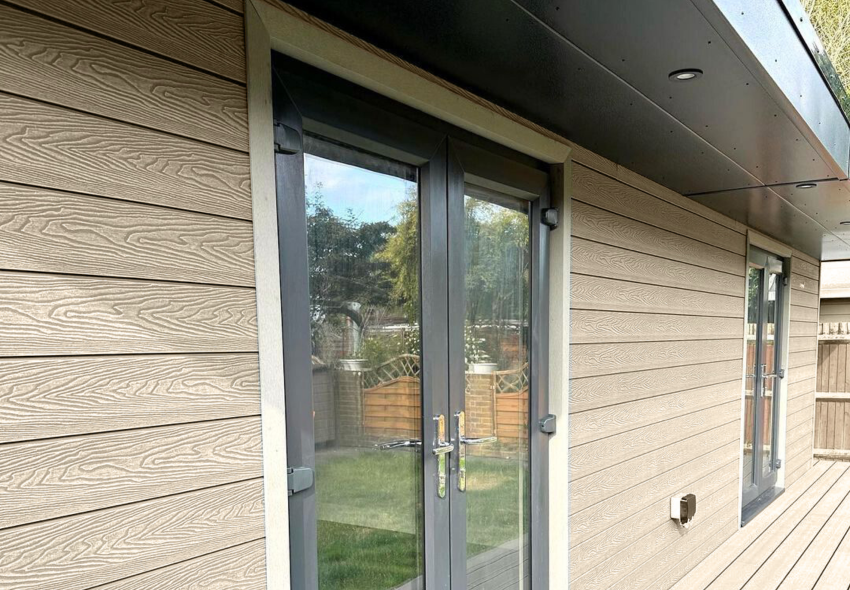
Composite wood siding combines the best features of wood and synthetic materials, creating a durable, low-maintenance exterior solution. Made from a blend of wood fibers and polymers, this material replicates the appearance of real wood while offering enhanced durability.
Benefits:
Realistic Look: Composite wood closely mimics the appearance of natural wood, offering the warmth and beauty of wood without the drawbacks.
Resistant to Decay: Unlike natural wood, composite wood is resistant to rot, decay, and insect damage.
Sustainability: Many composite wood siding products are made from recycled materials, making them an environmentally friendly choice.
Drawbacks:
Higher Initial Cost: Composite wood can be more expensive than vinyl, although it may provide long-term savings due to its durability.
Installation Complexity: Depending on the type of composite wood, installation may require specialized techniques or professional help.
5. Polymer Composite Siding
Polymer composite siding, made from a blend of synthetic materials, offers a modern solution for homeowners who want the benefits of composite materials without the issues associated with traditional wood or vinyl. This type of siding is lightweight and resistant to fading, cracking, and warping.
Benefits:
Durability: Polymer composite siding can withstand harsh weather conditions, including heavy rain, snow, and extreme temperatures.
Low Maintenance: Like other composite options, polymer siding requires little upkeep, with no need for painting or sealing.
Color Retention: Polymer composite siding retains its color over time, even in direct sunlight.
Drawbacks:
Limited Availability: Polymer composite siding may not be as widely available as other composite options, especially in certain regions of Canada.
Cost: While polymer composite siding is durable, it can be more expensive than vinyl or engineered wood options.
Factors to Consider When Choosing Composite Siding in Canada
When selecting composite siding for your home, several factors should guide your decision-making process:
1. Climate and Weather Conditions
Canada’s climate varies widely across different regions, so it’s essential to choose siding that can withstand the specific weather conditions of your area. If you live in a region with cold winters and heavy snowfall, look for siding materials that are resistant to freezing temperatures and moisture.
2. Maintenance Requirements
Consider how much time and effort you’re willing to invest in maintaining your siding. Materials like vinyl and polymer composites require minimal maintenance, while engineered wood and fiber cement may need occasional repainting or sealing.
3. Energy Efficiency
Many composite siding options come with insulation properties that can help reduce your home’s energy consumption. If energy efficiency is a top priority, look for siding materials that offer added insulation.
4. Aesthetic Appeal
Your home’s exterior should reflect your style and preferences. Composite siding comes in a variety of colors, textures, and finishes, allowing you to choose a look that complements your home’s design.
5. Budget
While composite siding tends to be more affordable than natural materials like wood, the cost can vary depending on the type of siding you choose. Vinyl is generally the most cost-effective option, while engineered wood and fiber cement tend to be more expensive.
Additional Considerations for Composite Siding
When making a final decision on composite siding, there are several other factors that may influence your choice. These additional considerations can help you make a more informed decision based on your priorities and long-term needs.
1. Installation Process and Costs
While most composite siding materials are relatively easy to install, some options may require specialized installation techniques. For example, fiber cement siding is heavier and may require additional support structures, while engineered wood may need professional finishing. It’s important to factor in the installation cost, which can vary depending on the complexity of the siding type and the expertise required for installation. For homeowners seeking a DIY-friendly option, vinyl composite siding may be a good choice due to its lightweight nature and easy-to-install panels.
2. Siding Warranty and Lifespan
Different composite siding materials come with varying warranty lengths, so it’s important to consider the terms of the warranty when making your choice. Fiber cement, for example, typically comes with long warranties, ranging from 25 years to a lifetime, due to its durability. Engineered wood may have shorter warranty periods, but it’s still a robust material for Canadian climates. Be sure to carefully read and understand the terms of the warranty, including what is covered and any potential exclusions.
3. Resale Value and Market Appeal
Composite siding can have a positive impact on the resale value of your home. Homes with durable, energy-efficient exteriors are likely to attract more buyers and may sell faster. If you plan on selling your home in the future, consider how the choice of siding will affect your property’s market appeal. Composite materials, especially those that resemble natural wood or stone, can significantly improve curb appeal without the need for expensive upkeep.
Conclusion
Composite siding offers an excellent solution for homeowners in Canada who want a low-maintenance, durable, and aesthetically pleasing exterior. Whether you opt for fiber cement, engineered wood, vinyl, or polymer composite siding, each material has its unique benefits that can cater to the diverse needs of Canadian homes. By considering factors such as climate, maintenance, and budget, you can make an informed decision that will enhance the beauty, value, and protection of your home for many years to come. Want to get more about composite decking materials, welcome to contact Hosung!