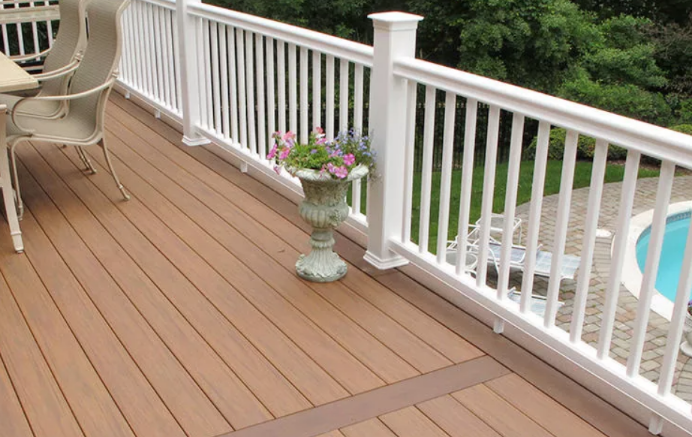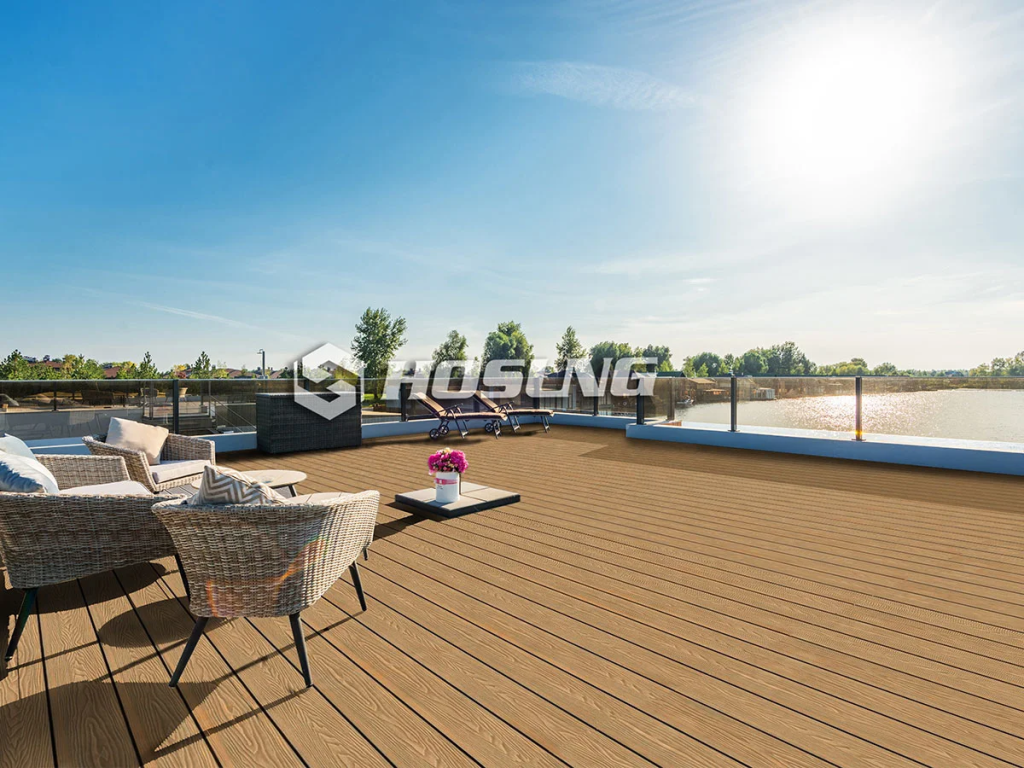
Outdoor living spaces have become a major part of residential and commercial property design across Canada. From backyard decks in Ontario to rooftop terraces in British Columbia and cottage patios near the Great Lakes, outdoor flooring plays a critical role in comfort, durability, safety, and long-term property value. Choosing the right outdoor flooring in Canada is not simply a design decision—it is a practical investment shaped by climate, usage patterns, and maintenance expectations.
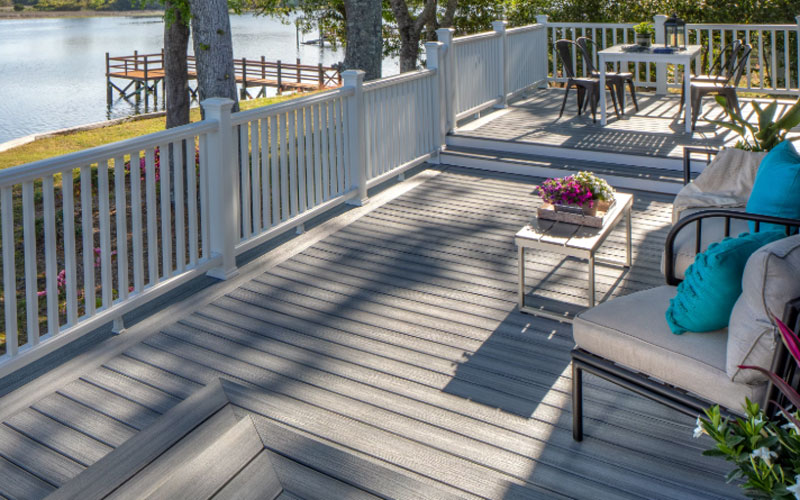
Table of Contents
Canada’s diverse weather conditions demand flooring solutions that can withstand freezing winters, intense UV exposure, moisture, and temperature fluctuations. Homeowners, contractors, and developers are increasingly focused on outdoor flooring systems that offer stability, slip resistance, low maintenance, and aesthetic consistency year after year. This article explores the key factors, materials, installation considerations, costs, and trends shaping the outdoor flooring Canada market today.
Climate Challenges That Shape Outdoor Flooring Canada Choices
Outdoor flooring in Canada must perform under some of the harshest environmental conditions in North America. Seasonal changes place continuous stress on materials, making climate compatibility a primary decision factor.
Freeze-Thaw Cycles
Repeated freezing and thawing can cause expansion and contraction, leading to cracking, warping, or loosening if materials are not engineered for cold climates. Flooring systems must maintain structural integrity without becoming brittle.
Moisture and Snow Load
Snow accumulation and melting introduce prolonged moisture exposure. Poor drainage or water absorption can accelerate deterioration, mold growth, and surface damage.
UV Exposure
Even in colder regions, summer UV radiation can fade colors, weaken surfaces, and cause uneven aging. Outdoor flooring in Canada must retain color stability and surface strength.
Slippery Conditions
Rain, frost, and ice demand textured, slip-resistant surfaces to improve safety, especially on decks, balconies, and poolside areas.
Popular Outdoor Flooring Materials in Canada
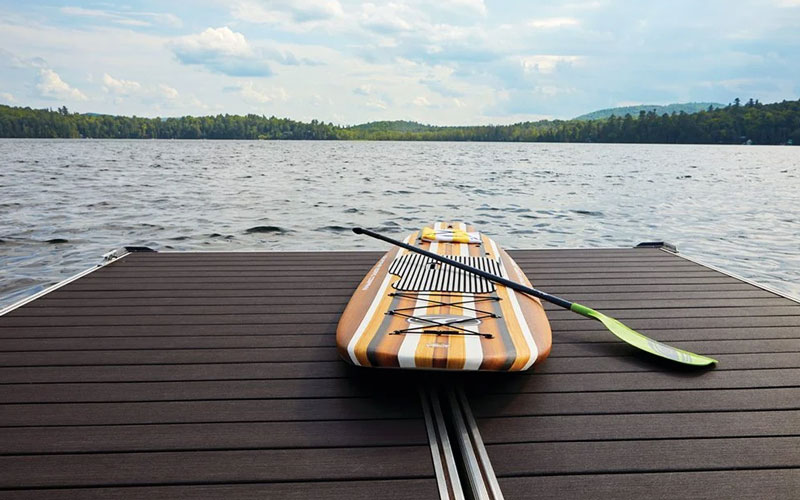
Different regions and applications in Canada favor different outdoor flooring solutions. Each material category offers unique advantages depending on climate, budget, and aesthetic goals.
Composite Decking Systems
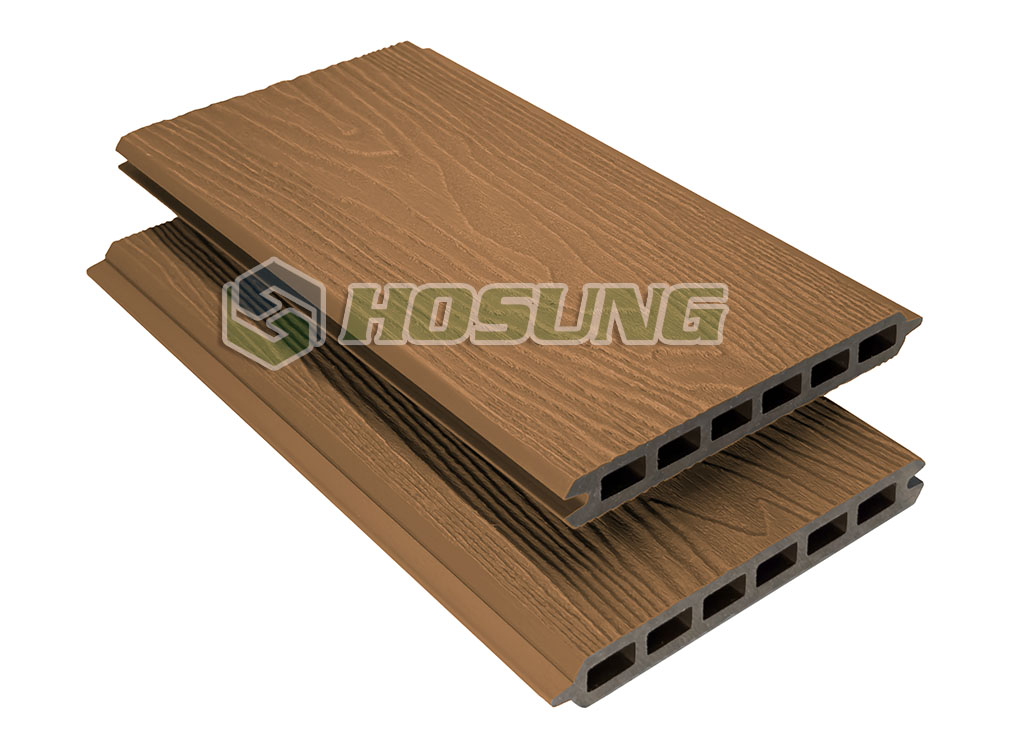
Composite outdoor flooring has become one of the most widely used options in Canada. Engineered from wood fibers and polymer materials, composite boards are designed to resist moisture, insects, and temperature-related deformation.
Key benefits include:
High resistance to rot, cracking, and splintering
Consistent appearance with minimal fading
Low maintenance requirements
Good performance in freeze-thaw environments
Composite outdoor flooring is commonly used for residential decks, rooftop terraces, walkways, and commercial outdoor spaces.
PVC and Polymer-Based Outdoor Flooring
PVC outdoor flooring is gaining popularity in urban Canadian projects due to its excellent moisture resistance and dimensional stability.
Advantages include:
Zero water absorption
Excellent performance in snowy and wet conditions
Lightweight structure for balconies and rooftops
Mold and mildew resistance
This category is especially suitable for high-rise balconies, waterfront properties, and areas with heavy rainfall or snow accumulation.
Natural Wood Outdoor Flooring
Despite higher maintenance needs, natural wood remains popular in parts of Canada for its authentic appearance and warmth.
Common wood choices include:
Pressure-treated lumber
Cedar and redwood
Tropical hardwoods (in limited applications)
Wood outdoor flooring requires regular sealing, staining, and inspection to manage moisture absorption and seasonal movement. It is often preferred for cottages, rustic designs, and traditional landscapes.
Stone and Porcelain Outdoor Tiles
Stone and porcelain outdoor flooring solutions are increasingly used for patios, pool decks, and modern architectural designs.
Key features:
High compressive strength
Excellent frost resistance (when properly rated)
Long service life
Premium visual appeal
Porcelain pavers, in particular, offer consistent thickness, low water absorption, and reliable slip resistance, making them suitable for Canadian climates when installed with proper drainage systems.
Rubber and Interlocking Outdoor Tiles
For functional outdoor areas such as playgrounds, rooftop gyms, and commercial terraces, rubber and interlocking tile systems offer safety and flexibility.
Benefits include:
Shock absorption
Quick installation and replacement
Strong traction in wet or icy conditions
Modular repair options
These systems are often used where performance and safety outweigh decorative priorities.
Installation Considerations for Outdoor Flooring Canada Projects
Proper installation is just as important as material selection. Canadian climate conditions demand attention to structural preparation and drainage.
Substructure and Framing
Outdoor flooring systems must be installed over stable, level substructures. In cold regions, frost heave can compromise poorly prepared bases. Pressure-treated or galvanized framing materials are commonly used to extend service life.
Expansion Gaps
Thermal movement is inevitable. Adequate spacing between boards or tiles prevents buckling and surface stress during temperature changes.
Drainage Design
Standing water is one of the biggest threats to outdoor flooring in Canada. Sloped installations, permeable systems, and drainage gaps help prevent moisture accumulation.
Fastening Systems
Hidden fasteners and corrosion-resistant screws improve aesthetics and reduce surface damage. Stainless steel or coated fasteners are preferred for long-term durability.
Maintenance Expectations in Canadian Conditions
Maintenance levels vary significantly depending on material choice. Understanding long-term upkeep is critical when selecting outdoor flooring in Canada.
Low-Maintenance Solutions
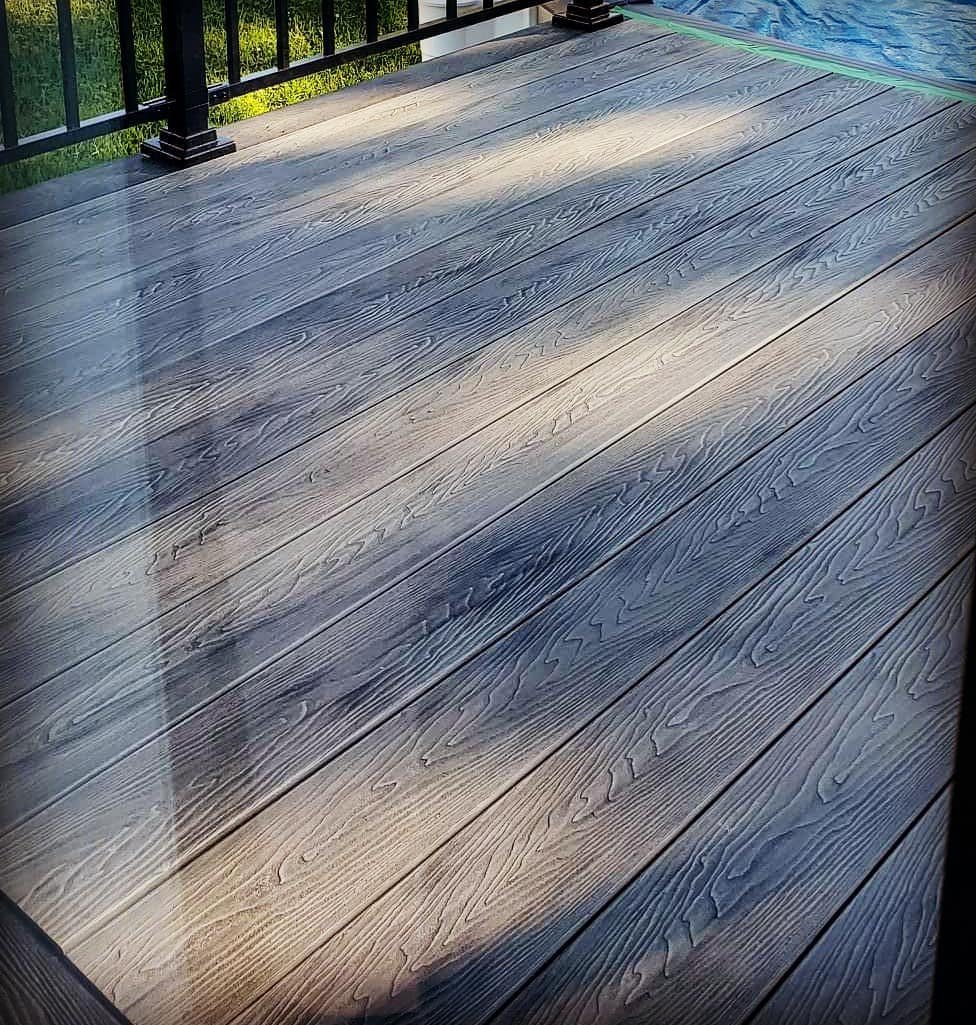
Composite, PVC, and porcelain flooring generally require only periodic cleaning with water and mild detergent. These options appeal to homeowners seeking convenience and predictable performance.
Moderate to High Maintenance Options
Wood outdoor flooring requires:
Annual sealing or staining
Snow removal with non-metal tools
Regular inspections for moisture damage
Stone flooring may require resealing and joint maintenance depending on installation method.
Cost Factors for Outdoor Flooring Canada
Budget planning for outdoor flooring should account for both upfront and lifecycle costs.
Initial Material Costs
Prices vary based on:
Material type
Thickness and density
Surface texture and color treatment
Composite and porcelain flooring often cost more initially but offer lower maintenance expenses.
Installation Costs
Professional installation costs depend on:
Site preparation complexity
Substructure requirements
Accessibility of the space
Rooftop and balcony installations typically cost more due to structural and safety considerations.
Long-Term Value
Durable outdoor flooring solutions reduce repair frequency and enhance property value. Many Canadian homeowners prioritize long-term performance over initial savings.
Regional Preferences Across Canada
Outdoor flooring trends vary by region due to climate, architecture, and lifestyle.
Ontario and Quebec
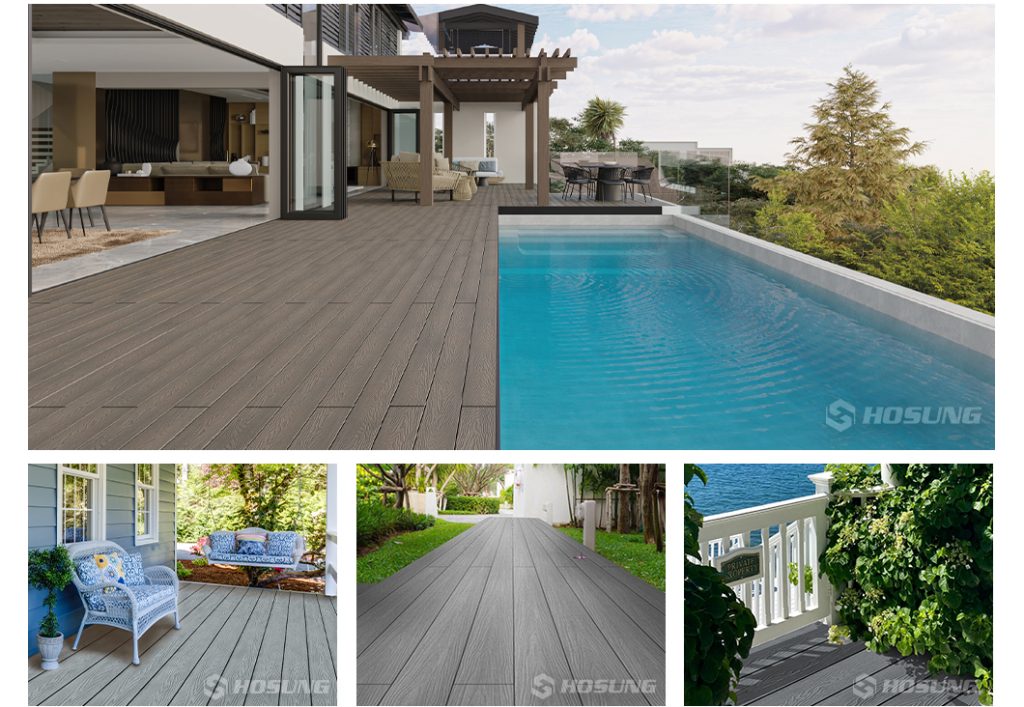
Composite decking and porcelain pavers dominate residential projects due to their balance of durability and aesthetics.
British Columbia
Moisture-resistant PVC and composite flooring are favored due to higher rainfall levels.
Prairie Provinces
Materials with strong freeze-thaw resistance and minimal water absorption perform best in extreme temperature swings.
Atlantic Canada
Salt air and humidity make corrosion-resistant and non-porous flooring systems essential.
Sustainability and Eco-Friendly Outdoor Flooring in Canada
Environmental considerations increasingly influence purchasing decisions. Sustainable outdoor flooring options are in high demand.
Key sustainability features include:
Recycled content in composite boards
Long service life reducing material waste
Low VOC emissions
Reduced chemical treatment requirements
Many Canadian projects prioritize materials that align with green building standards and responsible sourcing.
Design Trends in Outdoor Flooring Canada
Modern outdoor spaces in Canada are evolving into functional extensions of indoor living areas.
Current trends include:
Wide-plank outdoor flooring for contemporary aesthetics
Neutral and natural color palettes
Seamless transitions between indoor and outdoor spaces
Integrated lighting and concealed fasteners
Outdoor flooring is no longer treated as a secondary surface—it is a core design element.
Commercial Applications of Outdoor Flooring Canada
Beyond residential use, outdoor flooring plays a vital role in:
Hospitality venues: Hotels, resorts, and restaurants rely on durable outdoor flooring to create inviting patios, poolside areas, and rooftop terraces. Flooring must withstand heavy foot traffic, seasonal temperature fluctuations, and moisture while maintaining visual appeal.
Retail terraces: Storefront entrances, pedestrian walkways, and outdoor seating areas require safe, slip-resistant flooring that enhances customer experience and complements branding aesthetics. High durability ensures long-term performance with minimal repairs.
Public walkways and recreational spaces: City squares, parks, and trails demand materials that resist wear, moisture, and UV exposure, providing safe, consistent surfaces for pedestrians throughout the year. Materials must handle frost, ice, and rain without damage.
Educational institutions and healthcare facilities: Outdoor flooring is increasingly used to create accessible, functional, and visually appealing spaces for students, staff, and patients. Durability, safety, and ease of cleaning are critical.
Material and system considerations: Commercial-grade flooring prioritizes load-bearing capacity, uniform appearance, and ease of replacement. Modular systems like interlocking tiles or composite boards allow quick repair. Common materials include engineered composites, porcelain pavers, and polymers designed for extreme Canadian climates.
Sustainability: Many commercial projects now adopt eco-friendly flooring options with recycled content and reduced environmental impact. Combining safety, durability, and aesthetics, these solutions enhance usability and visual cohesion across various public and business environments.
Commercial-grade outdoor flooring systems prioritize load-bearing capacity, uniform appearance, and ease of replacement.
Choosing the Right Outdoor Flooring Canada Solution
Selecting outdoor flooring in Canada requires careful consideration of multiple factors to ensure long-term value. Key points include:
Aesthetics and visual appeal: Outdoor flooring should enhance the look of decks, patios, terraces, or public spaces while blending seamlessly with surrounding architecture and landscaping.
Climate adaptability: Materials must withstand freeze-thaw cycles, heavy snowfall, fluctuating temperatures, and UV exposure without warping, cracking, or fading.
Structural stability: Elevated decks, rooftop terraces, and commercial walkways need strong substructures and high-quality materials to prevent long-term damage and maintain safety.
Safety performance: Flooring should provide excellent traction even when wet or icy, reducing slip risks in high-traffic areas. Textured or slip-resistant surfaces are essential.
Predictable aging and low maintenance: Durable materials that retain color, texture, and integrity over time minimize maintenance efforts and costs while maintaining visual consistency.
Long-term value: Well-chosen flooring reduces repair frequency, enhances property value, and ensures spaces remain functional and attractive year-round.
Customization for specific needs: Outdoor flooring Canada solutions can be tailored for residential patios, commercial terraces, public walkways, or high-traffic areas. Combining durability, safety, aesthetics, and performance creates outdoor spaces that are both stylish and functional across all seasons.
Final Thoughts on Outdoor Flooring Canada
Outdoor flooring in Canada is more than a surface—it is a foundational component of outdoor living and architectural design. With the right materials, installation practices, and maintenance approach, outdoor spaces can remain attractive and functional through every season.
As outdoor lifestyles continue to evolve, demand for reliable, weather-resistant, and visually appealing outdoor flooring solutions in Canada will only grow. Making informed decisions today ensures comfort, safety, and value for years to come.
If you are looking for composite decking manufacturer, welcome to contact Hosung WPC.