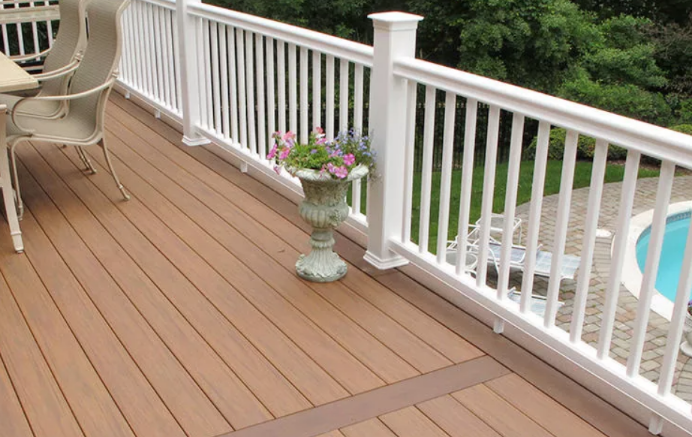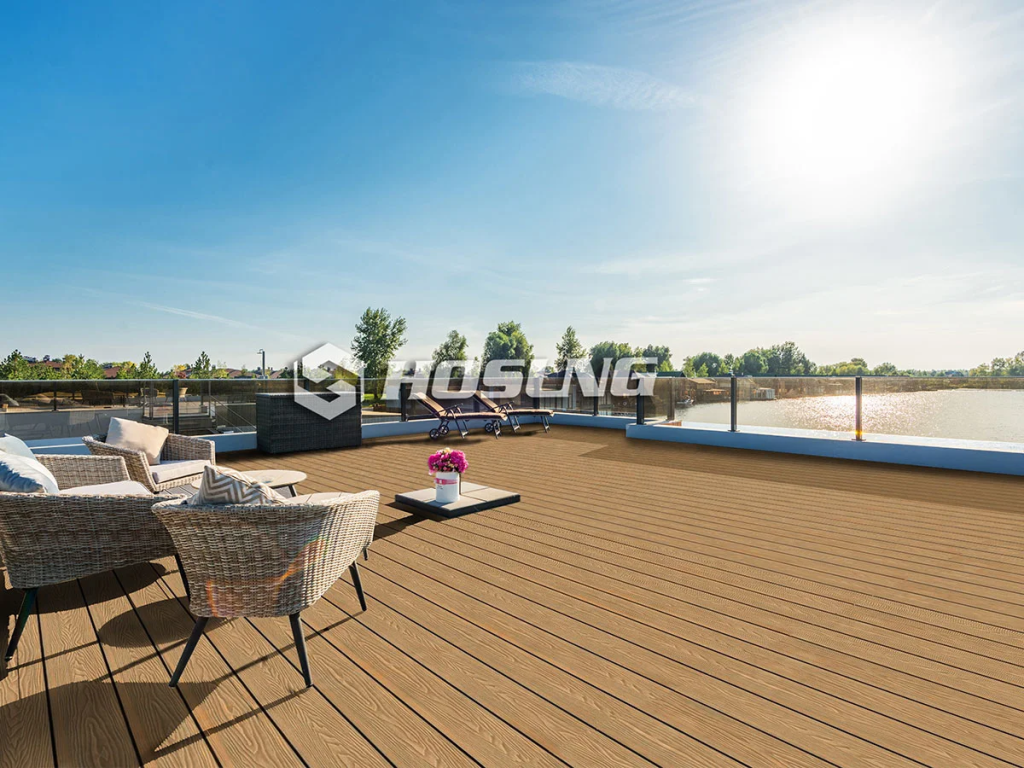
When it comes to building a durable, low-maintenance, and visually appealing outdoor living space, Trex composite decking Canada has become one of the most searched and discussed solutions among homeowners, contractors, and landscape designers. As Canadian homeowners continue to invest in outdoor upgrades—from backyard patios to lakefront cottages—the demand for long-lasting decking materials that can withstand harsh winters, moisture, and temperature fluctuations has grown significantly. In this comprehensive guide, we’ll explore everything you need to know about Trex composite decking Canada, including its benefits, product collections, performance in Canadian climates, pricing considerations, installation insights, maintenance expectations, and how it compares to traditional wood decking. If you are researching Trex decking Canada, this article will help you make an informed decision.
Table of Contents
Why Trex Composite Decking Is Popular in Canada
Canada’s climate presents unique challenges. In many provinces, decks must endure:
Heavy snowfall
Freeze–thaw cycles
Intense UV exposure in summer
High humidity and rain
Mold and mildew risks
Traditional pressure-treated wood decks often suffer from cracking, splintering, warping, and rotting under these conditions. This is where Trex composite decking Canada stands out.
Trex decking is engineered from a blend of recycled wood fibers and plastic film, creating a capped composite board designed to resist moisture, stains, and fading. Unlike traditional lumber, it does not require annual staining, sealing, or sanding.
For Canadian homeowners seeking long-term performance with minimal upkeep, Trex has become a leading option.
Understanding Trex as a Brand
Trex Company, Inc. is widely recognized as a pioneer in composite decking manufacturing. Founded in 1996, Trex has become one of the largest manufacturers of wood-alternative decking materials in North America.
Trex products are known for:
High recycled content
Capped composite technology
Long-term warranty coverage
Wide range of color options
Sustainable manufacturing practices
When searching for Trex decking Canada, buyers are often looking for both product performance and environmental responsibility. Trex promotes its decking boards as eco-friendly, using recycled plastic bags and reclaimed wood waste.
How Trex Composite Decking Performs in Canadian Weather
1. Freeze–Thaw Resistance
In provinces like Ontario, Quebec, Alberta, and Manitoba, freeze–thaw cycles can destroy traditional wood decks. Water penetrates wood fibers, freezes, expands, and causes cracking.
Trex composite decking features a protective outer shell that minimizes water absorption. This reduces the risk of cracking or structural damage during winter months.
2. Snow and Ice Durability
Canadian winters mean snow accumulation and ice removal. Trex boards are engineered to handle snow loads, but proper substructure spacing is critical.
Important note: Metal shovels should be avoided to prevent scratching. Plastic snow shovels are recommended.
3. UV Stability
In summer, UV exposure can cause wood decks to fade or turn gray. Trex decking Canada products include UV-resistant caps that help maintain color consistency for years.
4. Moisture & Mold Resistance
Lakefront cottages and coastal regions face higher humidity levels. Trex’s capped composite surface resists mold growth better than untreated lumber, making it suitable for waterfront properties.
Trex Decking Collections Available in Canada
Trex offers multiple product lines, each catering to different budgets and aesthetic preferences.
Trex Enhance®
This entry-level collection provides affordability while maintaining durability. It is ideal for homeowners upgrading from pressure-treated lumber but wanting a composite option without premium pricing.
Features:
Solid color options
Scalloped boards for reduced weight
Competitive pricing
Trex Select®
A mid-range option offering better color depth and scratch resistance than entry-level lines.
Features:
Enhanced durability
Simple color palette
25-year limited warranty
Trex Transcend®
The premium collection designed for maximum performance and luxury appearance.
Features:
Rich, multi-tonal colors
Deep wood grain patterns
Highest fade and stain resistance
Long-term structural and performance warranty
When researching Trex composite decking Canada, most homeowners compare these three collections based on budget and aesthetic goals.
Cost of Trex Composite Decking in Canada
Pricing varies by region, supplier, and collection. However, average material costs in Canada typically fall within the following ranges:
Entry-level composite: CAD $6–$9 per linear foot
Mid-range composite: CAD $8–$12 per linear foot
Premium composite: CAD $11–$16+ per linear foot
Keep in mind:
Framing costs are separate
Labor costs vary significantly by province
Permits may be required depending on municipality
While upfront costs of Trex decking Canada are higher than pressure-treated wood, long-term savings often offset initial investment because:
No staining or sealing costs
Minimal repair expenses
Longer lifespan
Over 15–25 years, composite decking may prove more economical than wood.
Installation Considerations for Trex Decking Canada
Proper Substructure Is Essential
Even the best decking boards will fail if installed incorrectly. Canadian climates require:
Pressure-treated wood or metal framing
Proper joist spacing (typically 16 inches on center)
Adequate ventilation beneath deck
Thermal Expansion
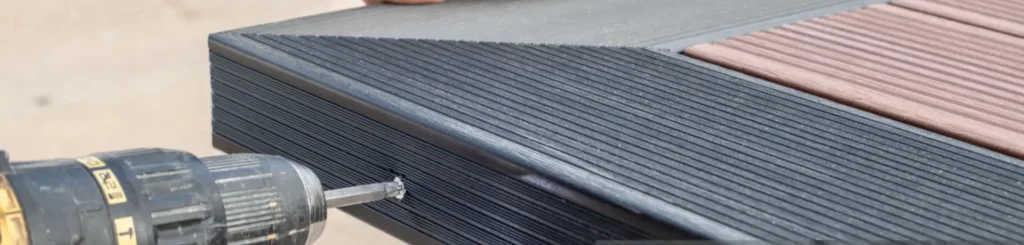
Composite boards expand and contract with temperature changes. Installers must:
Leave recommended gapping
Follow manufacturer spacing guidelines
Use approved fasteners
Ignoring expansion rules may result in buckling during summer.
Professional vs DIY Installation
Trex boards are DIY-friendly, but Canadian climate complexities often make professional installation a safer option—especially in snow-heavy regions.
Maintenance Requirements
One major reason homeowners choose Trex composite decking Canada is reduced maintenance.
Compared to wood decks, Trex requires:
Occasional soap-and-water cleaning
Removal of debris from gaps
No staining or sealing
For Canadian winters:
Remove snow using plastic shovel
Avoid harsh ice-melting chemicals
Use calcium chloride sparingly
Routine maintenance is significantly less demanding than maintaining cedar or pressure-treated wood.
Environmental Benefits
Sustainability plays an important role in modern building materials.
Trex decking contains up to 95% recycled content, including:
Reclaimed wood fibers
Recycled plastic film
This reduces landfill waste and decreases reliance on virgin timber harvesting.
For eco-conscious Canadian homeowners, Trex decking Canada aligns with green building values.
Comparing Trex Composite Decking to Wood in Canada
| Feature | Trex Composite | Pressure-Treated Wood |
|---|---|---|
| Lifespan | 25+ years | 10–15 years |
| Maintenance | Low | High |
| Splintering | No | Yes |
| Rot Resistance | High | Moderate |
| Upfront Cost | Higher | Lower |
| Long-Term Cost | Lower | Higher |
While wood may appear cheaper initially, ongoing maintenance expenses and replacement costs often shift the value equation in favor of composite decking.
Common Questions About Trex Decking Canada
Does Trex Get Hot in Canadian Summers?
Like all composite materials, Trex can become warm in direct sunlight. Lighter colors generally remain cooler than darker tones.
Is Trex Slippery in Winter?
Trex boards provide good traction but may become slippery with ice. Snow removal and proper surface maintenance are important.
Can Trex Be Installed Over Concrete?
Yes, but sleeper systems must be used to ensure ventilation and structural integrity.
Is Trex Suitable for Cottage Properties?
Absolutely. Many Canadian cottage owners prefer Trex due to reduced seasonal maintenance and resistance to moisture.
Regional Demand for Trex Composite Decking Canada
Ontario
Urban backyard renovations drive strong demand, especially in Toronto and surrounding areas.
British Columbia
Moist coastal conditions make rot resistance particularly important.
Alberta
Freeze–thaw durability is a major selling point.
Quebec
Modern outdoor living designs increasingly incorporate composite materials.
Across Canada, the market for composite decking continues to expand as homeowners prioritize durability and low maintenance.
Long-Term Value of Trex Composite Decking Canada
When evaluating decking materials, homeowners should consider:
Total lifecycle cost
Maintenance time
Replacement frequency
Property resale value
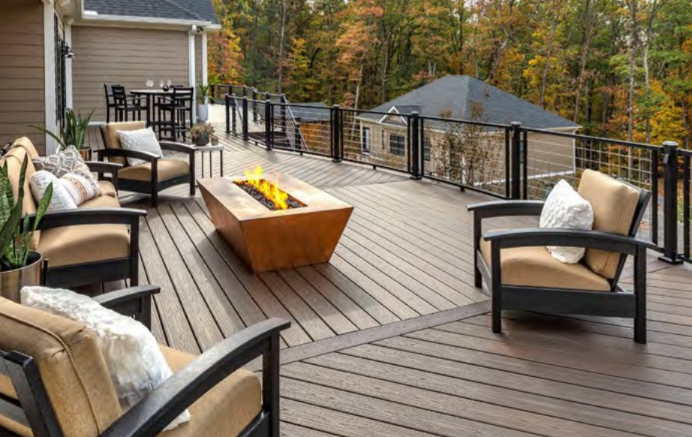
Composite decking can enhance curb appeal and increase perceived home value, particularly in competitive housing markets.
Buyers increasingly recognize composite decks as premium upgrades.
Potential Drawbacks to Consider
No material is perfect. Before choosing Trex composite decking Canada, consider:
Higher initial investment
Potential heat retention in full sun
Need for proper installation expertise
Limited structural flexibility compared to wood
However, these drawbacks are generally outweighed by performance advantages in harsh Canadian climates.
Tips for Choosing the Right Trex Decking in Canada
Assess your climate zone
Compare collections based on budget
Choose color based on sun exposure
Confirm warranty details
Hire experienced installers
Verify local building code compliance
Doing thorough research ensures your decking project performs well for decades.
The Future of Composite Decking in Canada
As environmental awareness grows and homeowners prioritize long-term durability, composite decking adoption is expected to continue increasing across Canada.
Technological advancements may further improve:
Heat resistance
Scratch resistance
Color realism
Structural strength
The Canadian decking market is evolving toward sustainable, low-maintenance materials—and Trex remains a leading contender in this transition.
Final Thoughts
Trex composite decking Canada represents a long-term investment in durability, aesthetics, and low-maintenance outdoor living. For homeowners tired of sanding, staining, and replacing traditional wood decks, Trex offers a modern alternative designed to handle Canadian weather extremes.
From snowy winters to humid summers, Trex decking Canada products are engineered to deliver reliable performance while maintaining visual appeal.
If you’re planning a new deck or upgrading an existing structure, carefully evaluate your budget, climate, and design preferences. With proper installation and maintenance, Trex composite decking can provide decades of enjoyment and strong return on investment.
For Canadian homeowners seeking a balance between beauty, sustainability, and resilience, Trex composite decking continues to be one of the most trusted options on the market.