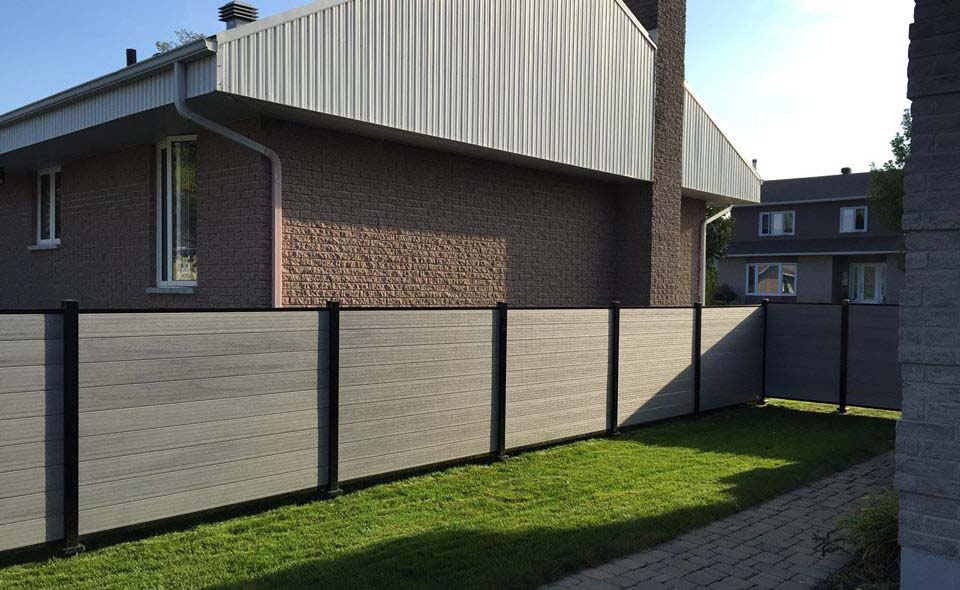
When it comes to upgrading your garden, yard, or outdoor space in the UK, choosing the right fencing is crucial. Fencing not only defines your property boundaries but also enhances security, privacy, and overall aesthetics. Among the many options available today, composite fencing has emerged as a leading choice for homeowners looking for a combination of durability, low maintenance, and stylish appeal. In this comprehensive guide, we will explore everything you need to know about the best composite fencing UK has to offer, including materials, benefits, installation, maintenance, and how to select the perfect style for your property.
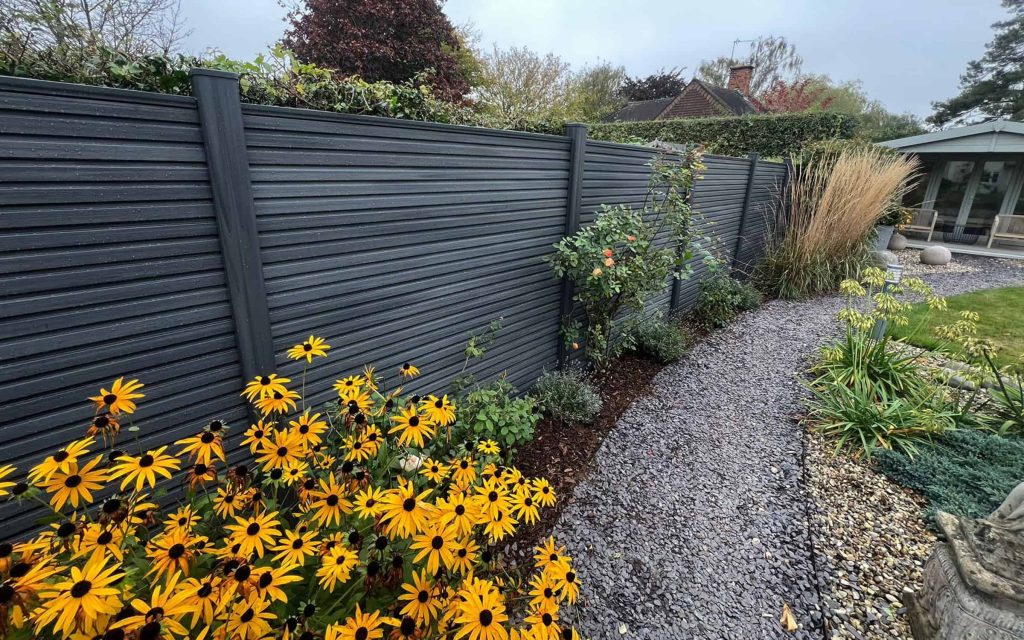
Table of Contents
What Is Composite Fencing?
Composite fencing is a type of fencing made from a blend of wood fibers and recycled plastic. This innovative combination results in a product that offers the look and feel of traditional timber fencing but with significantly enhanced performance and durability. Unlike standard wooden fences that can warp, rot, or require frequent painting, composite fencing is resistant to many environmental factors, making it a long-term investment for any UK garden.
The primary components of composite fencing include:
Wood fibers or sawdust: These provide the natural appearance and texture.
Recycled plastic: This component ensures moisture resistance, strength, and reduced maintenance.
Binders and stabilizers: These enhance durability and protect the fence from UV damage and weathering.
By using recycled materials, composite fencing also aligns with sustainable building practices, which is increasingly important for environmentally conscious homeowners in the UK.
Why Choose Composite Fencing in the UK?
The climate in the UK can be unpredictable, ranging from heavy rain in autumn to intense sunlight in summer. Traditional timber fencing often struggles to withstand these conditions over time. Here’s why composite fencing is becoming the top choice for UK homeowners:
Durability: Composite fencing can last 25–30 years or more without significant deterioration, far surpassing traditional timber fencing.
Low Maintenance: Unlike wood, it does not require annual staining, painting, or sealing. A simple wash with water and mild detergent is usually sufficient.
Weather Resistant: Composite panels resist rot, decay, and insect infestation, making them ideal for damp or coastal areas.
Aesthetic Appeal: Available in a wide variety of colors, textures, and finishes, composite fencing can mimic natural timber while offering modern design options.
Environmentally Friendly: Many composite fences are made from recycled materials, reducing the environmental footprint compared to new timber.
Security and Privacy: Composite panels can be manufactured in solid, tall designs that enhance both security and privacy, essential for urban and suburban UK properties.
These advantages make composite fencing not only a practical choice but also a stylish one, ideal for homeowners seeking both form and function.
Types of Composite Fencing
Understanding the different types of composite fencing is crucial to selecting the best option for your property. In the UK, the most common types include:
1. Solid Composite Fencing Panels
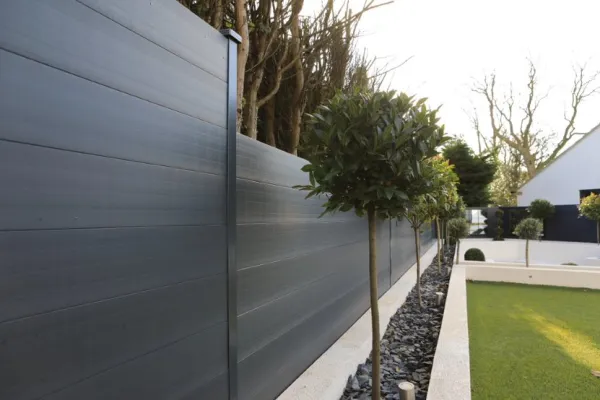
Solid composite panels are designed to offer maximum privacy and security. These panels are often constructed from interlocking boards that create a smooth, uninterrupted surface. Solid fencing is ideal for urban gardens where noise reduction and privacy are top priorities. Beyond simply creating a private space, solid composite panels can act as a barrier against strong winds, making them suitable for exposed locations, such as coastal or high-altitude areas in the UK. Additionally, the dense construction of these panels provides excellent sound insulation, which can significantly reduce traffic noise from nearby roads or busy streets.
Pros:
Maximum privacy, blocking sightlines completely from neighbors or passersby
Excellent noise reduction, making your garden a peaceful retreat
Strong and secure, withstanding adverse weather conditions and physical impact
Cons:
Slightly more expensive than other panel types due to the amount of material used
Can be heavier to install, often requiring stronger posts and professional assistance
Solid composite panels are especially recommended for homeowners with children or pets, as they prevent small animals from escaping and reduce potential hazards associated with gaps in the fence.
2. Slatted Composite Fencing Panels
Slatted panels have gaps between boards, allowing air and light to pass through while still offering partial privacy. This design is often chosen for its modern aesthetic and ability to prevent a garden from feeling enclosed. Slatted fencing works exceptionally well in gardens where airflow is important, such as areas with delicate plants that require good ventilation or spaces prone to dampness. The small gaps between slats can also create beautiful light patterns throughout the day, adding a dynamic visual element to your outdoor area.
Pros:
Contemporary and stylish look, suitable for modern and minimalist garden designs
Allows ventilation and natural light to reach plants or seating areas
Can create interesting shadow patterns, enhancing visual appeal
Cons:
Less privacy than solid panels, so may not be ideal for very urban or closely packed properties
Slightly reduced noise reduction, as sound can pass through the gaps
Slatted composite fencing is often preferred by homeowners who want a balance between privacy and openness. It can also be combined with climbing plants or trellises to create a greener, more natural screen over time.
3. Horizontal Composite Fencing
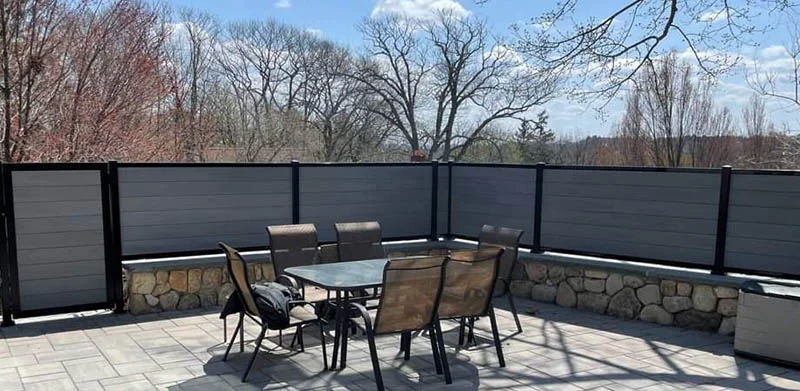
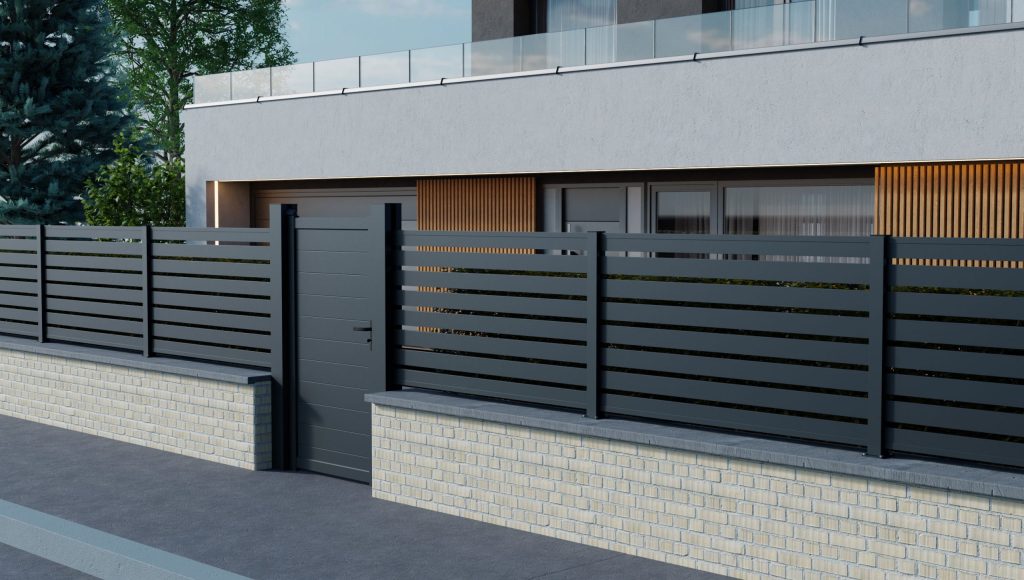
Horizontal fencing panels feature boards arranged horizontally rather than vertically. This design is trendy in modern UK landscapes and adds a sense of width and spaciousness to your garden. Horizontal panels can make smaller gardens appear larger, as the eye naturally follows the horizontal lines. They are also highly customizable, allowing homeowners to vary the spacing between boards or mix horizontal slats with solid panels for a unique appearance. Horizontal fencing works well alongside contemporary patios, decking, or minimalist landscaping designs, giving the outdoor space a cohesive and sophisticated feel.
Pros:
Modern and sleek design that complements contemporary architecture
Visually expands garden space, making areas appear wider and more open
Can be combined with slats or solid panels to achieve varied levels of privacy
Cons:
Installation requires precision, as uneven alignment can be very noticeable
Slightly higher cost due to wider or custom-cut panels
Horizontal composite panels are particularly suitable for homeowners looking to create a stylish, gallery-like backdrop for gardens, planters, or outdoor seating areas.
4. Decorative Composite Panels
Some composite fencing options include decorative cut-outs, patterns, or lattice designs. These panels are perfect for creating an accent feature in your garden while maintaining some privacy. Decorative panels are often used in combination with other panel types, such as solid or horizontal fencing, to break the monotony and add a touch of elegance. They can feature intricate geometric patterns, classic lattice designs, or contemporary artistic cutouts that allow light to pass through and create interesting visual effects on the ground or walls behind them.
Pros:
Unique and stylish, serving as both a functional fence and decorative garden feature
Customizable, with options to choose patterns, colors, or panel heights
Enhances property curb appeal and adds value to your home
Cons:
Less privacy depending on the design, especially if cut-outs are large
Typically higher price point due to intricate manufacturing and design details
Decorative composite panels are ideal for homeowners who want to make a statement with their fencing, highlighting garden features such as seating areas, pathways, or water features while still maintaining a level of security.
Benefits of Composite Fencing Over Traditional Timber
While timber fencing has been a staple for decades, composite fencing offers a range of advantages that make it a smarter long-term investment:
Longevity: Timber fences usually last 10–15 years with proper care, whereas composite fences can easily last double that time without extensive maintenance.
Resistance to Elements: Composite panels resist rot, warping, splitting, and fading, which are common issues with wooden fences in the damp and variable UK climate.
Consistent Appearance: Unlike timber, composite fencing maintains its appearance year after year without warping, cracking, or the need for staining.
Safety: Composite fences are splinter-free, making them ideal for homes with children or pets.
Eco-Friendly: Many composite fencing products are made from recycled wood and plastic, reducing waste and the need for new timber.
These benefits clearly show why homeowners looking for the best composite fencing UK has available are increasingly moving away from traditional timber options.
How to Choose the Best Composite Fencing UK
Selecting the right composite fencing involves considering several key factors. Here are some tips to help you make the best choice:
1. Determine Your Budget
Composite fencing is generally more expensive upfront than timber fencing. However, the long-term savings on maintenance and replacement make it cost-effective over time. Set a budget that includes panels, posts, installation, and any additional accessories.
2. Consider Garden Size and Layout
The size and layout of your garden will influence the type of composite fencing you choose. Large gardens may benefit from solid panels for privacy, while smaller spaces may suit horizontal or slatted designs that create a sense of openness.
3. Select the Right Style and Color
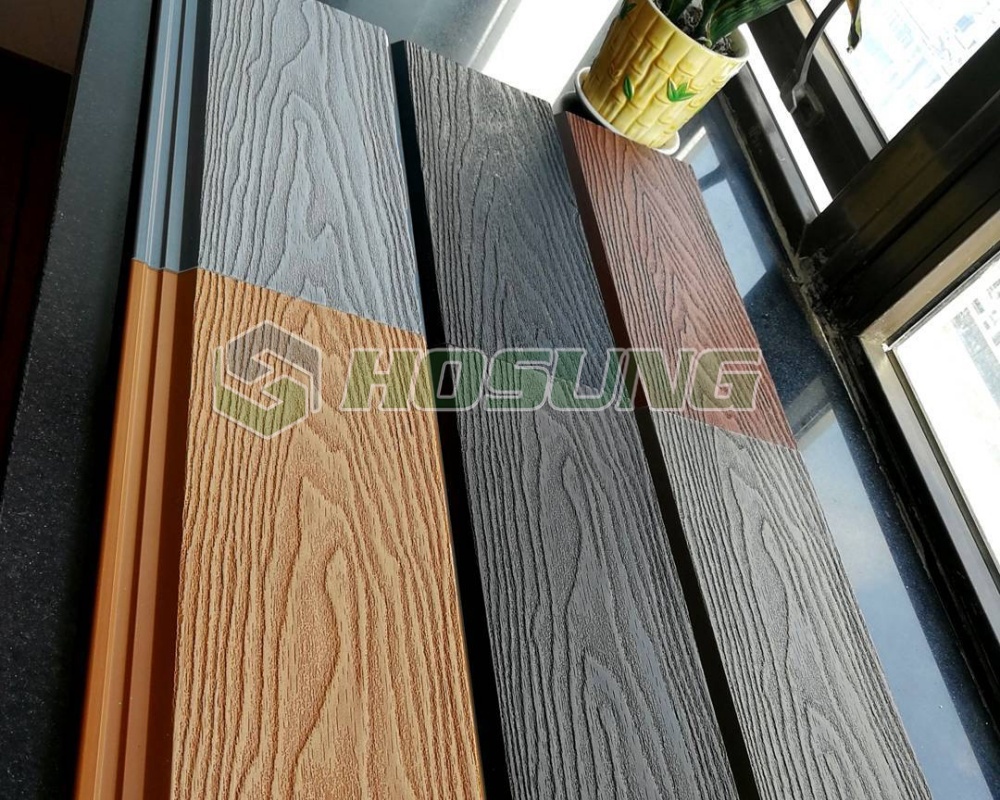
Composite fencing comes in a wide range of finishes, including wood-effect textures, smooth surfaces, and a variety of colors such as grey, brown, black, and natural timber shades. Consider your home’s exterior and landscaping to choose a style that complements the property.
4. Check the Quality of Materials
High-quality composite fencing will include a significant proportion of wood fibers, recycled plastic, and UV stabilizers. Look for panels with warranties of 20–30 years, which indicate confidence in the product’s durability.
5. Installation Considerations
Composite fencing is generally heavier than timber, so ensure that your fencing posts are properly secured and that professional installation is considered for larger projects. Some panels are designed for DIY installation, while others may require skilled labor.
Installation Tips for Composite Fencing
Proper installation is key to getting the most out of your composite fencing. Here are some important tips for homeowners in the UK:
Prepare the Site: Ensure the ground is level and remove any existing fencing, roots, or debris.
Use Strong Posts: Concrete posts or treated wooden posts are recommended to support the weight of composite panels.
Allow for Expansion: Composite materials can expand and contract slightly with temperature changes. Leave small gaps between panels and posts.
Follow Manufacturer Instructions: Different brands may have specific installation requirements for fasteners, spacers, and finishing trims.
Consider Professional Installation: While DIY installation is possible, professional installers ensure panels are straight, secure, and long-lasting.
Maintaining Your Composite Fence
One of the main selling points of composite fencing is its low maintenance. However, to keep your fence looking its best, some care is recommended:
Regular Cleaning: Wash panels with water and a mild detergent to remove dirt, algae, or moss.
Avoid Harsh Chemicals: Do not use bleach or abrasive cleaners that may damage the surface.
Trim Nearby Vegetation: Prevent climbing plants from putting pressure on the panels or causing stains.
Inspect for Damage: Occasionally check for loose screws or minor cracks, though major repairs are rarely needed.
Proper care can keep your composite fence looking new for decades, providing an excellent return on investment.
Cost of Composite Fencing in the UK
The cost of composite fencing in the UK can vary significantly based on several factors, including the quality of materials, panel size, installation requirements, and any additional accessories or customization options. Understanding these costs is essential for homeowners to budget effectively while ensuring they invest in the best composite fencing UK has to offer.
1. DIY Panels
For those who prefer a hands-on approach, purchasing composite panels for DIY installation is an option. On average, the cost of DIY panels ranges from £50 to £100 per panel, typically measuring 1.8–2 meters in height and 1.8–2.4 meters in width. These panels are designed for relatively straightforward installation and can be fitted to standard wooden or concrete posts.
While DIY panels reduce labor costs, homeowners should also consider additional materials such as post concrete, screws, and brackets, which can add another £10–£20 per panel. Choosing high-quality panels from reputable UK suppliers ensures longevity and reduces the risk of damage or warping, which can save costs in the long term.
2. Professional Installation
For larger gardens, complex layouts, or heavier panels, professional installation is highly recommended. Hiring a fencing contractor typically costs £70–£150 per panel, which usually includes the panel itself, posts, installation labor, and basic fittings. Professional installation ensures that posts are securely anchored, panels are level and aligned, and the fence meets local safety and building standards.
Investing in professional installation may have a higher upfront cost, but it often prevents future expenses related to panel misalignment, warping, or premature failure. In addition, many contractors offer warranties on both the installation and the materials, providing additional peace of mind for UK homeowners seeking the best composite fencing.
3. Accessories and Add-Ons
Accessories such as post caps, rails, trims, and decorative elements can add £5–£20 per piece to the overall cost. While these may seem minor, they enhance the fence’s appearance, protect posts from weather damage, and increase the lifespan of your installation. Decorative trims, in particular, can elevate the look of your garden, complementing patios, decking, or landscaping features.
Some homeowners also invest in integrated lighting, trellis panels, or custom colors, which can slightly increase the total project cost but add significant value and aesthetic appeal.
4. Long-Term Cost Considerations
Although composite fencing may have a higher initial investment compared to traditional timber fencing, the long-term savings are substantial. Composite panels require minimal maintenance — no annual staining, painting, or sealing — and are highly resistant to rot, warping, and insect damage. Over a 20–30 year lifespan, the reduced need for repairs, replacement panels, and upkeep can make composite fencing a financially sensible choice for UK homeowners seeking durability and style.
When comparing costs, it’s also important to consider indirect savings. For example, high-quality composite fencing can improve property aesthetics, increase home value, and reduce insurance premiums in some areas due to enhanced security.
Final Thoughts
Choosing the best composite fencing UK from Hosung WPC, has to offer is a smart decision for any homeowner seeking durability, style, and low maintenance. With its blend of wood fibers and recycled plastics, composite fencing provides long-lasting performance, aesthetic versatility, and environmental benefits. Whether you prefer solid panels for privacy, slatted designs for a modern look, or decorative accents for added appeal, composite fencing offers options that suit every garden and budget.
Investing in composite fencing not only enhances the appearance and security of your property but also ensures that you spend less time on maintenance and more time enjoying your outdoor space. With proper installation and minimal care, your composite fence can remain a stylish and functional part of your home for decades, making it a truly worthwhile investment.