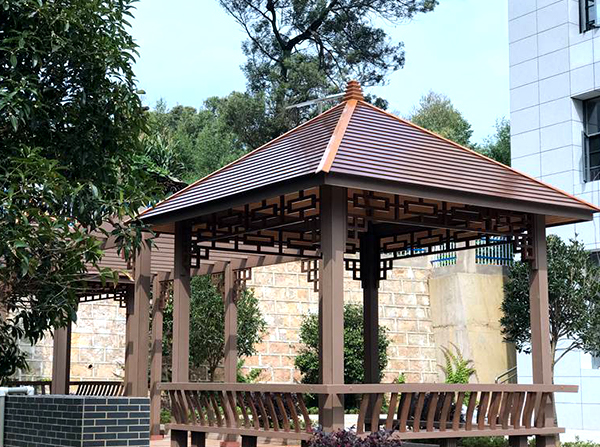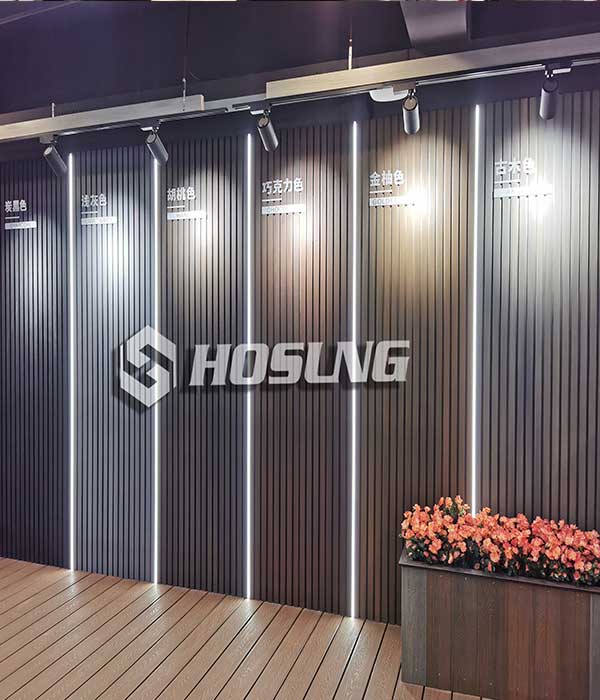
In recent years, outdoor living has evolved from simple patios and lawns to fully furnished, high‑performance spaces where homeowners entertain guests, relax with family, and create lasting memories. At the heart of this transformation lies the deck — an extension of your home that blends aesthetics, comfort, and durability. If you’re searching for composite decking companies online, you’re likely exploring better alternatives to traditional wood decks. This comprehensive guide breaks down everything you need to know about composite decking companies — from product features and benefits to how to choose the right supplier for your project. We’ll also highlight what sets leading manufacturers apart, including Hosung WPC, a professional wood‑plastic composite producer from China. Whether you’re a contractor, architect, homeowner, or business owner, this article will help you make an informed decision and understand key industry insights.
Table of Contents
What Are Composite Decking Companies?
Composite decking companies are businesses that design, manufacture, market, and supply composite decking products. Unlike traditional lumber, composite decking boards are engineered from a blend of wood fibers and plastic polymers — typically recycled materials — to create a decking solution that mimics the beauty of wood without its weaknesses.
Composite decking companies can include:
Manufacturers
Wholesalers
Retailers and distributors
Installation service providers
Custom fabricators
Some companies focus on premium, high‑end boards with advanced technology, while others cater to budget‑conscious consumers with value‑driven solutions.
Why Composite Decking Is So Popular
Composite decking has surged in popularity due to its durability, low maintenance, and aesthetic appeal. Here’s why so many homeowners and builders prefer composite decking:
It resists rot, termites, and moisture better than wood.
It doesn’t require annual staining or sealing.
It comes in a wide range of colors and finishes.
It is environmentally friendlier and often made from recycled materials.
It offers better long‑term performance and cost savings.
As more people invest in their outdoor spaces, composite decking companies are expanding their offerings to meet diverse design and budget needs.
Key Features to Look for in Composite Decking
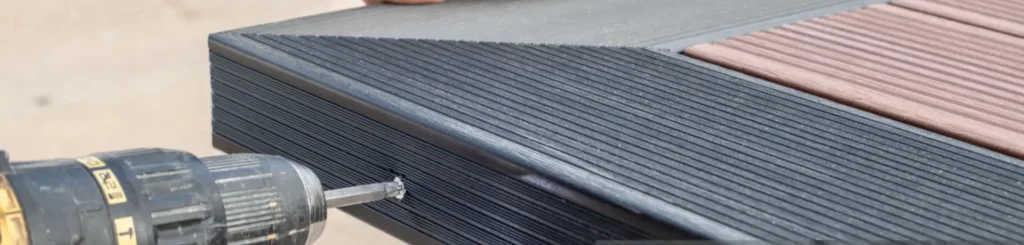
Not all composite decking products are created equal. When comparing composite decking companies, pay attention to the following key features:
3.1 Material Composition
The ratio of wood fiber to plastic affects strength and weather resistance.
3.2 Surface Finish
Options include wood grain, smooth, or textured finishes.
3.3 Color Stability
High‑quality brands use additives to minimize fading.
3.4 Slip Resistance
Important for wet climates and safety.
3.5 Warranty Coverage
Longer warranties typically reflect higher confidence in product quality.
Types of Composite Decking Materials
Composite decking comes in several formats, each designed to meet different needs in terms of durability, aesthetics, and environmental resistance. Understanding the differences can help you choose the best solution for your project when working with composite decking companies.
4.1 Wood‑Plastic Composite (WPC)
WPC is the most widely used composite decking material. It blends wood fibers and plastic polymers, usually sourced from recycled materials, to create a board that mimics natural wood. WPC decking is highly durable and resists common issues associated with wood, such as splintering, warping, and insect damage. It offers a realistic wood grain appearance and a solid feel underfoot, making it an ideal choice for homeowners who desire the warmth of wood without the high maintenance costs. Leading composite decking companies often offer WPC boards in multiple finishes, textures, and colors, allowing for versatile design applications in both residential and commercial settings.
4.2 Cap‑Stock Composite
Cap‑stock composite boards have a protective outer shell made of a high-performance polymer layer. This “cap” enhances resistance to stains, fading, scratches, and UV exposure. Cap‑stock decking is particularly useful in high-traffic areas or climates with intense sun exposure because it maintains its original color and texture longer than traditional WPC boards. Many composite decking companies provide a range of cap‑stock options, allowing builders and homeowners to select surfaces that match their specific design preferences while ensuring longevity.
4.3 PVC Decking
PVC decking is made entirely of plastic, with no wood fibers. It offers exceptional resistance to moisture, rot, and termite damage, making it ideal for coastal regions or areas with high humidity. PVC boards are lightweight, low maintenance, and available in a variety of colors and finishes. However, they can be more expensive than standard WPC boards, which is why it’s important to consult with reputable composite decking companies to determine the best fit for your budget and project requirements.
4.4 Hybrid Composite
Hybrid composites combine the benefits of WPC and PVC, offering enhanced strength, durability, and aesthetic flexibility. These boards often incorporate recycled wood fibers inside a PVC shell, providing the natural look of wood with the maintenance-free advantages of plastic. Hybrid decking is increasingly popular among composite decking companies because it delivers a premium product that satisfies customers seeking both style and performance. Each type of decking has unique advantages, and the final choice depends on project requirements, climate conditions, and design preferences.
How Composite Decking Companies Differ
Not all composite decking companies are created equal. When comparing manufacturers or suppliers, differences in technology, material quality, and service can significantly impact the performance, appearance, and lifespan of the decking boards.
5.1 Manufacturing Technology
Manufacturing technology plays a critical role in the durability and finish of composite decking boards. Companies may use extrusion, molding, or compression methods to produce boards of varying strength and consistency. Extruded boards typically offer uniform density and smooth surfaces, while molded boards can provide more complex shapes and textured finishes. Advanced surface finishing techniques, including embossed wood grain or anti-slip textures, improve safety and visual appeal. Leading composite decking companies also incorporate UV protection during production to minimize color fading over time, ensuring the boards remain vibrant even in harsh sunlight.
5.2 Material Quality
The raw materials used by composite decking companies directly affect the product’s durability, performance, and eco-friendliness. Some manufacturers rely heavily on recycled polymers and wood fibers, while others use virgin materials for higher strength and uniformity. The quality of wood fibers, including their treatment and moisture content, can influence the board’s resistance to warping, splitting, and rot. Companies that prioritize high-quality materials often conduct internal testing and adhere to international standards to guarantee product reliability.
5.3 Product Line Range
A company’s product portfolio is another differentiator. Top composite decking companies offer a wide variety of board lengths, widths, thicknesses, and colors, alongside complementary products such as railing systems, trim, and accessories. A diverse product line allows designers and builders to create cohesive, customized outdoor spaces while maintaining consistent material quality across every component.
5.4 Production Capacity & Lead Time
Production capacity and lead time are crucial for contractors and large-scale projects. Companies with large-scale manufacturing facilities can handle bulk orders efficiently and meet tight project schedules, which is essential for commercial developments or multi-phase residential builds. Smaller manufacturers may excel in customization but could require longer lead times.
5.5 Certification & Testing
Finally, certifications and product testing set reliable composite decking companies apart. Boards should undergo slip-resistance, fire-rating, weathering, and mechanical strength tests to ensure safety, durability, and regulatory compliance. Companies that invest in third-party testing and quality certifications demonstrate a commitment to excellence and provide buyers with peace of mind when selecting decking solutions.
Top Benefits of Choosing Composite Decking
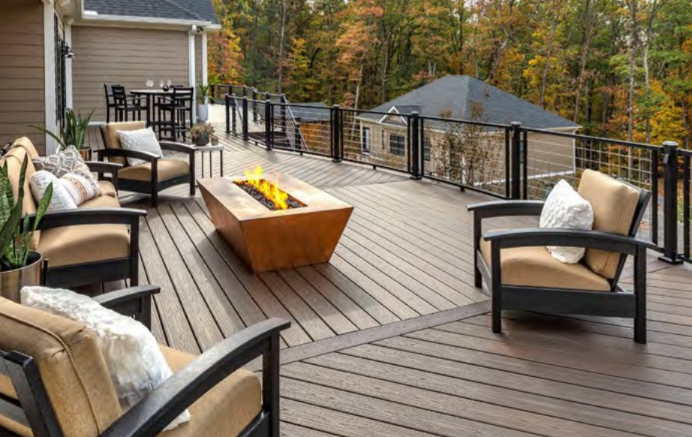
The benefits of composite decking extend far beyond just looks:
6.1 Low Maintenance
No sanding, staining, or painting — simply clean with soap and water.
6.2 Long‑Term Performance
Composite boards can last 25+ years with minimal degradation.
6.3 Pest and Rot Resistance
No vulnerability to termites or decay like traditional wood.
6.4 Eco‑Friendly Options
Many composite boards are made from recycled plastics and wood fibers.
6.5 Design Versatility
Choose from numerous colors, textures, and shapes to match any design style.
These advantages make composite decking a popular choice for homeowners, commercial properties, resorts, and public spaces worldwide.
Cost Comparison: Composite vs. Traditional Wood
While the upfront cost of composite decking is typically higher than wood — such as cedar or redwood — the long‑term value often surpasses wood when maintenance, repairs, and longevity are factored in.
Here’s a quick breakdown:
| Item | Composite Decking | Traditional Wood |
|---|---|---|
| Upfront Material Cost | Medium–High | Low–Medium |
| Maintenance Cost | Low | Medium–High |
| Lifespan | 25+ years | 10–15 years |
| Resistance to Weathering | High | Medium–Low |
| Overall Long‑Term Value | Excellent | Fair |
The overall cost advantage often lies in lower lifetime expenses, fewer repairs, and reduced labor.
Eco‑Friendly Trends in Composite Decking
Sustainability has become a major consideration for many buyers and designers. Today’s composite decking companies are developing greener products by:
Using recycled plastics and reclaimed wood fibers
Reducing waste during manufacturing
Offering boards that can be fully recycled at end‑of‑life
Pursuing certifications like FSC and ISO environmental standards
Eco‑conscious customers should ask suppliers about their environmental policies and recycled content percentages.
Choosing the Right Supplier — What Questions to Ask
Selecting the right composite decking supplier can make or break your project. Here are essential questions to ask:
What are your material composition and production standards?
Do you offer samples for quality inspection?
What testing certifications do you have (e.g., fire resistance, slip rating)?
What warranties are included?
Can you handle large or custom orders?
What is your lead time and shipping process?
Good communication and transparency are signs of reputable composite decking companies.
Why Manufacturing Quality Matters
High‑quality manufacturing ensures:
Consistent board strength
Stable color and reduced fading
Better resistance to moisture and staining
Precise dimensions for easier installation
Inferior boards may warp, crack, or delaminate prematurely. This is why choosing an experienced manufacturer with strict quality control is crucial.
The Hosung WPC Advantage
As a trusted name among composite decking companies, Hosung WPC stands out by combining experience, innovation, and reliability.
🏆 Industry Expertise
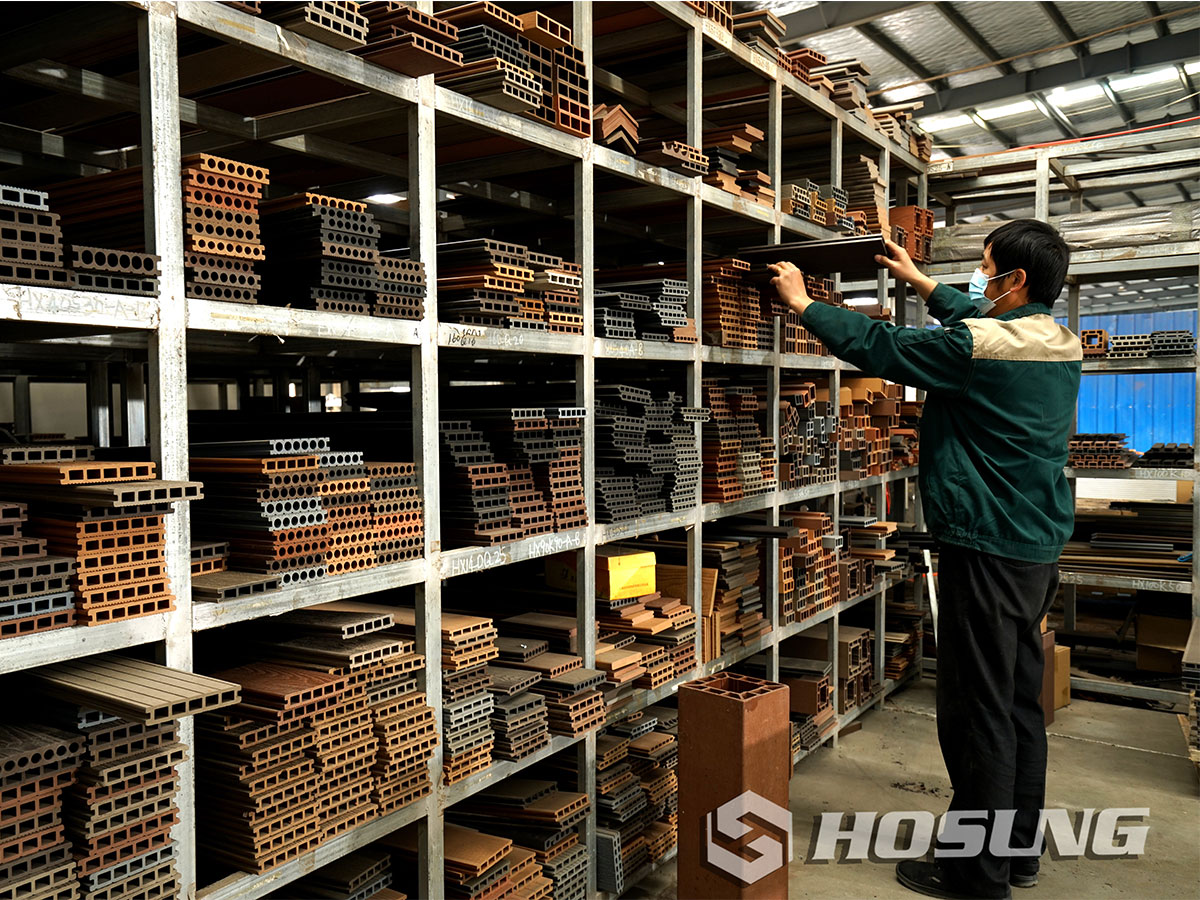
Hosung WPC is a professional wood‑plastic composite manufacturer located in China. With years of experience producing WPC decking boards, profiles, and accessories, Hosung has supplied products to clients across Asia, Europe, North America, and beyond.
📦 Wide Product Range
Hosung WPC products include:
Solid composite decking boards
Hollow composite boards
Cap‑stock decking
Deck railings and trims
Outdoor flooring solutions
Every product is designed to meet performance standards and aesthetic expectations.
🔬 Strict Quality Control
Hosung WPC uses advanced production equipment and quality inspection systems, ensuring uniform boards with reliable performance.
🌍 Customization Capabilities
With flexible manufacturing capabilities, Hosung can meet custom length, color, and surface texture requirements — perfect for distributors, importers, and large projects.
💡 Global Shipping & Support
Hosung offers logistics solutions and export packaging to ensure products arrive safely and on time.
If you’re comparing composite decking companies and need a professional manufacturer with strong production capacity and competitive pricing, Hosung WPC is a supplier worth considering.
Installation Tips from the Pros
Proper installation maximizes performance and lifespan. Here are installation insights from industry pros:
12.1 Use the Right Fasteners
Hidden fasteners create clean decking surfaces and reduce visible screw holes.
12.2 Leave Proper Spacing
Allow for thermal expansion and contraction by spacing boards correctly.
12.3 Ensure Good Ventilation
Proper airflow under the deck prevents moisture buildup.
12.4 Follow Manufacturer Guidelines
Each brand may have specific installation tips — follow them for warranty compliance.
Maintenance and Longevity
One of the biggest benefits of composite decking is low maintenance, but a little care goes a long way:
Clean with mild soap and water periodically
Sweep regularly to remove debris
Remove stains quickly
Avoid harsh chemical cleaners
With proper maintenance, composite decks can look great and function well for decades.
Final Thoughts
The demand for composite decking companies continues to grow as homeowners and builders prioritize durability, sustainability, and aesthetics. Whether you’re renovating an outdoor space or starting a large commercial project, understanding the differences between suppliers and products is key to success.
Hosung WPC offers high‑quality composite decking products, strong manufacturing capabilities, and global support — making them a reliable partner for your decking needs. With the right product selection, professional installation, and good maintenance habits, your composite deck will be a beautiful and lasting addition to any outdoor environment.