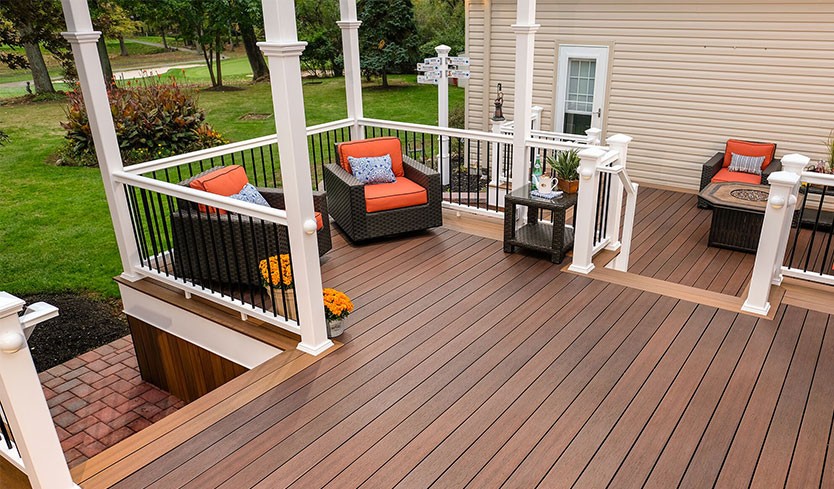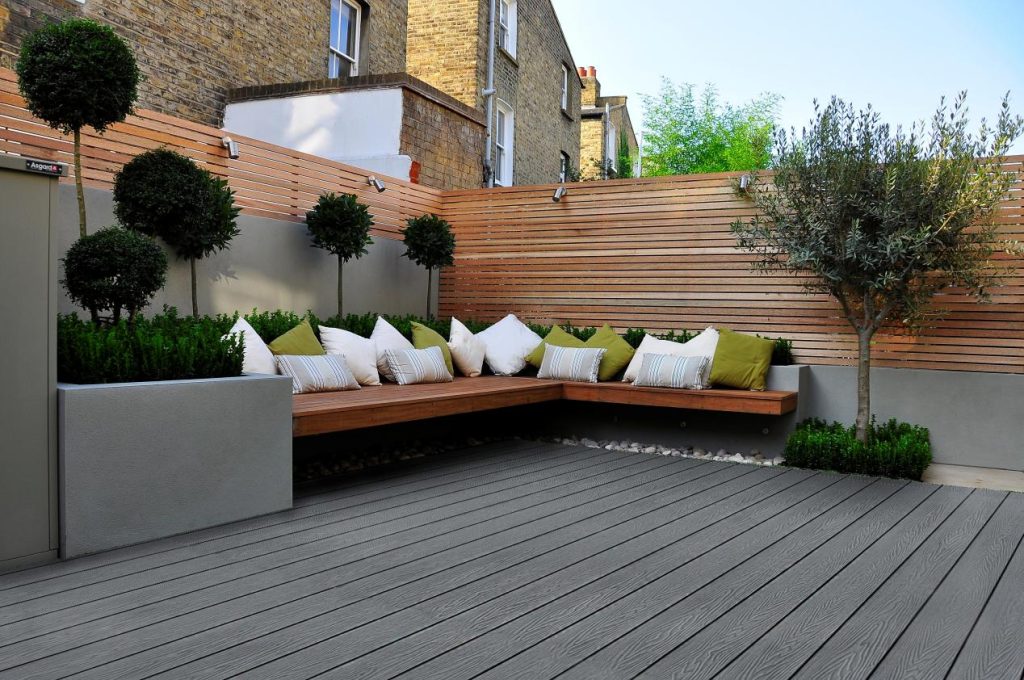
When it comes to enhancing the beauty and functionality of your outdoor space, composite deck fencing has emerged as a top choice for homeowners, builders, and designers alike. Unlike traditional wood or metal fences, composite deck fencing combines durability, aesthetics, and minimal maintenance requirements, making it an investment that pays off over time. In this comprehensive guide, we will explore everything you need to know about composite deck fencing—from materials and design options to installation tips, maintenance advice, and cost considerations.
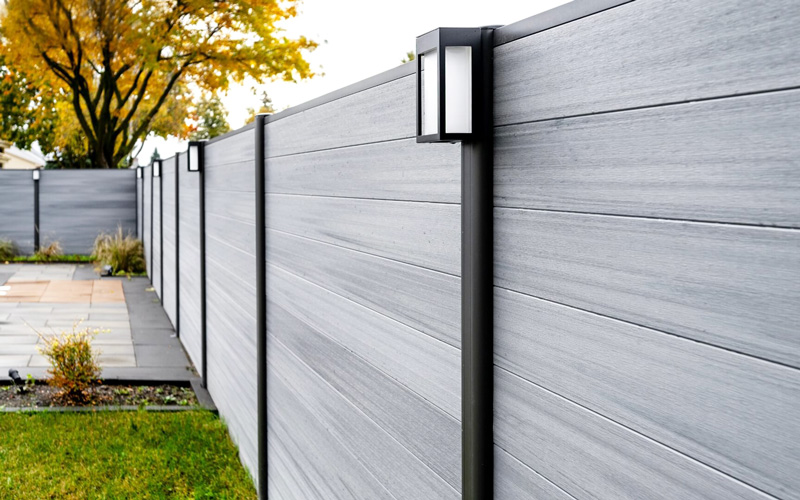
Table of Contents
What is Composite Deck Fencing?
Composite deck fencing is a type of fencing made from a combination of wood fibers and recycled plastics. This blend creates a product that mimics the natural look of wood while providing superior durability, resistance to weather, and minimal upkeep. Unlike traditional wood fences, composite fencing does not warp, crack, or splinter easily, making it an ideal solution for both residential and commercial properties.
The main components of composite fencing include:
Wood fibers – Typically sourced from recycled wood or sawdust, these fibers give the fence a natural wood-like texture and appearance.
Recycled plastic – High-density polyethylene (HDPE) or other types of plastic add strength, flexibility, and resistance to moisture, insects, and decay.
Binding agents and additives – These materials improve structural integrity, color retention, and UV resistance, ensuring that the fence maintains its look and strength over the years.
The combination of these elements results in a fence that is environmentally friendly, durable, and visually appealing. Homeowners appreciate the fact that composite deck fencing eliminates the need for annual painting or staining, which is often required for traditional wood fences.

Advantages of Composite Deck Fencing
Choosing composite deck fencing over traditional materials comes with numerous benefits. Here’s why more homeowners are making the switch:
1. Low Maintenance
One of the most significant advantages of composite fencing is its minimal maintenance requirements. Unlike wood, which requires regular staining, sealing, or painting, composite fencing can maintain its appearance with just occasional cleaning using soap and water. This saves homeowners both time and money in the long term.
2. Durability and Longevity
Composite fences are highly resistant to environmental factors, including UV rays, moisture, and temperature fluctuations. They do not rot, warp, or crack like wood, nor do they rust like metal. This makes them ideal for areas with harsh weather conditions, ensuring the fence remains functional and visually appealing for decades.
3. Aesthetic Appeal
Composite fencing comes in a wide range of styles, colors, and textures, allowing homeowners to match the fence to their outdoor décor. Many products replicate the look and feel of natural wood, while some even offer grain patterns and finishes that closely resemble high-end hardwoods. This allows for a modern and stylish backyard or garden without compromising on durability.
4. Eco-Friendly Option
Because composite fencing uses recycled materials, it is an environmentally friendly alternative to traditional wood or vinyl fences. It reduces the demand for virgin timber and helps divert plastic waste from landfills, making it a sustainable choice for eco-conscious homeowners.
5. Pest and Decay Resistant
Unlike wood, composite fencing is resistant to termites, carpenter ants, and other pests that can damage a traditional fence. The plastic content in the material also prevents mold, mildew, and decay, even in damp or humid conditions.
Types of Composite Deck Fencing
There are several types of composite deck fencing available, each designed to suit different preferences and outdoor needs. Understanding these options can help homeowners select the perfect fence for their property.
1. Horizontal Composite Fencing
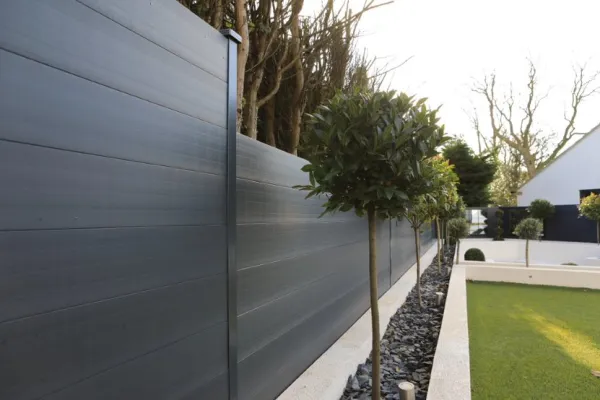
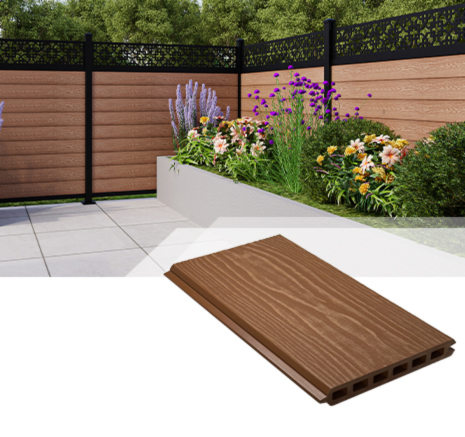
Horizontal composite fences are a modern and stylish option that emphasizes clean lines and a contemporary aesthetic. Boards are installed horizontally, which can make a yard or garden appear wider and more spacious. This style is particularly popular for urban properties where a sleek, minimalist look is desired.
2. Vertical Composite Fencing
Vertical composite fencing offers a more traditional look, similar to standard wood picket fences. Boards are installed upright and can be spaced closely together or with small gaps, depending on privacy requirements. This style is highly versatile and works well for both residential and commercial applications.
3. Privacy Composite Fencing
Privacy composite fences are designed to block the view from neighboring properties or streets, offering complete seclusion for your backyard or garden. These fences are ideal for homes located in densely populated areas or for homeowners who want to create a private outdoor sanctuary.
4. Semi-Privacy Composite Fencing
Semi-privacy fences use alternating panels, latticework, or spaced boards to provide partial visibility while still offering some seclusion. This style is perfect for creating a sense of openness in the yard while maintaining a degree of privacy.
5. Decorative Composite Fencing
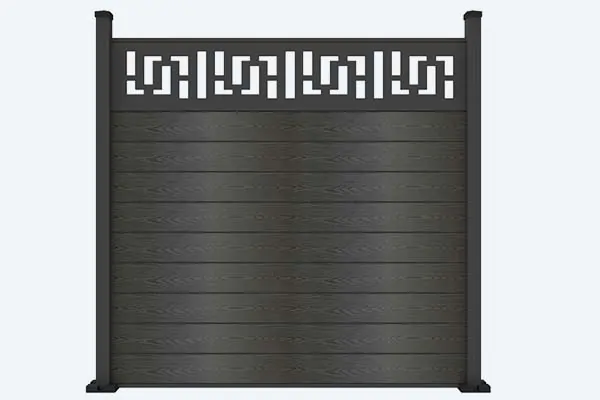
Decorative fences focus primarily on aesthetics rather than privacy or security. These fences often feature unique patterns, textures, or color combinations and are commonly used for garden borders, accent pieces, or to complement specific landscape designs.
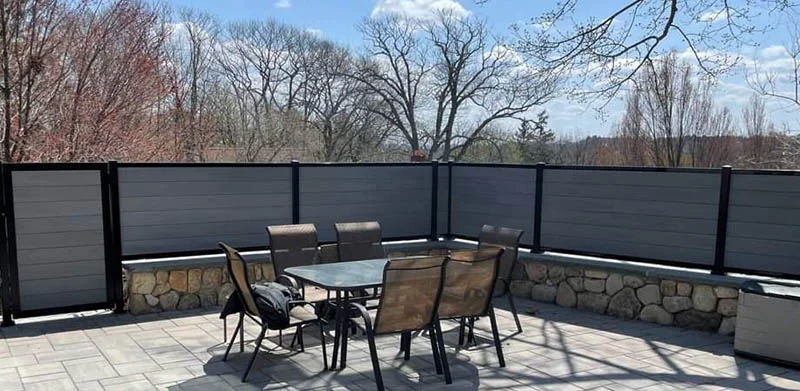
Design Options and Customization
One of the key reasons for the growing popularity of composite deck fencing is the wide array of design options available. Homeowners can customize the fence according to their specific needs, preferences, and property layout.
Color Options
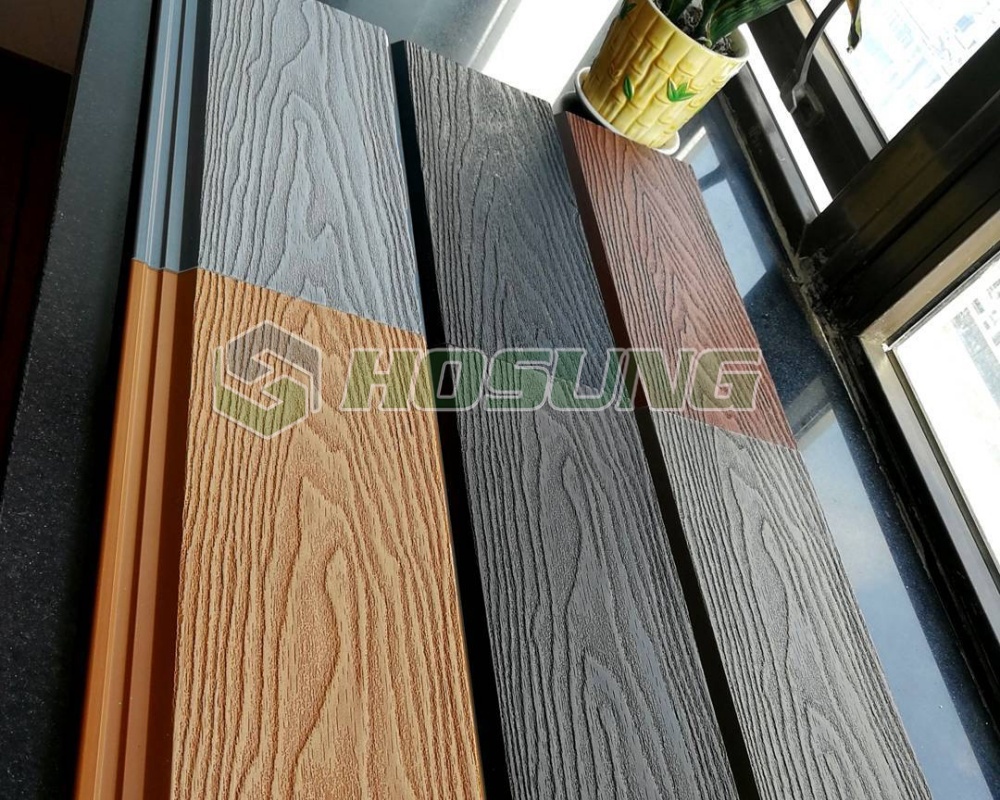
Composite fences come in various colors, ranging from natural wood tones to modern gray, black, and even bold hues. Unlike painted wood, composite fencing colors are often baked into the material during manufacturing, which means they won’t peel or fade quickly.
Texture and Finish
Many composite fencing products feature textures that mimic the look and feel of real wood, including wood grain patterns, knots, and distressed finishes. Some manufacturers also offer smooth finishes for a more contemporary appearance.
Height and Panel Size
Composite fences are available in different heights, commonly ranging from 3 feet to 8 feet, depending on privacy and security requirements. Panel sizes can also vary, allowing homeowners to cover large areas quickly and efficiently.
Accessories and Post Caps
Homeowners can enhance the appearance of their composite fences with accessories such as decorative post caps, integrated lighting, or matching gates. These elements add both functionality and style to the outdoor space.
Installation of Composite Deck Fencing
Installing composite deck fencing is relatively straightforward, but it requires careful planning and attention to detail. Here’s a step-by-step overview:
Step 1: Planning and Measurement
Begin by measuring the area where the fence will be installed. Take note of property lines, terrain, and any obstacles such as trees, slopes, or utility lines. Decide on the fence style, height, and design features.
Step 2: Selecting Materials
Choose high-quality composite fencing materials that match your design preferences. Ensure that you have all necessary components, including posts, panels, screws, brackets, and any decorative elements.
Step 3: Preparing the Site
Clear the installation area of debris, rocks, or vegetation. If necessary, level the ground or create a slight slope to allow proper drainage.
Step 4: Installing Fence Posts
Fence posts provide the backbone of your composite fence. Posts should be set deep into the ground, typically with concrete, to ensure stability. Proper spacing between posts is essential to maintain structural integrity.
Step 5: Attaching Fence Panels
Once the posts are secure, attach the composite panels using brackets or screws as per the manufacturer’s instructions. Make sure each panel is level and properly aligned.
Step 6: Finishing Touches
Add post caps, decorative elements, or gates to complete the fence. Inspect the installation to ensure all panels are secure, level, and free of gaps.
Maintenance Tips for Composite Deck Fencing
One of the biggest advantages of composite fencing is its low maintenance, but proper care can extend its lifespan and keep it looking pristine.
1. Regular Cleaning
Clean the fence periodically using soap, water, and a soft brush or cloth. This will remove dirt, dust, and algae that can accumulate over time. For stubborn stains, a mild composite-safe cleaner may be used.
2. Avoid Harsh Chemicals
Avoid using bleach, ammonia, or abrasive cleaners, as they can damage the surface of the composite material. Stick to recommended cleaning solutions provided by the manufacturer.
3. Inspect for Damage
Although composite fences are highly durable, it’s wise to inspect for loose screws, panels, or posts. Promptly fixing minor issues prevents bigger problems in the future.
4. Prevent Mold and Mildew
Ensure proper drainage around the fence to prevent standing water, which can encourage mold or mildew growth. Trim nearby vegetation to allow airflow and reduce moisture buildup.
Cost Considerations
While composite deck fencing typically has a higher upfront cost than traditional wood or vinyl fencing, the long-term savings on maintenance, repairs, and replacements often make it a cost-effective investment.
Material Cost: Composite fence panels generally cost between $25 to $50 per linear foot, depending on style, height, and quality.
Installation Cost: Professional installation can range from $30 to $60 per linear foot, though DIY installation may reduce labor expenses.
Maintenance Savings: Over 10–15 years, homeowners save on painting, staining, and repairing wood fences, making composite fencing more economical in the long run.
Why Choose Composite Deck Fencing Over Other Materials?
Compared to wood, metal, and vinyl fencing, composite deck fencing offers a balanced combination of aesthetics, durability, and environmental benefits:
Wood: While natural and traditional, wood requires frequent maintenance and is prone to rot, warping, and pest damage.
Metal: Metal fences provide strength and security but can rust, dent, or require painting. They may also lack the warm aesthetic of wood.
Vinyl: Vinyl is low-maintenance but may fade over time, crack in extreme temperatures, and has limited texture options compared to composite materials.
In contrast, composite fencing combines the best features of wood and vinyl: natural wood-like aesthetics, low maintenance, durability, and resistance to environmental damage.
Common Applications of Composite Deck Fencing
Composite deck fencing is versatile and suitable for various applications:
Residential Backyards – Ideal for privacy, safety, and enhancing outdoor aesthetics.
Commercial Properties – Provides a durable and professional look for offices, retail spaces, or restaurants with outdoor areas.
Gardens and Pools – Enhances safety while adding style to garden borders and pool enclosures.
Decks and Patios – Complements composite decking for a seamless, cohesive look.
Environmental Impact of Composite Deck Fencing
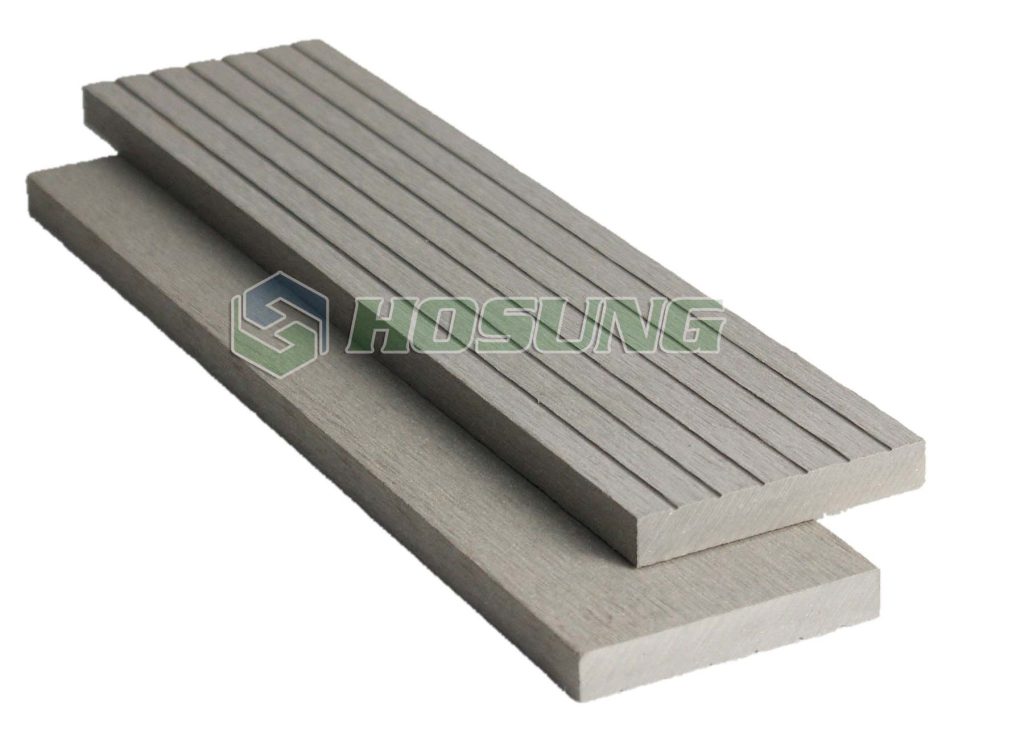
Sustainability is a growing concern for homeowners and builders. By using recycled wood fibers and plastics, composite deck fencing reduces the demand for virgin timber and helps manage plastic waste. Some manufacturers even offer fully recyclable composite fencing options, allowing materials to be reused at the end of their life cycle.
Conclusion
Composite deck fencing is more than just a fence—it’s an investment in durability, style, and low-maintenance living. With its natural wood-like appearance, weather resistance, and eco-friendly attributes, it has become the preferred choice for homeowners seeking long-term value and curb appeal. Whether you’re upgrading your backyard, enhancing privacy around a pool, or creating a stylish boundary for your property, composite fencing offers unmatched versatility and performance.
By understanding the different types, design options, installation methods, and maintenance tips, homeowners can make informed decisions and enjoy a fence that not only enhances the beauty of their outdoor space but also stands the test of time. From modern horizontal panels to traditional vertical pickets, composite deck fencing provides the perfect combination of aesthetics, durability, and functionality.
Investing in composite deck fencing from Hosung is a smart choice for anyone looking to create a safe, attractive, and sustainable outdoor environment. With minimal upkeep, long-lasting performance, and endless design possibilities, it’s no wonder that more homeowners are turning to composite fencing as the ultimate solution for their fencing needs.