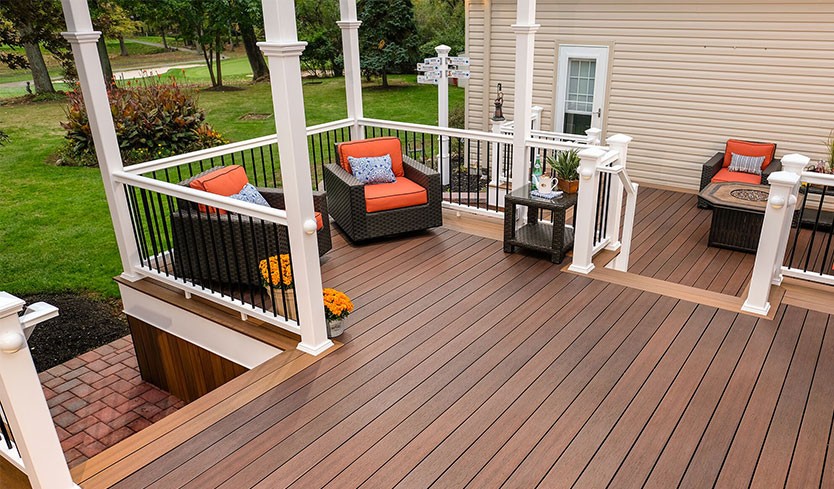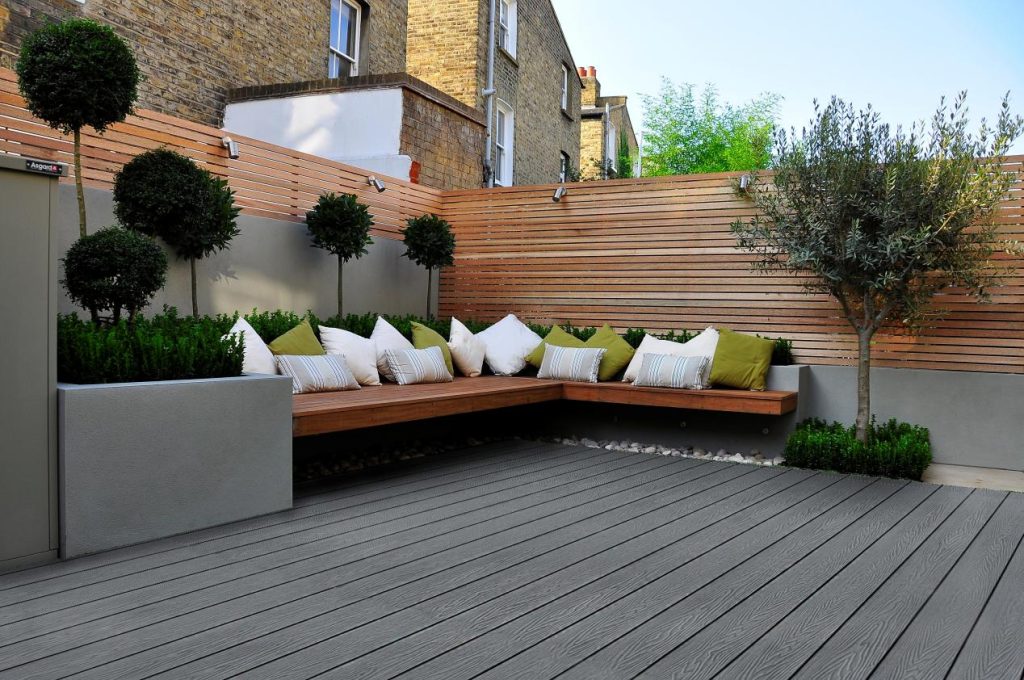
Weathered oak decking has become one of the most popular choices in modern outdoor design. With its aged, rustic, naturally grey-brown tones and elegant grain patterns, it delivers a perfect blend of classic aesthetics and contemporary charm. Whether for a residential backyard, rooftop garden, seaside boardwalk, or commercial outdoor venue, weathered oak offers a warm yet sophisticated feel that other colors cannot easily replicate.

Table of Contents
This article provides a complete guide to weathered oak decking, covering types, color options, pairing ideas, how to choose, performance reviews, maintenance tips, composite vs natural wood, and insights into manufacturers—especially weathered oak composite decking manufacturer options such as Hosung, a leading WPC supplier. If you’re planning to upgrade your outdoor living space and want to understand why weathered oak decking stands out, this guide will give you all the answers.
What Is Weathered Oak Decking?
Weathered oak decking refers to outdoor decking materials that mimic or naturally develop the aged appearance of oak wood. The key element is the weathered effect—a naturally faded, sun-kissed, slightly greyish oak tone that evokes a warm rustic charm.
There are two main meanings:
1. Natural Weathered Oak Decking
Natural oak boards that have been exposed to the sun, rain, and wind, allowing them to oxidize and produce a naturally weathered, silver-grey patina.
2. Weathered Oak Composite Decking (Most Common Today)
Composite decking made from wood plastic composite (WPC) or capped composite, engineered to replicate the weathered look of old oak while maintaining durability and low maintenance.
Composite decking allows homeowners to enjoy the beauty of aged oak without the drawbacks of real wood—rot, cracking, color fading, or heavy maintenance.
Types of Weathered Oak Decking
Weathered oak decking comes in several types depending on material composition, surface finish, texture, and performance.
2.1 Wood Material Types
(1) Natural Oak Decking
Beautiful natural grain
Develops authentic silver-grey patina
Requires regular maintenance
Higher cost and lower resistance to moisture
(2) Thermally Treated Oak
Heat-treated oak is more stable and less prone to warping. The color can be pre-weathered for a stylish aged look.
(3) Pressure-Treated Softwood (Weathered Color Coated)
Softwoods like pine can be coated with weathered oak stains.
More affordable
But color durability is weaker
Higher annual maintenance cost
2.2 Composite Material Types
Composite is now the most popular option.
There are three main types:
(1) Uncapped Composite Decking
Early-generation WPC
Prone to staining and fading
Affordable but less durable
(2) Capped Composite Decking (Co-extrusion)
The modern standard:
Outer protective layer
Strong UV-, scratch-, water-, and stain-resistance
Stable weathered oak color
Natural embossed or 3D wood grains
This is the category where brands like Hosung weathered oak composite decking excel.
(3) PVC Decking (Weathered Effect)
Higher-end option:
Lightweight
Very low water absorption
Vibrant colors but sometimes less natural looking
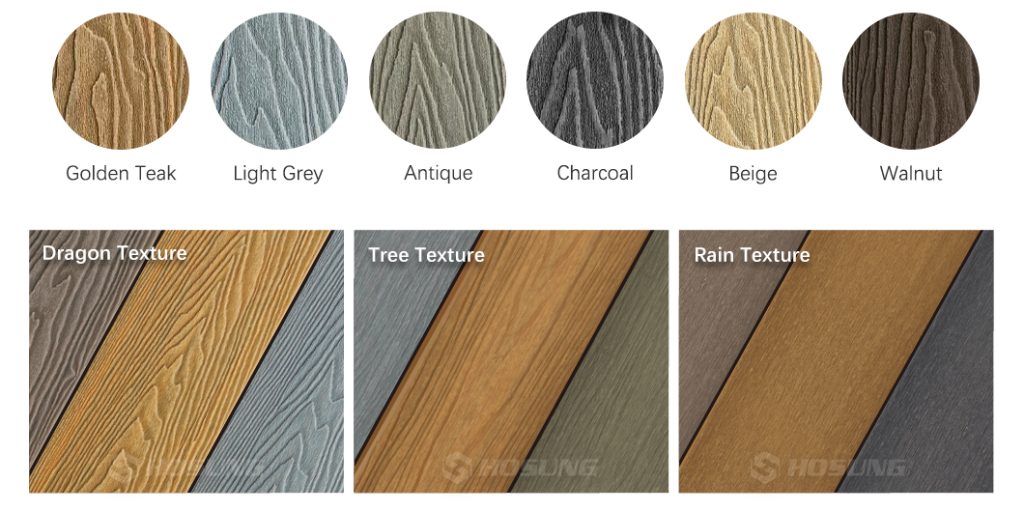
Weathered Oak Decking Colors
Although “weathered oak” suggests greyish tones, manufacturers offer multiple variations to match different tastes.
3.1 Light Weathered Oak
Pale grey with soft brown undertones
Ideal for modern or minimalist outdoor spaces
Creates a bright, coastal style
3.2 Mid-Tone Weathered Oak
Balanced brown-grey
Most popular due to versatility
Works well with stone, metal, or greenery
3.3 Dark Weathered Oak
Deep greige or charcoal-touched oak
Suitable for luxury terraces or commercial decks
Delivers a high-end, sophisticated look
Some brands also offer multi-tone weathered oak patterns that mimic naturally varied aging.
How to Pair and Match Weathered Oak Decking
One of the biggest advantages of weathered oak decking is its compatibility with many design elements. Here’s how to pair it beautifully:
4.1 With Furniture
| Furniture Style | Why It Works |
|---|---|
| Rattan + Beige Cushions | Enhances natural, earthy ambiance |
| Black Metal Frames | Adds modern contrast |
| Teak or Brown Wood | Warm + rustic harmony |
| Minimalist Grey Sets | Clean, modern, northern-European vibe |
4.2 With Wall Colors
White: bright, coastal
Charcoal: dramatic contrast
Olive green: natural and refreshing
Sandstone/beige: neutral harmony
4.3 With Landscaping
Weathered oak complements greenery very well:
Bamboo plants
Grasses (pampas grass, fountain grass)
Olive trees
Succulent arrangements
Stone borders or gravel
4.4 With Railings
Perfect combinations include:
Black aluminum railings
Stainless steel modern railings
Glass railings for a luxury rooftop look
4.5 With Pergolas
Weathered oak decking pairs exceptionally with:
Light brown or grey pergolas
Black steel-framed pergolas
White pergolas for a romantic Mediterranean feel
How to Choose Weathered Oak Decking
Choosing the right decking involves several key factors:
5.1 Material Durability
Composite decking generally wins:
No rot
No splinters
No termites
Long lifespan
If you want the best maintenance-free option, choose weathered oak composite decking.
5.2 Aesthetic Requirements
Ask yourself:
Do you prefer realistic grain?
Solid or hollow boards?
Rustic or modern tones?
Brands like Hosung offer deeply embossed 3D grains that mimic natural oak convincingly.
5.3 Cost Considerations
General pricing comparison:
PVC decking: high
Capped composite: medium
Uncapped composite: medium-low
Natural oak: variable but high long-term maintenance cost
Weathered oak composite decking provides the best balance between cost and performance.
5.4 Installation Structure
Choose:
Grooved boards for hidden fastening
Solid boards for heavy-load applications
Hollow boards for budget-friendly projects
5.5 UV and Fade Resistance
This is critical for weathered colors.
High-quality capped decking provides:
Anti-fade pigments
UV-resistant shell layer
Long-lasting color stability
5.6 Maintenance Requirements
Composite decking requires:
Occasional washing
No painting
No oiling
No sanding
Natural oak requires frequent maintenance—often yearly.
Weathered Oak Composite Decking: Why It Is the Modern Standard
The shift from natural wood to composite decking has been strong, especially in weathered oak styles.
6.1 Advantages of Composite Weathered Oak Decking
Long-lasting color stability
No warping or cracking
Water resistance
Ideal for poolside decks
Slip-resistant
Eco-friendly material
Doesn’t grow mold easily
6.2 Why Weathered Oak Is a Perfect Composite Color
Weathered tones:
Hide dirt better
Look premium
Match all outdoor architectural styles
Remain timeless instead of trending
Composite also avoids the excessive fading that natural oak suffers in outdoor environments.
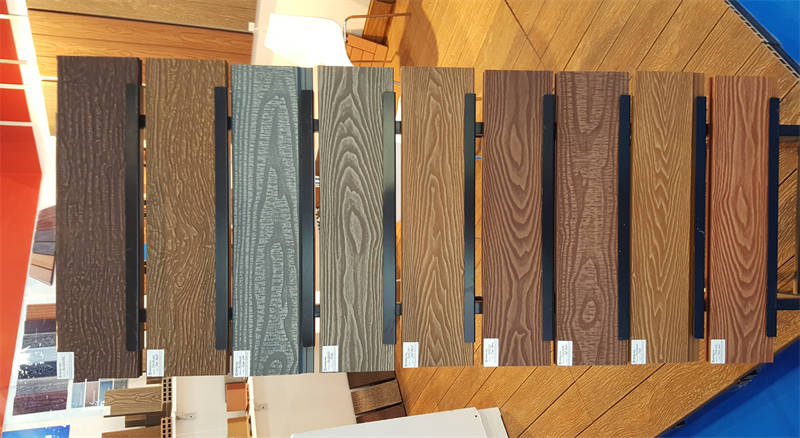
Hosung Weathered Oak Composite Decking (Brand Highlight)
Hosung is known as a professional weathered oak composite decking manufacturer with over a decade of experience in the WPC industry. They specialize in:
Co-extruded composite decking
Multi-tone weathered oak surfaces
3D wood grain embossing
Anti-UV and anti-scratch outer shells
Key Advantages of Hosung’s Weathered Oak Decking
High color fidelity to real weathered oak
Excellent anti-fade performance
Strong, durable, and stable
Available in solid and hollow profiles
Suitable for residential & commercial applications
Consistent quality + competitive factory pricing
Many buyers choose Hosung because the color stays stable for many years, even under strong sun exposure.
Weathered Oak Decking Reviews: What Real Users Say
Based on global customer feedback, weathered oak decking is consistently rated highly for several reasons:
8.1 Positive Reviews
“The color looks incredibly natural, just like real weathered oak.”
“Low maintenance—just wash and it’s good as new.”
“Matches almost any outdoor furniture.”
“Perfect for coastal homes because it doesn’t fade quickly.”
“Composite weathered oak decking looks expensive but costs less than hardwood in the long run.”
8.2 Critical Feedback
Very light-colored weathered oak may show leaf stains after rain
Some customers prefer more brown or more grey tones than standard color
Solid boards are heavier during installation
Overall, the reviews remain overwhelmingly positive.

Applications of Weathered Oak Decking
Weathered oak decking is used in many settings:
Backyard patios
Weathered oak decking creates a warm, inviting atmosphere for backyard patios, providing a natural yet refined foundation for outdoor gatherings. Its rustic grey-brown tone blends seamlessly with garden landscaping, outdoor furniture, and fire pits, making the patio both stylish and highly functional year-round.
Balconies
For balconies, weathered oak decking adds a cozy, modern touch while enhancing the feeling of spaciousness in limited areas. Its durable, low-maintenance surface is ideal for high-rise apartments, offering a luxurious look that pairs beautifully with compact seating, potted plants, and minimalist railing designs.
Rooftop terraces
On rooftop terraces, weathered oak decking helps create a resort-like outdoor escape with timeless texture and stability. Its weather-resistant performance handles strong sun exposure and seasonal changes, allowing homeowners or businesses to design stylish lounge areas, outdoor kitchens, or garden corners that remain beautiful for many years.
Pool decking
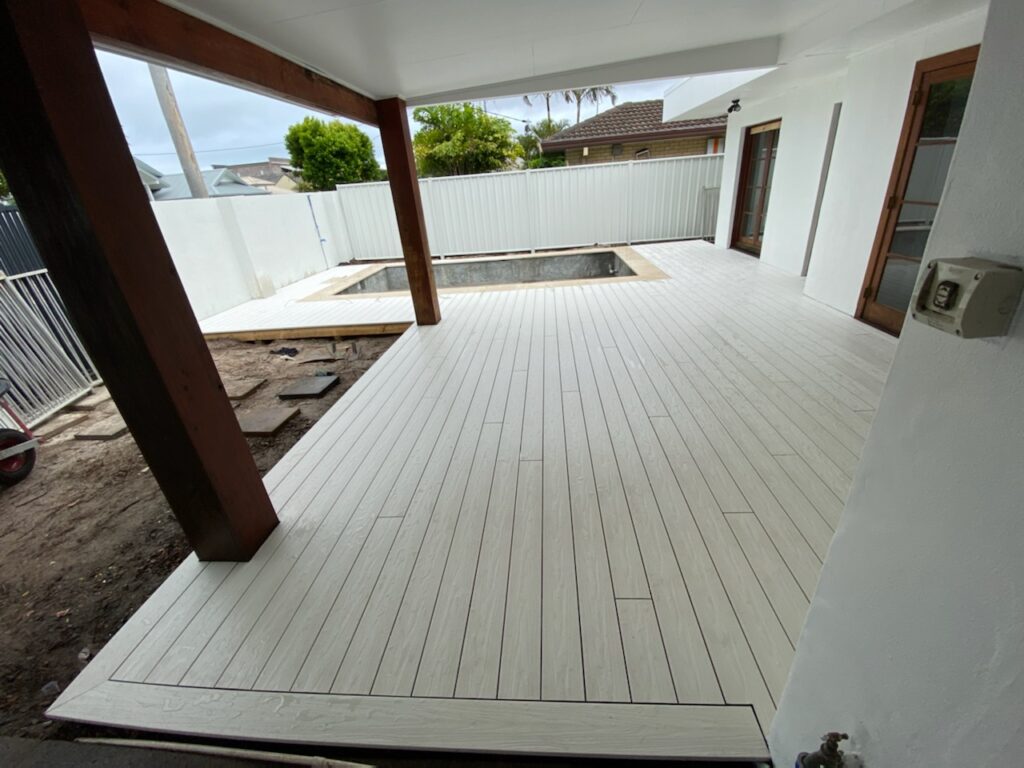
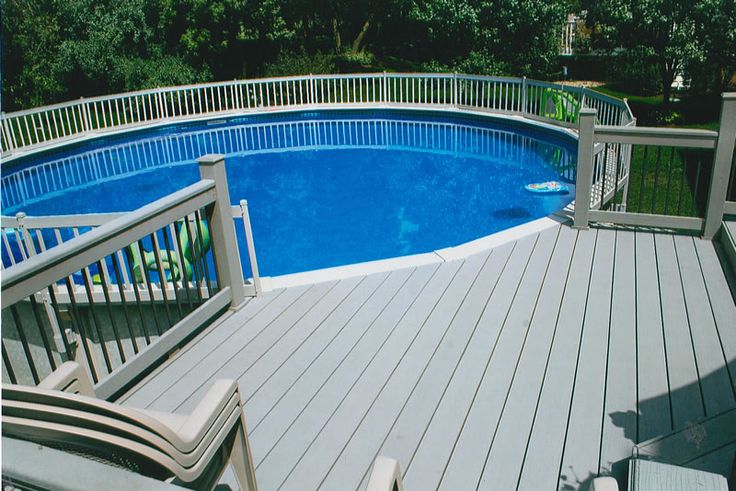
Weathered oak composite decking is especially popular for pool areas thanks to its slip-resistant and water-resistant properties. The soft grey tones contrast seamlessly with blue water, creating a clean, refreshing look. It also stays cooler underfoot in hot weather, enhancing comfort around both residential and commercial swimming pools.
Garden paths and pergola platforms
Along garden paths and pergola platforms, weathered oak decking blends naturally with greenery, flowers, and stone features. Its muted tones enhance the organic landscape while offering a smooth walking surface. The aged-oak appearance adds character, making outdoor walkways feel serene, elegant, and thoughtfully designed.
Outdoor cafés and restaurants
In outdoor cafés and restaurants, weathered oak decking helps create a refined yet laid-back dining atmosphere. Its neutral coloring works well with various décor themes—from industrial steel to natural rattan furniture. The durable, easy-clean surface is ideal for high-traffic commercial spaces that require long-term reliability and style.
Hotel boardwalks
Hotels often use weathered oak decking for boardwalks because of its high durability, slip resistance, and coastal-inspired charm. The natural weathered tones create a relaxing ambiance for guests, complementing luxury resort aesthetics. Its stability under heavy foot traffic makes it a practical choice for beachfront or garden pathways.
Commercial walkways
Weathered oak decking is commonly used in commercial walkways due to its strong structural performance and timeless appeal. It provides a professional appearance while resisting wear, moisture, and UV exposure. Businesses appreciate that it maintains its beauty with minimal upkeep, making it suitable for malls, parks, and office complexes.
Coastal viewing decks
For coastal viewing decks, weathered oak decking perfectly reflects the natural tones of shoreline landscapes. Its fade-resistant surface withstands salt air, moisture, and intense sunlight, making it ideal for seaside environments. The elegant greyish oak color enhances the visual scenery and blends effortlessly with coastal architecture.
Its neutral tone blends well with various architectural styles, from Scandinavian to farmhouse to modern luxury.

Maintenance Tips
Weathered oak composite decking requires very little upkeep:
Do:
Clean periodically with mild soap
Rinse debris between grooves
Keep the surface free of standing water
Don’t:
Use steel brushes
Apply oil or paint
Use harsh chemical cleaners
Natural oak decking requires sanding, oiling, coating, and regular inspection.
Weathered Oak Composite Decking vs Natural Oak
| Feature | Composite | Natural Oak |
|---|---|---|
| Maintenance | Very low | High |
| Lifespan | 15–30 years | 5–15 years |
| Color stability | Strong | Fades significantly |
| Cost | Medium | Medium-high |
| Eco-friendliness | Recycled materials | Natural but requires chemicals |
| Water resistance | Excellent | Weak |
| Termite resistance | Excellent | Low |
Composite decking clearly outperforms natural wood for long-term usage.
Final Thoughts
Weathered oak decking is the ideal choice for homeowners, designers, and commercial builders seeking a timeless, rustic, and elegant outdoor flooring option. With multiple tones, varieties, and textures available—especially in composite forms—the weathered oak appearance remains one of the most versatile and visually pleasing options on the market.
If you’re aiming for durability, minimal maintenance, and a natural look, weathered oak composite decking provides the perfect balance. Manufacturers such as Hosung offer high-quality, fade-resistant, realistic weathered oak deck boards suitable for any outdoor space.
Whether you want a modern coastal oasis, a rustic garden, or a luxury rooftop, weathered oak decking is a color and material choice that will always stay stylish and functional.