When it comes to decking for docks, selecting the right material is crucial. Docks are constantly exposed to water, which can cause wood to rot, warp, and deteriorate over time. This is why many homeowners and businesses are turning to composite decking materials, specifically designed to handle the harsh, moisture-heavy environment. But with so many options available, how do you choose the best composite decking for docks with water protection?In this article, Hosung Company will guide you through the essential factors to consider when selecting composite decking for your dock, ensuring you choose a material that offers durability, low maintenance, and the best water protection.
Table of Contents
Understanding Composite Decking
Composite decking is made from a combination of wood fibers and plastic. This fusion provides a more durable, weather-resistant material compared to traditional wood. The key benefit of composite decking is its ability to resist moisture, making it an excellent choice for areas exposed to water, such as docks, decks, and piers.
Unlike wood, which requires constant sealing, staining, and maintenance to protect it from the elements, composite decking is designed to resist fading, staining, and rotting. The blend of wood fibers and plastic gives it the appearance of wood but with superior performance in harsh weather conditions, especially moisture.
The Importance of Water Protection for Docks
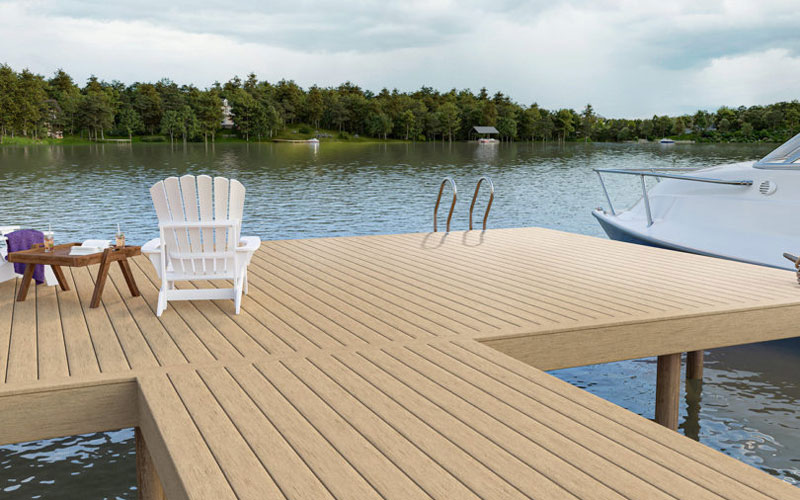
Docks are exposed to a unique set of challenges. The combination of saltwater, freshwater, sun exposure, and constant moisture makes it an environment that can quickly degrade traditional wooden decking. Choosing a composite decking with superior water protection is essential for maintaining the dock’s structural integrity and aesthetics.
Why is water protection important?
- Prevention of Rot and Decay: Traditional wood is prone to rot and decay when exposed to moisture, especially in a constantly wet environment like a dock. Composite decking, however, resists moisture absorption and prevents the growth of mold and mildew.
- Enhanced Durability: Composite materials are designed to withstand the impact of water, heat, and cold, which makes them last longer than wood. Many composite decking products are engineered with a water-resistant cap, offering an additional layer of protection against moisture.
- Maintenance-Free: Composite decking for docks typically requires minimal maintenance compared to traditional wood. Water-resistant materials ensure that you don’t need to worry about regular sealing or staining.
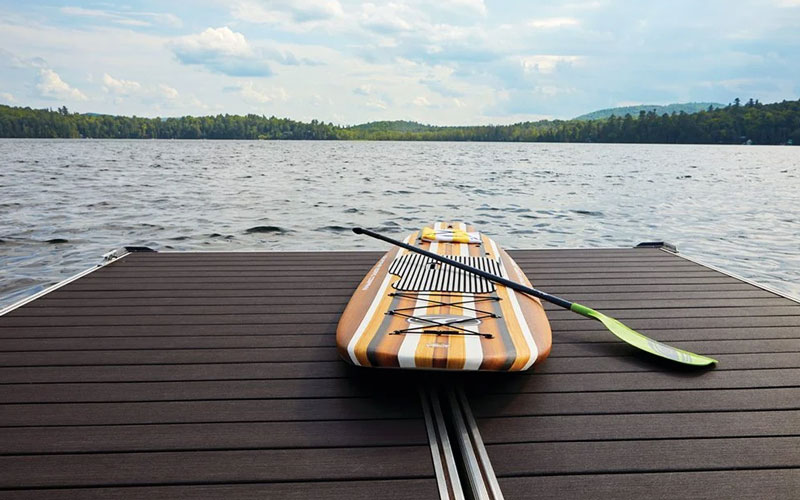
Factors to Consider When Choosing the Best Composite Decking for Docks
When selecting composite decking for your dock, several key factors should guide your decision. These include water protection, durability, aesthetics, and cost. Let’s explore each factor in detail:
a. Waterproofing and Moisture Resistance
Since your dock will be directly exposed to water, the composite decking you choose should have excellent waterproofing and moisture resistance capabilities. Some composite decking materials are designed with a fully encapsulated core, which prevents moisture from entering the material.
- Capped Composite Decking: Capped composite decking is one of the best options for water resistance. These boards feature a protective layer or “cap” that surrounds the core, providing an extra layer of defense against water absorption. This makes them highly resistant to water, stains, and fading.
- Uncapped Composite Decking: While uncapped composite decking is less expensive, it is not as water-resistant. If you choose uncapped decking, ensure that it has a solid reputation for resisting moisture and does not absorb water quickly.
b. Durability and Strength
The durability of your composite decking is essential for ensuring your dock can withstand heavy foot traffic, the weight of boats, and any other environmental stresses. Opt for composite decking with high-density polyethylene (HDPE) or polypropylene cores, as these are known for their strength and resilience in marine environments.
- Impact Resistance: Choose composite boards that are designed to resist impact, as docks often face physical stress from boats, tides, and equipment. Higher-density composite materials are typically better suited for these situations.
- Fade Resistance: Exposure to sunlight can cause decking materials to fade, especially in regions with strong UV rays. Choose composite decking that features UV inhibitors to maintain the color of your dock over time.
c. Slip Resistance
Safety is a top priority on docks. Water can make surfaces slippery, so choose composite decking that is designed with a textured surface or slip-resistant technology to ensure safety even when wet. Many composite decking manufacturers add grooves or patterns to the surface of their boards to improve traction and prevent slips.
- Grooved Boards: Many docks use grooved composite boards to allow water to drain efficiently and to prevent pooling. This helps reduce the risk of slips and falls.
d. Maintenance and Care
One of the key advantages of composite decking is its low maintenance requirements. Unlike wood, which needs to be stained or sealed regularly, composite decking only requires periodic cleaning with soap and water. Additionally, the best composite decking for docks typically comes with a warranty that covers issues like warping, fading, or structural damage due to water exposure.
e. Aesthetics
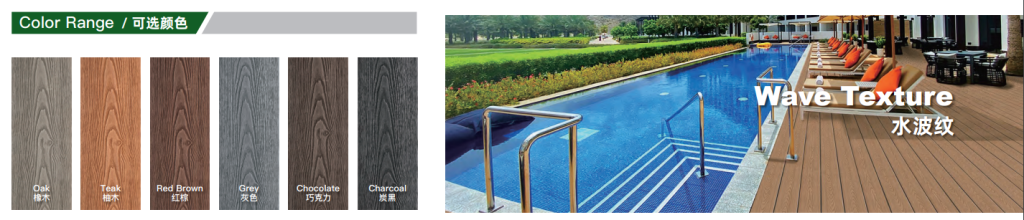
Composite decking offers the look of traditional wood with a wide range of colors and textures. Whether you want the classic look of natural wood or prefer a more contemporary color scheme, composite decking comes in a variety of options. Choose a color and style that complements your dock and overall waterfront setting.
- Wood-Like Appearance: If you’re looking for a more authentic wood-like look, choose a composite decking with realistic wood grain patterns. Many high-end composites mimic the beauty of real wood, but with superior water resistance.
- Color Options: Popular composite decking colors for docks include shades of brown, grey, and tan. You can even find composite boards that feature two-tone designs for added visual appeal.
f. Environmental Impact
If environmental sustainability is important to you, choose composite decking made from recycled materials. Many composite decking manufacturers use recycled wood fibers and plastic in their boards, helping reduce waste. These eco-friendly options are just as durable and water-resistant as their traditional counterparts.
Types of Composite Decking for Docks
When selecting the best composite decking material for your dock building, it’s crucial to understand the differences between the various types of composite decking available. Each type has unique properties that offer varying levels of water resistance, durability, and performance. Below, we dive deeper into the different types of composite decking materials, emphasizing how they perform in environments with constant exposure to water, like docks.
a. Solid Core Composite Decking
What It Is:
Solid core composite decking is made from a combination of recycled wood fibers and plastic, designed to mimic the natural look and feel of wood. The key difference is that it features a solid core, meaning the decking material is solid all the way through, providing robust structural integrity and excellent resistance to water absorption.
Why It’s Great for Docks:
- Water Resistance: The solid core design makes this decking material incredibly water-resistant. Because it is less porous than other types, it absorbs less water, minimizing the chances of rot, swelling, or cracking.
- Durability: The solid core is not just good at resisting water; it’s also designed to handle the heavy foot traffic that often comes with dock environments. Whether it’s from people walking, boats being moored, or equipment being used, solid core composite decking provides durability without the risk of the material deteriorating due to water exposure.
- Low Maintenance: With fewer gaps for water to penetrate, solid core decking doesn’t require frequent cleaning or maintenance. It won’t develop mold or mildew, which are common issues with traditional wood decks that are exposed to moisture.
- Color Consistency: Since the color is consistent throughout the board, there is no risk of fading or discoloration over time, which can happen with some other decking materials, especially under intense sun exposure.
Downside:
- Cost: Solid core composite decking tends to be more expensive compared to other types of decking. However, the long-term durability and minimal maintenance can justify the higher upfront cost.
b. Capped Composite Decking
What It Is:
Capped composite decking is made by wrapping a layer of protective plastic or polymer around the core of the decking. The core itself is typically made of wood fibers and plastic (like solid core decking), but the cap adds an extra layer of protection against moisture, stains, and fading. This cap can be made from PVC or other durable plastic materials.
Why It’s Great for Docks:
- Superior Water Protection: The cap on this type of decking provides an extra layer of moisture resistance, making it particularly effective in wet and humid environments, like docks. The waterproof cap prevents water from seeping into the core, thereby reducing the risk of warping, swelling, and rot.
- Mold and Mildew Resistance: In addition to water protection, capped composite decking is highly resistant to mold and mildew growth, which are common in damp environments. This feature is crucial for docks, where water exposure can encourage fungal growth if the materials are not adequately protected.
- Stain Resistance: The cap also helps prevent staining from food, oils, or other substances that may accidentally spill onto the surface. This is a notable advantage when compared to unprotected composite or wood decks, which can absorb stains more readily.
- Enhanced Aesthetics: Many capped composite decking products come with a realistic wood-like finish that enhances the aesthetic appeal of the dock. With a wide range of colors and patterns available, you can choose a style that complements your waterfront property.
Downside:
- Cost: Capped composite decking is generally more expensive than traditional wood or basic composite decking due to the additional manufacturing process of the protective cap. However, its superior performance and durability are often worth the investment.
c. PVC Decking
What It Is:
PVC (polyvinyl chloride) decking is 100% plastic decking material that offers superior water resistance compared to other decking types. Unlike composite decking, which blends wood fibers and plastic, PVC decking uses no wood content at all, making it fully waterproof. It is engineered specifically to withstand water exposure, making it a popular choice for marine environments, including docks.
Why It’s Great for Docks:
- Superior Water Resistance: PVC decking is impervious to water because it is made entirely of plastic. It won’t absorb water, swell, or rot like wood or wood-composite options. This makes PVC decking an excellent choice for docks that are submerged in or regularly exposed to water.
- Low Maintenance: PVC decking requires little to no maintenance. Unlike wood, which needs to be sealed or stained to maintain its water resistance, PVC decking retains its performance without any added treatments.
- Mold and Mildew Resistance: Since PVC doesn’t absorb moisture, it also resists mold, mildew, and algae buildup, which can degrade the aesthetics of your dock and pose safety risks. This feature is especially important in environments with high humidity or marine environments, where mold is a common issue.
- Durability: PVC decking is designed to be tough, resilient, and able to handle wear and tear. It resists impact, scratches, and damage from everyday use, making it ideal for high-traffic areas like docks.
- Variety of Styles: PVC decking comes in various colors, textures, and finishes. Many manufacturers offer PVC decking with wood-like appearances or non-slip textures, allowing you to create a stylish yet functional dock.
Downside:
- Slippery When Wet: One of the major drawbacks of PVC decking is that it can become slippery when wet. To combat this, it is essential to choose a PVC decking option with a textured surface or additional slip-resistant features. Some brands offer grooved or ribbed designs to improve traction.
- Heat Retention: PVC decking can become very hot when exposed to direct sunlight, especially in summer. If you live in a region with intense heat, you may want to consider selecting lighter-colored PVC options, which tend to absorb less heat.
d. Wood-Plastic Composite (WPC) Decking
What It Is:
Wood-Plastic Composite (WPC) decking is another popular option that combines wood fibers with plastic to create a durable and water-resistant material. The wood fibers offer the natural appearance of wood, while the plastic component provides enhanced durability and resistance to moisture.
Why It’s Great for Docks:
- Moisture Resistance: The wood-plastic mix provides better moisture resistance than traditional wood, making WPC decking a solid choice for docks where water exposure is constant.
- Eco-Friendly: Many WPC decking products are made from recycled materials, making them an environmentally friendly option for those looking to reduce their environmental impact.
- Natural Look: WPC decking offers the appearance of wood with the added benefits of plastic’s durability. It comes in a variety of textures and colors, allowing you to customize the look of your dock while still ensuring long-term performance.
Downside:
- Maintenance Needs: While WPC decking is more resistant to moisture than wood, it still requires regular cleaning and occasional maintenance to keep it in top condition. Additionally, it may still be susceptible to staining or fading over time.
Cost Considerations
The cost of composite decking for docks varies depending on the material, brand, and features. While composite decking is typically more expensive than wood upfront, the lower maintenance costs and longer lifespan make it a more cost-effective option in the long run.
On average, composite decking for docks can cost between $3 to $7 per linear foot. However, high-end brands with enhanced water protection, slip resistance, and warranty coverage may cost more. Always consider the total cost of ownership, which includes installation, maintenance, and lifespan, when choosing the best decking material for your dock.
Installation Tips for Composite Decking on Docks
When installing composite decking on your dock, consider the following tips to ensure longevity and optimal performance:
- Allow for Expansion: Composite decking can expand and contract with temperature changes, so leave appropriate gaps between the boards for expansion.
- Proper Drainage: Ensure that the dock has proper drainage to prevent water from pooling on the decking. This will help reduce the risk of mold growth and maintain the slip-resistant qualities of the boards.
- Use Stainless Steel Fasteners: When securing composite decking, use stainless steel fasteners to prevent rusting and corrosion due to exposure to water.
Conclusion
Choosing the best composite decking for docks with water protection involves considering several key factors, including water resistance, durability, maintenance requirements, and aesthetics. Composite decking is an excellent choice for waterfront applications, offering superior protection against the elements and requiring little upkeep compared to traditional wood.
By considering your specific needs and selecting a product with the appropriate water protection features, you can ensure your dock remains in top condition for years to come. Whether you opt for solid core composite decking, capped composite decking, or PVC decking materials, each type offers unique benefits that can make your dock more durable, safer, and aesthetically pleasing. Contact Hosung for more about composite decking with wholesale prices!