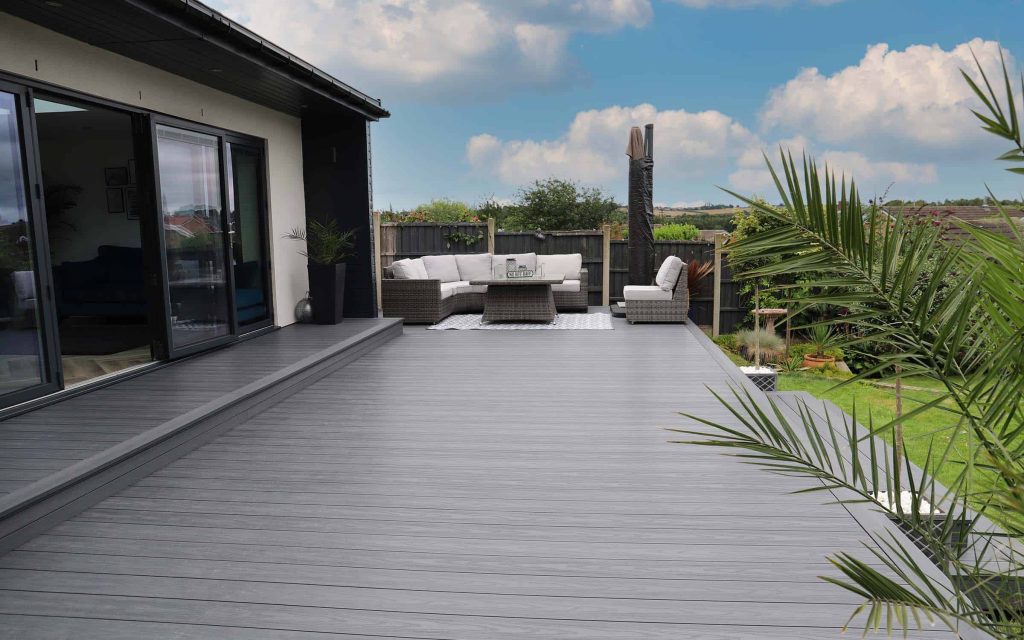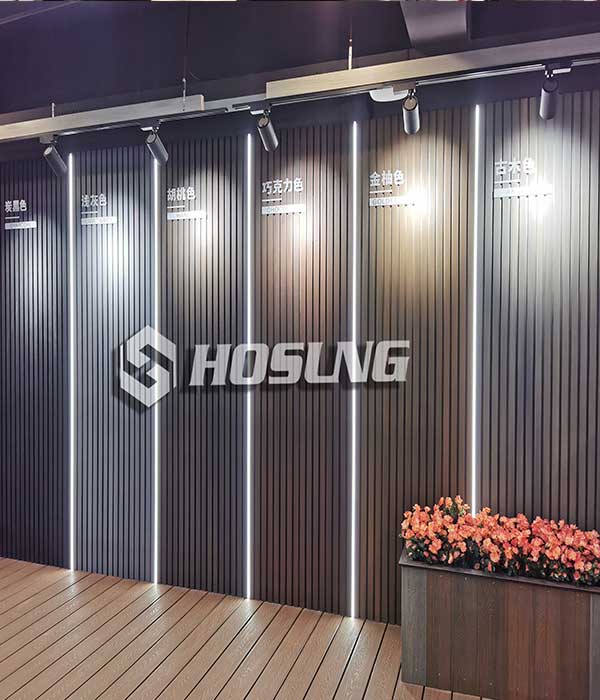
Composite decking has become a popular choice for outdoor flooring due to its durability, low maintenance, and aesthetic appeal. With its resistance to rot, insect damage, and fading, it offers a long-lasting alternative to traditional timber decking. Many businesses and contractors worldwide are exploring opportunities to source composite decking from China, which has become a major manufacturing hub for this versatile material. This guide covers everything you need to know about importing composite decking from China, including material types, supplier selection, quality control, logistics, regulations, and cost considerations.
Understanding Composite Decking
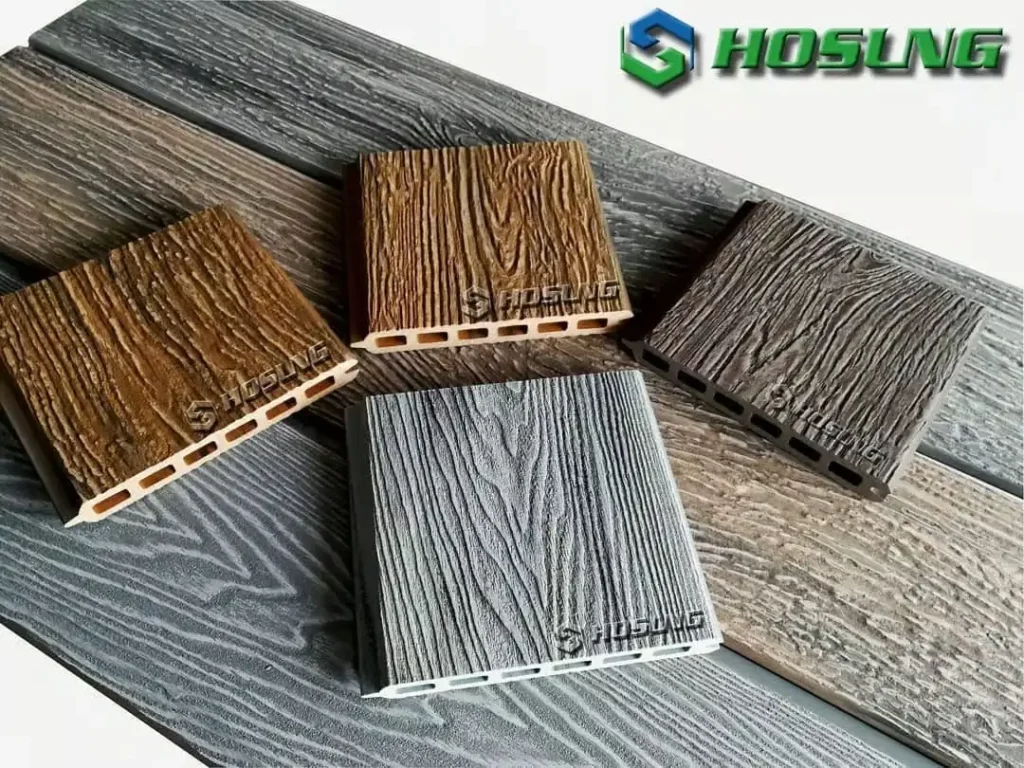
Composite decking is made by combining wood fibers or sawdust with high-quality plastic resins, resulting in a product that mimics the look of natural wood while providing enhanced performance characteristics. The mixture is typically extruded into planks of various sizes and finishes, providing a range of options for commercial and residential projects. Unlike natural wood, composite decking does not require regular sealing, staining, or painting, making it an attractive choice for busy homeowners and contractors who want to reduce maintenance requirements.
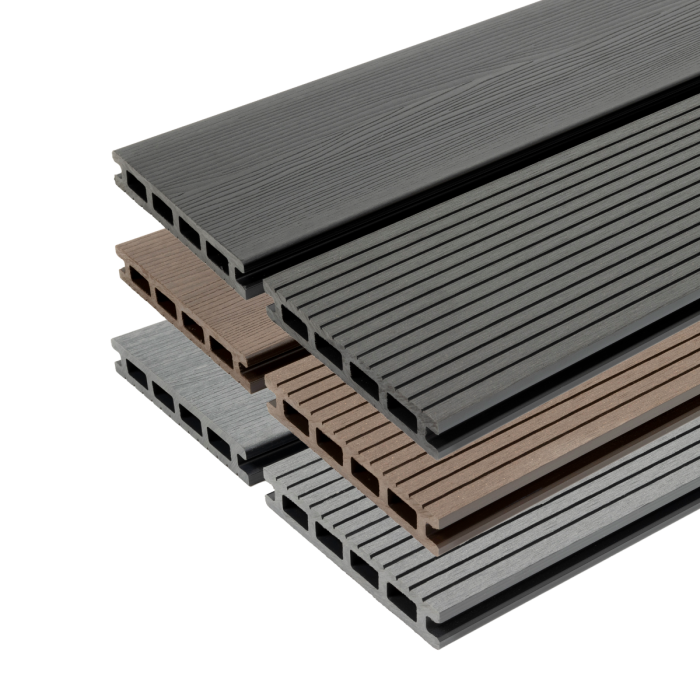
There are several types of composite decking available, each with unique features. Solid composite boards are fully dense and provide a traditional wood feel, while hollow boards are lighter, reduce material costs, and offer excellent thermal insulation properties. Some boards feature capped surfaces, which add an extra layer of protection against moisture, scratches, and UV damage. Understanding these differences is essential before importing composite decking from China, as selecting the appropriate type for your market can impact sales and customer satisfaction.
Benefits of Importing Composite Decking from China
China has established itself as a global leader in composite decking production due to its advanced manufacturing capabilities, competitive pricing, and extensive export experience. Importing composite decking from China can offer several benefits:
- Cost-Effectiveness: Manufacturing costs in China are generally lower than in Western countries, enabling buyers to obtain high-quality decking at competitive prices.
- Variety and Customization: Chinese manufacturers can offer a wide range of colors, finishes, and sizes. They often provide custom design services to meet specific project requirements.
- Production Capacity: Large-scale production facilities ensure consistent supply, which is critical for projects requiring bulk orders.
- Export Experience: Many manufacturers have extensive experience in exporting goods worldwide, assisting with documentation, packaging, and compliance with international standards.
By leveraging these advantages, importers can access high-quality composite decking without compromising on design or functionality, while maintaining favorable profit margins.
Choosing the Right Supplier
Selecting a reliable supplier is one of the most critical steps when importing composite decking from China. A trustworthy supplier ensures product quality, timely delivery, and compliance with international standards. Here are key factors to consider:
- Factory Inspection: Whenever possible, conduct a physical inspection or hire a third-party quality control service to evaluate the factory. Check for modern extrusion lines, consistent output capacity, and proper safety measures.
- Material Composition: Request detailed information about the raw materials used in production, including wood fiber ratios, plastic resin types, and any additional additives. High-quality composite decking requires a balanced mix to prevent warping, fading, or cracking.
- Certifications and Standards: Ensure the supplier adheres to relevant international standards, such as ISO certifications, CE marking, or ASTM standards, depending on your target market. Certifications provide assurance that the decking meets safety, durability, and environmental requirements.
- Sample Evaluation: Before placing a large order, request physical samples to assess texture, color consistency, and durability. This step helps avoid potential issues with large shipments.
- Reference Clients: Ask for references or case studies of previous export projects. Suppliers with experience serving international clients are more likely to understand logistics, documentation, and customs clearance processes.
Careful supplier selection is the foundation of a successful import business, ensuring long-term reliability and customer satisfaction.
Material Quality and Testing
Composite decking quality can vary significantly depending on material composition, manufacturing processes, and surface treatment. Key aspects to evaluate include:
- Wood Fiber Content: Higher wood fiber content improves the natural look of the decking but may increase the risk of moisture absorption. Balanced fiber content is essential for durability.
- Plastic Resin Quality: Using high-grade polyethylene (PE) or polyvinyl chloride (PVC) resins enhances strength, UV resistance, and color retention. Low-quality resins can result in brittle boards prone to cracking.
- Surface Capping: Some composite decking boards feature a protective cap that enhances scratch resistance, reduces staining, and minimizes fading from sun exposure.
- Dimensional Stability: Boards should retain their shape without warping or bowing, even in fluctuating weather conditions. Testing involves measuring expansion and contraction rates under temperature changes.
- Fire Resistance: For regions with strict fire safety regulations, ensure the decking meets relevant fire resistance standards.
Third-party testing and factory quality control procedures are crucial steps in verifying material performance before committing to bulk orders.
Import Regulations and Compliance
When importing composite decking from China, understanding international regulations and compliance requirements is essential to avoid delays and penalties. Key considerations include:
- Customs Documentation: Accurate invoices, packing lists, and certificates of origin are necessary for customs clearance. Some countries require additional documents, such as import permits or environmental compliance certificates.
- Tariffs and Duties: Import duties vary by country and can affect overall costs. Research applicable tariffs in advance to ensure competitive pricing.
- Product Safety Standards: Depending on your market, decking may need to comply with chemical safety, fire safety, or environmental standards, such as RoHS or REACH certifications.
- Labeling Requirements: Proper labeling, including country of origin, material composition, and safety instructions, may be mandatory for import and sale.
Partnering with experienced freight forwarders or customs brokers can streamline compliance processes and reduce the risk of shipment delays.
Shipping and Logistics
Efficient logistics are critical when importing composite decking from China. The choice of shipping method depends on order size, delivery urgency, and budget:
- Sea Freight: Most common for bulk shipments, sea freight offers cost efficiency but longer transit times, typically ranging from 20 to 40 days depending on the destination.
- Air Freight: Faster but more expensive, air freight is suitable for urgent orders or high-value shipments.
- Rail Freight: For European markets, rail freight from China is increasingly popular, balancing cost and speed.
- Packaging Considerations: Composite decking is heavy and can be prone to surface damage. Proper packaging, including edge protectors, shrink wrap, and sturdy pallets, ensures boards arrive in good condition.
Choosing the right logistics strategy involves balancing cost, delivery time, and product protection, particularly when importing large volumes of decking.
Cost Considerations
Cost is a critical factor when importing composite decking from China. Beyond the basic unit price, consider additional expenses:
- Shipping and Freight: Sea freight charges, port handling fees, and inland transportation costs contribute to total expenses.
- Customs Duties and Taxes: Duties vary by destination country and product classification.
- Quality Control and Inspection: Investing in third-party inspections reduces the risk of receiving defective products but adds to upfront costs.
- Packaging and Handling: Proper packaging protects boards during transit, minimizing potential losses.
- Currency Fluctuations: Exchange rates between your local currency and the Chinese yuan can impact pricing, so consider hedging or negotiating fixed rates for large orders.
Calculating the total landed cost ensures informed purchasing decisions and helps maintain competitive pricing for resale.
Tips for Successful Importing
To maximize the benefits of importing composite decking from China, consider the following best practices:
- Build Long-Term Relationships: Establishing trust and open communication with suppliers can lead to better pricing, priority production slots, and customized solutions.
- Start Small: Begin with a trial order to evaluate product quality, supplier reliability, and logistics efficiency before committing to bulk purchases.
- Regular Quality Audits: Conduct periodic inspections or hire third-party quality control services to ensure consistent product standards.
- Negotiate Payment Terms: Secure favorable payment terms, such as partial upfront deposits and balance after inspection, to reduce financial risk.
- Stay Informed on Market Trends: Monitoring global demand, emerging decking technologies, and local regulations helps maintain competitiveness and adaptability.
Implementing these strategies enhances import efficiency, reduces risks, and supports long-term business growth.
Sustainability Considerations
Composite decking is increasingly valued for its sustainability compared to traditional wood decking. Many Chinese manufacturers use recycled wood fibers and plastics, reducing environmental impact. Importers should verify:
- Recycled Content: Ask suppliers for data on recycled material percentages and sourcing practices.
- Eco-Friendly Production Processes: Look for manufacturers implementing energy-efficient extrusion lines and minimal waste policies.
- Certifications: Certifications such as FSC (Forest Stewardship Council) or other environmental compliance standards indicate responsible sourcing practices.
Sustainable decking not only appeals to environmentally conscious consumers but can also provide a competitive edge in markets with strict environmental regulations.
Market Considerations for Imported Decking
Understanding the target market is crucial when importing composite decking. Factors to consider include:
- Climate Suitability: Composite decking should perform well in local weather conditions, whether it involves high UV exposure, humidity, or freezing temperatures.
- Consumer Preferences: Color, texture, and board width preferences vary by region. Market research helps align imported products with customer expectations.
- Competition and Pricing: Analyze local competitors and price points to ensure imported decking remains competitive.
- Regulatory Compliance: Ensure decking meets local building codes, fire safety standards, and chemical regulations to facilitate sales and installation.
Adapting imported decking to market requirements increases acceptance and reduces the risk of returns or complaints.
Installation and Maintenance Considerations
While composite decking is low-maintenance compared to timber, proper installation ensures longevity and performance. Tips for importers and end-users include:
- Professional Installation: Hiring trained installers or providing clear installation guides helps maintain warranty validity and structural integrity.
- Expansion Gaps: Composite boards expand and contract with temperature changes. Maintaining proper gaps prevents warping or buckling.
- Fasteners and Accessories: Hidden fasteners, screws, and end caps designed for composite decking improve aesthetics and durability.
- Cleaning: Routine cleaning with mild soap and water prevents mold growth and keeps boards looking new. Avoid harsh chemicals that may damage the surface.
Providing clear installation and maintenance instructions increases customer satisfaction and reduces post-sale issues.
Common Challenges and Solutions
Importing composite decking from China comes with potential challenges. Awareness and proactive management are essential:
- Quality Variation: Different factories may produce boards with varying quality. Solution: perform factory audits and request samples before bulk orders.
- Shipping Delays: Port congestion, customs inspections, or logistics issues can delay shipments. Solution: plan orders in advance and use reliable freight forwarders.
- Regulatory Changes: Tariffs, import duties, or safety standards may change. Solution: monitor regulations and maintain flexible supply agreements.
- Language and Communication Barriers: Misunderstandings with suppliers can affect orders. Solution: hire bilingual staff or use professional sourcing agents.
Addressing these challenges early ensures smoother operations and minimizes risk.