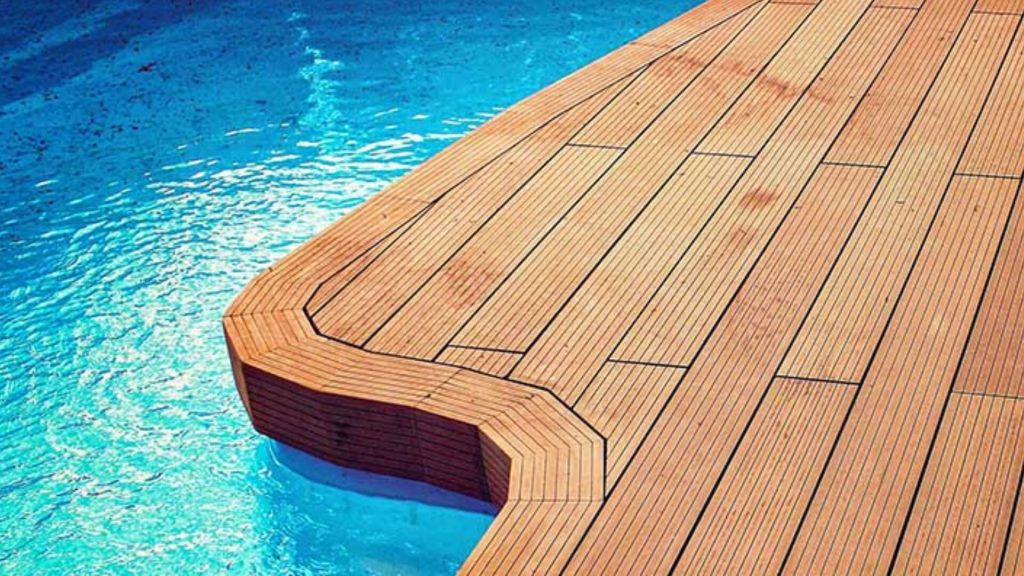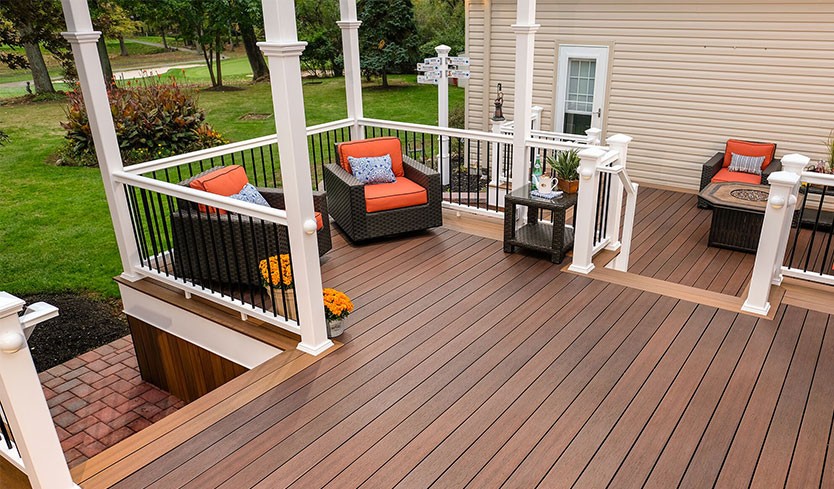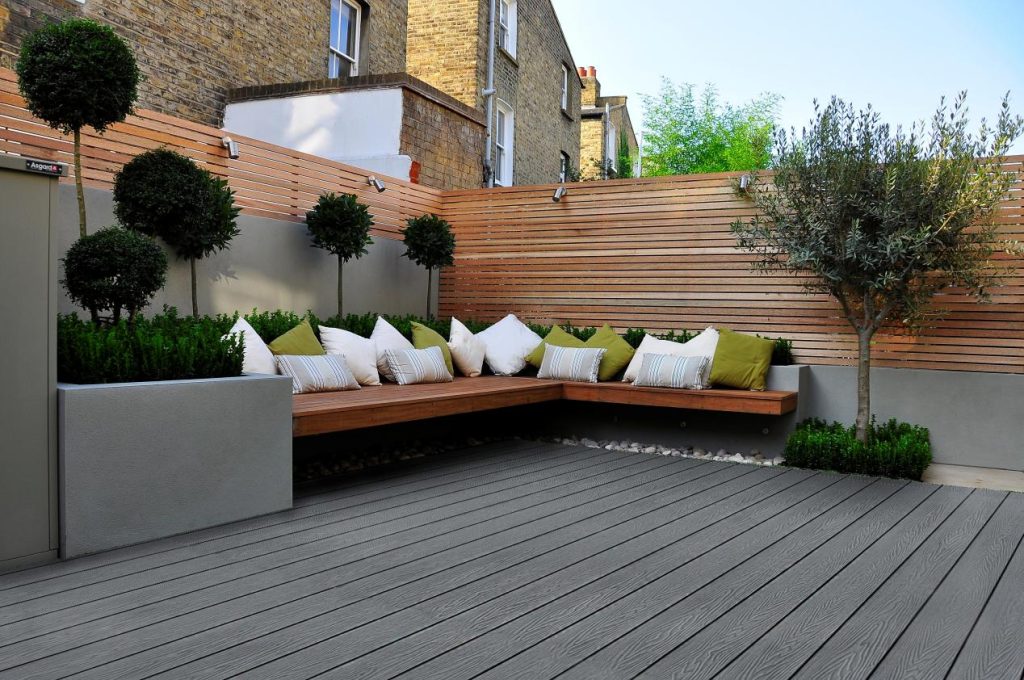
Composite decking around pool areas has become one of the most popular choices for modern outdoor spaces. Homeowners are increasingly looking for materials that combine durability, safety, low maintenance, and visual appeal. Traditional wood decking often struggles in wet environments, especially around swimming pools where constant moisture, chlorine exposure, and heavy foot traffic are common. Composite materials offer a practical alternative that addresses many of these challenges while still delivering a natural wood-like appearance.
This review explores composite decking around pool installations in detail, covering performance, benefits, drawbacks, installation considerations, safety aspects, design options, and long-term value. The goal is to help you understand whether this material is suitable for your poolside environment and what factors matter most when selecting and using it.

What Is Composite Decking?
Composite decking is a manufactured outdoor decking material made from a mixture of wood fibers and plastic polymers. This combination creates a board that mimics the appearance of natural wood while offering improved resistance to moisture, insects, and decay.
Unlike traditional timber, composite boards are engineered to remain stable under changing weather conditions. They do not easily warp, crack, or splinter, which makes them particularly suitable for wet environments like pool surroundings.
There are generally two types of composite decking used around pools:
- Hollow-core composite boards, which are lighter and more affordable
- Solid composite boards, which are denser, stronger, and more durable
Both types are used in residential pool decks, although solid boards are often preferred for high-traffic areas due to their stability and strength.
Why Composite Decking Is Popular Around Pools
Pool areas require a special type of surface that can handle constant exposure to water and sunlight. Composite decking has become popular for several reasons.
First, it provides strong resistance to moisture. Unlike wood, which absorbs water and swells, composite materials are designed to resist water penetration. This reduces the risk of rot and structural deterioration.
Second, composite decking is slip-resistant. Many manufacturers design textured surfaces that improve grip even when wet, which is a major safety advantage around pools.
Third, it requires minimal maintenance. Poolside environments are difficult to maintain, and composite decking eliminates the need for frequent sanding, staining, or sealing.
Finally, composite decking offers aesthetic flexibility. It comes in a wide range of colors and finishes, allowing homeowners to create modern, natural, or tropical poolside designs.
Performance in Wet Environments
One of the most important factors in this composite decking around pool review is how the material performs when exposed to water.
Composite decking is engineered to resist water absorption. While it is not completely waterproof, its absorption rate is significantly lower than natural wood. This reduces swelling, shrinking, and cracking over time.
Around pools, water exposure is constant due to splashing, cleaning, and humidity. Composite boards maintain their shape and structure even under these conditions, making them a reliable long-term solution.
However, performance can vary depending on the quality of the material. Higher-density boards typically perform better in extreme wet conditions compared to lower-cost alternatives.
Safety Considerations Around Pools
Safety is one of the most critical aspects of poolside decking. Wet surfaces can become slippery, increasing the risk of accidents.
Composite decking improves safety in several ways:
- Textured surfaces enhance grip
- Some designs include embossed wood grain patterns for traction
- Reduced splintering eliminates injury risks common with wood decks
- Heat-resistant formulations reduce surface temperature under sunlight
Despite these benefits, not all composite decking products perform equally in terms of slip resistance. The surface texture and finish play a major role in determining safety performance. For pool areas, selecting a board with a strong anti-slip rating is essential.
Heat Retention and Sun Exposure
Pool decks are often exposed to direct sunlight for long hours. One concern with composite decking is heat retention. Because of its plastic content, composite boards can become warm or even hot under intense sunlight.
Darker colors tend to absorb more heat, while lighter shades reflect sunlight and stay cooler. This is an important design consideration for poolside installations where barefoot comfort is important.
To reduce heat buildup, homeowners often choose:
- Light gray or beige tones
- Boards with heat-reflective technology
- Shaded deck layouts using pergolas or umbrellas
Proper planning can significantly improve comfort levels around the pool area.
Maintenance Requirements
One of the strongest advantages of composite decking is its low maintenance requirement.
Unlike natural wood, composite decking does not require:
- Annual sanding
- Staining or painting
- Sealing treatments
Basic maintenance typically includes:
- Regular washing with water and mild soap
- Removing debris such as leaves and dirt
- Occasional deep cleaning to prevent surface staining
Around pools, chlorine and sunscreen residues may accumulate on the surface. These can usually be cleaned easily without damaging the material.
This low maintenance requirement is one of the main reasons homeowners choose composite decking for pool environments.
Aesthetic Appeal and Design Options
Composite decking offers a wide variety of design possibilities. Modern manufacturing techniques allow for realistic wood grain textures and multiple color variations.
Common design styles include:
- Natural wood tones for a traditional poolside look
- Gray and charcoal shades for modern minimalist designs
- Multi-tone finishes that mimic aged or tropical hardwood
In addition to color options, installation patterns can enhance visual appeal:
- Horizontal plank layouts for a classic appearance
- Herringbone patterns for a premium architectural look
- Picture-frame borders to define pool edges
These design options allow homeowners to customize their pool area according to their landscape style.
Installation Considerations
Proper installation is essential for long-term performance of composite decking around pool areas.
Key considerations include:
Substructure Preparation
A stable substructure is required to support the decking. Typically, pressure-treated framing or aluminum supports are used. The structure must be level and well-drained to prevent water pooling underneath.
Drainage Design
Good drainage is critical in pool environments. Water should be able to flow away from the deck surface easily. Improper drainage can lead to standing water, increasing the risk of algae growth and surface staining.
Expansion Gaps
Composite materials expand and contract with temperature changes. Proper spacing between boards is necessary to prevent buckling or warping.
Fastening Systems
Hidden fastening systems are often used to create a clean, seamless surface. These systems also reduce tripping hazards and improve aesthetics.
Durability and Lifespan
Composite decking is known for its long lifespan compared to traditional wood. In pool environments, where moisture exposure is constant, this durability becomes even more important.
On average, composite decking can last significantly longer than wood decking when properly installed and maintained. It resists:
- Rot and decay
- Insect damage
- Surface cracking
- Splintering
However, long-term performance depends on material quality and installation precision. Poor installation can reduce lifespan even for high-quality boards.
Environmental Considerations
Many homeowners choose composite decking for environmental reasons. It often incorporates recycled materials, reducing the demand for virgin timber.
Additionally, its long lifespan means fewer replacements over time, which reduces overall material waste.
However, it is important to note that composite materials are not fully biodegradable. At the end of their lifecycle, disposal and recycling options may vary depending on local facilities.
Cost vs Value Analysis
Composite decking generally has a higher upfront cost compared to traditional wood. However, when evaluating long-term value, it often becomes more cost-effective.
Factors contributing to long-term value include:
- Reduced maintenance costs
- Longer lifespan
- Lower repair frequency
- Improved property value
For poolside applications, where maintenance demands are higher, the cost-benefit balance often favors composite materials.
Common Issues and Limitations
While composite decking offers many advantages, it also has some limitations.
Potential issues include:
- Heat buildup under direct sunlight
- Surface fading over time, especially in lower-quality boards
- Higher initial installation cost
- Potential for mold growth if not cleaned regularly in humid environments
Understanding these limitations helps homeowners make informed decisions and take preventive measures.
Maintenance Tips for Poolside Composite Decking
To ensure long-lasting performance, regular care is recommended.
Helpful maintenance practices include:
- Rinsing the deck weekly to remove chlorine and salt residue
- Using a soft brush for deeper cleaning
- Avoiding harsh chemicals that may damage the surface
- Keeping drainage areas clear of debris
- Using outdoor mats in high-traffic zones
Proper care can significantly extend the lifespan and appearance of the deck.
Design Ideas for Pool Areas
Composite decking allows for creative poolside designs that enhance both functionality and aesthetics.
Popular ideas include:
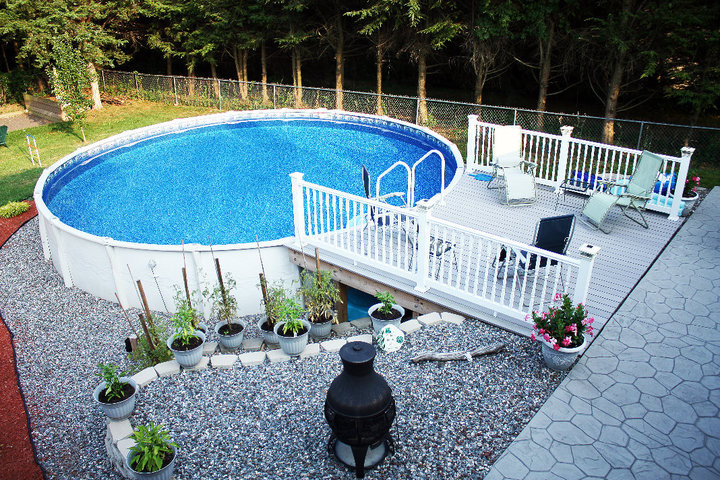
- Multi-level decking around raised pools
- Integrated seating areas built into the deck
- Built-in lighting for nighttime ambiance
- Contrasting border colors to highlight pool shape
- Combined landscaping with stone and greenery elements
These design approaches help transform a simple pool area into a complete outdoor living space.