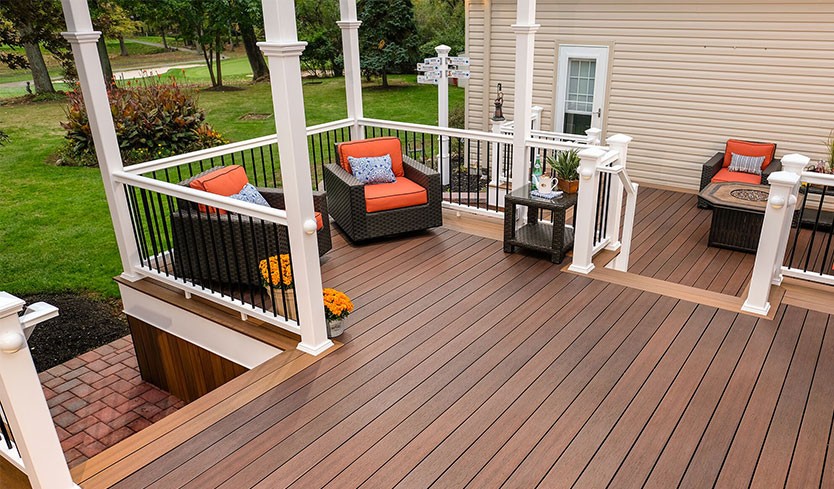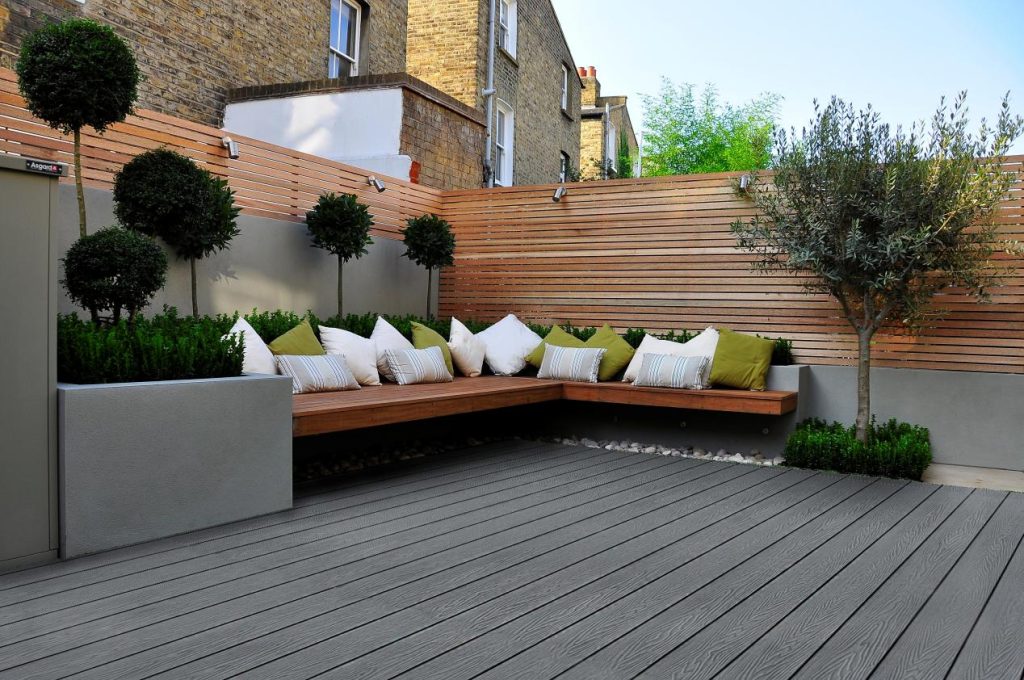
Composite decking for steps has gained widespread popularity in modern outdoor design and construction projects. Homeowners, landscape architects, and commercial developers alike are turning to composite materials as an alternative to traditional wood or metal for staircases. Steps are high-traffic areas that require materials combining durability, safety, and aesthetics. Choosing the right composite decking ensures that outdoor stairs remain functional and visually appealing for years.
This article explores the types of composite decking for steps, its advantages, and practical guidelines for selecting the most suitable products. The discussion covers material composition, installation considerations, maintenance, and design tips.
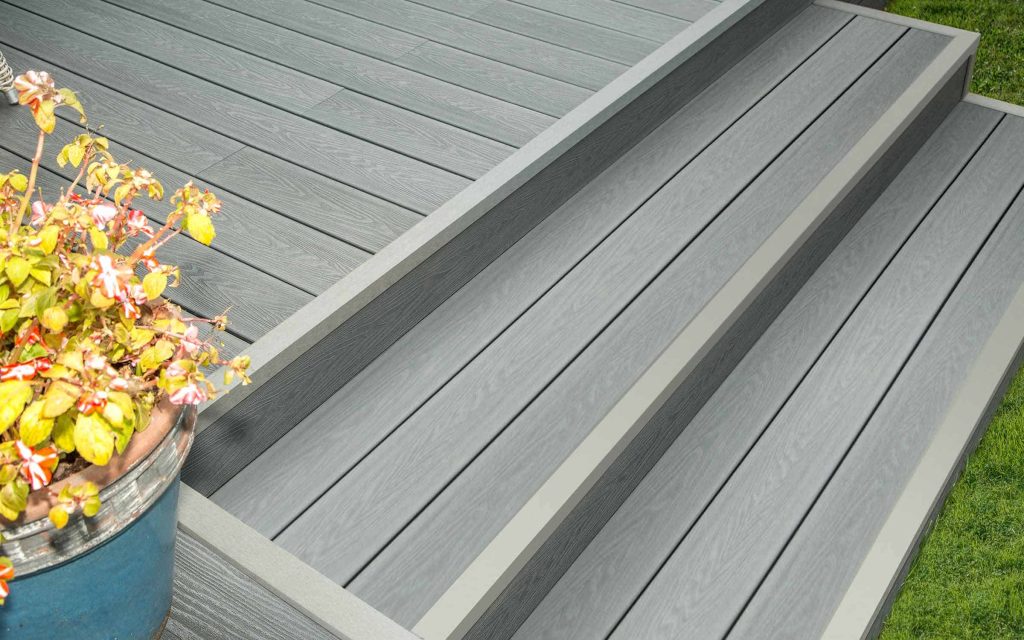
Table of Contents
Understanding Composite Decking for Steps
Composite decking is a manufactured material consisting of a mixture of:
- Wood fibers or wood flour– provides natural texture and appearance
- Plastic polymers(such as polyethylene, polypropylene, or PVC) – enhance water resistance and durability
- Additives– UV stabilizers, color pigments, and bonding agents
When used for steps, composite decking is cut into treads (horizontal surfaces) and risers (vertical faces) to form a complete stair system. Compared to natural wood, composite materials offer superior resistance to rot, insects, warping, and moisture.
Composite steps are ideal for:
- Garden or backyard staircases
- Poolside steps
- Patio and deck stairways
- Porch or entryway stairs
- Commercial or public outdoor steps
Because steps experience concentrated weight and frequent foot traffic, it is essential to select a composite decking material that is strong, slip-resistant, and weatherproof.

Types of Composite Decking for Steps
Composite decking comes in several varieties, distinguished by structure, surface finish, and performance. Selecting the right type depends on environmental conditions, intended use, aesthetic preferences, and budget.
2.1 Solid Composite Decking Boards
Solid boards are dense and entirely composed of composite material throughout their cross-section.
Features:
- High load-bearing capacity
- Excellent durability under heavy foot traffic
- Strong resistance to impact and cracking
- Suitable for structural step treads
Advantages for steps:
Solid boards are stable and prevent flexing under pressure, making them ideal for high-traffic areas. They are particularly effective for main entrance stairs or commercial staircases.
Best use cases:
- Residential front steps
- Commercial outdoor stairways
- High-traffic garden or patio stairs
2.2 Hollow Composite Decking Boards
Hollow boards contain internal cavities or channels to reduce weight and material use.
Features:
- Lightweight and easy to handle
- Lower cost compared to solid boards
- Simplified installation
- Suitable for decorative or low-load applications
Advantages for steps:
Hollow boards require additional structural support for step applications. While not ideal for heavy-duty use, they are sufficient for backyard or garden steps.
Best use cases:
- Decorative garden steps
- Low-traffic residential stairs
- Staircases on elevated decks with supporting framework
2.3 Capped Composite Decking
Capped boards feature a polymer layer surrounding the core, enhancing performance and appearance.
Features:
- Superior stain resistance
- Enhanced UV protection
- Moisture and weather resistance
- Realistic wood-like finish
Advantages for steps:
Capped composite boards maintain color consistency and prevent surface wear even under sun, rain, or snow exposure. This makes them ideal for outdoor steps exposed to all weather conditions.
Best use cases:
- Poolside or patio steps
- Coastal staircases
- Steps exposed to high sunlight
2.4 Uncapped Composite Decking
Uncapped boards are traditional composites without an additional polymer layer.
Features:
- More affordable
- Uniform composition throughout
- Easy to cut and shape
- Slightly more prone to fading over time
Advantages for steps:
Uncapped boards are suitable for shaded or semi-covered areas where UV exposure is limited. They provide a cost-effective option for low-traffic staircases.
Best use cases:
- Covered patios
- Indoor-outdoor transitional stairs
- Low UV exposure outdoor steps
2.5 Wood-Plastic Composite (WPC)
Wood-plastic composite (WPC) is the most common type of composite decking.
Features:
- Blend of wood fiber and plastic
- Natural wood-like appearance
- Good balance of strength and flexibility
- Widely available and versatile
Advantages for steps:
WPC provides the look and feel of wood while offering greater durability, moisture resistance, and low maintenance. It is an excellent choice for residential steps.
Best use cases:
- Residential gardens
- Deck-to-yard transition steps
- Landscaping and patio staircases
2.6 High-Density Composite Decking
High-density composites are engineered for maximum strength.
Features:
- Exceptional structural strength
- High wear resistance
- Longer lifespan
- Premium pricing
Advantages for steps:
High-density boards are ideal for stairs that experience frequent or heavy use. Their durability ensures that they maintain structural integrity over decades.
Best use cases:
- Commercial buildings
- Public outdoor stairways
- Multi-family residential complexes
Advantages of Composite Decking for Steps
Composite decking offers numerous benefits over traditional materials such as wood, metal, or concrete.
3.1 Low Maintenance
Composite steps require minimal upkeep:
- No staining or painting needed
- Resistant to rot and decay
- Easy cleaning with soap and water
This reduces long-term costs and effort, making it ideal for homeowners who want a low-maintenance solution.
3.2 Weather Resistance
Composite decking resists harsh environmental conditions, including:
- Rain and moisture
- Snow and ice
- Sunlight and UV exposure
- Temperature fluctuations
This ensures long-lasting performance in all climates.
3.3 Durability and Longevity
Compared to wood, composite decking:
- Does not rot, warp, or splinter
- Resists insect damage
- Maintains structural integrity for decades
Properly installed composite steps can last 25 years or more with minimal maintenance.
3.4 Safety
Composite decking enhances safety on steps:
- Slip-resistant textures reduce accidents
- No splinters or sharp edges
- Consistent traction even when wet
This is particularly important for households with children, elderly individuals, or public spaces.
3.5 Aesthetic Flexibility
Composite boards are available in multiple colors, textures, and finishes:
- Smooth modern finishes
- Deep wood grain textures
- Natural-looking colors or multi-tone effects
This allows seamless integration with any architectural style and landscape design.
3.6 Eco-Friendly Material
Many composite boards use recycled wood fibers and plastics:
- Reduces deforestation
- Recycles plastic waste
- Longer lifespan reduces replacement frequency
This makes composite decking a sustainable and environmentally responsible choice.
3.7 Cost Efficiency
While upfront costs may be higher than wood, composite decking offers long-term cost savings:
- Reduced maintenance and repair
- Longer service life
- No need for frequent replacement
Over decades, composite steps prove to be more economical than natural wood.
How to Choose Composite Decking for Steps
Selecting the right material requires evaluating load requirements, environment, safety, and aesthetics.
4.1 Load-Bearing Capacity
Steps concentrate weight in small areas. Consider:
- Solid boards for heavy traffic
- Hollow boards only if supported with strong framing
- High-density boards for commercial or public use
Ensuring structural support is critical for safety and durability.
4.2 Slip Resistance
Safety is paramount. Steps exposed to rain or pool water should have:
- Textured or embossed surfaces
- Anti-slip coatings
- Deep wood grain patterns for traction
4.3 Environmental Considerations
Different conditions require different composites:
- UV-resistant capped boards for sunny locations
- Moisture-resistant boards for wet or poolside areas
- Corrosion-resistant boards for coastal or saline environments
- Uncapped boards for shaded or covered spaces
4.4 Board Thickness
Step stability depends on board thickness:
- Thicker boards resist bending and provide structural integrity
- Thin boards are suitable only for decorative or light-duty steps
For safety and longevity, stair treads typically require thicker composite boards than flat decking surfaces.
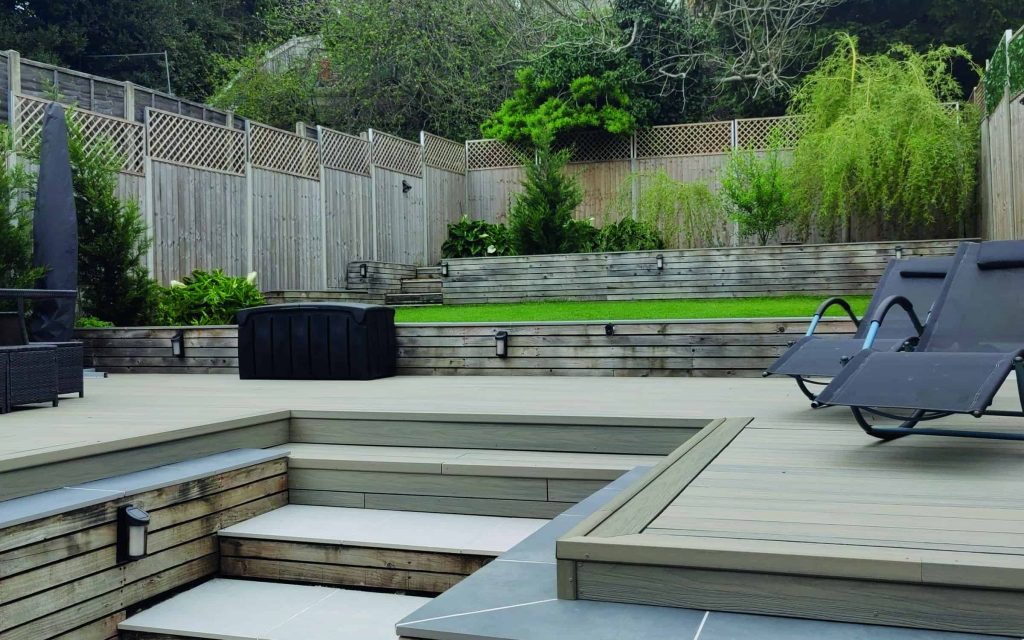
4.5 Color and Design
Steps should complement the surrounding environment:
- Matching deck colors for cohesive look
- Contrasting edges for better visibility
- Traditional wood tones for classic homes
- Grey, black, or neutral tones for modern architecture
4.6 Installation System Compatibility
Different composites may require specific fasteners or stair components:
- Hidden fastening systems
- Stair nosing pieces for edge protection
- Manufacturer guidelines for proper installation
Correct installation prevents movement, sagging, or surface damage.
4.7 Budget and Performance
Balance cost with performance:
- Entry-level: uncapped hollow composite
- Mid-range: capped WPC boards
- Premium: high-density capped composite
Selecting the appropriate grade ensures long-term value without overspending.
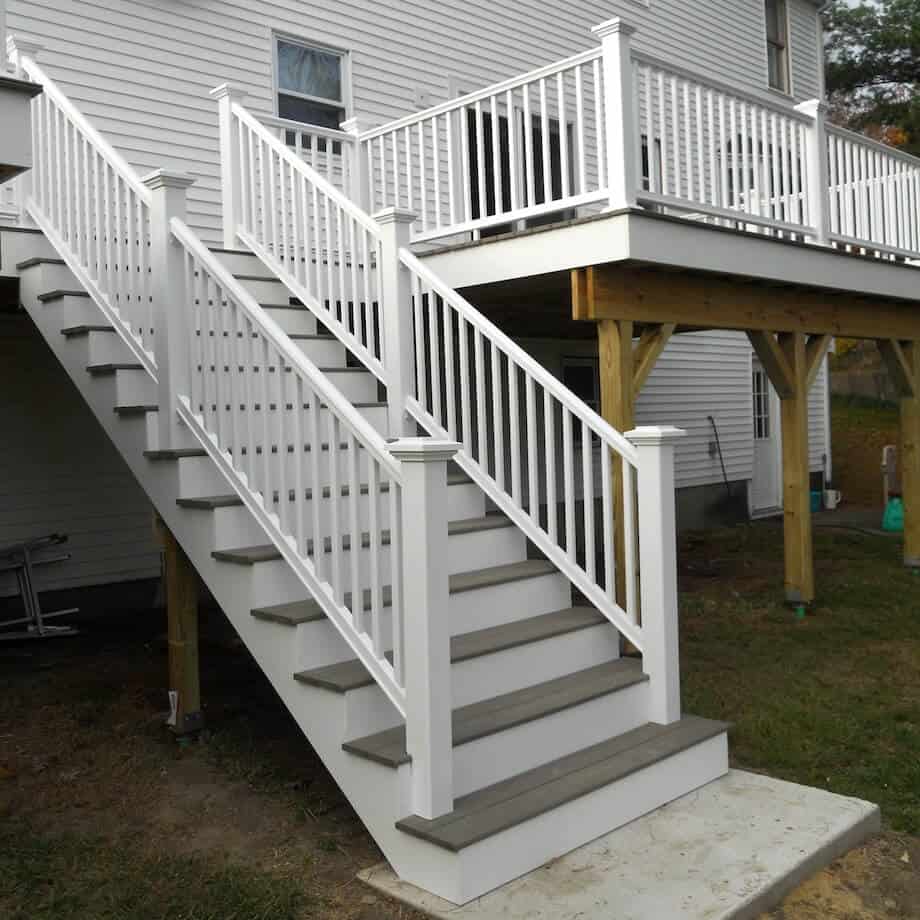
Installation Tips for Composite Decking Steps
Even high-quality composite materials underperform if installed incorrectly. Key points include:
- Ensure proper framing support (treated wood or metal)
- Allow spacing for water drainage and expansion
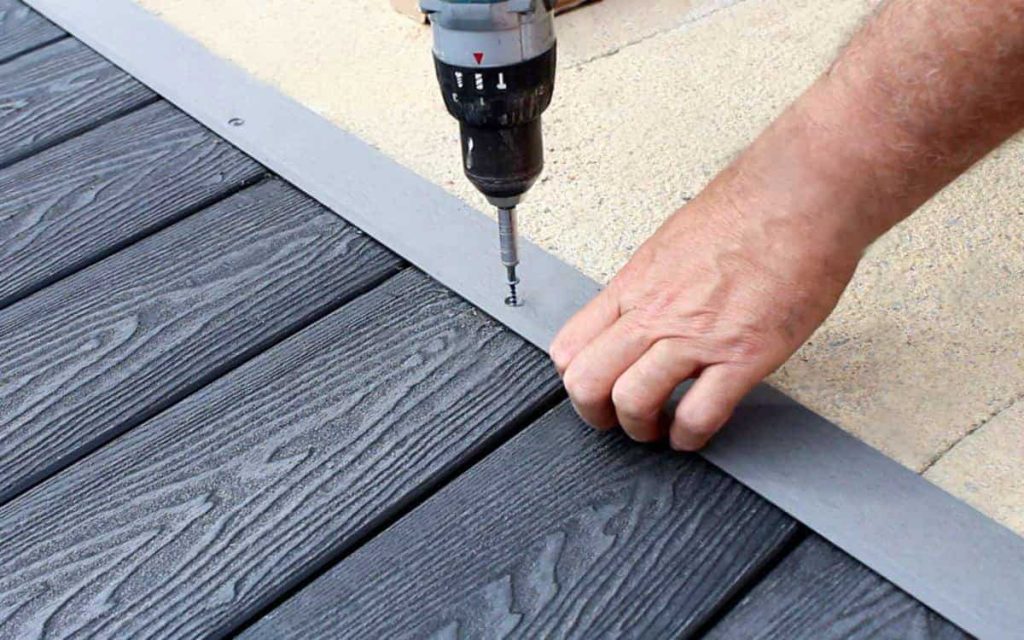
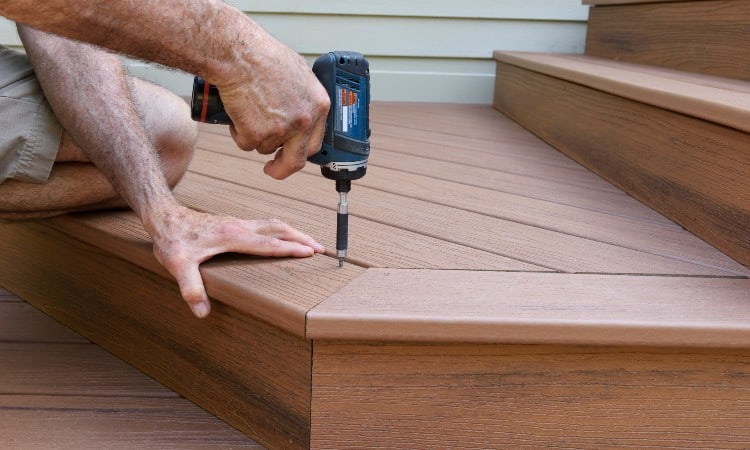
- Secure boards with recommended fasteners
- Maintain level and alignment for safety
- Install stair nosing for edge protection and slip resistance
Following these steps ensures durability, safety, and a professional appearance.
Common Mistakes to Avoid
Avoid these common pitfalls:
- Using hollow boards without adequate support
- Ignoring slip resistance for wet conditions
- Improper spacing for drainage
- Using incompatible fasteners or installation methods
- Prioritizing aesthetics over safety
Attention to detail in material selection and installation reduces long-term risks and repairs.
Maintenance of Composite Decking Steps
Although low-maintenance, composite steps benefit from occasional care:
- Sweep debris regularly
- Clean with mild detergent and water
- Remove stains promptly
- Inspect for loose fasteners or boards
- Avoid sharp or abrasive cleaning tools
Proper maintenance preserves aesthetics and prevents premature wear.
Design Considerations
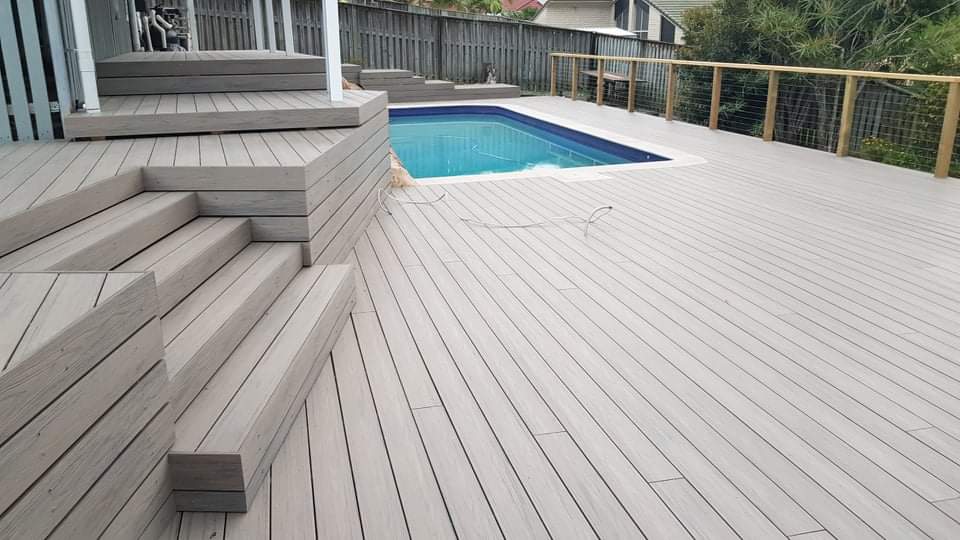
Composite decking allows creative design options:
- Mixed colors for step risers and treads
- Integrated lighting for safety and ambiance
- Decorative patterns or inlays for visual interest
- Curved or irregular stair designs using flexible composite boards
Design flexibility ensures steps are functional, safe, and visually appealing.
Cost Analysis
While composite decking may seem expensive initially, total cost over the lifespan is lower due to:
- Reduced maintenance
- Longer replacement intervals
- Minimal repair requirements
- Durability against weather and traffic
Compared to wood, metal, or concrete, composite steps are often more cost-effective over 20–30 years.
Environmental Impact
Using composite decking contributes to sustainability:
- Many boards incorporate recycled wood fibers and plastics
- Longer lifespan reduces material waste
- Minimal maintenance reduces chemical use (no stains or sealants)
- Energy-efficient manufacturing options are available
Environmentally conscious projects benefit from composite steps without sacrificing durability or appearance.
Conclusion
Composite decking for steps made by Hosung WPC, is a versatile, durable, and safe material choice for modern outdoor spaces. With multiple types available—solid, hollow, capped, uncapped, WPC, and high-density composites—there is an option to meet every aesthetic, performance, and budget requirement.
Advantages include:
- Minimal maintenance
- Weather and UV resistance
- Enhanced safety and slip resistance
- Long-lasting durability
- Design flexibility and eco-friendliness
Proper selection, installation, and maintenance ensure composite steps remain functional, attractive, and safe for decades. From residential gardens to commercial outdoor stairways, composite decking represents a modern, sustainable, and cost-effective solution.