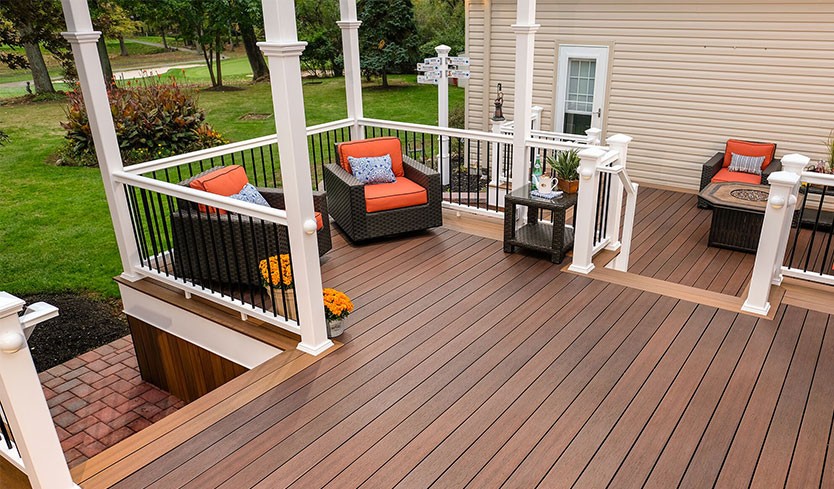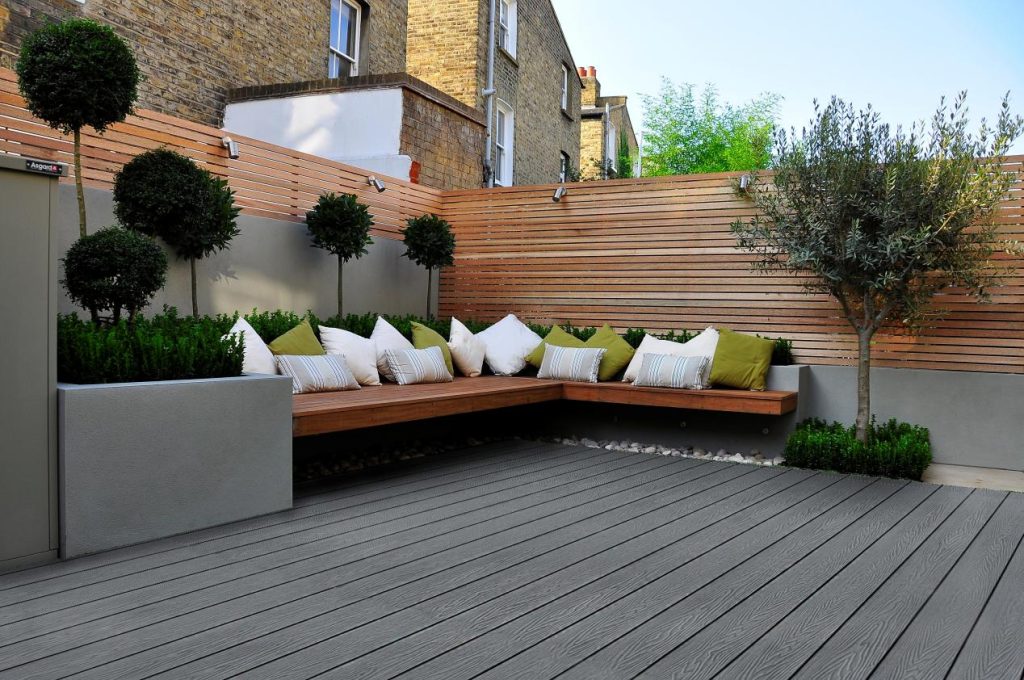
The composite decking price per square foot is one of the most important metrics homeowners, builders, and contractors use when planning an outdoor construction project. Unlike traditional wood decking, composite systems are manufactured using engineered materials such as wood fibers and polymer resins, which creates a wider and more complex pricing structure. When evaluating the composite decking price per square foot, it is not enough to look at material cost alone. The total installed cost typically includes raw materials, substructure preparation, fasteners, labor, design complexity, and long-term maintenance expectations. Each of these components significantly influences the final budget.
Table of Contents
In most residential applications, the composite decking price per square foot can vary widely depending on performance grade, surface finish, and installation environment. Understanding how each factor contributes to cost helps prevent underestimation during project planning and ensures accurate lifecycle budgeting.
This article provides a detailed breakdown of pricing factors, real-world cost ranges, installation economics, and long-term value considerations to help you evaluate the true composite decking price per square foot across different scenarios.
Core Cost Components of Composite Decking Systems
The composite decking price per square foot is determined by several key cost categories. These categories interact to form the total project cost.
1. Material Manufacturing Cost
Material cost is the foundation of the composite decking price per square foot. Composite boards are produced through high-pressure extrusion or molding processes using a blend of:
- Wood flour or wood fibers
- High-density polyethylene (HDPE) or polypropylene
- Additives for UV resistance and color stability
Manufacturing complexity directly affects pricing. Boards with enhanced surface protection, deeper embossing, or co-extruded protective layers generally increase the composite decking price per square foot.
Typical material-only ranges:
- Entry-level composite boards: $2.50 – $4.50 per sq ft
- Mid-range composite boards: $4.50 – $7.50 per sq ft
- Premium structural systems: $7.50 – $12+ per sq ft
These figures represent only raw materials and do not include installation or substructure.
2. Installation Labor Cost
Labor is a significant contributor to the composite decking price per square foot. Unlike wood decking, composite systems require precise spacing, hidden fastening systems, and careful substructure alignment.
Labor cost typically depends on:
- Contractor experience level
- Geographic labor market rates
- Deck complexity (multi-level, curves, stairs)
- Installation system (hidden clip vs face screw)
Average labor ranges:
- Simple installations: $5 – $8 per sq ft
- Moderate complexity: $8 – $12 per sq ft
- Complex architectural designs: $12 – $18+ per sq ft
This means labor can sometimes exceed material cost in the total composite decking price per square foot.
3. Structural Subframe and Foundation
The substructure plays a critical role in determining the final composite decking price per square foot. Composite decking requires a stable, properly spaced framing system, usually made of pressure-treated lumber or metal framing.
Substructure costs include:
- Joists and beams
- Concrete footings or posts
- Hardware and connectors
- Framing adjustments for leveling
Typical cost range:
- $3 – $10 per sq ft depending on soil conditions and elevation
4. Fasteners and Installation Systems
Hidden fastening systems are commonly used in composite installations. These systems increase the composite decking price per square foot, but improve aesthetics and durability.
Cost elements include:
- Starter clips and edge trims
- Hidden fastener clips
- Stainless steel screws
Estimated impact:
- $0.50 – $2.50 per sq ft additional cost
5. Design and Engineering Complexity
Architectural design significantly affects the composite decking price per square foot. Custom shapes and multi-level layouts require additional labor and material waste.
Design-driven cost increases may include:
- Curved deck edges
- Integrated seating or planters
- Stair systems and railings
- Multi-zone outdoor layouts
Complex designs can increase total cost by 20%–40%.
Regional Pricing Variation Factors
The composite decking price per square foot is not uniform across regions. Local economic conditions significantly influence final pricing.
Labor Market Differences
High-cost regions typically include:
- Coastal metropolitan areas
- High-demand suburban zones
- Areas with strict building regulations
Lower-cost regions:
- Rural areas
- Regions with lower contractor demand
Labor variation alone can change the composite decking price per square foot by up to $5–$8.
Climate Considerations
Climate affects both material selection and installation complexity:
- Freeze-thaw regions require deeper footings
- Hot climates require higher UV-resistant boards
- Humid environments require moisture-resistant substructures
These requirements indirectly influence the composite decking price per square foot.
Quality Grades and Their Impact on Pricing
Composite decking products are typically divided into three performance tiers, each affecting the composite decking price per square foot.
Entry-Level Systems
- Basic wood-plastic composite mix
- Minimal surface protection
- Shorter warranty period
Price impact:
- Lower initial composite decking price per square foot
- Higher long-term maintenance considerations
Mid-Range Systems
- Enhanced protective coating
- Improved color stability
- Better structural density
Balanced composite decking price per square foot with moderate durability.
Premium Systems
- Fully capped composite technology
- Advanced UV and stain resistance
- High structural strength and long lifespan
Highest composite decking price per square foot, but lowest lifecycle cost.
Hidden Costs Often Overlooked
Many projects underestimate the full composite decking price per square foot due to hidden costs.
1. Site Preparation
- Demolition of old deck structures
- Ground leveling
- Soil stabilization
2. Permits and Inspections
Depending on jurisdiction, permits may add:
- $0.50 – $2 per sq ft equivalent cost impact
3. Waste and Material Overages
Installation waste factor:
- 5%–12% additional material requirement
4. Drainage and Waterproofing Systems
For elevated decks or rooftop installations:
- Drainage membranes
- Waterproof sublayers
These can significantly increase the composite decking price per square foot.
Cost Comparison Table
Below is a structured breakdown of how different components contribute to the overall composite decking price per square foot:
Cost Component | Low Estimate ($/sq ft) | High Estimate ($/sq ft) | Notes |
Composite Materials | 2.50 | 12.00 | Depends on grade |
Labor Installation | 5.00 | 18.00 | Complexity dependent |
Substructure | 3.00 | 10.00 | Framing & foundation |
Fastening Systems | 0.50 | 2.50 | Hidden clip systems |
Design Complexity Factor | 0.00 | 6.00 | Custom layouts |
Permits & Preparation | 0.50 | 3.00 | Regional variation |
Total Estimated Range | 11.50 | 51.50 | Full installed system |
This table demonstrates how the composite decking price per square foot can vary significantly depending on system design and installation environment.
Lifecycle Cost vs Initial Investment
When evaluating the composite decking price per square foot, lifecycle cost is more important than upfront cost.
Maintenance Comparison
Composite decking reduces recurring expenses:
- No staining required
- No sealing required
- Minimal cleaning costs
Wood decking, by contrast, requires:
- Annual sealing or staining
- Frequent repairs
- Higher replacement frequency
Over 10–20 years, a higher initial composite decking price per square foot often results in lower total ownership cost.
Durability and Longevity Impact on Cost Efficiency
Durability directly affects the long-term value of the composite decking price per square foot.
Key performance indicators:
- UV resistance
- Moisture resistance
- Scratch and impact resistance
- Structural load capacity
Higher durability reduces:
- Repair frequency
- Replacement cycles
- Maintenance labor costs
Installation Scenarios and Cost Examples
Small Residential Deck (200–400 sq ft)
- Lower design complexity
- Basic framing
- Moderate material grade
Estimated composite decking price per square foot:
- $15 – $30 installed
Medium Family Deck (400–800 sq ft)
- Standard railing systems
- Moderate substructure complexity
Estimated composite decking price per square foot:
- $20 – $40 installed
Large Custom Outdoor Living Space (800+ sq ft)
- Multi-level design
- Integrated lighting and stairs
Estimated composite decking price per square foot:
- $30 – $55+ installed
Market Demand Influence on Pricing
Supply chain and demand cycles also influence the composite decking price per square foot:
- Seasonal construction peaks increase labor cost
- Material shortages raise board pricing
- Freight and logistics fluctuations impact supply cost
Contractors often adjust pricing dynamically based on market conditions.
Return on Investment (ROI) Perspective
The composite decking price per square foot should also be evaluated from a property value perspective.
Key ROI factors:
- Increased outdoor living space value
- Improved property aesthetics
- Reduced long-term maintenance costs
- Higher buyer appeal in resale markets
In many cases, well-designed composite decking installations recover a significant portion of their cost during property resale.
Final Cost Optimization Strategies
To optimize the composite decking price per square foot, consider:
- Standardizing deck shapes to reduce labor waste
- Selecting mid-range materials with capped surfaces
- Planning installation during off-peak seasons
- Minimizing unnecessary structural complexity
- Choosing efficient fastening systems
These strategies help balance performance and cost without sacrificing durability.
Conclusion
The composite decking price per square foot is influenced by a wide range of factors including material quality, labor complexity, substructure requirements, and regional economic conditions. A complete understanding of these elements allows for more accurate budgeting and better long-term investment decisions.
Rather than focusing solely on upfront pricing, evaluating lifecycle cost provides a more realistic view of value. In most cases, composite systems deliver stronger long-term economic performance compared to traditional alternatives due to reduced maintenance and extended service life.
For manufacturers and suppliers operating in the global WPC industry, product engineering quality and consistent material performance remain key drivers of competitive pricing. One example in this sector is Hosung WPC, which operates in the composite decking manufacturing field.