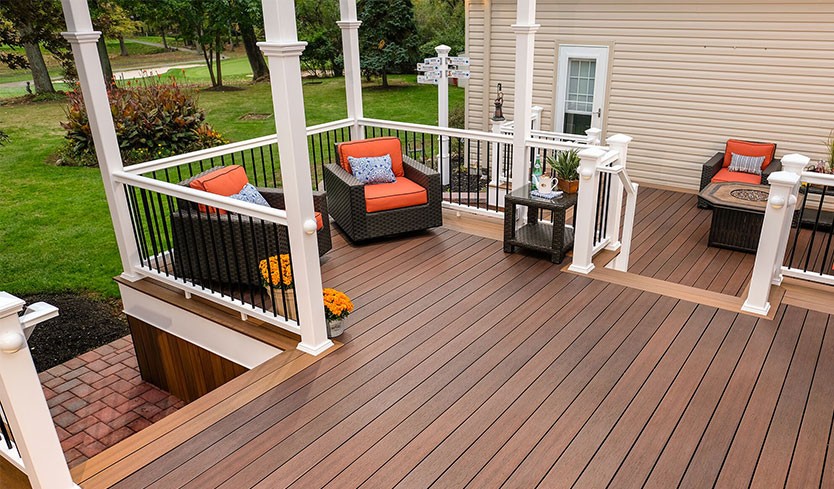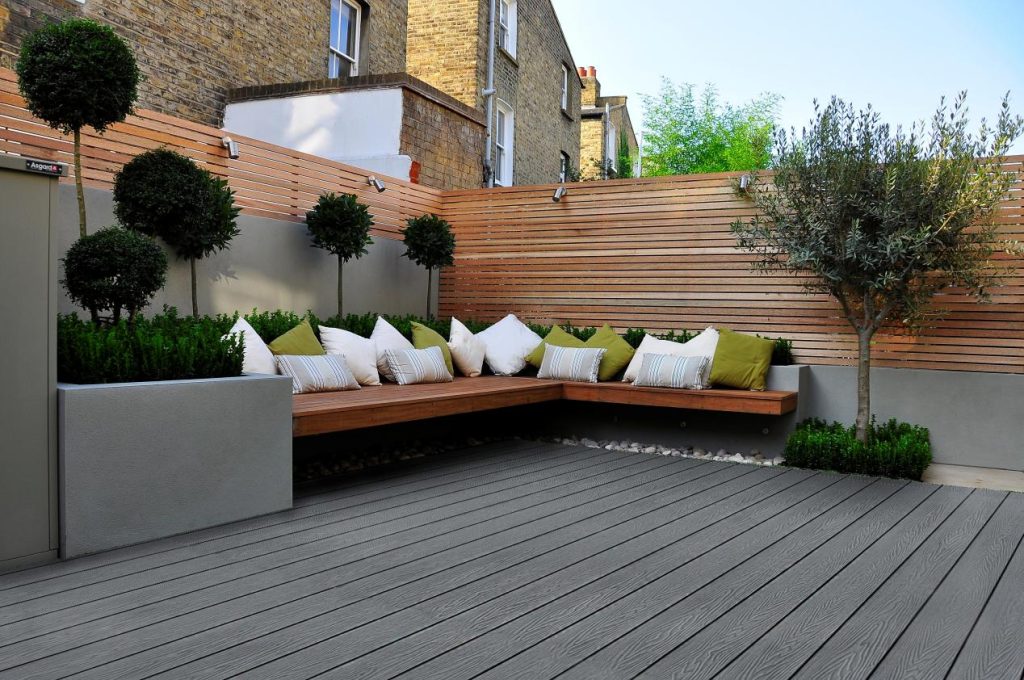
Non slip composite decking has become one of the most widely adopted outdoor surfacing solutions in modern residential and commercial construction. As outdoor living spaces expand in importance, the demand for safer, more durable, and low-maintenance decking systems continues to grow. This material category is engineered specifically to reduce slip risks while maintaining long-term structural stability, aesthetic consistency, and environmental resilience. This article provides a comprehensive technical overview of non slip composite decking, including its material composition, surface engineering technologies, classification types, installation considerations, performance characteristics, and selection criteria for different environments.
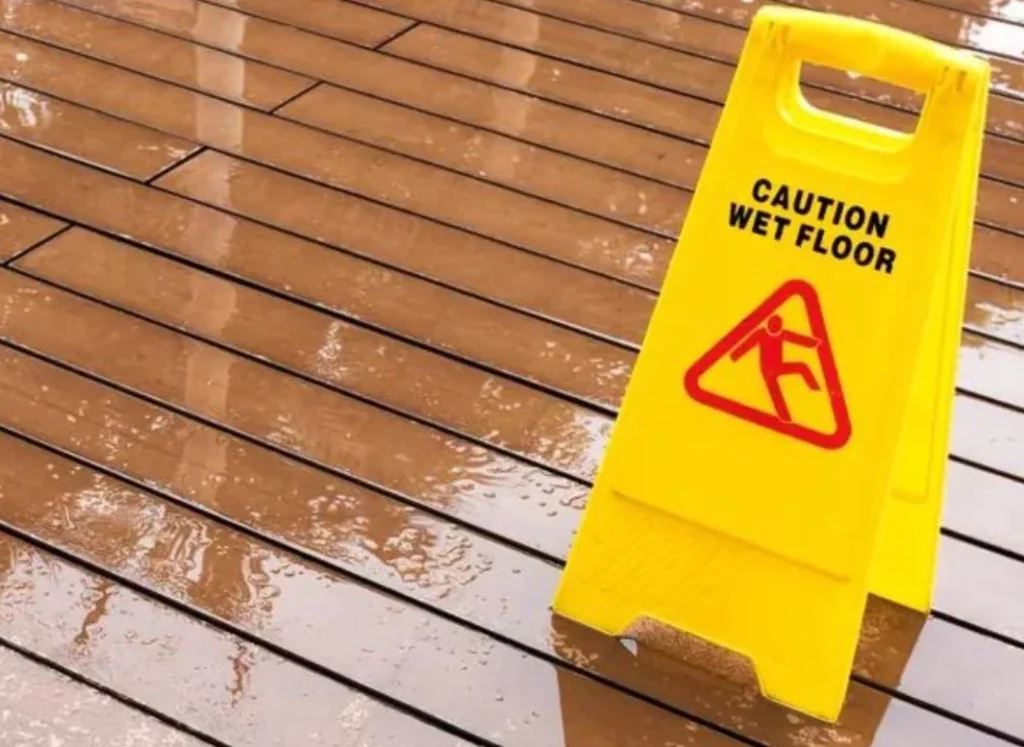
Table of Contents
Understanding Non Slip Composite Decking
Non slip composite decking is an engineered outdoor decking material made from a combination of wood fibers and thermoplastic polymers. The primary objective of this composite structure is to combine the visual warmth of natural wood with the durability and weather resistance of synthetic materials while significantly improving surface traction.
Unlike traditional timber decking, which becomes slippery when exposed to moisture, algae, or UV degradation, non slip composite decking is designed with micro-textured surfaces and enhanced friction coefficients. These features ensure safer walking conditions in environments exposed to rain, snow, humidity, or poolside splashes.
The composite structure typically includes:
- Wood fiber or wood flour (for natural appearance and rigidity)
- High-density polyethylene (HDPE) or polypropylene (for structural binding)
- Functional additives (UV stabilizers, anti-fungal agents, color pigments)
- Surface embossing or co-extruded protective layers for slip resistance
Core Features of Non Slip Composite Decking
Non slip composite decking is engineered with multiple performance-driven characteristics that distinguish it from traditional wood and basic composite boards.
Enhanced Surface Friction
The defining feature is its engineered anti-slip surface. Through embossing, brushing, or co-extrusion techniques, the surface texture increases friction even under wet conditions. This reduces slip-and-fall risks in outdoor environments such as patios, walkways, marinas, and pool decks.
Moisture and Water Resistance
The polymer matrix significantly reduces water absorption. Unlike wood, which swells and becomes slippery when saturated, composite decking maintains dimensional stability and consistent grip performance even after prolonged moisture exposure.
UV Stability and Color Retention
UV stabilizers embedded within the material help prevent fading, cracking, or surface degradation caused by prolonged sun exposure. This ensures that non slip composite decking retains its appearance and functionality over long service cycles.
Mold and Mildew Resistance
The dense structure and reduced porosity limit organic growth. This is particularly important in humid or shaded environments where algae and mold commonly form on traditional wood surfaces.
High Load-Bearing Capacity
Non slip composite decking is engineered for structural integrity. Depending on core density and profile design, it can support heavy foot traffic and furniture loads without deformation.
Low Maintenance Requirements
Routine maintenance typically requires only water cleaning or mild detergents. No sanding, staining, or sealing is necessary, making it suitable for large-scale installations.
Surface Engineering Technologies for Slip Resistance
The anti-slip performance of composite decking is not accidental; it is achieved through deliberate surface engineering methods.
Embossed Wood Grain Textures
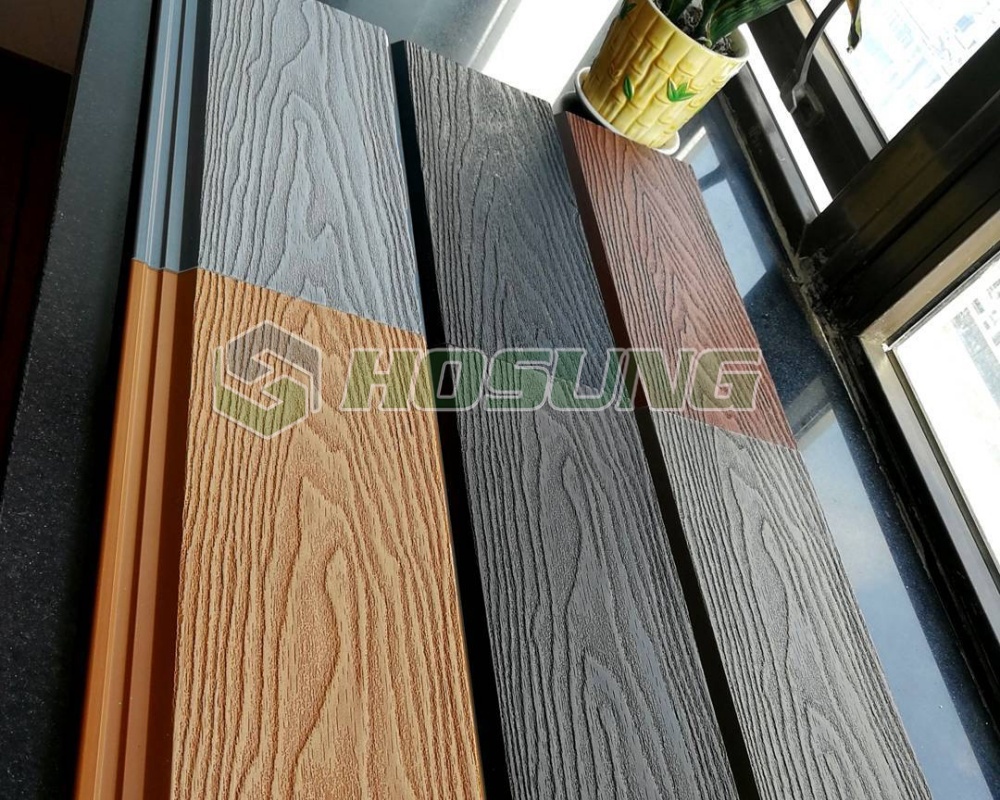
One of the most common methods is deep embossing, where wood grain patterns are pressed into the surface during manufacturing. These patterns create micro-grooves that increase traction.
Brushed Surface Finishing
Mechanical brushing removes softer polymer layers on the surface, exposing wood fibers and creating a more tactile, friction-enhanced finish.
Co-Extruded Protective Shells
Advanced decking systems use a co-extrusion process to apply a polymer shell over the core material. This shell can be engineered with anti-slip microstructures while also improving stain and scratch resistance.
Sand or Mineral Additives
Some formulations incorporate fine mineral particles within the surface layer to increase roughness and grip under wet conditions.
Main Types of Non Slip Composite Decking
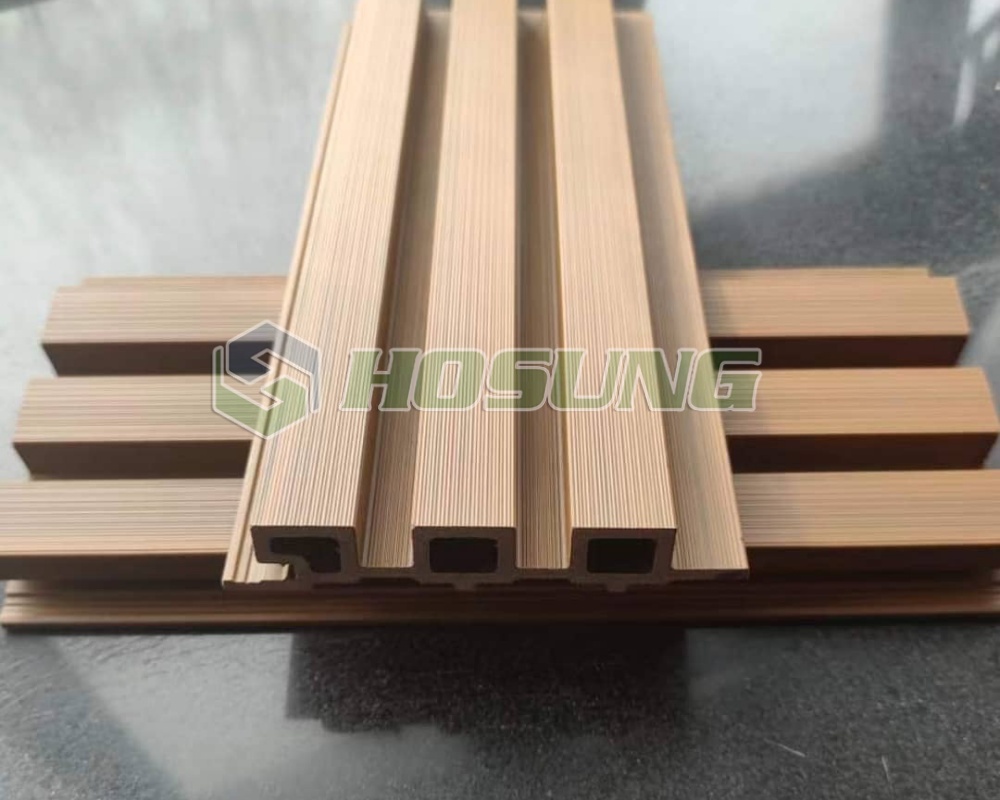
Non slip composite decking can be categorized based on structure, surface treatment, and material composition. Each type is engineered to balance load-bearing performance, slip resistance, aesthetic expression, and environmental adaptability, making it suitable for different installation scenarios ranging from residential gardens to high-traffic commercial platforms.
Solid Core Decking
Solid core boards provide maximum strength and stability. They are ideal for high-traffic areas such as public walkways, commercial terraces, and rooftop platforms. Their dense structure also enhances slip resistance by maintaining consistent surface contact. The absence of internal voids significantly improves impact resistance, dimensional stability, and fastener retention strength. This type also performs better under heavy static loads, making it suitable for installations involving outdoor furniture, pedestrian clusters, or frequent equipment movement. Additionally, solid-core construction reduces vibration and flexing underfoot, which contributes indirectly to safer walking conditions, especially in wet environments.
Hollow Core Decking
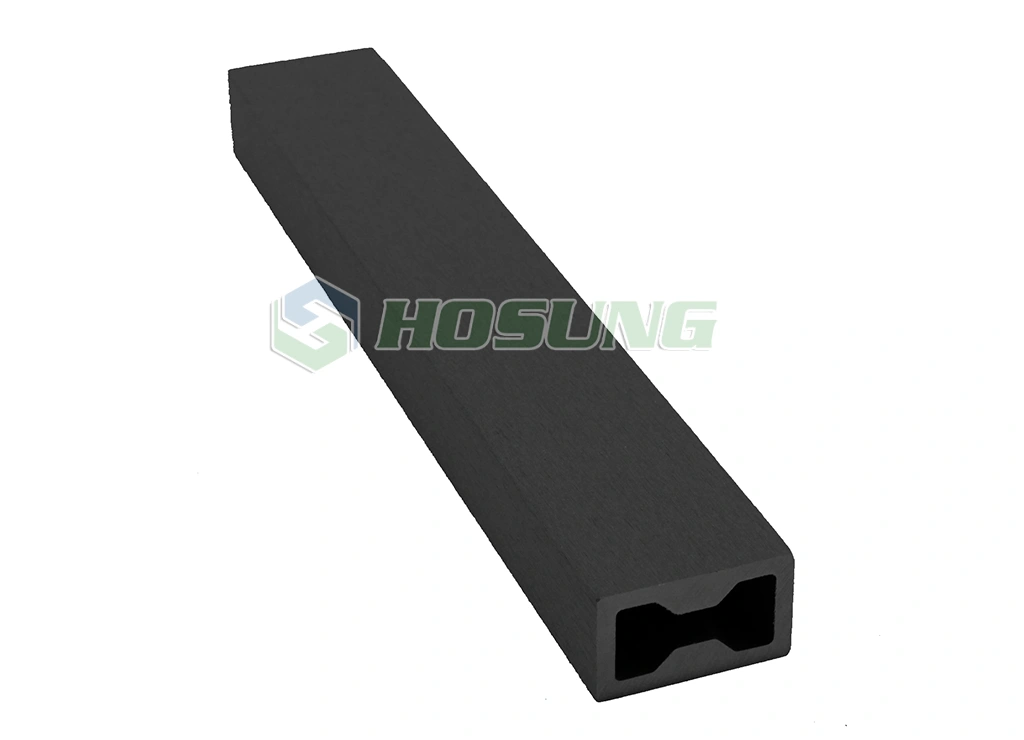
Hollow profiles reduce weight and cost while maintaining adequate performance for residential applications. Internal chambers reduce material usage, but structural reinforcement ribs are often included to maintain rigidity. This design improves installation efficiency due to easier handling and faster cutting during on-site assembly. Although lighter in structure, modern hollow-core systems are engineered with optimized rib geometry to prevent collapse or deformation under normal residential loads. They are particularly suitable for elevated balconies and garden decking where structural load requirements are moderate but thermal expansion control and drainage efficiency remain important.
Co-Extruded Composite Decking
This type features a protective outer layer bonded to the core. It offers superior resistance to stains, scratches, and moisture penetration. The outer layer can be specifically engineered for enhanced slip resistance. The co-extrusion shell acts as a high-performance barrier that minimizes water absorption and prevents pigment fading caused by UV exposure. From a technical standpoint, this outer layer improves surface hardness and reduces micro-abrasion over time, which helps maintain consistent friction performance even after years of foot traffic. It is often selected for environments requiring long-term color stability and minimal maintenance intervention.
Embossed Composite Decking
Embossed boards rely heavily on textured patterns pressed into the surface. These are widely used in residential patios, garden walkways, and poolside installations where aesthetic variety and traction are both required. The embossing process creates micro-scale topographical variations that increase surface friction, particularly when exposed to water. Advanced embossing techniques can replicate deep wood grain structures, enhancing both visual realism and slip resistance. Some variants combine multi-directional embossing patterns to further improve grip in high-traffic or high-moisture environments, making them a versatile option for decorative yet functional outdoor flooring.
Grooved Edge Decking
Grooved boards are designed for concealed fastening systems. The surface grooves also contribute to drainage efficiency, reducing water accumulation and improving anti-slip performance in wet environments. These grooves help channel water away from the walking surface, minimizing hydroplaning effects during heavy rainfall or poolside splash conditions. In addition, grooved-edge systems allow for cleaner surface aesthetics by hiding screws or clips, which also reduces tripping hazards. This type is frequently used in modern architectural designs that prioritize minimalistic visual continuity and efficient water management.
Brushed Finish Decking
Brushed finishes provide a more natural wood-like texture. This type is commonly used in premium residential environments where tactile comfort and visual authenticity are prioritized. The brushing process mechanically removes softer surface material, exposing denser fibers that enhance grip and create a more organic feel underfoot. Compared to smooth finishes, brushed surfaces offer improved slip resistance without relying heavily on artificial texturing. This makes them suitable for luxury terraces, boutique outdoor spaces, and design-focused landscaping projects where natural aesthetics are as important as functional performance.
| Type | Structural Characteristics | Slip Resistance Level | Best Application Scenarios | Key Advantage |
|---|---|---|---|---|
| Solid Core Decking | Dense structure with no internal voids, high material compactness | High | Commercial walkways, rooftops, public infrastructure | Maximum structural strength and long-term durability |
| Hollow Core Decking | Lightweight structure with internal chambers and reinforcement ribs | Medium | Residential balconies, garden decking, light-use areas | Cost efficiency and easier installation handling |
| Co-Extruded Composite Decking | Protective polymer shell bonded to composite core | High | Coastal zones, high UV exposure, commercial outdoor areas | Superior stain, moisture, and UV resistance |
| Embossed Composite Decking | Deep surface texture patterns for enhanced grip | Medium–High | Patios, pool surrounds, landscaping walkways | Balanced aesthetics and anti-slip performance |
| Grooved Edge Decking | Edge grooves for concealed fastening and drainage optimization | Medium–High | Modern architecture, wet environments, boardwalks | Efficient drainage and clean hidden-fastener system |
| Brushed Finish Decking | Mechanically brushed surface revealing wood-like fibers | Medium–High | High-end residential terraces, luxury outdoor spaces | Natural wood texture with improved tactile grip |
Applications of Non Slip Composite Decking
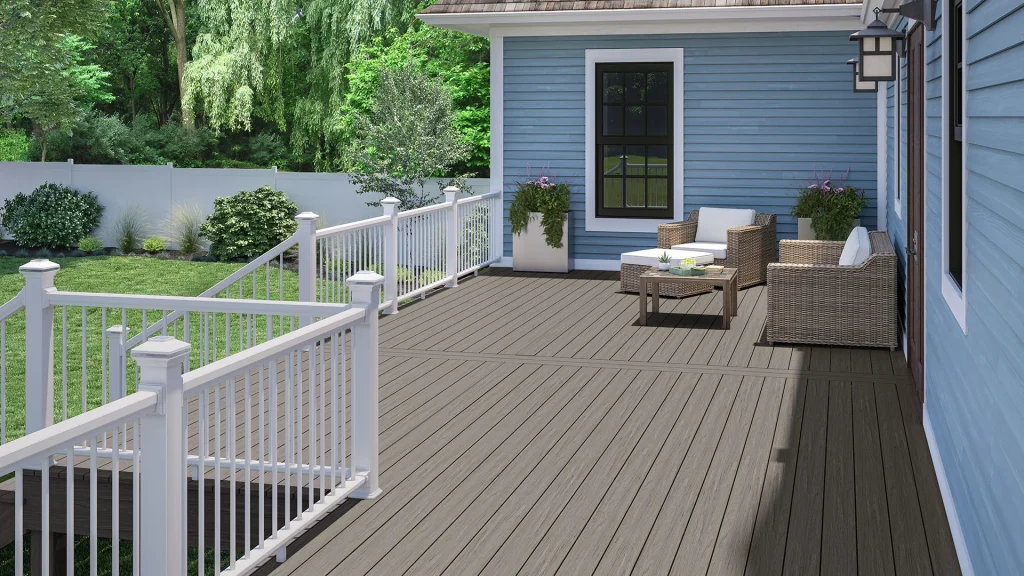
Non slip composite decking is widely used across multiple sectors due to its safety and durability advantages.
Residential Outdoor Spaces
It is commonly installed in:
- Backyards
- Patios
- Garden pathways
- Balconies
- Rooftop terraces
Its anti-slip properties make it particularly suitable for households with children or elderly residents.
Poolside and Wet Zones
One of the most critical applications is around swimming pools and spa areas. The water-resistant surface reduces the risk of slipping even under continuous splash exposure.
Commercial Landscapes
Hotels, resorts, and commercial plazas use non slip composite decking for outdoor seating areas, boardwalks, and leisure zones where high foot traffic demands both durability and safety.
Marine and Waterfront Structures
Boardwalks, docks, and marina platforms benefit from composite decking’s resistance to saltwater corrosion and continuous moisture exposure.
Public Infrastructure
Parks, pedestrian bridges, and recreational trails often utilize this material for its long-term performance and reduced maintenance requirements.
Installation Considerations
Proper installation plays a critical role in ensuring the long-term performance of non slip composite decking.
Substructure Requirements
A stable subframe, typically made of aluminum or treated steel, is essential. Proper spacing between joists ensures structural integrity and prevents sagging.
Expansion Gaps
Composite materials expand and contract with temperature changes. Installation must include expansion gaps to avoid warping or buckling.
Drainage Design
Adequate drainage beneath the decking system is necessary to prevent water accumulation, which could compromise slip resistance over time.
Fastening Systems
Hidden fasteners or clip systems are commonly used to maintain a clean surface appearance while ensuring secure board placement.
Ventilation
Air circulation beneath the decking prevents moisture buildup and extends the lifespan of the installation.
Maintenance and Long-Term Performance
One of the primary advantages of non slip composite decking is its low maintenance requirement.
Routine Cleaning
Basic cleaning involves:
- Water rinsing
- Mild soap application
- Soft brushing for debris removal
Stain Management
Most stains remain on the surface and can be removed without sanding or refinishing.
Seasonal Inspection
Periodic checks should be conducted to ensure fasteners remain secure and drainage systems are unobstructed.
Longevity
With proper installation and care, composite decking can maintain structural and aesthetic performance for many years, even in harsh climates.
Safety Performance and Compliance Standards
Non slip composite decking is often evaluated based on friction coefficient ratings and safety compliance standards.
Slip Resistance Ratings
Manufacturers test surface performance under dry and wet conditions to ensure compliance with safety thresholds required for public and commercial use.
Fire Resistance Considerations
Some composite formulations include flame-retardant additives to meet building code requirements in high-density urban environments.
Load Testing
Structural load tests ensure boards can withstand static and dynamic loads without deformation.
Environmental Performance
Modern composite decking systems are increasingly designed with sustainability in mind.
Recycled Material Usage
Many formulations incorporate recycled plastics and reclaimed wood fibers, reducing environmental impact.
Reduced Chemical Treatment
Unlike timber, composite decking does not require chemical preservatives, reducing environmental contamination risks.
Lifecycle Efficiency
Long service life reduces replacement frequency, contributing to lower overall material consumption.
Choosing the Right Non Slip Composite Decking
Selecting the appropriate product requires evaluating multiple technical and environmental factors.
Traffic Intensity
- Low traffic: hollow core embossed boards
- Medium traffic: co-extruded boards
- High traffic: solid core textured boards
Environmental Exposure
- Coastal areas require salt-resistant formulations
- High UV zones require enhanced stabilizers
- Wet zones require higher slip resistance ratings
Aesthetic Requirements
Color, grain pattern, and surface texture should align with architectural design goals.
Budget Considerations
Initial cost, installation complexity, and lifecycle maintenance should all be evaluated together rather than in isolation.
Common Installation Mistakes to Avoid
Improper installation can significantly reduce performance.
Insufficient Drainage
Poor drainage leads to algae growth and reduced surface traction.
Incorrect Joist Spacing
Excess spacing can cause board flexing and structural instability.
Ignoring Expansion Gaps
Failure to allow thermal expansion may result in warping or surface distortion.
Using Incompatible Fasteners
Incorrect fastening systems can compromise structural integrity and surface finish.
Future Development Trends
The non slip composite decking industry continues to evolve with material science advancements.
Advanced Polymer Blends
New polymer formulations are improving strength-to-weight ratios and slip resistance performance.
Smart Surface Engineering
Emerging technologies focus on adaptive surface textures that respond to moisture conditions.
Enhanced Sustainability
Greater integration of bio-based materials and fully recyclable composites is expected.
Improved Aesthetic Realism
Next-generation embossing and color layering techniques are increasing realism to closely mimic natural hardwood species.
Conclusion
Non slip composite decking represents a highly engineered solution for safe, durable, and low-maintenance outdoor surfacing. Its combination of structural stability, moisture resistance, UV protection, and enhanced surface traction makes it suitable for a wide range of residential, commercial, and public applications. As material technology continues to evolve, performance standards in slip resistance and environmental sustainability will further improve, making composite systems an increasingly dominant choice in outdoor construction.
In practical applications where durability and anti-slip performance are critical, many global suppliers continue to refine production technologies, including manufacturers such as Hosung WPC.