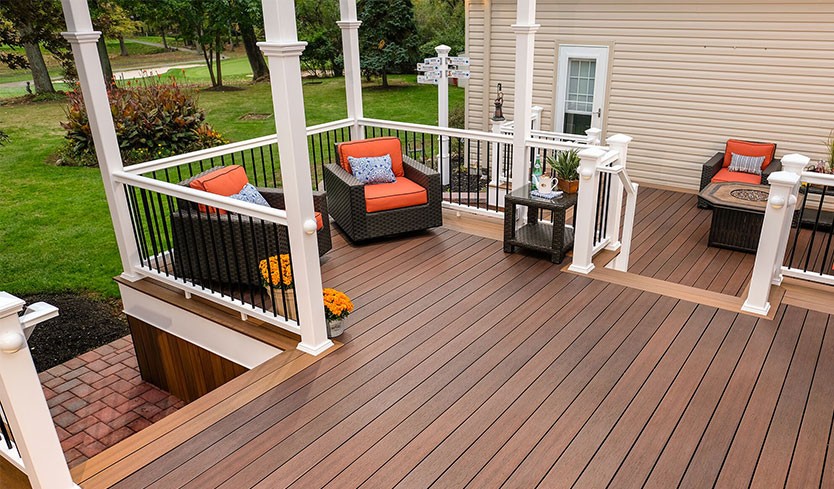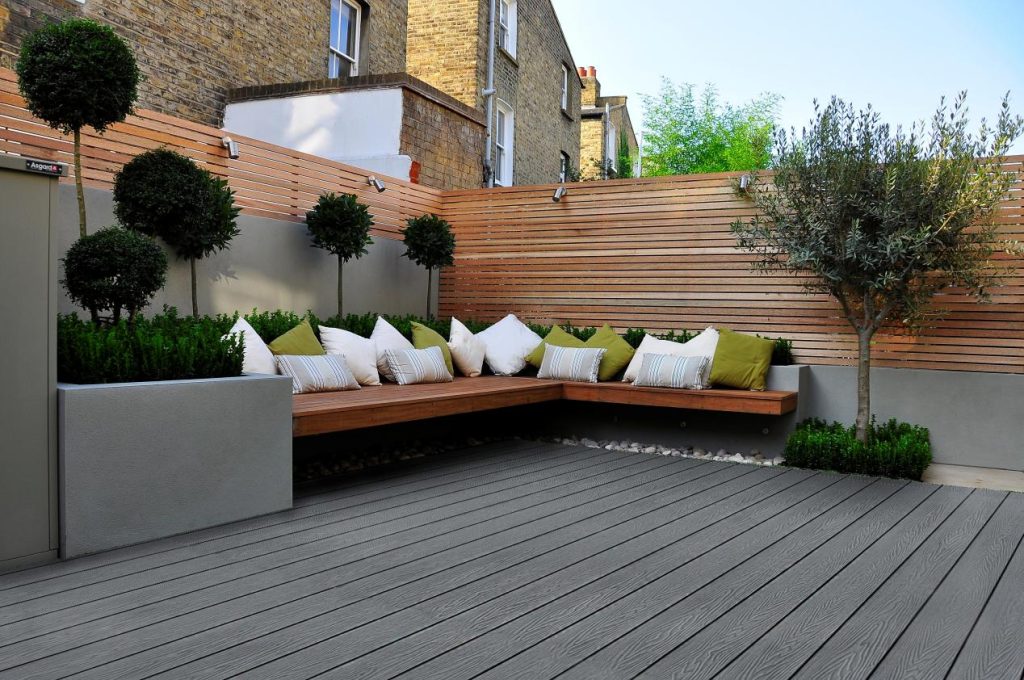
Modern exterior architecture increasingly prioritizes durability, low maintenance, and long-term performance under variable climate conditions. In this context, outdoor composite decking has emerged as one of the most widely adopted solutions for residential and commercial outdoor flooring systems. It combines engineered polymer matrices with natural fiber reinforcement to create a material that mimics the appearance of natural wood while significantly improving resistance to moisture, UV radiation, and mechanical wear. Unlike traditional timber decking, composite systems are designed to address common issues such as warping, splintering, rotting, and insect damage. This makes them particularly suitable for environments exposed to high humidity, coastal air, or heavy foot traffic. In addition, advances in extrusion and co-extrusion technologies have expanded design possibilities, enabling more realistic wood grain textures and enhanced surface protection layers. The growing demand for sustainable construction materials has further accelerated adoption across global markets. Architects, contractors, and property developers increasingly prefer engineered decking solutions due to their predictable performance and extended lifecycle.
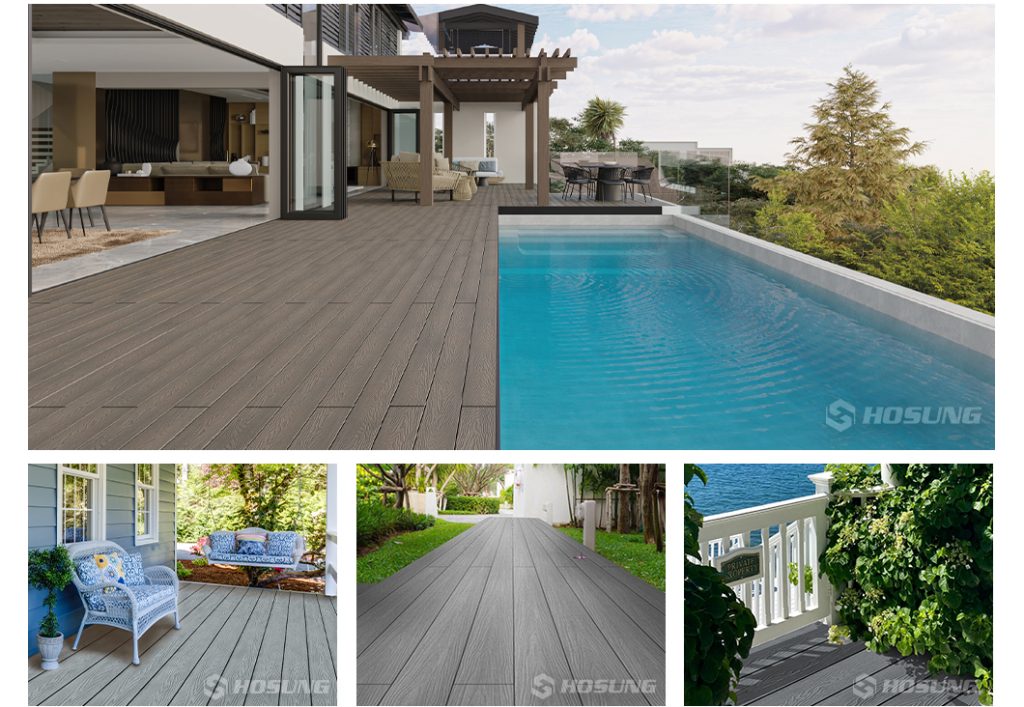
Table of Contents
Material Composition and Manufacturing Process
Composite decking boards are typically manufactured using a blend of wood fibers, recycled plastics, and performance additives. The ratio of these components directly affects strength, flexibility, and surface durability.
Core Components
- Wood fibers: Provide structural rigidity and natural aesthetics
- Thermoplastic polymers: Usually polyethylene or polypropylene for binding and moisture resistance
- Additives: UV stabilizers, color pigments, anti-fungal agents, and coupling agents
The combination of these elements creates a dense, uniform core that resists environmental degradation far better than untreated timber.
Manufacturing Techniques
Two primary production methods are widely used:
- Extrusion molding: The composite mixture is heated and forced through a die to form continuous profiles.
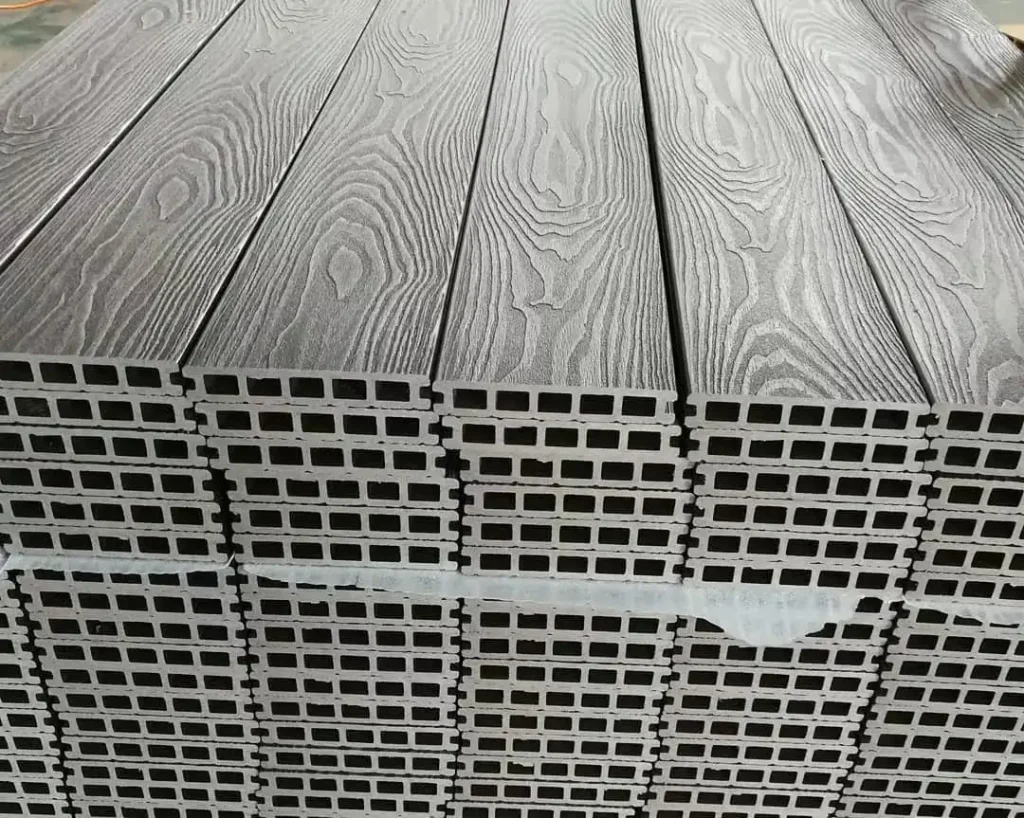
- Co-extrusion technology: A protective polymer cap layer is applied over the core during production, enhancing scratch resistance and color retention.
These processes ensure dimensional stability and consistent quality across production batches, which is critical for large-scale installations.
Key Performance Advantages
One of the main reasons for the rapid adoption of modern decking systems is their performance advantage over natural wood. The following characteristics define their superiority:
Moisture Resistance
Composite boards exhibit extremely low water absorption rates. This prevents swelling, cracking, and fungal growth, which are common in untreated timber structures.
Structural Stability
Engineered composition ensures minimal expansion and contraction under temperature fluctuations, maintaining flat and stable surfaces over time.
UV and Weather Resistance
Special additives protect against ultraviolet degradation, reducing fading and surface brittleness even under prolonged sun exposure.
Safety and Comfort
The textured surface design improves slip resistance, making it safer for poolside areas, patios, and walkways. Additionally, the absence of splinters enhances user comfort.
Benefits in Modern Construction
The application of outdoor composite decking in modern construction projects provides multiple functional and economic benefits.
Reduced Maintenance Requirements
Unlike wood decking, composite systems do not require regular sealing, staining, or painting. Routine cleaning with water and mild detergent is typically sufficient to maintain appearance and performance.
Extended Service Life
The engineered structure significantly extends the usable lifespan of decking systems, often exceeding 20–25 years depending on environmental conditions and installation quality.
Environmental Sustainability
Many composite products incorporate recycled plastics and reclaimed wood fibers, reducing reliance on virgin timber resources and contributing to circular economy practices.
Design Consistency
Manufacturing precision ensures uniform color and texture across all boards, which is difficult to achieve with natural wood due to inherent grain variation.
Design Flexibility and Aesthetic Options
Architectural design trends increasingly emphasize seamless integration between indoor and outdoor spaces. Composite materials support this trend through a wide range of visual customization options.
Surface finishes may include:
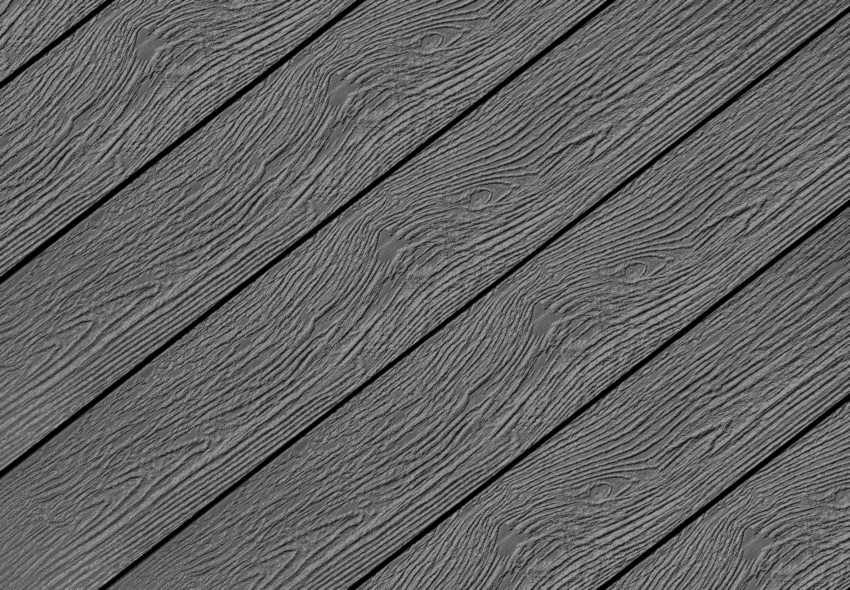
- Natural wood grain embossing
- Brushed matte textures
- Multi-tone color blending
- Contemporary solid-color finishes
These design variations allow architects to align decking surfaces with modern minimalist, rustic, or luxury exterior concepts.
Installation Principles and Structural Considerations
Proper installation is critical for ensuring long-term performance and structural integrity.
Substructure Requirements
A stable subframe is essential, typically constructed using aluminum or treated steel joists. Adequate ventilation gaps must be maintained to prevent heat buildup and moisture accumulation.
Spacing and Expansion Gaps
Although composite materials exhibit reduced thermal expansion, controlled spacing between boards is still necessary to accommodate environmental movement.
Fastening Systems
Installation methods include:
- Hidden clip systems for seamless surfaces
- Face fastening with corrosion-resistant screws
- Modular interlocking systems for rapid deployment
Each method has specific advantages depending on application requirements and aesthetic preferences.
Drainage and Airflow
Proper slope design ensures efficient water runoff, preventing surface pooling and extending material lifespan.
Design and Aesthetic Integration
Modern landscape architecture often integrates decking as a core design element rather than a secondary surface treatment. In this context, outdoor composite decking plays a key role in achieving cohesive spatial design.
Color selection is typically guided by architectural context:
- Neutral tones for contemporary urban designs
- Earth tones for natural landscape integration
- Dark finishes for high-contrast modern aesthetics
Texture selection further enhances realism and tactile quality, allowing designers to replicate hardwood species without maintenance limitations.
Lighting integration is also commonly used, with recessed LED systems embedded into board edges or substructures to enhance nighttime usability and visual appeal.
Maintenance and Long-Term Care
One of the defining advantages of composite systems is their simplified maintenance profile.
Routine Cleaning
- Sweep debris regularly to prevent surface abrasion
- Wash with low-pressure water and mild detergent
- Avoid abrasive chemical cleaners that may damage surface coatings
Stain Management
Most stains can be removed quickly due to the non-porous surface structure. Oil-based spills should be cleaned promptly to prevent surface penetration.
Seasonal Inspection
Periodic inspection of fasteners, joints, and substructure ensures long-term stability and prevents localized deformation.
Cost Analysis and Lifecycle Value
Although initial material costs may be higher compared to basic timber options, lifecycle cost analysis demonstrates significant long-term savings.
Initial Investment Factors
- Material grade and surface technology
- Installation complexity
- Substructure requirements
Long-Term Cost Benefits
- Minimal maintenance expenditure
- Reduced replacement frequency
- Lower labor costs over service life
When evaluated over a 15–25 year lifecycle, composite systems typically demonstrate superior return on investment due to reduced upkeep requirements.
Environmental Impact and Sustainability Considerations
Sustainability has become a central focus in modern building material selection. Composite decking contributes to environmental objectives in several ways:
- Utilization of recycled polymer waste
- Reduction of deforestation pressure
- Extended material lifecycle reduces replacement waste
- Lower chemical treatment requirements compared to timber preservation processes
Additionally, many modern production facilities implement energy-efficient manufacturing systems to reduce carbon emissions during fabrication.
Common Installation and Usage Mistakes
Despite its advantages, improper handling or installation can reduce performance efficiency.
Inadequate Ventilation
Failure to provide sufficient airflow beneath the decking structure can lead to heat accumulation and thermal stress.
Incorrect Fastening
Using incompatible fasteners may cause corrosion or structural loosening over time.
Poor Subframe Design
An uneven or unstable substructure can compromise surface alignment and load distribution.
Ignoring Expansion Requirements
Although dimensional movement is reduced, ignoring expansion gaps may still result in surface buckling under extreme temperature changes.
Application Scenarios
Composite decking systems are used across a wide range of environments due to their versatility.
Residential Applications
- Backyard patios benefit from a stable surface that can withstand daily activities, outdoor furniture loads, and seasonal weather exposure without frequent refinishing.
- Garden walkways provide consistent footing and resist moisture-related deformation, making them suitable for long-term landscape use.
- Rooftop terraces require lightweight yet durable materials that can reduce structural load while maintaining safety and waterproof compatibility.
- Pool surrounds rely on anti-slip textures and low water absorption to improve safety in continuously wet conditions.
Commercial Applications
- Hotel outdoor lounges use composite decking to create comfortable, visually consistent leisure environments with minimal upkeep.
- Restaurant seating decks require resistance to stains, grease, and frequent cleaning cycles while maintaining surface aesthetics.
- Retail exterior spaces benefit from enhanced visual appeal and durable flooring that supports continuous customer movement.
- Public boardwalks demand high weather resistance and structural stability in coastal or high-humidity environments.
Public Infrastructure
- Parks and recreational areas use composite decking to provide safe, splinter-free walking and resting surfaces suitable for all age groups.
- Waterfront promenades require resistance to salt spray, moisture cycles, and long-term environmental exposure.
- Observation platforms depend on strong load-bearing capacity and anti-slip surface design to ensure safety in elevated locations.
In each scenario, durability, safety, and low maintenance are key selection criteria.
Performance Optimization Strategies
To maximize lifespan and performance, several engineering strategies can be applied:
- Use of elevated substructures to improve airflow
- Selection of UV-resistant surface coatings for high-sun environments
- Integration of drainage channels in large installations
- Periodic structural recalibration in high-load areas
These strategies help maintain consistent performance even under demanding environmental conditions.
Future Development Trends
The composite decking industry continues to evolve with advancements in material science and manufacturing technology.
Key trends include:
- Increased use of fully recycled polymer matrices
- Enhanced surface realism through 3D embossing technology
- Integration of smart sensors for structural monitoring
- Improved fire-resistant formulations for commercial applications
These innovations are expected to further expand the applicability of composite systems in high-performance architectural environments.
Conclusion
As modern construction continues to prioritize durability, sustainability, and design flexibility, composite decking systems have established themselves as a leading solution for outdoor flooring applications. Their ability to combine aesthetic appeal with long-term structural performance makes them suitable for a wide range of residential, commercial, and public infrastructure projects.
From material engineering to installation methodology, every aspect of these systems is designed to optimize longevity and minimize maintenance requirements. When properly specified and installed, they deliver consistent performance across diverse environmental conditions while supporting sustainable building practices.
In summary, outdoor composite decking represents a technologically advanced alternative to traditional wood decking, offering a balanced combination of strength, stability, and visual refinement that aligns with contemporary architectural demands.
For manufacturers and developers exploring high-performance decking solutions, partnerships with experienced material suppliers such as Hosung can further enhance product consistency and production scalability.