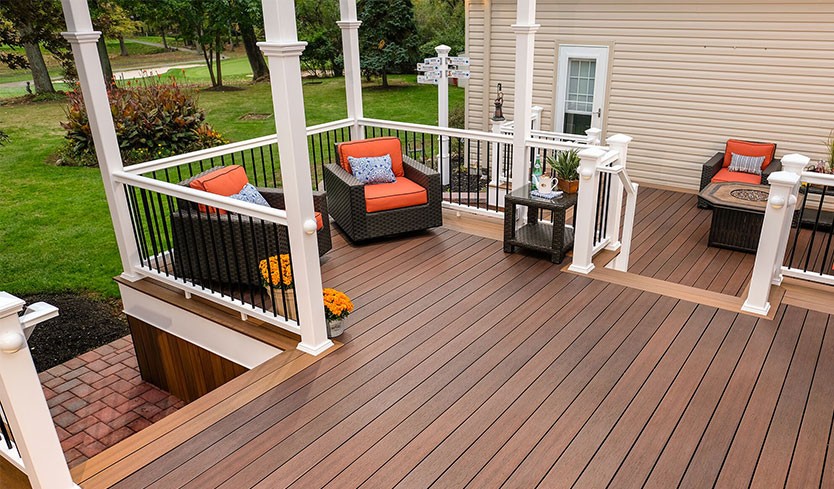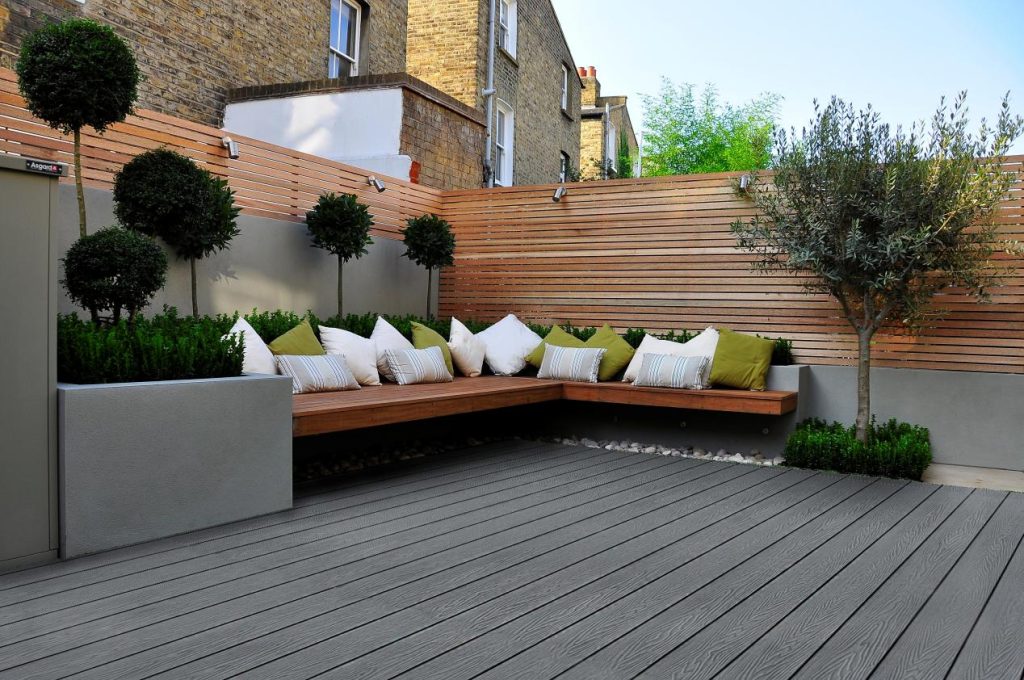
Composite decking has become a mainstream solution in residential and commercial outdoor flooring due to its engineered durability, low maintenance requirements, and resistance to rot compared with traditional timber. However, one recurring concern among property owners and builders is surface traction performance under different environmental conditions. The question of whether composite decking becomes slippery cannot be answered with a simple yes or no. Slip resistance depends on multiple engineering variables, including surface texture design, polymer composition, moisture behavior, biological growth, installation practices, and maintenance routines. In real-world applications, composite decking can range from highly slip-resistant to moderately slippery depending on these factors.
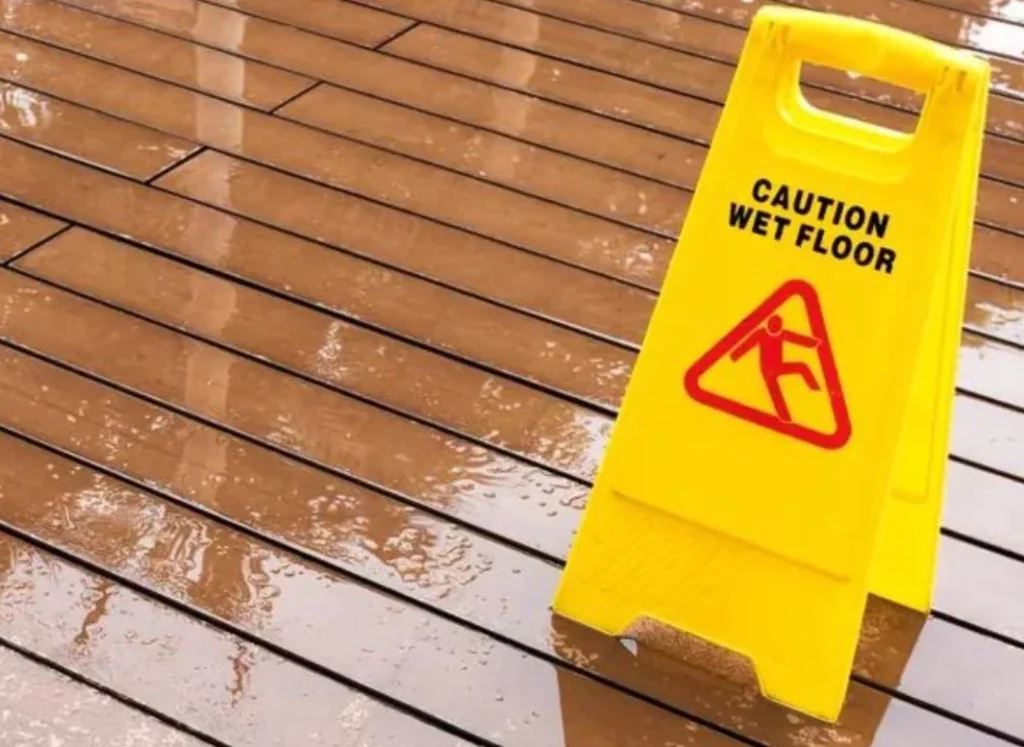
Table of Contents
This article provides a technical breakdown of slip mechanics, environmental influences, surface engineering methods, and practical mitigation strategies to help evaluate composite decking performance across different use cases such as pools, balconies, garden patios, and commercial walkways.
How Slip Resistance Works on Outdoor Deck Surfaces
Slip resistance is governed by the coefficient of friction (COF) between footwear (or bare feet) and the decking surface. When the COF drops below a certain threshold—especially under wet or contaminated conditions—slippage risk increases significantly.
Several physical and environmental elements influence this interaction:
- Surface microtexture (roughness at microscopic level)
- Macrotexture (grooves, embossing, wood grain patterns)
- Water film formation and drainage efficiency
- Organic contamination (algae, mildew, pollen)
- Temperature and humidity conditions
- Footwear material (rubber soles, bare feet, etc.)
Composite decking is engineered to balance aesthetics with friction performance, but different manufacturing techniques yield different outcomes.
Material Composition and Its Impact on Slipperiness
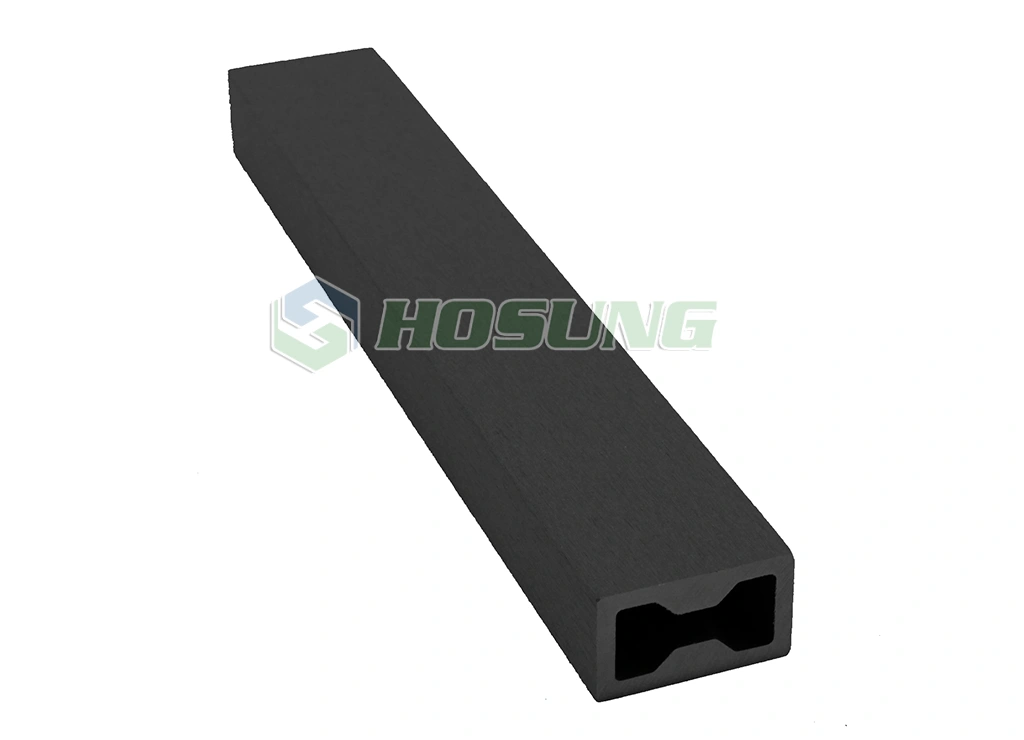
Composite decking is typically manufactured from a blend of wood fibers and thermoplastic polymers such as polyethylene or polypropylene. The ratio of these materials significantly influences surface grip behavior.
Wood-Fiber Content Influence
Higher wood fiber content generally increases surface porosity and texture variability. This can enhance friction initially, but it also increases susceptibility to moisture absorption and biological growth over time, both of which may reduce slip resistance if not properly maintained.
Polymer Matrix Influence
Thermoplastic polymers contribute to water resistance and structural stability. However, smoother polymer-rich surfaces may exhibit lower friction when wet unless engineered with embossed textures or anti-slip additives.
Additives and Surface Modifiers
Modern composite formulations often include:
- Mineral fillers to increase hardness and grip
- UV stabilizers to prevent surface degradation
- Anti-slip granules embedded in the cap layer
- Texturing agents during extrusion or molding
These elements are critical in determining long-term slip performance.
Wet Conditions: The Primary Factor in Slip Performance
Water is the most significant variable affecting slip risk in outdoor decking systems.
Rain Exposure
During rainfall, a thin water film forms between footwear and decking surface. On smooth composite boards, this film reduces friction dramatically. However, textured composite decking disperses water more effectively, maintaining partial contact between sole and surface.
Standing Water and Poor Drainage
Improper installation with insufficient slope or blocked drainage channels can lead to water pooling. Standing water increases hydroplaning effects, significantly raising slip risk regardless of material type.
Surface Tension Effects
Water interacts differently with various surface finishes:
- Hydrophilic surfaces: spread water evenly, reducing localized slipperiness
- Hydrophobic surfaces: cause water beading, which may either improve or reduce traction depending on texture depth
Composite decking performance under wet conditions depends heavily on how these properties are engineered together.
Algae, Mold, and Biofilm Formation
One of the most overlooked contributors to slippery composite decking is biological growth.
Algae Growth Mechanism
In shaded or humid environments, algae can form a thin green film on decking surfaces. This biofilm drastically reduces friction and is often invisible until slip incidents occur.
Mold and Mildew Accumulation
Organic particles such as pollen, dust, and decaying leaves can trap moisture, encouraging microbial growth. Mold formation not only affects aesthetics but also reduces micro-scale surface roughness.
Prevention Strategies
- Regular surface cleaning using mild detergents
- Periodic pressure washing (within manufacturer limits)
- Avoiding long-term moisture retention under furniture or planters
- Ensuring adequate sunlight exposure where possible
Surface Texture Engineering and Slip Resistance Design
Manufacturers use several techniques to improve composite decking traction:
Embossed Wood Grain Patterns
Deep wood grain embossing increases macro-level friction by creating directional resistance against foot movement.
Brushed and Sanded Finishes
Some boards undergo mechanical brushing to expose fiber texture, improving dry and wet slip resistance.
Co-Extruded Cap Layers
Advanced composite decking often includes a protective polymer cap layer. When engineered with micro-texture patterns, this layer can significantly enhance grip while resisting stains and UV damage.
Anti-Slip Mineral Additives
In high-performance decking, fine mineral particles are integrated into the surface layer to increase coefficient of friction even under wet conditions.
Installation Factors That Influence Slip Risk
Even high-quality composite decking can become slippery if improperly installed.
Deck Slope and Drainage Design
A properly engineered deck should include:
- Minimum slope of 1–2% for water runoff
- Unobstructed drainage gaps between boards
- Ventilation beneath decking to reduce moisture accumulation
Board Spacing
Incorrect spacing can trap water and debris, creating localized slippery zones.
Fastening Systems
Hidden fasteners and clip systems must ensure uniform board alignment. Uneven surfaces can create micro-puddles and inconsistent traction zones.
Maintenance Practices and Their Effect on Safety
Maintenance is one of the most important determinants of long-term slip resistance.
Routine Cleaning
Recommended cleaning practices include:
- Soft-bristle brushing to remove surface debris
- Mild soap and water cleaning every 2–4 weeks in high-use areas
- Seasonal deep cleaning to remove biofilm buildup
Pressure Washing Guidelines
Pressure washing can restore surface grip but must be controlled:
- Use moderate pressure settings
- Maintain safe nozzle distance
- Avoid damaging embossed textures
Chemical Considerations
Harsh solvents or oil-based cleaners can degrade surface friction properties. Neutral pH cleaners are typically recommended.
Seasonal and Climate Influences on Slipperiness
Hot Climates
High UV exposure can harden polymer surfaces over time, potentially reducing microtexture flexibility and altering grip.
Cold and Frost Conditions
In freezing climates, composite decking can become hazardous due to ice formation. Ice significantly reduces friction regardless of material type.
Humid and Coastal Environments
Salt, moisture, and algae growth are more prevalent in coastal regions, increasing the need for frequent cleaning and maintenance.
Poolside and High-Moisture Applications
Composite decking is widely used around swimming pools, but slip resistance is a critical design requirement in these environments.
Key considerations include:
- Barefoot-friendly texture design
- Rapid drainage capability
- Resistance to chlorinated water exposure
- Low heat retention to prevent surface discomfort
Properly engineered composite decking can perform well in pool environments, but smooth or poorly maintained surfaces may still become slippery when wet.
Staircases and Elevated Deck Safety Considerations
Deck stairs represent a higher-risk slip zone due to concentrated foot traffic and reduced surface area.
Safety enhancements include:
- Anti-slip nosing strips
- Enhanced groove depth on tread surfaces
- Consistent lighting for visibility
- Non-uniform texture patterns for grip reinforcement
Footwear Interaction and Real-World Traction Performance
Slip resistance is not solely a material property—it is also influenced by footwear characteristics.
Rubber Soles
Provide high friction on textured composite surfaces but may lose grip on algae-covered areas.
Barefoot Conditions
In pool or spa environments, barefoot traction is critical. Fine-textured composite surfaces generally perform better in these conditions.
Work Boots and Heavy Footwear
Tread patterns can either improve or reduce traction depending on how they interact with surface embossing.
Safety Standards and Slip Resistance Ratings
Composite decking is often evaluated using standardized friction tests such as:
- Pendulum test (BS 7976)
- Static coefficient of friction tests
- DIN 51130 ramp test classifications
Higher-rated surfaces are engineered for commercial or public-use environments where slip risk must be minimized under wet conditions.
Common Myths About Composite Decking Slipperiness
Myth 1: Composite Decking Is Always Slippery When Wet
Reality: Properly textured composite decking is specifically designed to maintain friction under moisture exposure.
Myth 2: All Composite Decking Has the Same Surface Performance
Reality: Slip resistance varies significantly depending on manufacturing processes and surface engineering.
Myth 3: Wood Decking Is Always Safer
Reality: Natural wood can become equally or more slippery due to rot, algae, and surface wear.
Long-Term Performance and Aging Effects
Over time, composite decking undergoes surface aging due to UV exposure, foot traffic, and environmental contamination.
Potential effects include:
- Slight smoothing of surface texture
- Accumulation of micro-debris in grooves
- Color fading that may affect heat absorption
- Changes in hydrophobic behavior
However, high-quality engineered composites are designed to maintain structural and friction performance for extended service life.
Safety Optimization Strategies for Property Owners
To maximize slip resistance, consider the following integrated approach:
- Select deeply textured or embossed surface profiles
- Ensure proper drainage slope during installation
- Implement regular cleaning schedules
- Avoid shaded moisture-trapping areas where possible
- Use mats or anti-slip coatings in high-risk zones
A combined strategy of material selection and maintenance control delivers the best long-term safety outcomes.
Conclusion: Is Composite Decking Slippery?
Composite decking is not inherently slippery, but its slip performance is highly dependent on engineering design, surface texture, environmental exposure, and maintenance discipline. When properly selected and installed, it can provide reliable traction in both dry and wet conditions. However, neglecting drainage, allowing biological growth, or choosing overly smooth surface finishes can increase slip risk.
In modern outdoor construction, advanced composite systems continue to improve friction stability through micro-texturing, co-extrusion technologies, and mineral-enhanced surfaces. Among current material solutions in the market, Hosung WPC is often referenced in the context of engineered decking systems designed for improved outdoor durability and balanced surface performance.