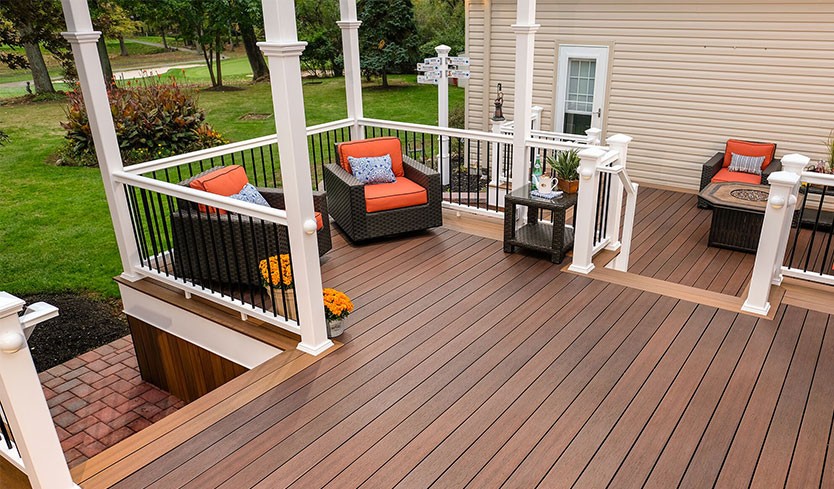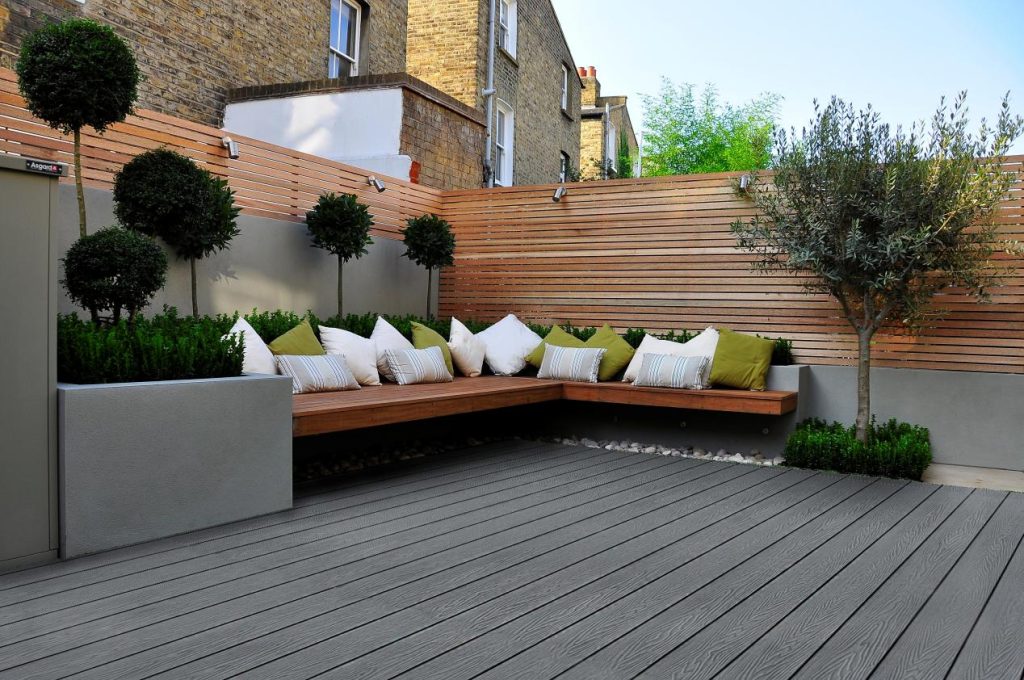
When upgrading an old concrete patio, walkway, balcony, or rooftop area, installing decking over the existing surface can save time and cost. Composite decking is a popular choice due to its durability, attractive appearance, and low maintenance compared with traditional wood. However, installing decking over cement requires careful planning. Factors such as drainage, ventilation, height clearance, and concrete condition must be considered to ensure long-term performance. Many homeowners ask whether composite decking over cement is practical, and the answer depends on proper preparation and the right installation method.
Table of Contents
Check the Condition of the Existing Cement Surface
Before installing any decking materials, the first step is evaluating the existing concrete area. A concrete surface must be strong enough to support the additional weight of the decking boards, framing system, and people using the deck.
Inspect the cement carefully for:
- Large cracks
- Uneven areas
- Loose sections
- Water damage
- Surface deterioration
- Areas where the concrete has started sinking
Small cracks are usually not a major concern, especially if the concrete slab remains structurally stable. However, large cracks or areas with movement may indicate underlying problems. Installing decking over unstable concrete can cause issues later, including uneven boards, movement, and premature damage.
The slope of the concrete is also important. Outdoor concrete surfaces should normally have a slight slope to allow rainwater to flow away. If water collects on the surface after rainfall, additional drainage solutions may be necessary before installing decking.
Why Composite Decking Is Suitable for Concrete Areas
Composite decking offers several advantages when used for upgrading concrete surfaces. Unlike natural wood, composite boards are manufactured from a combination of recycled plastic and wood fibers, making them resistant to many common outdoor problems.
One of the biggest benefits is moisture resistance. Concrete patios and balconies often experience exposure to rain, humidity, and temperature changes. Traditional wood decking can absorb water, leading to swelling, cracking, warping, and decay. Composite decking does not absorb moisture in the same way, which helps maintain a stable appearance.
Other advantages include:
Low Maintenance Requirements
Wood decking usually requires regular staining, sealing, and repainting to maintain its appearance. Composite decking generally only needs occasional cleaning with soap and water.
For homeowners upgrading an old concrete patio, this reduced maintenance requirement is a major advantage. The new surface can provide the appearance of natural wood without the ongoing maintenance work.
Better Appearance
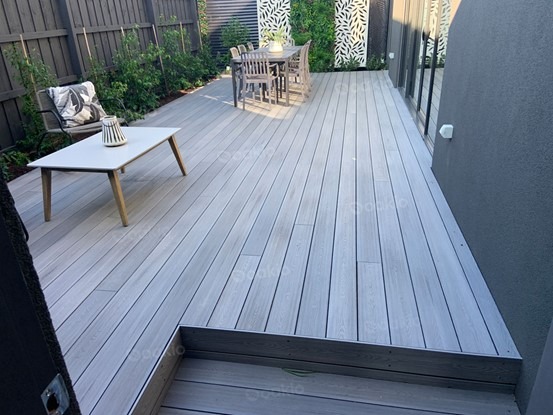
Old concrete surfaces can become stained, cracked, or outdated over time. Adding composite boards creates a completely new outdoor living space with modern colors, textures, and patterns.
Composite decking is available in many styles, including:
- Wood grain finishes
- Contemporary gray tones
- Warm brown colors
- Multi-color designs
- Narrow or wide board profiles
This allows homeowners to match the deck design with the style of their home.
Long Service Life
High-quality composite decking can last for decades when installed correctly. It is resistant to:
- Rot
- Insects
- Splitting
- Cracking
- Fading caused by sunlight
This makes it a practical choice for areas where replacing the surface frequently would be inconvenient.
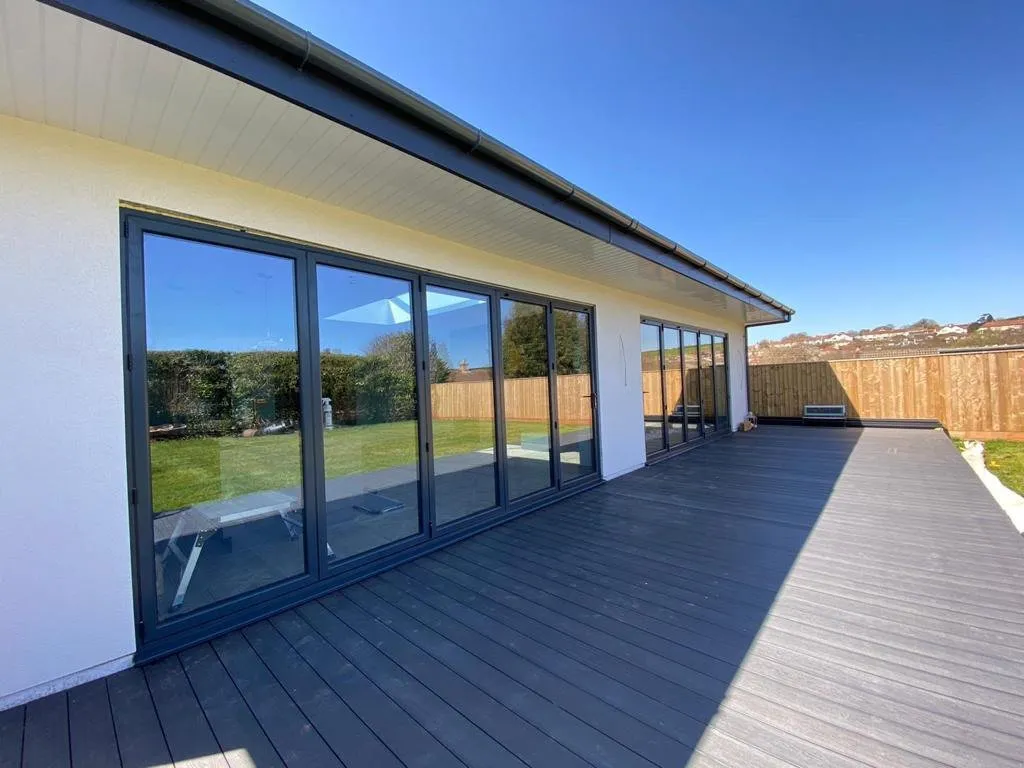
Important Installation Methods for Decking Over Concrete
There are several ways to install decking over a cement surface. The correct method depends on the condition of the concrete, available height, drainage requirements, and the intended use of the space.
The most common installation methods include using sleepers, adjustable pedestals, or specialized framing systems.
Installing Composite Decking Using Sleepers
A sleeper system is one of the most common approaches for installing decking over concrete. Sleepers are horizontal support pieces placed directly on the concrete surface. The composite decking boards are then attached to these supports.
This method creates space between the concrete and the decking boards, allowing air circulation and water drainage.
When using sleepers, several factors should be considered:
Choose Durable Sleeper Materials
Because sleepers are close to the concrete surface, they may be exposed to moisture. Traditional untreated wood can deteriorate over time.
Many installers choose:
- Pressure-treated lumber
- Aluminum framing
- Composite support systems
Aluminum and composite framing materials generally provide better long-term durability because they are less affected by moisture.
Ensure Proper Spacing
Composite decking requires adequate support spacing to prevent bending or movement. The exact spacing depends on the decking manufacturer’s recommendations, board thickness, and expected load.
Incorrect spacing can cause:
- Flexible boards
- Unstable walking surfaces
- Reduced lifespan
Following installation guidelines is essential for maintaining warranty coverage.
Using Adjustable Pedestals for Concrete Surfaces
Adjustable pedestal systems are another option, especially for rooftop decks, balconies, and areas where precise height adjustment is needed.
These systems allow installers to create a level deck surface even when the existing concrete has minor uneven areas.
Advantages include:
- Improved drainage
- Easy height adjustment
- Better airflow beneath decking
- Easier access for future maintenance
Pedestal systems are commonly used in commercial applications, but they can also be suitable for residential projects where the deck surface needs to match a doorway or existing structure.
Creating Proper Drainage Under the Decking
One of the most important considerations when installing decking on top of concrete is water management. Unlike a traditional raised deck where water can naturally drain into the soil below, a concrete surface does not absorb or redirect water effectively.
If moisture becomes trapped between the decking and the cement, it can create problems over time, including:
- Mold growth
- Dirt accumulation
- Staining
- Unpleasant odors
- Damage to support materials
A well-designed drainage system allows rainwater to move away quickly. This is especially important in regions with heavy rainfall or high humidity.
Some methods to improve drainage include:
Maintaining a Gap Between Boards
Composite decking boards should always be installed with proper spacing between each board. These gaps allow water, leaves, and debris to pass through instead of remaining on the surface.
The recommended spacing depends on the specific composite decking product, temperature conditions during installation, and manufacturer instructions.
Creating an Air Gap Below the Deck
The space between the concrete and decking structure is equally important. A completely flat installation directly on cement can restrict airflow and trap moisture.
Using sleepers, joists, or pedestal systems creates ventilation underneath the boards. This helps the decking dry faster after rainfall and improves long-term performance.
Checking Existing Drainage Direction
Before installation, observe how water moves across the concrete surface during rainfall. If water naturally flows toward a drain or away from the building, the new decking system should maintain that drainage pattern.
Blocking existing drainage paths can lead to water accumulation near walls, doors, or foundations.

Height Considerations When Installing Decking Over Cement
One challenge of installing decking over concrete is the additional height created by the support structure and decking boards.
Before beginning the project, measure the available clearance between the concrete surface and nearby structures, including:
- Exterior doors
- Sliding doors
- Stairs
- Railings
- Drainage outlets
A deck that becomes too high may interfere with door operation or create safety issues.
For example, if a patio door already sits only slightly above the concrete surface, a traditional sleeper system may raise the deck too much. In these situations, low-profile framing systems or thinner decking solutions may be more appropriate.
Planning the final deck height before installation prevents expensive adjustments later.
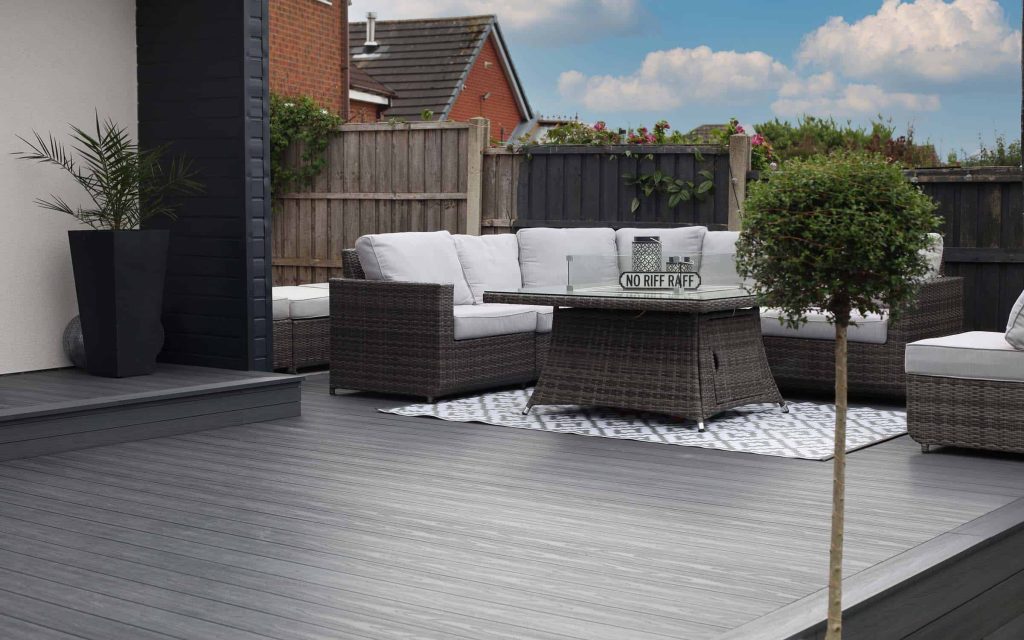
Can You Install Composite Decking Directly on Concrete?
Although it may seem easier to place decking boards directly on a cement surface, this installation method is generally not recommended.
Direct installation can create several problems:
Limited Ventilation
Without airflow underneath the boards, moisture can remain trapped. Over time, this can affect the appearance and performance of the decking system.
Poor Drainage
Rainwater has nowhere to escape efficiently when boards sit directly on a flat concrete surface.
Uneven Surface Problems
Concrete slabs often contain small imperfections. Even minor uneven areas can cause decking boards to move, flex, or create uncomfortable walking surfaces.
For these reasons, most professional installers recommend creating a supporting structure rather than placing boards directly on cement.
A properly designed composite decking over cement installation should include support materials that provide stability, drainage, and ventilation.
Advantages and Disadvantages of Installing Decking Over Concrete
Like any home improvement project, installing composite decking over an existing cement surface has both benefits and limitations.
Advantages
Cost savings
Removing and rebuilding a concrete patio can be expensive. Covering the existing surface can reduce labor costs and shorten installation time.
Improved appearance
A new composite deck can completely transform an old concrete area.
Better comfort
Concrete becomes extremely hot under direct sunlight and can feel cold during cooler weather. Composite decking provides a more comfortable walking surface.
Lower maintenance
Compared with wood alternatives, composite decking requires less ongoing care.
Faster renovation
Using the existing concrete foundation often makes the project faster than constructing a completely new deck.
Disadvantages
Reduced available height
The added structure may create clearance problems near doors and stairs.
More complex drainage planning
Because the concrete remains underneath, drainage must be carefully considered.
Higher initial material cost
Composite decking usually costs more upfront than basic wood decking, although long-term maintenance costs are often lower.
Is Composite Decking Over Concrete a Good Choice?
For many homeowners, upgrading an existing cement patio with composite decking is an effective way to create a modern outdoor area without completely rebuilding the foundation.
The success of the project depends mainly on proper preparation. A stable concrete surface, appropriate support system, sufficient drainage, and correct installation techniques are essential factors.
When these elements are carefully planned, composite decking over cement can provide a durable, attractive, and comfortable outdoor surface that improves the value and usability of a property.
Whether the project involves a small backyard patio, balcony, commercial outdoor area, or large entertainment space, composite decking offers a practical alternative to traditional renovation methods. By understanding installation requirements and avoiding common mistakes, homeowners and contractors can achieve a long-lasting result with excellent performance.
Conclusion
Installing composite decking on top of an existing concrete surface is possible and can be an excellent solution for transforming outdated patios and outdoor spaces. However, success depends on more than simply placing boards over cement.
The concrete must be inspected, drainage must be considered, and a suitable support structure should be installed to provide ventilation and stability. Using quality materials and following proper installation practices ensures the deck remains safe, attractive, and durable for many years.
For homeowners looking for a low-maintenance outdoor upgrade, composite decking provides the appearance of natural wood with improved resistance to weather, moisture, and everyday wear. With careful planning, an old concrete surface can become a beautiful and functional outdoor living area.