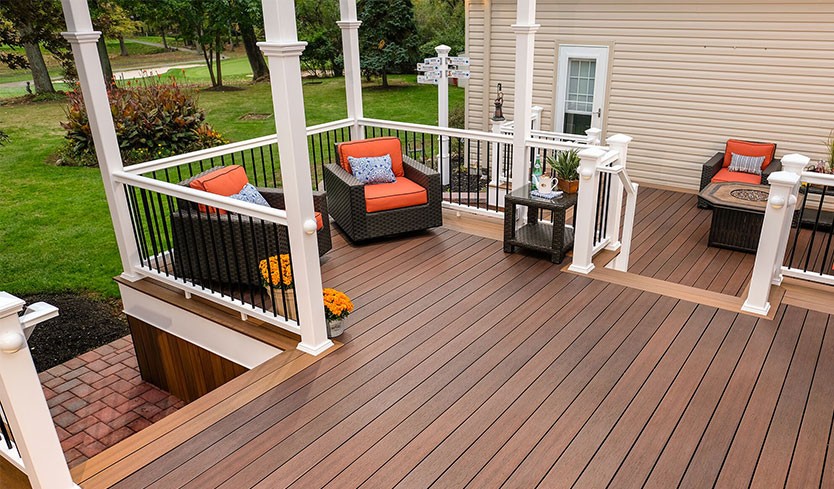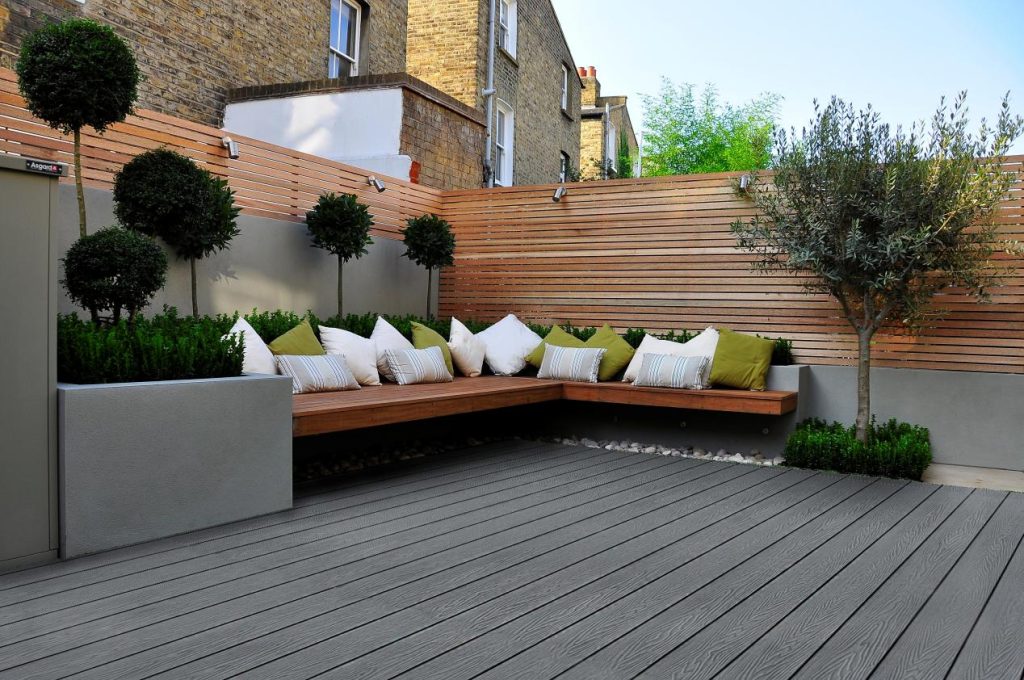
Composite decking is a popular outdoor flooring solution because of its durability, attractive appearance, and low maintenance. Compared with traditional wood decking, it offers better resistance to moisture, insects, cracking, and weather damage. With advances in manufacturing technology, composite decking is now available in various structures, materials, and designs. Understanding the different types of composite decking helps homeowners, contractors, and developers choose the right option for different applications. This article explores the main types of composite decking, their features, benefits, applications, and selection tips.
Table of Contents
What Is Composite Decking?
Composite decking is an engineered outdoor building material produced by combining wood fibers, recycled plastics, and special additives. Through extrusion and molding processes, these materials are transformed into durable boards that imitate the appearance of natural wood while providing improved performance.
Traditional wood decking requires regular maintenance, including staining, sealing, painting, and repairs. Composite decking reduces these requirements because it is designed to withstand outdoor conditions without frequent treatment.
The main materials used in composite decking include:
Wood Fibers
Wood fibers provide a natural appearance and texture. They help create a surface that looks similar to real timber while maintaining structural stability.
Plastic Materials
Plastic components improve resistance against water, moisture, and environmental damage. They help prevent common problems such as rotting, warping, and insect infestation.
Additives and Protective Components
Manufacturers often add stabilizers, pigments, and reinforcement materials to improve UV resistance, color retention, strength, and overall lifespan.
Because of different production methods and material structures, composite decking can be divided into several major categories.
Main Types of Composite Decking
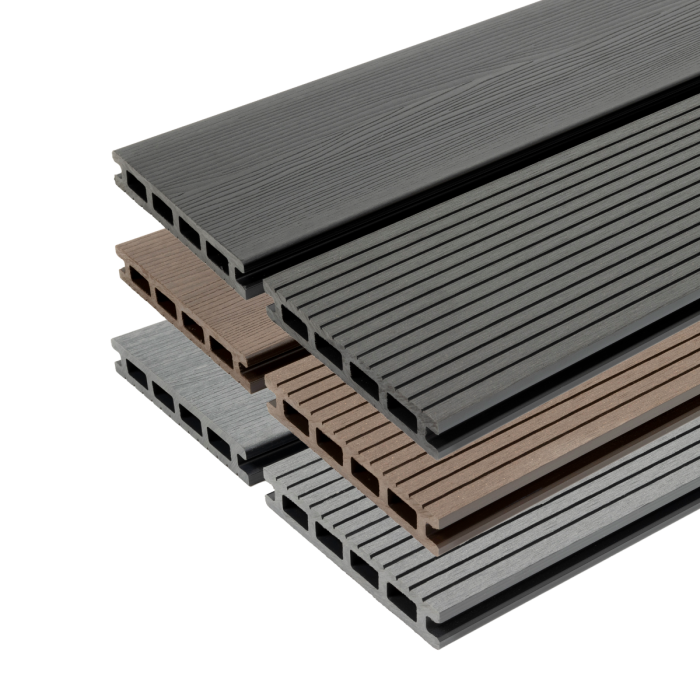
When choosing composite decking, buyers should understand the differences between various board structures and manufacturing technologies. The most common types of composite decking include solid composite decking, hollow composite decking, capped composite decking, uncapped composite decking, wood-plastic composite decking, and co-extruded composite decking.
Each type has different characteristics and is suitable for different environments.
Solid Composite Decking
Solid composite decking is one of the strongest and most durable options available. These boards feature a completely filled internal structure without hollow spaces.
Because of their dense construction, solid composite boards provide excellent strength and stability.
Features of Solid Composite Decking
Solid composite decking typically offers:
- High load-bearing capacity
- Strong impact resistance
- Excellent structural stability
- Better screw-holding performance
- Long service life
The dense structure makes solid decking suitable for areas where the boards may experience heavy pressure or frequent use.
Applications of Solid Composite Decking
Solid composite decking is commonly used for:
- Commercial outdoor platforms
- Public walkways
- Restaurants and entertainment areas
- Large residential terraces
- Garden structures
Although solid boards provide excellent performance, they generally require more material during production, making them heavier and sometimes more expensive than other options.
Hollow Composite Decking
Hollow composite decking features internal spaces or channels inside the board structure. These hollow sections reduce weight and material consumption while maintaining sufficient strength for many outdoor applications.
Features of Hollow Composite Decking
The main characteristics include:
- Lightweight construction
- Easier transportation
- Faster installation
- Lower material cost
- Good overall durability
The hollow design allows manufacturers to produce boards with reduced weight, which can make installation more convenient.
Advantages of Hollow Composite Decking
One of the biggest advantages of hollow composite decking is cost efficiency. Because fewer raw materials are required, it is often a more affordable option compared with solid boards.
It is commonly selected for residential projects where extreme load resistance is not the primary requirement.
Typical applications include:
- Home balconies
- Private gardens
- Small patios
- Outdoor decoration areas
However, hollow decking may not be the best choice for locations with very heavy traffic or high impact requirements.
Capped Composite Decking
Capped composite decking is a more advanced type of composite decking that includes an additional protective outer layer.
The outer cap is usually made from a durable polymer material that surrounds the composite core, creating an extra barrier against environmental exposure.
Features of Capped Composite Decking
Important features include:
- Improved moisture resistance
- Better stain protection
- Enhanced UV resistance
- Reduced fading
- Easier cleaning
The protective surface helps prevent water penetration and protects the internal structure of the board.
Benefits of Capped Composite Decking
Capped composite decking provides excellent long-term performance, especially in areas exposed to changing weather conditions.
It is suitable for:
- Pool decks
- Outdoor dining areas
- High-end residential projects
- Coastal environments
- Commercial landscapes
Compared with traditional composite boards, capped decking generally maintains its appearance for a longer period.
Uncapped Composite Decking
Uncapped composite decking does not include an additional protective surface layer. It is one of the earlier forms of composite decking and remains popular due to its affordability.
Characteristics of Uncapped Composite Decking
Uncapped boards offer:
- Simple construction
- Lower initial cost
- Natural composite appearance
- Easy installation
This type can provide good performance when installed correctly and used in suitable environments.
Limitations of Uncapped Composite Decking
Without a protective cap, uncapped decking may have lower resistance to:
- Stains
- Moisture absorption
- Surface fading
- Long-term weather exposure
For covered outdoor areas or projects with budget considerations, uncapped composite decking can still be an effective solution.
Wood-Plastic Composite Decking
Wood-plastic composite decking is one of the most common categories within the composite decking market. It is produced by combining wood fibers with plastic materials to create a balance between natural appearance and modern performance.
Features of Wood-Plastic Composite Decking
The main advantages include:
- Wood-like appearance
- Reduced maintenance
- Good moisture resistance
- Resistance to insects
- Environmentally friendly material options
This type is widely used because it provides a similar visual effect to natural wood without many of the problems associated with timber.
Applications of Wood-Plastic Composite Decking
Common applications include:
- Residential gardens
- Outdoor terraces
- Balcony flooring
- Landscape projects
- Recreational areas
For customers who want a natural outdoor appearance with improved durability, wood-plastic composite decking is a popular choice.
Co-Extruded Composite Decking
Co-extruded composite decking is developed using advanced manufacturing technology. During production, a protective layer is bonded around the core material to create a multi-layer structure.
Features of Co-Extruded Composite Decking
This type offers:
- Strong surface protection
- Excellent weather resistance
- Improved durability
- Better color stability
- Higher resistance to scratches
The protective outer layer helps reduce damage caused by sunlight, moisture, and daily use.
Suitable Applications of Co-Extruded Composite Decking
Co-extruded decking is often used for projects requiring long-term performance, including:
- Luxury outdoor spaces
- Commercial landscaping
- Hotels
- Public facilities
- High-use residential areas
Although the initial cost may be higher, the longer lifespan can provide better value over time.
Different Surface Styles of Composite Decking
Besides structural differences, composite decking can also be classified according to surface design and texture.
Wood Grain Composite Decking
Wood grain composite decking is designed to reproduce the natural appearance of timber.
The embossed patterns create realistic textures while maintaining the benefits of composite materials.
Advantages include:
- Natural visual appeal
- Decorative outdoor appearance
- Suitable for modern landscape designs
Brushed Surface Composite Decking
Brushed composite decking features a textured surface created through special finishing processes.
This surface design can improve grip and create a more refined appearance.
It is often used in areas where safety and appearance are both important.
Smooth Surface Composite Decking
Smooth surface decking provides a clean and modern look.
It is commonly selected for contemporary architectural projects where a simple appearance is preferred.
How to Choose the Right Type of Composite Decking?
Selecting the best composite decking depends on several factors, including installation location, expected usage, budget, and design preferences.
Consider the Outdoor Environment
Climate conditions play an important role in choosing decking materials.
For areas with heavy rainfall, high humidity, or strong sunlight, capped or co-extruded decking may provide better protection.
For protected outdoor spaces, standard composite decking can often meet performance requirements.
Consider Traffic Requirements
Different areas require different levels of strength.
For high-traffic applications, solid composite decking is usually a better choice because of its stronger structure.
For private residential spaces, hollow decking may provide sufficient performance while reducing costs.
Consider Maintenance Requirements
Although composite decking requires less maintenance than wood, different types still have different levels of protection.
Capped and co-extruded decking usually provide easier cleaning and better long-term appearance retention.
Consider Design and Appearance
Composite decking is available in various colors, textures, and patterns.
When selecting a design, consider:
- Building style
- Surrounding landscape
- Outdoor furniture
- Overall decoration theme
A suitable surface design can improve the visual quality of the entire outdoor space.
Advantages of Composite Decking
Composite decking continues to replace traditional wood decking because of its many advantages.
Low Maintenance
Composite decking does not require regular painting, staining, or sealing. Routine cleaning is usually enough to maintain its appearance.
Excellent Weather Resistance
Composite materials are designed to handle outdoor conditions, including:
- Rain
- Snow
- Sunlight
- Temperature changes
Long Service Life
High-quality composite decking can maintain its performance for many years when properly installed.
Environmentally Responsible Choice
Many composite decking products use recycled materials, helping reduce waste and improve resource efficiency.
Future Development Trends of Composite Decking
The composite decking industry continues to develop as demand increases for durable and sustainable outdoor materials.
Future improvements may include:
- More realistic wood textures
- Stronger lightweight structures
- Improved recycling technology
- Better UV protection
- More environmentally friendly manufacturing processes
As outdoor living spaces become increasingly important, composite decking will continue to be a preferred solution for residential and commercial projects.
Conclusion
Understanding the different types of composite decking helps buyers select the right material for their outdoor projects. Solid composite decking provides excellent strength, hollow decking offers lightweight and cost-effective advantages, capped decking improves protection, and co-extruded decking delivers advanced durability.
Wood-plastic composite decking remains one of the most widely used options because it combines natural appearance with reliable outdoor performance. By considering factors such as environment, usage requirements, maintenance expectations, and design preferences, buyers can choose the most suitable composite decking solution.
Whether used for gardens, balconies, terraces, pool areas, or commercial landscapes, the right type of composite decking from Hosung, can create a durable, attractive, and low-maintenance outdoor space for many years.