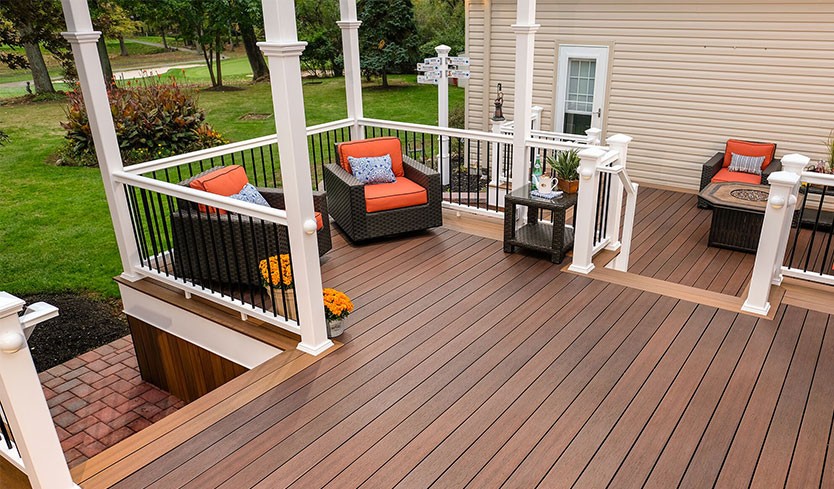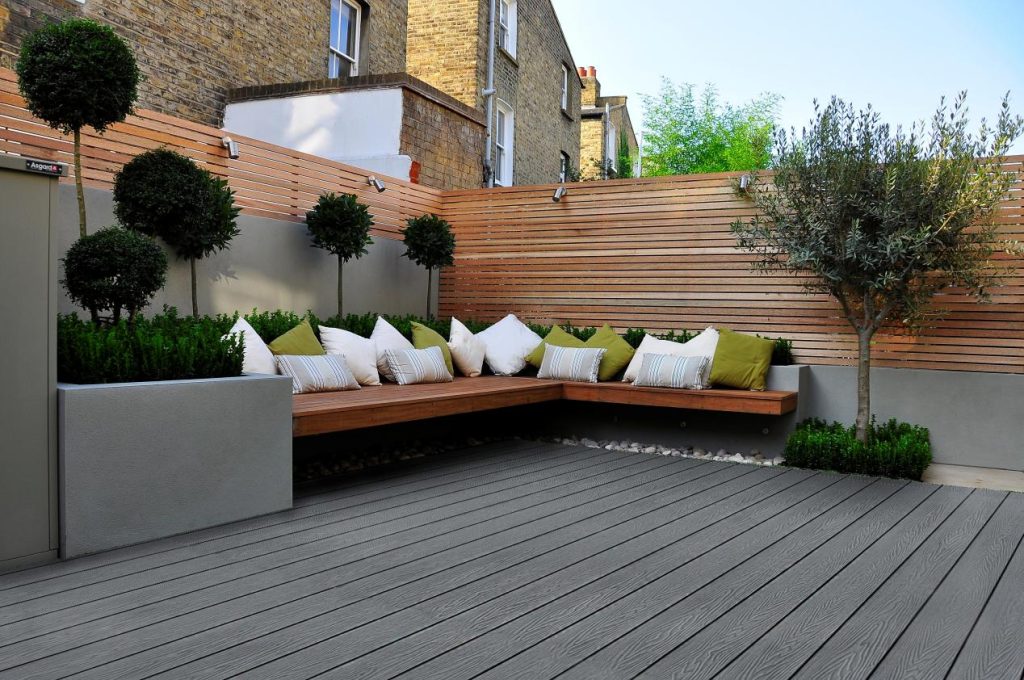
When planning an outdoor decking project, choosing the right composite decking boards length is essential because it affects installation efficiency, material waste, appearance, stability, and overall cost. Whether for a balcony, garden terrace, poolside area, or commercial space, the correct board length can improve construction efficiency and results. Composite decking boards are available in various lengths, including shorter options for small areas, medium sizes for residential projects, and longer boards for larger spaces with fewer joints. This article covers common lengths, their applications, benefits, and key selection factors.
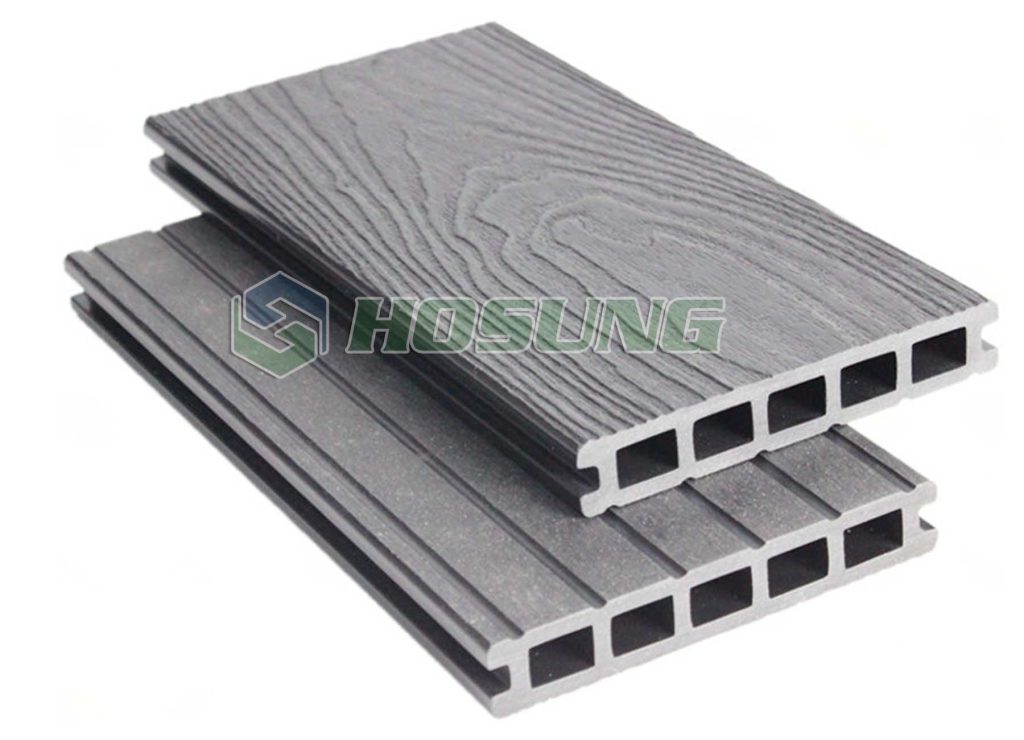
Table of Contents
Why Composite Decking Board Length Matters
The length of composite decking boards influences many aspects of a project. Although width and thickness are also important, board length often determines how efficiently the deck can be installed and how the finished surface will look.
Longer boards can reduce the number of joints across the decking surface. Fewer joints create a cleaner and more continuous appearance, which is especially important for modern outdoor designs. Large terraces, commercial spaces, and entertainment areas often benefit from longer boards because they create a more spacious visual effect.
Shorter boards, on the other hand, provide greater flexibility when working with complicated layouts. They are easier to transport, handle, and cut, making them suitable for smaller areas or projects with many corners and irregular shapes.
Choosing the right length also helps reduce unnecessary cutting. When board lengths match the dimensions of the deck area, fewer offcuts are produced, which improves material efficiency and reduces waste.
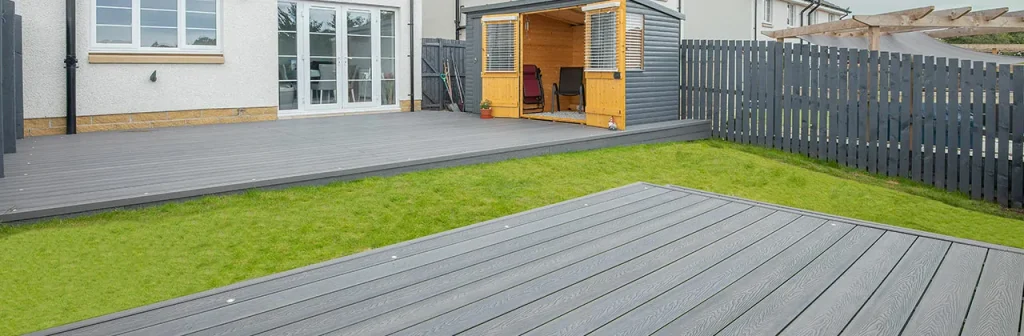
Common Composite Decking Boards Length Options
Composite decking manufacturers usually provide several standard lengths to accommodate different installation requirements. While available sizes may vary depending on production processes and markets, several length ranges are commonly used.
2.4 Metre Composite Decking Boards
A 2.4 metre length is one of the shorter standard options commonly used for smaller outdoor projects. These boards are popular where flexibility and easy handling are priorities.
Shorter boards are particularly suitable for:
- Small balconies
- Compact garden decks
- Residential patios
- Narrow walkways
- DIY decking projects
One major advantage of 2.4 metre boards is easier transportation. Compared with longer boards, they are simpler to carry through narrow spaces, move around a property, and store before installation.
They are also convenient when designing decks with multiple sections or unique patterns. For example, if a project includes curved edges, different levels, or decorative layouts, shorter boards allow installers to make adjustments more easily.
However, using shorter boards means more joints will appear on the finished surface. For larger decks, this may create a more segmented appearance and require additional attention during installation.
3 Metre Composite Decking Boards
3 metre composite decking boards are a popular choice for many residential applications because they provide a balance between handling convenience and installation efficiency.
This length works well for:
- Medium-sized garden decks
- Backyard entertainment areas
- Outdoor seating platforms
- Residential extensions
A 3 metre board can cover a reasonable distance while still being manageable for installers. It reduces the number of connections compared with shorter boards but does not create major transportation challenges.
For homeowners planning a standard outdoor deck, this length is often practical because it offers good flexibility. It can be used in various layouts and adjusted easily according to the specific dimensions of the project.
3.6 Metre Composite Decking Boards
The 3.6 metre length is another commonly selected option, especially for projects requiring a more seamless appearance.
These boards are suitable for:
- Larger residential terraces
- Garden landscaping projects
- Pool surroundings
- Outdoor dining areas
A longer board creates fewer gaps across the deck surface, improving visual continuity. This is particularly beneficial for contemporary designs where a clean, uninterrupted appearance is preferred.
From an installation perspective, 3.6 metre boards can help reduce labor time because fewer boards are needed to cover the same area. Fewer connections also mean fewer fastening points and potentially faster installation.
However, longer boards require more planning. Installers need to consider access routes, storage space, and handling methods before delivery.
4 Metre Composite Decking Boards
Among the most popular choices for larger decking projects are 4 metre composite decking boards. This length provides an excellent balance between coverage, appearance, and practical installation.
4 metre boards are commonly used for:
- Large gardens
- Commercial outdoor areas
- Balcony extensions
- Hospitality spaces
- Landscape architecture projects
The main advantage of 4 metre boards is the reduction of visible joints. When installed correctly, they create long, attractive lines across the decking surface.
For professional projects, fewer joints can improve both appearance and maintenance efficiency. A smoother surface with fewer connections is easier to clean and can provide a more premium outdoor environment.
Because of their longer size, 4 metre boards require careful transportation and handling. Adequate preparation is necessary to avoid damage during delivery and installation.
4.8 Metre Composite Decking Boards
Longer boards, such as 4.8 metre options, are often chosen for large-scale projects where minimizing joints is a priority.
These boards are suitable for:
- Large terraces
- Public outdoor spaces
- Commercial landscaping
- Wide entertainment areas
The biggest advantage of longer boards is the ability to cover large distances with fewer pieces. This creates a more natural-looking deck surface and can significantly improve installation efficiency.
For projects with long straight sections, longer boards can reduce cutting requirements and help maintain consistent patterns across the entire area.
However, these boards need more careful planning because they require sufficient space for transportation, storage, and installation. Contractors should evaluate site conditions before choosing extra-long options.
Factors to Consider When Choosing Composite Decking Boards Length
Selecting the correct board length is not only about choosing the longest available option. Several practical factors should be considered.
Deck Size and Layout
The dimensions and shape of the deck are the first factors to evaluate.
For small decks, shorter boards may provide better flexibility because they can easily fit different layouts. For large rectangular decks, longer boards are usually more efficient because they reduce the number of joints.
A simple measurement of the deck area can help determine which board lengths will create the least amount of waste.
Installation Efficiency
Board length has a direct impact on installation speed.
Longer boards usually require fewer pieces, which can reduce installation time. Fewer boards also mean fewer fastening points and less measuring work.
However, longer boards may require more workers during installation because they are heavier and more difficult to position accurately.
The ideal choice depends on balancing installation efficiency with practical handling requirements.
Transportation and Storage Conditions
Before selecting long composite decking boards, consider how they will be transported to the project location.
Important questions include:
- Can delivery vehicles access the site?
- Is there enough storage space?
- Are there narrow paths or stairs?
- How many people are available for handling?
For projects in difficult-to-access locations, shorter boards may be more convenient despite requiring more joints.
Appearance Requirements
The final visual effect is another important consideration.
Long boards create fewer interruptions and provide a cleaner appearance. They are often preferred for modern outdoor designs where smooth lines and spacious impressions are important.
Shorter boards can also create attractive designs when installed with creative patterns, such as alternating directions or decorative layouts.
Material Waste Reduction
Choosing the correct board length can reduce leftover materials.
For example, if the deck width closely matches a standard board length, fewer cuts are needed. This improves cost efficiency and reduces unnecessary waste.
Before purchasing materials, creating a detailed installation plan can help determine the most suitable board size.
Matching Board Length With Different Applications
Different outdoor projects often require different length considerations.
Residential Garden Decks
For typical residential gardens, medium-length boards are usually the most practical choice. They provide a good balance between appearance, installation convenience, and transportation.
Many homeowners choose lengths around 3 metres to 4 metres because these sizes work well for common backyard layouts.
Balcony and Rooftop Decking
Balcony and rooftop projects often involve limited access. Shorter boards may be easier to move through buildings, elevators, or narrow entrances.
In these situations, installation convenience may be more important than minimizing joints.
Poolside Decking
Pool areas often benefit from longer boards because continuous lines create a more elegant appearance around the pool edge.
Longer boards can help achieve a cleaner design with fewer visible connections.
Commercial Outdoor Spaces
Restaurants, hotels, parks, and public areas usually require durable and visually attractive decking surfaces. Longer boards are often preferred because they provide a professional appearance and improve installation efficiency over large areas.
Installation Tips Related to Board Length
Regardless of the chosen length, proper installation is essential for long-term performance.
Before installation:
- Measure the area accurately
- Plan board direction and layout
- Calculate the number of boards required
- Consider expansion gaps
- Prepare suitable storage conditions
During installation:
- Handle long boards carefully
- Keep boards properly supported
- Follow spacing recommendations
- Avoid unnecessary cutting
Good planning ensures that the selected board length provides the best combination of appearance, durability, and efficiency.
Conclusion
Choosing the right composite decking boards length from Hosung Company is a key step in creating a successful outdoor decking project. Common lengths such as 2.4 metres, 3 metres, 3.6 metres, 4 metres, and 4.8 metres each provide different advantages depending on the project size, installation conditions, and design requirements.
Shorter boards offer flexibility and easier handling, while longer boards create fewer joints and a more seamless appearance. For small residential projects, medium-length boards are often practical, while larger commercial and landscape projects may benefit from longer options.
By carefully considering deck dimensions, transportation conditions, installation requirements, and desired visual results, it is possible to select the most suitable composite decking board length for any outdoor application. A well-planned choice not only improves the appearance of the finished deck but also helps reduce waste, simplify installation, and achieve better long-term performance.