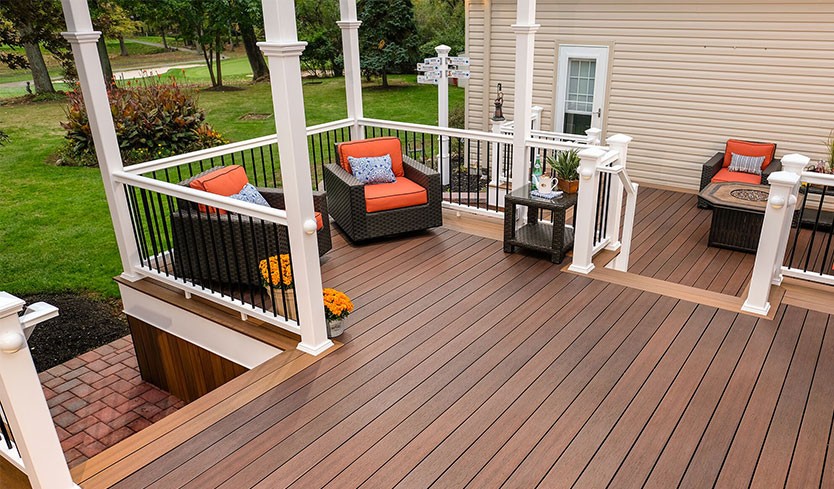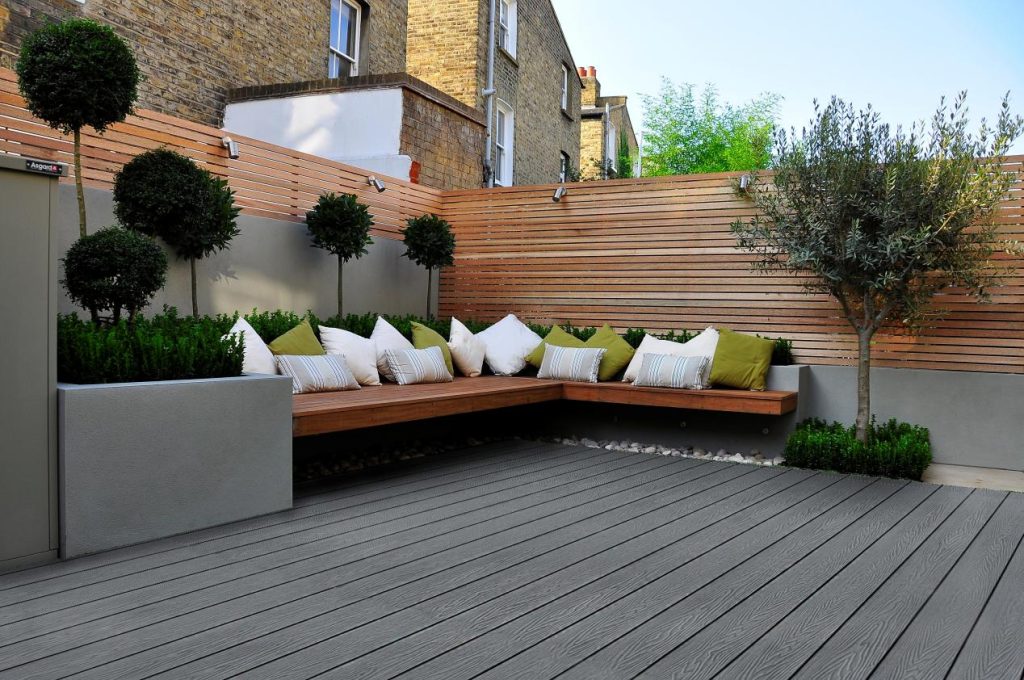
A swimming pool is more than a place for relaxation and entertainment; it is also an important part of outdoor living spaces. The surrounding deck area affects safety, appearance, comfort, and overall usability. Choosing the right decking material is essential for creating a functional and attractive pool environment. Composite decking has become a popular option because it offers durability, low maintenance, and excellent performance in outdoor conditions.

Table of Contents
What Is Composite Decking Around Swimming Pools?
Composite decking around swimming pools refers to the use of engineered decking boards made from a combination of wood fibers and polymer materials in areas surrounding swimming pools. These boards are specifically designed to withstand outdoor exposure, including moisture, sunlight, temperature changes, and frequent foot traffic.
Unlike traditional wood decking, composite materials are manufactured to overcome many common problems associated with natural timber. They provide a stable surface that maintains its appearance and performance for a longer period while requiring less maintenance.
Pool surroundings have unique requirements because they are frequently exposed to water, humidity, and chemicals. A suitable decking material must provide good water resistance, slip resistance, and structural stability. Composite decking meets these requirements, making it an ideal choice for residential and commercial pool projects.
Why Choose Composite Decking Around Swimming Pools?
There are many reasons why homeowners, architects, and landscape designers select composite decking for pool areas. From safety improvements to aesthetic benefits, composite decking offers advantages that make it suitable for modern outdoor environments.
Excellent Water Resistance
One of the most important considerations for pool decking is resistance to moisture. The area around a swimming pool is constantly exposed to water from splashing, cleaning, and weather conditions.
Traditional wood can absorb moisture over time, which may cause swelling, cracking, warping, and rotting. These issues can reduce the lifespan of the deck and create additional maintenance requirements.
Composite decking is designed with moisture-resistant properties. The combination of wood fibers and polymer materials helps reduce water absorption and improves dimensional stability. This allows the decking to maintain its shape and strength even in wet environments.
For pool owners, this means fewer concerns about water-related damage and a more reliable outdoor surface.
Improved Safety for Pool Areas
Safety is a major factor when designing swimming pool surroundings. Wet surfaces can become slippery, increasing the risk of accidents, especially in areas with frequent movement.
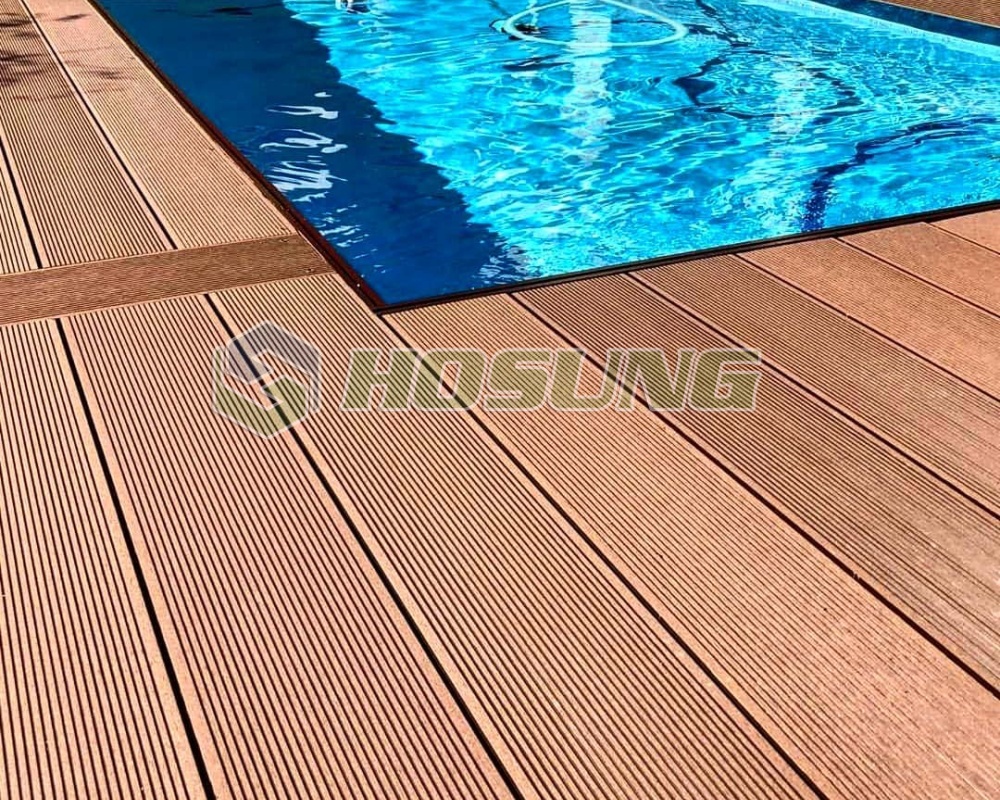
Many composite decking products feature textured surfaces that provide better traction under wet conditions. The surface design helps improve grip while still maintaining a comfortable walking experience.
In addition, composite decking does not easily develop cracks or splinters like traditional wood. This creates a safer surface for children, families, and guests who walk barefoot around the pool.
A smooth and stable pool deck can significantly improve the overall user experience and provide greater confidence during outdoor activities.
Low Maintenance Requirements
Pool areas require regular cleaning because they are exposed to water, dirt, sunscreen, leaves, and outdoor debris. Choosing a decking material that requires minimal maintenance can save considerable time and effort.
Natural wood decking often requires frequent staining, sealing, and repairs to maintain its condition. Pool environments can accelerate these maintenance needs because of constant moisture exposure.
Composite decking requires much less maintenance. Regular cleaning with water and mild soap is usually sufficient to keep the surface looking clean and attractive.
This low-maintenance feature makes composite decking especially suitable for busy homeowners, hotels, resorts, and recreational facilities that want a beautiful pool area without intensive upkeep.
Long-Term Durability in Outdoor Conditions
Swimming pool decks must withstand various environmental challenges, including strong sunlight, heavy rain, humidity, and temperature changes. Materials that are not designed for outdoor use may deteriorate quickly.
Composite decking is engineered for long-term outdoor performance. Its resistance to moisture, insects, cracking, and fading allows it to remain functional and attractive over many years.
The stable structure of composite boards helps reduce common problems associated with natural materials. This makes them a dependable choice for pool areas where durability is a priority.
For commercial swimming pools that experience frequent use, durable decking materials can reduce repair costs and improve overall project value.
Attractive Appearance and Design Flexibility
The appearance of a pool area plays an important role in outdoor design. A well-designed deck can transform a simple swimming pool into a stylish and comfortable entertainment space.
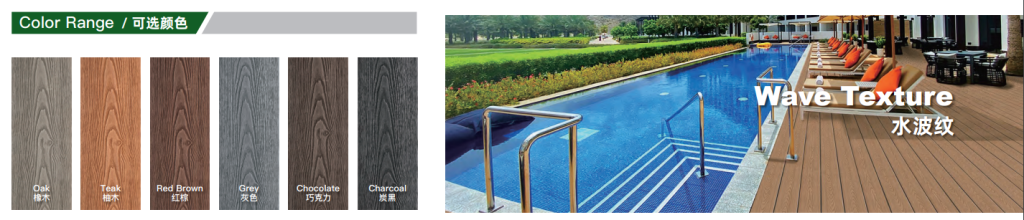
Composite decking is available in a wide range of colors, textures, and surface patterns. Homeowners can select designs that match their landscape style, outdoor furniture, and architectural features.
Many composite boards feature realistic wood grain patterns that create a natural appearance while providing the advantages of modern materials.
Whether the design goal is a contemporary pool area, a resort-style outdoor space, or a relaxing backyard environment, composite decking provides flexible design possibilities.
Comfortable Surface for Barefoot Use
A swimming pool deck should provide comfort because people often walk barefoot around the pool. Materials that become uncomfortable under sunlight or develop rough surfaces may reduce the enjoyment of the outdoor area.
Composite decking is designed with user comfort in mind. Its smooth surface provides a pleasant walking experience while avoiding many issues associated with aging wood.
High-quality composite boards are also designed to maintain better surface stability during temperature changes, helping create a comfortable poolside environment throughout different seasons.
Resistance to Mold, Insects, and Decay
Pool environments often contain moisture, which can create conditions where mold and biological damage develop. Natural wood may become vulnerable to these problems without proper protection.
Composite decking materials are less attractive to insects and are highly resistant to decay caused by moisture exposure. This helps maintain a cleaner and more durable pool environment.
The improved resistance reduces the need for chemical treatments and frequent repairs, making composite decking a practical solution for long-term outdoor use.
Suitable for Different Swimming Pool Designs
One of the advantages of composite decking is its adaptability to different pool styles and layouts.
For residential swimming pools, composite decking can create a comfortable backyard retreat with areas for seating, dining, and relaxation. It can be combined with outdoor furniture, lighting, and landscaping elements to create a complete outdoor living area.
For commercial applications such as hotels, resorts, and fitness centers, composite decking provides a professional appearance while handling heavy daily use.
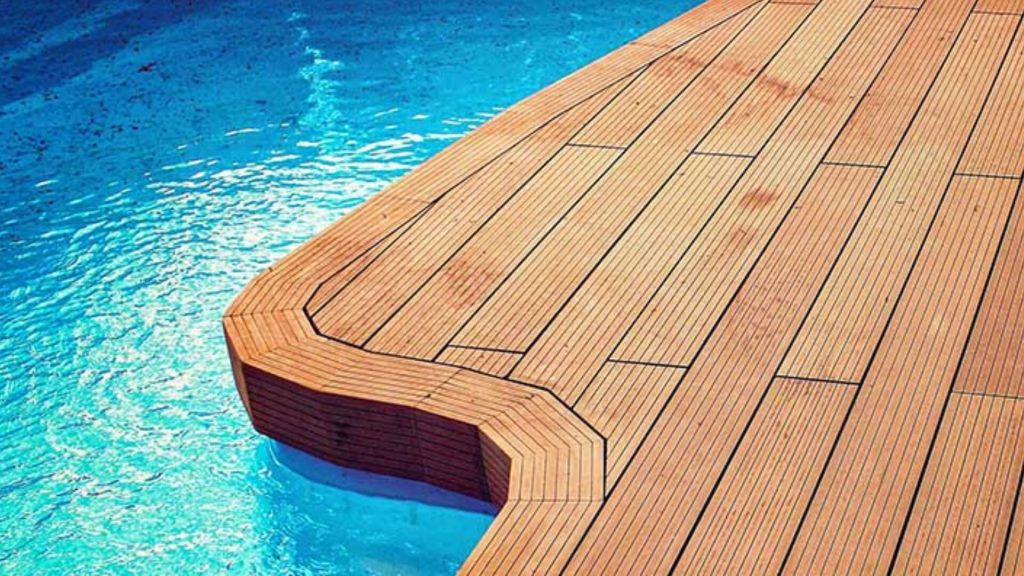
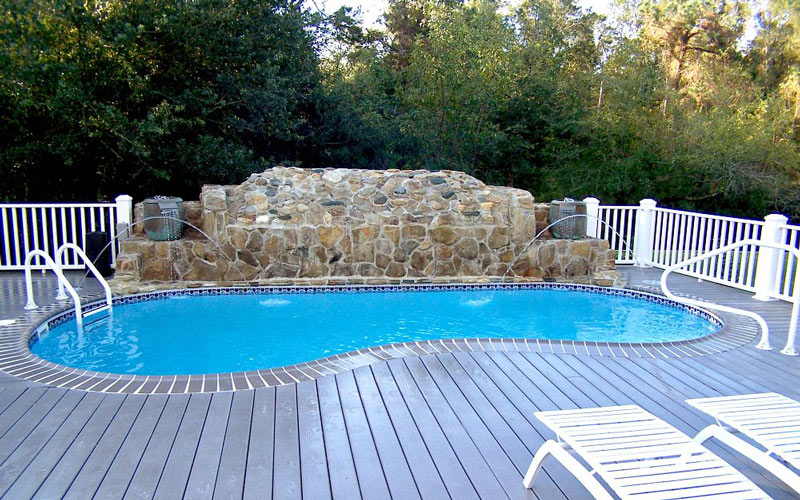
It can also be used around different pool shapes, including rectangular pools, curved designs, above-ground pools, and custom landscape projects.
Comparing Composite Decking with Traditional Wood Decking
For many years, wood has been one of the most common materials used for swimming pool decks. Natural wood provides a warm appearance and traditional outdoor style. However, it also comes with several challenges.
Wood decking requires regular maintenance, including sealing, staining, and protective treatments. Without proper care, exposure to water and sunlight can cause fading, cracking, warping, and decay.
In contrast, composite decking is engineered to provide better resistance to outdoor conditions. It does not require frequent sealing or painting, which reduces maintenance work and long-term costs.
Another difference is safety. Aging wood may develop splinters and uneven surfaces, while composite decking maintains a smoother structure over time. This makes it a more comfortable option for areas where people frequently walk barefoot.
Although both materials can create attractive pool areas, composite decking offers practical advantages for those looking for durability, convenience, and consistent performance.
Environmental Benefits of Composite Decking Around Swimming Pools
Environmental considerations have become increasingly important in modern construction and landscaping projects. Many property owners are looking for materials that provide good performance while reducing environmental impact.
Composite decking can support sustainable outdoor design because it often uses recycled materials, including recycled wood fibers and polymers. This helps reduce dependence on natural timber resources.
The long service life of composite decking also contributes to sustainability. Because the material requires fewer replacements compared with some traditional options, it can reduce resource consumption over time.
In addition, the lower maintenance requirements of composite decking may reduce the need for chemical treatments, paints, and protective coatings. This creates a more environmentally responsible solution for pool landscaping.
How to Maintain Composite Decking Around Swimming Pools
Although composite decking requires minimal maintenance, regular care is still important for keeping the pool area clean and attractive.
Clean the Surface Regularly
Leaves, dust, dirt, and other debris should be removed regularly. A simple cleaning routine helps prevent surface buildup and keeps the decking looking fresh.
Using a soft brush, water, and mild detergent is usually enough for regular cleaning. For areas around swimming pools, frequent cleaning is recommended because sunscreen, food residue, and pool chemicals may accumulate on the surface.
Remove Stains Quickly
Although composite decking has good stain resistance, removing spills as soon as possible can help maintain its appearance.
Common stains from drinks, oils, or outdoor activities should be cleaned promptly using appropriate cleaning methods. Avoid using extremely harsh chemicals that may damage the surface.
Keep Drainage Areas Clear
The spaces between decking boards should remain free from leaves and debris. Blocked drainage gaps can reduce water flow and affect the overall performance of the decking system.
Regular inspection of the area helps identify potential issues early and ensures the pool deck continues to perform properly.
Factors to Consider Before Choosing Composite Decking for Pool Areas
Selecting the right composite decking requires consideration of several important factors.
Slip Resistance
Because swimming pool areas are frequently wet, slip resistance should be a top priority. Buyers should choose decking with suitable surface textures that provide reliable traction.
A safe pool deck helps reduce accidents and creates a more comfortable environment for families and guests.
Material Quality
Not all composite decking products have the same performance level. The quality of raw materials, manufacturing technology, and surface protection can influence durability and appearance.
High-quality composite boards generally provide better resistance to weather exposure and maintain their performance for a longer period.
Color Selection
The color of pool decking can influence the overall atmosphere of an outdoor space. Neutral colors such as grey, brown, and natural wood tones are popular because they complement many landscape designs.
When selecting a color, it is also important to consider sunlight exposure and the surrounding environment. A suitable color choice can improve the visual balance of the entire pool area.
Local Climate Conditions
Climate conditions should also be considered when selecting decking materials. Areas with high humidity, frequent rainfall, or intense sunlight require materials with strong weather resistance.
Composite decking is suitable for many different climates because of its stable structure and moisture-resistant properties.
Why Composite Decking Is a Smart Investment for Pool Projects
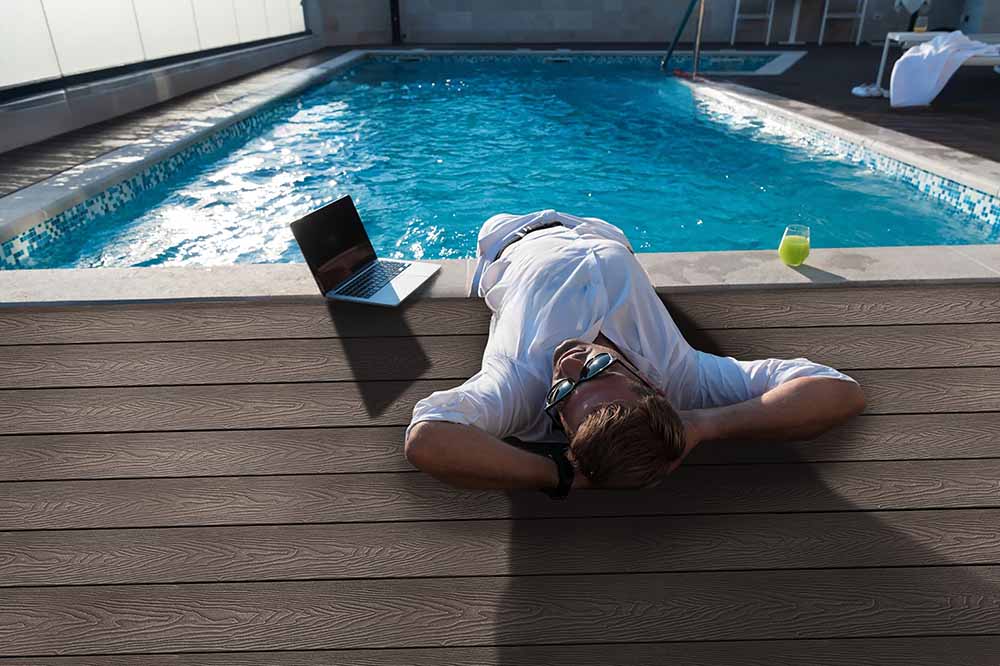
A swimming pool is a long-term investment, and the surrounding deck should provide lasting value. Choosing a durable material can reduce future maintenance expenses and improve the overall enjoyment of the outdoor space.
Composite decking around swimming pools combines appearance, safety, durability, and convenience. It provides a modern alternative to traditional materials while meeting the practical requirements of pool environments.
For residential users, it creates a comfortable and attractive outdoor area for relaxation and entertainment. For commercial properties, it offers a reliable surface that can withstand frequent use while maintaining a professional appearance.
As outdoor living trends continue to grow, composite decking is expected to remain a popular choice for swimming pool projects. Its combination of performance and design flexibility makes it suitable for a wide range of applications.
Choosing the Right Composite Decking for Pool Areas
When selecting composite decking for a pool, the key is to focus on materials designed specifically for outdoor, water-exposed environments. The ideal pool decking should combine water resistance, durability, and slip-resistant surfaces. Look for decking boards that feature a protective outer layer, which helps prevent staining, fading, and chemical damage from pool treatments.
Heat management is another important factor; some composites are engineered to stay cooler under direct sunlight, making barefoot walking more comfortable. Textured surfaces or grooves can provide extra traction, reducing the risk of slips and falls.
Additionally, eco-friendly composite boards made from recycled materials are becoming increasingly popular, offering sustainability without compromising performance. By comparing factors such as water absorption rate, slip resistance, UV protection, and long-term durability, you can choose the best composite decking to create a safe, comfortable, and long-lasting poolside environment.
Conclusion
Choosing the right material for a swimming pool deck is essential for creating a safe, beautiful, and durable outdoor environment. Composite decking around swimming pools provides excellent water resistance, low maintenance requirements, strong durability, and attractive design options.
Compared with traditional wood decking, composite materials offer improved stability and require less ongoing care. They help property owners create comfortable pool areas that remain functional and visually appealing for many years.
For customers seeking reliable composite decking solutions, Hosung WPC offers professional products and expertise to support different outdoor projects, helping create modern and durable swimming pool environments.