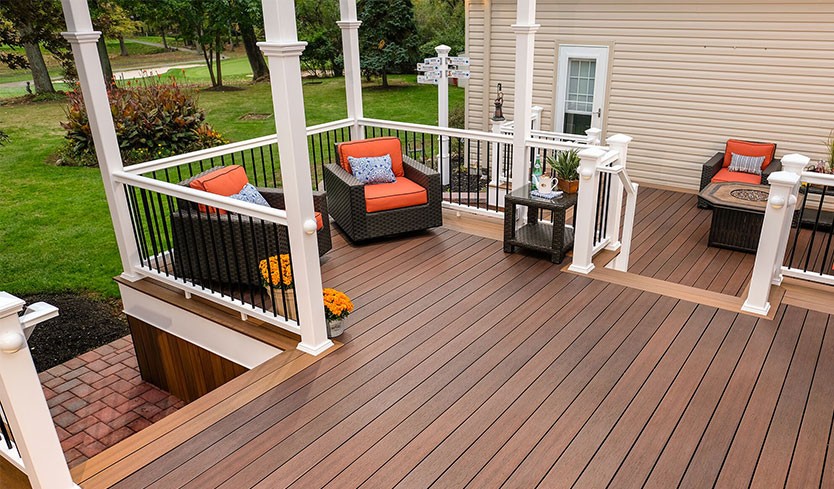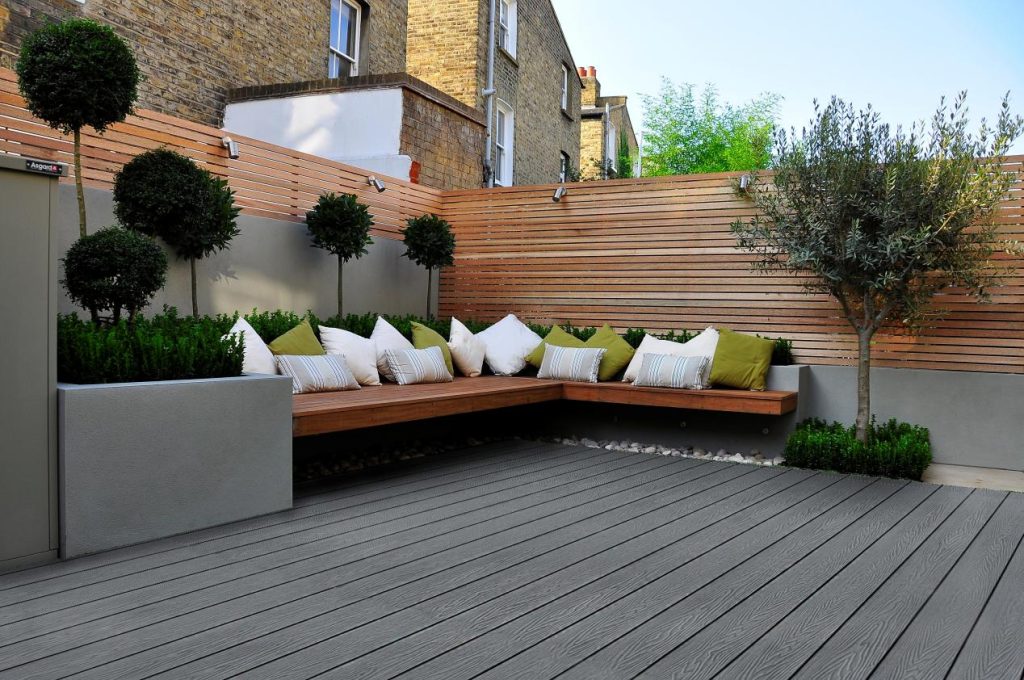
If you are considering a new outdoor deck, you may have wondered: What exactly is composite decking made of? Unlike traditional wood decking, composite decking is not made from a single natural material. It is an engineered decking product created by combining different materials to achieve a balance of durability, appearance, moisture resistance, and low maintenance. Most composite decking is primarily made from a mixture of wood fibers or wood flour and plastic polymers, along with smaller amounts of additives, pigments, and processing agents. The exact formulation can vary depending on the manufacturing process, product design, and performance requirements. Understanding what composite decking is made of can help homeowners, contractors, architects, and project buyers choose the right decking material for different outdoor applications. This article explains the main components of composite decking, how they work together, and what the material means for long-term deck performance.
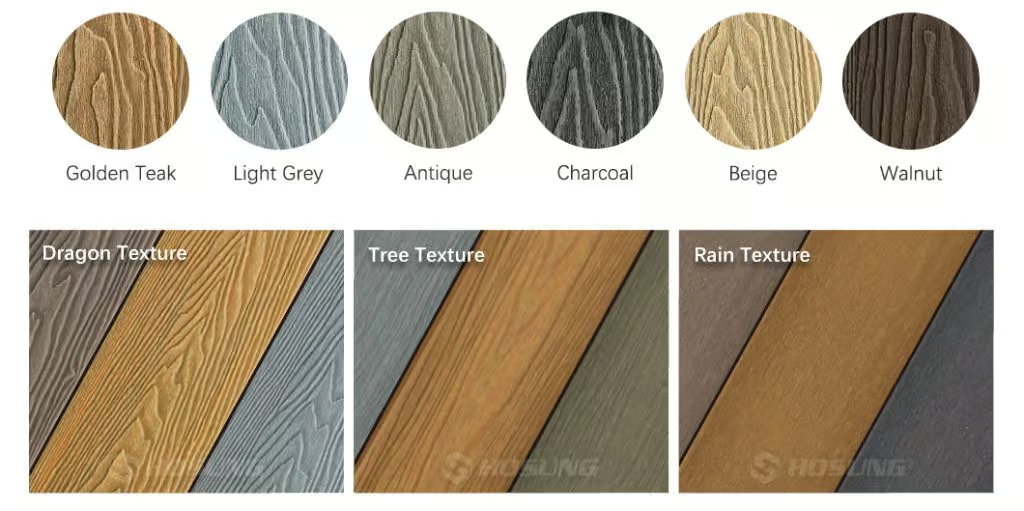
Table of Contents
What Are the Main Materials in Composite Decking?
The basic composition of composite decking usually includes four major categories: wood-based material, plastic polymers, additives, and color pigments. Some products may also contain a protective outer layer or specialized surface treatment.
1. Wood Fibers or Wood Flour
Wood is one of the primary components used in many composite decking products. Manufacturers may use finely processed wood fibers, wood flour, or other wood-based materials.
Wood flour is produced by processing wood into very small particles. Its inclusion gives composite decking some of the visual and physical characteristics associated with natural wood.
The wood component can contribute to:
- A natural-looking appearance
- A textured surface
- Structural rigidity
- A wood-like feel
- Efficient use of wood processing materials
However, the wood component is not exposed in the same way as it would be in a conventional timber deck. It is combined with polymer material during manufacturing, which helps protect the wood particles from direct exposure to moisture and environmental conditions.
The proportion of wood can vary significantly between products. Therefore, two composite decking boards may look similar while having different material formulations and performance characteristics.
2. Plastic Polymer
Plastic is another major component of composite decking. It acts as the binding material that surrounds and holds the wood particles together.
Common polymer types used in composite decking include polyethylene, polypropylene, and PVC-based materials. Different polymers have different properties, so the choice of polymer can influence characteristics such as moisture resistance, flexibility, impact resistance, and dimensional stability.
The plastic component plays several important roles. It helps reduce the material’s susceptibility to moisture compared with untreated wood and provides a stable matrix for the wood fibers.
The combination of wood and polymer is what gives composite decking its fundamental characteristics. Wood contributes texture and a natural appearance, while polymer helps provide resistance to moisture and environmental exposure.
3. Additives
Although wood and plastic make up most of the material, composite decking may also contain a relatively small percentage of additives.
These additives are used to improve processing characteristics or enhance specific performance properties. Depending on the formulation, they may help improve UV resistance, thermal stability, weather resistance, color retention, or material consistency.
Processing additives can also make it easier to manufacture decking boards with consistent dimensions and surface characteristics.
The specific additives used are normally determined by the manufacturer’s formulation and the intended application. For example, decking designed for strong outdoor exposure may require a formulation with improved resistance to sunlight and temperature changes.
Because additives are generally present in smaller quantities, they do not define composite decking by themselves. Instead, they help optimize the performance of the primary wood-polymer material.
4. Color Pigments
Composite decking is available in a wide range of colors, including shades that resemble natural timber as well as modern gray, brown, and other decorative tones.
Color pigments are incorporated into the material during manufacturing to create the desired appearance. This is different from simply painting a finished wooden board.
Because the color can be integrated into the decking material, minor scratches and normal surface wear may be less visually noticeable than they would be on a painted surface.
The pigmentation process also allows manufacturers to produce different color collections and visual effects. Some composite decking can be manufactured with multi-tone patterns designed to imitate the variation found in natural wood.
How Is Composite Decking Manufactured?
Understanding what exactly is composite decking made of is easier when you understand how the raw materials are processed.
First, wood fibers or wood flour are prepared to achieve a suitable particle size and moisture level. The plastic polymer and selected additives are then combined with the wood material according to a specific formulation.
The mixture is heated and processed until the polymer becomes capable of binding the wood particles together. This material is then formed into decking boards through an extrusion process.
During extrusion, the composite material is pushed through a specially designed die that determines the board’s basic shape and dimensions.
After forming, the boards are cooled and stabilized. Additional processes may be used to create the final surface texture, color, grain pattern, or protective layer.
Quality control is important throughout the process. Manufacturers need to maintain consistent material ratios, dimensions, surface characteristics, and mechanical properties so that the finished decking performs consistently.
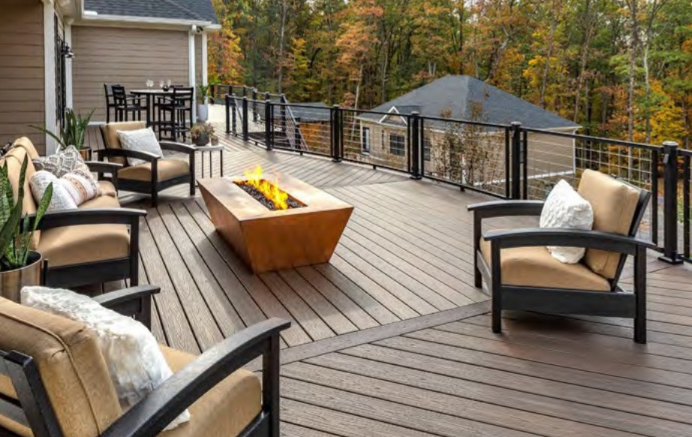
What Is Capped Composite Decking Made Of?
Some composite decking products feature a protective outer layer, commonly known as a capped composite decking structure.
In this type of product, the core is made from a wood-polymer composite, while the exterior is covered with a polymer-based protective layer.
The outer cap is designed to provide additional protection against environmental exposure. Depending on the product structure, it may improve resistance to:
- Moisture
- Staining
- Fading
- Scratching
- Everyday surface wear
A capped surface can also provide more opportunities for decorative finishes and realistic wood-grain textures.
However, not all composite decking has a protective cap. Uncapped and capped products can both be suitable for outdoor decking, depending on the application, expected exposure, budget, and desired performance.
Does Composite Decking Contain Real Wood?
Yes, many composite decking products contain real wood fibers or wood flour.
This is an important distinction between composite decking and plastic decking. Composite decking combines wood-based material with polymer material, while plastic decking is primarily manufactured from plastic.
The presence of wood helps create a more natural appearance and texture. At the same time, the polymer component changes how the material responds to moisture and outdoor conditions.
However, the amount and type of wood used can vary. Buyers should therefore check the technical specifications of a specific decking product rather than assuming that all composite boards have the same composition.
Is Composite Decking 100% Waterproof?
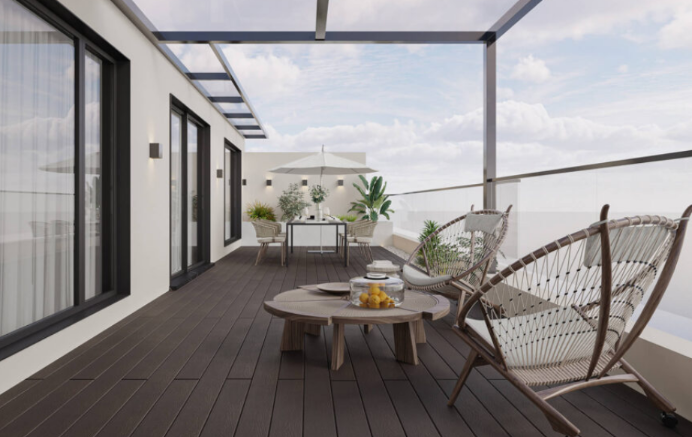
Composite decking generally has good resistance to moisture, but it should not automatically be described as completely waterproof in every situation.
The polymer component helps reduce water absorption compared with many conventional wood decking materials. A well-manufactured composite board can therefore perform effectively in humid environments and outdoor applications.
However, moisture can still interact with other parts of a decking system, including cut ends, fastener areas, substructures, and installation gaps. Water drainage and ventilation remain important.
Proper installation is therefore just as important as material composition. Decking should be installed with appropriate spacing and drainage provisions so that rainwater can flow away efficiently.
Why Does the Composition Matter?
The materials used in composite decking directly influence its performance.
A carefully balanced wood-polymer formulation can provide a combination of characteristics that is difficult to achieve with traditional materials alone. The wood component can contribute stiffness and a natural appearance, while the polymer provides binding and moisture resistance.
The additives and pigments then help refine the product’s performance and appearance.
This composition can make composite decking attractive for applications such as:
- Residential patios
- Garden terraces
- Poolside decks
- Balconies
- Rooftop outdoor spaces
- Walkways
- Commercial outdoor areas
- Hospitality projects
- Public landscaping projects
For buyers, understanding the composition is also useful when comparing products. Instead of looking only at color or price, it is worth considering the material structure, surface technology, board dimensions, strength, slip resistance, weather resistance, and expected service environment.
How Does Composite Decking Compare With Traditional Wood?
Traditional wood is a natural material, so its properties can vary according to species, moisture content, treatment, and environmental exposure.
Composite decking is engineered to provide more consistent characteristics. Its controlled material formulation allows manufacturers to design boards with specific dimensions, textures, colors, and performance requirements.
Wood decking may require regular staining, sealing, painting, or other maintenance depending on the species and environment. Composite decking generally requires less routine surface maintenance because its polymer content and engineered structure provide greater resistance to common outdoor conditions.
However, composite decking is not maintenance-free. Regular cleaning is still recommended to remove dirt, leaves, stains, and other surface contaminants.
Is Composite Decking Environmentally Friendly?
The environmental performance of composite decking depends on its material composition, manufacturing process, product lifespan, and end-of-life options.
Some composite decking products incorporate recycled plastic and recycled wood-based materials, reducing the need for virgin resources. Using wood processing by-products can also provide an alternative use for materials that might otherwise become waste.
Another consideration is service life. A durable decking product that remains functional for many years may reduce the frequency of replacement and the associated consumption of materials.
When evaluating environmental performance, buyers should therefore look beyond a single material percentage. Recycled content, durability, manufacturing efficiency, maintenance requirements, and end-of-life management can all contribute to the overall environmental impact.
What Should You Look for When Buying Composite Decking?
Knowing what exactly is composite decking made of is a good starting point, but material composition should not be the only purchasing consideration.
First, consider the intended application. A residential garden deck may have different requirements from a commercial walkway or poolside installation.
Next, examine the board structure. Determine whether the product is capped or uncapped and understand how the surface is designed to handle moisture, stains, UV exposure, and everyday use.
Board dimensions are also important. Width, thickness, length, and profile design can influence installation requirements and overall project cost.
You should also consider color stability, surface texture, slip resistance, load-bearing performance, thermal expansion, fastening systems, and installation recommendations.
For large construction projects, it is particularly useful to request technical data and samples before placing a bulk order. This allows buyers to evaluate appearance and physical characteristics under real project conditions.

Final Thoughts
So, what exactly is composite decking made of? In most cases, it is an engineered combination of wood fibers or wood flour, plastic polymers, additives, and color pigments. Some products also include a protective polymer cap that provides additional surface protection.
The wood component contributes natural texture and appearance, while the polymer helps bind the material together and improve resistance to moisture and outdoor exposure. Additives and pigments further optimize performance and appearance.
Because composite decking is an engineered material, its exact composition can vary from one product to another. For this reason, buyers should review technical specifications rather than judging a product only by its appearance.
For businesses, contractors, and project developers looking for customized WPC decking solutions, Hosung WPC can be considered as a manufacturer option for composite decking projects. Understanding the material structure first makes it easier to select the right decking solution for the intended environment and performance requirements.