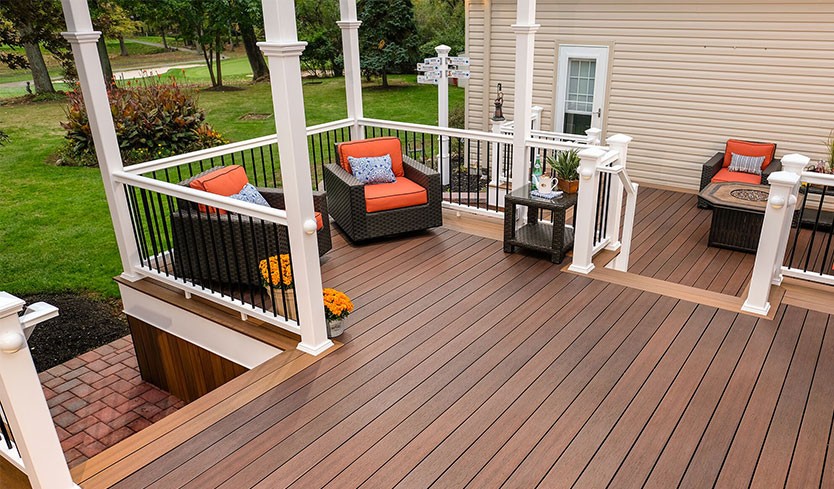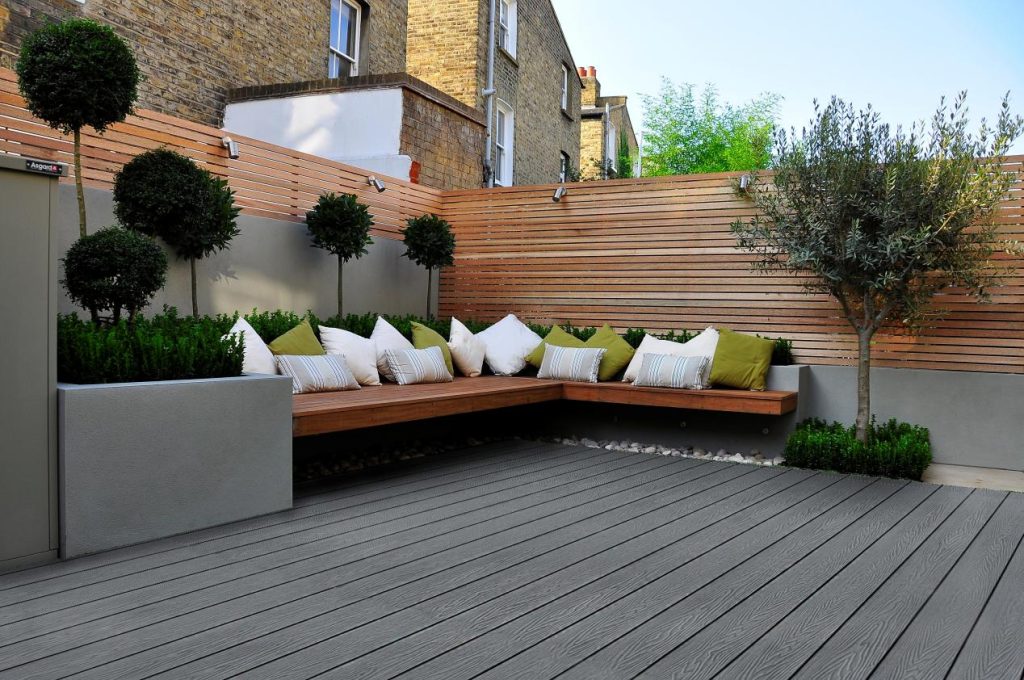
When planning an outdoor deck, one of the most important decisions is choosing the right decking material. The two most common options are traditional wood and modern composite decking. Both materials can create attractive, functional outdoor spaces, but they differ significantly in durability, maintenance, appearance, cost, and long-term performance. Understanding Composite vs Wood Decking can help homeowners, contractors, architects, and property developers select a material that matches their project requirements. While wood has been used for outdoor structures for generations, composite decking has become increasingly popular because of its combination of durability and low maintenance.
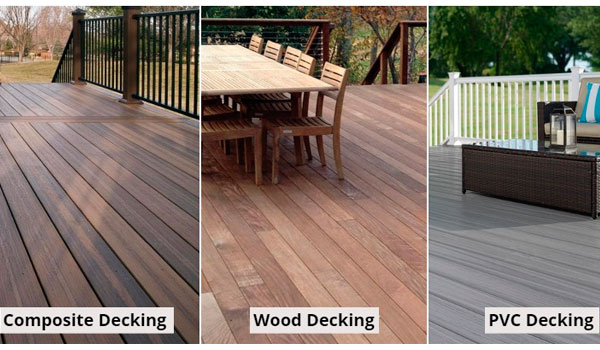
Table of Contents
What Is Wood Decking?
Wood decking is made from natural timber that is cut, processed, and treated for outdoor construction. Depending on the type of wood selected, decking boards can have different colors, grain patterns, densities, and resistance to environmental conditions.
One of the biggest advantages of wood is its natural appearance. Every board has its own grain structure and color variation, creating a traditional outdoor aesthetic that many people find appealing.
However, wood is an organic material. Exposure to sunlight, rain, moisture, insects, and temperature changes can gradually affect its appearance and structural performance. To maintain its condition, wood decking normally requires regular cleaning, sealing, staining, or painting.
Different wood species also have different levels of natural resistance. Therefore, selecting an appropriate wood type and applying proper protective treatments are important for outdoor applications.

What Is Composite Decking?
Composite decking is an engineered decking material generally manufactured by combining wood-based fibers with polymer materials and additives. The mixture is processed under controlled conditions to create boards with consistent dimensions and performance.
The composition of composite decking gives it characteristics that are different from natural timber. It is designed to resist common outdoor problems such as moisture absorption, cracking, splintering, and surface deterioration.
Many composite decking boards are manufactured with textured surfaces that reproduce the visual characteristics of natural wood. As a result, modern composite products can provide a wood-like appearance while requiring less routine maintenance.
Composite decking is commonly used for residential terraces, balconies, gardens, pool surrounds, patios, commercial outdoor areas, and other exterior applications.
Composite vs Wood Decking: Appearance
Appearance is often one of the first considerations when comparing composite and wood decking.
Natural wood provides an authentic organic appearance. Its grain, knots, texture, and color variations make each board visually distinctive. Over time, however, untreated or poorly maintained wood can fade, turn gray, or develop visible signs of weathering.
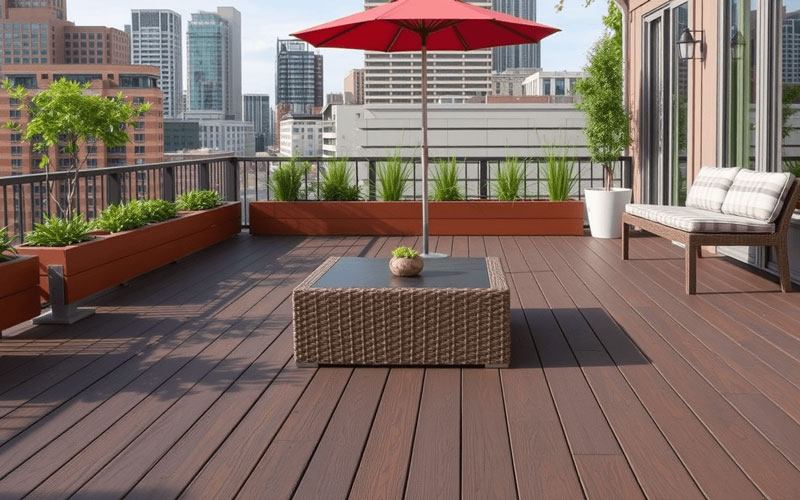
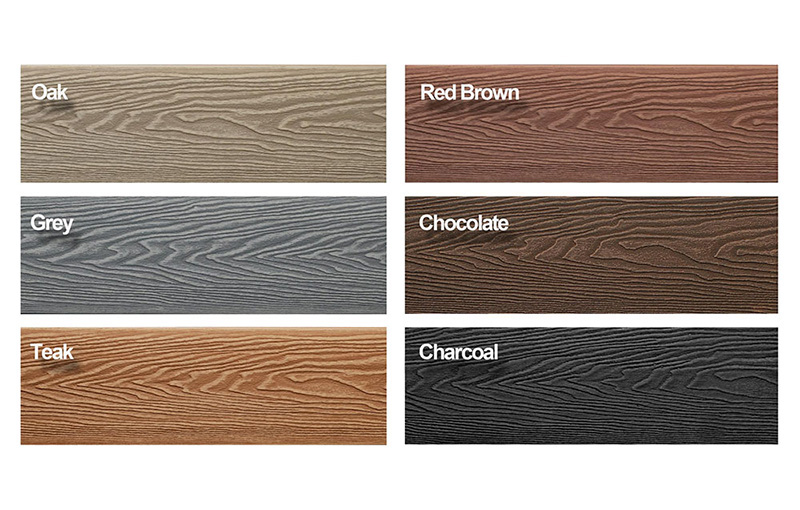
Composite decking is manufactured to provide a more consistent appearance. It is available in a variety of colors, surface textures, and patterns. Some designs closely imitate the appearance of natural timber, while others provide a more contemporary architectural style.
For projects where natural variation is an important design feature, wood can be attractive. For projects requiring consistent color and appearance across a large deck, composite decking can offer an advantage.
Durability and Weather Resistance
Durability is another major difference in the Composite vs Wood Decking comparison.
Wood can perform well outdoors when it is properly selected, installed, and maintained. However, prolonged exposure to moisture may contribute to swelling, warping, cracking, decay, or other forms of deterioration. Insects can also damage certain types of wood.
Composite decking is engineered to handle demanding outdoor environments. Its polymer content helps reduce moisture-related problems, while the manufacturing process provides consistent board dimensions and structure.
Composite decking is not completely maintenance-free or immune to environmental changes, but it generally requires less protection against moisture and common outdoor deterioration than conventional wood decking.
For areas exposed to frequent rainfall, high humidity, or changing weather conditions, composite decking can therefore be an attractive option.
Maintenance Requirements
Maintenance is one of the clearest differences between composite and wood decking.
Wood decks typically require periodic cleaning and protective treatment. Depending on the climate and condition of the deck, homeowners may need to apply stain, paint, or sealant at regular intervals. Boards that become damaged may also require sanding, repair, or replacement.
Composite decking generally requires simpler routine maintenance. Regular sweeping and occasional washing can help remove dirt, leaves, stains, and other surface debris. Because composite boards do not require the same type of surface protection as conventional wood, the maintenance workload can be significantly reduced.
This difference becomes particularly important for large decks. The larger the outdoor area, the more time and labor may be required to maintain natural wood.
Splintering, Cracking, and Surface Comfort
Wood decking can develop splinters, cracks, or rough surfaces as it ages, particularly when exposed to weather without adequate maintenance. These conditions may affect comfort when walking barefoot and can require additional maintenance.
Composite decking is designed to provide a more stable surface with reduced risk of traditional wood-related splintering. However, the exact performance depends on the board structure, surface design, installation method, and product quality.
For pool areas, garden terraces, and family outdoor spaces where people frequently walk barefoot, surface characteristics should be carefully considered when choosing between the two materials.
Lifespan and Long-Term Value
The expected lifespan of a deck depends on material quality, installation, climate, usage, drainage, and maintenance.
Wood decking can have a long service life when high-quality material is properly installed and regularly maintained. However, ongoing maintenance and eventual repairs should be considered when calculating the total cost of ownership.
Composite decking is designed for long-term outdoor use and generally maintains its functional characteristics with less routine maintenance. Its resistance to moisture and common surface deterioration can contribute to a longer-lasting appearance and reduced maintenance requirements.
Therefore, the initial purchase price should not be the only factor in a decking decision. A lower-cost material may require more maintenance over its service life, while a higher initial investment may provide savings in labor and maintenance over time.
Installation Considerations
Both wood and composite decking require a suitable supporting structure and proper installation.
Wood boards are relatively easy to cut and work with using standard woodworking tools. Experienced installers can modify them for different deck shapes and designs.
Composite decking can also be cut and installed using appropriate tools, but installers should follow the manufacturer’s recommendations for spacing, fastening, ventilation, drainage, and expansion.
Because composite materials can respond to temperature changes differently from wood, correct installation spacing is particularly important. Proper installation helps prevent movement and supports the long-term performance of the deck.
Environmental Considerations
Environmental impact is another factor worth considering in the Composite vs Wood Decking discussion.
Wood is a natural and renewable material when sourced responsibly. At the end of its service life, wood may also be easier to reuse or process through certain disposal methods. However, transportation, processing, protective treatments, and the source of the timber can all affect its overall environmental footprint.
Composite decking uses a combination of wood-based materials and polymers. Some manufacturing systems incorporate recycled materials, which can reduce the amount of waste sent to disposal. At the same time, composite decking requires industrial processing and contains polymer components.
For environmentally conscious projects, buyers should look beyond the basic label of “wood” or “composite.” Material sourcing, recycled content, manufacturing processes, product lifespan, and disposal options should all be considered.
Cost Comparison
Initial cost is often an important consideration when choosing decking.
Wood decking may offer a lower upfront cost depending on the wood species and quality selected. However, expenses for staining, sealing, cleaning, repairs, and replacement can increase the total cost over time.
Composite decking may have a higher initial purchase price, but its lower maintenance requirements can help offset the difference over the long term.
The most suitable choice therefore depends on the project budget and how long the deck is expected to remain in service. Comparing total lifecycle costs rather than only the purchase price can provide a more realistic picture of overall value.
Which Is Better: Composite or Wood Decking?
There is no universal answer to the question of whether composite or wood decking is better. The right choice depends on the priorities of the project.
Wood may be suitable for buyers who value natural materials, authentic grain patterns, traditional aesthetics, and the ability to refinish the surface over time.
Composite decking may be preferable for those who prioritize low maintenance, consistent appearance, moisture resistance, and long-term outdoor performance.
Climate should also influence the decision. In wet or humid environments, reducing moisture-related maintenance can be especially valuable. In areas with strong sunlight, choosing a decking product designed for outdoor exposure and color retention is equally important.
maintenance costs alone can exceed material costs over time.
How to Choose the Right Decking Material
Before making a final decision, consider several practical questions.
First, how much maintenance are you willing to perform each year? If regular staining and sealing are not desirable, composite decking may provide greater convenience.
Second, what appearance do you want? Natural wood offers genuine grain variation, while composite decking provides more predictable colors and patterns.
Third, what environmental conditions will the deck face? Rain, humidity, sunlight, temperature fluctuations, and nearby water can all influence material performance.
Finally, consider the total cost over the expected lifespan of the deck. Installation, maintenance, cleaning, repairs, and replacement should all be included in the calculation.
Conclusion
The comparison of Composite vs Wood Decking ultimately comes down to balancing appearance, maintenance, durability, cost, and long-term expectations. Wood remains a popular option because of its natural beauty and traditional character, while composite decking offers an engineered alternative with lower maintenance requirements and strong resistance to common outdoor challenges.
For residential and commercial projects where long-term convenience, consistent appearance, and reduced maintenance are important, composite decking can be a practical choice. For projects where natural material and traditional aesthetics are the highest priorities, wood may remain the preferred solution.
When selecting composite decking, working with an experienced manufacturer can help ensure suitable material composition, board structure, surface design, and customization options. For projects looking for dependable WPC decking solutions, Hosung WPC can be considered as a professional source for composite outdoor decking products.