
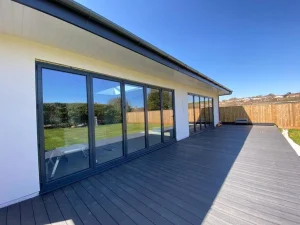
Most Affordable Composite Decking: Affordable and Durable Decking Options
When it comes to decking, homeowners have a variety of material choices that can impact both aesthetics and budget. Composite decking, known for its durability, low maintenance, and eco-friendly qualities, has become a popular choice. However, many still wonder about the costs involved and how they can choose the most affordable composite decking without compromising on quality. This article will explore various types and materials of composite decking, offering guidance on choosing the most affordable options that best meet your needs. From understanding the different components that make up composite decking to identifying cost-effective brands, we’ll provide you with everything you need to make an informed decision. Table of Contents Understanding Composite Decking Composite decking is made from a blend of wood fibers and plastic materials, offering the best of both worlds. It’s designed to mimic the appearance of wood while being more durable and weather-resistant. The general components of composite decking are:Wood fibers: Recycled sawdust or wood fibers, contributing to the “wood-like” appearance and strength.Plastic: Often recycled, the plastic portion helps provide moisture resistance and durability against the elements.Additives: To improve color retention, UV stability, and resistance to stains.1.1. Key Benefits of Composite DeckingLow maintenance: No need for staining ...

Best Composite Decking Brands: A Comprehensive Guide
When looking for the perfect composite decking for your home or commercial space, it’s essential to choose a brand that offers durability, aesthetic appeal, and value for money. Composite decking, made from a blend of wood fibers and recycled plastics, has become a popular choice for outdoor spaces due to its low maintenance and long lifespan. In this article, we’ll explore the best composite decking brands on the market, starting with one of the most reputable names in the industry—Hosung—and continuing with 19 other top brands to help you make an informed decision for your next decking project. Table of Contents Top 20 Best Composite Decking Brands 1. Hosung Composite DeckingHosung is a standout in the composite decking industry, known for its commitment to producing high-quality, sustainable products. With over two decades of experience, Hosung offers composite decking materials that combine strength, beauty, and eco-friendliness.Key Features of Hosung Composite Decking:Eco-Friendly: Hosung decking is made using recycled wood fibers and plastic, making it an environmentally conscious choice. Their products help reduce deforestation and waste.Durability: Hosung decks are designed to resist fading, mold, mildew, and stains, which is crucial for maintaining a long-lasting deck that looks good year after year.Minimal Maintenance: Unlike ...
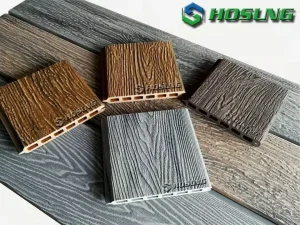
Outdoor Composite Decking Types
When it comes to creating an outdoor living space, choosing the right decking material is essential for durability, aesthetics, and maintenance. Outdoor composite decking is one of the most popular options due to its low-maintenance nature and impressive durability. In this guide, we will explore the various types of outdoor composite decking, highlighting their features, benefits, and ideal applications. Whether you’re a homeowner looking to upgrade your backyard or a contractor searching for the best decking solution, understanding the types of outdoor composite decking will help you make an informed decision. Table of Contents Outdoor Composite Decking Outdoor composite decking is a man-made material composed of a combination of wood fibers, plastic, and other materials like resins and fillers. The combination of these materials creates a product that mimics the natural look of wood while offering superior resistance to the elements, such as moisture, rot, and insects.Unlike traditional wood decking, outdoor composite decking doesn’t require regular staining or sealing. This makes it an attractive option for people who want a beautiful, long-lasting deck without the constant upkeep of traditional wood. Types of Outdoor Composite Decking Outdoor composite decking comes in various styles, colors, and designs. The key differences between the ...
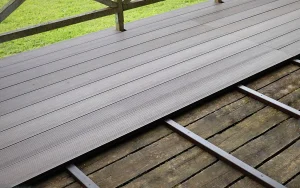
Most Realistic Composite Decking: An In-Depth Guide to Choosing the Best Option
Composite decking has become an increasingly popular choice for homeowners who seek a low-maintenance, durable, and aesthetically pleasing decking solution. The primary allure of composite decking is its ability to mimic the look and feel of traditional wood while offering superior performance and longevity. When it comes to decking materials, the “most realistic composite decking” is often the top priority for those who want a natural look without the challenges associated with real wood. In this blog post, Hosung will explore what makes composite decking realistic, the types available, and how to select the best option for your outdoor space. Table of Contents Know More About Composite Decking Composite decking is a material made from a blend of wood fibers and plastic. This combination results in a durable, low-maintenance surface that can closely resemble the appearance of natural wood. Composite boards are engineered to withstand the elements, including UV rays, moisture, and temperature fluctuations, without the warping, splintering, or rotting that can plague traditional wood decking. This is why it is a popular choice for outdoor spaces exposed to harsh weather conditions.The key advantage of composite decking is its ability to be manufactured in a variety of textures, colors, and ...
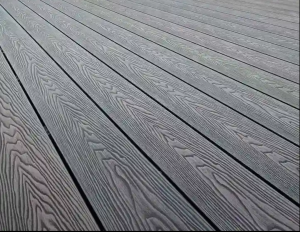
Composite Decking Cost per m²
Composite decking has gained significant popularity in recent years due to its durability, low maintenance requirements, and aesthetic appeal. If you’re considering building or renovating a deck, understanding the composite decking cost per m² is crucial to make an informed decision about your project budget. This guide will break down everything you need to know about composite decking prices, including factors that influence the cost, types of materials available, and tips on choosing the best composite decking for your home. Table of Contents What is Composite Decking? Before diving into costs, it’s essential to understand what composite decking is and why it has become a preferred choice for homeowners and builders alike. Composite decking is made from a blend of wood fibers and plastic, often recycled, to create a material that mimics the look of natural wood but with enhanced durability and lower maintenance.Unlike traditional wood decking, composite boards do not require staining or sealing. They are resistant to rot, fading, and insect damage, making them ideal for outdoor environments exposed to varying weather conditions. These qualities make composite decking an attractive option for people looking for a long-lasting and hassle-free decking solution. How Much Does Composite Decking Cost per ...
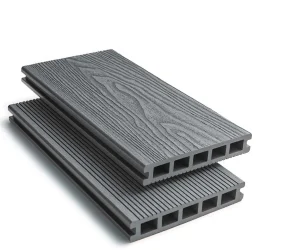
Brooks Composite Decking vs Hosung: A Comprehensive Comparison
When choosing the best composite decking solution for your outdoor projects, two names that often come up are Brooks Composite Decking and Hosung. Both brands are known for offering high-quality, durable, and aesthetically pleasing composite decking options. However, there are subtle differences that may influence your choice, depending on your needs and preferences. In this article, we will compare Brooks Composite Decking with Hosung in terms of material composition, design, durability, maintenance, cost, environmental impact, and customer satisfaction. By the end of this comparison, you should have a clearer idea of which option suits your specific requirements. Table of Contents Material Composition Brooks Composite Decking and Hosung both use a mix of wood fibers and plastics to create a composite material that mimics the look and feel of traditional wood but with superior durability. The key difference lies in the specific types of wood fibers and plastics used.Brooks Composite Decking: This brand uses a blend of high-quality wood fibers and low-density polyethylene (LDPE) plastic. The wood fibers are typically sourced from hardwood trees, which enhances the overall strength and aesthetic of the decking. The polyethylene plastic offers excellent protection against moisture, rot, and insects, making it suitable for a variety ...

Best Composite Decking for Docks
When building or renovating a dock, one of the most crucial decisions you’ll make is selecting the best composite decking material. A dock is constantly exposed to water, sun, and the elements, so choosing decking that can withstand these challenges is vital. Traditional wood decking, while attractive, often succumbs to rot, warping, and other issues that compromise both its appearance and performance. Composite decking, on the other hand, offers a more durable, low-maintenance solution. In this article, we’ll explore why composite decking is ideal for docks and highlight some of the best options available for your waterfront project. Table of Contents Why Composite Decking for Docks? Composite decking has gained immense popularity over the years due to its superior durability, ease of maintenance, and aesthetic appeal. Unlike traditional wood, composite decking is made from a blend of wood fibers and plastic, making it resistant to moisture, insects, and decay. This is particularly beneficial for docks, which are often submerged in water or exposed to high humidity.Water exposure can cause wood decking to swell, rot, or splinter over time. Composite decking eliminates these concerns, offering a material that can handle the fluctuations in temperature and moisture levels. Furthermore, composite decking comes ...
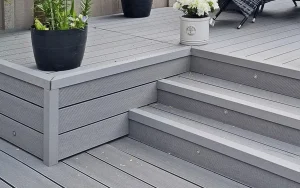
Can Composite Decking Be Used for Stairs?
When you want to building outdoor stairs, homeowners are increasingly turning to composite decking as an alternative to traditional materials like wood. Composite decking, made from a blend of wood fibers and plastic, has long been celebrated for its durability, low-maintenance qualities, and aesthetic appeal. But can composite decking be used for stairs, and is it a good choice? In this article, we will explore the benefits and drawbacks of using composite decking for stairs, how it compares to other materials, and the installation considerations you need to know. Table of Contents What is Composite Decking? Composite decking is a man-made material composed primarily of recycled wood fibers and plastic. The result is a product that combines the natural beauty of wood with the durability and low-maintenance characteristics of plastic. Composite decking has become increasingly popular because it resists rot, fading, and splintering, making it an excellent choice for areas exposed to the elements.Some key benefits of composite decking include:Durability: It doesn’t warp or crack like wood, and it’s resistant to termites and other pests.Low Maintenance: Unlike wood, it doesn’t require regular sanding, staining, or sealing.Eco-Friendly: Most composite decking is made from recycled materials, making it a more sustainable option.Variety ...
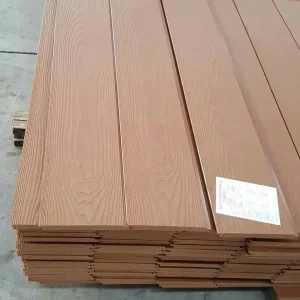
Best Composite Decking: A Comprehensive Guide
When it comes to enhancing your outdoor living space, few materials offer the combination of beauty, durability, and low maintenance like composite decking. Over the past few decades, composite decking has gained immense popularity as a superior alternative to traditional wood. Whether you’re looking to build a brand-new deck or replace an existing one, choosing the best composite decking can significantly affect the look, feel, and longevity of your outdoor space. In this comprehensive guide, we’ll explore the different types of composite decking, what makes composite materials stand out, and how to choose the best composite decking for your needs. At the end of this article, we’ll provide a brief introduction to Hosung WPC, a leading manufacturer of composite decking solutions in China. Table of Contents What is Composite Decking? Before diving into the best types of composite decking, it’s important to understand what composite decking is. In simple terms, composite decking is made from a mixture of wood fibers and plastic, combined to create a durable and low-maintenance alternative to traditional wood decking. The wood fibers typically come from recycled wood or sawdust, while the plastic components are usually made from recycled plastic bottles, bags, and other materials.The benefits ...
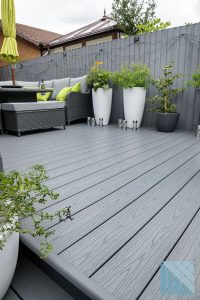
All Color Varieties of Anthracite Composite Decking and How to Choose
Composite decking is a popular choice among homeowners and contractors alike due to its durability, aesthetic appeal, and low-maintenance nature. Anthracite composite decking, in particular, has become increasingly favored for its elegant, modern look and versatility. This blog will explore the various color options available for anthracite composite decking, and provide you with guidance on how to select the perfect color to complement your outdoor space. Whether you’re looking to create a sleek, contemporary outdoor living area or a more traditional design, choosing the right color can significantly impact the overall look and feel of your deck. Table of Contents Before delving into the color varieties of anthracite composite decking, let’s first define what it is. Anthracite composite decking is a type of decking material made from a blend of recycled wood fibers and plastic. It is designed to mimic the natural look of wood but is far more durable and requires less maintenance. Anthracite refers to a specific dark, charcoal-like color, which gives composite decking a stylish, sophisticated appearance.The advantages of anthracite composite decking include:Durability: Resistant to fading, staining, and scratching, making it ideal for high-traffic areas.Low Maintenance: Unlike wood, it does not require regular sealing, staining, or painting.Eco-Friendly: ...
Types and Combinations of 4-Meter Composite Decking Boards
Composite decking has become one of the most popular materials for outdoor spaces due to its durability, low maintenance, and aesthetic appeal. Among the various options available in the market, 4-meter composite decking boards are particularly favored for their convenience, versatility, and ease of installation. Whether you’re building a new deck or renovating an existing one, understanding the different types of 4-meter composite decking boards and how to combine them can help you create a beautiful and functional outdoor area. Then, let’s explore the various types of 4-meter composite decking boards, their benefits, and how to mix and match them for the perfect deck. Table of Contents More About 4-Meter Composite Decking Boards Before diving into the types and combinations, it’s important to understand what 4-meter composite decking boards are. These boards are made from a blend of wood fibers and plastic, designed to mimic the look of natural wood while offering the added benefits of durability and low maintenance. The 4-meter length is a common size for composite decking boards, providing the right balance of coverage and ease of handling for most outdoor decking projects.These decking boards are available in various colors, finishes, and profiles, allowing homeowners to choose ...
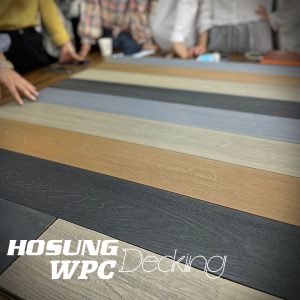
Low Cost Composite Decking: The Affordable Solution for Your Outdoor Space
When it comes to enhancing your outdoor space, decking is one of the most popular and stylish choices for homeowners. It provides a functional area for relaxation, entertaining guests, and enjoying the natural surroundings. However, traditional wood decking can be expensive, labor-intensive, and high-maintenance. Fortunately, composite decking offers an excellent alternative, and if you’re looking to install a deck without breaking the bank, low cost composite decking could be the perfect solution. In this blog post, we’ll explore everything you need to know about low-cost composite decking, from its benefits and construction to installation tips and maintenance. By the end, you’ll understand why composite decking is an affordable yet durable option for transforming your outdoor space. Table of Contents What Is Low Cost Composite Decking? Low cost composite decking is a modern alternative to traditional wood decking made from a blend of wood fibers and plastic. This combination of materials results in a deck that is both strong and durable, requiring less maintenance than wood while maintaining a similar aesthetic appeal.Composite decking has become increasingly popular in recent years due to its ability to withstand the elements, its long lifespan, and its minimal upkeep. Low-cost composite decking, in particular, focuses ...
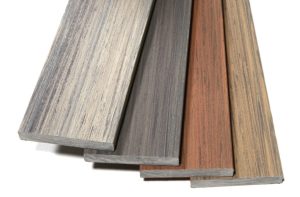
Why You Should Consider Discount Composite Decking for Your Next Outdoor Project
When it comes to outdoor home improvements, decking is often a focal point. Whether you’re building a new deck or replacing an old one, you want a material that offers durability, aesthetic appeal, and longevity. Composite decking has emerged as one of the top choices for homeowners seeking a low-maintenance, long-lasting, and attractive solution. But what if you could achieve all these benefits at a more affordable price? That’s where discount composite decking comes into play. In this article, we’ll explore everything you need to know about discount composite decking: its benefits, features, where to find it, and how to make the most out of your investment. By the end of this guide, you’ll be equipped to make an informed decision for your next decking project. Table of Contents Know More About Composite Decking? Before diving into the specifics of discounted options, it’s essential to understand what composite decking is and why it’s so popular. Composite decking is a man-made material composed of wood fibers, plastic, and other materials like additives and bonding agents. It is designed to mimic the look of natural wood but with superior durability and less maintenance.Unlike traditional wood decking, composite decking resists the elements, including ...
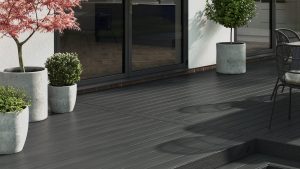
Dark Composite Decking vs. Light Composite Decking: A Comprehensive Comparison
When it comes to choosing the perfect decking material for your outdoor space, composite decking has emerged as a popular option. With its combination of wood fibers and plastic, composite decking offers a low-maintenance, durable, and aesthetically pleasing alternative to traditional wood decks. However, one of the key decisions you’ll need to make is choosing the right color for your decking. In this article, we will compare dark composite decking and light composite decking to help you understand the benefits, drawbacks, and ideal use cases of each option. Whether you prefer the rich, deep tones of dark composite decking or the lighter, airier feel of light composite decking, we’ve got you covered. Table of Contents Introduction to Composite Decking Before we dive into the color comparison, let’s briefly explore what composite decking is and why it’s become so popular. Composite decking is made from a blend of wood fibers (often recycled) and plastic materials. This combination offers the natural beauty of wood without the high maintenance, such as frequent staining or sealing.The benefits of composite decking include:Durability: Resistant to weather, fading, rot, and insects.Low Maintenance: No sanding, staining, or painting required.Eco-friendly: Many composite decks use recycled materials.Aesthetic Variety: Composite decking ...
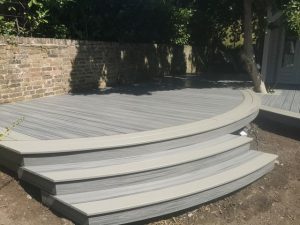
What is Curved Composite Decking and Its Application?
Curved composite decking is a unique innovation in the decking industry, offering an elegant, sleek, and functional alternative to traditional decking materials. As the demand for stylish yet durable outdoor spaces increases, curved composite decking is becoming a sought-after option for homeowners and contractors alike. Whether used in residential backyards, commercial spaces, or public areas, this versatile decking material delivers both beauty and resilience. In this article, we will explore what curved composite decking is, its applications, the benefits it offers, and why it is becoming a preferred choice among homeowners and builders. Table of Contents What is Curved Composite Decking? Curved composite decking is a type of decking material made from a combination of wood fibers and plastic. This mixture creates a composite material that is engineered to be more durable, resistant to weathering, and easier to maintain compared to traditional wood decking. Curved composite decking takes this material one step further by being specially designed to bend or curve in specific patterns, creating flowing, fluid lines that can transform the look of any outdoor space.The primary components of curved composite decking include:Wood fibers: These provide a natural aesthetic, often sourced from sawdust or recycled wood products.Plastic: Usually polyethylene, ...
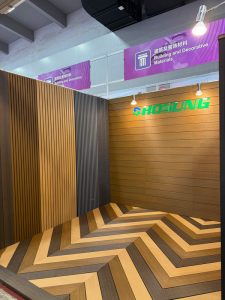
Cost of Composite Decking per m²: A Comprehensive Guide to Pricing and Factors Affecting It
Composite decking is a popular choice for homeowners looking for a low-maintenance, durable alternative to traditional wood decking. While composite decking comes in a variety of styles, colors, and brands, one of the most common questions is, “What is the cost of composite decking per m²?” In this article, we will explore the factors influencing the cost of composite decking, how it compares to other decking materials, and what you can expect when budgeting for a composite deck. Table of Contents Understanding Composite Decking Composite decking is made from a blend of wood fibers and plastic, which creates a strong, durable material that resists the elements better than traditional wood. This makes it an ideal choice for outdoor spaces like patios, balconies, and pool decks. The cost of composite decking per m² varies depending on several factors, including the brand, type of composite, and finish. Factors Affecting the Cost of Composite Decking per m² When estimating the cost of composite decking per m², several critical factors come into play that can either increase or decrease the overall price. These factors include the quality of materials, brand reputation, finish and design, and even the size of the deck. Let’s explore each ...
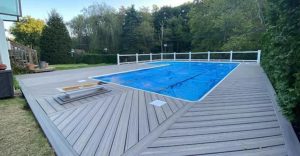
Composite Pool Decking Prices: What You Need to Know
When building a pool area, one of the key decisions you’ll need to make is selecting the right decking material. Composite pool decking is becoming increasingly popular due to its durability, aesthetic appeal, and low maintenance. However, the price of composite decking can vary widely depending on several factors. In this comprehensive guide, we’ll break down the composite pool decking prices, what factors influence the price, and how to choose the best option for your budget. Table of Contents What is Composite Pool Decking? Before diving into the price factors, it’s essential to understand what composite decking is. Composite decking is a man-made material made from a combination of wood fibers and plastic. The result is a durable, low-maintenance product that looks similar to traditional wood decking but without the hassle of regular sanding, staining, or sealing.Why Choose Composite Pool Decking?Durability: Resistant to moisture, mold, and fading.Low Maintenance: No need for sanding or sealing.Aesthetic Appeal: Available in a wide range of colors and textures.Eco-Friendly: Made from recycled materials. Types of Composite Decking When choosing composite decking for your pool area, it’s important to understand the different types available on the market. Each type comes with unique benefits, as well as ...
How to Choose the Right Composite Decking
Choosing the right decking material is one of the most important decisions when designing an outdoor living space. Whether you are building a garden deck, a patio extension, or a commercial outdoor platform, the materials you select will determine durability, maintenance needs, and overall aesthetics for years to come. In recent years, composite decking has become one of the most popular alternatives to traditional wood decking due to its durability, sustainability, and low maintenance requirements. However, with so many options available on the market today, many homeowners, builders, and distributors often ask the same question: how to choose the right composite decking. Table of Contents Different brands, material compositions, board structures, surface finishes, and installation systems can significantly impact the performance and appearance of your deck. Without understanding these factors, it is easy to choose a product that may not fully meet your expectations.In this comprehensive guide, we will explore how to choose the right composite decking step by step. From understanding material composition to evaluating durability, safety, design options, and installation methods, this guide will help you make an informed decision when selecting composite decking for your project. Understanding What Composite Decking Is Before learning how to choose the ...
Composite Decking Drainage: A Comprehensive Guide
Composite decking is an innovative solution that has gained immense popularity over the last few decades. It’s a low-maintenance alternative to traditional wood decking, made from a combination of wood fibers and plastic. Known for its durability, versatility, and aesthetic appeal, composite decking has become the material of choice for many homeowners and businesses. However, one key factor that must be considered during the installation of composite decking is drainage. Proper drainage ensures the longevity and performance of your deck by preventing water accumulation, mold growth, and other structural issues. In this article, we will dive deep into the importance of composite decking drainage, how to achieve optimal drainage, and the best practices to keep your deck in excellent condition for years to come. Table of Contents Why Drainage is Important for Composite Decking Before we explore how to achieve proper drainage, let’s first understand why it’s so important for composite decking.1. Prevents Water DamageWater pooling beneath your deck can cause significant damage over time. Composite decking, though durable, can suffer from the effects of constant exposure to moisture. When water is unable to flow away from the deck structure, it can lead to warping, rotting, and cracking. Therefore, effective ...
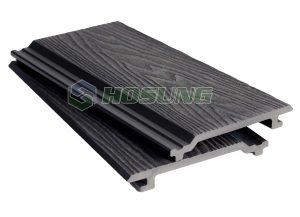
Black Composite Decking in Canada: Applications, Features, Benefits, and Selection
Composite decking has become increasingly popular in the past decade, particularly in regions with harsh weather conditions like Canada. Among the various color options available, black composite decking has emerged as a strong contender for homeowners and businesses looking for durable and stylish outdoor solutions. In this blog post, we will explore the unique features, benefits, and applications of black composite decking in Canada, as well as how to choose the best one for your project. Table of Contents What is Composite Decking? Composite decking is a man-made material made from a mixture of wood fibers, plastic, and other additives. The result is a product that mimics the look of natural wood but with significantly enhanced durability, low maintenance, and improved environmental impact. Composite decking is available in various colors, textures, and designs, offering versatility for various outdoor projects.How Does Black Composite Decking Differ?While composite decking is available in multiple hues, black composite decking is a distinct choice for those looking to create a modern and sophisticated outdoor space. The sleek and timeless appeal of black decking adds elegance to any backyard or commercial area.Black composite decking typically features a blend of high-quality plastic (like polyethylene or polypropylene) with wood ...
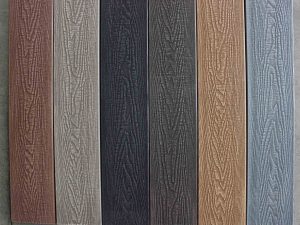
Guide to Plastic Composite Decking
In recent years, plastic composite decking has emerged as a superior alternative to traditional wooden decking materials. As manufacturers of plastic composite decking, we offer an eco-friendly, durable, and low-maintenance solution for your decking needs. This article aims to educate wholesale buyers and B2B customers about the benefits, types, and applications of plastic composite decking, providing you with the knowledge needed to make an informed purchasing decision. Table of Contents What is Plastic Composite Decking? Plastic composite decking, also known as wood-plastic composite (WPC) decking, is an innovative material made from a blend of recycled plastic and wood fibers. This combination creates a product that offers the aesthetic appeal of natural wood with the durability and low maintenance benefits of plastic.Key Features of Plastic Composite Decking:Durability: Resistant to moisture, insects, and UV radiation, ensuring it lasts longer than traditional wood.Low Maintenance: Unlike wood, it doesn’t require regular staining or sealing.Eco-Friendly: Made from recycled materials, it helps reduce the need for deforestation and landfill waste.Variety of Designs: Available in a range of colors, textures, and finishes, mimicking the look of real wood. Advantages of Choosing Plastic Composite Decking When considering decking options, wholesalers and B2B customers should understand the many advantages ...
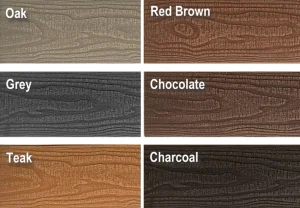
Wood Plastic Composite Decking: Types, Colors, and Selection – The Ultimate Guide
Wood Plastic Composite (WPC) decking has revolutionized the world of outdoor flooring. Combining the best features of wood and plastic, WPC decks offer a perfect blend of aesthetics, durability, and low maintenance. If you’re considering WPC decking for your home or commercial space, this comprehensive guide will walk you through the various types, colors, and factors to consider when selecting the perfect decking solution for your project. Table of Contents What is Wood Plastic Composite Decking? Wood Plastic Composite (WPC) decking is a modern alternative to traditional wood decking made by combining wood fibers (such as sawdust) and plastic (usually PVC or HDPE). The result is a versatile material that mimics the appearance and texture of natural wood but offers significantly enhanced durability, weather resistance, and low maintenance.WPC decking has become incredibly popular for both residential and commercial projects because it offers a host of benefits over conventional wood decking. It’s resistant to moisture, doesn’t splinter, and requires little upkeep compared to natural wood decking, which often needs regular staining or sealing. Types of Wood Plastic Composite Decking Wood Plastic Composite (WPC) decking from Hosung WPC is a popular and versatile choice for homeowners looking for a durable, low-maintenance outdoor ...
Wood Effect Composite Decking: Types, Selection, and Styling Ideas
Composite decking has become one of the most popular choices for homeowners seeking a durable, low-maintenance, and aesthetically pleasing alternative to traditional wood. Among the different styles available, wood effect composite decking stands out for its ability to replicate the natural beauty of timber while offering superior performance. In this comprehensive guide, we’ll explore the various types of wood effect composite decking, tips on selecting the right material for your project, and ideas on how to style and pair it for a visually stunning outdoor space. Table of Contents What is Wood Effect Composite Decking? Wood effect composite decking is a synthetic decking material designed to mimic the look and texture of natural wood. It is usually made from a blend of recycled wood fibers and high-quality plastic, often polyethylene (PE) or polyvinyl chloride (PVC). The combination results in a material that is resistant to rot, insect damage, and weathering while requiring minimal maintenance. Unlike traditional wood decking, wood effect composite boards do not need regular sanding, staining, or sealing, making them an excellent choice for busy homeowners or those seeking a long-lasting outdoor surface.One of the most appealing aspects of wood effect composite decking is its versatility. Modern manufacturing ...
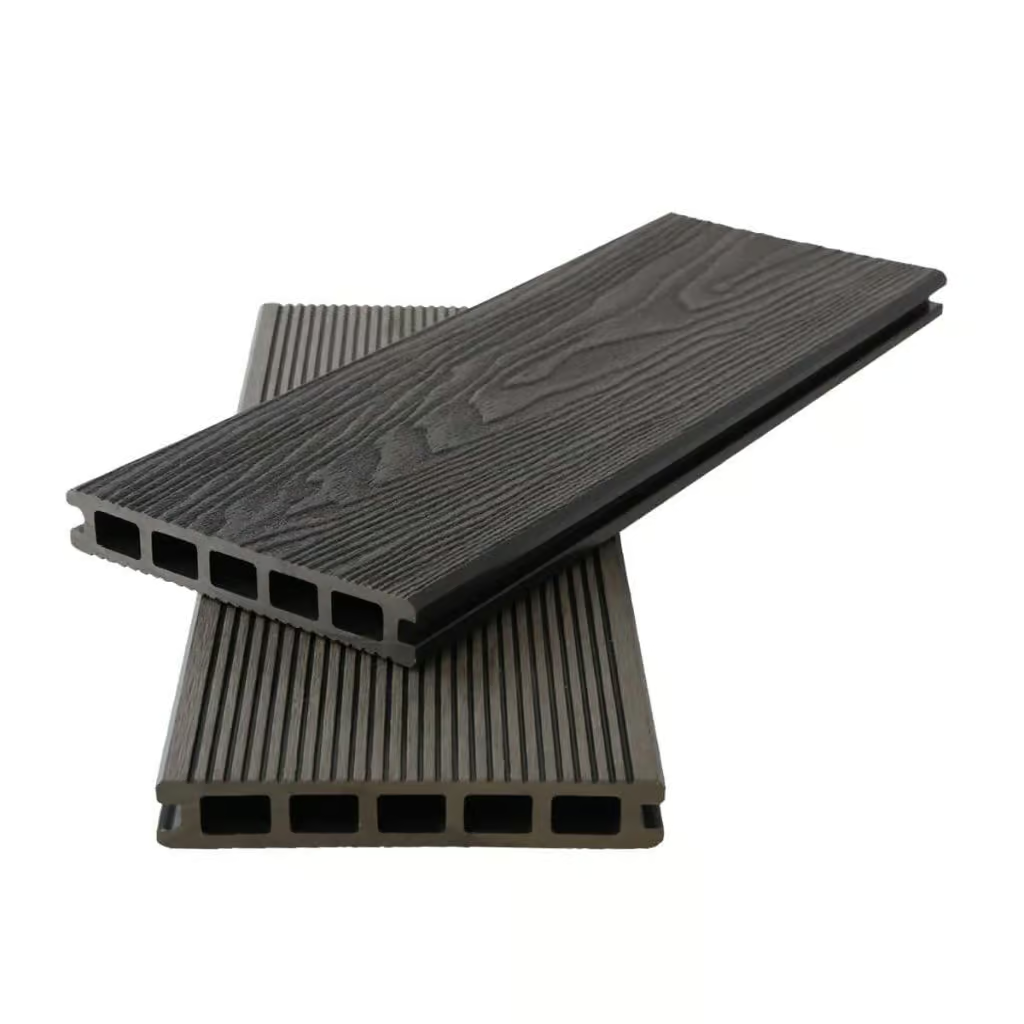
Composite Wood Decking Cost: A Complete Guide to the Cost of Composite Deck in 2026
When planning an outdoor upgrade, one of the first questions homeowners ask is: What is the composite wood decking cost? Understanding the real cost of composite deck materials, installation, and long-term ownership is essential before starting your project. Composite decking has become one of the most popular alternatives to traditional timber decks due to its durability, low maintenance requirements, and modern appearance. However, the price can vary widely depending on material quality, brand, location, design complexity, and installation method. Table of Contents In this comprehensive guide, we will break down everything you need to know about composite wood decking cost, including:Average material pricesInstallation costsFactors that influence pricingLong-term value comparisonHidden costs to considerWays to reduce your total deck budgetBy the end of this article, you’ll have a clear understanding of the true cost of composite deck projects and how to budget effectively. What Is Composite Wood Decking? Before discussing the composite wood decking cost, it’s important to understand what composite decking actually is.Composite wood decking is made from a blend of:Recycled plasticWood fibers or wood flourAdditives for durability and UV resistanceUnlike traditional wood decks, composite boards are engineered to resist:RotTermitesSplittingWarpingFadingIn addition to these core components, many modern composite boards feature a ...
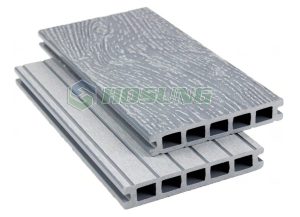
Main Applications of 12 ft Gray Composite Decking
When designing modern outdoor spaces, material selection plays a critical role in long-term performance, visual impact, and maintenance requirements. Among the most versatile and increasingly popular options available today is 12 ft gray composite decking. Combining the ideal board length with a contemporary neutral tone and the durability of composite technology, this decking solution has become a preferred choice for homeowners, contractors, architects, and commercial developers alike. In this comprehensive guide, we will explore the main applications of 12 ft gray composite decking, examine why the 12-foot length is strategically advantageous, and analyze how gray composite boards perform across residential, commercial, waterfront, and specialty environments. Whether you are planning a new outdoor build or upgrading an existing structure, understanding the practical uses of this decking format will help you make a more informed investment decision. Table of Contents Why 12 ft Gray Composite Decking Is in High Demand Before diving into specific applications, it is important to understand why this particular combination—12-foot length and gray composite material—has become so widely adopted.The Advantage of the 12-Foot LengthThe 12-foot board length is considered a practical industry standard for many structural layouts. It offers:Reduced end-to-end joints compared to shorter boardsEasier handling than longer ...
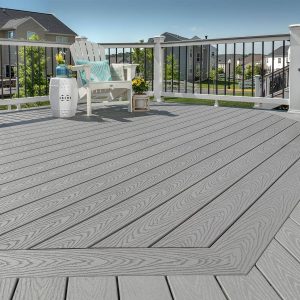
Grey Composite Decking Boards Ideas
Composite decking has become one of the most popular choices for outdoor spaces over the past decade, and grey composite decking boards have particularly gained attention due to their versatility, modern aesthetic, and durability. Whether you’re renovating your garden, designing a rooftop terrace, or building a poolside deck, grey composite decking boards can provide a stylish and low-maintenance solution. In this article, we’ll explore various ideas, design tips, installation techniques, and maintenance advice to help you make the most of grey composite decking boards. Table of Contents Why Choose Grey Composite Decking Boards? Before diving into design ideas, it’s important to understand why grey composite decking boards are an excellent choice for outdoor spaces. Composite decking is made from a mixture of recycled wood fibers and plastic, which gives it several advantages over traditional timber decking:Durability – Grey composite decking boards are resistant to rotting, warping, and splintering. Unlike natural wood, they can withstand harsh weather conditions without significant damage.Low Maintenance – These boards require minimal upkeep. Regular cleaning with water and mild detergent is usually enough to keep them looking new. There’s no need for sanding, staining, or sealing.Eco-Friendly – Many composite boards are made from recycled materials, making ...
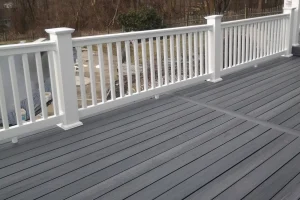
Grey Composite Decking: How to Choose and Style It for Your Outdoor Space
When it comes to enhancing your outdoor living area, few materials can compare to the versatility and beauty of composite decking. Grey composite decking, in particular, has become a popular choice for homeowners and designers alike. Whether you’re planning a modern patio, a traditional garden space, or a contemporary balcony, grey composite decking offers a neutral, timeless aesthetic that pairs well with almost any style. In this article, we’ll explore why grey composite decking is a top choice, how to select the right grey decking for your needs, and creative ways to pair it with other design elements. Table of Contents Why Choose Grey Composite Decking? Before diving into the specifics of choosing and styling grey composite decking, it’s important to understand why this color has become such a popular option. Composite decking, in general, combines the look of natural wood with the durability of synthetic materials, offering a low-maintenance, long-lasting alternative to traditional wood decking. Grey composite decking, in particular, is favored for several reasons:Neutral Aesthetic: Grey is a versatile color that complements a wide variety of outdoor settings, from coastal homes to urban spaces. It works well with both modern and traditional designs, making it a safe yet ...
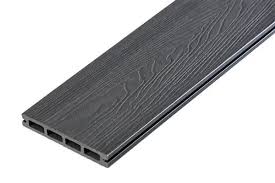
4.2m Composite Decking Boards: The Ultimate Guide to Outdoor Flooring
If you want to enhancing the outdoor living experience, decking plays a crucial role. Traditional wood decks have been a popular choice for homeowners, but composite decking is increasingly gaining favor due to its durability, aesthetic appeal, and low maintenance. Among the many options available, 4.2m composite decking boards are an excellent choice for both residential and commercial applications. In this comprehensive guide, we will explore what 4.2m composite decking boards are, their benefits, features, applications, installation tips, and much more to help you decide if they are the right choice for your next outdoor project. Table of Contents What Are 4.2m Composite Decking Boards? Definition and DimensionsComposite decking boards are made from a mixture of wood fibers and plastic, providing the best of both worlds in terms of natural aesthetics and the durability of synthetic materials. The 4.2m composite decking board refers to the length of the board, which is approximately 14 feet in length. The width and thickness of the board can vary, but they typically come in standard dimensions such as 138mm or 146mm in width and 25mm in thickness.These 4.2m long boards offer several advantages, such as fewer seams and fewer cuts during installation, which makes ...

Why Choose Composite Decking 4m Long?
When it comes to designing an outdoor space, whether it’s a backyard, a patio, or a poolside area, the choice of decking material plays a critical role in aesthetics, durability, and long-term maintenance. Among the various options available in the market, composite decking 4m long has emerged as a preferred solution for homeowners, contractors, and landscape designers alike. This article explores why choosing composite decking of 4 meters in length offers unmatched advantages, from installation efficiency to cost-effectiveness, while maintaining the beauty and durability that outdoor environments demand. Table of Contents Understanding Composite Decking Before delving into the specific benefits of 4-meter-long boards, it’s important to understand what composite decking is. Composite decking is made from a blend of wood fibers or wood flour and recycled plastic, often supplemented with binding agents and UV-protective additives. This combination results in a material that mimics the natural appearance of wood while providing the strength, moisture resistance, and longevity of modern polymers.Traditional timber decks require regular sealing, painting, or staining to withstand weather and insect damage. In contrast, composite decking is designed to resist rot, warping, and fading, providing a low-maintenance alternative. While composite boards are available in various lengths, the 4-meter option ...
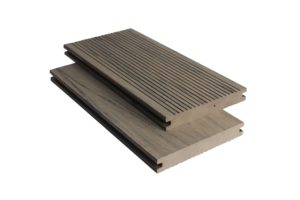
Composite Decking 2.4 m: Complete Guide to Specifications, Applications, Installation, and Pricing
When planning an outdoor decking project, size and length matter more than many homeowners initially realize. Among the most practical and widely used options in the market today is composite decking 2.4 m. This specific board length offers a balanced combination of structural stability, ease of transportation, reduced waste, and cost efficiency. Whether you are a homeowner designing a backyard patio, a contractor building multiple terraces, or a developer planning residential projects, understanding the advantages and technical details of composite decking 2.4 m can help you make smarter purchasing and installation decisions. Table of Contents What Is Composite Decking 2.4 m? Composite decking 2.4 m refers to wood-plastic composite (WPC) decking boards manufactured in a standard length of 2.4 meters (approximately 8 feet). These boards are engineered using a combination of:Wood fiber or wood flourHigh-density polyethylene (HDPE) or PVCAdditives such as UV stabilizers, color pigments, and anti-oxidantsThe result is a durable, weather-resistant decking material designed to withstand outdoor conditions without the common problems associated with traditional timber—such as rotting, splintering, warping, or insect damage.The 2.4 m length is particularly suitable for:Small to medium-sized patiosBalconiesResidential gardensPoolside platformsRooftop terracesModular deck systemsIt strikes a balance between structural integrity and manageable handling during installation ...
Trex Decking Prices vs Hosung: 10 Key Comparisons for Smart Decking Decisions
When planning an outdoor decking project, Trex decking prices inevitably become one of the first questions homeowners ask. But Trex is just one of many composite decking brands on the market. Another rising choice—especially among cost-conscious buyers—is Hosung Decking. In this comprehensive guide, we’ll compare Trex decking prices vs. Hosung decking across 10 important factors that affect cost, performance, appearance, and long-term value. Whether you’re planning a backyard rebuild or a commercial patio installation, understanding how Trex decking prices stack up against Hosung can help you balance your budget with performance expectations. Table of Contents Raw Material and Manufacturing Differences The composition of composite decking affects both cost and durability. Trex decking is a wood-plastic composite (WPC) made from recycled wood fibers and plastic. Trex has also developed advanced capped composite formulas that include protective polymer shells. These caps improve resistance against water, stains, and fading—but they also increase production costs.Hosung decking, on the other hand, uses a balanced combination of PVC and wood powder (for PVC/WPC mix products). Some Hosung lines emphasize more wood content to reduce material costs but still achieve acceptable performance.Impact on Trex Decking PricesTrex’s higher levels of recycled content and proprietary capping technologies raise manufacturing ...
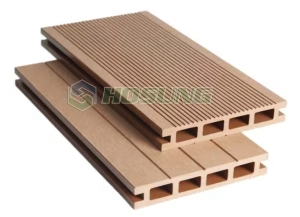
Trex Composite Decking vs Hosung: Which One Is Right for Your Outdoor Project?
When it comes to designing your outdoor space, choosing the right decking material can make all the difference. Among the most popular options are Trex Composite Decking and Hosung Composite Decking. Both offer excellent durability, aesthetic appeal, and low-maintenance characteristics, but how do you decide which is the best fit for your specific needs? In this blog post, we’ll take an in-depth look at both Trex Composite Decking and Hosung Composite Decking. We’ll explore their features, benefits, design options, and environmental considerations to help you make an informed decision. Table of Contents Understanding Composite Decking: What It Is and Why It Matters Before diving into the specifics of Trex Composite Decking and Hosung Composite Decking, it’s important to understand what composite decking is and why it has become a popular choice for homeowners.Composite decking is made from a blend of wood fibers and plastic materials, which gives it the appearance of natural wood but with enhanced durability and low maintenance. Unlike traditional wood decking, composite materials are resistant to rot, fading, and the wear and tear that comes with outdoor exposure. Trex Composite Decking Overview Trex has been a major player in the composite decking industry since 1996. With a ...
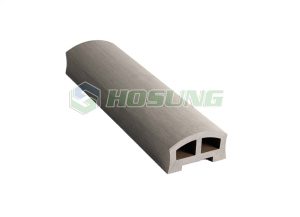
What is the Best Quality Composite Decking Board in 2026?
When it comes to enhancing outdoor spaces, composite decking remains one of the most popular and durable choices for homeowners and contractors alike. In 2026, the question that many homeowners are asking is: What is the best quality composite decking board? With so many options available, finding the perfect balance of durability, aesthetics, and value can be a daunting task. This comprehensive guide will help you navigate the world of composite decking in 2026. We’ll explore the leading brands, features, and factors that make a composite decking board stand out. We’ll also highlight Hosung WPC as one of the top contenders in the market. By the end of this article, you’ll have all the information you need to make an informed decision and choose the best composite decking board for your outdoor project. Table of Contents Get More About Composite Decking Before diving into the best quality options for 2026, let’s briefly review what composite decking is and why it has become a top choice for outdoor living spaces.Composite decking is an engineered material made from a combination of wood fibers (or other organic materials) and plastic. The blend of these materials gives composite decking several advantages over traditional wood ...
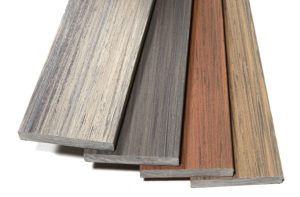
Thin Composite Decking vs. Thick Composite Decking
When it comes to choosing decking material for your outdoor space, composite decking has become a top choice for homeowners and contractors alike. Its durability, low maintenance, and aesthetic appeal make it a practical solution for many types of outdoor projects. However, when selecting composite decking, you are often faced with the decision of choosing between thin composite decking and thick composite decking. Both options come with their own set of advantages and drawbacks, making it essential to understand which one is best suited for your specific needs. In this article, we’ll explore the differences between thin composite decking and thick composite decking, highlighting the key aspects of each option, such as durability, cost, installation, aesthetics, and maintenance. By the end of this guide, you’ll have a clearer understanding of which decking type will be the perfect fit for your project. Table of Contents What is Composite Decking? Before diving into the comparison between thin and thick composite decking, it’s important to first understand what composite decking is and why it’s such a popular choice for outdoor spaces.Composite decking is a type of decking material made from a mixture of wood fibers and plastic (usually polyethylene or PVC). This combination ...
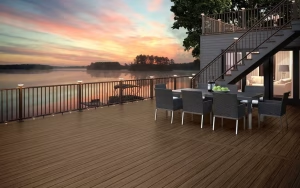
Sunset Composite Decking: The Main Types and How to Choose
Composite decking has become a go-to option for homeowners seeking durable, low-maintenance outdoor solutions. Gone are the days of constantly staining and sealing wood decks—composite decking, especially the offerings from Sunset Composite Decking, provides an excellent alternative. Known for its exceptional durability, eco-friendly materials, and realistic wood-like appearance, Sunset Composite Decking is becoming a favorite in outdoor spaces across the world. In this guide, we will explore the main types of Sunset composite decking, factors to consider when selecting the best option, and why Sunset is a great choice for your next decking project. Table of Contents What is Composite Decking? Composite decking is a material made from a blend of wood fibers and plastic. This fusion of materials results in a highly durable and low-maintenance deck that mimics the look and feel of traditional wood but without the high upkeep. Typically, composite decking consists of wood fibers or sawdust mixed with recycled plastic, creating a sturdy, weather-resistant product.Benefits of Composite Decking:Durability: Unlike wood, composite decking is resistant to rot, mold, and insects, making it ideal for outdoor environments. It can withstand harsh weather conditions, ensuring your deck looks great for years.Low Maintenance: Composite decks do not require staining, sealing, ...
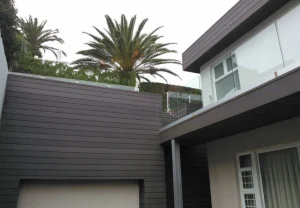
Composite Siding vs Wood Siding
When it comes to choosing the right exterior siding for your home, homeowners often face a difficult decision: composite siding vs wood siding. Both materials have their advantages and drawbacks, and making the right choice can affect the aesthetics, durability, maintenance, and overall cost of your home for years to come. In this comprehensive guide, we will explore everything you need to know about composite siding and wood siding, helping you make an informed decision. Table of Contents What Is Composite Siding? Composite siding is an engineered material made by combining wood fibers, recycled plastics, or other natural fibers with resins or binders. The resulting material is designed to mimic the appearance of real wood while providing enhanced durability, lower maintenance, and improved resistance to weather, pests, and rot.Composite siding is available in a variety of styles, including clapboard, shingles, panels, and shakes. Many modern composite sidings come pre-painted or pre-stained, offering homeowners a wide range of colors and finishes that remain vibrant for years.Key Characteristics of Composite SidingDurability: Composite siding is engineered to resist cracking, warping, and splitting, even in extreme weather conditions.Low Maintenance: Unlike wood, composite siding does not require frequent painting or sealing. Occasional washing is usually ...
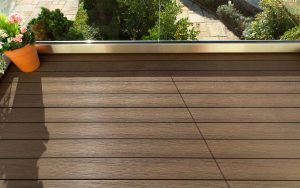
Best Slip Resistant Composite Decking
When it comes to outdoor flooring, safety is no longer an optional feature—it’s a core performance requirement. Especially in high-traffic or moisture-prone environments, choosing the best slip resistant composite decking can dramatically improve comfort, durability, and long-term value. Rather than focusing on surface-level descriptions, this article dives deep into types, materials, structural designs, manufacturing technologies, and real-world application scenarios that define truly slip-resistant composite decking. By understanding how different composite decking solutions achieve anti-slip performance, you can make informed decisions for residential, commercial, and industrial projects. Table of Contents Slip Resistance as a Design Priority in Composite Decking Modern outdoor spaces are no longer limited to dry, controlled conditions. Decking surfaces are exposed to rain, humidity, pool splashes, morning dew, grease, sunscreen residue, and temperature fluctuations. In such environments, slip resistance must be engineered into the decking itself rather than added as an afterthought.The best slip resistant composite decking solutions integrate anti-slip performance through:Material compositionSurface texture engineeringStructural geometryManufacturing processesProtective outer layersEach of these factors contributes differently depending on the application. Categories of Non Slip Composite Decking by Structural Design Solid Composite Decking with Enhanced GripSolid composite decking boards are dense, robust, and often used in high-load areas. When designed for ...
How to Select Composite Decking: Practical Tips
Selecting composite decking sounds easy—until you actually start comparing products. Colors look similar, prices vary wildly, specs feel confusing, and every supplier claims their boards are “premium,” “eco-friendly,” and “long-lasting.” If you’ve ever stared at a composite decking product page thinking “They all look the same—so how do I choose?” you’re not alone. This guide is written specifically to help you select composite decking with confidence, using real-world decision tips instead of generic definitions. No textbook explanations. No marketing fluff. Just practical insights that buyers, contractors, and project owners actually need when making a choice. Whether you’re sourcing composite decking for a backyard, commercial project, poolside, or export market, the tips below will help you avoid common mistakes and select composite decking that truly fits your project. Table of Contents Start with the End Use, Not the Product Catalog One of the biggest mistakes people make when they select composite decking is starting from product lists instead of usage scenarios.Before you compare brands, profiles, or prices, answer these questions clearly:Is the decking for residential or commercial use?Will it be installed in a high-traffic area?Is it exposed to strong sunlight, rain, or snow?Is it near water, such as a pool, lake, ...
Eco Composite Decking vs Hosung Decking
Composite decking has grown tremendously in global popularity as an environmentally friendly, long-lasting alternative to traditional wood decking. Two of the most discussed names in the industry are Eco Composite Decking and Hosung Decking. While both brands fall under the broader category of composite decking, they differ significantly in aspects like composition, performance, environmental sustainability, cost, aesthetics, installation, warranties, and target markets. This article provides a thorough comparison between Eco Composite Decking and Hosung Decking, helping homeowners, builders, architects, and landscape designers understand which option might be the best choice for their next outdoor decking project. Table of Contents What Is Composite Decking? Before comparing the two brands, it’s important to understand what composite decking is.Composite decking is a manufactured deck board made from a blend of wood fibers (or other plant fibers) and plastic polymers. Unlike natural wood, which often needs frequent staining, sealing, and maintenance, composite decking is engineered to resist rot, fading, splitting, and insect damage.Composite decking typically falls into several categories:Wood-Plastic Composite (WPC): A blend of wood (or bamboo) fibers and plastic; softer, often used for residential deckingCapped Composite: Composite core with a protective polymer shell for superior fade and stain resistanceHigh-Performance Polymer Composite: Often more ...
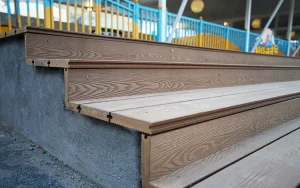
Comprehensive Guide to Concrete Composite Decking
When it comes to building a deck that combines durability, aesthetic appeal, and low maintenance, concrete composite decking has emerged as a popular choice among homeowners and builders alike. This modern decking material, which blends the best of concrete and composite technology, offers numerous advantages over traditional wood decking, including improved longevity, resistance to the elements, and minimal upkeep. Table of Contents In this guide, we’ll dive into everything you need to know about concrete composite decking—from its construction and benefits to the installation process and cost comparison with other materials. Whether you’re considering upgrading your outdoor space or simply exploring decking options, this article will provide the information you need to make an informed decision. What is Concrete Composite Decking? Concrete composite decking is an innovative building material designed for outdoor decks. It combines the strength and durability of concrete with the flexibility and easy-to-maintain qualities of composite materials (typically a blend of wood fibers and plastic). This unique combination makes concrete composite decking ideal for homeowners who want a long-lasting, low-maintenance alternative to traditional wood decking.Unlike traditional concrete or wood decks, concrete composite decking is engineered to be lightweight yet sturdy, resistant to fading, rotting, and warping. It’s ...
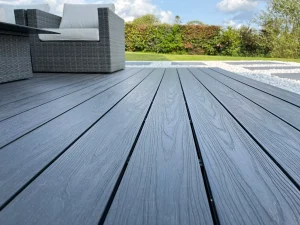
Best Price on Composite Decking Boards
Finding the best price on composite decking boards has become a hot topic for homeowners, contractors, and developers alike. With outdoor living spaces continuing to grow in popularity, composite decking stands out as a long-term, low-maintenance alternative to traditional wood. But while the benefits are clear, prices can vary significantly depending on materials, specifications, brands, and purchasing strategies. Table of Contents This in-depth guide is designed to help you understand how to truly get the best price on composite decking boards without sacrificing quality, performance, or aesthetics. We’ll explore pricing factors, compare composite decking with other materials, analyze what “best price” really means, and share practical strategies to secure the best deals on composite decking in today’s market. What Does “Best Price on Composite Decking Boards” Really Mean? When people search for best price composite decking, best decking prices, or best deals on composite decking, they are often looking for the lowest upfront cost. However, the best price on composite decking boards is not always the cheapest option listed online.A true “best price” should balance:Initial purchase cost per square meter or square footProduct lifespan and durabilityMaintenance and replacement costs over timeWarranty coverage and after-sales supportPerformance in different climatesIn other words, ...
Composite Decking Ireland Price Guide
When planning an outdoor living space in Ireland, one of the first and most important questions homeowners, contractors, and developers ask is about cost. This Composite decking Ireland price guide is designed to give you a detailed, market-focused breakdown of pricing, cost drivers, and budgeting considerations specific to the Irish climate and construction environment. Rather than offering surface-level estimates, this guide dives deep into real-world price ranges, material variables, installation factors, and long-term value—helping you make informed decisions before investing in composite decking. Table of Contents Ireland’s demand for composite decking has grown rapidly in recent years, driven by changing lifestyle habits, wetter weather conditions, and a strong preference for low-maintenance outdoor materials. As a result, pricing structures have become more complex, with noticeable differences between entry-level boards, premium capped composites, and commercial-grade solutions. Understanding these differences is essential for accurate budgeting. Composite Decking Price Ranges in Ireland (2026 Market Overview) IIn the current Irish market, composite decking prices vary significantly depending on board quality, manufacturing technology, and brand positioning. On average, composite decking in Ireland costs between €45 and €120 per square metre for materials alone.Here is a general breakdown used by suppliers and installers across Ireland:Entry-level composite decking: ...
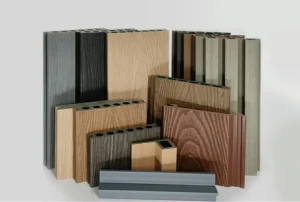
Composite Decking Ireland: Practical Solutions for Ireland’s Climate, Homes, and Outdoor Living
When people search for composite decking Ireland, they are usually not looking for abstract explanations. They want real answers that match Irish weather, Irish homes, and Irish outdoor lifestyles. From coastal houses in Galway to suburban gardens in Dublin and countryside patios in Cork, outdoor decking in Ireland faces unique challenges that require smart material choices and long-term thinking. This article focuses entirely on how composite decking performs, applies, and delivers value in Ireland—without wasting time on generic definitions. Every section is written with Irish conditions, expectations, and buying habits in mind. Table of Contents Why Composite Decking Has Gained Strong Demand in Ireland Ireland’s outdoor living culture has evolved quickly over the past decade. Gardens, patios, rooftop terraces, pubs, cafés, hotels, and holiday homes increasingly rely on decking as a functional and aesthetic extension of indoor space.However, traditional timber decking has proven difficult to maintain under Irish conditions. Persistent rain, high humidity, salt air in coastal areas, and frequent temperature changes place constant stress on natural wood. This reality has driven consistent growth in searches for composite decking Ireland, as homeowners and commercial buyers look for a more reliable alternative.Key drivers behind this demand include:Long-term resistance to moisture and ...

Best Non-Slip Composite Decking: Choosing the Right Option for Your Outdoor Space
When it comes to creating a safe, long-lasting outdoor deck, non-slip composite decking is quickly becoming the top choice for homeowners and contractors alike. Whether you’re designing a deck by the pool, patio, or balcony, ensuring a safe and non-slippery surface is paramount, especially in wet or humid conditions. Non-slip composite decking offers the perfect balance of durability, aesthetic appeal, and slip resistance—providing an optimal solution for high-traffic areas and environments exposed to moisture. Table of Contents This article will explore everything you need to know about non-slip composite decking: why it’s the best choice for outdoor spaces, the factors to consider when selecting it, how to maintain it, and much more. Let’s dive in and explore why non-slip composite decking stands out as one of the best decking materials for your outdoor needs. What Is Non-Slip Composite Decking? Composite decking is made from a blend of wood fibers and plastic materials, which combine to create a durable, low-maintenance decking solution that mimics the natural look of wood while offering superior performance. Non-slip composite decking takes this a step further by incorporating special design features, textures, or surface treatments that prevent slipping—even when wet.The design of non-slip composite decking usually ...
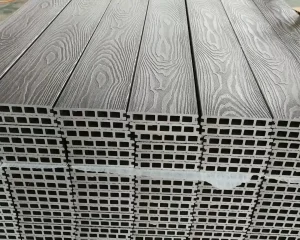
Which is the Best Quality Composite Decking?
Composite decking has become a popular choice for homeowners looking for a durable, low-maintenance alternative to traditional wood decks. With its combination of wood fibers and plastic, best quality composite decking is designed to mimic the look and feel of wood while offering superior resistance to moisture, rot, and insect damage. However, with so many options available on the market, it can be difficult to determine which composite decking offers the best quality. In this article, we’ll explore the factors that define high-quality composite decking, and why Hosung WPC stands out as a top choice for those seeking the best in the market. Table of Contents What is Composite Decking? Composite decking is made by blending wood fibers and plastic materials, often recycled, to create a board that mimics the appearance of natural wood. It is commonly used for outdoor decking projects due to its excellent resistance to the elements. Compared to traditional wood, composite decking is more durable, easier to maintain, and offers a longer lifespan.There are two primary types of composite decking:Solid Composite Decking: Made entirely from wood and plastic fibers, solid composite boards are dense and strong, making them ideal for supporting heavy loads.Hollow Composite Decking: These ...
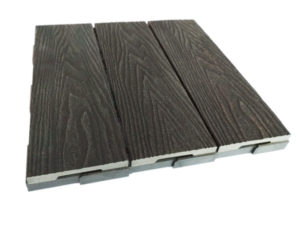
Best Black Composite Decking Boards
Black composite decking boards have become increasingly popular among homeowners, designers, and contractors seeking to create sophisticated, modern, and striking outdoor spaces. Their deep, rich color provides a bold statement while seamlessly blending with various architectural styles. Beyond their visual appeal, black composite decking boards offer durability, low maintenance, and long-term performance, making them a top choice for both residential and commercial projects. Table of Contents Designing with Black Composite Decking Boards One of the most compelling aspects of black composite decking boards is their versatility in design. These boards can be used to create high-contrast layouts when paired with lighter materials or to achieve a sleek, monochromatic look. Many designers recommend using black boards to define spaces within a larger deck or garden area, such as seating zones, dining areas, or walkways.When planning your layout, consider the following:Contrast with Furniture and Accessories: Black boards pair well with neutral-colored furniture, metallic accents, and natural textures like stone or greenery. This contrast highlights both the deck and the surrounding elements.Directional Layouts: Installing boards diagonally or in a herringbone pattern can add visual depth and interest, making the deck feel more expansive.Integrated Lighting: Recessed lighting along black composite decking boards can create ...
Best Rated Composite Decking Boards
When it comes to building a long-lasting, beautiful, and low-maintenance outdoor deck, choosing the right material is crucial. Over the past decade, composite decking has become the top choice for homeowners, contractors, and landscape designers. Unlike traditional wood decking, composite decking boards combine the aesthetic appeal of natural wood with enhanced durability and minimal upkeep. In this article, we will explore why best rated composite decking is a smart investment, what features to look for when selecting composite deck boards, and how these materials outperform traditional decking options. Table of Contents What Makes Composite Decking So Popular? Composite decking is made from a blend of wood fibers and high-quality plastic resins, creating a material that replicates the look of wood while offering superior resistance to environmental damage. One of the main reasons homeowners choose best rated composite decking is its ability to withstand harsh weather conditions without warping, cracking, or splintering. Traditional wood decks require frequent sanding, staining, and sealing, but composite boards are designed to be virtually maintenance-free.Some of the advantages of using best rated composite deck material include:Durability: Composite boards are highly resistant to rot, mold, mildew, and insect damage.Low Maintenance: Unlike wood decks, they do not require ...
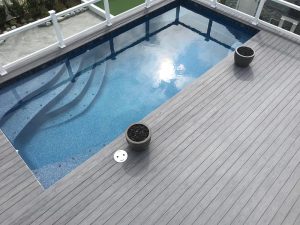
How to Choose Composite Pool Decking
Composite pool decking has quickly become a favorite choice for homeowners looking to combine style, durability, and low maintenance around their pools. With the increasing availability of composite materials in different textures, colors, and price ranges, selecting the right decking can seem overwhelming. Choosing the best composite decking for pool deck projects is more than picking the most attractive option. It requires understanding factors such as slip resistance, weather resilience, structural strength, installation methods, and long-term maintenance. In this article, we will provide a comprehensive guide to help you make informed decisions when choosing composite pool decking. Table of Contents Understanding the Environment Around Your Pool Even though we are not going into definitions, it is essential to consider the environment where your decking will be installed. Pools expose decking to constant moisture, frequent temperature changes, and heavy foot traffic. This environment influences which composite materials will perform best. High humidity and chlorine or salt from pools can affect decking materials differently. For instance, decking that works well in a backyard pool in Florida may not perform as well in a backyard in Arizona, where heat and sun exposure are more extreme. Evaluating your local climate and the exposure level ...

Composite Decking Around Pool: Best Materials to Choose
When it comes to designing the perfect backyard oasis, few elements elevate the space more than a well-crafted pool deck. The area surrounding your pool is not just functional; it sets the tone for relaxation, social gatherings, and outdoor entertainment. Choosing the right material for composite decking around pool is critical for safety, aesthetics, and long-term durability. This guide explores the best materials for poolside decking, practical installation tips, and expert advice to help you make an informed decision. Table of Contents Why Choose Composite Decking Around Pool? Traditional wood decking has long been a favorite for outdoor spaces, but composite decking has rapidly overtaken it as the material of choice for poolsides. Composite decking, typically made from a blend of wood fibers and recycled plastics, offers several advantages over natural wood:Water Resistance: Poolsides are constantly exposed to moisture, splashes, and even pool chemicals. Unlike wood, composite decking is resistant to water absorption, reducing the risk of warping, rotting, and mold growth.Slip Resistance: Safety is paramount around wet areas. High-quality composite decking often comes with textured surfaces or anti-slip coatings, making it ideal for families and high-traffic pool areas.Low Maintenance: Wood decking requires regular sanding, staining, or sealing. Composite materials ...

Best Non Slip Composite Decking
When it comes to outdoor living spaces, safety, durability, and aesthetics are all crucial factors. One material that has steadily gained popularity among homeowners, architects, and landscape designers is non slip composite decking. Unlike traditional timber decking, which can become dangerously slippery when wet, non slip composite decking combines innovative design with advanced materials to provide a safe, long-lasting, and low-maintenance solution. In this article, we will explore why non slip composite decking is an excellent choice for modern outdoor areas, what features make it stand out, how to choose the best options, and the leading manufacturers in the market. Table of Contents What Makes Non Slip Composite Decking Special? Traditional wooden decks, while natural and beautiful, have certain limitations. Wood can rot, warp, and splinter over time, and even treated wood can become slippery when exposed to moisture, algae, or frost. These issues are particularly concerning around swimming pools, patios, and areas frequently exposed to rain. This is where composite anti slip decking comes into play.Non slip composite decking is made from a blend of wood fibers and recycled plastics, often enhanced with additives that improve weather resistance, durability, and traction. Unlike conventional wood decking, it is engineered to ...
Composite Decking Manufacturer: How to Choose the Right Partner for Your Projects
In today’s construction and landscaping industry, composite decking has become one of the most popular materials for outdoor projects. From residential patios to commercial boardwalks, composite decks offer durability, low maintenance, and aesthetic appeal. For architects, contractors, and property developers, finding a reliable composite decking manufacturer is essential to ensure product quality, timely delivery, and long-term satisfaction. In this article, we will explore the role of a composite decking manufacturer, the types of products they offer, and key considerations when choosing one, while also highlighting well-known brands like Hosung WPC. Table of Contents Know More About Composite Decking Manufacturer A composite decking manufacturer is a company that produces decking materials made from a combination of wood fibers, plastic, and binding agents. Unlike traditional wood decks, composite decks are engineered to resist weather, pests, and decay. The manufacturer oversees the entire production process, from raw material selection to extrusion or molding, surface finishing, quality testing, and packaging for shipment.Composite decking manufacturers may operate on a global scale, supplying products to construction companies and distributors, or locally, serving regional builders and homeowners. Some key responsibilities of a manufacturer include:Research and development of new composite formulas and texturesProduction of different deck board sizes, ...
WPC Board Price in Philippines
When it comes to modern construction and home improvement projects in the Philippines, choosing the right materials is crucial. One material that has gained significant popularity in recent years is Wood Plastic Composite (WPC) board. Known for its durability, eco-friendliness, and versatility, WPC boards are now widely used in decking, fencing, wall cladding, and furniture. In this article, we will explore everything you need to know about WPC board price in Philippines, including factors that affect the cost, different types of WPC boards, advantages, and tips for purchasing the best quality boards for your projects. Table of Contents What is WPC Board? WPC board is a composite material made from a combination of wood fibers and thermoplastics such as PVC, PE, or PP. This innovative material combines the aesthetic appeal of natural wood with the strength and low maintenance of plastic. Unlike traditional wood, WPC boards are resistant to rot, termites, and moisture, making them particularly suitable for tropical climates like the Philippines.WPC boards are manufactured through an extrusion or molding process, which ensures consistency in size and quality. They can be produced in various colors, textures, and thicknesses, making them a versatile choice for both residential and commercial applications ...

Top 10 Benefits of WPC Fencing for Garden
When it comes to designing and maintaining a beautiful, functional, and sustainable garden, choosing the right fencing is a crucial decision. Traditional wooden fences, metal fences, and PVC fences have long been popular choices. However, in recent years, WPC fencing for garden has emerged as a revolutionary option that combines the aesthetics of wood with the durability and low maintenance of composite materials. WPC, or Wood Plastic Composite, is an innovative material made from a mixture of recycled wood fibers and plastic. This combination offers the natural look of wood while providing superior performance in outdoor environments. In this article, we explore the top 10 benefits of WPC fencing for garden, helping homeowners understand why this modern fencing solution is quickly becoming the go-to choice for sustainable and stylish outdoor spaces. Table of Contents What is WPC Fencing for Garden? Before diving into the benefits, it’s essential to understand what WPC fencing is. WPC fencing consists of wood fibers or sawdust combined with recycled plastic materials. The resulting composite material is molded into fence panels or boards that resemble natural wood but offer far greater resilience and longevity.Unlike traditional wood, which requires frequent maintenance such as staining, sealing, and painting, ...
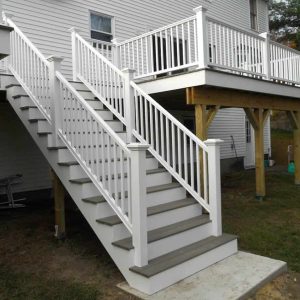
Composite Deck Boards for Steps: Types, Advantages, and How to Choose
When it comes to building or renovating outdoor spaces, stairs are often one of the most critical elements. Not only do they ensure safety and accessibility, but they also contribute significantly to the aesthetic appeal of your deck. Choosing the right material for your stair treads is essential, and composite deck boards for steps have emerged as one of the most popular options for homeowners and contractors alike. In this article, we will explore the types of composite deck boards suitable for steps, their advantages, and the key considerations for selecting the perfect boards for your project. Table of Contents What Are Composite Deck Boards for Steps? Composite deck boards are manufactured from a blend of wood fibers and recycled plastics, creating a material that combines the best qualities of both. Unlike traditional wood, composite boards are resistant to rot, insects, and weather damage, making them ideal for outdoor use. When used specifically for steps, these boards provide a durable, safe, and aesthetically pleasing surface for your staircases.Composite deck boards for steps differ slightly from standard deck boards. Steps endure more wear and tear than flat decking because of concentrated foot traffic, exposure to moisture at stair edges, and the ...

Main Types of Composite Decking for Commercial Use
In recent years, composite decking for commercial use has gained immense popularity among architects, contractors, and business owners looking for durable and low-maintenance outdoor flooring solutions. Unlike traditional wood decking, composite materials combine wood fibers and recycled plastics to create a versatile and long-lasting alternative that can withstand heavy foot traffic, harsh weather, and demanding commercial environments. Whether for public spaces, office buildings, restaurants, or shopping centers, choosing the right type of composite decking can make a significant difference in terms of durability, aesthetics, and long-term maintenance costs. Table of Contents In this article, Hosung WPC will explore the main types of composite decking for commercial use, their unique features, advantages, and applications. Understanding these options will help businesses make informed decisions and select the most suitable decking solution for their commercial projects. Why Choose Composite Decking for Commercial Use? Before diving into the types, it is important to understand why composite decking for commercial use is preferred over traditional materials. The reasons are numerous:Durability and LongevityComposite decking is resistant to rot, mold, and insect damage. Unlike natural wood, it does not warp, split, or crack over time, making it ideal for high-traffic commercial areas.Low MaintenanceBusinesses often seek materials that ...

Is Composite Decking Good Around Pools?
When it comes to designing a pool area, one of the most important decisions homeowners face is choosing the right decking material. A pool deck is not just a decorative addition; it plays a crucial role in safety, comfort, and the overall longevity of the outdoor space. Traditional wood has long been a popular choice, but composite decking has been gaining traction due to its durability, low maintenance, and aesthetic appeal. So, is composite decking good around pools? Let’s dive deep into the features, benefits, and considerations that make composite decking an excellent—or sometimes challenging—choice for pool areas. Table of Contents What Is Composite Decking? Composite decking is a man-made building material typically made from a mixture of wood fibers, plastic, and binding agents. The combination results in a durable, water-resistant, and low-maintenance alternative to natural wood. Unlike traditional wooden decking, composite boards are engineered to resist warping, splitting, and insect damage, which are common issues in outdoor settings, especially around pools.There are two primary types of composite decking:Traditional Composite Decking: Made by blending wood fibers and recycled plastics. This type offers a more natural wood look but may require occasional maintenance, such as cleaning and sealing, depending on the ...

Best Heat-Resistant Composite Decking
When it comes to outdoor living spaces, few materials have gained popularity as rapidly as composite decking. Homeowners, architects, and commercial project managers increasingly prefer composite decking for its durability, low maintenance, and modern appearance. However, one challenge remains at the forefront of buyer concerns—heat retention. In hot climates or sun-exposed areas, decking surfaces can become uncomfortably hot, limiting usability and safety. This is why choosing the best heat-resistant composite decking has become a critical decision for modern outdoor projects. Table of Contents In this comprehensive guide, we will explore what makes composite decking heat-resistant, how different technologies perform under high temperatures, and how to select the right option for your specific environment. Whether you are designing a residential patio, poolside deck, rooftop terrace, or commercial boardwalk, understanding heat resistance will help you make a smarter long-term investment. Understanding Heat Buildup in Composite Decking Composite decking is typically manufactured using a blend of wood fibers and thermoplastic polymers such as polyethylene (PE), polypropylene (PP), or PVC. While this combination provides strength and resistance to moisture, plastic-based materials naturally absorb and retain heat more than traditional wood.Why Composite Decking Gets HotSeveral factors influence heat buildup on composite decking surfaces:Material composition – ...

Does Composite Decking Get Hotter Than Wood?
When planning an outdoor living space, one of the most common questions homeowners ask is: does composite decking get hotter than wood? With the increasing popularity of composite decking over traditional wood, understanding the temperature behavior of these materials is crucial. Not only does it affect comfort when walking barefoot, but it also influences the long-term durability and maintenance of your deck. In this article, we will explore the factors that determine deck surface temperature, compare composite decking and wood, and provide practical tips for keeping your outdoor space comfortable during hot weather. Table of Contents Understanding the Basics: Composite Decking vs Wood Before diving into temperature differences, it’s important to understand what composite decking and wood decking are.Wood decking is made from natural lumber, such as cedar, redwood, or pressure-treated pine. Its natural structure includes moisture and air pockets, giving it inherent insulating properties.Composite decking, on the other hand, is a manufactured material made from a combination of wood fibers or flour and plastic polymers. Sometimes additional materials like color pigments, UV inhibitors, and protective coatings are added to enhance durability and appearance. The result is a low-maintenance deck that resists rot, splintering, and insect damage.Because composite decking contains ...
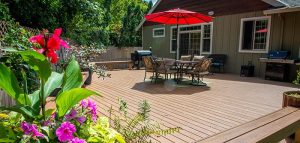
Best Composite Decking That Stays Cool
When it comes to outdoor living spaces, one of the most important factors homeowners consider is comfort. A deck is more than just a structural addition to a home—it is an extension of the living area, a place for family gatherings, relaxation, and outdoor entertaining. However, a common problem with many outdoor decks is excessive heat absorption, which makes walking barefoot uncomfortable and even unsafe during hot summer days. This is where the concept of best composite decking that stays cool becomes crucial. Selecting the right type of decking material can significantly enhance comfort, safety, and longevity while providing aesthetic appeal. Table of Contents In this article, we will explore the key factors that influence the temperature of composite decking, the benefits of choosing cooler materials, installation techniques that reduce heat, and how to maintain a comfortable outdoor environment. We will also discuss what to look for when shopping for composite decking that prioritizes staying cool, and why some decking options outperform others in heat reduction. Finally, we will touch upon manufacturing insights and how our company, a specialized composite decking manufacturer, contributes to delivering high-performance, cool-to-touch decking solutions. Understanding Heat and Composite Decking Composite decking is a popular alternative ...
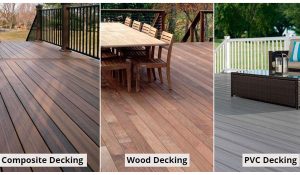
PVC vs Composite Decking vs Wood Decking Cost
When planning an outdoor deck project, one of the most important questions homeowners face is: “What material should I choose?” Decking materials vary widely in appearance, durability, maintenance needs, and—perhaps most importantly—cost. Now Hosung will provide a comprehensive comparison of PVC decking cost vs composite decking cost vs wood decking cost, including both upfront and long‑term expenses, helping you make an informed decision that fits your budget and lifestyle. Table of Contents Introduction to Decking Materials Before diving into costs, it’s helpful to understand what each material is:PVC Decking:PVC (polyvinyl chloride) decking is made entirely from plastic, with no wood content. High‑end PVC decking boards are designed to mimic wood grain but are fully synthetic.Composite Decking:Composite decking combines wood fibers with plastic polymers (typically recycled), creating a board that offers the look of wood with enhanced durability.Wood Decking:Traditional decking boards made from natural lumber. Common options include pressure‑treated pine, cedar, and exotic hardwoods like ipe.Each material has unique characteristics that influence its installation cost, lifecycle cost, and value over time. Upfront Material Costs 2.1 PVC Decking CostPVC decking is generally one of the most expensive decking materials upfront. Because it contains no wood and is engineered for durability and low ...
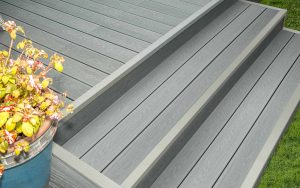
How Long Does Composite Decking Last?
If you’re considering investing in a new outdoor deck, one of the first questions that probably comes to mind is: “how long does composite decking last?” The answer, while seemingly simple, depends on several factors, including the quality of materials, installation methods, environmental exposure, and the level of maintenance provided over the years. Unlike traditional wood decks, which typically last 10 to 15 years, composite decking is designed to provide durability, longevity, and minimal maintenance — making it a smart choice for homeowners seeking a long-term investment in their outdoor space. In this article, we’ll explore everything you need to know about composite decking lifespans, the factors that affect how long a composite deck lasts, and strategies to ensure your deck stays strong and beautiful for decades. Table of Contents Understanding Composite Decking Before diving into the lifespan of composite decking, it’s important to understand what composite decking is. Unlike traditional wood, which is fully organic and susceptible to rotting, warping, and insect damage, composite decking is made from a combination of wood fibers and recycled plastic. Some advanced versions also feature a polymer cap to enhance durability, color retention, and resistance to moisture.The result? A deck that looks like ...
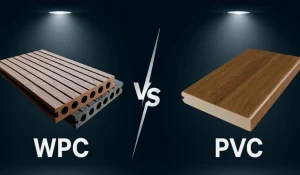
PVC vs Composite Decking: Benefits and Differences
When it comes to building or renovating a deck, homeowners face an array of material choices that impact aesthetics, longevity, and maintenance. Among these, PVC vs composite decking has become one of the most frequently debated topics. Both materials offer modern solutions to traditional wood decking problems, such as rot, mold, and the constant need for maintenance. However, the differences between PVC and composite decking are significant and understanding them can help you make a better investment in your outdoor living space. In this article, we will explore the benefits, limitations, and differences between PVC and composite decking. Table of Contents Understanding PVC Decking PVC decking, also known as polyvinyl chloride decking, is a fully synthetic material designed to mimic the appearance of wood while eliminating many of its weaknesses. Unlike composite decking, PVC contains no organic fibers or wood components. This makes it highly resistant to moisture, rot, and mold.Advantages of PVC DeckingWater and Moisture ResistancePVC decking is entirely waterproof, making it an ideal choice for decks near pools, lakes, or other bodies of water. Unlike wood or uncapped composites, PVC boards do not absorb water, preventing warping, swelling, or rotting over time.Low MaintenanceOne of the most appealing aspects ...
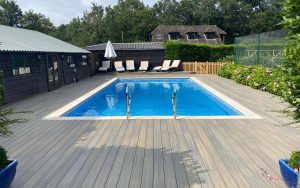
Best Composite Decking for Pool Area: Ultimate Buying Guide & Top Picks
When designing or renovating an outdoor space, especially around a swimming pool, choosing the best composite decking for pool area is a decision that impacts longevity, safety, aesthetics, and overall enjoyment. Pool decks endure heavy use and exposure to water, humidity, chlorine, sun, and foot traffic—so not just any decking material will do. Table of Contents In this complete guide, Hosung will explore what makes composite decking ideal for pool areas, how to choose the right product, the best brands and products on the market, installation tips, maintenance advice, and answers to frequently asked questions. By the end, you’ll know exactly how to choose the best composite decking for pool area that fits your style, budget, and performance needs. Why Composite Decking Is the Best Choice Around Pools When it comes to decking around swimming pools, traditional wood options like cedar or pressure-treated lumber have been popular in the past. However, composite decking has risen to the top as the preferred solution for pool environments. Here are the key reasons:1. Water and Moisture ResistanceUnlike wood, composite decking is engineered to resist water absorption. This means it doesn’t warp, crack, or split when constantly exposed to pool water, rain, or humidity ...

How to Choose Composite Decking Over Concrete Porch
When homeowners want to upgrade an old, cracked, or visually outdated porch, composite decking over concrete porch has become one of the most practical and popular solutions. Instead of demolishing existing concrete—which is costly, time-consuming, and environmentally unfriendly—installing composite decking on a concrete porch delivers a modern appearance, improved comfort, and long-term low maintenance. With growing interest in composite decking over concrete porch, composite decking on concrete porch, and composite decking over concrete front porch, it’s clear that many homeowners are considering this upgrade. This guide explains how to choose composite decking over concrete porch, focusing on material selection, substructure design, drainage, safety, aesthetics, and cost, so you can make a confident and informed decision for your porch renovation project. Table of Contents Why Choose Composite Decking Over a Concrete Porch? Before diving into selection criteria, it’s important to understand why so many homeowners are choosing composite decking over concrete porch surfaces instead of traditional solutions.Transforming Old Concrete Without DemolitionConcrete porches often develop cracks, stains, and surface spalling over time. Removing them can be expensive and disruptive. Installing composite decking over concrete porch slabs allows you to reuse the existing structure while completely changing the appearance.Enhanced AestheticsComposite decking offers a ...
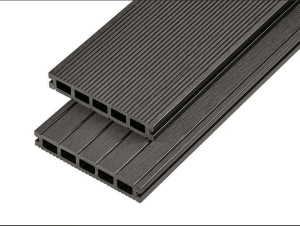
Application of 3m Composite Decking Boards
Composite decking has become a leading choice for modern outdoor spaces, and 3m composite decking boards are among the most versatile and widely used options in landscaping, construction, and home improvement projects. With their durable materials, aesthetic appeal, and ease of installation, these boards offer a premium solution for residential, commercial, and recreational applications. In this article, we will explore the characteristics, benefits, and practical applications of 3m composite decking boards, helping designers, contractors, and homeowners make informed decisions. Table of Contents What Are 3m Composite Decking Boards? 3m composite decking boards are manufactured from a blend of natural wood fibers and recycled plastic. This combination ensures a product that retains the natural look of wood while offering the resilience and low maintenance of synthetic materials. The 3-meter length is particularly advantageous because it minimizes the number of joints required for longer decking runs, creating a seamless, visually appealing surface. Commonly available in various colors, finishes, and textures, these boards allow designers to match different architectural and landscape styles.The term composite decking boards 3m highlights the standardized 3-meter length that balances ease of handling and structural performance. Boards of this length are convenient for transportation, storage, and installation, making them ...
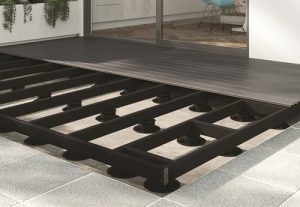
What is Plastic Decking Subframe
When it comes to outdoor decking, homeowners and builders increasingly turn to plastic decking for its durability, low maintenance, and aesthetic appeal. While much attention is given to the decking boards themselves, the plastic decking subframe plays an equally important role in ensuring the stability, safety, and longevity of a deck. Understanding what a plastic decking subframe is, how it works, and why it matters can help you make informed decisions when planning your outdoor space. Table of Contents Definition of Plastic Decking Subframe A plastic decking subframe is the structural framework that supports the decking boards. It serves as the foundation on which the visible surface of a deck rests, providing strength and stability. Unlike traditional wooden subframes, plastic subframes are typically made from high-density polyethylene (HDPE), polypropylene (PP), or composite materials reinforced with fiberglass. These materials are resistant to moisture, insects, and rot, making them ideal for outdoor environments where wood can deteriorate over time.The subframe ensures that the decking boards from Hosung WPC remain evenly spaced, aligned, and securely fastened. Its design allows for proper drainage, ventilation, and load distribution, preventing sagging or structural failure under heavy weight. Components of a Plastic Decking Subframe A plastic decking ...
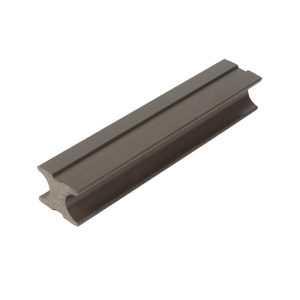
WPC Decking Joists: Enhancing Durability and Stability in Modern Outdoor Spaces
When it comes to constructing a high-quality outdoor deck, the foundation plays a crucial role in determining both longevity and structural integrity. WPC decking joists have emerged as a game-changer in this field, offering durability, ease of installation, and compatibility with various decking systems. Unlike traditional wooden joists, WPC (Wood Plastic Composite) joists are engineered to withstand environmental stress, resist decay, and support the weight of decking materials over extended periods, making them ideal for both residential and commercial applications. Table of Contents Advantages of WPC Decking Joists Excellent Resistance to Moisture and RotWPC joists are engineered to withstand rain, humidity, and moisture without rotting, unlike natural timber. This makes them ideal for outdoor decks exposed to varying weather conditions.Warping, Cracking, and Insect ResistanceThe composite structure prevents warping and cracking caused by temperature changes, and it is not susceptible to termite or insect damage, ensuring long-term structural stability.UV and Weather DurabilityWPC joists maintain strength and appearance under prolonged UV exposure and harsh climates, reducing maintenance and prolonging the deck’s lifespan.Consistent Dimensions and Easy InstallationManufactured with precise size and uniformity, WPC joists provide a level surface, simplify alignment, and allow faster, easier installation compared to timber.Improved Load Distribution and SafetyThe uniformity ...
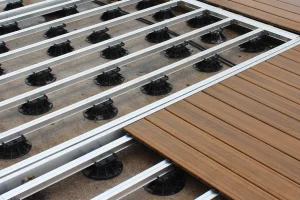
What are Composite Decking Joists and Its Main Types
Composite decking has gained immense popularity in outdoor landscaping and home improvement projects due to its durability, low maintenance, and aesthetic appeal. However, when it comes to building a long-lasting composite deck, one of the most critical components often overlooked is the composite decking joists. These joists provide the essential structural support for your deck, ensuring stability, safety, and longevity. In this article, we will explore what composite decking joists are, why they are important, their main types, and practical considerations for choosing the right joists for your decking project. Table of Contents Understanding Composite Decking Joists What Are Composite Decking Joists?Composite decking joists are the structural beams that lie underneath the surface of your composite deck boards. They serve as the framework that supports the decking boards, transferring weight to the deck’s foundation or support posts. Unlike traditional wood joists, which are often made from pressure-treated lumber, composite decking joists are made from engineered materials such as wood-plastic composites (WPC), PVC, or other synthetic blends.The primary function of composite decking joists is to provide:Structural Support: Joists carry the weight of the deck, furniture, and foot traffic.Durability: Composite joists are designed to resist warping, splitting, and rotting over time.Ease of ...
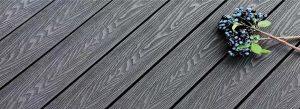
Eva Last I Series Decking vs Hosung 3D Embossed WPC Decking
A detailed comparison of Eva Last I Series decking and Hosung 3D embossed WPC decking, analyzing material composition, surface texture, durability, slip resistance, installation, maintenance, and cost to help buyers choose the most suitable composite decking solution for their projects. Table of Contents Introduction In recent years, composite decking has rapidly replaced traditional timber decking across residential, commercial, and public landscaping projects. Among the many brands available on the global market, Eva Last I Series decking has gained attention for its capped composite technology and modern aesthetics. At the same time, Hosung 3D embossed WPC decking has become increasingly popular for its realistic wood grain, competitive pricing, and flexible customization options.For buyers, contractors, architects, and distributors, choosing between Eva Last I Series decking vs Hosung 3D embossed WPC decking is not simply a matter of brand recognition. It involves a detailed comparison of material composition, performance, durability, appearance, installation, maintenance, and long-term cost.This in-depth article focuses on Eva Last I Series decking as the main keyword and core subject, while offering a transparent and professional comparison with Hosung 3D embossed WPC decking. By the end of this guide, you will have a clear understanding of which decking solution best suits ...
Dura Composite Decking vs Hosung Composite Decking
Composite decking has become one of the most popular choices for modern outdoor living spaces. Homeowners, builders, and designers increasingly turn to composite decks because they offer the natural beauty of wood without many of wood’s maintenance headaches. Among the many brands available worldwide, Dura Composite Decking and Hosung Composite Decking stand out as two highly regarded options. This article offers a professional, detailed comparison of these two products, exploring their materials, performance, aesthetics, installation, cost, durability, warranty, and eco‑credentials. Table of Contents Introduction to Composite Decking Composite decking is a manufactured decking material composed of wood fibers, plastic resins, and additives. By combining these elements, composite decking delivers enhanced durability, resistance to rot and insects, low maintenance requirements, and long‑lasting beauty. The popularity of composite decking has soared in recent years as consumers seek sustainable alternatives to traditional timber decking.Two brands frequently compared in the global decking market are Dura Composite Decking and Hosung Composite Decking. Each has unique features, strengths, and ideal applications. Understanding the differences between them helps builders, architects, and homeowners choose the right solution for their project goals. Brand Overviews Dura Composite DeckingDura Composite Decking is widely recognized for its high-performance decking profiles engineered to ...
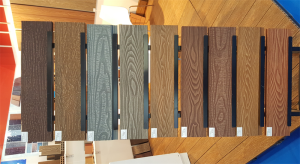
Eko Decking vs Hosung Decking
When it comes to choosing the right composite decking for your outdoor spaces, homeowners and designers often weigh options carefully to find a product that combines durability, aesthetics, and low maintenance. Among the many brands available in the market, eko decking and Hosung Decking stand out as two popular choices, each offering unique advantages. This article delves into a comprehensive comparison between eko decking and Hosung Decking, helping you make an informed decision for your next project. Table of Contents Understanding Composite Decking Composite decking has gained popularity as a superior alternative to traditional wood decking. Unlike natural wood, composite decking is manufactured from a mixture of wood fibers and recycled plastics, offering resistance to rot, insects, and warping. Homeowners increasingly prefer composite decking because it reduces the maintenance burden associated with staining, sealing, or painting wood decks.Both eko decking and Hosung Decking fall into this category, but there are significant differences in their production quality, durability, aesthetics, and performance. Material Composition and Quality eko deckingeko decking is designed as an environmentally friendly solution, using a combination of recycled wood fibers and plastics. Its main focus is providing an attractive wood-like appearance at an affordable price. The material is engineered ...
WPC vs PVC Price per Sq Ft
When choosing modern building and decorative materials, price per square foot is often one of the most decisive factors. Among the most frequently compared materials today are WPC (Wood Plastic Composite) and PVC (Polyvinyl Chloride). Whether you are a homeowner planning a renovation, a contractor estimating project costs, or a distributor sourcing materials for resale, understanding the WPC vs PVC price per sq ft can help you make a smarter and more profitable decision. Table of Contents This article, Hosung WPC will provide a deep, practical, and market-oriented comparison of WPC and PVC prices per square foot, while also considering durability, installation costs, lifespan, maintenance expenses, and long-term value. Instead of simply listing numbers, we will explain why prices differ and which material offers better value for specific applications. Understanding the Basics Before Comparing Price per Sq Ft Before diving directly into WPC vs PVC price per sq ft, it is important to understand what these materials are made of and how their composition affects cost.What Is WPC?WPC (Wood Plastic Composite) is a hybrid material composed of:Wood fiber or wood flour (usually 50–70%)Thermoplastic resins (PE, PP, or PVC-based)Additives such as UV stabilizers, pigments, and coupling agentsWPC is widely used in:Outdoor ...
Eva Last Infinity Decking vs Hosung Decking: Which is the Better Choice?
When it comes to choosing the best decking material for your outdoor space, two names often come up: Eva Last Infinity Decking and Hosung Decking. Both brands offer high-quality composite decking solutions that promise durability, low maintenance, and aesthetic appeal. However, there are key differences in terms of performance, pricing, and design options. In this blog post, we’ll compare Eva Last Infinity Decking and Hosung Decking, highlighting the strengths of Hosung while providing an honest look at both products to help you make an informed decision for your next decking project. Table of Contents What is Eva Last Infinity Decking? Eva Last Infinity Decking is a high-end composite decking solution that has gained significant popularity in the market for its stunning natural wood-like appearance and impressive durability. Manufactured using a combination of bamboo and recycled plastic, Eva Last Infinity Decking is designed to withstand harsh weather conditions, making it suitable for a variety of outdoor settings.Key Features of Eva Last Infinity Decking:Wood-Like Aesthetics: The deck boards are available in various colors and textures, replicating the natural appearance of wood while offering the benefits of a composite material.Eco-Friendly: Made from bamboo and recycled plastic, Eva Last Infinity Decking is an environmentally ...
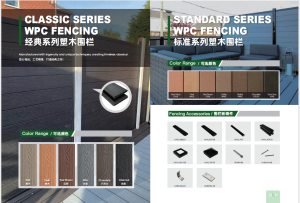
Understanding WPC Fence Prices: A Comprehensive Guide
WPC (Wood-Plastic Composite) fences have become increasingly popular due to their durability, low maintenance, and appealing appearance, making them an excellent choice for both homeowners and businesses. A common question among potential buyers is, “What are the prices of WPC fences?” This article explores the factors that affect WPC fence prices, outlines the costs of different types, and provides guidance on how to make an informed purchase decision, whether you’re looking for a WPC fence for residential or commercial use. Table of Contents Know More About WPC Fencing Before we delve into the pricing details, let’s first understand what WPC fencing is. WPC is a composite material made from a blend of wood fibers and plastic. It combines the best of both materials: the natural, rustic look of wood with the weather-resistant, low-maintenance benefits of plastic. WPC fences are available in a variety of designs, colors, and finishes, making them suitable for a wide range of aesthetic preferences.Compared to traditional wood or metal fences, WPC fences offer several advantages:Durability: WPC fences are resistant to moisture, UV rays, and pests, which makes them an excellent choice for outdoor installations.Low Maintenance: Unlike wood, which requires regular painting or staining, WPC fences only ...
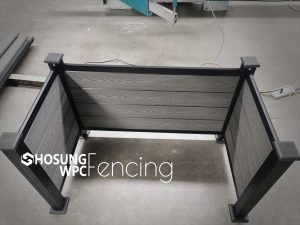
WPC Fence Panels Price in India: Costs, Factors, and Benefits
When it comes to choosing the right material for fencing, homeowners and businesses alike have several options available. Wood plastic composite (WPC) fence panels have emerged as a popular choice in India due to their durability, aesthetic appeal, and low maintenance requirements. This article provides a comprehensive guide to understanding WPC fence panels price in India, focusing on their price range, factors influencing the cost, and the numerous benefits they offer. Table of Contents Introduction to WPC Fence Panels WPC fence panels are made from a blend of wood fibers and plastic, making them an environmentally friendly and durable alternative to traditional wood fences. They offer the natural look of wood but with enhanced durability and resistance to the elements. This makes them an ideal option for both residential and commercial properties in India.WPC fencing has gained popularity in recent years due to its ability to withstand harsh weather conditions and its low maintenance needs. The material is also resistant to pests, mold, and decay, making it a long-lasting investment for property owners. Factors Affecting the WPC Fence Panels Price in India The price of WPC fence panels in India varies depending on several factors. These factors include the quality ...
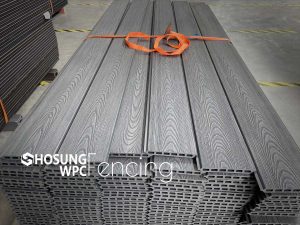
WPC Fence Malaysia Price List
In Malaysia, as homeowners and businesses look to enhance their outdoor spaces, WPC (Wood Plastic Composite) fences have emerged as a popular choice. Combining the aesthetic appeal of wood with the durability and low maintenance of plastic, these fences offer a unique blend of benefits. In this article, we’ll provide a detailed overview of the WPC fence Malaysia price list, factors influencing pricing, and everything you need to know before making an investment in these modern fencing solutions. Table of Contents What is WPC (Wood Plastic Composite) Fencing? WPC fences are made from a blend of wood fibers and plastic polymers, creating a material that combines the best of both worlds: the natural appearance of wood and the long-lasting durability of plastic. These fences are highly resistant to the elements, making them ideal for outdoor use in Malaysia’s tropical climate.Key Features:Durability: Resistant to rot, decay, and insect damage.Low Maintenance: No need for regular sanding, painting, or sealing.Eco-Friendly: Made from recycled materials, contributing to sustainability. Types of WPC Fences Available in Malaysia When shopping for WPC fences in Malaysia, it’s important to understand the different types and how they might influence the price list. Below are some of the most popular ...
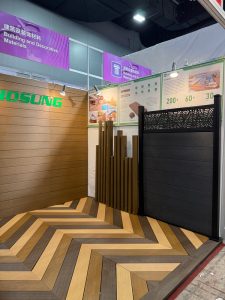
WPC Fence Philippines Price
When it comes to modern fencing solutions, WPC (Wood Plastic Composite) fence panels have become increasingly popular in the Philippines. Combining the natural look of wood with the durability of plastic, WPC fences offer a stylish, long-lasting, and low-maintenance alternative to traditional wooden or metal fences. One of the most frequently asked questions by homeowners, developers, and landscape designers is: “What is the WPC fence Philippines price?” In this comprehensive guide, we will explore everything you need to know about WPC fence panels, their benefits, cost factors, installation, and how to make the best choice for your property. Table of Contents What is WPC Fence? WPC fence refers to fencing panels made from Wood Plastic Composite, a material that blends wood fibers with thermoplastics. This combination gives the panels the appearance and texture of natural wood while providing the resilience and water resistance of plastic. Unlike conventional wooden fences, WPC fences do not warp, crack, or rot, making them ideal for the tropical climate in the Philippines, where high humidity and frequent rainfall can damage traditional fencing materials.Key Features of WPC Fence Panels Philippines:Durable and Long-Lasting: Resistant to decay, termites, and moisture.Low Maintenance: No need for painting, staining, or sealing.Eco-Friendly: ...
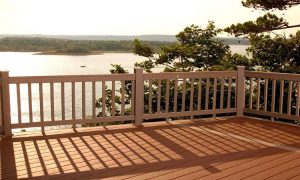
WPC Balcony Railing: Modern, Durable, and Stylish Solution
Balcony railings play a crucial role in both the safety and aesthetics of a home. Traditional materials like wood, iron, or stainless steel have been widely used for decades. However, with the advent of innovative materials, WPC balcony railing has emerged as a modern alternative that combines durability, design flexibility, and low maintenance. In this article, we will explore what WPC balcony railings are, their benefits, installation methods, and why they are becoming increasingly popular among homeowners and architects. Table of Contents What is WPC Balcony Railing? WPC stands for Wood-Plastic Composite, a material made by blending wood fibers or wood flour with thermoplastics such as PVC, PE, or PP. The result is a composite material that mimics the appearance of wood while offering superior durability and resistance to environmental factors. A WPC balcony railing refers to a railing system constructed using WPC materials, which can be designed to resemble traditional wooden railings or modern minimalist styles.Unlike pure wood, WPC is resistant to moisture, rot, termites, and UV radiation, making it ideal for outdoor applications such as balconies, terraces, and decks. Additionally, WPC can be molded into various shapes and profiles, allowing homeowners to achieve custom designs without compromising structural ...
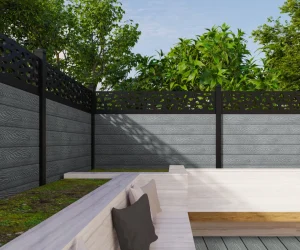
Composite Picket Fencing Products: Complete Guide and Buying Tips
In modern home improvement and landscaping, fences are not just functional—they define the aesthetics, security, and value of your property. Among the wide array of fencing options available, composite picket fencing products have gained immense popularity due to their combination of durability, low maintenance, and natural appearance. From residential gardens to commercial properties, these fences provide the elegance of traditional wood without many of the challenges associated with timber. Table of Contents This comprehensive guide explores everything you need to know about composite picket fencing products, including their composition, types, installation methods, price comparisons, maintenance, and practical applications. We also discuss composite fence pickets and composite picket fence panels to give a detailed view of the market offerings. By the end of this article, homeowners, landscapers, and contractors will understand why composite picket fencing is a sustainable, cost-effective, and visually appealing solution for modern fencing needs. What Are Composite Picket Fencing Products? Composite picket fencing products are fencing solutions made from a combination of wood fibers or wood flour and recycled plastics such as polyethylene (PE) or polyvinyl chloride (PVC). This combination results in a material that mimics the look of natural wood while offering superior durability and resistance to ...
WPC vs PVC Price: Comprehensive Comparison and Buying Guide
In the world of modern building materials, homeowners, architects, and contractors often face the question: WPC vs PVC price—which is better for your project? Both WPC (Wood Plastic Composite) and PVC (Polyvinyl Chloride) have carved a niche in construction, interior decoration, decking, and wall cladding applications. While they share some similarities, they are fundamentally different in composition, durability, appearance, and, most importantly, pricing. Understanding these differences is essential to make informed decisions for long-term value, maintenance, and aesthetics. Table of Contents In this article, we will provide an in-depth comparison of WPC vs PVC price, explore their key features, analyze their advantages and disadvantages, and provide practical advice for choosing the right material for your project. Whether you are a homeowner planning a deck, a contractor specifying wall panels, or a designer selecting interior materials, this guide will help you make a cost-effective and durable choice. What Is WPC? WPC, or Wood Plastic Composite, is a material made by combining natural wood fibers or sawdust with thermoplastics such as PVC, PE (polyethylene), or PP (polypropylene). The resulting material has the look and feel of wood but with improved durability, water resistance, and low maintenance.Key Features of WPCWood-like Appearance: WPC can ...
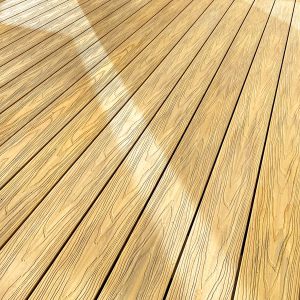
Golden Oak Composite Decking Colors: A Guide to the Timeless Appeal
When it comes to choosing the perfect decking material, homeowners and contractors alike are increasingly opting for composite decking due to its durability, low maintenance, and aesthetic appeal. Among the myriad of options, golden oak composite decking stands out as a timeless choice that blends both style and function. But what really makes golden oak composite decking a top choice for decking projects is its range of stunning colors, all designed to complement various architectural styles and outdoor themes. In this blog post, we’ll dive into the colors of golden oak composite decking, the benefits it brings, and how to choose the perfect shade for your outdoor space. Table of Contents Why Choose Golden Oak Composite Decking? Before delving into the array of colors available, let’s first understand why golden oak composite decking is such a popular option. Composite decking is a combination of wood fibers and plastic, making it resistant to many of the common issues that affect traditional wood decking—such as rot, warping, and insect infestations. Additionally, composite decking is highly durable and low-maintenance, offering the perfect combination of functionality and aesthetics.Golden oak composite decking is especially known for its warm, rich tones that mimic the natural beauty ...
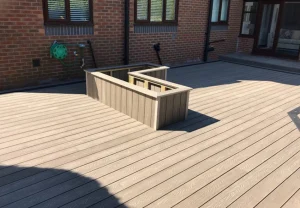
Weathered Oak Decking: Types, Pairing Ideas, Selection Guide, Colors, Reviews, and More
Weathered oak decking has become one of the most popular choices in modern outdoor design. With its aged, rustic, naturally grey-brown tones and elegant grain patterns, it delivers a perfect blend of classic aesthetics and contemporary charm. Whether for a residential backyard, rooftop garden, seaside boardwalk, or commercial outdoor venue, weathered oak offers a warm yet sophisticated feel that other colors cannot easily replicate. Table of Contents This article provides a complete guide to weathered oak decking, covering types, color options, pairing ideas, how to choose, performance reviews, maintenance tips, composite vs natural wood, and insights into manufacturers—especially weathered oak composite decking manufacturer options such as Hosung, a leading WPC supplier. If you’re planning to upgrade your outdoor living space and want to understand why weathered oak decking stands out, this guide will give you all the answers. What Is Weathered Oak Decking? Weathered oak decking refers to outdoor decking materials that mimic or naturally develop the aged appearance of oak wood. The key element is the weathered effect—a naturally faded, sun-kissed, slightly greyish oak tone that evokes a warm rustic charm.There are two main meanings:1. Natural Weathered Oak DeckingNatural oak boards that have been exposed to the sun, rain, ...
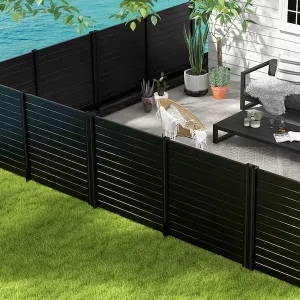
Cheapest Composite Fencing: How to Choose
When it comes to securing your property or enhancing your garden’s aesthetics, fencing plays a critical role. While traditional wooden or metal fences have their merits, composite fencing has emerged as one of the most popular and durable options for homeowners. But with the wide variety of options available, many people are searching for the cheapest composite fencing that doesn’t compromise quality. In this article, we’ll explore everything you need to know about finding and choosing the cheapest composite fencing panels, including tips, benefits, potential drawbacks, and guidance on selecting a reliable cheapest composite fencing panels manufacturer. Table of Contents What Is Composite Fencing? Composite fencing is made from a mixture of wood fibers and recycled plastics, creating a product that combines the best features of both materials. Unlike traditional wood, composite fences are highly resistant to rot, decay, and insect damage. They also require minimal maintenance compared to wooden fences that need frequent painting, staining, or sealing.The rise of composite fencing has been driven by environmental concerns and homeowners’ desire for long-lasting, low-maintenance solutions. With composite fencing, you can achieve the aesthetic of natural wood without the ongoing upkeep costs.Key Features of Composite Fencing:Durability: Composite fences can last 25–30 ...
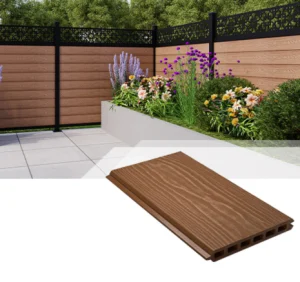
Composite Deck Fencing: Ultimate Guide to Stylish, Durable, and Low-Maintenance Fencing Solutions
When it comes to enhancing the beauty and functionality of your outdoor space, composite deck fencing has emerged as a top choice for homeowners, builders, and designers alike. Unlike traditional wood or metal fences, composite deck fencing combines durability, aesthetics, and minimal maintenance requirements, making it an investment that pays off over time. In this comprehensive guide, we will explore everything you need to know about composite deck fencing—from materials and design options to installation tips, maintenance advice, and cost considerations. Table of Contents What is Composite Deck Fencing? Composite deck fencing is a type of fencing made from a combination of wood fibers and recycled plastics. This blend creates a product that mimics the natural look of wood while providing superior durability, resistance to weather, and minimal upkeep. Unlike traditional wood fences, composite fencing does not warp, crack, or splinter easily, making it an ideal solution for both residential and commercial properties.The main components of composite fencing include:Wood fibers – Typically sourced from recycled wood or sawdust, these fibers give the fence a natural wood-like texture and appearance.Recycled plastic – High-density polyethylene (HDPE) or other types of plastic add strength, flexibility, and resistance to moisture, insects, and decay.Binding agents ...

UltraDeck Composite Fencing vs Hosung Composite Fencing – Which Is the Better Choice?
When homeowners or architects search for modern low-maintenance fencing materials, “ultradeck composite fencing” is often among the terms they come across online. UltraDeck is a known brand in the North American composite industry, especially in the retail market. However, it is far from the only option, and many users today look for alternatives that offer better long-term durability, higher return on investment, or more customization choices. Table of Contents Hosung Composite Fencing has become one of the leading global manufacturers supplying high-performance WPC fencing products to professional distributors, contractors, and project owners. While UltraDeck composite fencing targets mainstream retail consumers, Hosung focuses on engineering-grade composite materials supported by manufacturing experience, large-scale OEM capabilities, and strict industrial quality control.In this comparison article, we will take an objective look at UltraDeck composite fencing and compare it directly with Hosung Composite Fencing across the following dimensions:Product composition and materialsDurability and weather resistanceMaintenance requirementsColor and style optionsEco-friendliness and sustainabilityInstallation systems and accessoriesPerformance in harsh climatesWarranty and serviceCost and long-term valueBy the end of this article, you will have a complete understanding of ultradeck composite fencing and how it compares to Hosung’s composite fencing solutions in real project scenarios. What Is UltraDeck Composite Fencing? UltraDeck ...
Composite Fencing Manufacturers
In recent years, the demand for durable, low-maintenance, and eco-friendly fencing solutions has surged dramatically. As homeowners, developers, and commercial property managers seek alternatives to traditional wood and metal fencing, composite fencing has emerged as a leading choice. Behind every high-quality composite fence lies the expertise of reliable composite fencing manufacturers, who play a crucial role in designing, producing, and supplying these innovative products. This article delves into the world of composite fencing manufacturing, exploring the materials, processes, benefits, and considerations when sourcing products from top manufacturers. Table of Contents Understanding Composite Fencing Composite fencing is a type of fence made from a mixture of materials, typically recycled wood fibers and high-quality plastics. The combination creates a product that mimics the appearance of natural wood while offering superior durability and minimal maintenance. Unlike conventional wooden fences that require regular staining, sealing, and repairs, composite fencing is resistant to rot, warping, and insect damage.The manufacturing of composite fences requires careful selection of materials, precise processing, and quality control. Composite fencing manufacturers often source recycled plastics such as polyethylene or polypropylene and combine them with sustainably harvested wood fibers. The resulting material is then extruded or molded into boards, panels, posts, and ...
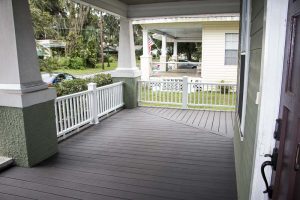
Best Composite Tongue and Groove Porch Flooring
When it comes to creating an inviting, durable, and low-maintenance porch, choosing the right flooring material is essential. Traditional wood has been the go-to option for decades, but it comes with its own set of challenges: regular maintenance, susceptibility to rot, warping, and termite damage. Enter composite tongue and groove porch flooring, an innovative solution that combines the aesthetic appeal of natural wood with the durability and low maintenance of modern composite materials. In this article, we’ll explore why composite tongue and groove porch flooring is becoming the top choice for homeowners and contractors, the benefits it offers, the best products available on the market, installation tips, and maintenance guidelines. Table of Contents What is Composite Tongue and Groove Porch Flooring? Composite tongue and groove porch flooring is a type of decking material made from a blend of wood fibers and plastic polymers. The “tongue and groove” design refers to the interlocking system on the edges of the boards. One board has a protruding “tongue,” and the other has a matching “groove.” This allows the boards to fit snugly together, creating a seamless, flat surface without gaps.The combination of materials makes composite decking resistant to moisture, insects, and decay while ...
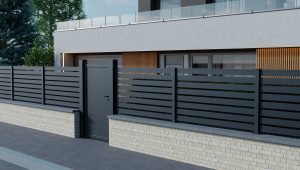
Composite Fencing Slats for Privacy and Security
Composite fencing slats have rapidly transformed the fencing market, offering homeowners, commercial property owners, and landscaping professionals a modern and practical alternative to traditional wood or metal fence systems. Whether the goal is to enhance privacy, improve perimeter security, reduce maintenance, or elevate outdoor aesthetics, composite fencing slats provide an outstanding balance of durability, functionality, and contemporary design. In an era where outdoor spaces have become important extensions of living and working environments, the popularity of composite fencing slats continues to rise sharply. Table of Contents This article takes an in-depth look at why composite fencing slats have become a leading fencing choice, especially for privacy and security applications. We will discuss their material composition, advantages over traditional fencing, installation structures such as slatted composite fencing, and why they excel in residential, commercial, and industrial environments. We will also explore style options such as composite fence slats, slatted composite fence panels, and slatted composite fencing, and provide guidance on choosing the right product for your needs. What Are Composite Fencing Slats? Composite fencing slats are engineered fence components made from a blend of wood fibers and recyclable plastic polymers. This wood–plastic composite (WPC) material is similar to what is commonly ...
Modern Composite Fencing: Key Types, Features, Applications, and How to Choose
Fencing is no longer just a boundary marker for your property—it has evolved into an essential design element that combines aesthetics, durability, and functionality. Among the latest innovations in the fencing industry, modern composite fencing stands out as a top choice for homeowners, landscapers, and commercial property managers. It combines the natural look of wood with the low-maintenance benefits of synthetic materials, making it a versatile and sustainable solution. In this comprehensive guide, we will explore the most important types of modern composite fencing, their key features, practical applications, and provide a detailed guide on how to select the best option for your property. Table of Contents What is Modern Composite Fencing? Modern composite fencing refers to fencing made from a combination of natural fibers (usually wood) and synthetic materials such as recycled plastics. These materials are processed together to create strong, weather-resistant panels or planks that mimic the appearance of real wood without the drawbacks of traditional timber fencing.Unlike traditional wood fences, composite fences do not rot, warp, or require frequent staining and painting. They are designed to withstand harsh weather conditions, resist pests, and last for decades with minimal maintenance. This makes them ideal for both residential and ...
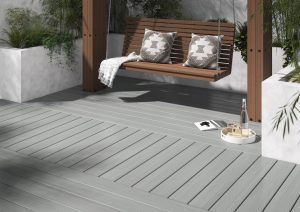
Gray Composite Fencing – Will Not Splinter or Rot
Gray composite fencing has become one of the most desirable outdoor upgrades for homeowners, contractors, and commercial property developers who want a modern look combined with long-lasting performance. While composite fencing is available in many colors, the elegant, neutral, and highly adaptable gray tone has gradually become the top choice for contemporary exteriors. It pairs seamlessly with wood-grain finishes, stone landscaping, metal accents, and almost any architectural style—from minimalist homes to coastal retreats and commercial complexes. Table of Contents Choosing gray composite fencing is not only about appearance. It is also about durability, long-term value, and a lifestyle centered on low maintenance and stability. Unlike traditional wood, gray composite fence boards will not splinter, warp, or rot over time. They maintain a refined look with minimal effort, even in harsh climates with high humidity, intense sun, or big temperature swings. This article explores in depth the advantages, characteristics, and real-world applications of gray composite fencing, explaining why so many property owners prefer it over classic wood and vinyl fencing. Why Gray? The Color Advantage That Truly Matters Among multiple color options, gray has a unique ability to match nearly any outdoor setting. Whether your landscape has warm undertones, cool palettes, ...
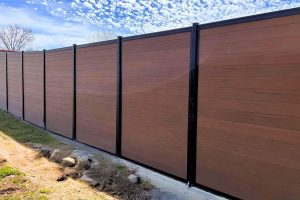
Composite Fencing Prices: A Comprehensive Guide to Costs, Materials, and Value
When it comes to modern fencing solutions, composite fencing has steadily gained popularity due to its durability, low maintenance, and eco-friendly characteristics. For homeowners, contractors, and property developers alike, understanding composite fencing prices is essential before making a purchase. In this guide, we’ll explore the factors affecting costs, compare composite materials with alternatives, and give insights into what you can expect when investing in composite fencing and composite fence panels price. Table of Contents What is Composite Fencing? Composite fencing is made from a combination of wood fibers and recycled plastics, creating a material that mimics the appearance of natural wood while offering superior durability. Unlike traditional timber fences, composite fencing does not rot, warp, or suffer from pest damage. These benefits have contributed to the rising demand for composite fencing across residential and commercial applications.Composite fence panels, in particular, are pre-manufactured units that simplify installation. Homeowners can choose from various heights, widths, and styles, with designs ranging from classic wood grain to modern, sleek finishes. Factors That Affect Composite Fencing Prices Understanding composite fencing prices requires a look at several key factors:1. Material CompositionComposite fencing is generally made from a blend of recycled wood fibers and high-density polyethylene (HDPE) ...
Composite Fencing Companies
In recent years, composite fencing companies have grown rapidly as homeowners, contractors, and commercial property owners shift from traditional wood and metal fencing to more durable, eco-friendly alternatives. With the rising demand for low-maintenance outdoor materials, composite fencing companies near me has become one of the most frequently searched phrases among buyers looking for reliable suppliers. Whether you want to enhance privacy, improve curb appeal, or upgrade security, choosing the right fence manufacturer or supplier is crucial. Table of Contents Now let’s explores everything you need to know about composite fencing companies—from what they do, what to look for, the materials they use, installation considerations, price factors, how to compare suppliers, and how you can find trustworthy composite fencing companies near you. If you are planning to build a new fence or replace an old one, this article will help you make the best decision with confidence. Understanding Composite Fencing Composite fencing is made from a blend of recycled wood fibers, plastics, and bonding materials. The combination creates a highly durable, weather-resistant, and aesthetically appealing fence option that imitates the natural look of wood without its common problems such as rot, warping, termites, or frequent repainting.1.1 Advantages of Composite FencingComposite ...
Does Composite Decking Get Slippery When Wet?
When homeowners and builders choose a decking material, one of the most common concerns is safety—particularly how slippery the surface becomes when wet. Composite decking has become one of the most popular alternatives to natural wood because of its low maintenance, durability, and stylish appearance. But does composite decking get slippery when wet? The short answer is yes, it can—just like any surface. However, the degree of slipperiness varies greatly depending on the brand, surface texture, maintenance, and environmental conditions. This article explores how composite decking behaves in wet conditions, what causes slipperiness, and how to keep your deck safe and slip-resistant throughout the year. Table of Contents Understanding Composite Decking Composite decking is a man-made material typically composed of a blend of wood fibers and plastic polymers. The exact composition varies by manufacturer, but generally, it consists of:Recycled wood fibers or wood flourRecycled polyethylene (PE), polypropylene (PP), or PVC plasticsBinding agents, colorants, and UV stabilizersThe result is a material that mimics the appearance of natural wood while offering far greater resistance to rot, insect damage, and moisture absorption. Capped vs. Uncapped Composite DeckingModern composite decking often comes in two main types:Uncapped composite decking: The original form, with no outer protective ...
Which Composite Decking Material Is Best
Choosing the right composite decking material is one of the most important decisions when building or renovating an outdoor space. Composite decking has become the preferred option for many homeowners, architects, and contractors due to its durability, low maintenance, and modern appearance. However, not all composite decking is created equal. With so many brands, materials, and price levels available, it’s essential to understand the differences before making a choice. Table of Contents What Is Composite Decking? Composite decking is an engineered building material made by combining wood fibers or other natural fillers with plastic polymers. The result is a board that looks and feels like natural wood but offers much greater resistance to rot, fading, and insect damage.Unlike traditional timber, composite decking does not require painting, staining, or frequent sealing. It’s designed to provide a long-lasting, eco-friendly alternative that can handle harsh weather and heavy foot traffic.There are several main types of composite decking on the market today, and understanding the differences between them will help determine which one suits your needs best. Types of Composite Decking Materials Composite decking can generally be classified into three main categories based on its composition and manufacturing method:1.1 Wood-Plastic Composite (WPC) DeckingWPC decking ...
Which Is Best: Composite or Wood Decking
When planning an outdoor deck, one of the most common questions homeowners face is: which is best, composite or wood decking? Both materials have been popular for years, offering different aesthetics, costs, and long-term benefits. However, as technology and environmental awareness have advanced, composite decking has become the preferred choice for most homeowners, builders, and designers who prioritize longevity, style, and low maintenance. In this detailed guide, we’ll explore the key differences between composite and wood decking, breaking down aspects such as durability, maintenance, appearance, cost, and sustainability. By the end, you’ll understand exactly why composite decking is the smarter long-term investment for your outdoor living space. Table of Contents Understanding the Basics: Composite Decking vs Wood Decking Before diving deeper, it’s important to understand what each material actually is.Wood decking is made from natural timber, such as cedar, redwood, or pressure-treated pine. It has a warm, organic appearance that many people love. However, being a natural material also means it’s vulnerable to rot, insects, and weather damage. Regular maintenance like sealing, sanding, and staining is essential to keep it looking good.Composite decking, on the other hand, is a blend of recycled wood fibers and plastic polymers. This combination creates ...

Is Composite Decking Slippery
When homeowners consider upgrading their outdoor spaces, one common question always arises — is composite decking slippery? Whether it’s around a pool, patio, or garden walkway, the surface texture and grip of your decking matter greatly for both safety and comfort. While composite decking is celebrated for its durability, low maintenance, and modern appearance, slip resistance is a crucial factor that shouldn’t be overlooked. In this detailed guide, we’ll explore how slippery composite decking can be, especially when wet, what influences its traction, and how to choose or maintain a deck that keeps you safe in every season. Table of Contents Understanding What Makes Decking Slippery Although the question “is composite decking slippery?” seems straightforward, the answer depends on several factors. Slipperiness isn’t simply a property of the material itself—it’s the result of texture, moisture, wear, and environmental conditions. Composite decking is made from a mix of wood fibers and plastic, which provides a non-porous surface that resists mold and algae better than timber. However, like any surface, when it accumulates water, dust, or mildew, its friction can decrease.What’s important to know is that modern composite decking is designed with anti-slip features. Manufacturers now include embossed wood grain textures or ...
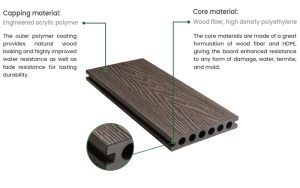
Millboard Composite Decking vs Hosung Composite Decking
When it comes to designing a durable, elegant, and low-maintenance outdoor space, composite decking is one of the most popular choices among homeowners and commercial contractors. Among the top brands in the market, Millboard composite decking is known for its premium look and craftsmanship, while Hosung composite decking stands out as a cost-effective yet high-quality alternative. In this detailed comparison, we’ll explore the similarities and differences between Millboard and Hosung composite decking in terms of materials, performance, price, and design flexibility, helping you decide which brand suits your needs best. Table of Contents Millboard Composite Decking Overview 1.1 Brand BackgroundMillboard is a UK-based composite decking manufacturer widely recognized for its luxury decking boards that closely mimic the natural beauty of real timber. The brand focuses on producing hand-molded boards using actual wood grains to achieve a unique and realistic surface texture.Since its establishment, Millboard has positioned itself as a high-end decking brand targeting premium residential and commercial projects. Its products are known for their outstanding aesthetics, durability, and weather resistance—ideal for customers seeking luxury outdoor spaces without the need for frequent maintenance.1.2 Product PositioningMillboard composite decking is primarily marketed as a premium, non-wood composite material that looks and feels like ...
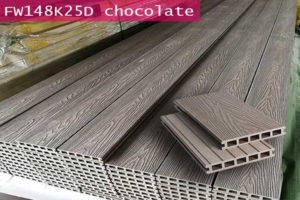
NewTechWood Deck vs Hosung Deck: A Comprehensive Comparison
When homeowners and contractors search for a reliable, beautiful, and long-lasting outdoor flooring solution, composite decking often tops the list. Among the many brands available today, NewTechWood deck has earned a reputation for modern design and consistent performance. However, in recent years, Hosung Deck has become a strong competitor, offering innovative materials, competitive pricing, and enhanced durability. Table of Contents This article provides a complete and unbiased comparison of NewTechWood deck vs Hosung deck—helping you understand the strengths of both brands while highlighting what makes Hosung Deck a smart investment for outdoor spaces. Overview of NewTechWood Deck NewTechWood is a well-known name in the composite decking market, recognized for its advanced capping technology and natural wood appearance. The brand was among the early innovators to introduce fully capped composite boards, combining recycled plastic and wood fibers to deliver low-maintenance, eco-friendly decking.Main Features of NewTechWood Composite DeckingCapped Protection – Each board is fully encased in a polymer shell, providing excellent resistance to stains, scratches, and UV rays.Variety of Colors and Textures – NewTechWood deck boards come in multiple shades, such as teak, walnut, and silver gray, mimicking real wood grain.Hidden Fastening System – Their deck system supports a clean finish with ...
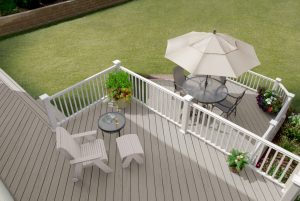
Weathered Oak Composite Decking: Uses and Advantages
When it comes to creating a timeless and natural-looking outdoor space, weathered oak composite decking has become one of the most popular choices for homeowners, architects, and landscapers alike. With its beautiful aged appearance and long-lasting performance, it combines the rustic charm of aged oak timber with the modern benefits of composite materials. Whether you’re upgrading a backyard deck, designing a poolside area, or building a garden walkway, this decking option offers exceptional durability, low maintenance, and aesthetic appeal. Table of Contents In this article, we will explore the uses, benefits, and design advantages of weathered oak composite decking, and also touch upon how products like Weatherdek Aged Oak inspire the growing trend toward natural yet sustainable decking solutions. What Is Weathered Oak Composite Decking? Weathered oak composite decking is a type of composite deck board designed to mimic the rich, rustic character of naturally aged oak wood. The color tone usually ranges from soft gray-brown to deep charcoal with subtle variations, resembling the texture and weathering effects of real oak that has been exposed to the elements for years.Unlike traditional timber decking, which requires regular sanding, staining, and sealing, composite decking is made from a blend of wood fibers ...
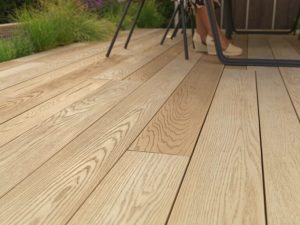
Golden Oak Composite Decking Price
When planning your dream outdoor space, few elements make as big an impact as the decking material. Among the many available options, golden oak composite decking stands out for its warm, natural beauty and lasting durability. It replicates the charm of real oak wood while providing the strength and low-maintenance advantages of modern composite technology. However, one of the most common questions homeowners and builders ask is: What is the price of golden oak composite decking? Table of Contents In this article, we will explore the golden oak composite decking price, what factors influence it, the differences between various grades and designs, cost comparisons with other decking materials, and why it’s one of the most cost-effective choices in the long run. What Is Golden Oak Composite Decking? Golden oak composite decking is a type of engineered outdoor flooring that blends wood fibers with recycled plastic polymers. The result is a high-performance deck board that looks like natural oak but performs far better in outdoor environments.The “golden oak” color tone usually features rich amber-brown hues, gentle woodgrain patterns, and a slightly warm sheen that brightens up patios, balconies, or poolside areas. Its aesthetic appeal makes it especially popular for modern residential ...