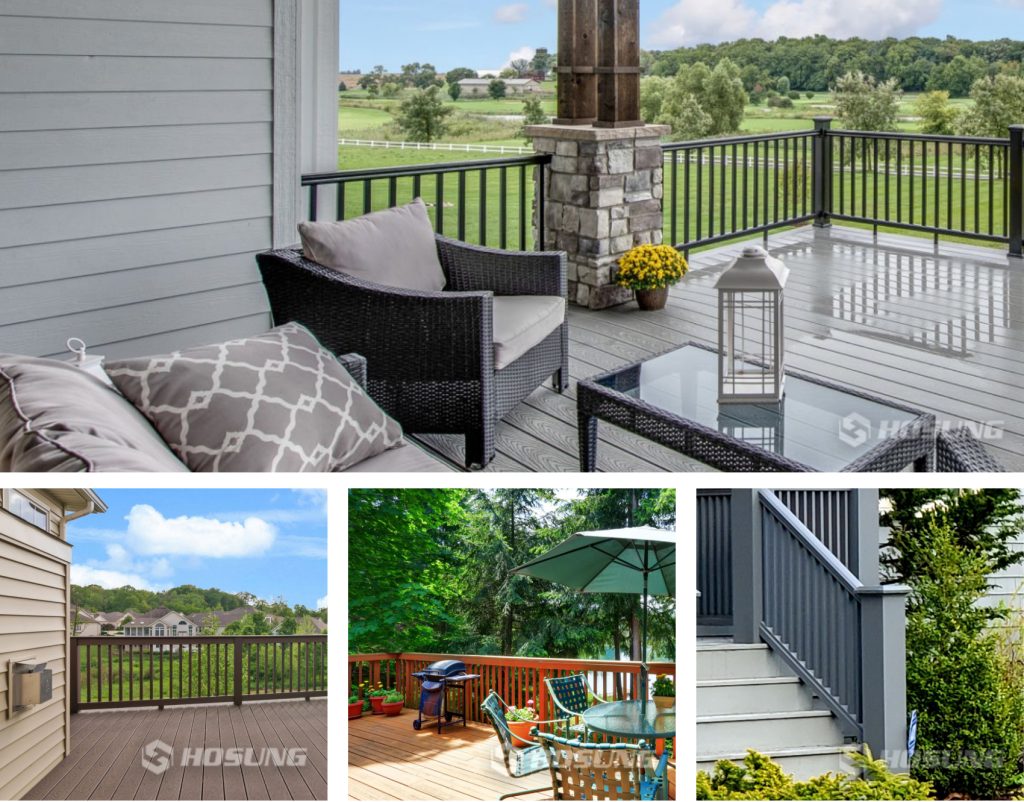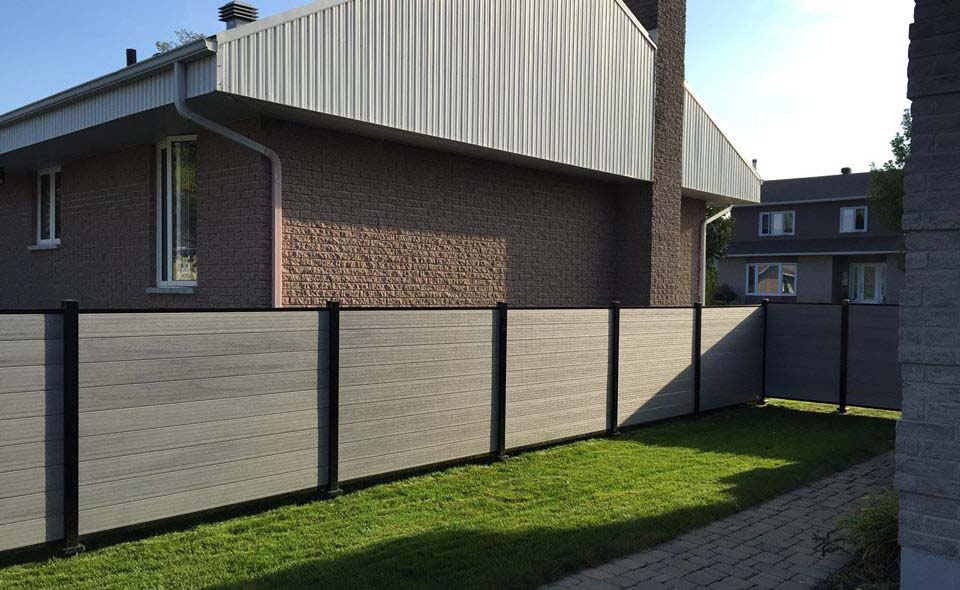
Australia’s outdoor living spaces have evolved significantly over the last decade, with homeowners increasingly prioritizing functionality, aesthetics, and sustainability. One of the most significant developments in outdoor home design is the rise of composite decking Australia. As we move into 2026, understanding the best composite decking options, trends, and benefits is crucial for homeowners, builders, and architects alike. This article provides an in-depth guide to everything you need to know about composite decking in Australia, helping you make informed decisions for your next project.
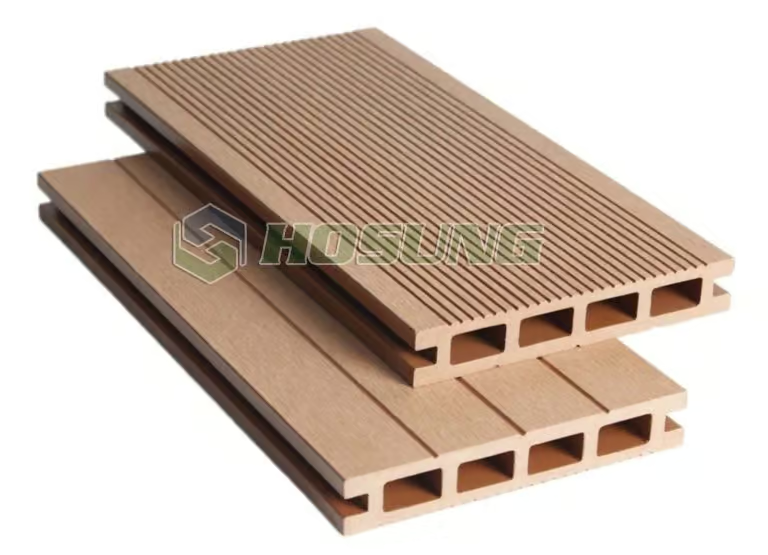
Table of Contents
What is Composite Decking?
Composite decking is a man-made building material designed to mimic the look of natural timber while offering superior durability and lower maintenance. Unlike traditional timber decking, which can be prone to rot, warping, and insect damage, composite decking combines wood fibers or sawdust with plastic polymers to create a material that is long-lasting and resilient in various climates.
In Australia, where outdoor living is an integral part of lifestyle, composite decking has gained popularity because it can withstand the harsh sun, high humidity, and occasional rainfall without losing its structural integrity or aesthetic appeal.
Key Benefits of Composite Decking Australia
Understanding why homeowners are increasingly choosing composite decking is essential. Here are the primary benefits of composite decking in the Australian context:
1. Durability and Longevity
Composite decking is highly resistant to the environmental challenges that affect traditional timber, including:
- Moisture and water absorption, which prevents warping and swelling.
- UV radiation, reducing color fading over time.
- Termite and pest damage, which is a common problem for timber decks in Australia.
This makes composite decking Australia a reliable long-term investment for residential and commercial outdoor spaces.
2. Low Maintenance
Unlike timber decks, which require sanding, staining, and sealing annually, composite decking is virtually maintenance-free. Homeowners simply need to:
- Sweep debris regularly.
- Wash with soap and water occasionally to maintain cleanliness.
- Inspect for surface scratches or damage.
This low-maintenance nature is a significant factor in the growing adoption of composite decking across Australia.
3. Sustainable and Eco-Friendly
Many composite decking products are manufactured from recycled materials, including reclaimed wood fibers and recycled plastics. Choosing composite decking contributes to:
- Reducing deforestation by decreasing reliance on natural timber.
- Minimizing waste by using recycled plastics.
- Promoting a sustainable building approach in line with modern environmental standards.
Sustainability is increasingly a priority for Australian homeowners and builders, making composite decking a responsible choice.
4. Design Flexibility
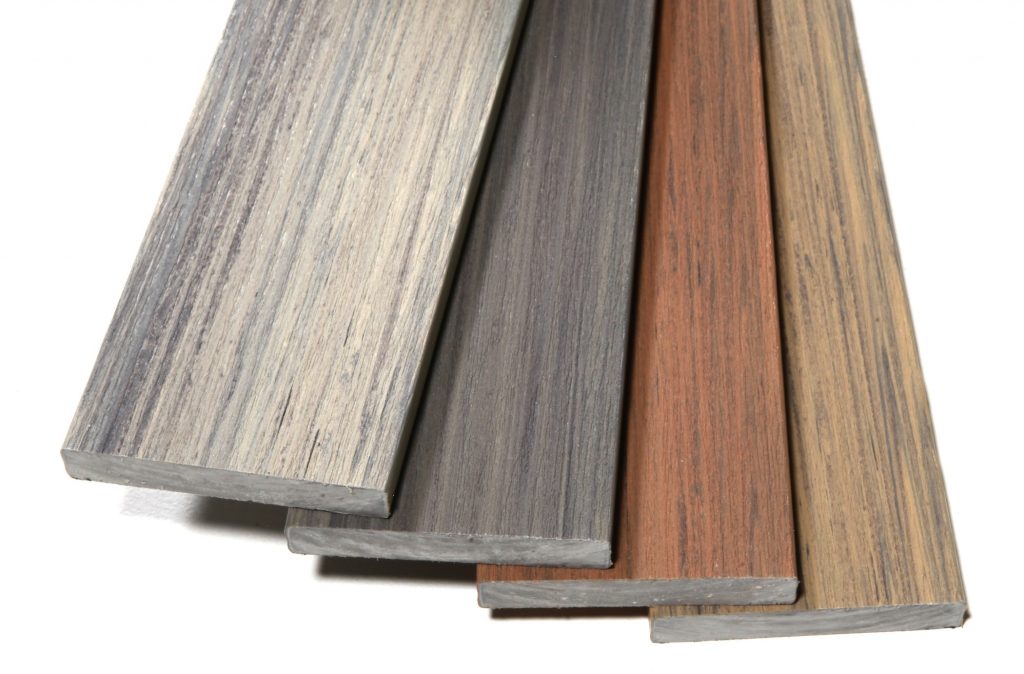
Composite decking is available in a variety of colors, textures, and finishes, allowing homeowners and designers to create customized outdoor spaces. Some popular options include:
- Wood-like finishes for a natural look.
- Smooth, contemporary textures for modern aesthetics.
- Grooved surfaces for improved slip resistance.
The versatility of composite decking ensures it complements any home style, from traditional to ultra-modern architecture.
5. Cost-Effectiveness
Although the initial cost of composite decking may be higher than timber, its longevity and low maintenance make it cost-effective over time. Homeowners save on:
- Staining, sealing, and painting.
- Repair or replacement due to rot or pest damage.
- Labour costs associated with regular timber deck maintenance.
In the long run, composite decking is a smart investment for both budget-conscious and design-focused Australians.
Types of Composite Decking
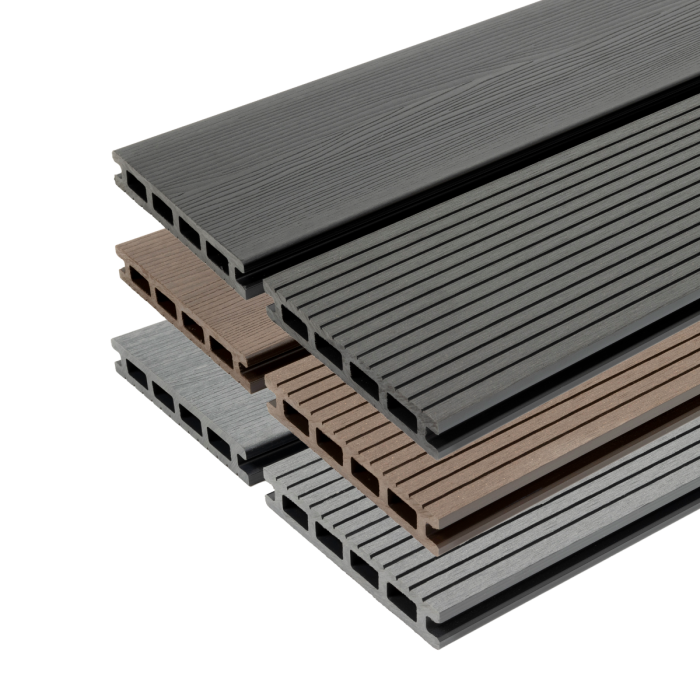
Composite decking Australia comes in various types to suit different needs. Understanding the differences is essential for choosing the best decking material for your project.
1. Wood-Plastic Composite (WPC)
Wood-plastic composite decking combines recycled wood fibers with plastic resins to create a material that closely resembles natural timber. Advantages include:
- Realistic wood texture and appearance.
- Moderate cost compared to 100% plastic options.
- Good resistance to weathering and insects.
WPC is ideal for homeowners seeking a natural look without the drawbacks of timber maintenance.
2. PVC Composite Decking
PVC decking is made entirely from recycled or virgin plastic, without any wood fibers. Its benefits include:
- Higher moisture resistance than WPC.
- Zero risk of splintering or warping.
- Available in a wide range of colors and finishes.
PVC composite decking is perfect for pool areas, coastal properties, and environments with high humidity.
3. Capped Composite Decking
Capped composite decking features an additional protective layer, often made from polymer, over the base composite material. Benefits include:
- Superior UV resistance to prevent fading.
- Extra protection against stains, mold, and scratches.
- Easy cleaning and maintenance.
This type of decking is highly suitable for high-traffic areas and outdoor spaces exposed to harsh sun.
Factors to Consider When Choosing Composite Decking in Australia
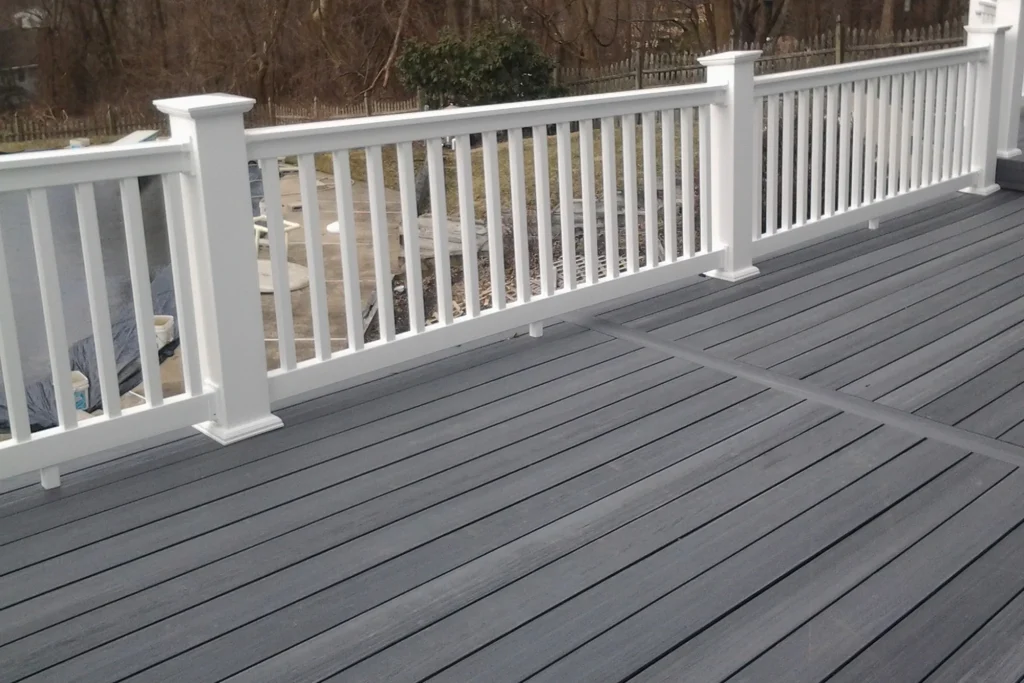
Selecting the right composite decking requires careful consideration of several factors. These factors ensure the deck meets aesthetic, functional, and budgetary goals.
1. Climate and Environmental Conditions
Australia’s diverse climate demands careful selection of decking materials:
- Coastal regions: Consider composite decking with enhanced UV resistance and anti-corrosion properties.
- Tropical regions: Look for moisture-resistant options to prevent warping or mold growth.
- Arid regions: Choose decking that can withstand extreme temperature fluctuations without cracking.
Understanding your local climate is critical to ensuring the longevity and performance of your deck.
2. Slip Resistance
Safety is a priority for outdoor areas, especially around pools or elevated decks. Many composite decking options offer textured or grooved surfaces to enhance slip resistance. When choosing decking, check if the product meets Australian slip-resistance standards for outdoor flooring.
3. Installation Method
Composite decking can be installed using various techniques, such as:
- Face-screwed installation: Screws are visible on the surface, simple and cost-effective.
- Hidden fasteners: Screws or clips are concealed, providing a smooth, seamless finish.
The installation method impacts aesthetics, cost, and maintenance, so it’s essential to choose the method that aligns with your design preferences and skill level.
4. Decking Dimensions
The size and thickness of composite decking boards influence the overall design and structural integrity. Key considerations include:
- Board width: Wider boards create a more modern look but may be prone to slight expansion and contraction.
- Board thickness: Thicker boards offer better load-bearing capacity and durability.
Selecting appropriate dimensions ensures a functional, safe, and visually appealing deck.
5. Warranty and Lifespan
Leading composite decking options in Australia typically offer warranties ranging from 10 to 25 years. When evaluating products, check:
- Length and coverage of the warranty.
- Conditions for claims.
- Expected lifespan under normal Australian weather conditions.
A strong warranty is a sign of product quality and manufacturer confidence.
Popular Applications of Composite Decking
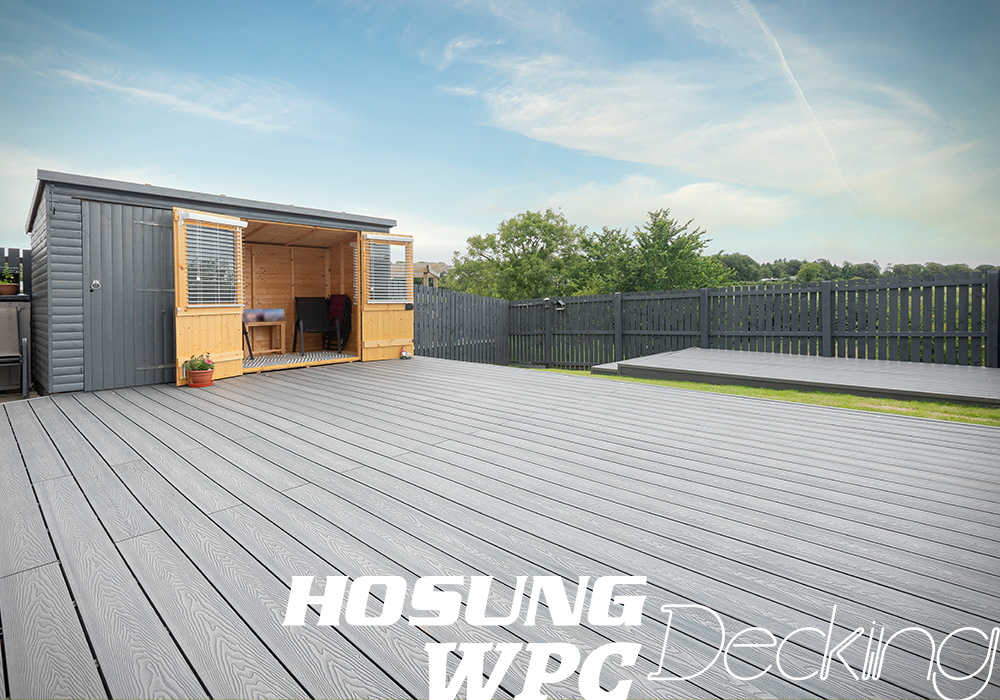
Composite decking is versatile and suitable for a wide range of outdoor applications:
1. Residential Outdoor Spaces
Homeowners use composite decking to enhance:
- Backyards and gardens
- Pool surrounds and patios
- Rooftop terraces and balconies
The material’s durability and low maintenance make it ideal for creating functional and aesthetically pleasing outdoor living areas.
2. Commercial Spaces
Composite decking is also popular in commercial settings, such as:
- Cafes, restaurants, and hotels with outdoor seating
- Public parks and recreational areas
- Boardwalks and walkways
The durability, slip resistance, and minimal maintenance of composite decking make it a practical choice for high-traffic commercial areas.
3. Waterfront and Coastal Applications
Coastal properties are exposed to saltwater, wind, and high UV levels. Composite decking provides:
- Resistance to corrosion from saltwater
- Prevention of warping, cracking, or splintering
- Long-term durability in harsh coastal conditions
Homeowners in Australia’s coastal regions increasingly choose composite decking for these benefits.
Maintenance Tips for Composite Decking
While composite decking is low maintenance, a few simple practices ensure it remains in excellent condition:
1. Regular Cleaning
- Sweep leaves, dirt, and debris to prevent staining.
- Wash the surface occasionally with water and mild detergent.
2. Prevent Scratches
- Avoid dragging heavy furniture or sharp objects directly on the decking surface.
- Use protective pads under furniture legs.
3. Address Stains Promptly
- Remove spills promptly to prevent surface discoloration.
- Use manufacturer-recommended cleaning solutions for tough stains.
4. Inspect Fasteners
- Check screws, clips, and hidden fasteners periodically.
- Tighten or replace loose components to maintain deck stability.
By following these simple steps, homeowners can maximize the lifespan and aesthetic appeal of their composite decks.
Trends in Composite Decking Australia 2026
As outdoor living continues to evolve, several trends are shaping the composite decking Australia market in 2026:
1. Eco-Conscious Materials
Sustainability is a top priority. Decking manufacturers are increasingly using recycled plastics, sustainably sourced wood fibers, and eco-friendly production processes to reduce environmental impact.
2. Enhanced Aesthetics
Modern composite decking mimics the natural beauty of timber with realistic textures, grains, and color variations. Many homeowners prefer decking that blends seamlessly with outdoor landscapes.
3. Wider and Longer Boards
To create a more modern and expansive appearance, decking boards are becoming wider and longer. This reduces visible joints and enhances the sense of space.
4. Multi-Functional Outdoor Spaces
Decks are no longer just flooring—they are integrated into outdoor kitchens, lounges, and entertainment areas. Composite decking supports heavy loads, making it ideal for multifunctional outdoor living.
5. Smart Outdoor Integration
Technology is increasingly influencing outdoor construction and design. In 2026, composite decking in Australia is being integrated into smarter outdoor living systems, including:
- Built-in LED lighting systems for ambiance and safety
- Hidden cable routing for outdoor entertainment setups
- Modular deck designs that support smart landscaping layouts
- Integration with outdoor heating systems for year-round use
These innovations are transforming decks into fully functional lifestyle zones rather than simple outdoor platforms.
6. Natural Color Blending
A major aesthetic shift is the preference for more natural and earthy tones. Instead of overly uniform colors, modern composite decking Australia trends include:
- Multi-tone board surfaces that mimic natural timber variation
- Weathered and aged wood visual effects
- Soft grey, warm brown, and sand-inspired palettes
- Subtle grain patterns for a more organic appearance
This approach helps outdoor spaces blend seamlessly with gardens, pools, and surrounding architecture.
Cost Factors of Composite Decking in Australia
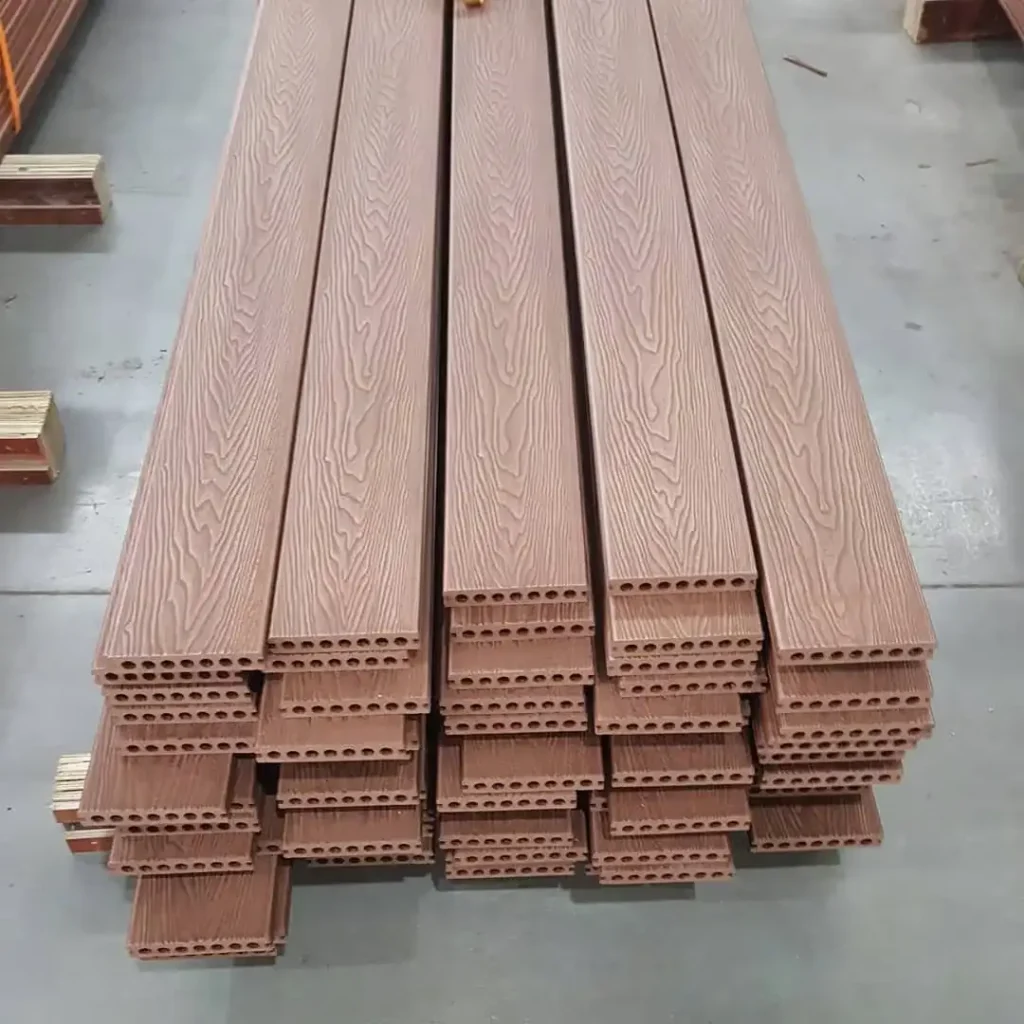
Understanding the cost structure is essential when planning a decking project. The total investment in composite decking depends on several key elements.
1. Material Quality
Different composite formulations impact pricing:
- Basic composite boards: More affordable but limited in durability features
- Mid-range options: Balanced performance and aesthetics
- High-performance composites: Enhanced UV protection, stronger structural integrity, and longer lifespan
Higher-quality materials generally provide better long-term value.
2. Project Size
The size of the decking area significantly affects total cost:
- Small residential patios require fewer materials and lower labor
- Large outdoor entertainment areas increase material consumption
- Multi-level or complex layouts require additional structural support
Bigger projects also benefit from economies of scale in material purchasing.
3. Installation Complexity
Installation costs vary depending on design complexity:
- Simple rectangular decks are easier and faster to install
- Curved or multi-level decks require more labor and precision
- Hidden fastening systems may increase installation time
Professional installation ensures safety and long-term stability, especially for elevated structures.
4. Substructure Requirements
The underlying frame system plays a crucial role in cost:
- Timber subframes are commonly used but require treatment
- Metal subframes offer higher durability but increase cost
- Reinforced foundations are needed for heavy-load applications
A strong substructure is essential for long-lasting performance.
5. Additional Features
Optional enhancements also influence overall investment:
- Built-in lighting systems
- Railings and safety barriers
- Integrated seating or planter boxes
- Waterproofing layers for elevated decks
These features improve usability but increase total project cost.
Conclusion
The evolution of composite decking Australia reflects broader changes in lifestyle, sustainability, and outdoor design preferences. As we move into 2026, composite decking continues to stand out as a durable, low-maintenance, and visually versatile solution for both residential and commercial outdoor spaces.
From improved materials and eco-friendly production methods to advanced design trends and smarter installations, composite decking offers a long-term solution that aligns with modern Australian living. Whether used for backyard entertainment areas, poolside environments, or large commercial projects, it delivers a balance of performance, aesthetics, and sustainability that traditional materials struggle to match.
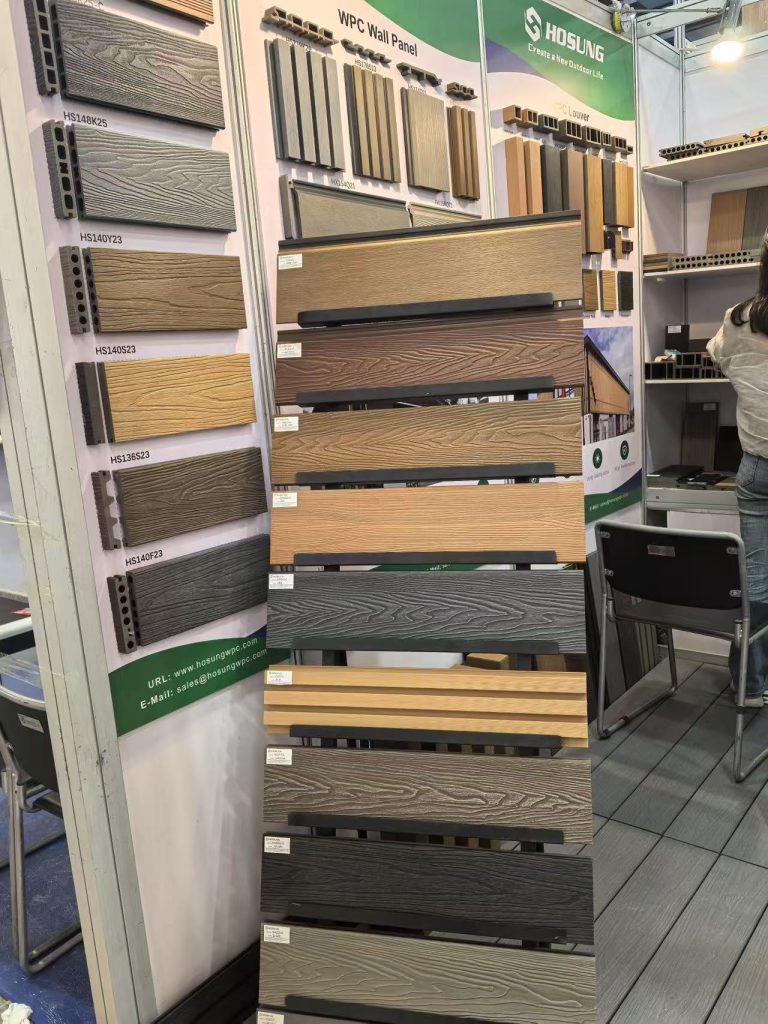
For homeowners and developers planning future outdoor spaces, composite decking remains one of the most practical and forward-looking choices available. Welcome to contact Hosung for details!