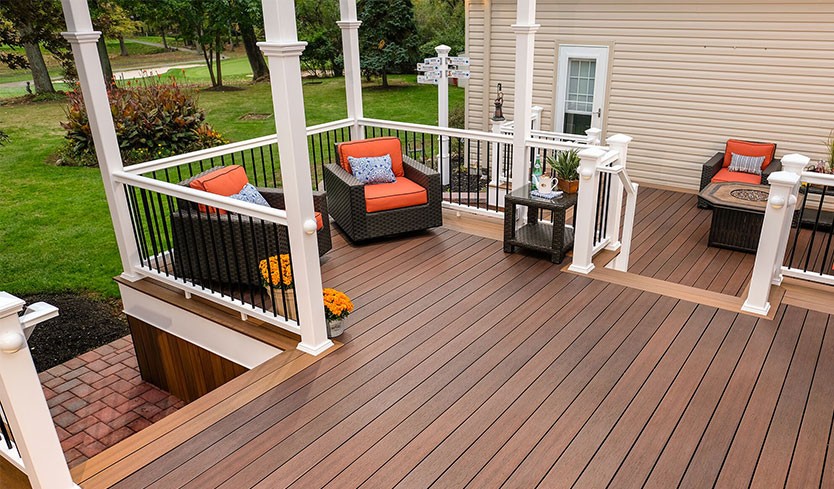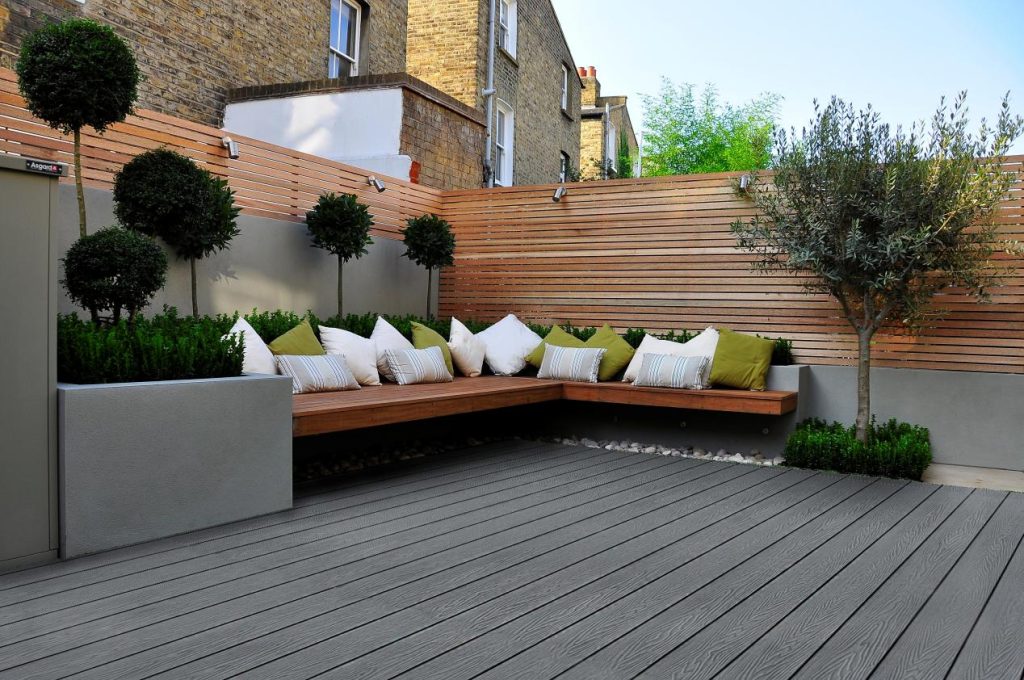
When designing the perfect patio, one of the most important decisions you’ll make is the type of decking material to use. Among the most popular options available today is composite decking. Known for its durability, low maintenance, and aesthetic appeal, composite decking is an excellent choice for anyone looking to upgrade their patio. This comprehensive guide explores the different types of composite decking materials, comparing their features, benefits, and drawbacks to help you select the best option for your patio. Whether you are looking for enhanced longevity, aesthetic flexibility, or environmental friendliness, there is a composite decking solution for you.
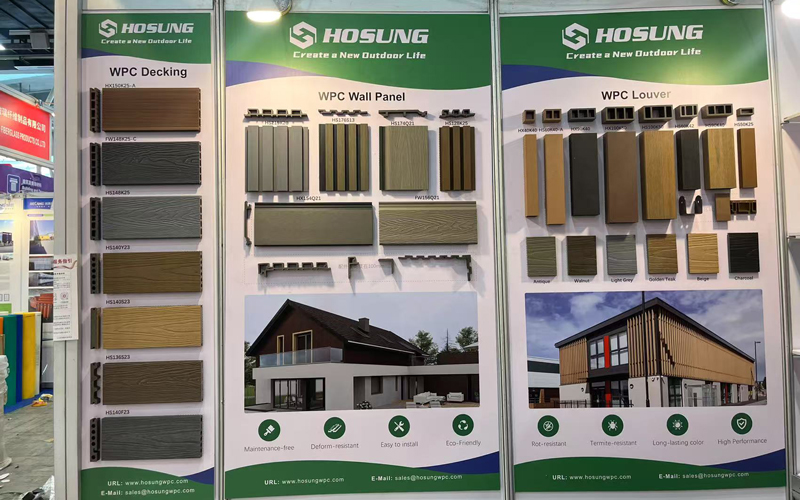
Table of Contents
What is Composite Decking?
Composite decking is made from a combination of wood fibers, plastic, and other materials. It is designed to mimic the look and feel of natural wood but with added benefits, such as resistance to rot, fading, and splintering. This makes composite decking ideal for patios, where exposure to the elements is inevitable.
The key advantages of composite decking include:
- Durability: Resistant to moisture, mold, and mildew.
- Low Maintenance: Requires minimal cleaning and no staining or sealing.
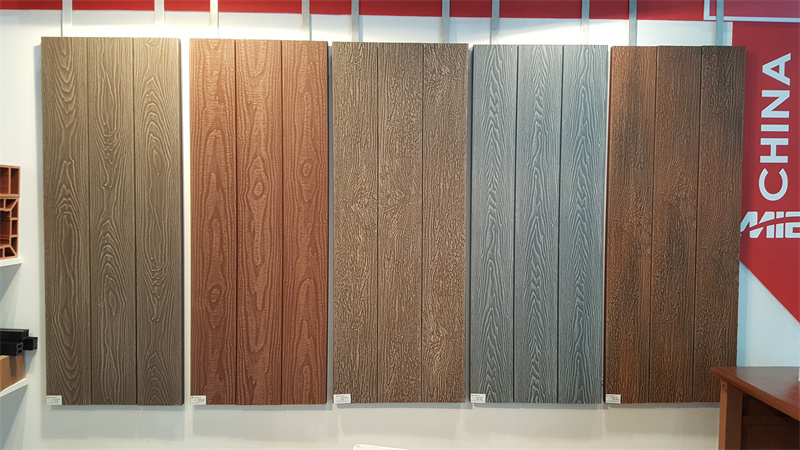
- Aesthetic Appeal: Available in a variety of styles, colors, and finishes.
- Sustainability: Made from recycled materials, composite decking is eco-friendly.
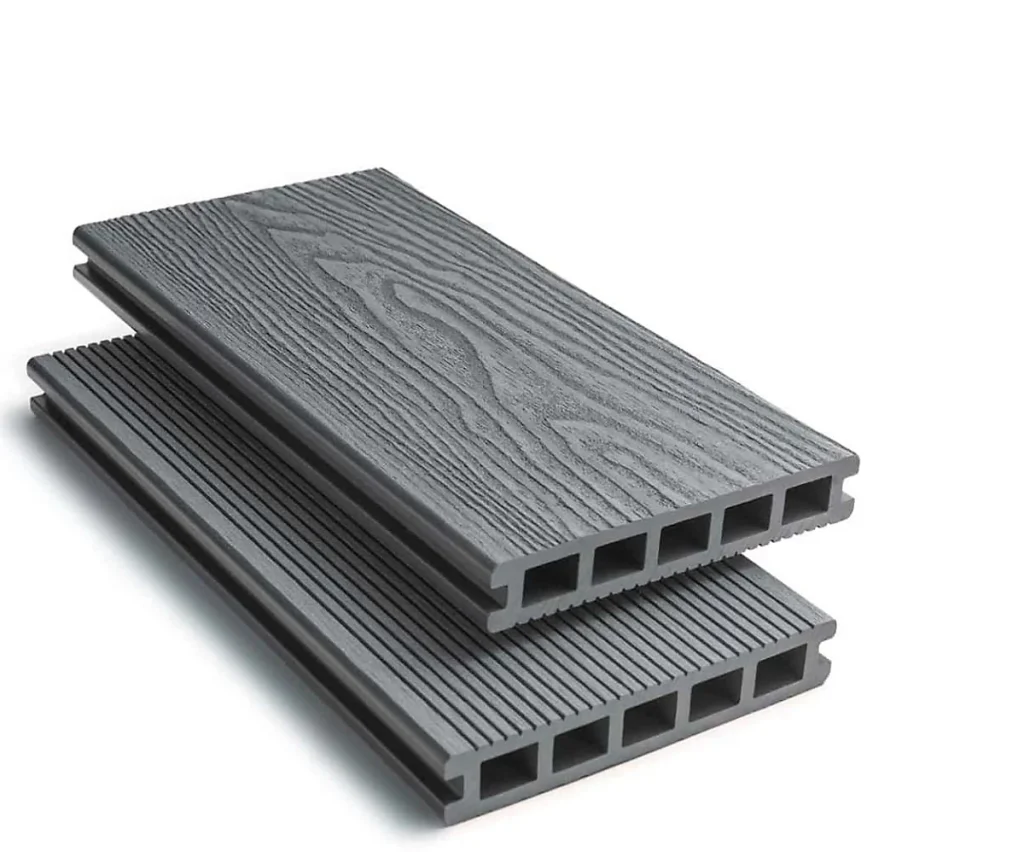
Types of Composite Decking for Patio
Composite decking materials can be divided into three main categories: capped composite, uncapped composite, and PVC decking. Each type has its unique characteristics, making it suitable for different patio needs.
1. Capped Composite Decking
Capped composite decking is the most advanced type of composite decking. It features a core made of wood fibers and plastic, with an additional protective layer (the “cap”) around the surface. The cap is designed to enhance durability and offer resistance to stains, scratches, and UV damage.
Pros of Capped Composite Decking:
- Weather Resistant: The cap prevents moisture from penetrating the decking, making it highly resistant to rot and mildew.
- Color Retention: The capped layer helps maintain the color of the decking over time, preventing fading from sun exposure.
- Easy to Clean: The non-porous surface resists staining from food, drink, or dirt.
Cons of Capped Composite Decking:
- Price: It tends to be more expensive than uncapped composite or PVC decking.
- Installation: Capped composite can be slightly more challenging to install due to its denser construction.
Recommended Brands:
- Trex Transcend: Known for its luxury feel and exceptional performance, Trex Transcend offers a wide range of colors and textures to suit any patio style.
- TimberTech AZEK: TimberTech’s capped composite decking offers a realistic wood grain finish and unmatched resistance to fading, scratching, and stains.
2. Uncapped Composite Decking
Uncapped composite decking is made from the same wood-plastic composite material as capped decking, but without the protective surface layer. While this type of decking offers the same core benefits of composite material, it is more susceptible to staining, fading, and wear over time.
Pros of Uncapped Composite Decking:
- Affordability: Generally more budget-friendly than capped composite decking.
- Environmentally Friendly: Often made with more recycled content than capped versions.
Cons of Uncapped Composite Decking:
- Durability: Less resistant to moisture, fading, and stains.
- Maintenance: Requires more frequent cleaning and sealing compared to capped composite decking.
Recommended Brands:
- Fiberon Horizon: Offers a variety of stylish, fade-resistant finishes at a slightly lower price point than capped composite decking.
- EverGrain: Known for its eco-friendly manufacturing process, EverGrain provides affordable composite decking with a natural wood-like look.
3. PVC Decking
While not technically composite decking, PVC decking is often grouped with it due to its similar appearance and performance. PVC decking is made entirely of plastic, without any wood fibers. It is incredibly resistant to moisture, making it an excellent option for areas with high humidity or heavy rainfall.
Pros of PVC Decking:
- Waterproof: PVC decking is impervious to water, making it ideal for wet climates.
- Low Maintenance: Does not require sealing or staining and is resistant to mold and mildew.
- Durability: Extremely resistant to scratches, fading, and stains.
Cons of PVC Decking:
- Appearance: Although PVC decking can mimic wood, it lacks the natural look and feel of wood grain that composite decking provides.
- Temperature Sensitivity: PVC decking can get very hot in direct sunlight, which may make it uncomfortable to walk on barefoot in the summer.
Recommended Brands:
- Zuri by Royal: A high-end PVC decking brand that offers a rich wood look, UV protection, and exceptional fade resistance.
- Fiberon Sanctuary: A great alternative to wood, with superior performance in high-moisture environments and minimal maintenance.
4. Bamboo Decking
Bamboo decking is an eco-friendly alternative to traditional wood and composite materials. Made from bamboo grass, this type of decking has gained popularity due to its sustainability and unique appearance.
Pros of Bamboo Decking:
- Sustainable: Bamboo is one of the fastest-growing plants on Earth, making it a highly renewable resource.
- Durability: Bamboo decking is resistant to insects and decay, and it offers a natural resistance to moisture.
- Aesthetic Appeal: Bamboo has a natural and exotic appearance that can add an elegant, organic touch to your patio.
Cons of Bamboo Decking:
- Maintenance: Bamboo decking requires periodic sealing to protect it from moisture and to maintain its appearance.
- Price: While it’s eco-friendly, bamboo decking can be more expensive than standard wood decking.
Recommended Brands:
- Mosoh Bamboo Decking: Offers a wide range of bamboo decking options that combine beauty with durability.
- Terra Mater: Known for its environmentally friendly manufacturing processes, Terra Mater provides high-quality bamboo decking with a rich, natural finish.
5. Wood Decking (Traditional)
Traditional wood decking remains a popular choice for patios, especially for those who prefer the natural look of wood. Common types of wood used for decking include cedar, redwood, and pressure-treated pine.
Pros of Wood Decking:
- Classic Look: The rich, natural aesthetic of wood remains unmatched by synthetic materials.
- Customizable: Wood can be stained or painted to match the desired aesthetic of your patio.
- Affordability: Traditional wood decking is generally less expensive than composite or PVC decking options.
Cons of Wood Decking:
- Maintenance: Wood requires regular maintenance, including staining, sealing, and cleaning, to prevent rot, splintering, and fading.
- Durability: Wood is susceptible to damage from moisture, pests, and UV exposure.
- Environmental Impact: Non-sustainably harvested wood can contribute to deforestation.
Recommended Brands:
- CedarSafe: Known for its sustainable cedar decking, CedarSafe provides a classic look that resists rot and insects.
- Trex Select: While a composite, Trex Select mimics the appearance of wood and is an excellent low-maintenance alternative to traditional wood decking.
6. Aluminum Decking
Aluminum decking is a highly durable, long-lasting material made entirely from aluminum. This type of decking is known for its lightweight nature, excellent resistance to the elements, and minimal maintenance requirements.
Pros of Aluminum Decking:
- Durable: Aluminum decking is extremely resistant to moisture, insects, and rot.
- Low Maintenance: It requires minimal upkeep and does not need to be stained or sealed.
- Lightweight: Aluminum is lighter than wood or composite decking, making it easier to handle and install.
Cons of Aluminum Decking:
- Price: Aluminum decking is one of the more expensive options available.
- Appearance: While aluminum decking offers a modern, sleek look, it may not have the same aesthetic appeal as wood or composite decking, especially for those seeking a more traditional or rustic design.
- Heat Retention: Aluminum can absorb and retain heat, which might make it uncomfortable to walk on during hot weather.
Recommended Brands:
- Dekorators ALX: Offers stylish, durable aluminum decking solutions with a variety of finishes.
- TruNorth: Known for providing high-quality aluminum decking that is rust-proof and resistant to fading.
7. Recycled Plastic Decking
Recycled plastic decking is made from post-consumer and post-industrial plastic waste, making it an excellent choice for environmentally-conscious homeowners. It is similar in appearance to wood, but it offers better performance in certain aspects like moisture resistance.
Pros of Recycled Plastic Decking:
- Eco-Friendly: Made from recycled plastic, it reduces the need for new materials and helps keep waste out of landfills.
- Durability: Recycled plastic decking is resistant to moisture, rotting, and insects.
- Low Maintenance: It doesn’t require painting, staining, or sealing.
Cons of Recycled Plastic Decking:
- Appearance: Recycled plastic may not look as natural as wood or composite options, especially in terms of texture.
- Flexibility: It may not offer as much variety in color or texture as other materials like composite or PVC decking.
Recommended Brands:
- Trex Enhance: While primarily made of composite materials, Trex Enhance uses recycled plastic as part of its formulation, offering a sustainable option with great durability.
- Eon Decking: Eon provides fully recycled plastic decking that is UV-stable and resistant to fading, making it perfect for outdoor spaces exposed to the sun.
8. Hybrid Decking
Hybrid decking combines the best features of various materials, offering a balance of durability, aesthetics, and eco-friendliness. This material typically blends composite with other substances, such as PVC or recycled wood fibers, to achieve superior performance.
Pros of Hybrid Decking:
- Durability: By combining different materials, hybrid decking maximizes resistance to the elements, fading, and wear.
- Eco-Friendly: Hybrid decking typically incorporates recycled materials, making it a more sustainable option.
- Aesthetic Appeal: Hybrid decking can mimic the look of wood while providing the low-maintenance benefits of synthetic materials.
Cons of Hybrid Decking:
- Cost: Hybrid decking materials can be more expensive than traditional composite or wood decking.
- Complex Installation: Some hybrid decking solutions may require more specialized installation techniques due to their unique construction.
Recommended Brands:
- Deckorators Voyage: A top-tier hybrid decking that combines composite materials with mineral-based technology for added strength and beauty.
- AZEK Vintage Collection: Offers a wide range of hybrid decking options designed to mimic wood while offering unparalleled resistance to stains and scratches.
How to Choose the Best Composite Decking for Your Patio
Selecting the best composite decking for your patio depends on several factors, including your budget, the climate in your area, and the aesthetic you’re aiming for. Below are some key considerations to guide your decision:
1. Budget
Your budget is one of the most important factors when choosing composite decking. Capped composite decking tends to be more expensive than uncapped composite or PVC decking, but it offers superior durability and a more attractive appearance. If you’re looking for a more budget-friendly option, uncapped composite or PVC decking may be more appropriate.
2. Climate and Exposure to the Elements
Consider the climate where you live. If your patio is exposed to a lot of sunlight, capped composite or PVC decking may be the best option, as both are resistant to UV damage. On the other hand, if you live in a region with heavy rainfall or high humidity, PVC decking is a great choice due to its waterproof nature.
3. Aesthetic Preferences
Think about the look you want for your patio. Capped composite decking offers the most realistic wood appearance, with options for textured grains and rich colors. If you prefer the look of natural wood, but with a low-maintenance alternative, capped composite is the way to go. PVC decking, while durable, often lacks the warm, natural look of wood.
4. Maintenance Requirements
Capped composite and PVC decking are both low-maintenance options, requiring only occasional cleaning. Uncapped composite decking, however, may need more frequent attention, such as resealing or stain removal, to maintain its appearance.
5. Longevity
If you’re looking for long-term investment, capped composite and PVC decking offer the most durability. Capped composite decking is resistant to scratches, fading, and staining, and it will maintain its appearance for many years. PVC decking, while also highly durable, is even more resistant to water and mold, making it ideal for areas with high moisture levels.
Conclusion
Choosing the best composite decking from Hosung for your patio comes down to a combination of factors: durability, appearance, maintenance, and cost. Capped composite decking offers the best balance of performance and aesthetic appeal, making it a great choice for most patio designs. For those on a budget, uncapped composite or PVC decking provides excellent alternatives, depending on climate and aesthetic preferences.
No matter which type of composite decking you choose, ensure that it fits your lifestyle and enhances the overall beauty and functionality of your outdoor space. With the right decking, you’ll enjoy a beautiful and low-maintenance patio for years to come.