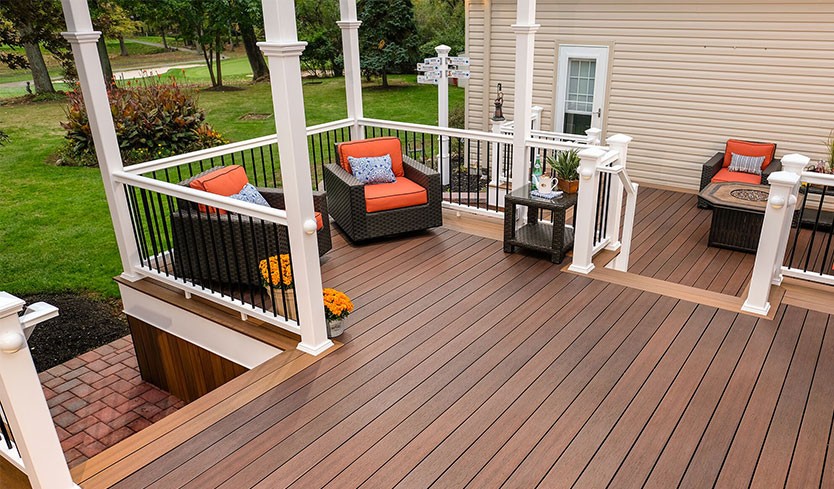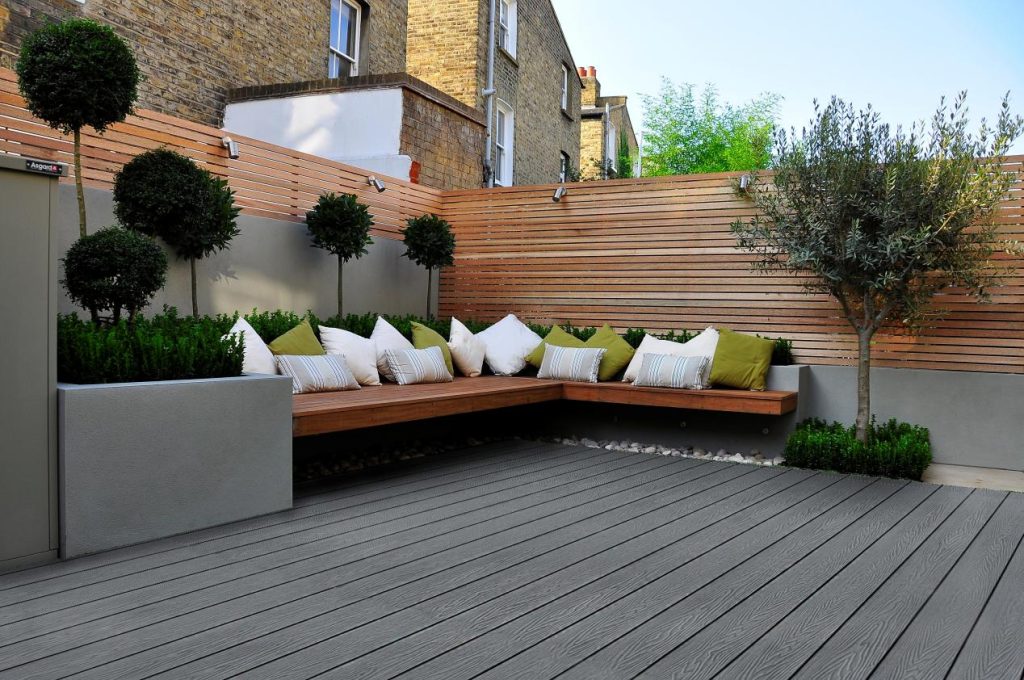
When it comes to decking, choosing the right material can make all the difference in the look, feel, and longevity of your outdoor space. Composite decking has become an increasingly popular choice due to its combination of durability, low maintenance, and aesthetic appeal. However, not all composite decking materials are created equal. In this article, we’ll explore the different types of composite decking materials available on the market, their unique benefits, and how to select the right one for your outdoor project.
Table of Contents
Why Choosing the Right Deck Material Matters in Canada
1. Wood-Plastic Composite (WPC) Decking
Wood-Plastic Composite (WPC) decking is one of the most popular options for homeowners looking for a durable, low-maintenance deck. It combines wood fibers with plastic resins, creating a product that mimics the natural beauty of wood while offering enhanced durability. Here’s why WPC decking is a top contender:
Advantages of WPC Decking:
- Durability: WPC decks are resistant to moisture, fading, and warping. Unlike traditional wood, WPC won’t crack or splinter over time, making it ideal for high-traffic areas and harsh weather conditions.
- Low Maintenance: One of the key benefits of WPC decking is its low maintenance requirements. It doesn’t need to be sanded, stained, or painted regularly, reducing the time and cost of upkeep.
- Eco-Friendly: Since WPC decking uses a combination of recycled wood fibers and plastic resins, it’s a more sustainable option compared to traditional wood decking.
- Aesthetic Appeal: WPC boards come in a variety of colors and textures, allowing you to customize your deck to match your outdoor style.
2. High-Density Polyethylene (HDPE) Composite Decking
High-Density Polyethylene (HDPE) composite decking is another popular material known for its strength and longevity. It is made from high-quality recycled plastic, making it an eco-friendly choice for homeowners. Here’s why HDPE decking stands out:
Advantages of HDPE Decking:
- Superior Strength: HDPE composite decking is known for its incredible strength. It resists dents, scratches, and impacts, making it a great option for areas with heavy foot traffic or furniture.
- Water Resistance: HDPE is highly resistant to water and moisture, which means it won’t rot, swell, or degrade when exposed to the elements. This makes it ideal for pool decks, coastal areas, and other high-moisture environments.
- Easy Cleaning: HDPE composite decking is incredibly easy to clean, requiring only periodic washing with soap and water to maintain its appearance.
- Environmental Benefits: As HDPE decking is made from recycled plastic, it helps reduce the environmental impact of plastic waste.
3. PVC (Polyvinyl Chloride) Composite Decking
PVC composite decking is made entirely from plastic, meaning it has no wood fibers in its composition. This results in a material that’s resistant to almost all of the issues that affect wood decking, such as rotting, splintering, and insect damage. Let’s take a closer look at the advantages of PVC decking:
Advantages of PVC Decking:
- Ultimate Durability: PVC decking is incredibly durable and long-lasting. It’s resistant to staining, fading, and mold, making it a great option for decks exposed to high levels of sun or moisture.
- Low Maintenance: Like WPC decking, PVC decking requires very little maintenance. It doesn’t need to be sanded, stained, or sealed, and it’s easy to clean with soap and water.
- Non-Slip Surface: PVC decking has a naturally smooth surface that is resistant to mold and mildew, ensuring that your deck remains slip-free, even in wet conditions.
- Wide Range of Colors: PVC decking comes in a variety of colors and finishes, allowing homeowners to achieve the perfect look for their outdoor space.
4. Capped Composite Decking
Capped composite decking is a relatively recent innovation in the composite decking industry. This type of decking is made from wood-plastic composite materials, but it is covered with a layer of protective plastic (or cap) to offer additional protection. The cap makes it more resistant to moisture, dirt, and wear. Let’s look at the key benefits:
Advantages of Capped Composite Decking:
- Enhanced Protection: The protective cap provides an extra layer of durability, making capped composite decking highly resistant to scratches, stains, and fading. This makes it an excellent choice for decks that experience heavy wear.
- Longer Lifespan: Due to the additional layer, capped composite decking often has a longer lifespan than traditional composite materials.
- Stain and Fade Resistance: The capped surface significantly reduces the likelihood of stains or fading, even in areas with intense sunlight or exposure to moisture.
- Low Maintenance: Capped composite decking still maintains the low-maintenance properties of traditional composite decking, so you won’t need to worry about sanding, staining, or sealing.
5. Bamboo Composite Decking
Bamboo composite decking is a unique and eco-friendly option made from bamboo fibers mixed with plastic resins. Bamboo is known for its sustainability, strength, and fast-growing nature, making it an ideal material for composite decking.
Advantages of Bamboo Composite Decking:
- Sustainability: Bamboo is one of the most sustainable materials available, as it grows quickly and doesn’t require replanting. Choosing bamboo composite decking is an excellent way to reduce your carbon footprint.
- Natural Look: Bamboo composite decking offers a natural, warm look similar to wood but with better performance. It has a distinct, exotic appearance that can elevate the aesthetic appeal of your outdoor space.
- Durability: Bamboo composite decking is strong and resistant to rot, splintering, and insect damage, offering a long-lasting decking solution.
- Low Maintenance: Like other composite materials, bamboo composite decking requires minimal maintenance, and cleaning is as simple as using soap and water.
6. Co-Extruded Composite Decking
Co-extruded composite decking is made using a process in which a protective layer is applied to the decking surface during manufacturing. This layer typically consists of a high-quality resin, which ensures greater resistance to the elements and wear. Here are the benefits of co-extruded composite decking:
Advantages of Co-Extruded Composite Decking:
- Superior Resistance to Stains and Scratches: The outer resin layer provides increased protection against stains and scratches, ensuring your deck stays looking pristine for longer.
- Enhanced Fade Resistance: The co-extrusion process also enhances the material’s ability to resist fading, even under intense sunlight or harsh weather conditions.
- Low Maintenance: Like other composite materials, co-extruded decking requires little to no maintenance beyond periodic cleaning, saving you time and effort.
- Improved Durability: The combination of the composite core and protective outer layer makes co-extruded decking exceptionally durable and long-lasting.
7. Tropical Composite Decking
Tropical composite decking is designed to replicate the look and feel of tropical hardwoods like teak, mahogany, or ipe. It combines a mix of wood fibers and plastic to create a material that looks like real wood but performs much better. Let’s take a closer look at why tropical composite decking is a great option:
Advantages of Tropical Composite Decking:
- Authentic Wood Look: Tropical composite decking closely mimics the appearance of hardwood, offering a sophisticated, luxurious look for your outdoor area.
- Durability: While tropical hardwoods can be expensive and require significant upkeep, tropical composite decking offers similar beauty with greater durability and low maintenance.
- Moisture Resistance: Tropical composite decking is highly resistant to water, which means it won’t warp, rot, or degrade in damp conditions.
- Eco-Friendly: By using wood fibers and plastic resins, tropical composite decking provides an eco-friendly alternative to natural hardwoods.
8. Rubber Composite Decking
Rubber composite decking is a unique decking option that blends recycled rubber and plastic to create a material that’s flexible, durable, and slip-resistant. While it is less common than other types of composite decking, it is still worth considering for certain outdoor applications.
Advantages of Rubber Composite Decking:
- Shock Absorbent: The rubber composition provides excellent shock absorption, making it an ideal choice for high-impact areas like play areas, sports decks, or gyms.
- Slip Resistance: Rubber decking is highly slip-resistant, even when wet, making it a safer choice for areas prone to moisture, like pool decks or docks.
- Durability: Rubber composite decking is resistant to weathering, UV rays, and abrasions, ensuring a long-lasting and low-maintenance deck.
- Eco-Friendly: Made from recycled materials, rubber composite decking helps reduce the amount of waste in landfills while providing a durable decking solution.
9. Alumicore Composite Decking
Alumicore composite decking is a relatively new and innovative material that incorporates aluminum with composite materials for a lightweight yet strong decking solution. This type of decking is perfect for modern homes and commercial spaces.
Advantages of Alumicore Decking:
- Strength-to-Weight Ratio: Alumicore composite decking offers an exceptional strength-to-weight ratio, making it lightweight yet incredibly strong.
- Fire Resistance: Aluminum is naturally fire-resistant, making alumicore decking a great choice for decks in fire-prone areas.
- Longevity: Alumicore decking is extremely resistant to corrosion and weathering, providing a long-lasting outdoor solution.
- Sleek, Modern Look: With its smooth finish and sleek appearance, alumicore composite decking gives a contemporary look that suits modern outdoor spaces.
Conclusion: Final Recommendation and How to Choose the Right Material
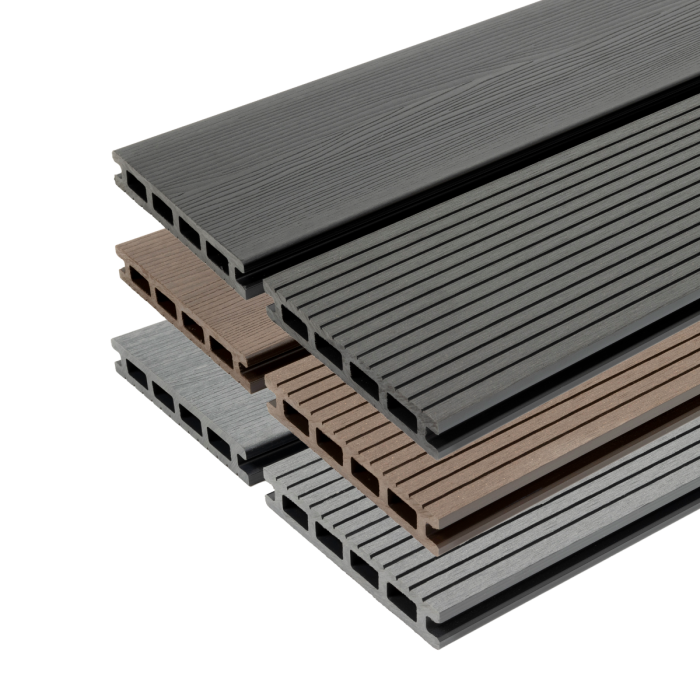
When it comes to choosing the best composite decking material for your outdoor space, it ultimately depends on your specific needs, preferences, and budget. If you’re looking for durability and minimal maintenance, options like HDPE or PVC decking may be the right choice. For those prioritizing environmental sustainability, bamboo composite or wood-plastic composite decking can be excellent alternatives.
Among the various options, capped composite decking and co-extruded decking stand out for their enhanced protection and resistance to staining, fading, and wear. If you’re looking for a natural wood aesthetic, tropical composite decking offers the beauty of hardwood with the benefits of composite materials.
For a well-rounded, durable, and stylish outdoor space, many homeowners find that composite decking offers the best of both worlds. If you’re considering your options, Hosung is a trusted name that provides a variety of composite decking solutions to suit your needs.
Ultimately, the best composite decking material for you will depend on factors such as your climate, design preferences, and how much maintenance you’re willing to commit to. By considering the unique advantages of each material, you can find the perfect decking solution to enhance your outdoor living experience for years to come.