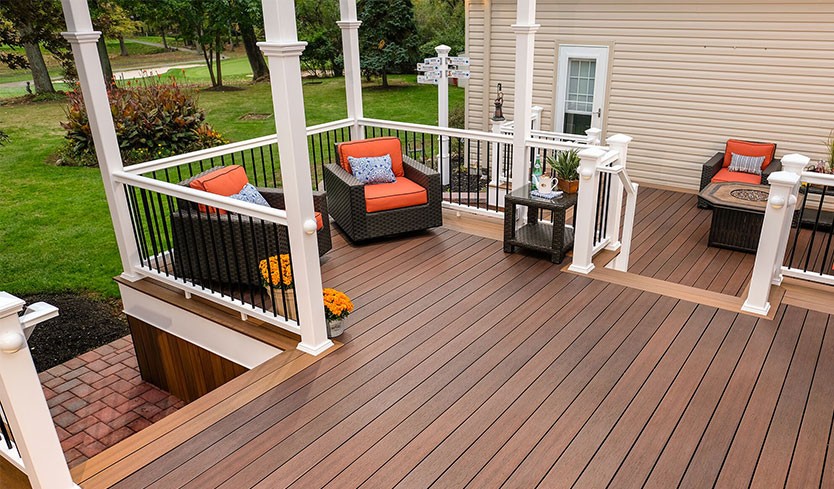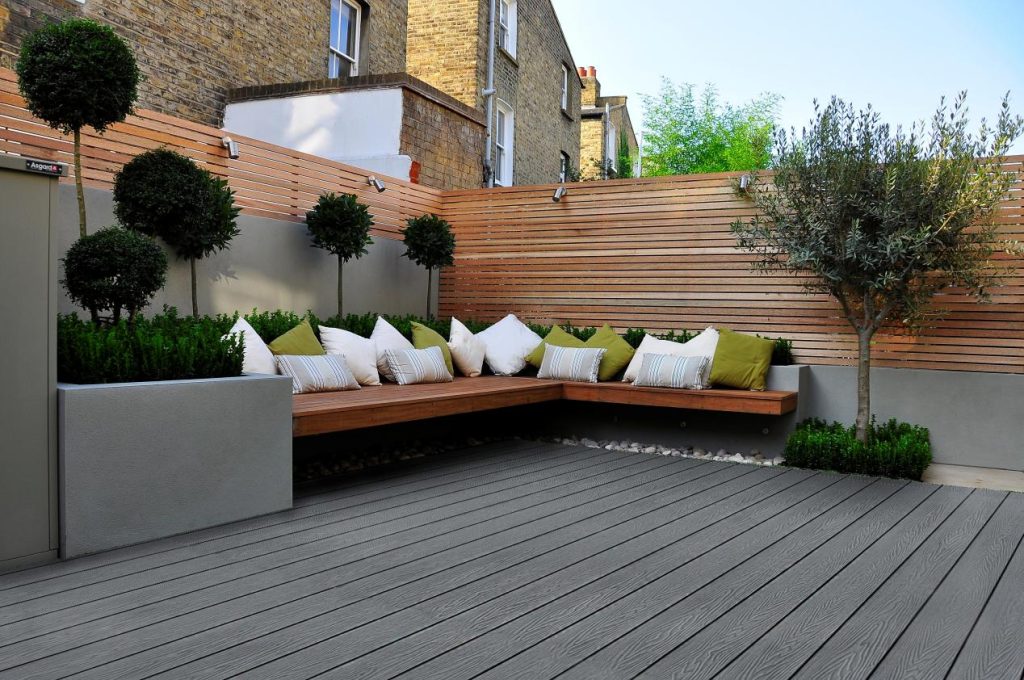
When it comes to outdoor living spaces, one of the most important factors homeowners consider is comfort. A deck is more than just a structural addition to a home—it is an extension of the living area, a place for family gatherings, relaxation, and outdoor entertaining. However, a common problem with many outdoor decks is excessive heat absorption, which makes walking barefoot uncomfortable and even unsafe during hot summer days. This is where the concept of best composite decking that stays cool becomes crucial. Selecting the right type of decking material can significantly enhance comfort, safety, and longevity while providing aesthetic appeal.
Table of Contents
In this article, we will explore the key factors that influence the temperature of composite decking, the benefits of choosing cooler materials, installation techniques that reduce heat, and how to maintain a comfortable outdoor environment. We will also discuss what to look for when shopping for composite decking that prioritizes staying cool, and why some decking options outperform others in heat reduction. Finally, we will touch upon manufacturing insights and how our company, a specialized composite decking manufacturer, contributes to delivering high-performance, cool-to-touch decking solutions.
Understanding Heat and Composite Decking
Composite decking is a popular alternative to traditional wood decking due to its durability, low maintenance, and resistance to rot, insects, and warping. However, like any outdoor material, it is exposed to sunlight and absorbs heat. The surface temperature of decking can rise dramatically on sunny days, creating discomfort and limiting its usability. Understanding how heat interacts with decking materials is the first step toward finding the best composite decking that stays cool.
Several factors affect how hot a deck surface becomes:
Material Composition: Composite decking is made from a blend of wood fibers, plastic, and often additional additives like UV stabilizers. The proportion of these materials influences heat absorption. Decking with higher plastic content, especially with a capped layer or specialized coating, tends to reflect sunlight better and absorb less heat.
Surface Color: Darker colors absorb more sunlight and naturally become hotter than lighter colors. While dark wood tones may be aesthetically appealing, lighter tones such as gray, tan, or beige are better at remaining cool.
Surface Texture: Textured or grooved surfaces create more surface area, which can slightly increase heat retention. Smooth, capped surfaces tend to be cooler and easier to clean.
Environmental Factors: Local climate, sun exposure, and airflow around the deck play a role in temperature. Decks with partial shade or elevated designs with airflow underneath remain cooler than fully exposed, solid decks.
By understanding these factors, homeowners can make informed decisions when selecting composite decking that stays comfortable even during peak sunlight hours.
Benefits of Cool Composite Decking
Choosing decking that stays cool offers multiple advantages beyond comfort:
1. Enhanced Comfort and Usability
Hot decking surfaces can make walking barefoot unpleasant or even painful. Cool decking materials allow families to enjoy their outdoor spaces throughout the day, including during the hottest months. This is particularly important for areas like poolside decks, playgrounds, and patios where barefoot activity is common.
2. Increased Safety
Excessive surface heat can pose a burn risk, especially for children and pets. Using cooler decking materials reduces the risk of burns and allows for safer play and relaxation. This is crucial in regions with intense summer sun exposure.
3. Longevity of the Deck
High heat levels can accelerate the wear of decking materials, leading to fading, warping, and surface degradation. Cooler composite decking materials are less prone to thermal expansion and contraction, which helps maintain their structural integrity over time.
4. Energy Efficiency
Decks that remain cooler can indirectly contribute to energy savings. If your outdoor space includes covered or nearby structures, cooler decking surfaces reduce ambient heat, which can lower the demand for air conditioning inside adjacent buildings.
5. Aesthetic Preservation
High temperatures can cause some decking materials to fade or discolor more rapidly. Choosing a cool composite decking material ensures that your deck retains its original appearance for a longer period, minimizing maintenance efforts and costs.
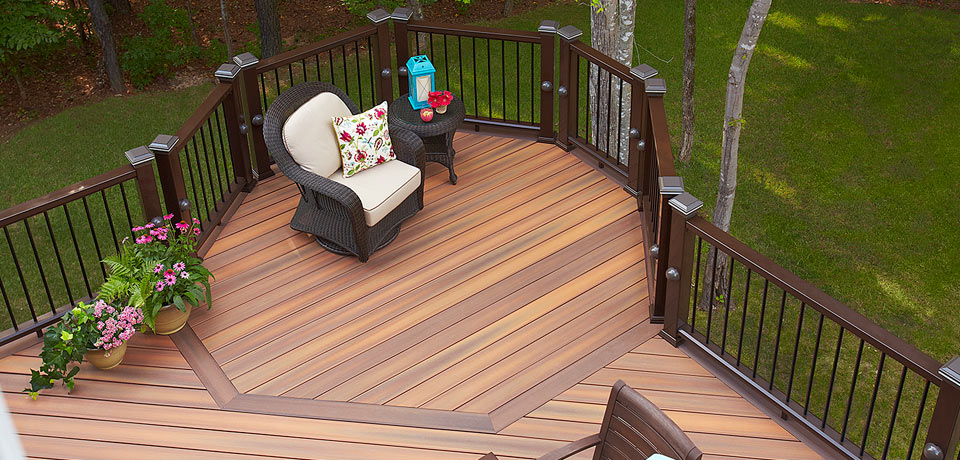
Features to Look for in Cool Composite Decking
Not all composite decking is created equal when it comes to heat resistance. Here are the key features to prioritize when searching for the best composite decking that stays cool:
1. Capped Composite Layers
Many advanced composite decking options feature a capped layer that acts as a protective shell around the core material. This layer is designed to resist UV radiation, prevent fading, and significantly reduce heat absorption. A high-quality capped surface can make a noticeable difference in surface temperature.
2. Light to Medium Color Options
As mentioned earlier, lighter colors naturally stay cooler than dark shades. When choosing decking color, consider soft tans, grays, and muted beige tones. These shades balance aesthetics and performance without compromising style.
3. Reflective Additives
Some composite decking manufacturers incorporate reflective additives or mineral pigments into the material. These additives reflect infrared light, reducing heat buildup and keeping the surface cooler under direct sunlight.
4. Enhanced Airflow Designs
Deck boards that allow for slight gaps and improved ventilation beneath the surface encourage airflow. This reduces heat buildup and promotes a more comfortable surface temperature. Installing your deck with adequate spacing between boards ensures optimal cooling.
5. UV and Weather Resistance
UV-resistant coatings and weatherproofing not only extend the lifespan of your decking but also contribute to temperature regulation. Surfaces that resist UV damage do not absorb as much heat, maintaining a cooler touch even under direct sunlight.
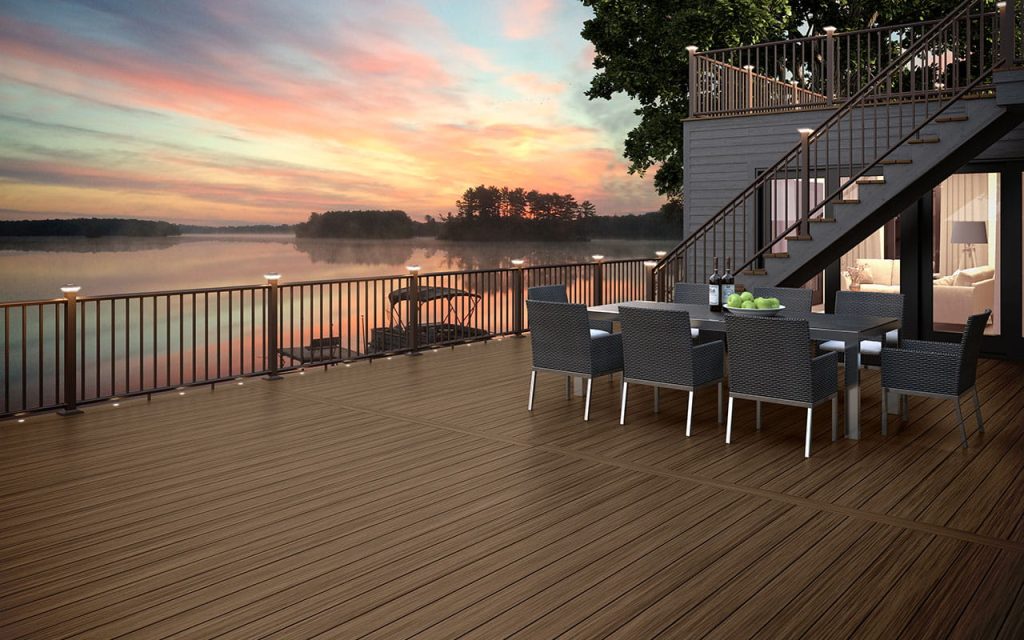
Installation Techniques That Affect Deck Temperature
The way a deck is installed can influence how cool it stays. Consider these installation tips to maximize heat reduction:
1. Proper Ventilation
Elevate the deck and allow air to circulate underneath. A ventilated substructure helps disperse heat absorbed by the decking surface and prevents hot air from becoming trapped.
2. Strategic Orientation
Positioning the deck to minimize direct sunlight exposure during peak hours can lower surface temperatures. For example, orienting the deck with some portion under shade or near trees can significantly reduce heat buildup.
3. Spacing Between Boards
Maintaining proper gaps between decking boards promotes airflow, reduces heat retention, and allows water drainage. Spacing should comply with manufacturer guidelines to ensure both structural integrity and cooling performance.
4. Shade Structures
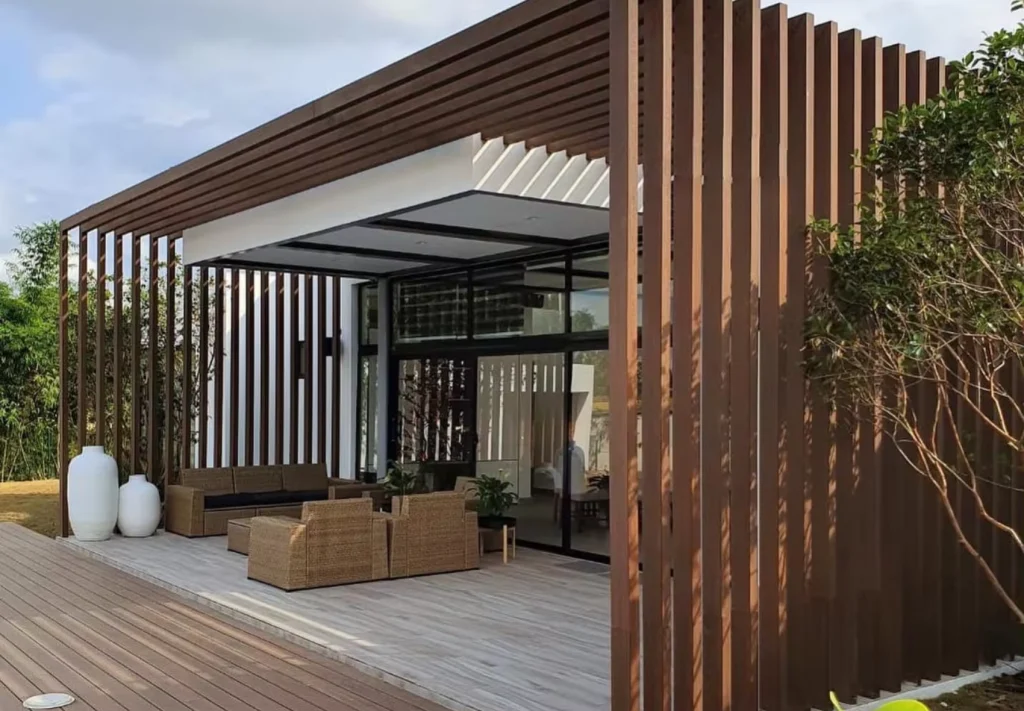
Adding pergolas, retractable awnings, or umbrellas not only protects from sun exposure but also reduces the amount of heat your decking absorbs. Shade can be particularly important in extremely sunny climates.
Maintenance Tips to Keep Decks Cooler
Even the best composite decking that stays cool requires proper maintenance to optimize heat reduction. Here are some strategies:
1. Regular Cleaning
Dirt, debris, and stains can absorb and retain heat. Sweep your deck regularly and wash it with mild detergent to maintain a clean surface that reflects sunlight more efficiently.
2. Avoid Heat-Retaining Coatings
Certain deck sealers or paints can trap heat. If you prioritize a cool surface, choose coatings designed to be reflective and breathable.
3. Trim Nearby Vegetation
Plants and trees can provide shade, but overgrown vegetation may also trap heat. Maintaining a balance ensures your deck benefits from cooling shade without creating hot pockets.
4. Use Outdoor Rugs and Mats Wisely
Rugs and mats provide comfort and style, but they can also retain heat beneath them. Opt for breathable outdoor rugs that allow airflow or remove them during the hottest part of the day.
Factors That Make Certain Composite Decking Cooler
Now, let’s explore why some composite decking materials perform better than others in terms of heat reduction:
1. Core Material Density
The density of the composite core affects heat retention. Boards with a higher plastic content or specialized polymer cores tend to absorb less heat than those with a higher proportion of wood fibers.
2. Surface Coatings
Heat-reflective coatings on the surface can lower temperature by as much as 20–30% compared to untreated composites. These coatings often combine UV resistance with infrared reflection, creating a more comfortable deck.
3. Pigmentation Technology
Innovative pigmentation methods disperse heat and prevent hotspots. Boards with uniform pigmentation reflect sunlight more evenly, preventing uneven heating across the deck surface.
4. Moisture Resistance
Composite boards that absorb less water tend to remain cooler. Moisture-laden boards can heat up due to evaporative processes, so water-resistant compositions contribute to a cooler touch.
5. Board Profile and Shape
Some boards are engineered with hollow cores or channels that improve heat dissipation. Hollow or grooved boards allow air to flow through the structure, cooling the surface more efficiently than solid boards.
Choosing the Right Composite Decking for Your Climate
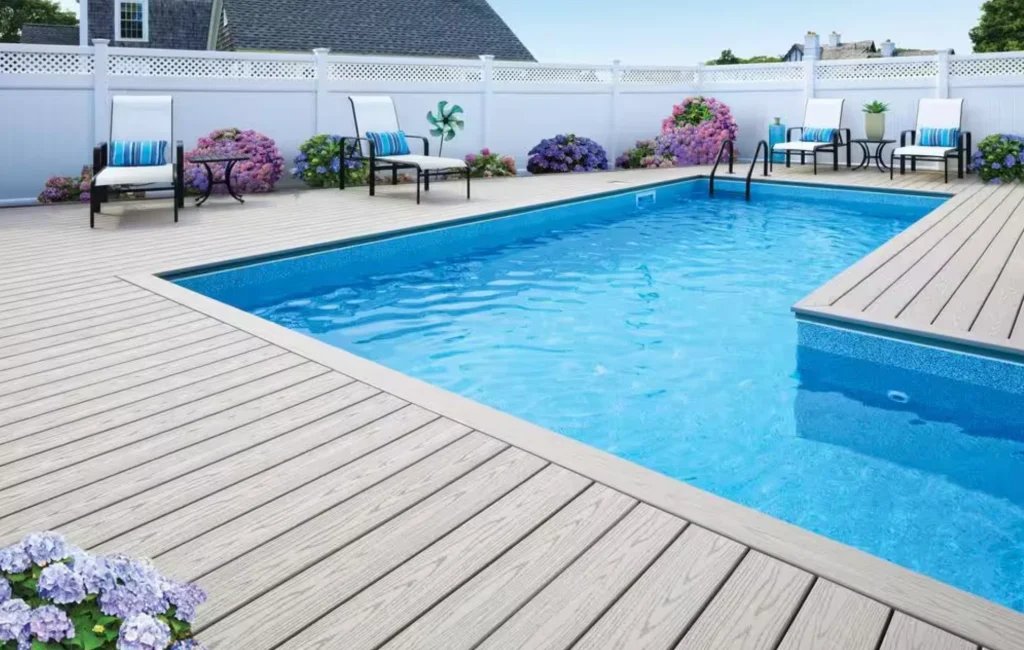
When selecting the best composite decking that stays cool, climate plays a significant role. In hot regions with intense sunlight, light-colored capped composites with reflective additives are ideal. In temperate climates, the focus may be more on aesthetics, but cool-touch decking still adds comfort and safety.
Consider local temperature patterns, sun exposure, and wind conditions when planning your deck. Combining material selection with strategic installation, shade structures, and proper airflow ensures optimal performance.
Why Investing in Cool Decking is Worth It
Some homeowners may hesitate to invest in specialized cool composite decking, but the benefits outweigh the costs:
Comfortable Outdoor Living Year-Round: The ability to walk barefoot without discomfort transforms your deck into a usable, enjoyable space.
Reduced Maintenance and Longer Lifespan: Cooler surfaces reduce thermal stress, preserving board integrity and minimizing replacement costs.
Improved Property Value: Well-designed, comfortable outdoor spaces increase home appeal and resale value.
Environmental Benefits: Lower heat retention contributes to cooler surrounding environments, reducing heat island effects and energy consumption.
By prioritizing cool-touch decking, homeowners create safer, more functional, and aesthetically pleasing outdoor areas.
How Manufacturers Ensure Decking Stays Cool
Leading composite decking manufacturers focus on several strategies to produce materials that remain cool:
Capped Composite Technology: Encasing the board in a protective, UV-resistant layer minimizes heat absorption.
Infrared-Reflective Pigments: Specialized pigments disperse heat efficiently.
Optimized Polymer-Wood Ratios: Balancing plastic and wood fiber content reduces heat retention without compromising strength.
Advanced Surface Texturing: Smooth or lightly textured surfaces reflect sunlight more effectively.
Hollow Core Designs: Air channels within the board dissipate heat faster than solid boards.
These innovations ensure that modern composite decking is not only durable and low-maintenance but also comfortable in high-temperature environments.
Final Considerations
Selecting the best composite decking that stays cool involves balancing aesthetics, functionality, climate considerations, and material properties. By focusing on light to medium colors, capped surfaces, reflective pigments, proper installation, and adequate ventilation, homeowners can create outdoor spaces that remain safe, comfortable, and visually appealing throughout the year.
For those seeking high-performance solutions, our company specializes in manufacturing composite decking that integrates these cooling features. Our products are designed with the latest technology to reduce surface heat, ensure durability, and enhance outdoor living experiences. As a professional manufacturer, we deliver composite decking solutions that meet both practical and aesthetic demands, including options like Hosung composite decking, which exemplify these benefits in real-world applications.
Conclusion
Hot decks can ruin the outdoor experience, but with careful selection and planning, it’s possible to enjoy outdoor living spaces in comfort. By understanding material science, installation techniques, and maintenance strategies, homeowners can confidently choose the best composite decking that stays cool. With innovations in capped surfaces, reflective pigments, and optimized board design, cool composite decking is no longer just a luxury—it’s a necessity for modern outdoor living.
Investing in cool decking ensures that your deck is not only visually stunning but also functional, safe, and enjoyable for family and guests year-round. With the right materials, professional installation, and minimal maintenance, you can enjoy a deck that remains comfortable underfoot, enhances property value, and stands the test of time.