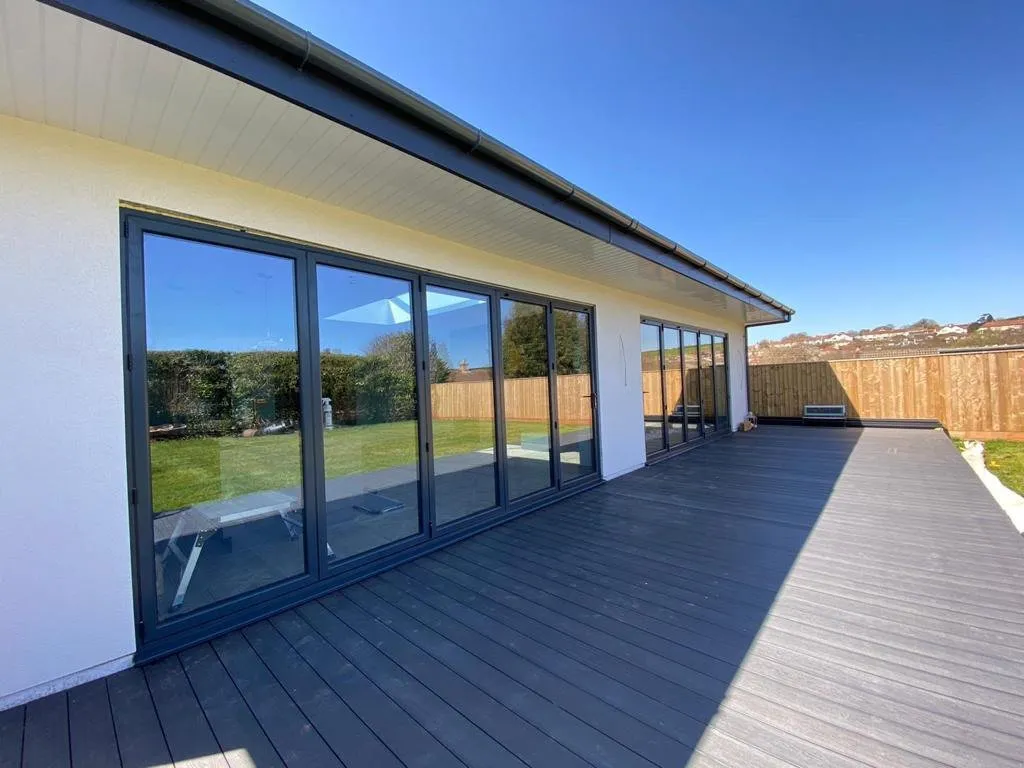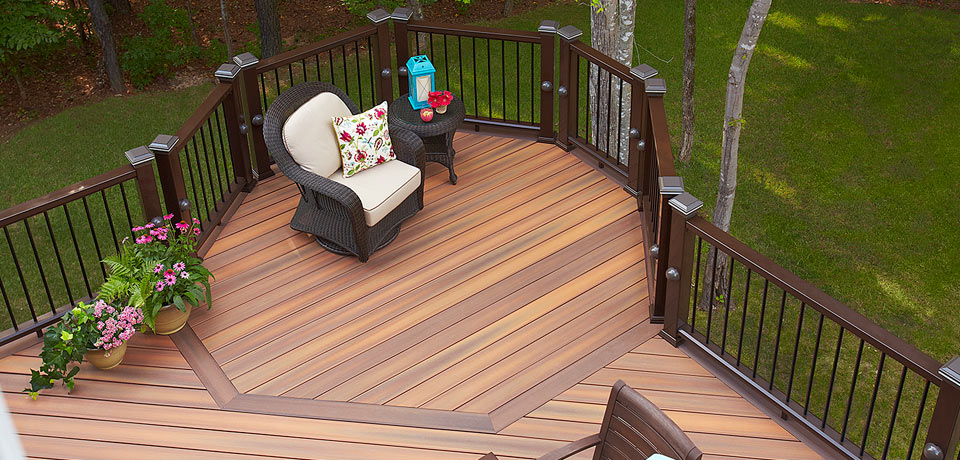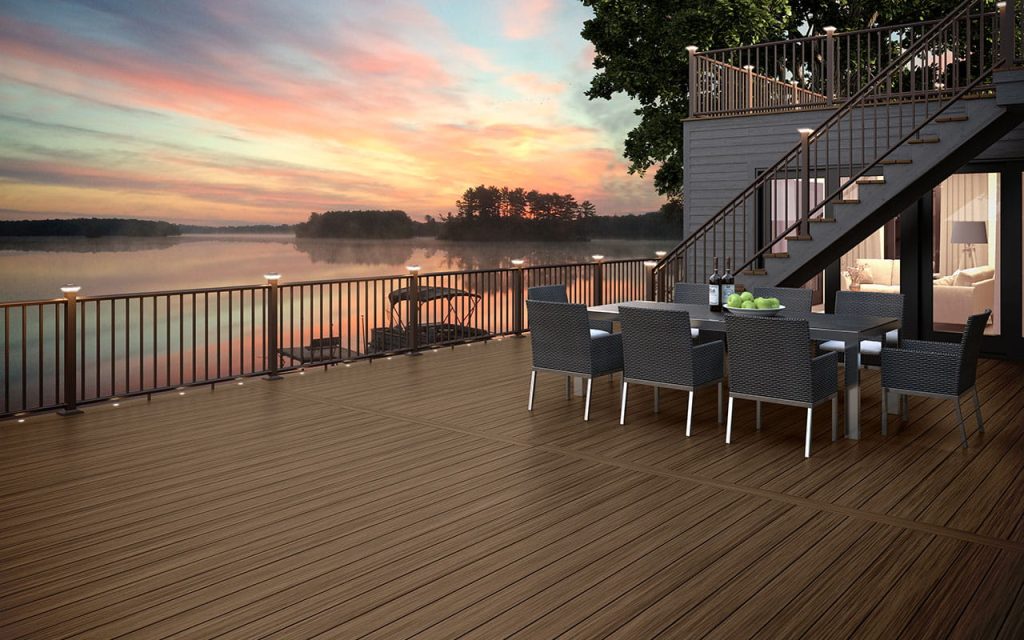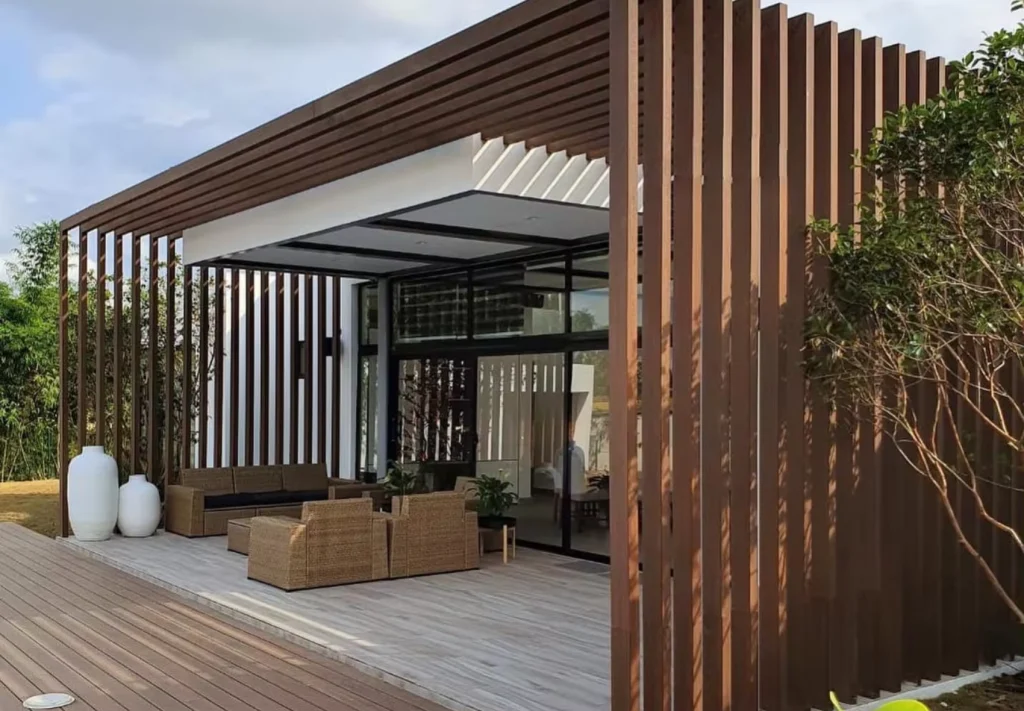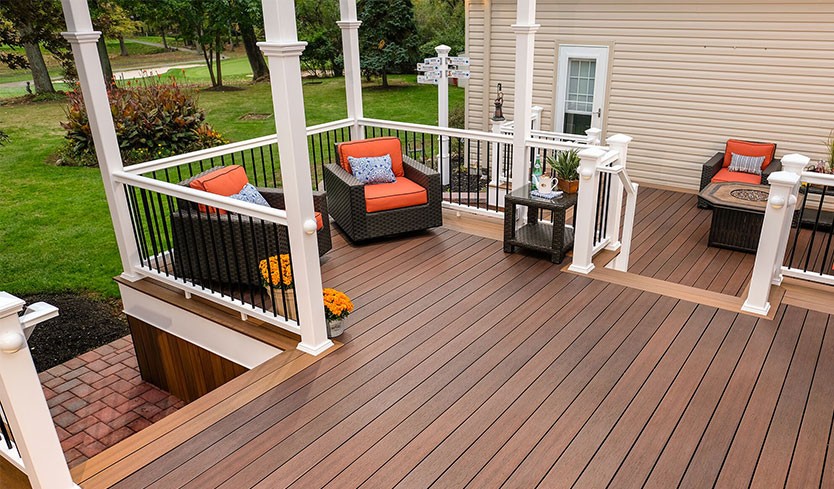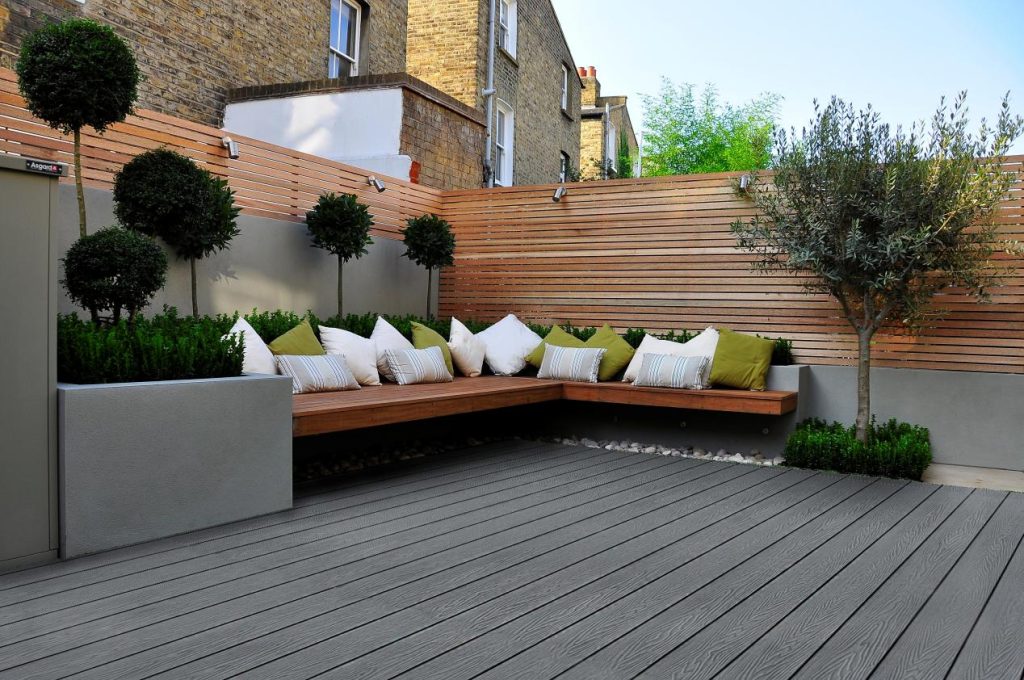
When it comes to outdoor living spaces, few materials have gained popularity as rapidly as composite decking. Homeowners, architects, and commercial project managers increasingly prefer composite decking for its durability, low maintenance, and modern appearance. However, one challenge remains at the forefront of buyer concerns—heat retention. In hot climates or sun-exposed areas, decking surfaces can become uncomfortably hot, limiting usability and safety. This is why choosing the best heat-resistant composite decking has become a critical decision for modern outdoor projects.
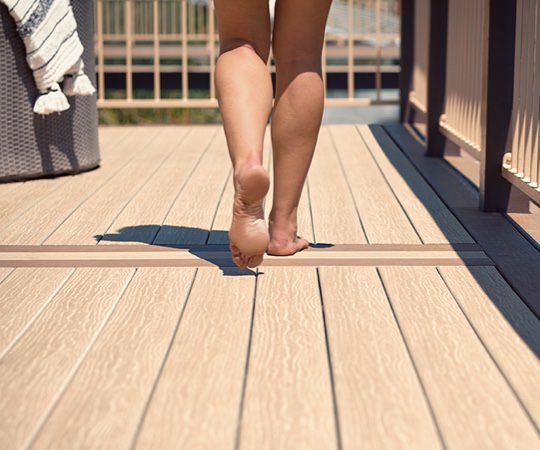
Table of Contents
In this comprehensive guide, we will explore what makes composite decking heat-resistant, how different technologies perform under high temperatures, and how to select the right option for your specific environment. Whether you are designing a residential patio, poolside deck, rooftop terrace, or commercial boardwalk, understanding heat resistance will help you make a smarter long-term investment.
Understanding Heat Buildup in Composite Decking
Composite decking is typically manufactured using a blend of wood fibers and thermoplastic polymers such as polyethylene (PE), polypropylene (PP), or PVC. While this combination provides strength and resistance to moisture, plastic-based materials naturally absorb and retain heat more than traditional wood.
Why Composite Decking Gets Hot
Several factors influence heat buildup on composite decking surfaces:
Material composition – Higher plastic content often leads to greater heat absorption.
Surface color – Darker colors absorb more solar radiation than lighter shades.
Surface texture – Smooth surfaces tend to heat up faster than embossed or grooved finishes.
Sun exposure duration – Decks exposed to full sunlight for extended periods will naturally retain more heat.
Environmental conditions – Ambient temperature, humidity, wind flow, and proximity to reflective surfaces all play a role.
Understanding these variables helps clarify why not all composite decking performs equally in hot weather.
What Defines the Best Heat-Resistant Composite Decking?
Heat-resistant composite decking is designed to remain cooler under direct sunlight compared to conventional composite boards. While no decking material is completely heat-proof, the best options minimize surface temperature increases and cool down faster once shaded.
Key Characteristics of Heat-Resistant Composite Decking
Advanced Capping Technology
High-quality capped composite decking features an outer polymer shell engineered to reflect sunlight rather than absorb it.Heat-Reflective Pigments
Special infrared (IR) reflective pigments reduce heat absorption even in darker color tones.Optimized Material Ratios
Balanced wood-to-polymer ratios can improve thermal performance.Surface Engineering
Textured or wood-grain finishes help disperse heat more effectively.Ventilated Installation Design
Boards designed for airflow underneath cool down faster.
Types of Composite Decking and Their Heat Performance
Not all composite decking materials behave the same in hot environments. Understanding the main types will help identify the best heat-resistant composite decking for your project. Each category has distinct material structures, performance characteristics, and ideal use scenarios, especially when exposed to prolonged sunlight and high ambient temperatures.
1. Traditional Wood-Plastic Composite (WPC)
Traditional WPC decking is made from recycled wood fibers and PE or PP plastics. It is one of the earliest and most widely used composite decking materials on the market, valued for its balance between cost, appearance, and durability.
Heat Performance:
Moderate heat retention compared to solid plastic decking
Lighter colors perform better by reflecting more sunlight
Older-generation boards may get very hot due to limited heat-reflective technology
Surface temperature can rise noticeably in direct midday sun
Best Use:
Shaded residential decks
Areas with pergolas, trees, or partial cover
Mild to moderate climates where extreme heat is not constant
Budget-conscious projects that still require low maintenance
2. Capped Composite Decking
Capped composite decking includes a protective outer layer that enhances UV resistance, moisture protection, and heat reflection. This outer shell is engineered using advanced polymers that significantly improve performance in demanding environments.
Heat Performance:
Significantly cooler than uncapped WPC in direct sunlight
Advanced caps reduce surface temperature through infrared-reflective pigments
Better color stability in hot sun, preventing fading and darkening over time
Faster cooling once shaded due to improved surface technology
Best Use:
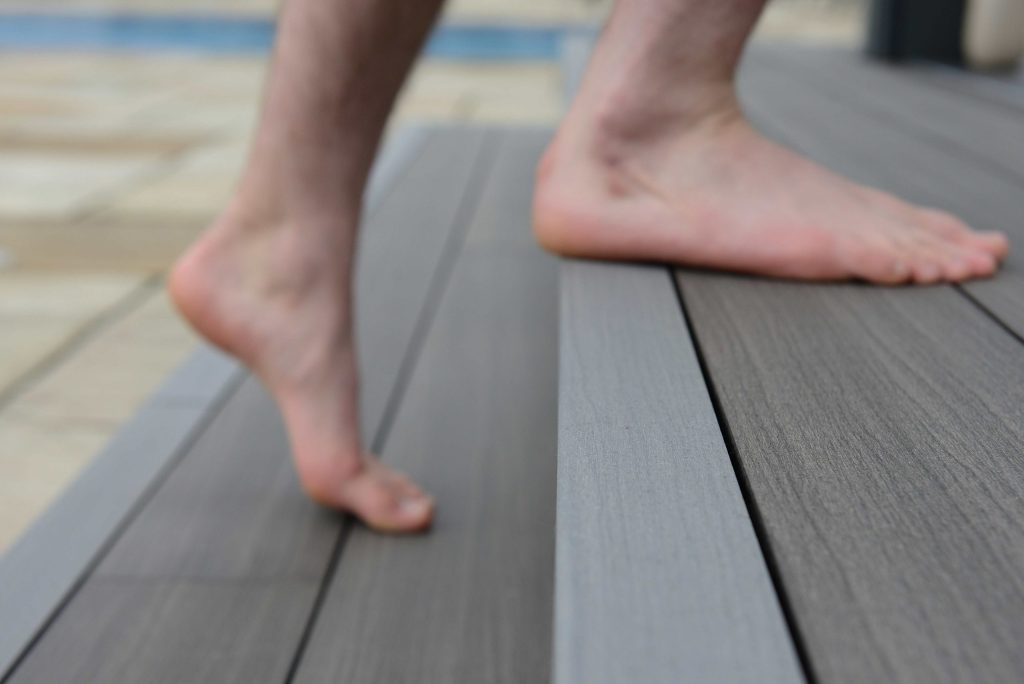
Pool decks where barefoot comfort is essential
Rooftop terraces with continuous sun exposure
High-sun exposure areas in warm or tropical climates
Premium residential and commercial outdoor spaces
3. PVC Composite Decking
PVC decking contains no wood fibers and is entirely synthetic, offering superior resistance to moisture, insects, and mold. It is often chosen for demanding environments where durability is critical.
Heat Performance:
Excellent moisture resistance in wet or coastal climates
Can still retain heat, depending on color and surface finish
Premium PVC boards often include cooling additives and reflective compounds
Performance varies greatly by manufacturer and product grade
Best Use:
Coastal areas exposed to salt air
High-humidity environments
Commercial installations requiring maximum durability
Projects where moisture resistance is prioritized alongside heat control
Color Selection: A Critical Factor in Heat Resistance
One of the most overlooked aspects when choosing the best heat-resistant composite decking is color.
Light vs Dark Colors
Light colors (beige, light gray, sand, ash):
Reflect more sunlight
Stay noticeably cooler
Ideal for barefoot traffic and poolside decks
Dark colors (espresso, walnut, charcoal):
Absorb more heat
Can become uncomfortable in direct sun
New IR-reflective technologies help mitigate this issue
Modern Solutions for Dark Deck Lovers
Many manufacturers now use cool pigment technology, allowing darker boards to stay cooler than older light-colored composites. While still warmer than pale shades, they are far more comfortable than traditional dark decking.
Surface Texture and Its Role in Heat Reduction
Surface design plays a surprisingly important role in temperature control.
Textured vs Smooth Boards
Embossed wood grain textures disperse heat more evenly
Brushed or matte finishes reduce glare and hot spots
Smooth finishes tend to concentrate heat
Choosing boards with natural wood grain embossing improves both comfort and aesthetics.
Installation Methods That Improve Heat Resistance
Even the best heat-resistant composite decking can perform poorly if installed incorrectly.
Ventilation and Airflow
Leave adequate spacing between boards
Ensure sufficient airflow beneath the deck
Avoid solid concrete foundations without ventilation gaps
Elevated vs Ground-Level Decks
Elevated decks cool faster due to airflow
Ground-level decks require extra planning for heat dissipation
Orientation and Shading
East–west board orientation reduces prolonged heat exposure
Incorporate pergolas, umbrellas, or shade sails
Strategic landscaping can significantly lower surface temperatures
Best Heat-Resistant Composite Decking for Pool Areas
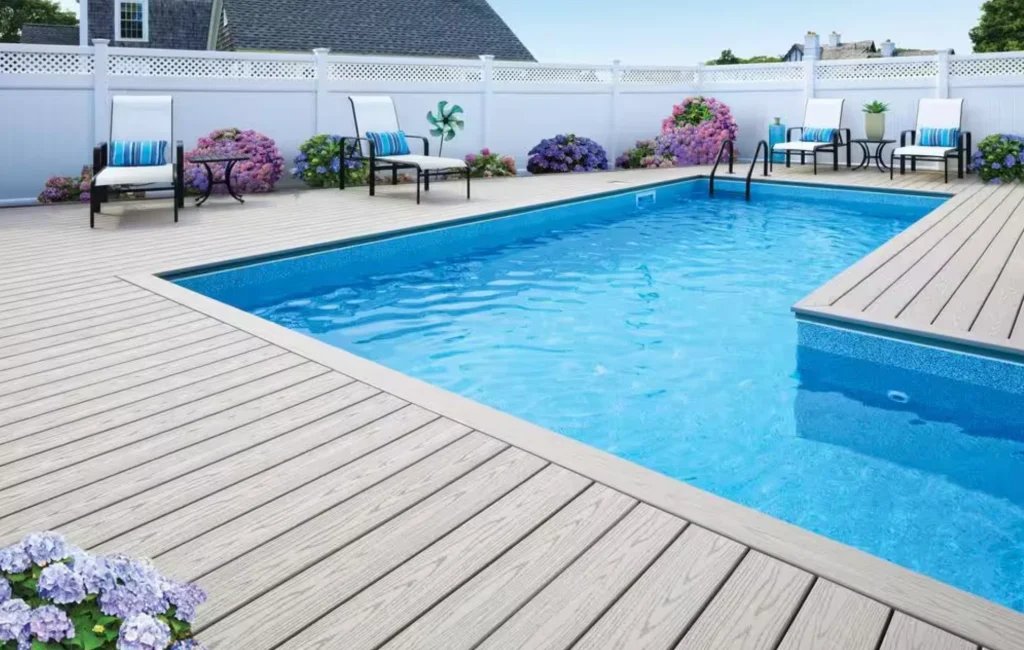
Pool decks demand special attention because users often walk barefoot.
Key Requirements for Poolside Composite Decking
Low heat retention
Slip-resistant surface
Chlorine and salt resistance
UV stability
Capped composite decking with light or medium tones is often the best choice for pool environments. Many premium products are specifically tested for barefoot comfort under direct sunlight.
Heat Resistance vs Other Performance Factors
While heat resistance is important, it should not be the only factor in your decision.
Balancing Key Performance Attributes
| Feature | Importance |
|---|---|
| Heat resistance | High |
| UV resistance | High |
| Moisture resistance | High |
| Structural strength | Medium |
| Color stability | High |
| Maintenance requirements | High |
The best heat-resistant composite decking achieves a balance across all these categories.
Maintenance and Heat Performance Over Time
A common concern is whether composite decking becomes hotter as it ages.
Does Composite Decking Get Hotter Over Time?
High-quality boards with UV-resistant caps maintain consistent heat performance for years. Low-quality composites may darken or degrade, increasing heat absorption.
Maintenance Tips to Maintain Heat Resistance
Regular cleaning removes heat-absorbing dirt
Avoid dark stains or coatings
Rinse decks during extreme heat waves for temporary cooling
Comparing Composite Decking to Wood in Hot Climates
Some buyers assume natural wood is cooler than composite decking.
Composite vs Wood Heat Comparison
Wood may feel cooler initially
Wood dries, cracks, and splinters under extreme heat
Composite decking offers consistent performance and comfort
Modern heat-resistant composite decking often outperforms pressure-treated wood in hot environments.
Best Applications for Heat-Resistant Composite Decking
Heat-resistant composite decking is suitable for a wide range of applications:
Residential patios and backyards
Pool decks and spas
Rooftop terraces
Commercial boardwalks
Outdoor restaurants and cafés
Resorts and hospitality projects
In high-traffic areas, comfort and safety become essential, making heat resistance a top priority.
How to Choose the Best Heat-Resistant Composite Decking for Your Project
When selecting the right product, consider the following checklist:
Climate and sun exposure
Intended use (barefoot traffic or not)
Preferred color range
Installation environment
Budget vs long-term value
Consulting with experienced manufacturers or suppliers can help tailor the solution to your needs.
Final Thoughts: Is Heat-Resistant Composite Decking Worth It?
Choosing the best heat-resistant composite decking is no longer a luxury—it is a necessity for modern outdoor living in warm and sunny regions. With advancements in material science, surface engineering, and installation techniques, today’s composite decking offers comfort, durability, and aesthetics without compromise.
By understanding how heat resistance works and selecting the right combination of color, material, and design, you can create outdoor spaces that remain functional, safe, and enjoyable year-round.
Whether for residential or commercial use, investing in high-quality heat-resistant composite decking ensures long-term satisfaction and superior performance—no matter how high the temperature rises.
For those seeking professional-grade composite decking, Hosung offers a range of high-quality, durable boards designed with heat management in mind. As a dedicated composite decking manufacturer, we provide solutions that balance comfort, aesthetics, and long-term performance.