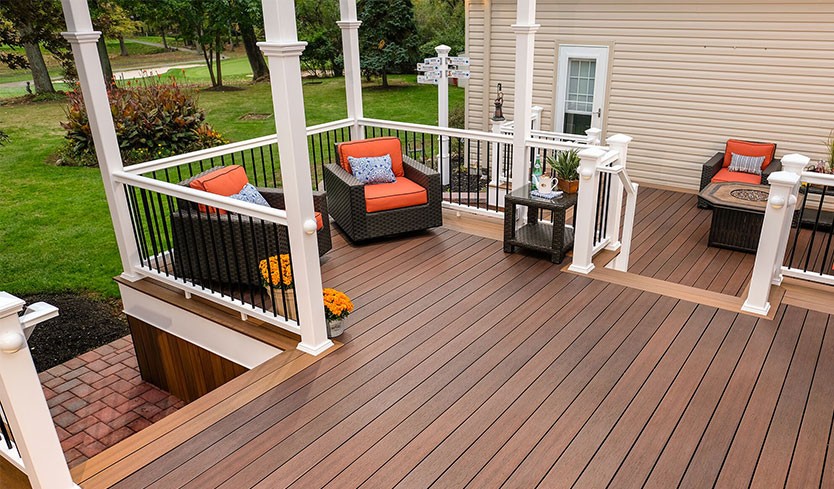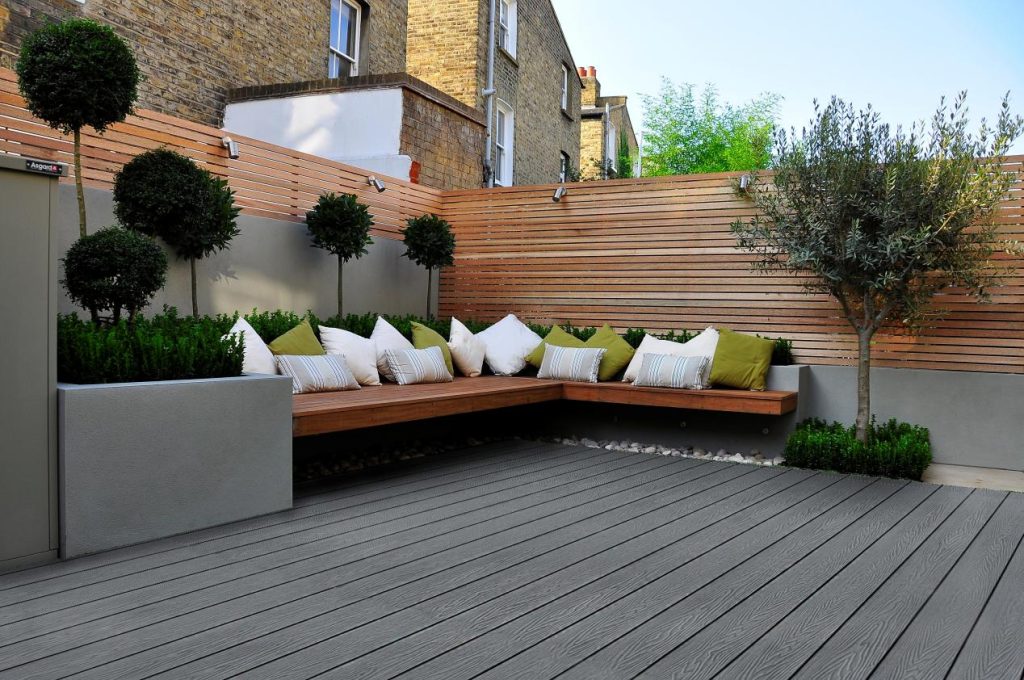
When it comes to outdoor flooring, safety is no longer an optional feature—it’s a core performance requirement. Especially in high-traffic or moisture-prone environments, choosing the best slip resistant composite decking can dramatically improve comfort, durability, and long-term value. Rather than focusing on surface-level descriptions, this article dives deep into types, materials, structural designs, manufacturing technologies, and real-world application scenarios that define truly slip-resistant composite decking. By understanding how different composite decking solutions achieve anti-slip performance, you can make informed decisions for residential, commercial, and industrial projects.
Table of Contents
Slip Resistance as a Design Priority in Composite Decking
Modern outdoor spaces are no longer limited to dry, controlled conditions. Decking surfaces are exposed to rain, humidity, pool splashes, morning dew, grease, sunscreen residue, and temperature fluctuations. In such environments, slip resistance must be engineered into the decking itself rather than added as an afterthought.
The best slip resistant composite decking solutions integrate anti-slip performance through:
Material composition
Surface texture engineering
Structural geometry
Manufacturing processes
Protective outer layers
Each of these factors contributes differently depending on the application.
Categories of Non Slip Composite Decking by Structural Design
Solid Composite Decking with Enhanced Grip
Solid composite decking boards are dense, robust, and often used in high-load areas. When designed for slip resistance, these boards rely heavily on surface micro-texturing and material friction coefficients.
Key characteristics include:
High density for stable footing
Consistent anti-slip texture across the surface
Minimal flex under pressure
Strong performance in wet conditions
Solid boards are commonly selected for:
Public walkways
Commercial terraces
Restaurants and hospitality spaces
High-traffic residential decks
In these environments, best slip resistant composite decking options often feature deeper embossed grain patterns rather than smooth wood-look finishes.
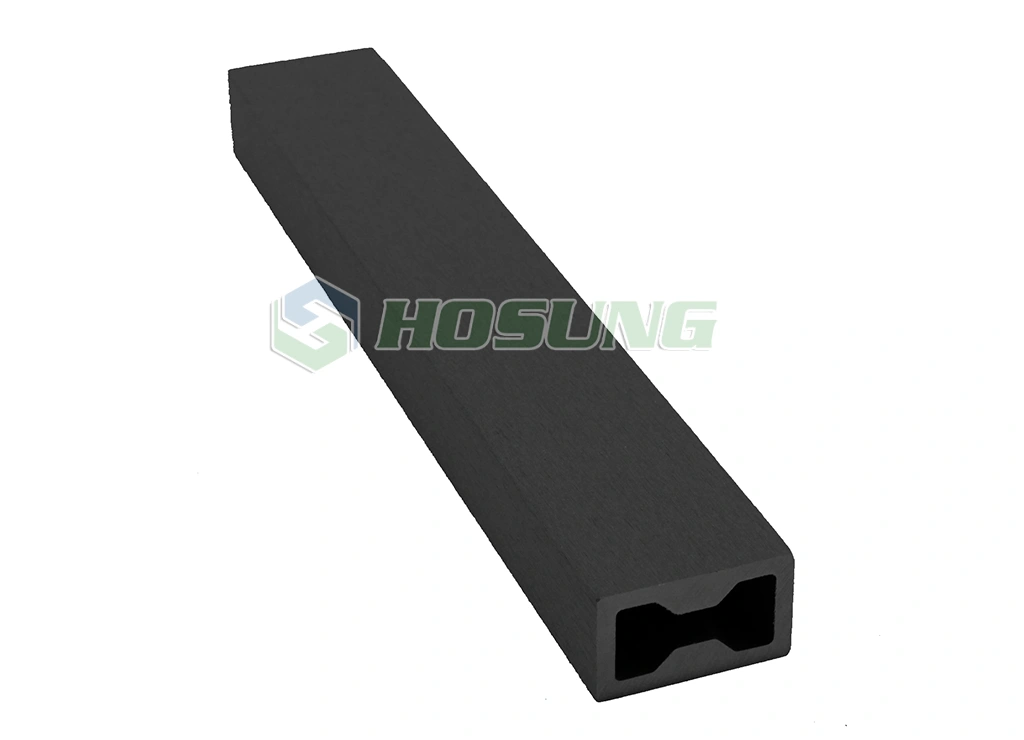
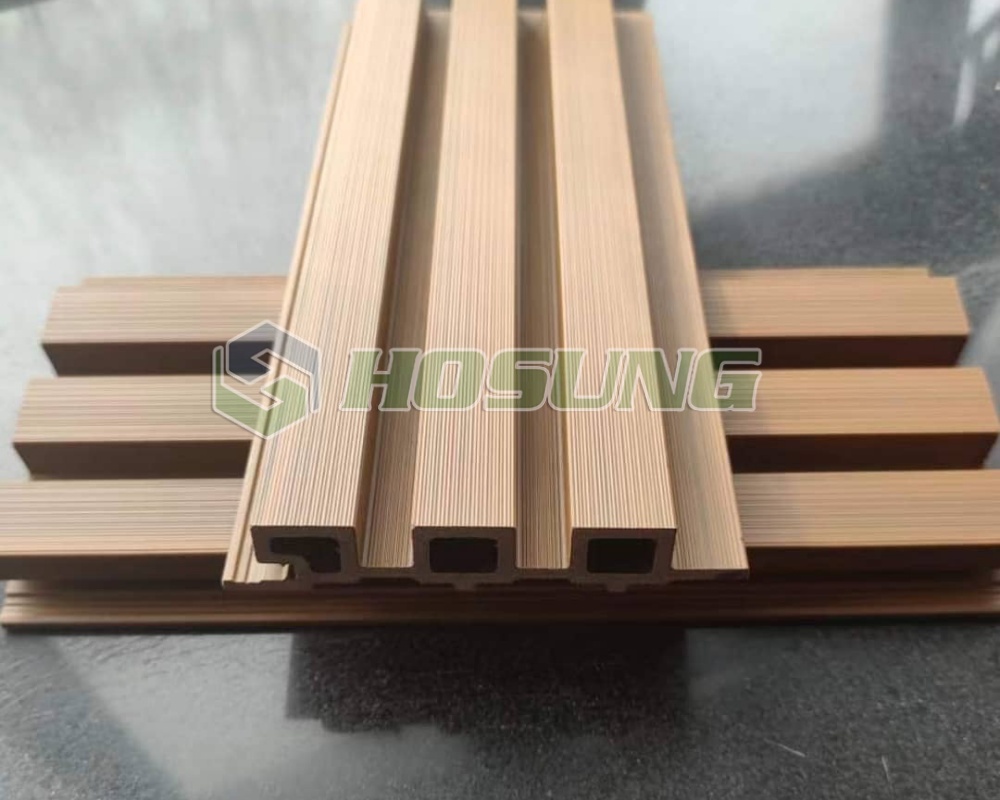
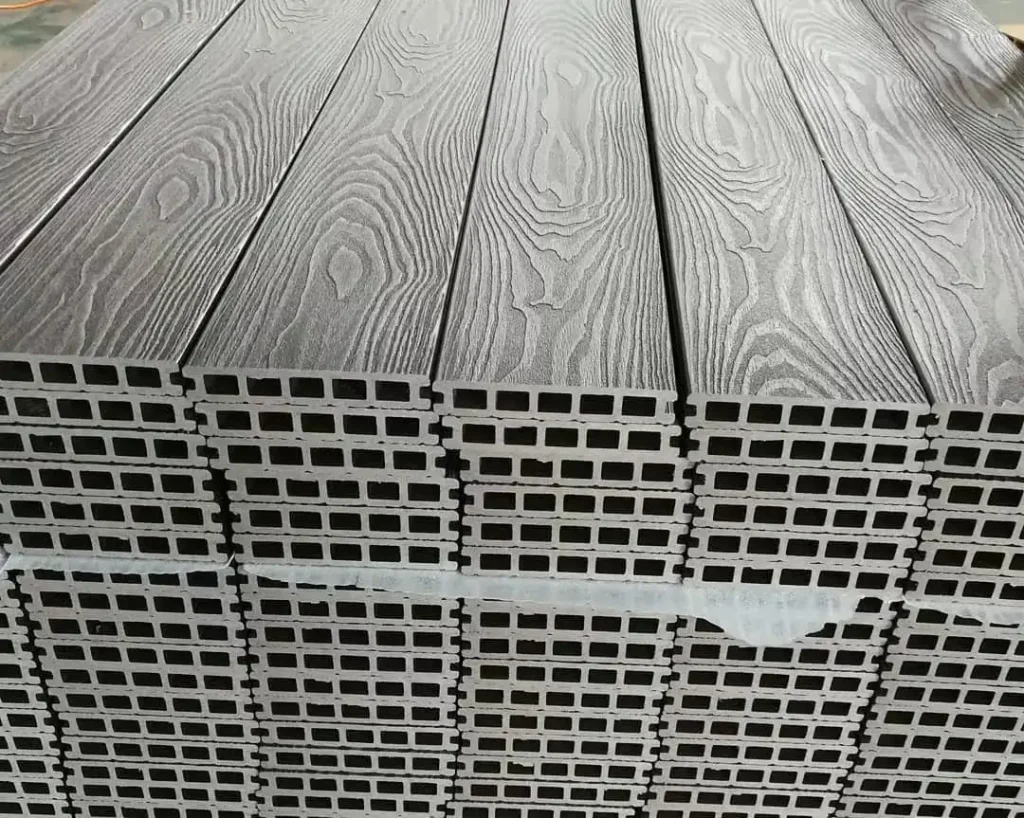
Hollow Composite Decking with Anti-Slip Profiles
Hollow composite decking is lighter in weight and often more cost-efficient, but slip resistance depends heavily on surface geometry and ribbing design.
Advanced hollow boards designed for non-slip performance typically include:
Fine linear grooves that channel water away
Cross-cut textures to increase friction in multiple directions
Reinforced top layers to prevent wear-induced smoothness
For residential balconies, rooftop decks, and poolside areas, hollow boards with engineered anti-slip surfaces can still qualify as best slip resistant composite decking when properly specified.
Material-Based Classification of Non Slip Composite Decking
Wood Plastic Composite (WPC) with High-Friction Formulations
WPC remains the most widely used composite decking material. The slip resistance of WPC boards varies dramatically depending on wood flour ratio, polymer selection, and additives.
High-quality non-slip WPC decking typically includes:
Optimized wood fiber content for natural grip
Polyethylene (HDPE) or polypropylene (PP) with enhanced surface friction
Anti-slip mineral fillers or rubberized modifiers
Manufacturers producing best slip resistant composite decking often fine-tune their WPC formulations to balance:
Surface friction
Moisture resistance
Wear durability
UV stability
The result is decking that maintains traction even after years of exposure.
PVC Composite Decking for Maximum Slip Resistance
PVC-based composite decking contains little to no wood fiber, making it inherently more resistant to moisture absorption. This material advantage allows for more aggressive anti-slip surface engineering.
PVC non-slip decking advantages include:
Extremely low water absorption
Stable friction coefficient in wet conditions
Resistance to mold, algae, and mildew buildup
Consistent texture over time
For applications such as pool decks, marine docks, and waterfront promenades, PVC systems frequently outperform traditional WPC in slip resistance and qualify as best slip resistant composite decking solutions.
Mineral-Filled Composite Decking Systems
Some advanced composite decking products incorporate mineral fillers such as calcium carbonate or ceramic particles. These fillers contribute to both structural stability and surface grip.
Benefits of mineral-enhanced decking include:
Higher surface hardness with micro-abrasive grip
Improved scratch resistance
Long-term retention of non-slip texture
These boards are commonly used in commercial or public infrastructure projects where safety regulations demand consistent slip resistance under heavy use.
Surface Texture Technologies That Define Non Slip Performance
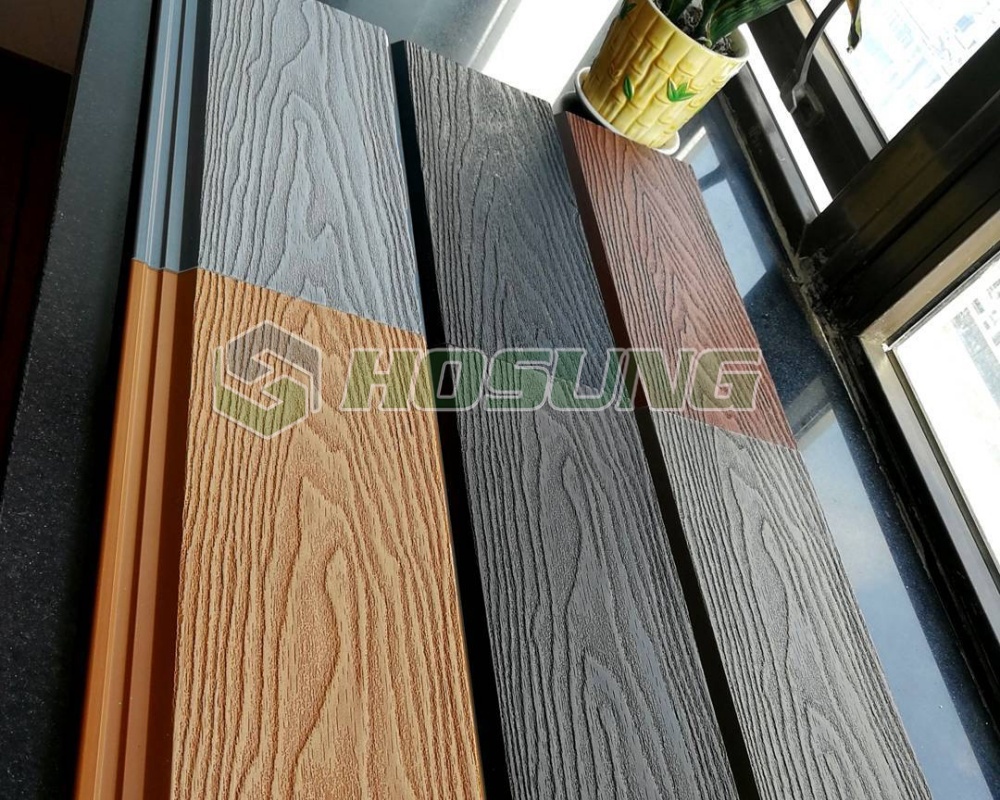
Deep Embossed Wood Grain Textures
Unlike shallow decorative patterns, deep embossing creates true three-dimensional grip zones. The valleys and ridges increase contact friction between footwear and the deck surface.
Advantages include:
Effective water displacement
Natural wood aesthetics with functional grip
Reduced risk of smooth wear paths
High-end manufacturers often combine deep embossing with matte finishes to achieve best slip resistant composite decking without a plastic feel.
Linear Grooved Anti-Slip Surfaces
Grooved decking boards are a classic anti-slip solution, but modern designs are far more refined than early versions.
Improved groove engineering includes:
Narrow, closely spaced channels
Multi-directional groove alignment
Optimized depth to prevent debris accumulation
These features help maintain slip resistance even in dusty or sandy environments.
Sand-Infused and Micro-Textured Surfaces
Some premium composite decking products use micro-abrasive particles embedded into the surface layer during extrusion.
Key benefits:
High friction coefficient even when wet
Invisible texture that preserves clean aesthetics
Excellent barefoot comfort when properly calibrated
This technology is often found in best slip resistant composite decking designed for poolside or spa areas.
Co-Extruded Composite Decking and Slip Resistance
Protective Outer Layers with Built-In Grip
Co-extrusion technology allows manufacturers to wrap the composite core with a specialized outer shell. This shell can be engineered specifically for anti-slip performance.
Features include:
UV-stable matte surfaces
Textured polymer skins
Stain and moisture resistance
Co-extruded boards dominate the premium segment of best slip resistant composite decking due to their long-term performance stability.
Multi-Layer Grip Optimization
Advanced co-extruded systems separate structural strength from surface functionality. The inner core provides load-bearing capacity, while the outer layer focuses on:
Slip resistance
Color retention
Wear resistance
This separation allows precise control over anti-slip characteristics without compromising durability.
Environmental Factors Affecting Slip Resistance
Wet and Rainy Climates
In high-humidity regions, decking surfaces remain damp for extended periods. The best slip resistant composite decking for these areas emphasizes:
Rapid drainage surface designs
Hydrophobic surface chemistry
Mold-resistant materials
PVC and capped composite boards often perform best in these environments.
Poolside and Spa Environments
Chlorine, saltwater, sunscreen oils, and constant foot traffic demand superior slip resistance.
Key requirements include:
Stable grip when barefoot
Resistance to chemical degradation
Non-abrasive textures for comfort
Sand-infused and micro-textured PVC composites dominate this category.
Cold and Frost-Prone Regions
In freezing conditions, surface moisture can form ice. While no decking is ice-proof, best slip resistant composite decking minimizes risk through:
Textures that break surface tension
Materials that resist frost-induced smoothness
Consistent traction under thermal cycling
Residential Applications of Non Slip Composite Decking
Family Decks and Backyards
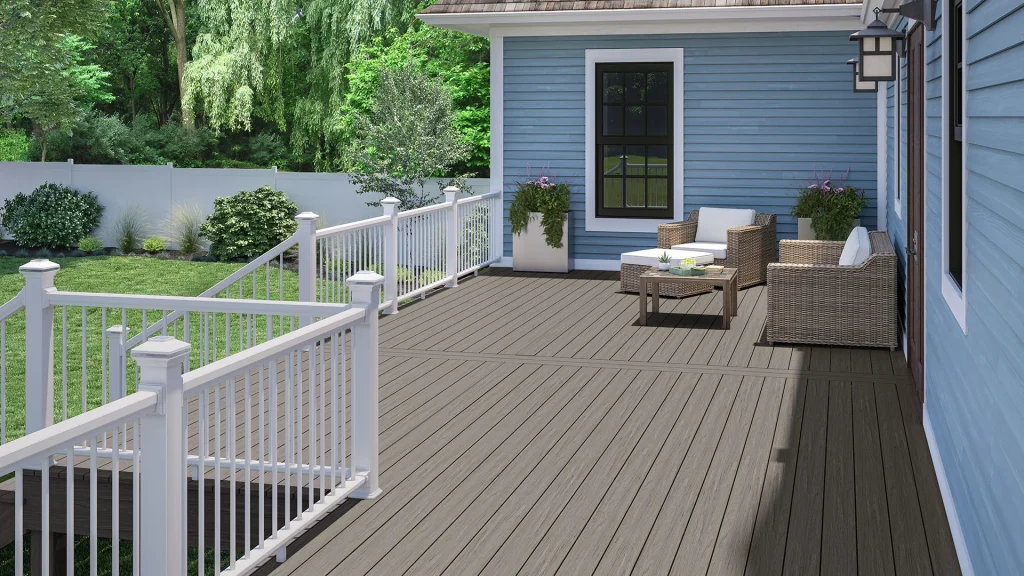
Safety becomes critical when children, pets, and elderly family members use the space. Homeowners increasingly prioritize best slip resistant composite decking for:
Daily barefoot traffic
Outdoor dining
Play areas
Textures must balance grip with comfort.
Rooftop Terraces and Balconies
Limited drainage and exposure to wind-driven rain make rooftop installations especially vulnerable to slipping hazards. Lightweight hollow boards with high-grip surfaces are commonly selected.
Commercial and Public Use Scenarios
Hospitality and Outdoor Dining Areas
Restaurants, cafes, and hotels require decking that maintains slip resistance despite spills, grease, and constant cleaning.
Key performance factors:
Oil-resistant surfaces
Easy-to-clean textures
Long-term wear consistency
Premium co-extruded solutions are frequently specified.
Public Walkways and Recreational Spaces
Municipal projects prioritize compliance with safety standards. Best slip resistant composite decking in this sector often meets or exceeds:
ASTM slip resistance benchmarks
Local building safety codes
Accessibility requirements
How Manufacturing Quality Impacts Slip Resistance
Not all composite decking with textured surfaces performs equally over time. Poor extrusion control, low-grade raw materials, and inconsistent embossing depth can quickly reduce grip.
High-quality manufacturers ensure:
Uniform texture depth
Stable material formulation
Precision extrusion and cooling control
These factors determine whether a product truly deserves the label best slip resistant composite decking.
Long-Term Maintenance and Slip Resistance Retention
Even the best materials require proper care to maintain performance.
Best practices include:
Regular cleaning to prevent algae buildup
Avoiding glossy sealers that reduce friction
Using non-abrasive cleaning tools
Well-designed composite decking maintains its slip resistance with minimal maintenance compared to traditional wood.
Aesthetic Flexibility Without Compromising Safety
Modern consumers expect safety and style. Today’s best slip resistant composite decking comes in:
Natural wood tones
Contemporary gray and charcoal shades
Matte finishes that reduce glare
Advanced texturing allows designers to maintain visual appeal while delivering reliable grip.
Choosing the Best Slip Resistant Composite Decking for Your Project
Rather than focusing on a single feature, the selection process should evaluate multiple factors that contribute to overall safety, performance, and longevity. Choosing the right decking is a comprehensive process, not just about appearance or price.
Material composition
The materials used in composite decking directly affect its slip resistance. WPC (wood plastic composite) boards offer a natural texture and grip, while PVC-based boards provide superior water resistance and consistency. Mineral-filled composites or co-extruded boards further enhance surface hardness and long-term traction. Evaluating the polymer type, fiber ratio, and additives ensures the decking can withstand environmental exposure without compromising grip.
Surface texture technology
Surface patterns are equally important in determining safety. Deep embossing, linear grooves, and micro-abrasive textures increase the friction between footwear and decking surfaces. For areas prone to moisture, textured grooves help channel water away, reducing the likelihood of slipping. Co-extruded top layers maintain grip over time while resisting wear, UV damage, and chemical exposure. Understanding the specific texturing technology is key when selecting high-performance decking.
Environmental exposure
Different locations pose different challenges. Poolside areas demand boards that remain non-slip when wet, rooftop terraces require boards that can handle drainage issues and wind exposure, while walkways in rainy climates need hydrophobic surfaces that resist mold and algae buildup. Assessing environmental conditions helps narrow down decking options suitable for long-term use.
Traffic intensity
Decking exposed to high foot traffic must maintain slip resistance even after years of continuous use. Residential decks may require moderate traction, but commercial areas or public spaces need boards with reinforced surfaces capable of withstanding heavy daily use without smoothing out over time.
Long-term durability expectations
A true investment in safety includes considering how decking performs over years or decades. Maintenance frequency, UV stability, resistance to moisture, and abrasion resistance all contribute to whether a decking board can consistently remain slip-resistant. Selecting boards from reputable manufacturers with proven longevity ensures the decking continues to protect users long-term.
Projects that integrate these factors consistently achieve safer, longer-lasting outdoor spaces, combining comfort, safety, and durability for residential, commercial, and public applications. By evaluating all aspects of material, texture, environment, traffic, and durability, homeowners and designers can make informed choices that deliver superior performance and peace of mind.
Final Thoughts
Slip resistance is not an optional upgrade—it is a defining performance metric for modern outdoor spaces. Decking that appears attractive but lacks reliable traction can pose serious safety risks, particularly in wet or high-traffic areas. Choosing the best slip resistant composite decking ensures that safety is built into the structure rather than added later through treatments or coatings.
The best solutions combine advanced material science with precise surface engineering. Modern composites can balance structural strength with anti-slip functionality, offering boards that are both durable and safe. Co-extruded layers, micro-textured surfaces, and mineral-filled composites are examples of design innovations that maintain traction over the life of the deck, even under harsh environmental conditions.
Real-world usability is equally important. Slip-resistant decking should be comfortable underfoot, easy to clean, and resistant to algae, mold, or chemical exposure. Pool decks, rooftop terraces, walkways, and commercial patios all benefit from boards that perform consistently under varying conditions. A thorough understanding of surface texture patterns, material composition, and environmental compatibility ensures the decking selected meets all safety requirements.
Moreover, long-term maintenance considerations should influence the decision. Boards that retain their friction after years of cleaning and exposure reduce the need for costly replacements or treatments. Manufacturers with proven track records of durability, consistent surface textures, and resistance to wear are often the most reliable sources for the best slip resistant composite decking.
Ultimately, understanding the structural and material differences behind slip-resistant decking empowers homeowners, architects, and designers to make smarter, more informed decisions. By prioritizing both safety and aesthetics, projects can achieve outdoor spaces that are secure, comfortable, and visually appealing—delivering peace of mind while enhancing the value of the property.