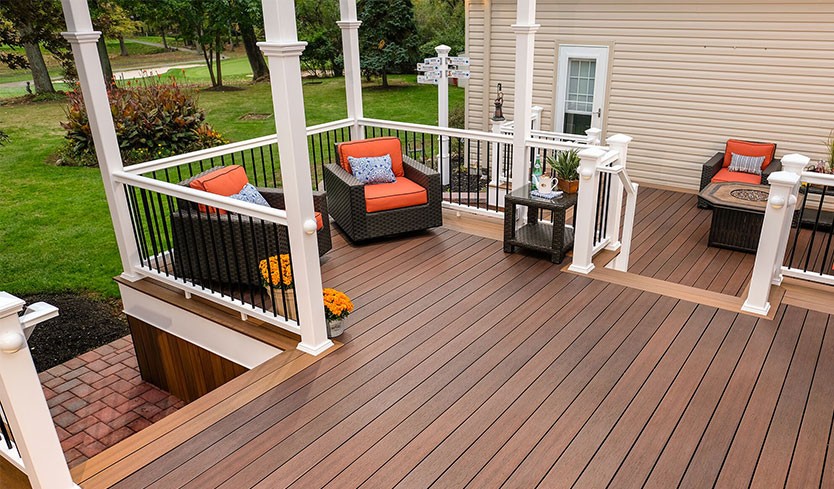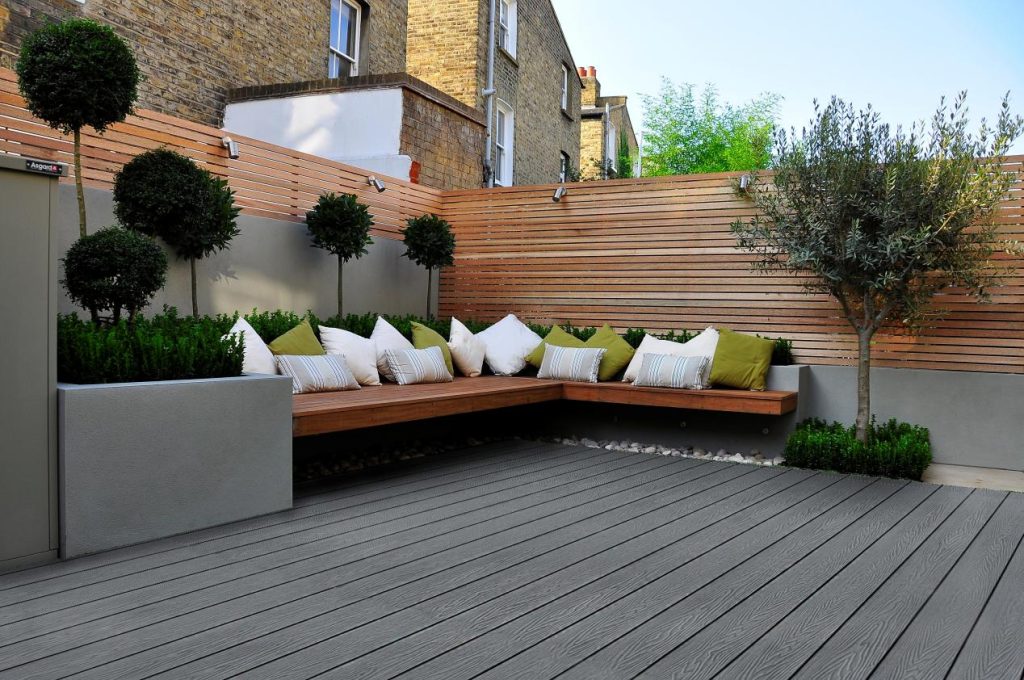
When planning an outdoor renovation project, choosing the right material for fencing is an important decision. A fence not only defines property boundaries but also provides privacy, security, wind protection, and visual appeal. Traditional fencing materials such as natural wood, metal, and vinyl have been widely used for many years, but homeowners and builders are increasingly exploring alternative materials with better durability and lower maintenance requirements. One common question among property owners is: can i use composite decking for fence? The answer is yes. Composite decking boards can be used to create attractive and durable fence systems when properly designed and installed. Although composite decking is primarily developed for outdoor flooring applications, its structure, weather resistance, and aesthetic qualities make it suitable for many fencing projects.
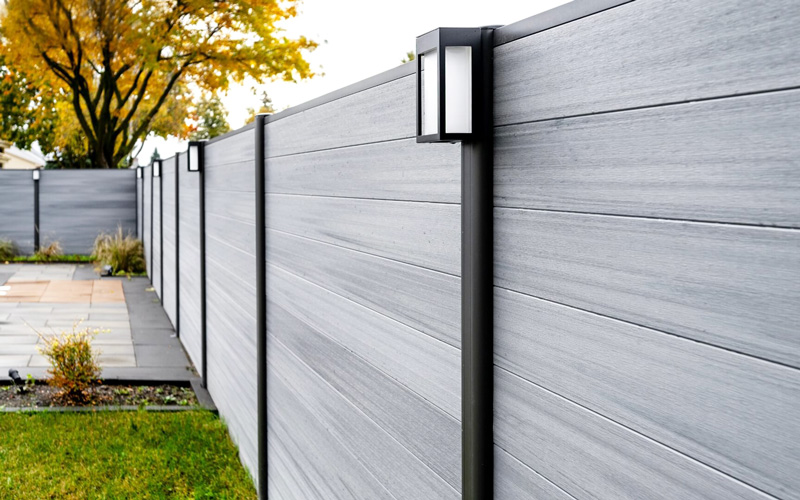
Table of Contents
Composite decking is made from a combination of wood fibers and recycled plastic materials. This composition provides a balance between the natural appearance of wood and the long-lasting performance of synthetic materials. Compared with traditional wood fences, composite fencing solutions can offer improved resistance against moisture, insects, cracking, and fading.
Understanding Composite Decking as a Fence Material
What Is Composite Decking?
Composite decking is an engineered outdoor building material designed to replace traditional wooden boards. It usually contains wood particles, plastic polymers, and additives that improve strength, stability, and weather resistance.
Unlike natural timber, composite decking does not absorb large amounts of water and does not easily develop problems such as rotting, warping, or insect damage. These characteristics make it popular for outdoor applications including patios, balconies, walkways, garden structures, and fencing.
Although decking boards are manufactured mainly for horizontal surfaces, many composite boards have enough structural strength and visual quality to be adapted for vertical applications.
Why Composite Decking Can Work for Fencing
A fence is exposed to outdoor conditions throughout the year. Rain, sunlight, temperature changes, and humidity can gradually damage traditional materials. Composite decking offers several advantages that make it suitable for fence construction.
First, composite boards provide excellent moisture resistance. Since they contain plastic components, they absorb much less water than wood. This helps prevent swelling, cracking, and decay.
Second, composite materials require less maintenance. Wooden fences often need regular painting, staining, sealing, and repairs. Composite fence panels usually only require occasional cleaning with water and mild soap.
Third, composite decking provides a modern appearance. Many designs replicate the texture and color variations of natural wood, allowing fences to achieve a premium outdoor look without the maintenance challenges of real timber.
Advantages of Using Composite Decking for Fence Construction
Long-Term Durability
One of the biggest reasons homeowners consider composite materials for fencing is their durability. Outdoor fences are constantly exposed to changing weather conditions, and ordinary wood can deteriorate over time.
Composite decking boards are designed to withstand moisture, UV exposure, and temperature fluctuations. They are less likely to split, crack, or develop structural problems compared with untreated wood.
For areas with heavy rainfall, high humidity, or strong sunlight, composite fencing can provide a longer service life with fewer repairs.
Low Maintenance Requirements
Traditional wooden fences usually require ongoing maintenance. Over several years, wood fences may need sanding, repainting, staining, or replacement of damaged boards.
Composite fences significantly reduce these maintenance tasks. The material maintains its appearance for a longer period and does not require protective coatings to prevent rot or insect attacks.
Regular cleaning is generally enough to keep the surface looking attractive. This makes composite fencing a practical option for homeowners who want a beautiful outdoor space without spending significant time on maintenance.
Improved Resistance to Weather and Insects
Outdoor fencing materials must withstand environmental challenges. Natural wood can absorb water, creating conditions where mold, mildew, and insects may cause damage.
Composite decking is resistant to many common problems associated with wooden fencing. Its plastic content helps prevent moisture penetration, while its engineered structure reduces vulnerability to insects.
This resistance makes composite fencing especially suitable for gardens, coastal areas, and regions with changing weather conditions.
Attractive Appearance
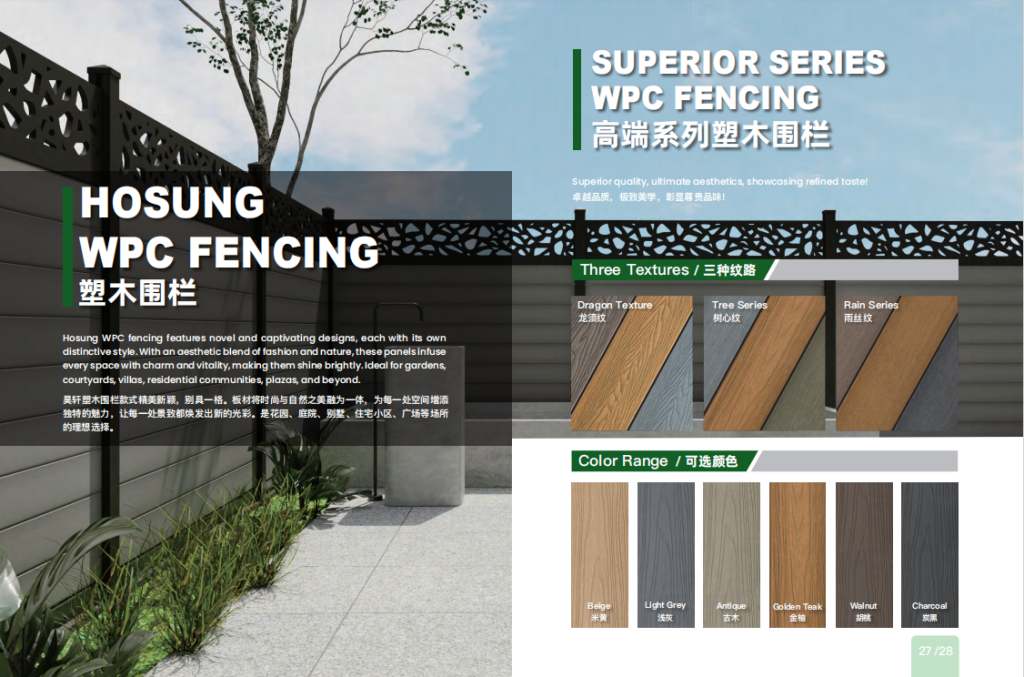
A fence plays an important role in the overall appearance of a property. Composite decking offers a wide range of colors, textures, and finishes that can complement different architectural styles.
Many composite boards are designed to imitate the appearance of natural wood grain. They can create a warm and elegant look while maintaining the advantages of modern materials.
Whether used for residential gardens, commercial landscapes, or outdoor recreational areas, composite fencing can provide a clean and contemporary appearance.

Important Factors Before Using Composite Decking for Fence
Check the Strength and Structure of the Boards
Although composite decking can be used for fencing, not every type of decking board is suitable for vertical applications. Before installation, it is important to check the thickness, weight, strength, and fixing requirements of the boards.
Fence panels experience different forces compared with decking surfaces. Wind pressure, especially on tall privacy fences, can create significant stress. Therefore, a strong support structure is necessary.
Using suitable posts, frames, and fasteners helps ensure the fence remains stable and safe for long-term use.
Consider Expansion and Contraction
Like many outdoor building materials, composite decking expands and contracts with temperature changes. Proper installation must allow enough space for natural movement.
If boards are installed too tightly, temperature changes may cause bending, distortion, or pressure between panels.
Professional installation methods usually include recommended spacing between boards and appropriate fixing systems to maintain stability.
Choose the Right Fence Design
Composite decking can be used in different fence styles, but the design should match the characteristics of the material.
Common approaches include:
- Horizontal composite boards between posts
- Vertical composite panels
- Combination designs using composite boards and metal frames
- Decorative privacy fences
A well-designed structure improves both appearance and performance.
How to Install a Composite Decking Fence
Prepare the Fence Layout
Before installation, determine the fence location, height, and overall design. Measure the area carefully and mark the positions of posts.
The foundation and support system are critical because a fence must withstand wind and outdoor pressure.
Install Strong Support Posts
Posts provide the main structural support for the fence. Depending on the project requirements, posts may be made from treated wood, metal, or other durable materials.
The distance between posts should be planned according to the size and weight of the composite boards.
A stronger frame is especially important for taller privacy fences.
Attach Composite Boards Properly
After installing the support structure, composite boards can be attached using suitable clips, screws, or fastening systems.
It is important not to overtighten fasteners because composite materials need room for slight movement.
Following installation guidelines helps prevent unnecessary stress on the boards.
Add Finishing Elements
Finishing components such as post caps, decorative trims, and edge covers can improve the appearance of the fence.
These details create a more complete outdoor design and help protect exposed areas of the structure.
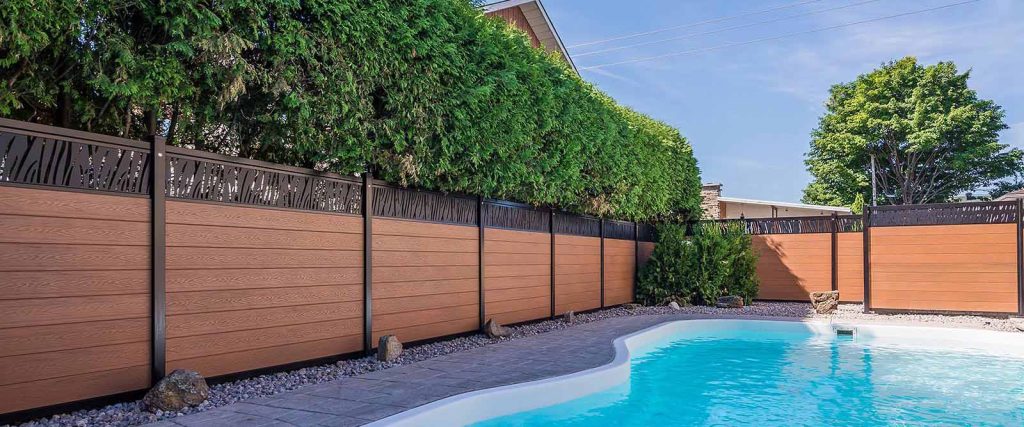
Composite Decking Fence vs Traditional Wood Fence
Maintenance Comparison
Wood fences require regular maintenance because natural timber is vulnerable to moisture and insects. Owners often need to apply protective treatments to extend the lifespan of wooden fences.
Composite fences require much less maintenance, making them a convenient choice for busy homeowners.
Lifespan Comparison
A properly maintained wood fence can last many years, but its lifespan depends heavily on climate conditions and maintenance frequency.
Composite fencing generally provides more consistent performance because it is engineered to resist common outdoor problems.
Appearance Comparison
Wood offers a natural appearance that many people appreciate. However, composite materials have developed significantly and can now reproduce realistic wood textures and colors.
The choice often depends on personal preference, budget, and desired maintenance level.
Common Applications of Composite Fencing
Residential Gardens
Composite fences are widely used in residential properties to create privacy barriers, separate garden areas, and improve outdoor aesthetics.
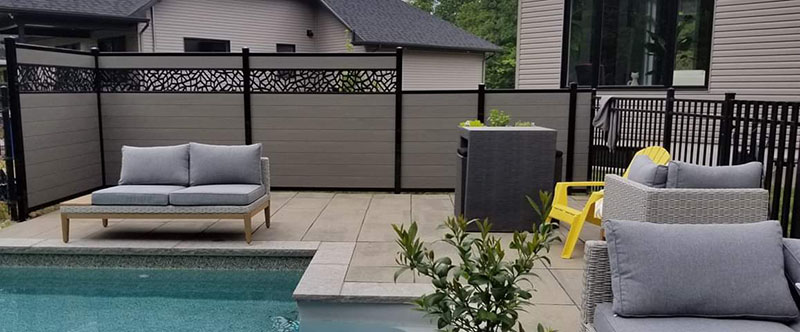
They work well around patios, swimming pools, lawns, and outdoor entertainment spaces.
Commercial Properties
Businesses, parks, hotels, and public spaces may use composite fencing because it provides a clean appearance and requires minimal maintenance.
For large outdoor projects, reducing long-term maintenance costs can be a major advantage.
Landscaping Projects
Landscape designers often combine composite fencing with other outdoor materials to create modern garden environments.
The material can be used for decorative boundaries, screening walls, and landscape features.
Conclusion
For homeowners and builders looking for a durable and attractive outdoor fencing solution, using composite decking boards is a practical option. The material provides excellent resistance to moisture, insects, weather changes, and daily wear while requiring less maintenance than traditional wood.
The answer to can i use composite decking for fence is yes, provided that the correct boards, support structures, and installation methods are selected. While composite decking was originally created for outdoor flooring, its durability and appearance allow it to be adapted successfully for many fencing applications.
With proper planning and installation, composite decking fences can provide long-lasting performance, modern style, and reduced maintenance requirements. For professional composite outdoor material solutions, companies such as Hosung WPC can provide suitable options for different architectural and landscaping projects.