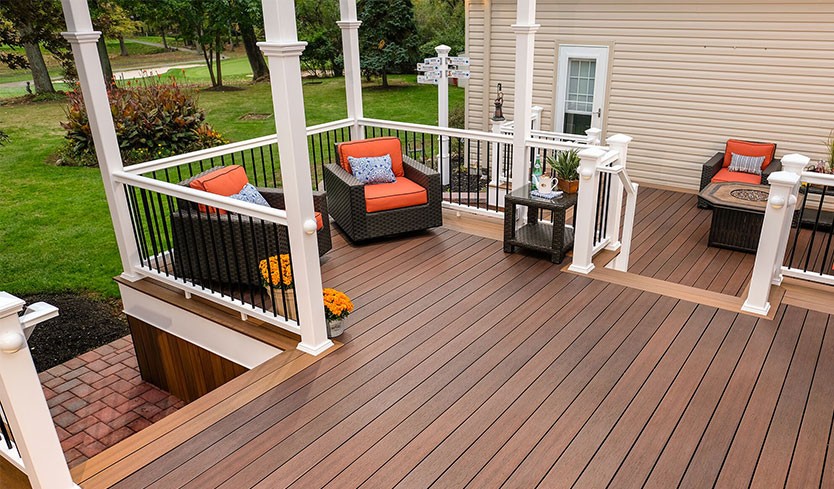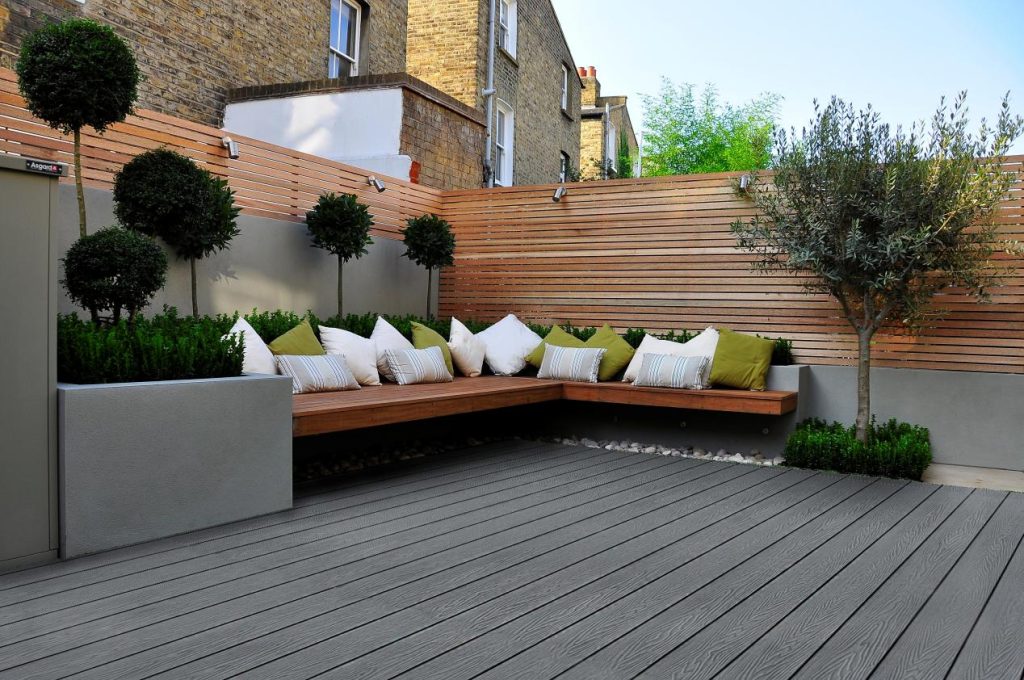
When it comes to building or renovating outdoor spaces, stairs are often one of the most critical elements. Not only do they ensure safety and accessibility, but they also contribute significantly to the aesthetic appeal of your deck. Choosing the right material for your stair treads is essential, and composite deck boards for steps have emerged as one of the most popular options for homeowners and contractors alike. In this article, we will explore the types of composite deck boards suitable for steps, their advantages, and the key considerations for selecting the perfect boards for your project.
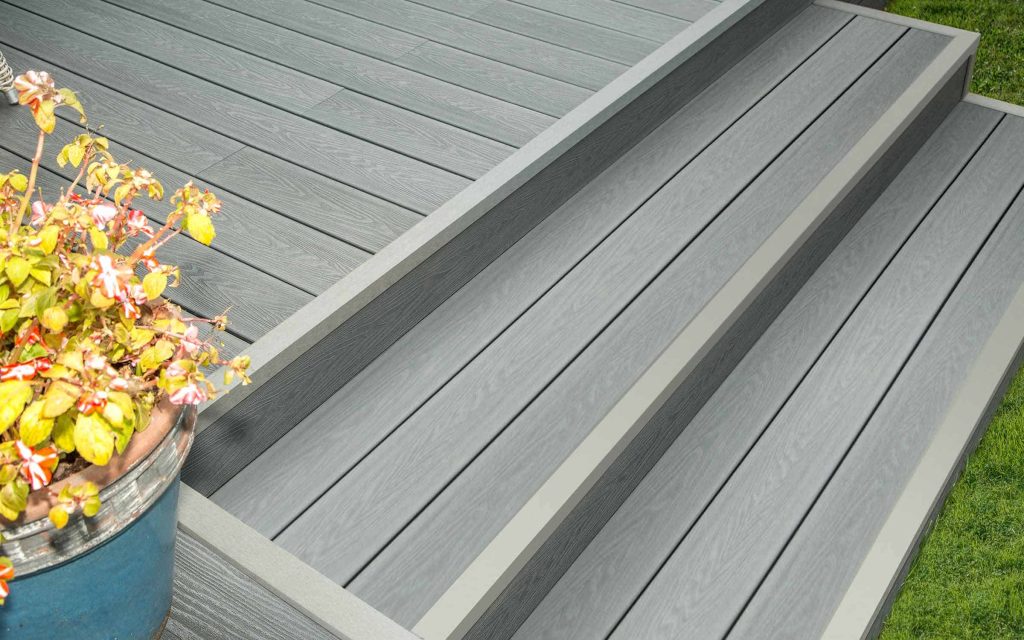
Table of Contents
What Are Composite Deck Boards for Steps?
Composite deck boards are manufactured from a blend of wood fibers and recycled plastics, creating a material that combines the best qualities of both. Unlike traditional wood, composite boards are resistant to rot, insects, and weather damage, making them ideal for outdoor use. When used specifically for steps, these boards provide a durable, safe, and aesthetically pleasing surface for your staircases.
Composite deck boards for steps differ slightly from standard deck boards. Steps endure more wear and tear than flat decking because of concentrated foot traffic, exposure to moisture at stair edges, and the need for extra slip resistance. Therefore, the boards designed for steps are often thicker, have reinforced edges, and may feature grooved or textured surfaces for added safety.
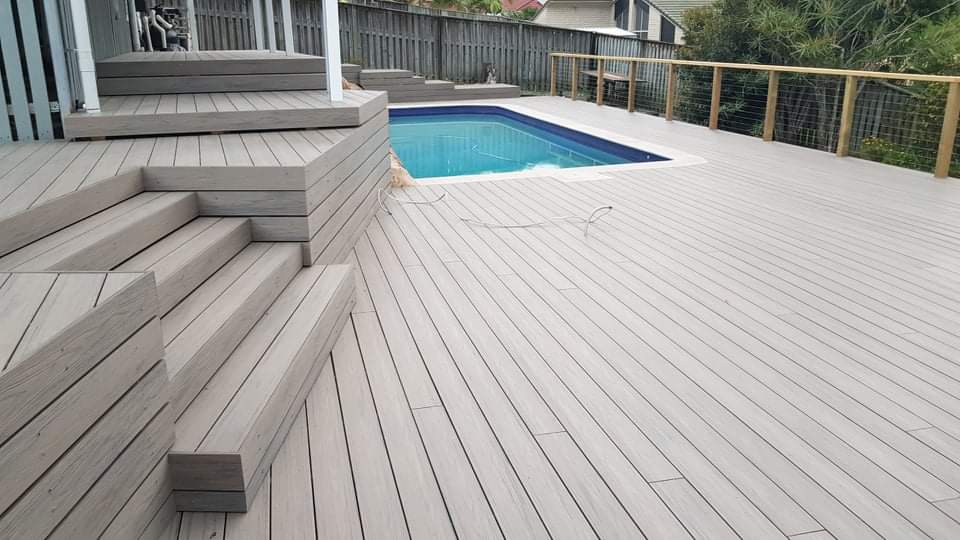
Types of Composite Deck Boards for Steps
Composite deck boards come in a variety of types to meet different design, functional, and budgetary needs. Understanding the options will help you choose the right boards for your stair project.
1. Solid Composite Boards
Solid composite boards are dense, heavy, and highly durable. They offer excellent stability and are suitable for stairs where heavy foot traffic is expected. Their dense structure provides added resistance against warping and bending, making them a reliable choice for long-lasting steps.
Key features:
Heavier and more durable than hollow boards
Resistant to bending and warping
Can be cut and shaped for customized stair designs
Pros: Long lifespan, low maintenance, highly stable
Cons: Slightly more expensive, heavier to handle
2. Hollow Composite Boards
Hollow composite boards have a cavity running through the center, making them lighter and more cost-effective. They are still durable but may require additional support for stair installations due to their reduced weight and rigidity. Hollow boards are often preferred for budget-conscious projects or for creating visually appealing stair patterns without adding excessive weight.
Key features:
Lighter than solid boards, easier to install
Can include internal reinforcement for added strength
Usually have built-in channels for ventilation, reducing moisture accumulation
Pros: Affordable, easy to handle, eco-friendly (less material used)
Cons: Less strong than solid boards, may require additional structural support
3. Grooved or Textured Boards
Grooved composite boards feature small channels or textures on their surface to improve traction. This is particularly important for steps, as safety is a top priority. Many manufacturers produce boards with slip-resistant grooves, embossed textures, or even sanded finishes.
Key features:
Improved slip resistance, especially when wet
Adds a decorative element to the stairs
Often used in combination with hidden fastening systems
Pros: Enhanced safety, stylish finish, ideal for outdoor stairs
Cons: Requires careful cleaning to remove debris from grooves
4. Capstock Composite Boards
Capstock composite boards are coated with a protective shell, typically made from PVC or other polymer, covering the wood-plastic core. This layer enhances the board’s resistance to fading, staining, scratching, and mold growth, making it an excellent choice for high-traffic steps exposed to harsh weather.
Key features:
Superior resistance to UV rays and moisture
Smooth, attractive finish that mimics real wood
Minimal maintenance required
Pros: Long-lasting color, easy to clean, highly durable
Cons: Higher cost compared to standard composite boards
5. PVC Composite Boards
Pure PVC composite boards are entirely made from plastic, with no wood fibers. They offer excellent resistance to water, decay, and insects, making them ideal for steps in humid or rainy environments. While less “wood-like” in appearance, PVC boards are highly practical for commercial or coastal installations where durability outweighs aesthetics.
Key features:
Completely waterproof, ideal for wet climates
Resistant to mold, mildew, and pests
Lightweight and easy to install
Pros: Extremely durable, low maintenance, waterproof
Cons: May lack the natural wood appearance
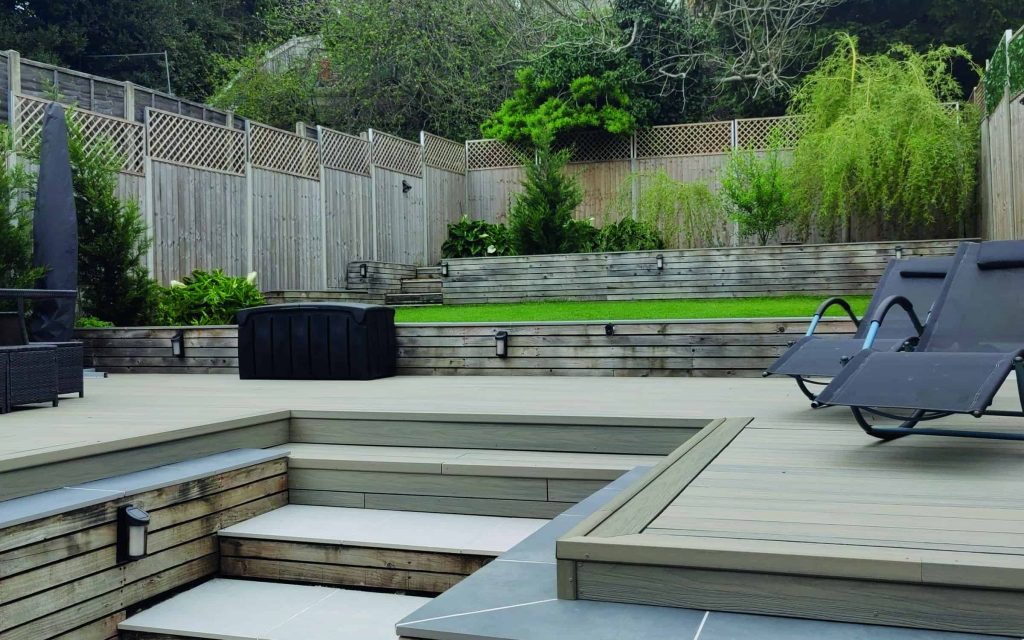
Advantages of Composite Deck Boards for Steps
Choosing composite deck boards for steps comes with numerous benefits that make them superior to traditional wood. Here are the main advantages:
1. Durability and Longevity
Composite boards are designed to withstand the elements. Unlike wood, they won’t rot, warp, or splinter over time. Steps endure more stress than flat decks, and composite materials are engineered to maintain their integrity under constant foot traffic, moisture exposure, and temperature fluctuations.
2. Low Maintenance
One of the biggest advantages of composite boards is their low maintenance requirement. Unlike wood steps that need regular sealing, staining, or painting, composite boards simply require occasional cleaning with soap and water. Some capstock composites can be cleaned with a hose or pressure washer without worry.
3. Slip Resistance
Safety is a primary concern for stairs. Composite boards can be manufactured with grooved, textured, or sanded surfaces that provide excellent grip, reducing the risk of slips and falls even in wet conditions. Some boards even include anti-slip additives in the composite material for extra protection.
4. Aesthetic Appeal
Composite decking comes in a wide range of colors, textures, and finishes, allowing homeowners to match their stairs to the overall deck or outdoor landscape. From natural wood-like grains to modern smooth finishes, composite boards offer design flexibility without compromising durability.
5. Eco-Friendly
Many composite boards are made from recycled wood fibers and plastics, making them a sustainable choice. By choosing composite materials, you reduce the demand for virgin lumber and help divert plastic waste from landfills.
6. Resistance to Fading, Staining, and Scratches
Modern composite boards, especially capstock and PVC variants, are engineered to resist fading from sunlight, staining from food or drinks, and scratches from heavy use. This ensures that your stair steps maintain their beauty for years with minimal upkeep.
How to Choose the Right Composite Deck Boards for Steps
Selecting the perfect composite deck boards for your steps requires careful consideration of several factors. Here are key points to guide your decision:
1. Consider the Traffic Level
The amount of foot traffic on your stairs should influence your choice. For high-traffic areas, solid or capstock boards may be the best option due to their superior strength and durability. For lower-traffic residential stairs, hollow or grooved boards can be cost-effective without compromising performance.
2. Safety and Slip Resistance
Safety should always come first. Choose boards with textured or grooved surfaces for added grip. Some composite boards also include anti-slip additives or coatings that enhance traction, which is particularly important for outdoor stairs exposed to rain or dew.
3. Weather and Climate Conditions
Your local climate will impact the performance of composite boards. In regions with high humidity or frequent rainfall, PVC or capstock boards are excellent choices because of their superior water resistance. In areas with intense sun exposure, look for boards with UV-protective coatings to prevent fading.
4. Aesthetic Preferences
Composite boards come in a variety of colors, finishes, and wood-grain patterns. Decide whether you want your stair steps to blend seamlessly with your deck, create a contrasting accent, or achieve a modern sleek look. Keep in mind that darker colors may absorb heat more, which could be a consideration in hot climates.
5. Budget
Composite boards vary widely in price, depending on type, brand, and finish. Hollow boards are usually more affordable, while capstock and PVC boards are premium options with higher upfront costs but longer lifespans and minimal maintenance. Consider the long-term value rather than just initial cost.
6. Installation Requirements
Some composite boards require specific installation techniques, such as hidden fastening systems or additional stair supports. Make sure you choose boards that match your installation capabilities or hire a professional contractor to ensure proper installation.
7. Warranty and Brand Reputation
Finally, always consider the manufacturer’s warranty and reputation. High-quality composite boards from reputable brands often come with 20–25 year warranties, giving you peace of mind that your investment is protected.
Tips for Installing Composite Deck Boards on Steps
Proper installation is critical to maximizing the benefits of composite deck boards. Here are some essential tips:
Measure Twice, Cut Once: Ensure accurate measurement of each step to avoid gaps or uneven surfaces.
Use Appropriate Fasteners: Many composite boards require hidden fasteners or screws specifically designed for composites to prevent splitting or damage.
Leave Expansion Gaps: Composite boards expand and contract with temperature changes. Follow manufacturer guidelines for spacing between boards.
Consider Riser Design: If using open risers, make sure the boards are securely fastened to prevent movement or squeaking.
Add Anti-Slip Features: If your boards are smooth, consider adding anti-slip strips or coatings for extra safety.
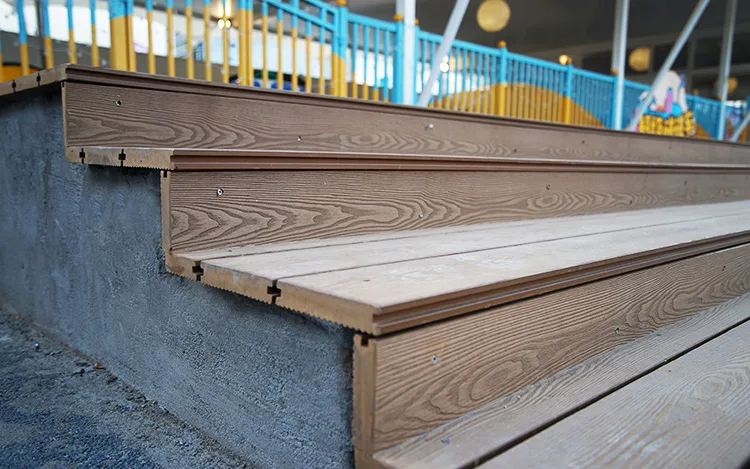
Choosing the Right Color for Composite Deck Boards for Steps
Color is an important consideration when selecting composite deck boards for steps, as it affects both the aesthetics and the heat absorption of your stairs. Composite boards come in a wide range of colors, from natural wood tones like cedar, teak, and walnut to modern greys, blacks, and even painted-style finishes.
When choosing a color, consider the following:
Aesthetic Harmony: Match the stair boards with your deck, patio, or surrounding landscape to create a cohesive outdoor look.
Heat Absorption: Darker colors may absorb more heat under direct sunlight, making the steps warmer to walk on during summer, while lighter colors tend to stay cooler.
Maintenance and Fading: Lighter colors may show dirt and stains more easily, but many high-quality composite boards feature UV-resistant coatings that minimize fading over time.
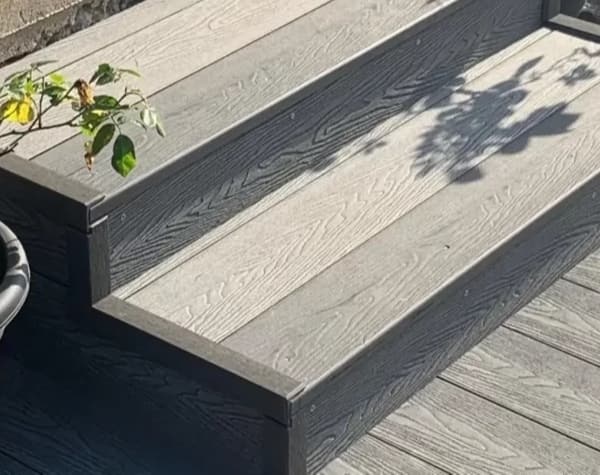
Design Style: Choose a color that complements your preferred outdoor style—natural wood tones for a classic look, or grey and black shades for a modern, minimalist feel.
Selecting the right color ensures that your composite deck boards for steps not only perform well but also enhance the visual appeal of your outdoor space.
Conclusion
Composite deck boards for steps are an excellent investment for any outdoor space. They combine durability, low maintenance, aesthetic appeal, and safety, making them superior to traditional wood. By understanding the different types—solid, hollow, grooved, capstock, and PVC—you can select the perfect boards for your project based on traffic, climate, and budget.
Whether you are building new stairs or renovating existing ones, composite deck boards offer long-lasting performance and a beautiful finish that enhances your outdoor living space. Remember to prioritize safety, choose high-quality materials, and follow proper installation practices to ensure your steps remain functional and attractive for years to come.
By carefully considering your options and using the tips provided above, your composite deck boards for steps will not only look stunning but also withstand the test of time, weather, and heavy foot traffic.