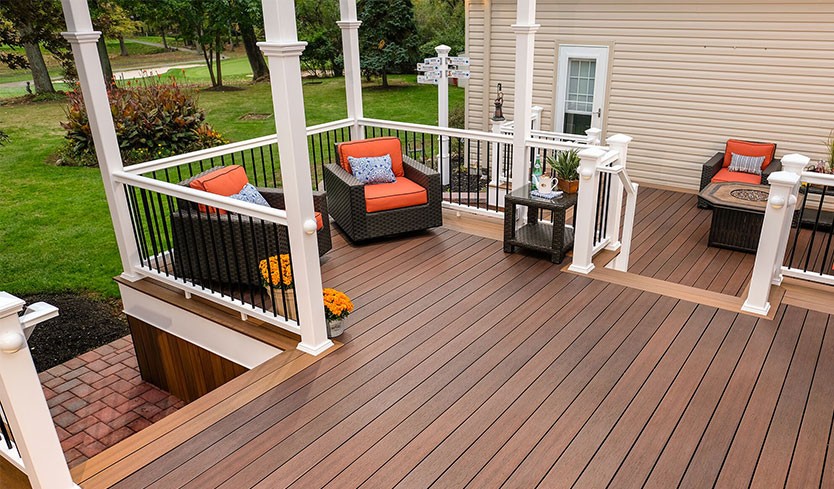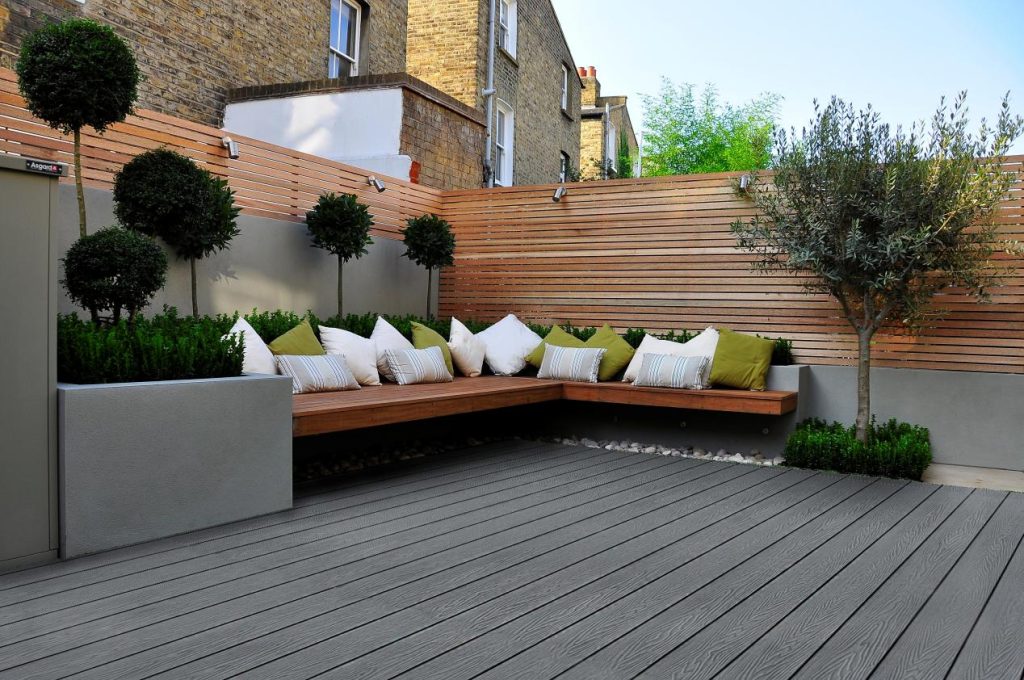
Composite decking boards have become one of the most popular materials for outdoor decking solutions. Their durability, low maintenance, and aesthetic appeal make them a preferred choice for homeowners, contractors, and landscape designers alike. For anyone planning a deck or outdoor living space, finding reliable composite decking boards suppliers is a critical step to ensure high-quality materials and long-term satisfaction. This article provides a comprehensive guide to composite decking boards, their advantages, types, applications, and tips for selecting the right suppliers.
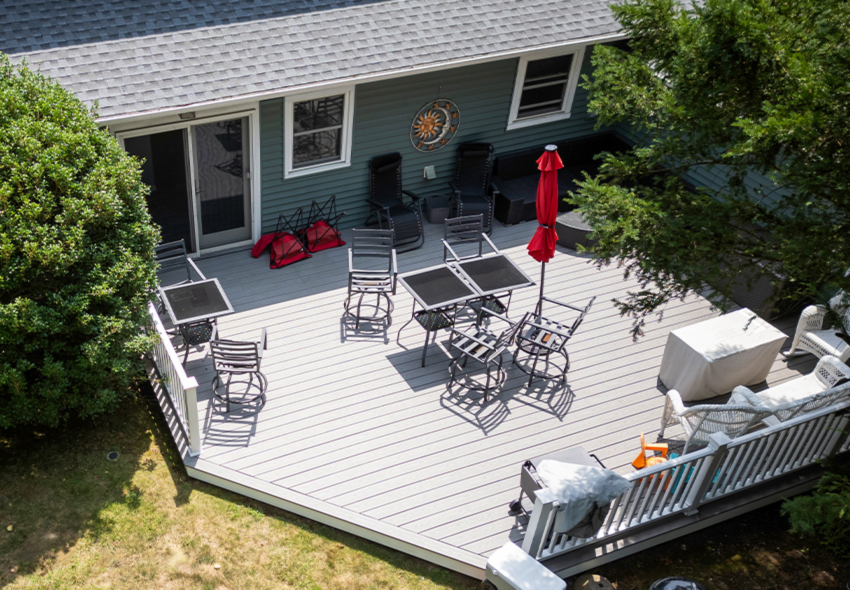
Table of Contents
What Are Composite Decking Boards?
Composite decking boards are made from a blend of wood fibers and recycled plastics. This combination creates a material that mimics the look of natural wood while offering enhanced durability and low maintenance. Unlike traditional wood decking, composite boards are resistant to rot, insect damage, warping, and cracking, making them ideal for outdoor use.
The composition of these boards typically includes:
- Wood fibers or sawdust: Provides the texture, natural appearance, and rigidity.
- Recycled plastics: Ensures moisture resistance, longevity, and color retention.
- Additives and stabilizers: Improve UV resistance, color durability, and structural stability.
This hybrid material has evolved significantly in the last two decades, allowing manufacturers to offer a variety of finishes, colors, and board profiles to match modern architectural and landscaping styles.
Advantages of Composite Decking Boards
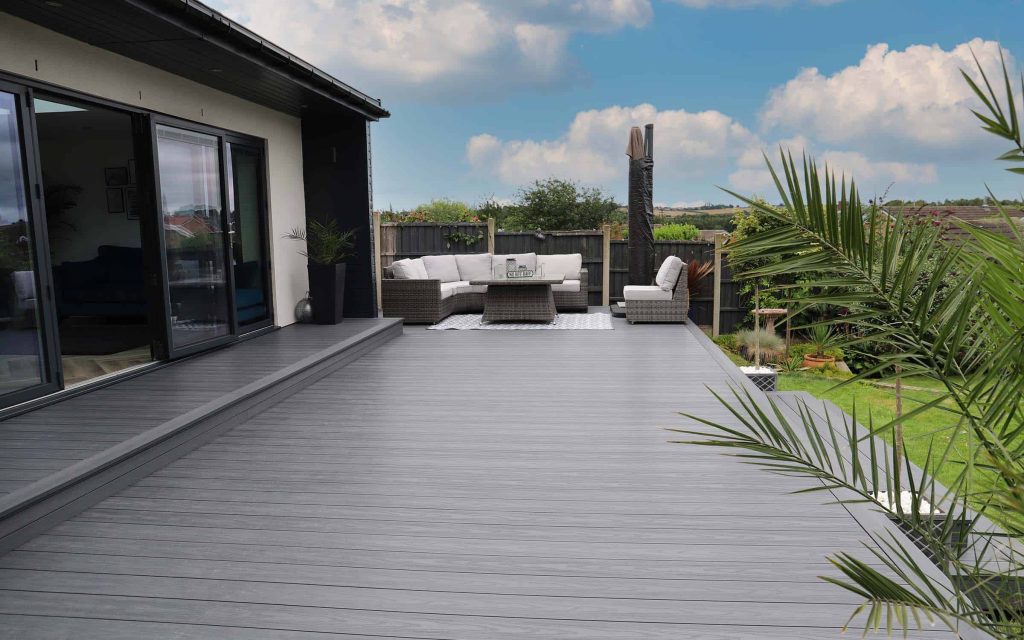
When comparing decking options, composite decking boards offer several benefits over traditional wood or other materials:
- Durability
- Composite boards resist splintering, cracking, and rotting.
- They can withstand heavy foot traffic and exposure to harsh weather conditions.
- Low Maintenance
- Unlike wood, composite boards do not require annual staining, sealing, or sanding.
- Simple cleaning with soap and water keeps them looking new for years.
- Eco-Friendly
- Many composite boards are made from recycled plastics and wood, reducing environmental waste.
- Choosing recycled materials supports sustainable construction practices.
- Aesthetic Versatility
- Available in various colors, textures, and finishes that mimic natural wood or offer modern looks.
- Some boards feature embossed wood grain patterns for a realistic appearance.
- Long-Term Cost Efficiency
- Although initial costs may be higher than wood, the minimal maintenance and extended lifespan make composite decking a cost-effective solution.
- Safety
- Many composite boards are slip-resistant, reducing the risk of accidents in wet conditions.
- They are also free from sharp splinters that can cause injuries.
Types of Composite Decking Boards
Composite decking boards can be categorized based on their manufacturing process, material composition, and design features. Understanding these types helps buyers select the most suitable option.
1. Solid Composite Decking Boards
Solid boards are fully filled with the composite material, providing maximum durability and strength. They are ideal for structural applications where load-bearing capacity is critical. Solid boards are less prone to denting and offer a premium finish, though they can be heavier and slightly more expensive.
2. Hollow Composite Decking Boards
Hollow boards feature a core cavity to reduce material usage, weight, and cost. While still durable, they may be less strong than solid boards. Hollow boards are easier to handle and install, making them a popular choice for DIY projects and large-scale installations.
3. Capped Composite Decking Boards
Capped composite boards have a protective layer or cap over the composite core. This cap improves resistance to UV rays, staining, and scratches. Capped boards are often recommended for high-traffic areas and outdoor spaces exposed to sunlight, rain, and other environmental stressors.
4. PVC Decking Boards
PVC boards are made entirely from plastic and do not contain wood fibers. They are highly water-resistant and extremely low maintenance. While they may not have the same natural wood feel as traditional composites, PVC boards are suitable for areas prone to moisture, such as pool surrounds and docks.
Applications of Composite Decking Boards
Composite decking boards are highly versatile, offering a wide range of applications for both residential and commercial outdoor spaces. Their durability, low maintenance, and aesthetic appeal make them an excellent choice for any project that requires a long-lasting and visually pleasing surface. Below are some of the most common and innovative applications of composite decking boards:
Residential Decks
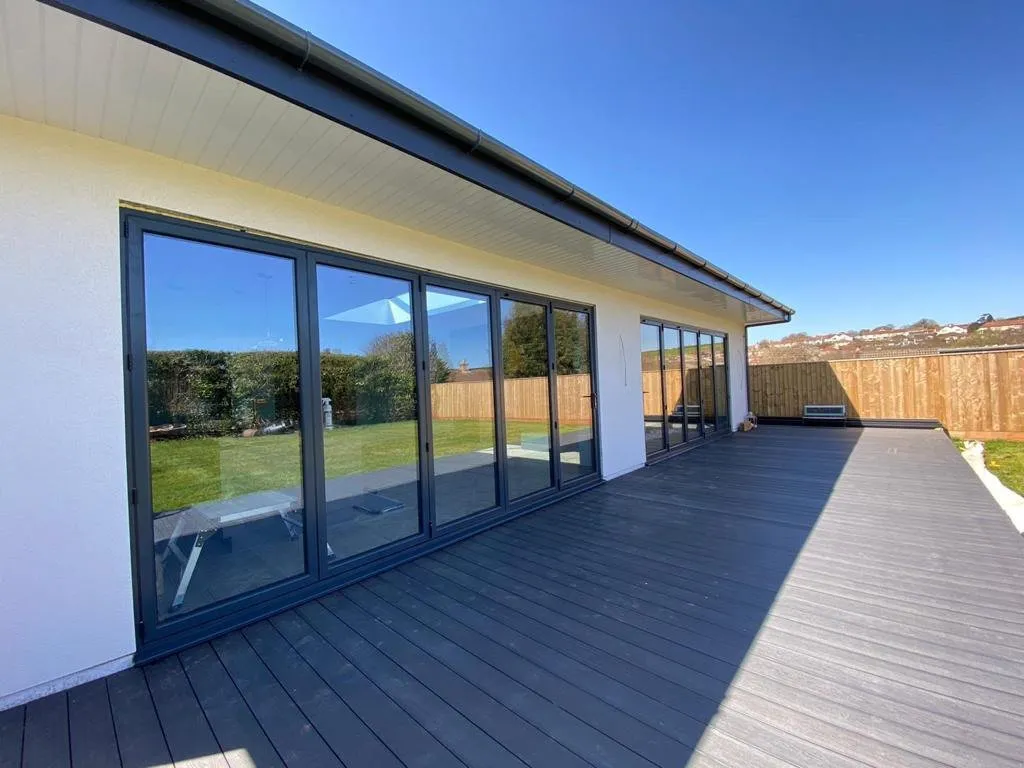
For homeowners, composite decking boards are ideal for creating backyard decks, terraces, and patios. These boards provide a clean, natural wood-like appearance without the issues associated with traditional wood, such as splintering, rotting, or insect damage. Homeowners can enjoy a durable outdoor space for family gatherings, barbecues, or simply relaxing outdoors. Composite boards also allow for flexible design options, including curved layouts, multi-level decks, and integrated seating areas, enhancing the overall aesthetic and functionality of the property. Additionally, their resistance to fading ensures that decks maintain their original color and charm for years with minimal upkeep.
Commercial Spaces
In commercial settings such as hotels, restaurants, cafes, and public parks, composite decking boards offer an attractive and low-maintenance flooring solution. Their resilience against heavy foot traffic, weather, and spills makes them a practical choice for high-use areas. Many commercial designers appreciate the wide range of available colors, textures, and finishes, which allows decks, terraces, and outdoor lounges to match the brand’s style or theme. Composite boards are also easy to clean and sanitize, a key factor in hospitality and public spaces. Additionally, some boards are designed with anti-slip surfaces, enhancing safety for customers and staff alike.
Waterfront Structures
Composite decking boards are particularly well-suited for waterfront applications such as piers, boardwalks, docks, and marina walkways. Their moisture-resistant properties prevent water absorption, swelling, and warping, which are common problems with traditional wood in marine environments. UV-resistant coatings also protect boards from sun damage, ensuring that they retain their color and structural integrity even under prolonged exposure to sunlight. Moreover, composite boards require minimal maintenance, allowing waterfront operators to focus on other operational tasks instead of constant repairs or replacement.
Landscape Design
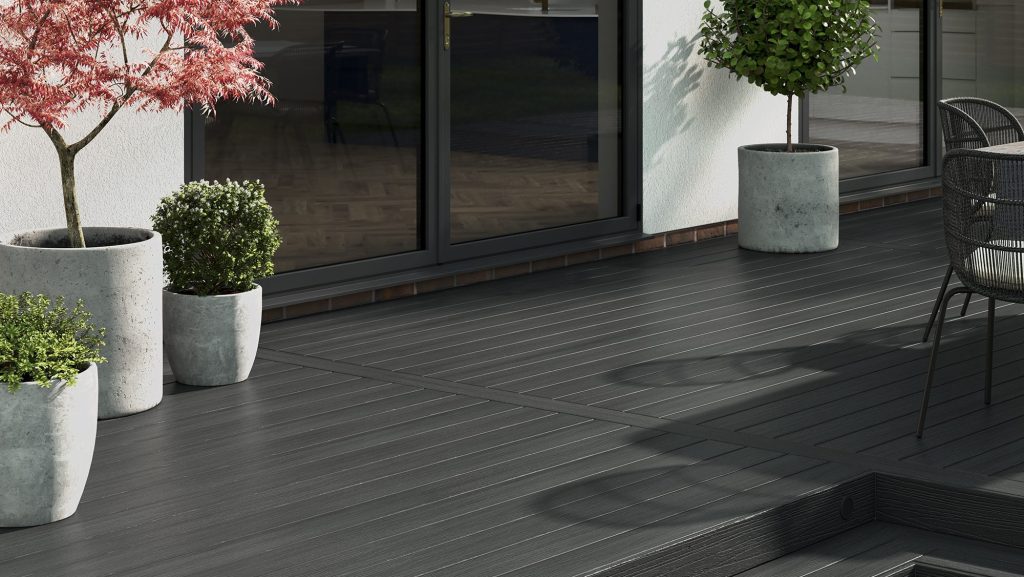
Beyond traditional decking, composite boards are increasingly used in creative landscape designs. Garden paths, terraces, rooftop patios, and outdoor seating areas can benefit from the flexibility and aesthetics of composite materials. They can be easily cut and shaped to fit unique layouts or incorporate patterns, providing designers with greater creative freedom. Composite boards also pair well with other landscaping elements, such as planters, water features, and outdoor lighting, allowing for cohesive and modern outdoor environments.
Pool Areas
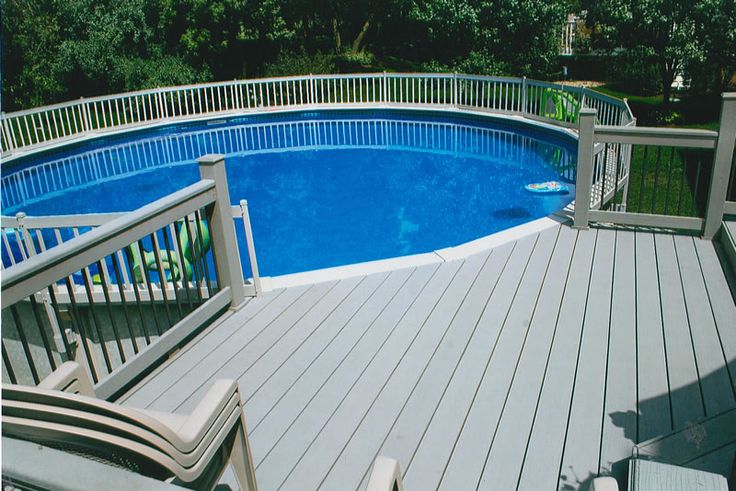
Safety is a key consideration around swimming pools, and composite decking boards provide a practical solution. Many boards feature slip-resistant surfaces, reducing the risk of accidents when walking on wet areas. Unlike traditional wood, composite materials do not splinter, making them safer for bare feet. They are also resistant to chlorine, saltwater, and other chemicals commonly found in pool areas, ensuring longevity and low maintenance. Homeowners and facility managers can enjoy a visually appealing and functional pool deck without the frequent repairs and upkeep associated with wood decks.
Additional Outdoor Uses
Beyond these primary applications, composite decking boards can be used in outdoor furniture, pergolas, rooftop gardens, and even exterior cladding. Their adaptability and durability make them suitable for almost any outdoor construction project, providing a modern, eco-friendly alternative to traditional materials. With a growing range of colors, finishes, and textures, composite boards allow architects, builders, and homeowners to combine functionality with design excellence.
Factors to Consider When Choosing Composite Decking Boards Suppliers
Finding the right composite decking boards suppliers is essential to ensure quality, availability, and service. Here are some factors to consider:
1. Product Quality
- Verify the material composition and board specifications.
- Look for ISO, ASTM, or other quality certifications.
2. Experience and Reputation
- Established suppliers with years of experience often provide reliable products and after-sales support.
- Check for reviews, testimonials, and case studies.
3. Product Range
- Suppliers offering a wide range of colors, textures, and board profiles allow for customization.
- Availability of accessories like fascia boards, railing systems, and fasteners is a plus.
4. Supply Capacity
- Ensure the supplier can meet large-scale orders and maintain consistent stock.
- Consider shipping and logistics options, especially for international orders.
5. Warranty and Support
- A solid warranty indicates confidence in product quality.
- Suppliers providing technical support and installation guidance can prevent costly mistakes.
6. Sustainability
- Eco-conscious buyers may prefer suppliers that use recycled materials or implement environmentally responsible manufacturing practices.
How to Source Composite Decking Boards Suppliers
Sourcing reliable suppliers requires research and careful vetting. Some methods include:
- Online Marketplaces
- Platforms like Alibaba, Made-in-China, and Global Sources list verified suppliers with detailed product catalogs.
- Trade Shows
- Attending industry trade shows allows buyers to inspect products firsthand and meet manufacturers directly.
- Industry Associations
- Joining associations related to construction, decking, or building materials can provide access to reputable supplier networks.
- Referrals
- Recommendations from contractors, architects, or other businesses in the industry are often trustworthy.
Tips for Evaluating Composite Decking Suppliers
Before finalizing a supplier, consider these tips:
- Request Samples
- Testing samples helps verify color, texture, and quality before bulk purchases.
- Check Manufacturing Facilities
- Visiting the factory or requesting a virtual tour ensures the supplier has adequate production capacity and quality controls.
- Compare Pricing
- Evaluate the price against quality, warranty, and delivery terms. The cheapest option may not always be the best long-term choice.
- Verify Certifications
- Ensure compliance with relevant safety, environmental, and quality standards.
- Ask About Lead Times
- Reliable suppliers provide clear timelines for production and shipping.
Maintenance Tips for Composite Decking Boards
Although composite boards are low maintenance, regular care ensures longevity:
- Cleaning: Wash with water and mild detergent to remove dirt and stains.
- Preventing Mold: Keep the surface dry and clean debris to avoid mold growth.
- Avoiding Scratches: Use protective pads under furniture legs.
- Inspecting Regularly: Check for signs of wear or damage and address issues promptly.
Cost Considerations
The cost of composite decking boards varies depending on quality, brand, board type, and supplier location. On average:
- Solid boards cost more due to higher material density.
- Hollow boards are budget-friendly but may have lower structural strength.
- Capped boards offer long-term value by reducing maintenance needs.
Additional costs include fasteners, railing systems, and installation services. While composite boards may have a higher upfront cost than wood, the lower maintenance and extended lifespan often make them more cost-effective over time.
Conclusion
Selecting the right composite decking boards suppliers is essential for a successful outdoor project. High-quality boards offer durability, low maintenance, and aesthetic versatility, making them a preferred choice for both residential and commercial applications. By understanding board types, advantages, applications, and supplier selection criteria, buyers can make informed decisions and create outdoor spaces that are both functional and visually appealing.
Investing in trusted suppliers ensures access to reliable products, professional support, and long-term satisfaction. Whether planning a backyard deck, commercial terrace, or waterfront boardwalk, composite decking boards provide a sustainable and cost-effective solution for modern outdoor living.