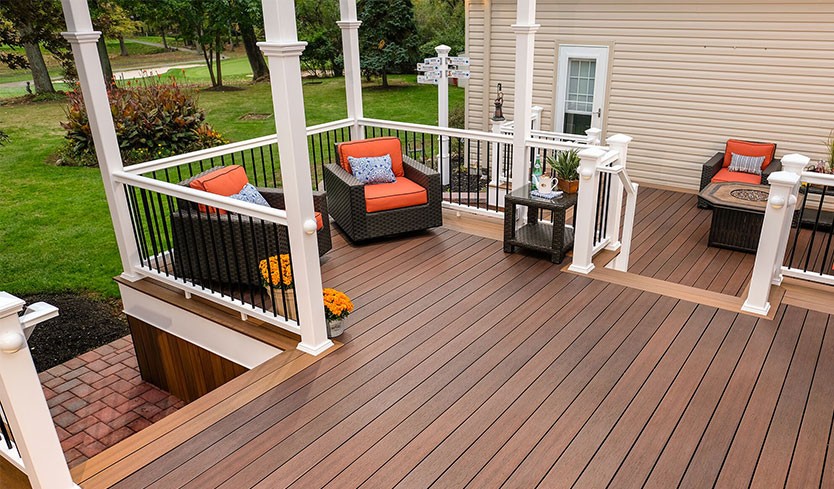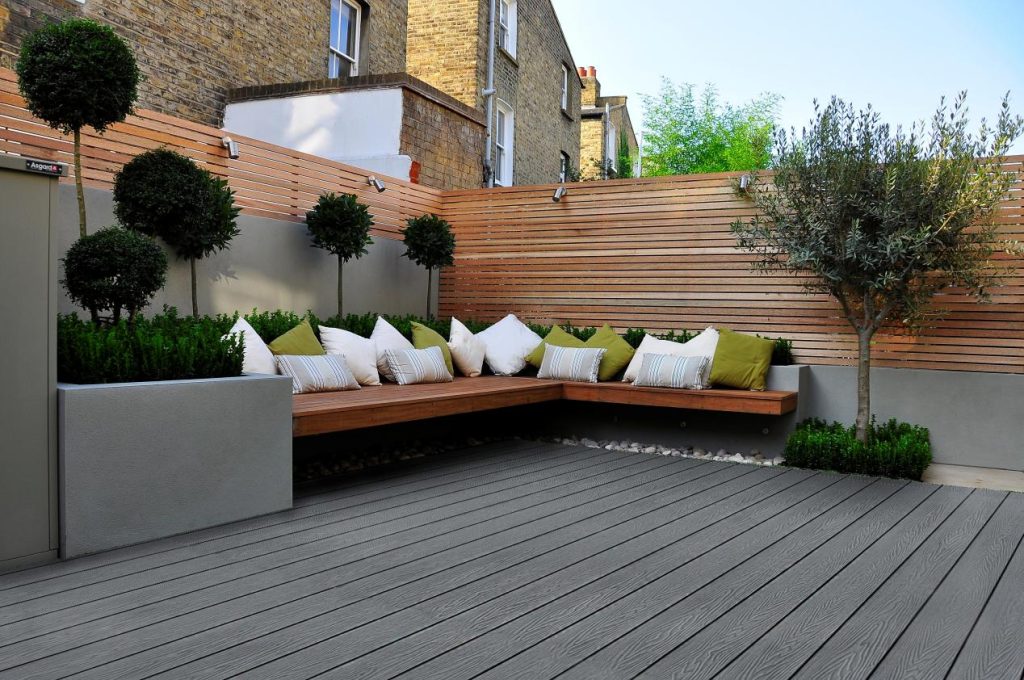
When it comes to enhancing the aesthetic and functional appeal of your roof terrace, one of the most popular options is composite decking. Known for its durability, low maintenance, and wide range of designs, composite decking can transform any outdoor space into a stylish retreat. In this comprehensive guide, we’ll explore the different types of composite decking, the materials used, the available color options, and how to match these choices to your specific needs.
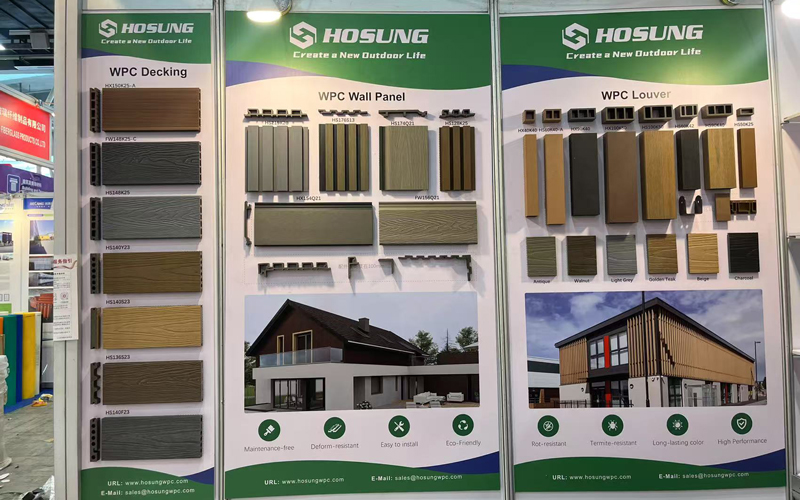
Table of Contents
Types of Composite Decking for Roof Terrace
Composite decking offers a variety of options designed to suit different needs and preferences, particularly when it comes to installation on outdoor spaces like roof terraces. Understanding the types of composite decking materials can help you make the best choice for your project, taking into account durability, ease of installation, aesthetic appeal, and maintenance requirements. In this expanded section, we will dive deeper into various types of composite decking, breaking them down into key categories.
1. Capped Composite Decking
Capped composite decking is by far the most popular and widely used type for outdoor spaces, especially roof terraces. It consists of a combination of wood fibers and plastic, encased in an additional layer of durable plastic known as the “cap.” This outer layer plays a significant role in enhancing the performance of the decking, making it more resistant to environmental stressors like moisture, UV rays, and dirt.
Key Features:
- Enhanced Durability: The cap acts as a protective barrier against water damage, mold, mildew, and fading from sun exposure, ensuring that your decking looks good for years.
- Low Maintenance: Unlike wood decking, capped composite decking doesn’t require frequent sanding, staining, or sealing. Simply cleaning it periodically will maintain its beauty.
- Color Consistency: The capped layer often includes UV inhibitors, which help preserve the color and finish of the decking over time, preventing discoloration.
- Variety of Finishes: Available in a wide range of wood-like finishes and colors, capped composite decking can mimic the natural look of wood while offering superior performance.
Capped composite decking is ideal for roof terraces because of its low maintenance and long-lasting performance. It also prevents issues like warping and splintering, which can be a concern with traditional wood.
2. Uncapped Composite Decking
Uncapped composite decking lacks the protective outer layer found in capped composite decking. While it still includes a blend of wood fibers and plastic, the absence of the cap makes it less resistant to environmental factors such as moisture and UV rays.
Key Features:
- Affordable Option: Uncapped composite decking is generally more affordable than capped options, making it an attractive choice for homeowners on a budget.
- Environmental Impact: Although it lacks the extra layer of protection, uncapped composite decking still offers the eco-friendly benefits of recycled wood and plastic materials.
- Potential for Wear: Over time, uncapped decking can show signs of fading, staining, or damage from moisture. It may require more frequent cleaning and care to maintain its appearance.
- Natural Look: Uncapped composite decking typically has a more natural wood appearance, making it a good option for those who prefer the aesthetic of raw, untreated wood.
While uncapped composite decking can be a cost-effective solution for some applications, it may not be the best choice for roof terraces, especially in areas with high moisture exposure, as it requires more maintenance and care over time.
3. Hollow-Core Composite Decking
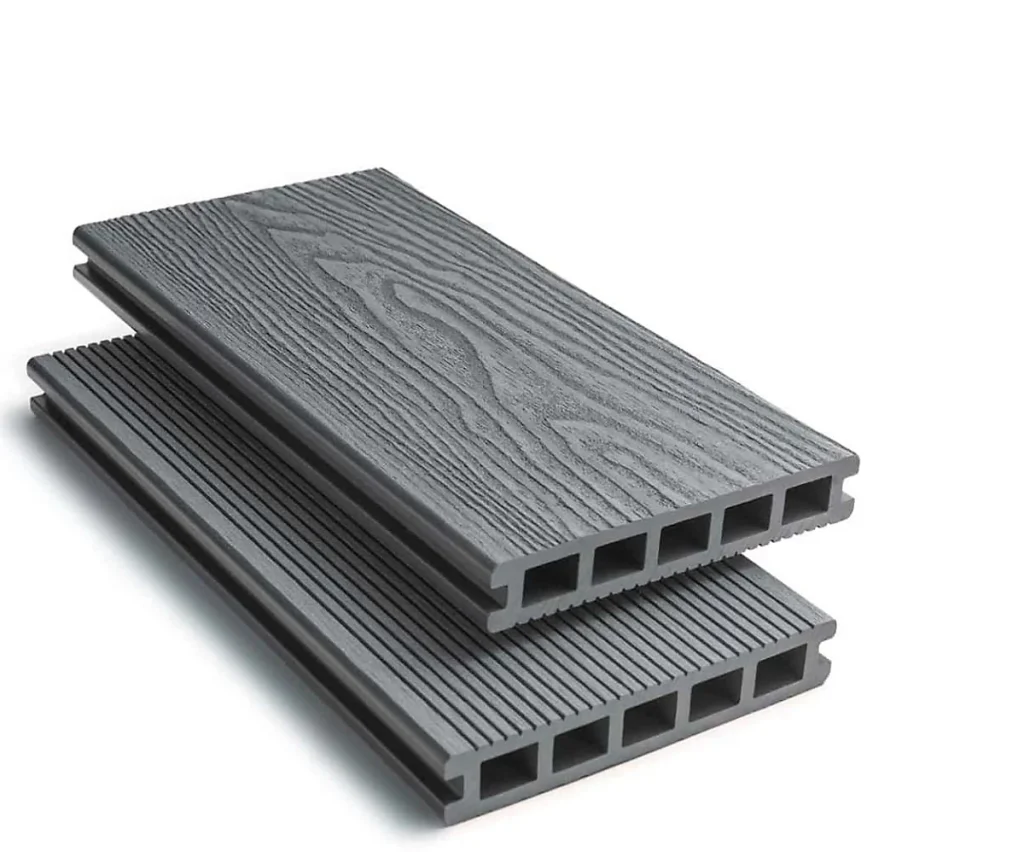
Hollow-core composite decking refers to decking boards that feature a hollow interior. These boards are lighter in weight compared to solid-core boards, which makes them easier to handle and install, particularly on roof terraces where weight is a significant concern.
Key Features:
- Lightweight Construction: Hollow-core boards are made by extruding a hollow channel through the middle of the board, reducing the overall weight. This makes them ideal for applications where the structure needs to support less weight, such as on a roof terrace or elevated deck.
- Cost-Effective: The manufacturing process for hollow-core decking is generally less expensive than solid-core decking, resulting in a more budget-friendly option.
- Increased Expansion and Contraction: Because of their hollow structure, these boards may expand or contract more than solid-core boards with temperature changes. This can cause slight gaps between boards or affect the overall appearance over time.
- Less Sturdy: While hollow-core composite decking is strong enough for light to moderate foot traffic, it is generally less sturdy than solid-core decking and may not be the best choice for areas that will experience high traffic.
Hollow-core composite decking is an excellent choice for roof terraces, especially in areas where weight is a major concern. However, it is important to ensure that the structure can support the decking over time and consider using additional support in areas of heavy foot traffic.
4. Solid-Core Composite Decking
Solid-core composite decking is made from a solid, dense material that does not contain hollow channels. This type of decking is generally stronger, more robust, and offers a premium feel compared to hollow-core options. Solid-core decking boards tend to have a heavier weight, making them ideal for ground-level decks or areas where additional durability is required.
Key Features:
- Sturdier Construction: Solid-core decking offers better structural integrity and can withstand higher foot traffic, making it ideal for larger roof terraces or areas that will be heavily used.
- Premium Aesthetic: Solid-core boards tend to have a higher-end appearance due to their dense construction. They can provide a more substantial, solid feel underfoot and a more luxurious look overall.
- Resistance to Warping and Splitting: The solid construction of the boards helps prevent warping, splitting, and sagging over time, which can be a concern with other types of decking.
- Heavier Weight: Solid-core decking is significantly heavier than hollow-core options, which can make installation more challenging, particularly on roof terraces. However, this added weight often translates to greater durability.
For a premium roof terrace experience, solid-core composite decking is a fantastic option, offering superior durability and a high-end aesthetic. It’s ideal for larger terraces or decks where durability and stability are essential.
5. Blended Composite Decking
Blended composite decking combines two or more materials in the manufacturing process, offering a balance between the affordability of uncapped composite decking and the enhanced performance of capped composite decking. Typically, it includes a combination of recycled wood fibers and plastic, but with the addition of other materials like rice husks or bamboo fibers to enhance the product’s strength, flexibility, and sustainability.
Key Features:
- Eco-Friendly Materials: Blended composite decking is often made from sustainable materials, such as bamboo fibers or rice husks, making it a more environmentally friendly option compared to traditional composite decking.
- Better Durability: The blending of additional materials can improve the overall performance of the decking, offering better resistance to the elements, scratching, and fading.
- Improved Aesthetics: With a wider range of color and texture options, blended composite decking can provide a more natural appearance that mimics the look of hardwood while maintaining the durability of plastic.
- Longer Lifespan: Due to its enhanced construction and materials, blended composite decking often lasts longer than traditional composite decking, with improved resistance to wear and tear.
Blended composite decking provides an excellent option for roof terraces, especially for homeowners who are focused on sustainability and environmental impact, while still looking for a durable and attractive decking solution.
6. Concealed Fastener Composite Decking
Concealed fastener decking uses a hidden fastening system to secure the boards in place, creating a sleek, smooth appearance without visible screws or nails. This type of composite decking is particularly desirable for modern and clean aesthetic preferences.
Key Features:
- Clean Appearance: The lack of visible screws and nails provides a streamlined and polished look, which is ideal for modern or minimalist designs.
- Easy to Install: Concealed fasteners are typically easier to install than traditional screw-based systems. They allow for more flexibility in the layout of the boards, making them a popular choice for those who value precision.
- No Surface Damage: The absence of exposed fasteners helps prevent damage to the decking surface, which can happen over time as screws or nails corrode or loosen.
This type of decking is ideal for those who want a seamless, refined finish for their roof terrace. The concealed fastening system can help create a clean, elegant look while still offering the same durability and performance as traditional composite decking.
Materials Used in Composite Decking
The quality and performance of composite decking depend largely on the materials used in its production. The main components of composite decking are wood fibers and plastic. Here’s a closer look at the materials:
Wood Fibers:
Wood fibers are the primary material in composite decking, contributing to its natural look. These fibers are usually sourced from recycled wood, which makes composite decking an eco-friendly choice. Wood fibers also offer the decking a more textured, wooden finish compared to pure plastic alternatives.
Plastic:
Plastic is the second primary component, often polyethylene or PVC (polyvinyl chloride). The plastic used in composite decking helps with durability, moisture resistance, and weathering. It also reduces the amount of maintenance required, as plastic is less prone to damage from sun exposure or moisture.
Recycled Materials:
A significant advantage of composite decking is that it’s often made from recycled materials, including wood scraps, sawdust, and plastic waste. This makes it an environmentally friendly option, as it helps reduce the carbon footprint and reliance on new raw materials.
Choosing the Right Composite Decking for Your Roof Terrace
When selecting composite decking for your roof terrace, there are a few key factors to consider to ensure you get the best fit for your needs:
A. Durability and Weather Resistance:
Roof terraces are subjected to all sorts of weather conditions, from intense sun to rain, snow, and wind. Make sure the composite decking you choose is designed for all-weather use. Look for capped composite decking with UV protection and moisture resistance to prevent fading and warping.
B. Maintenance Requirements:
One of the main reasons homeowners opt for composite decking is its low-maintenance nature. However, there are differences in maintenance needs among the various types. Capped composite decking requires minimal upkeep compared to uncapped decking, which may require more cleaning and care.
C. Weight Considerations:
Since you are installing the decking on a roof terrace, weight is a critical factor. Lighter options like hollow-core composite decking are perfect for roof installations as they won’t overload the structure.
D. Slip Resistance:
Safety is paramount for outdoor spaces like roof terraces. Ensure that the composite decking you choose is slip-resistant, especially when wet. Some composite decking options feature textured surfaces to increase traction.
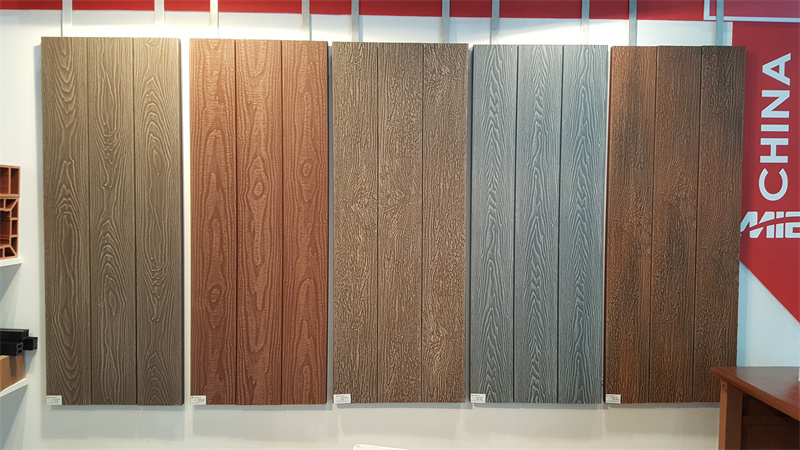
Colors and Finishes of Composite Decking
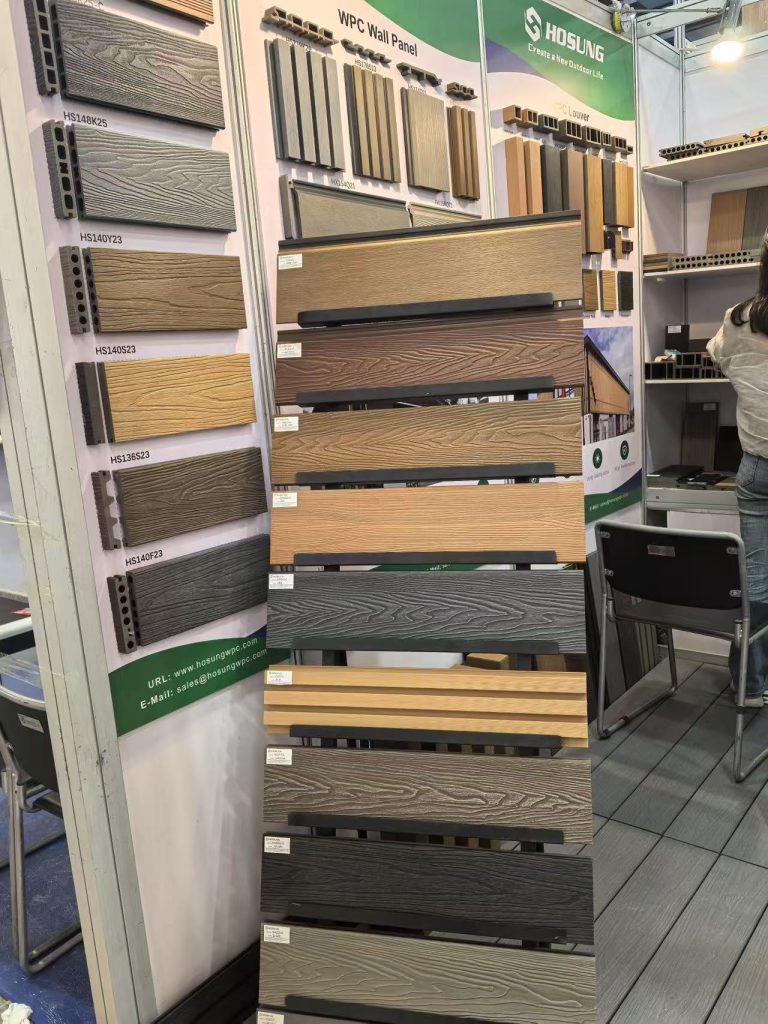
Composite decking is available in a wide range of colors and finishes, allowing you to customize the look of your roof terrace according to your aesthetic preferences. Here’s an overview of the options available:
A. Natural Wood Look:
For those who want the beauty of natural wood without the hassle, composite decking that mimics the look of wood is a popular choice. Available in various wood tones, such as oak, walnut, or cedar, these options give your roof terrace a traditional, warm, and inviting feel.
B. Bold and Modern Colors:
If you prefer a more contemporary look, composite decking comes in a wide array of modern, bold colors, including slate gray, charcoal, and teak. These colors are ideal for creating a chic, minimalist aesthetic on your roof terrace.
C. Two-Tone or Dual-Sided Options:
Some composite decking options come with dual-sided designs, offering two colors or textures on the same board. This flexibility allows you to create a custom look that suits your design preferences while ensuring a practical solution for outdoor use.
D. Weathered and Rustic Finishes:
For a more rustic, weathered look, some composite decking brands offer a “distressed” or “weathered” finish. This type of decking looks like aged wood, providing a more rustic and laid-back atmosphere for your roof terrace.
E. Customization:
Many composite decking manufacturers also offer customization options, allowing you to select the color and finish that suits your project.
Matching Composite Decking with Your Roof Terrace Design
Choosing the right composite decking is just the beginning. Once you’ve selected the type, material, and color, you need to think about how to match the decking with the rest of your roof terrace’s design elements.
A. Coordinating with Outdoor Furniture:
For a cohesive look, ensure that the colors and finishes of your composite decking complement your outdoor furniture. If you have modern furniture, a sleek gray or black composite decking will match well, whereas a more natural wood finish may pair better with traditional or rustic furniture.
B. Integrating with Landscaping:
Consider how your decking will work with any plants or greenery on your terrace. For example, a natural wood-toned composite deck may blend beautifully with lush green plants, while a bold color may offer a striking contrast to the surrounding foliage.
C. Lighting:
Don’t forget to factor in lighting when designing your roof terrace. Composite decking can be paired with under-deck lighting, step lights, or LED strips to create a stunning nighttime ambiance. Make sure the lighting highlights the texture and color of your decking material.
D. Other Outdoor Accessories:
Incorporate additional accessories such as throw pillows, rugs, and even firepits to create a fully integrated design. The goal is to create an outdoor living space that is both functional and visually appealing.
Conclusion
Composite decking in Hosung is an excellent option for roof terraces due to its durability, low-maintenance nature, and wide variety of design choices. With a range of types, materials, colors, and finishes, you can easily find the perfect composite decking to elevate your outdoor space. By carefully considering factors such as weather resistance, weight, and design matching, you can create a roof terrace that is both beautiful and long-lasting. Whether you prefer a traditional wood-look or a more modern design, composite decking offers an ideal solution for making the most out of your outdoor area.