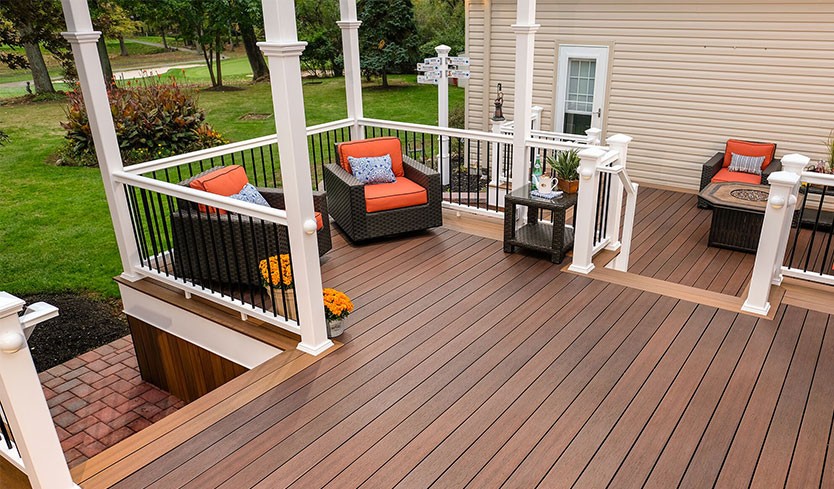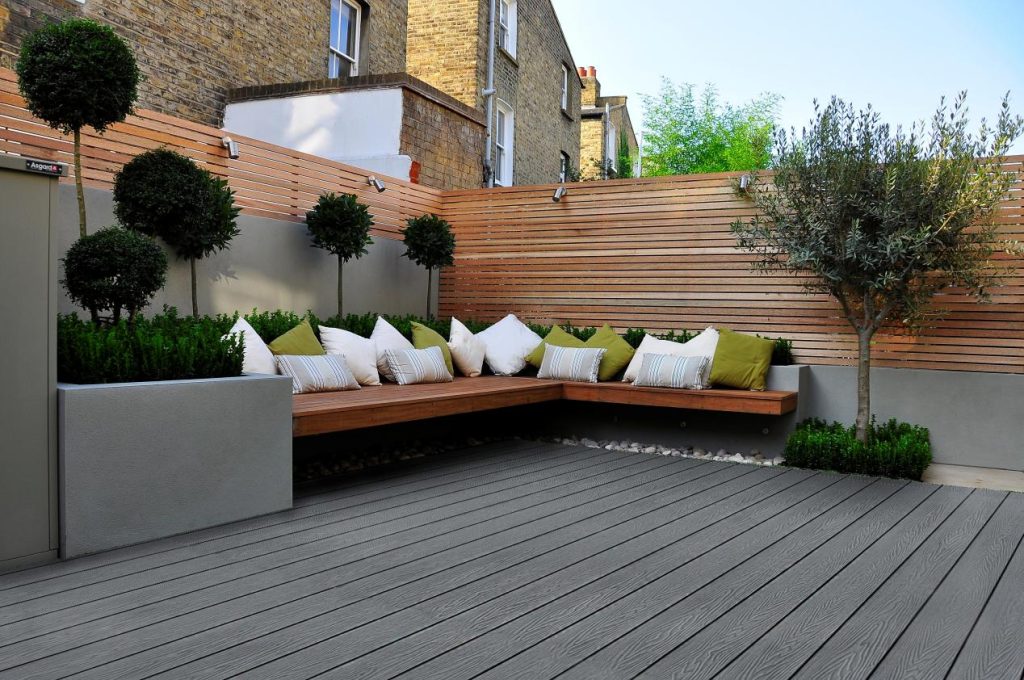
Waterfront properties offer breathtaking views and an unparalleled connection to nature. One of the most important decisions when designing or renovating a waterfront deck is choosing the right decking material. Composite decking for waterfront areas stands out as one of the best options, offering durability, aesthetic appeal, and ease of maintenance. This article will guide you through the types of composite decking suitable for waterfront environments, factors to consider when selecting them, and the best practices for installation and maintenance.
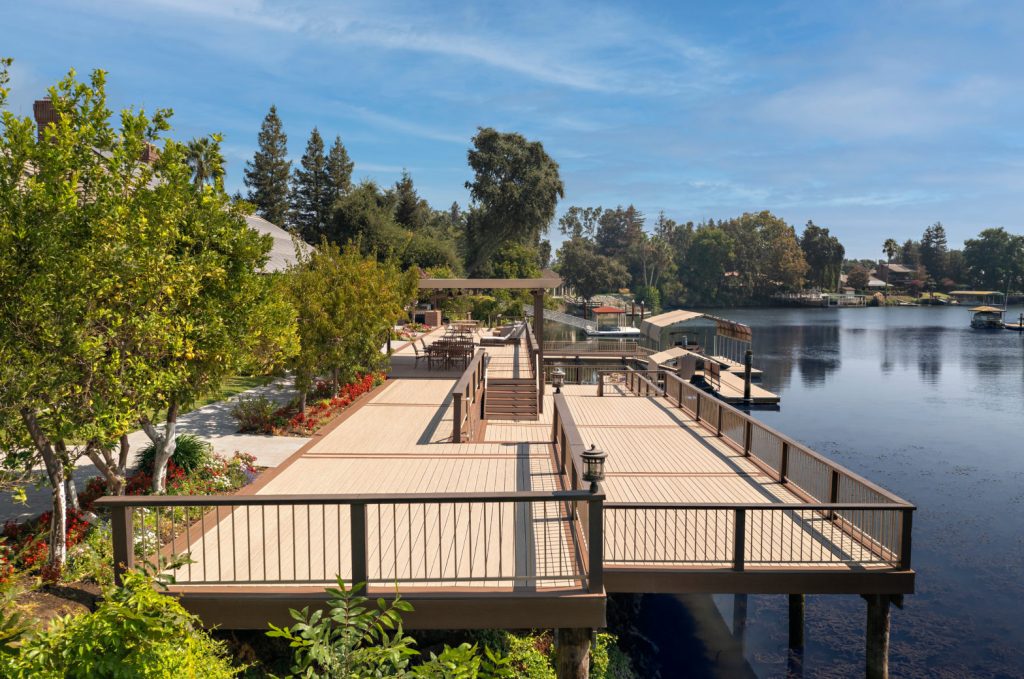
Table of Contents
Understanding Composite Decking
Composite decking is made from a blend of wood fibers and plastic, offering the aesthetic appeal of wood with the low-maintenance benefits of plastic. For waterfront locations, composite decking is especially ideal due to its resistance to moisture, rot, and UV damage, which are common concerns near bodies of water. These qualities make it a long-lasting and durable choice for outdoor areas exposed to the elements.
There are several types of composite decking on the market, each designed to offer different features suited for various environmental conditions. For waterfront properties, selecting the right type is crucial for ensuring both functionality and visual appeal.
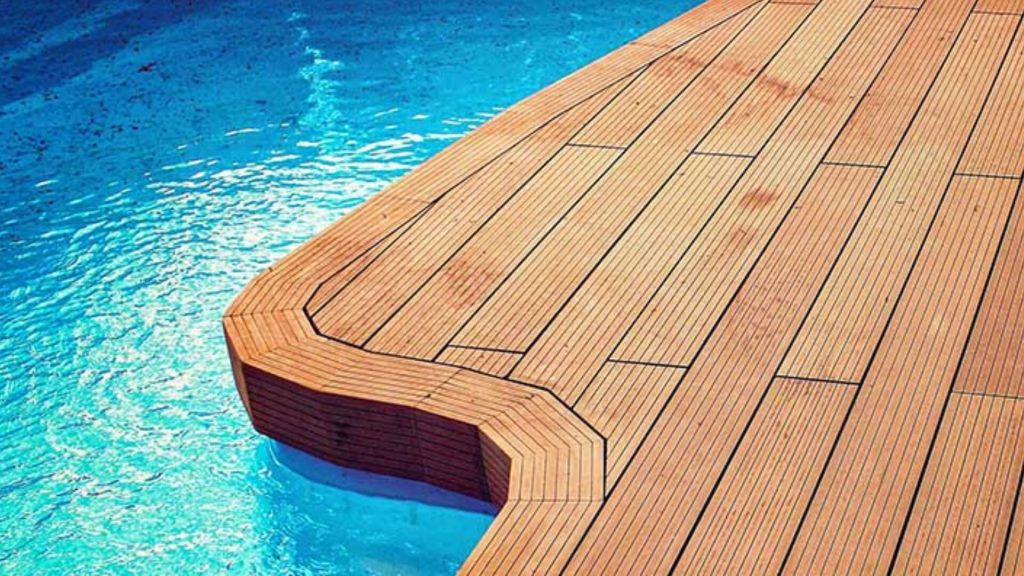
Types of Composite Decking for Waterfront Areas
Composite decking in Hosung comes in various styles, colors, and materials, each designed to meet the specific needs of waterfront environments. The following are the most popular types of composite decking suitable for these locations:
a. Traditional Wood-Plastic Composite (WPC)
Wood-plastic composite (WPC) is the most common type of composite decking. It combines wood fibers and plastic to create a durable, low-maintenance decking solution. WPC boards are ideal for waterfront properties due to their resistance to water, mold, and mildew.
Advantages:
- Low maintenance: WPC does not require staining or sealing like natural wood.
- Water-resistant: Perfect for decks near water, as it won’t warp, splinter, or rot.
- Eco-friendly: Made from recycled materials like wood chips and plastic.
Best for: Homeowners who want a budget-friendly and durable option with natural wood aesthetics.
b. Capped Composite Decking
Capped composite decking is an advanced version of traditional WPC decking. It features a protective layer (the “cap”) made of a tough plastic material that surrounds the wood-plastic core. This cap provides extra protection against moisture, UV rays, stains, and scratches, making it a more durable option for waterfront decks.
Advantages:
- Superior moisture resistance: The cap helps prevent water from penetrating the core.
- Scratch and stain-resistant: The cap protects the decking surface from wear and tear.
- Enhanced durability: Longer lifespan compared to traditional WPC.
Best for: Waterfront properties that experience high moisture levels and for homeowners who want a high-end, low-maintenance decking option.
c. PVC Decking
PVC decking is made entirely of plastic, offering 100% moisture resistance. Unlike wood-plastic composites, PVC decking contains no wood fibers, making it impervious to water damage, rot, and mold. This makes it the best option for waterfront properties that are consistently exposed to high humidity or saltwater.
Advantages:
- Waterproof: PVC decking will not absorb moisture, making it resistant to water damage.
- UV-stable: Resists fading and discoloration even in direct sunlight.
- Extremely low maintenance: No staining, sealing, or painting required.
Best for: Coastal properties and areas with frequent rainfall or high humidity.
d. Bamboo Composite Decking
Bamboo composite decking is an eco-friendly alternative that uses bamboo fibers mixed with recycled plastic. Bamboo is a sustainable material known for its strength and resilience, making it an excellent choice for waterfront areas where durability is a top priority.
Advantages:
- Eco-friendly: Bamboo is a renewable resource that grows quickly, making it a sustainable choice.
- Durable and strong: Bamboo composite decking is strong and resistant to the elements.
- Unique look: Bamboo offers a distinctive, contemporary aesthetic.
Best for: Waterfront properties looking for an eco-friendly and modern decking solution.
Factors to Consider When Choosing Composite Decking for Waterfront Areas
Choosing the right composite decking for a waterfront property involves considering several important factors. Here are the key elements to take into account:
a. Durability and Moisture Resistance
Waterfront properties are constantly exposed to moisture, whether from rain, humidity, or the water itself. Choosing composite decking that is resistant to water is essential to ensuring longevity and minimizing the need for frequent maintenance. PVC decking is often the most durable in terms of moisture resistance, followed by capped composite decking and traditional WPC.
b. Slip Resistance
Waterfront decks are prone to moisture accumulation, making slip resistance an essential factor. Ensure the composite decking you select has a textured surface that provides adequate grip, even when wet. Many brands offer composite decking with slip-resistant coatings or features specifically designed for wet conditions.
c. Aesthetic Appeal
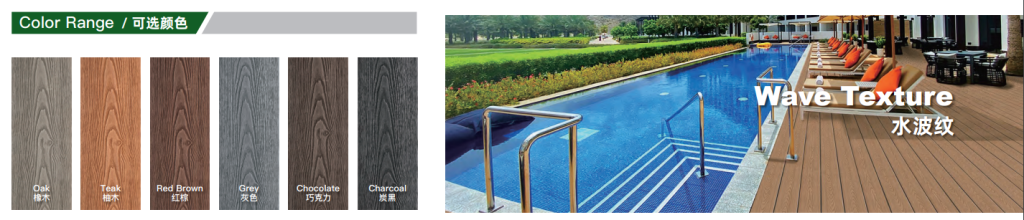
The visual appearance of your deck is an important consideration, especially when it complements the natural beauty of a waterfront property. Composite decking comes in various colors, textures, and finishes, allowing you to choose a style that complements your property’s design. For a natural wood look, WPC or bamboo composite decking may be ideal, while PVC decking often has a more uniform, sleek appearance.
d. Maintenance Requirements
While composite decking generally requires less maintenance than traditional wood, some materials still require more care than others. Capped composite decking and PVC decking are among the lowest-maintenance options, as they are resistant to staining, fading, and mold growth. Bamboo composite decking may require some maintenance to keep it looking its best, as it can be more susceptible to staining.
e. Environmental Considerations
If you are looking for a sustainable decking option, consider choosing bamboo composite decking or other materials made from recycled plastics. These options provide an eco-friendly alternative while still offering the performance and durability needed for waterfront areas.
Best Practices for Installing Composite Decking at Waterfront Properties
When installing composite decking for waterfront areas, it’s crucial to follow best practices to ensure longevity and durability. Here are the key steps:
a. Proper Substructure
A solid, stable substructure is essential for ensuring the integrity of the decking. Use pressure-treated lumber or galvanized steel for the framing to prevent corrosion. Additionally, ensure proper drainage around the deck to prevent water buildup underneath the decking.
b. Adequate Spacing
Ensure proper spacing between boards to allow for water drainage and expansion. Follow the manufacturer’s guidelines regarding the recommended gap between boards, as this can vary depending on the material used.
c. Sealing the Edges
For added protection, consider sealing the edges of the composite decking with a water-resistant sealant to prevent moisture from seeping into the edges, especially if the decking is installed in a high-moisture environment like a waterfront.
Maintenance Tips for Waterfront Composite Decking
While composite decking is known for its low-maintenance properties, proper care is still necessary to keep it looking its best, especially in the harsh conditions of a waterfront environment. Here are some maintenance tips:
a. Regular Cleaning
Regularly clean your composite deck using a mild detergent and warm water to remove dirt, debris, and algae buildup. Avoid using harsh chemicals or power washers, as they can damage the surface.
b. Mold and Mildew Prevention
If your waterfront deck is exposed to high humidity or standing water, mold and mildew may develop. Regular cleaning with a mixture of vinegar and water can help prevent this. Additionally, installing proper drainage can reduce the risk of mold growth.
c. Inspection for Damage
Regularly inspect your composite decking for signs of damage, such as cracks or loose boards. Replacing damaged boards promptly will help prevent further issues and maintain the structural integrity of the deck.
Conclusion
Composite decking for waterfront properties is an excellent choice for homeowners who want a durable, low-maintenance, and aesthetically pleasing outdoor space. By understanding the types of composite decking available, considering the environmental factors, and following best practices for installation and maintenance, you can ensure that your waterfront deck will stand the test of time and provide a beautiful, functional outdoor space for years to come.
Whether you opt for wood-plastic composite, capped composite decking, PVC, or bamboo composite decking, each type offers unique advantages that make them well-suited for the challenges of waterfront environments. With the right choice and care, your waterfront deck can become the perfect spot to relax, entertain, and enjoy the natural beauty around you.